



La Grande Table Marocaine at Royal Mansour holds a place in the World's 50 Best Restaurants MENA 2024 (ranked 22nd) and earned 97 points on La Liste 2025, alongside a Les Grandes Tables du Monde award. Under executive chef Karim Ben Baba, the kitchen reframes Moroccan cooking around vegetables, aromatics, and slow-cooked proteins rather than the familiar procession of tagines and cooked salads that defines most of the city's fine dining.
Pearl is the En Primeur Club membership app — saves, bookings, and concierge access live there. Same editors, same standards.
- Address
- Rue Abou El Abbas Sebti, Marrakesh 40000, Morocco
- Phone
- +212 6 30 00 44 33
- Website
- royalmansour.com
- Directions
- Get directions
 Saves & bookings on Pearl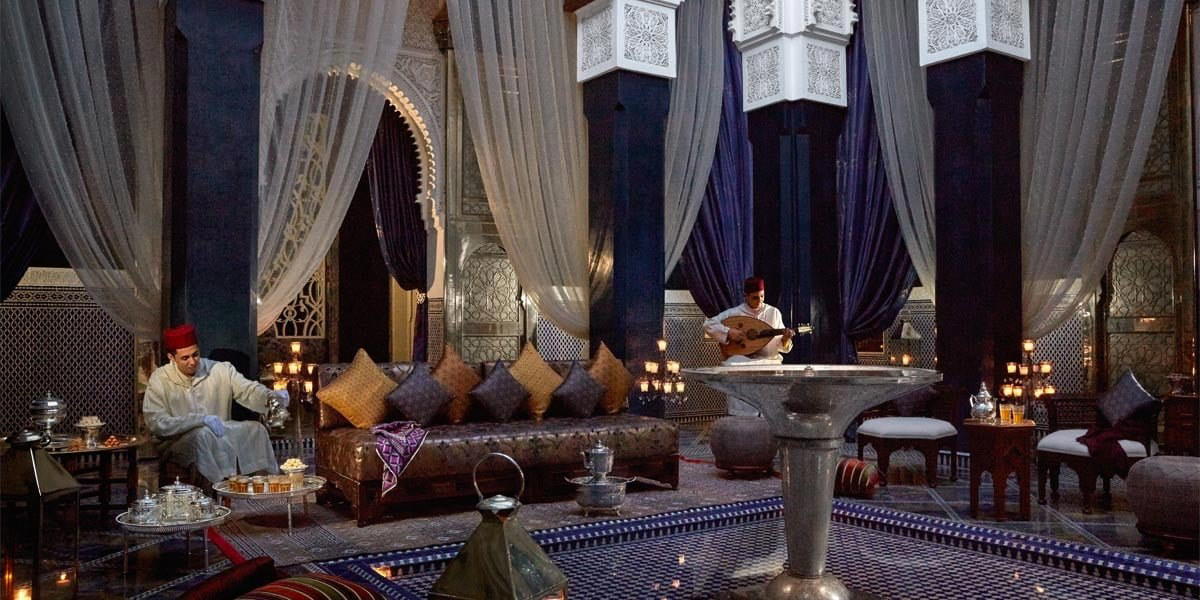
Where Moroccan Fine Dining Redrew Its Own Boundary
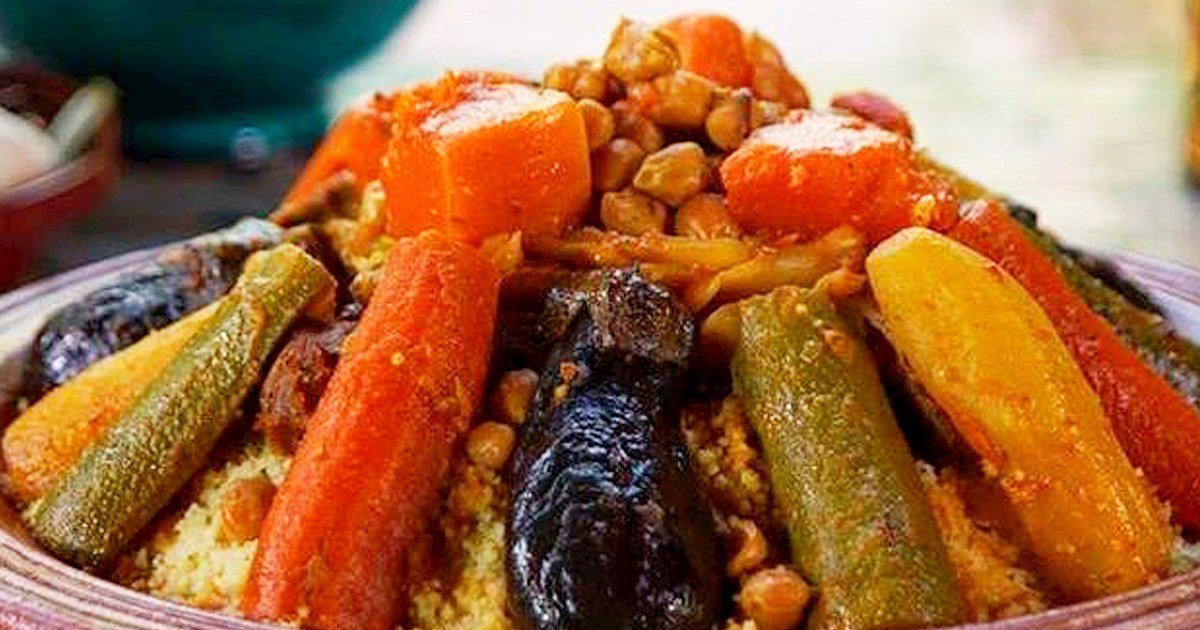
For decades, the ceiling of Moroccan restaurant cooking was set by tradition rather than ambition: a sequence of cooked salads, a pastilla, a tagine, a couscous. That format served visitors well, but it also calcified into ritual, each course arriving in the same order across a thousand tables from Fès to Marrakesh. The question of what Moroccan cuisine could become at the highest level of technique and ingredient sourcing had no convincing answer — until a handful of kitchens began asking it seriously. La Grande Table Marocaine at the Royal Mansour sits at the centre of that shift, and the awards record confirms it is not a local outlier. A ranking of 22nd in the World's 50 Best Restaurants MENA 2024, 97 points on La Liste 2025 (revised to 90 points on La Liste 2026), and a Les Grandes Tables du Monde award place it in the same conversation as the most formally recognised tables in the region.
The Architecture of the Meal
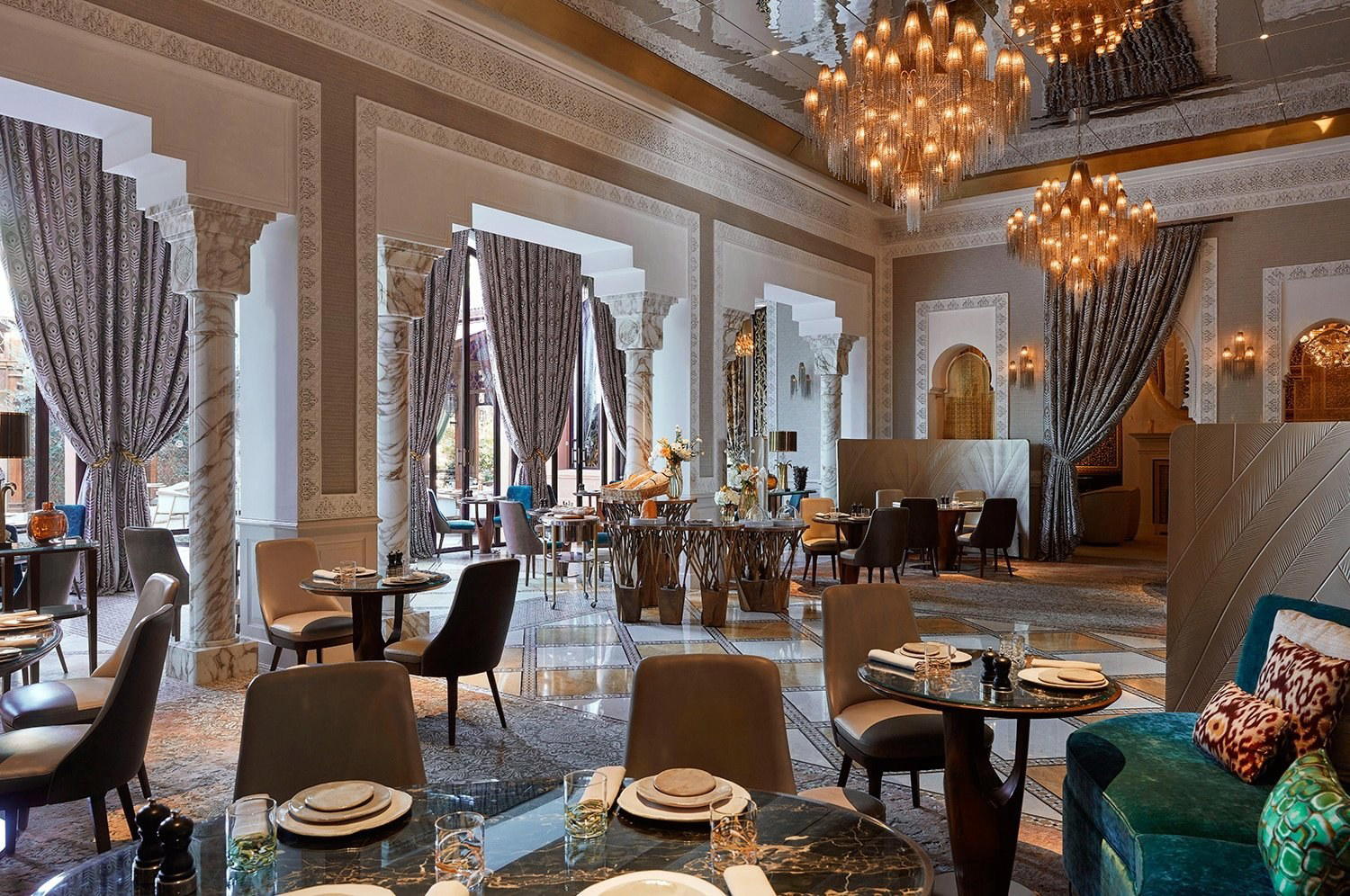
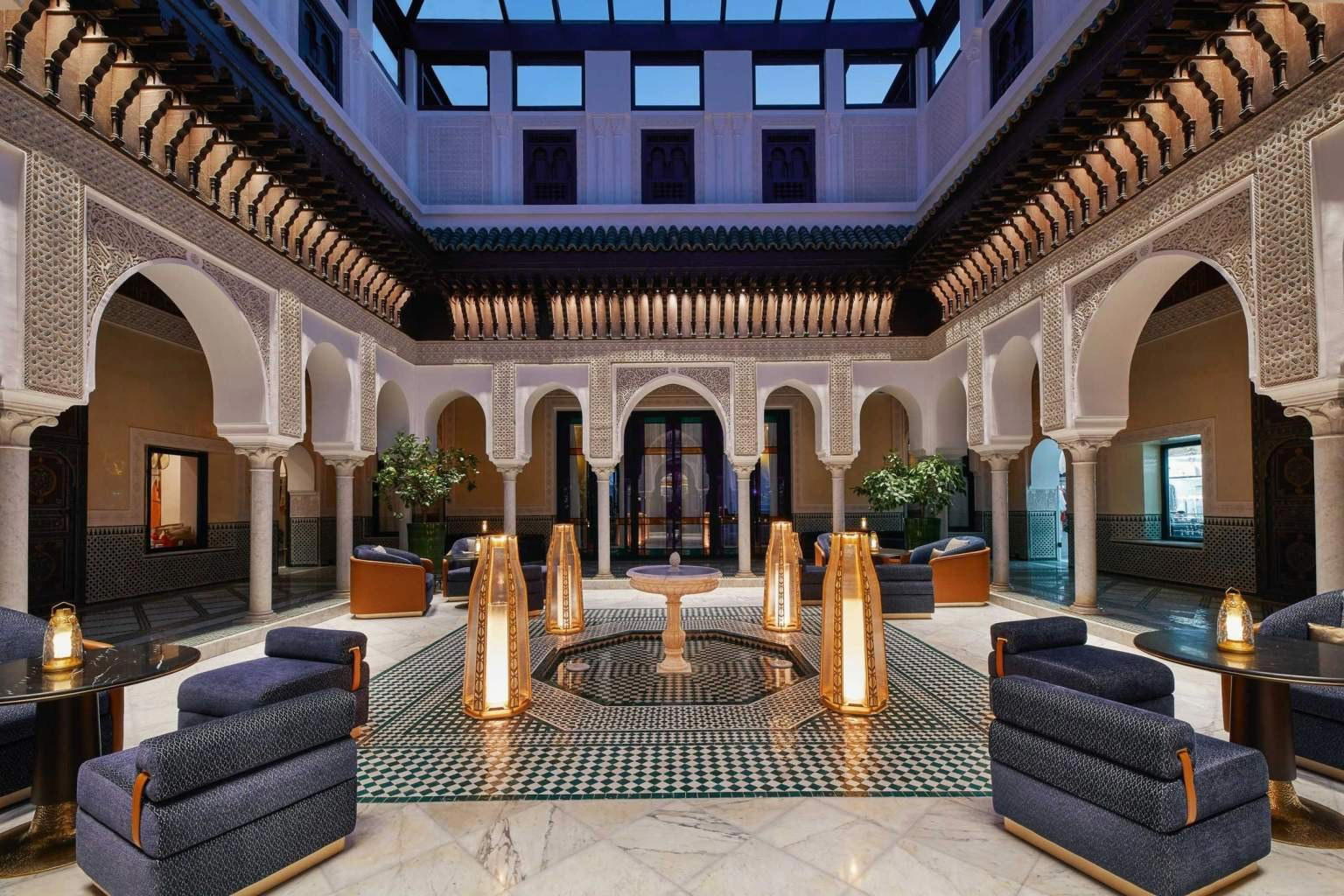
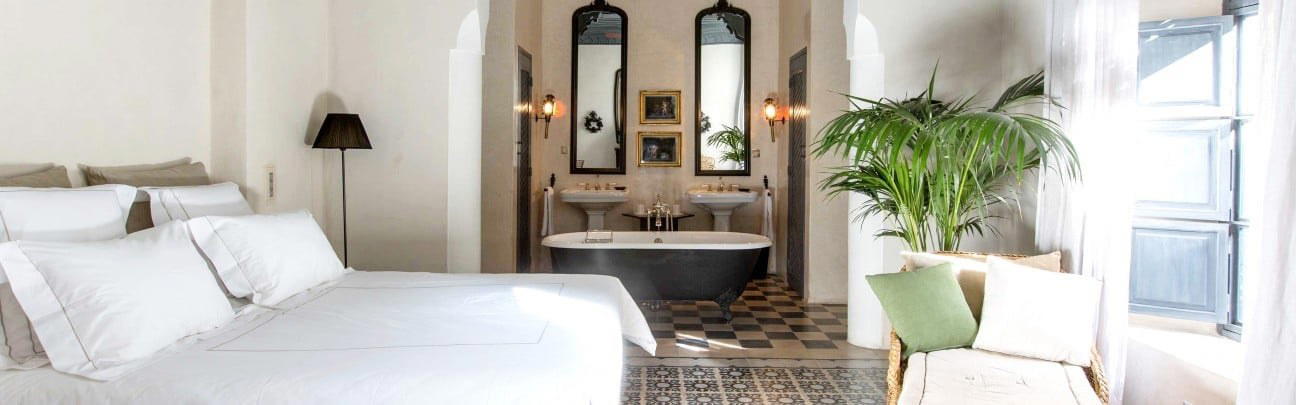
The Royal Mansour itself frames what happens at the table before a dish arrives. The medina-within-a-medina structure means the walk to the dining room passes through narrow alleys, carved plaster, and lantern light — not as decorative backdrop but as architectural argument. The space insists that Moroccan craft belongs in the same register as any European palace hotel, and the kitchen takes that insistence seriously. Arriving at the table, the room reads as formal without rigidity: zellige, mashrabiya screens, and high ceilings, but proportioned so the diner is the focus rather than the décor.
Executive chef Karim Ben Baba leads the kitchen, working within a hotel context that also counts Yannick Alléno's influence through Jérôme Videau's broader team involvement. That European fine-dining infrastructure matters because it provides the technical scaffolding, but the editorial direction of the food remains emphatically Moroccan. The ingredients that anchor the cooking are the same ones found in any good Marrakshi market: fruit, vegetables, aromatics, fresh herbs, and nuts. What changes is the precision applied to them.
Lamb, Slow Heat, and What They Reveal
The editorial angle on Moroccan cooking almost always lands on lamb, and for good reason. Morocco's relationship with sheep runs through its agriculture, its calendar of celebration (Eid al-Adha shapes the country's lamb culture more than any restaurant trend), and its kitchen architecture. The slow-cooked shoulder, the mrouzia with honey and raisins, the mechui cooked in an earthen pit until the meat falls from the bone, these are not dishes that arrived from somewhere else. They are the product of centuries of Moroccan home and palace cooking.
At the level La Grande Table Marocaine operates, the question is not whether lamb appears but how it is handled differently. The slow-roasting tradition is not abandoned for modernist technique; the awards record from La Liste and Les Grandes Tables du Monde suggests the kitchen is winning recognition precisely because it is deepening the tradition rather than replacing it. Vegetables, fruit, and aromatics are refined from supporting roles to structural ones, which changes the weight of the meal without removing the proteins that define the occasion. A lamb dish in this context is not the same as one elsewhere in the medina, and the gap between them is where the kitchen's ambition is most legible.
For comparative context, other high-end Moroccan tables in the city approach the same ingredients with varying degrees of formality. La Cour des Lions - Es Saadi and La Villa des Orangers operate within the riad fine-dining format that anchors much of Marrakesh's upmarket restaurant scene. La Grande Brasserie by Helene Darroze and Sesamo occupy different parts of the spectrum, while +61 moves further from Moroccan tradition altogether. La Grande Table Marocaine occupies a narrower, more formally recognised tier than any of these peers.
Morocco's Fine Dining Beyond Marrakesh
The recognition La Grande Table Marocaine has accumulated is easier to read when placed against the broader Moroccan restaurant map. Fine dining of this ambition remains concentrated rather than dispersed. Outside Marrakesh, Gayza in Fès works within the imperial city's own culinary tradition, while Heure Bleue Palais in Essaouira operates in a coastal register quite different from the interior. Hôtel Le Doge in Casablanca anchors a different urban tradition, and L'Oliveraie in El Hajeb sits in wine-producing territory closer to Meknès, where Château Roslane represents a different axis of Moroccan table culture.
For global reference, the gap between Moroccan fine dining and the institutions atop international lists remains significant. Tables like Le Bernardin in New York City or Atomix in New York City operate within cuisine traditions that have had decades of international critical infrastructure behind them. Moroccan cuisine is earlier in that process, and La Grande Table Marocaine is among the handful of kitchens making the case that the tradition has equivalent depth.
Planning Your Visit
The Royal Mansour is located at Rue Abou El Abbas Sebti in Marrakesh's medina district, close to the Koutoubia Mosque. Given the hotel's positioning and the formal recognition the restaurant carries, reservations through the Royal Mansour directly are the standard approach, the combination of hotel guests and walk-in demand means booking ahead is practical rather than optional. Le Petit Cornichon in Marrakech represents the more casual end of the city's European-influenced dining if a lighter evening is preferable as a counterpoint in a longer Marrakesh stay.
For broader orientation across the city's dining, drinking, and stay options, see our full Marrakesh restaurants guide, our full Marrakesh hotels guide, our full Marrakesh bars guide, our full Marrakesh wineries guide, and our full Marrakesh experiences guide.
Booking and Cost Snapshot
| Venue | Cuisine | Price | Awards |
|---|---|---|---|
| La Grande Table Marocaine - Royal MansourThis venue — the venue you are viewing | Moroccan Cuisine | Before the Royal Mansour Moroccan fine dining rarely stretched beyond muchloved but ubiquitous fare the same cooked salads tagines Then came La Grande Table Marocaine, where executive chef Karim Ben Baba and his team reimagined Moroccan food as we know it.; La Liste Top Restaurants (2026): 90pts; Jérôme Videau leads the team of Yannick Alléno! This is the real Moroccan cuisine and refined. If you know that especially vegetables, fruit, aromatics, fresh herbs and nuts are the basis of his recipes, then you cannot leave here disappointed. Add to that the grandeur of the hotel and you will experience a unique moment!; Chef: Karim Ben Baba document.addEventListener("DOMContentLoaded", function { var el = document.getElementById("Achievements_chefs"); if (el && el.parentNode) { el.parentNode.removeChild(el); } });; Les Grandes Tables Du Monde Award (2025); World's 50 Best Restaurants MENA 2024 - Rank #22; La Liste Top Restaurants (2025): 97pts | This venue |
| L’Italien par Jean-Georges | Not listed | French Moroccan | Not listed |
| La Villa des Orangers | Not listed | Moroccan Cuisine | Not listed |
| Le Jardin d'Hiver | Not listed | Moroccan Traditional | Not listed |
| Palais Ronsard | Not listed | Moroccan French | Not listed |
| La Cour des Lions - Es Saadi | Not listed | Moroccan Cuisine | Not listed |
Recognition history
Dated appearances from independent guides and award organizations, with the underlying list record or original source where available.
La Liste Top Restaurants
La Liste
Les Grandes Tables du Monde Member
Les Grandes Tables du Monde
World's 50 Best MENA's Best Restaurants #19
World's 50 Best
La Liste Top Restaurants
La Liste
The Best Chef One Knife
The Best Chef
We're Smart World 3 Radishes
We're Smart World
World Culinary Awards Morocco's Best Restaurant 2025 #1
World Culinary Awards
World's 50 Best MENA's Best Restaurants #22
World's 50 Best
Continue exploring
More in Marrakech
Restaurants in Marrakech
Browse all →
Bars in Marrakech
Browse all →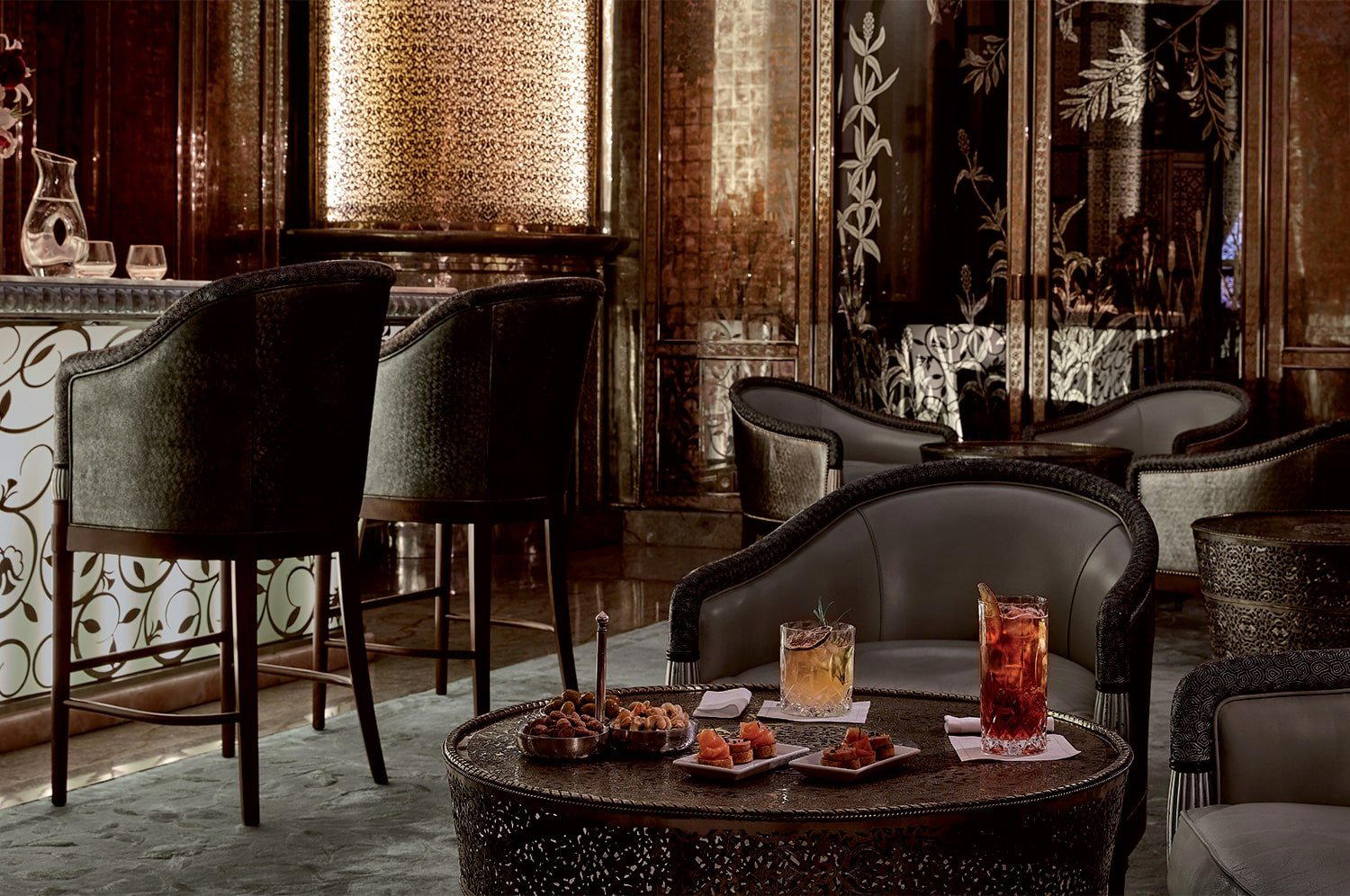

Hotels in Marrakech
Browse all →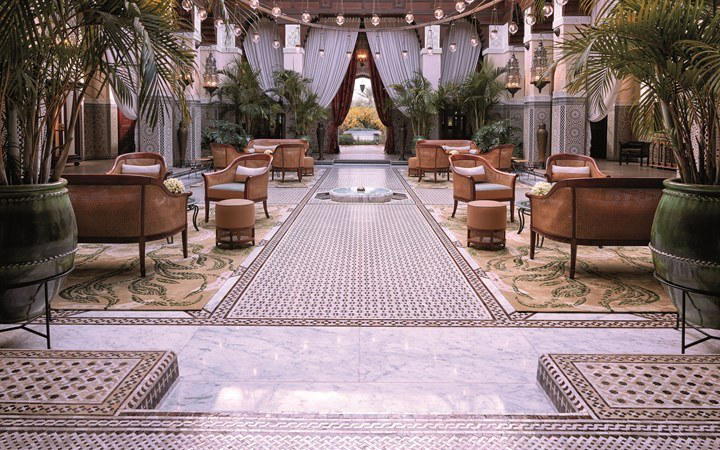
Wineries in Marrakech
Browse all →
At a Glance
- Elegant
- Ornate
- Sophisticated
- Romantic
- Intimate
- Special Occasion
- Date Night
- Celebration
- Hotel Restaurant
- Courtyard
- Live Music
- Extensive Wine List
- Sommelier Led
- Garden
Current opening hours
- Monday
- 7–10:30 PM
- Tuesday
- 7–10:30 PM
- Wednesday
- 7–10:30 PM
- Thursday
- 7–10:30 PM
- Friday
- 12–2:30 PM, 7–10:30 PM
- Saturday
- 7–10:30 PM
- Sunday
- 7–10:30 PM
Hours can change for holidays and private events. Last verified .
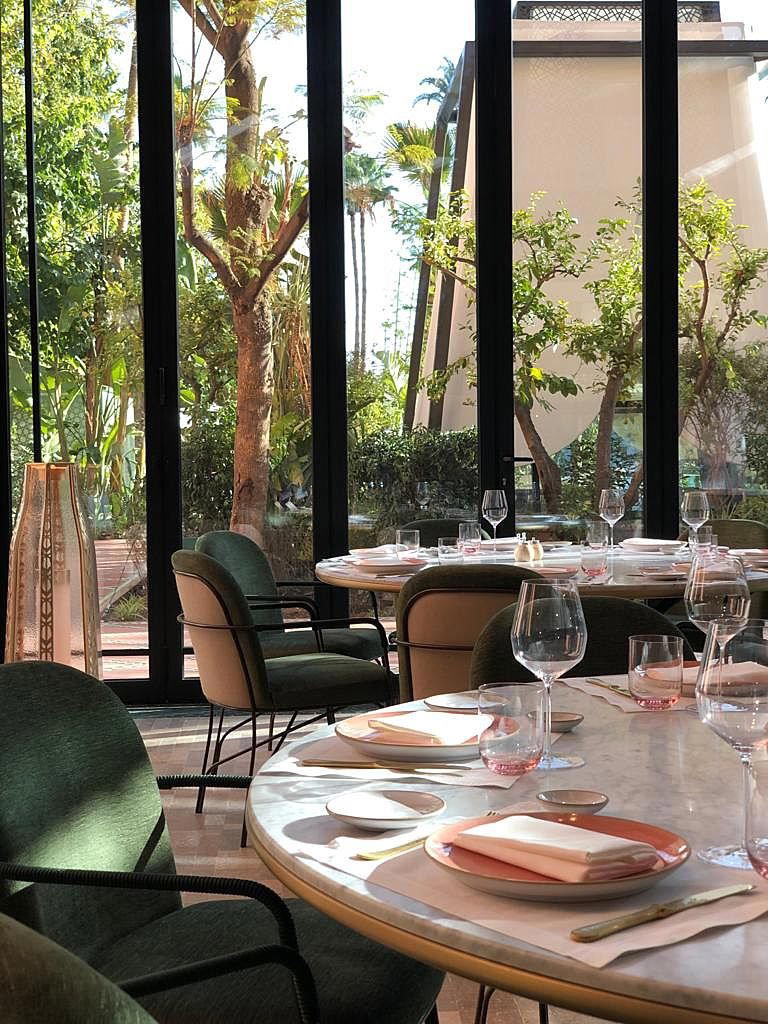
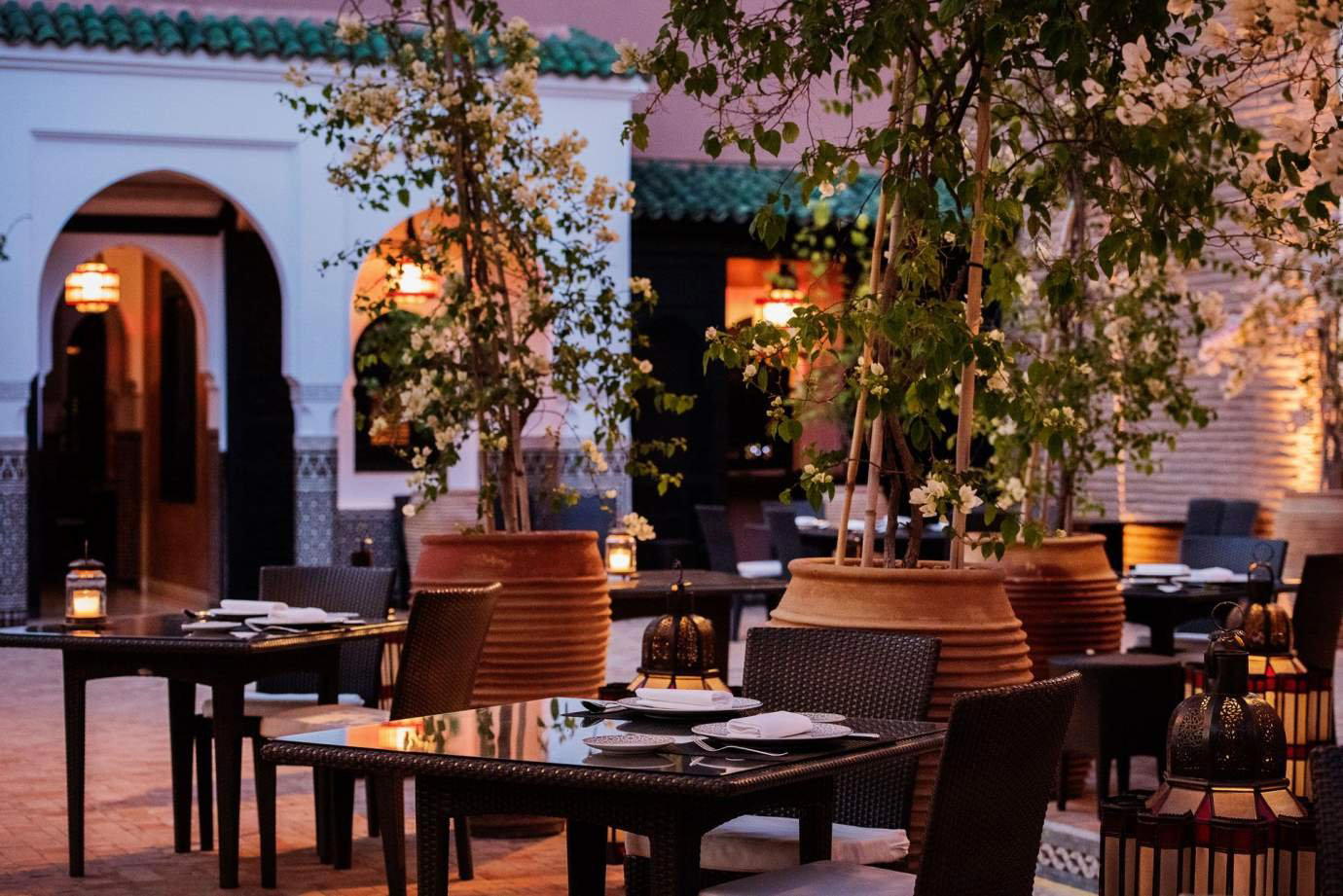
Elegant riad-style courtyard with low lighting, water fountain, skylight, traditional Moroccan decor, and subtle background music creating a magical and sophisticated atmosphere.
Know Before You Go
- Getting there
- Rue Abou El Abbas Sebti, Marrakesh 40000, Morocco