Azurita sits at the crossroads of Moroccan and Mediterranean cooking in Tangier, a city whose dining identity has always been shaped by the Strait that separates it from Europe. The kitchen draws on the olive oil traditions common to both shores, producing food that reflects the port city's long history of cultural exchange rather than a fixed national identity.
Pearl is the En Primeur Club membership app — saves, bookings, and concierge access live there. Same editors, same standards.
- Address
- Tangier, Morocco
- Directions
- Get directions
 Saves & bookings on Pearl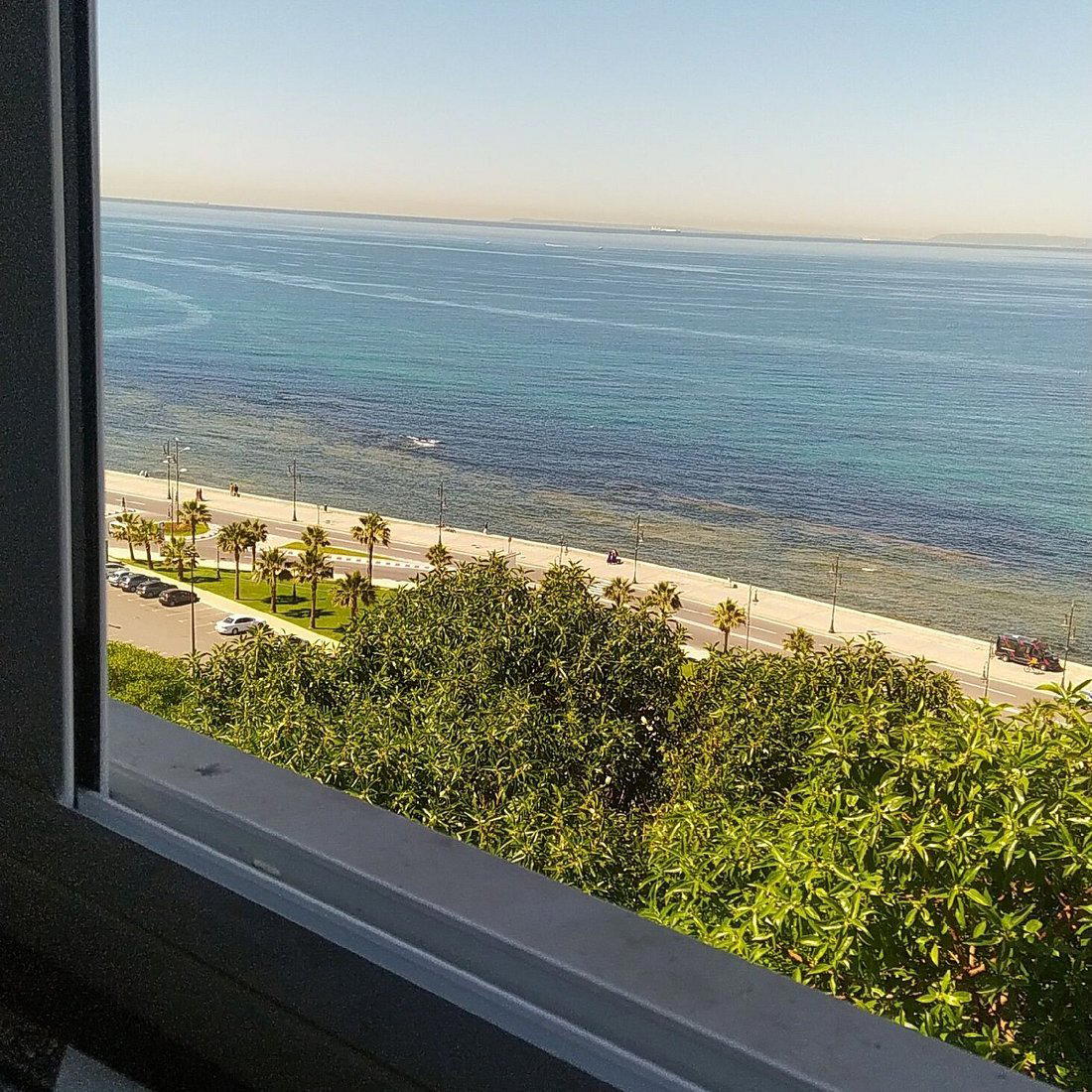
Where Two Shorelines Meet on the Plate
Tangier does not sit comfortably inside a single culinary tradition. The city faces Spain across fourteen kilometres of open water, and that proximity has always complicated any attempt to define its food as straightforwardly Moroccan. The medina markets stock preserved lemons, argan, and charmoula alongside Andalusian spice blends that arrived centuries ago with Muslim and Jewish families expelled from Iberia. The result is a dining culture that layers Mediterranean olive oil traditions over a distinctly North African pantry, and Azurita works within that layered inheritance.
The name alone signals orientation: azurite, the deep blue mineral, recalls both the Atlantic light that falls on Tangier's whitewashed walls and the blue-green Mediterranean that begins just east of the Strait. The kitchen's Moroccan and Mediterranean framing is not a marketing position so much as a geographical fact. This is what cooking looks like at the junction of two culinary continents.
The Olive Oil Foundation
Across the Mediterranean basin, olive oil functions less as a condiment than as a structural ingredient, and Moroccan cooking is no exception. Morocco ranks among the world's significant olive oil producers, with groves concentrated in the Fes-Meknes region and around Beni Mellal, and the country has steadily shifted toward higher-quality cold-pressed production over the past two decades. For a kitchen in Tangier combining Moroccan and Mediterranean repertoires, olive oil is not decoration applied at the end of cooking. It carries flavour into the base of tagines, emulsifies sauces, finishes grilled fish, and in the Mediterranean tradition, arrives at the table in its own right alongside bread.
The distinction between Moroccan and southern European uses of olive oil is worth noting because it explains a structural difference in how the two traditions approach fat. Moroccan cooking historically favoured smen (aged fermented butter) and argan oil alongside olive oil, particularly in the south. The Mediterranean shore of Morocco, and Tangier specifically, has always leaned more heavily on olive oil than the interior, partly because of trade proximity with Spain and partly because of Andalusian culinary influence dating back to the fifteenth century. A kitchen pairing these two traditions is not fusing them arbitrarily; it is acknowledging that the foundations were never entirely separate to begin with.
Restaurants elsewhere in Morocco that work within this dual tradition include La Grande Brasserie by Helene Darroze in Marrakesh, which approaches the question from a French-trained perspective, and Berrada in Fes, where the olive oil producing heartland sits directly outside the city. Tangier, though, has the direct Mediterranean referent of any Moroccan city, which gives its kitchens a particular credibility when combining the two traditions.
Tangier's Dining Context
The city's restaurant scene operates across a wider range of formats and price points than its reputation as a transit destination might suggest. At the direct end, places like Snack Brahim Abdelmalik and Cafétéria Dopamine serve the local population with speed and value as their primary credentials. Further along the spectrum, Restaurant Saveur de Poisson has built a specific reputation around Tangier's Atlantic and Mediterranean fish supply, operating in a format that many visitors consider one of the more focused expressions of the city's seafood tradition. Restaurant Casa Harris and Andalus represent a different register, where the Andalusian historical connection surfaces more explicitly in cooking style and setting.
Azurita occupies the Moroccan-Mediterranean zone that several of these neighbours approach from different angles. The distinction between them lies in how each kitchen weights the two traditions and which ingredients anchor the menu. For the full picture of where Azurita sits within Tangier's dining options, our full Tangier restaurants guide maps the scene across formats and price points.
What the Broader Morocco Scene Tells You
Moroccan fine dining has developed considerable range over the past decade. Coastal cities have expanded seafood-forward formats, as seen at L'Araignée Gourmande in Oualidia, where the oyster beds sit adjacent to the kitchen. Heritage riad formats concentrate in Marrakech and Fes, represented by properties like Le Palace in Marrakech and the atmospheric courtyard dining at La Sqala: Café Maure. Casablanca maintains a different European-inflected register, visible at Cocoa Café in Casablanca and Dar Dada in Sidi Belyout. On the Atlantic coast, Heure Bleue Palais in Essaouira combines hotel dining with serious kitchen ambition. Wine-pairing contexts have improved significantly too, with estates like Château Roslane in Icr Iqaddar raising the quality of domestic pours available alongside food.
Against this national backdrop, Tangier sits in an unusual position: geographically closer to southern Spain than to Marrakech, with a dining culture that reflects that proximity more honestly than any other Moroccan city. For diners arriving from Europe, the frame of reference shifts. A Mediterranean-inflected meal in Tangier reads differently than the same meal in Agadir (covered separately at Café Enjoy Agadir), because the geographical logic behind the cooking is more immediately apparent. For comparison, the level of technical precision that defines elite address dining in New York, from Le Bernardin to Atomix, sets a useful international benchmark for what focused, tradition-rooted cooking can achieve. Tangier's better kitchens operate with a different set of reference points, but the underlying discipline of allowing geography to define a menu is the same.
Planning a Visit
A Quick Peer Check
Comparable venues nearby, for context on price, style, and recognition.
| Venue | Cuisine | Price | Notes |
|---|---|---|---|
| AzuritaThis venue — the venue you are viewing | Moroccan-Spanish Fusion | $$ | Not listed |
| Cafétéria Dopamine | Moroccan Pastries & Cafe | $$ | Medina |
| Andalus | Authentic Moroccan Seafood | $$ | Medina |
| Restaurant Casa Harris | Moroccan Fusion | $$ | Malabata |
| The Burger Boutique | Gourmet American Smash Burgers with Mexican and Asian Fusion | $$ | Malabata |
| Restaurant Saveur de Poisson | Authentic Moroccan Seafood | $$ | Medina |
At a Glance
- Elegant
- Cozy
- Intimate
- Modern
- Family
- Group Dining
- Date Night
- Brunch
- Waterfront
- Hotel Restaurant
- Local Sourcing
- Waterfront
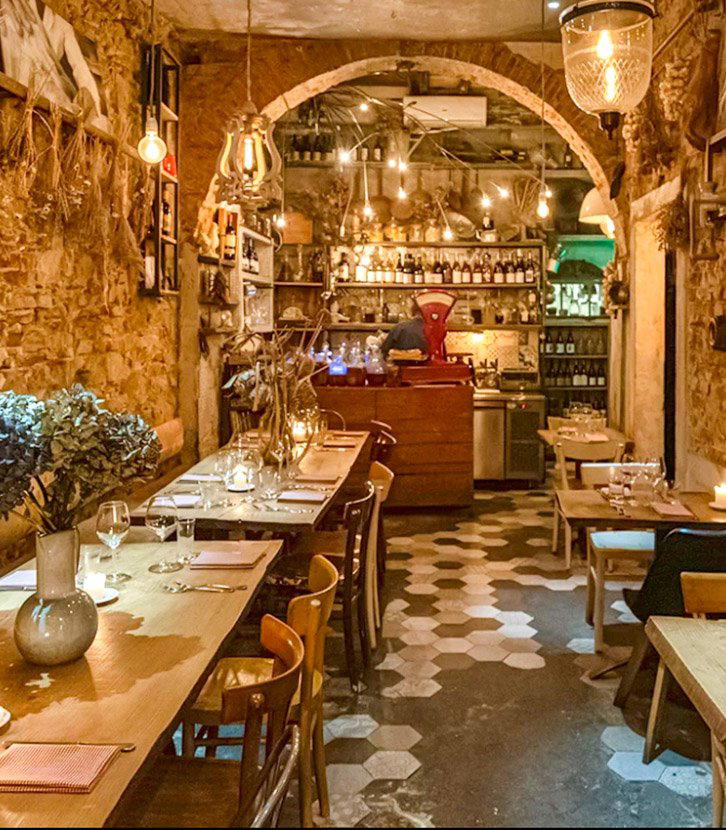
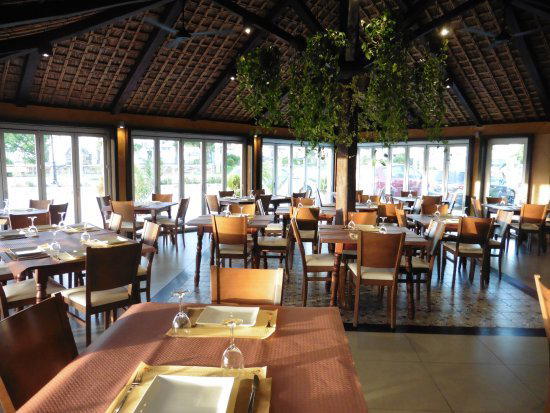
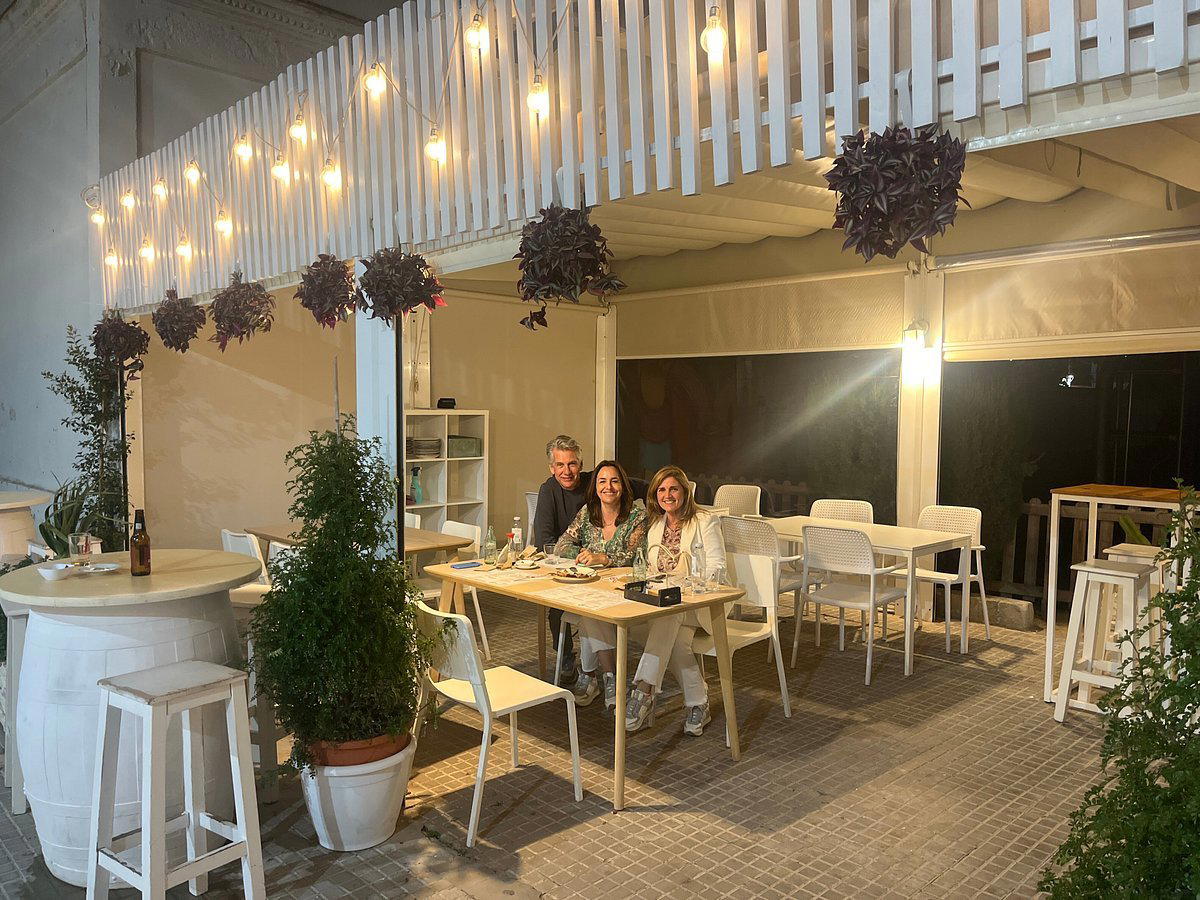
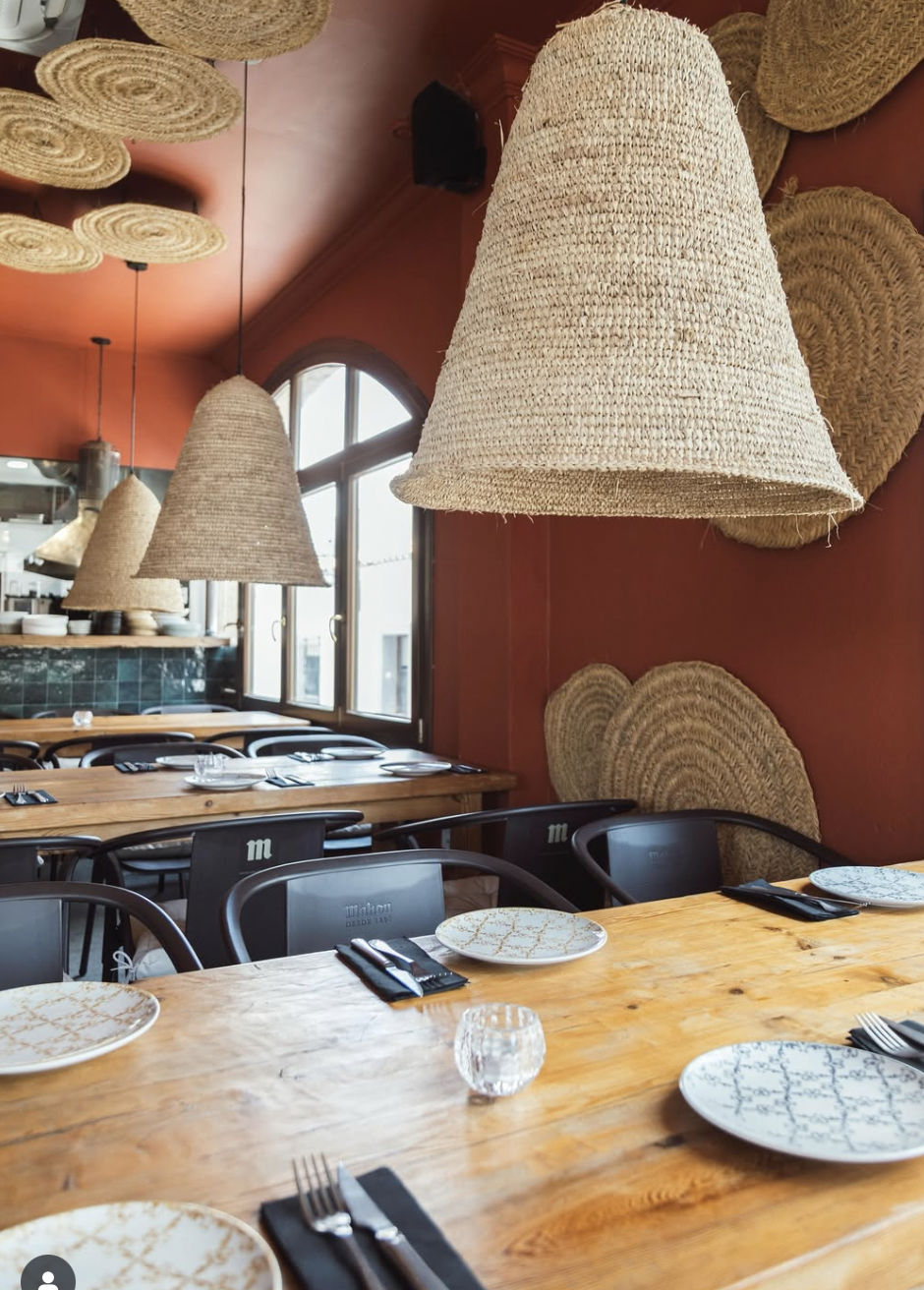
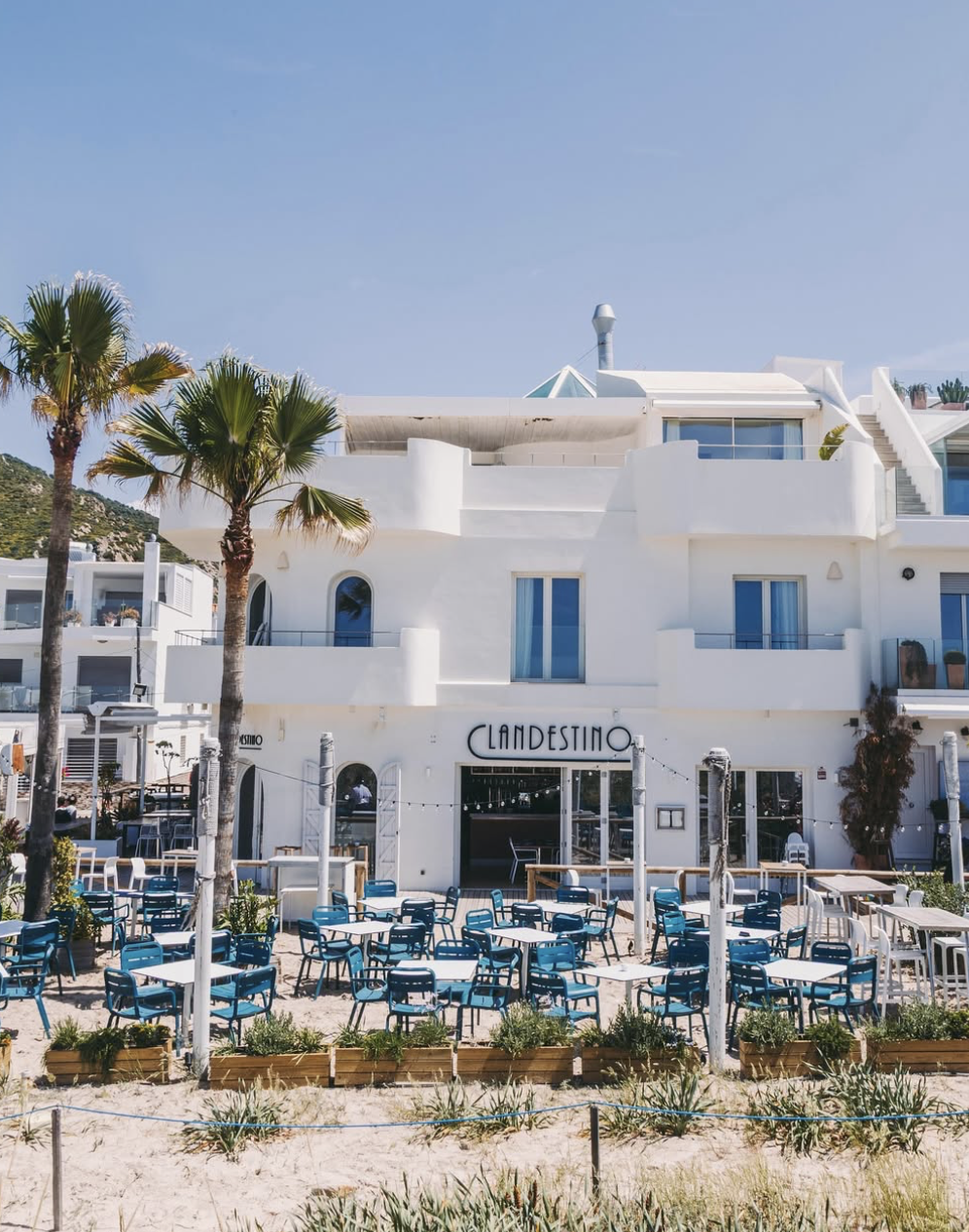
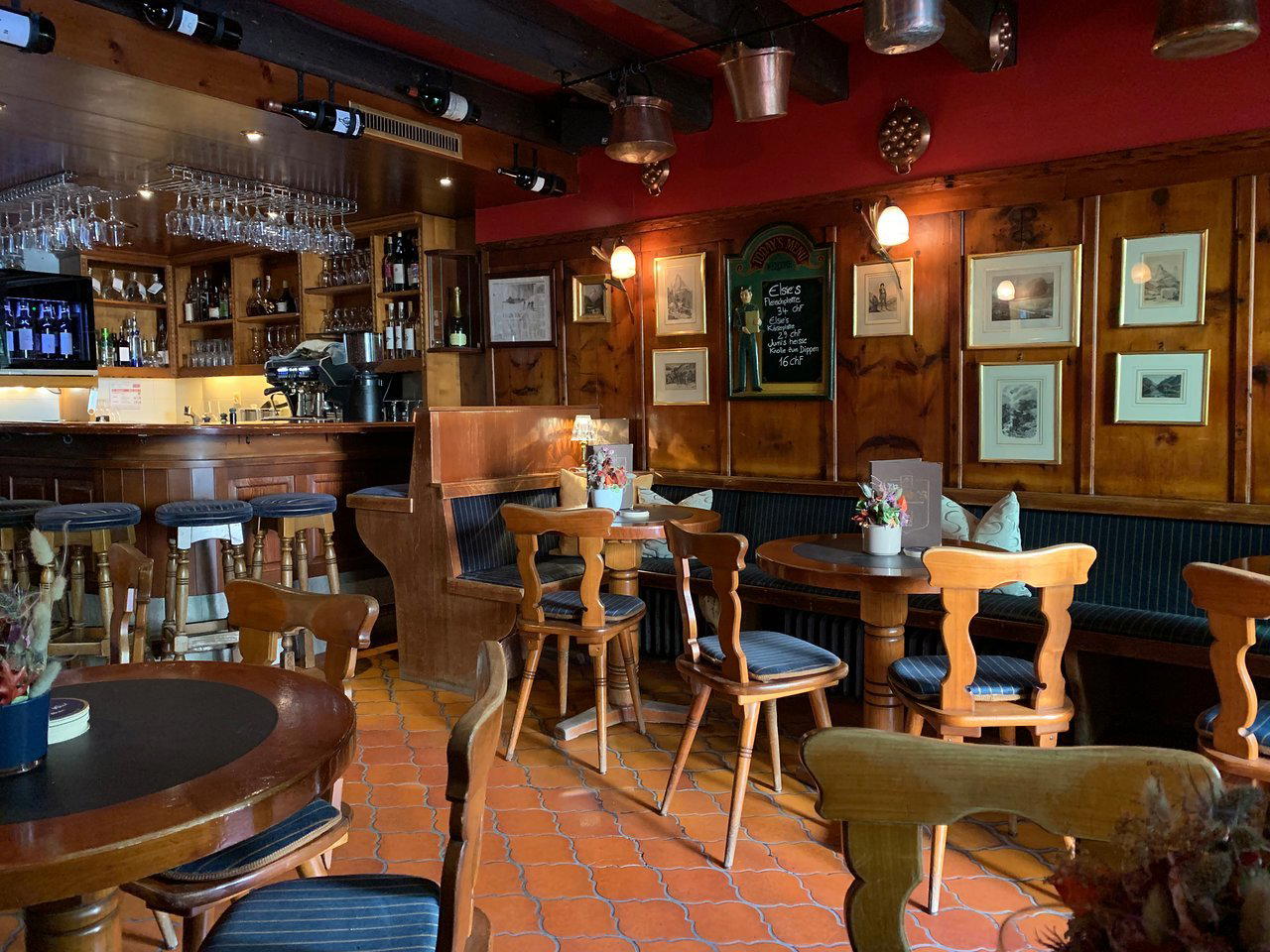
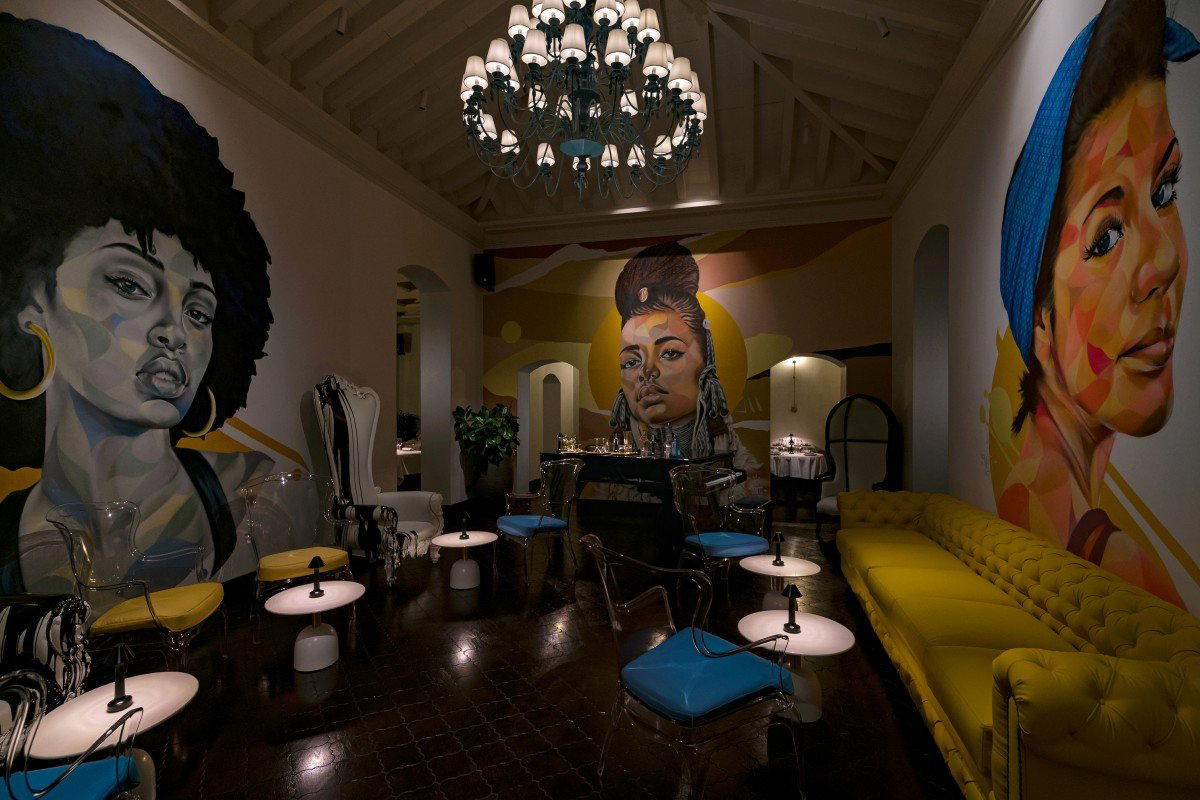
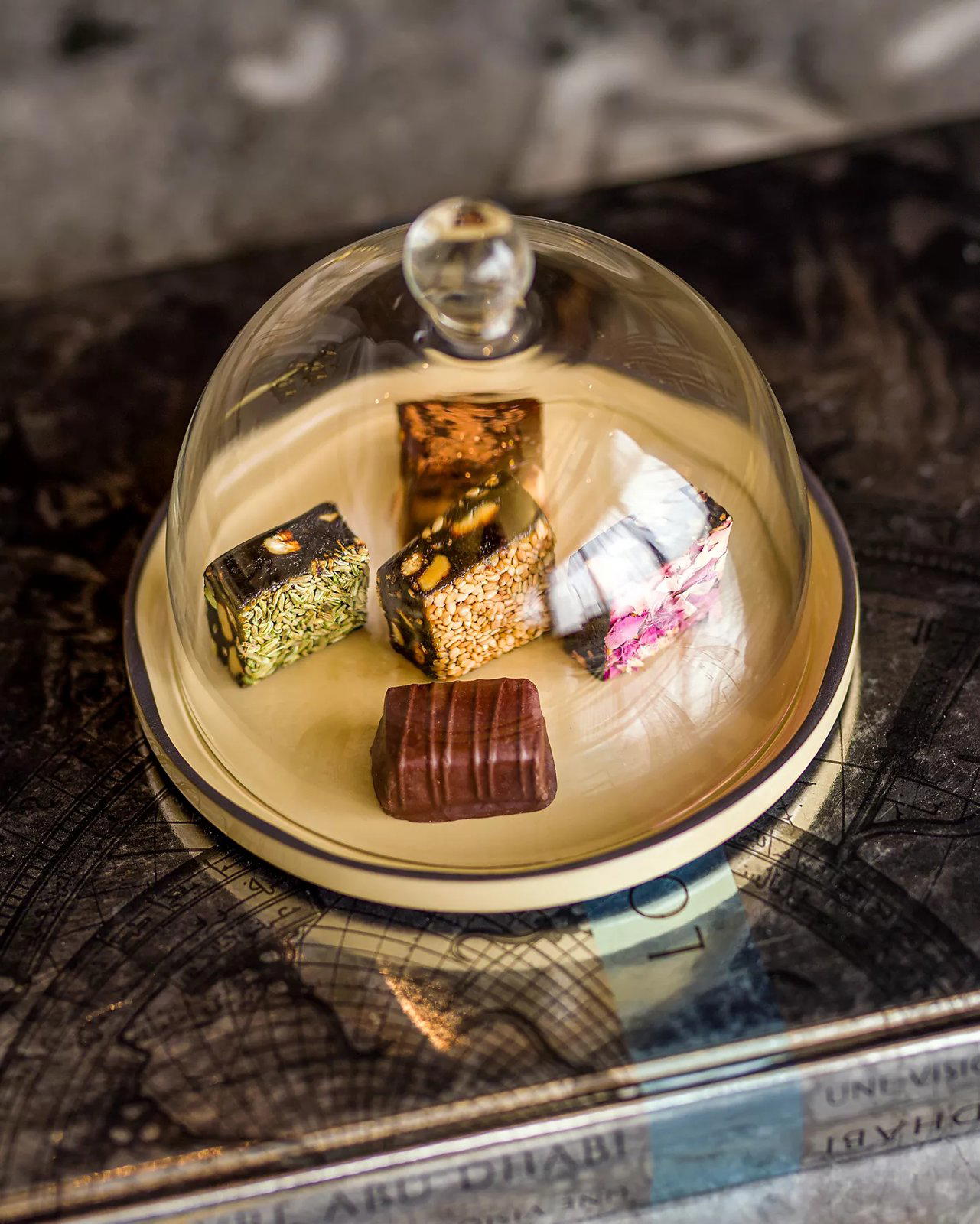
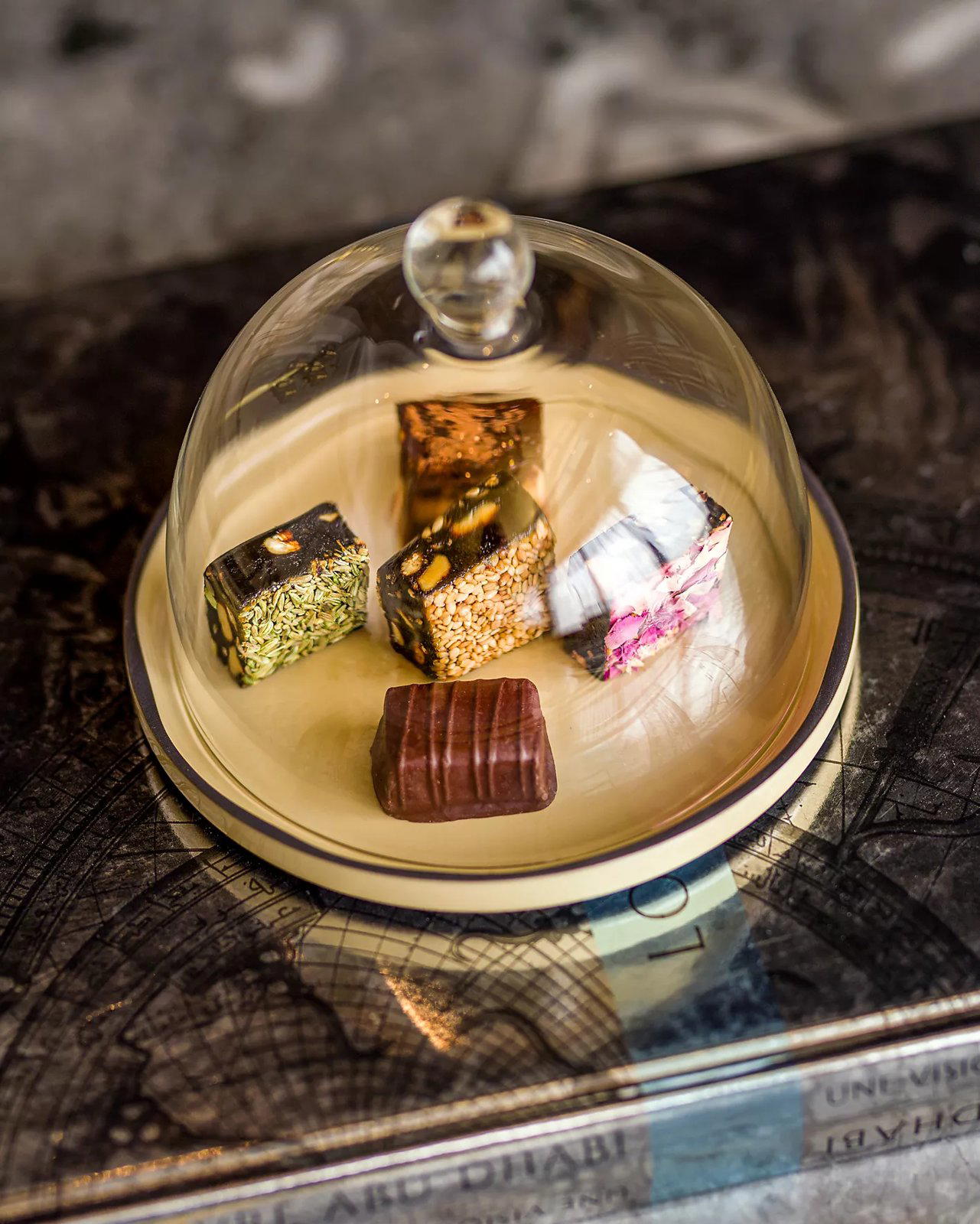
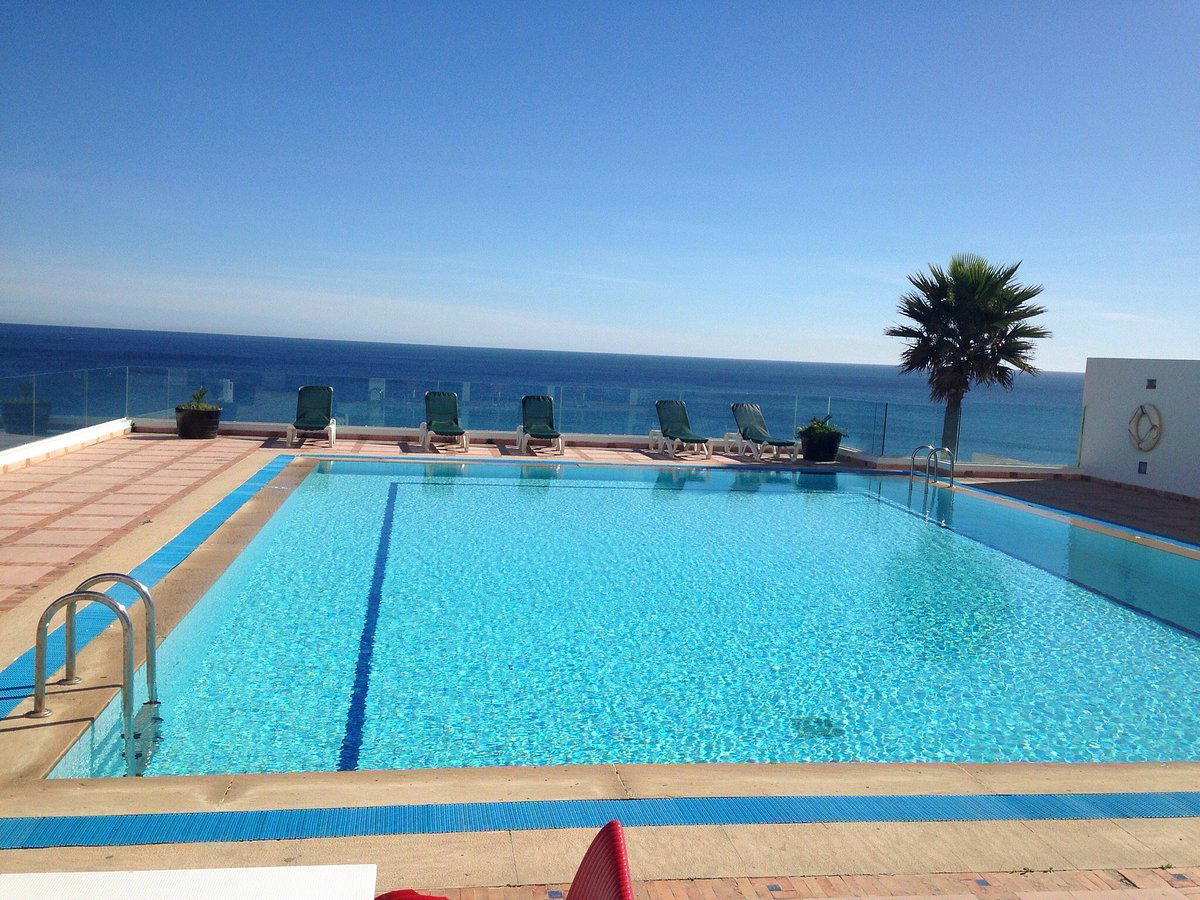
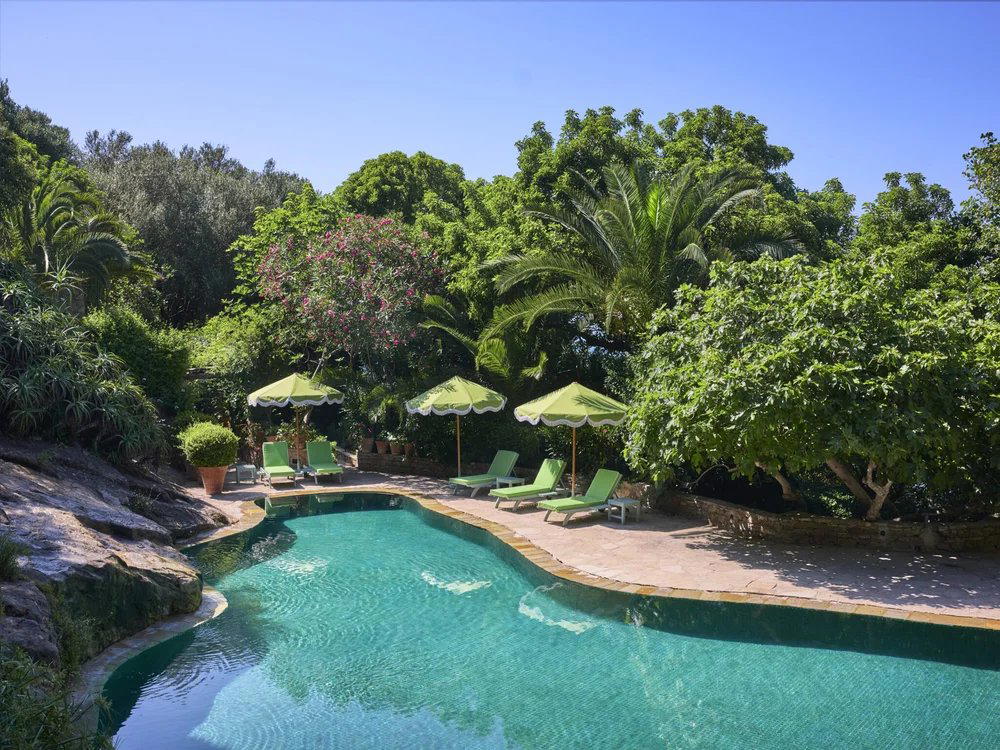
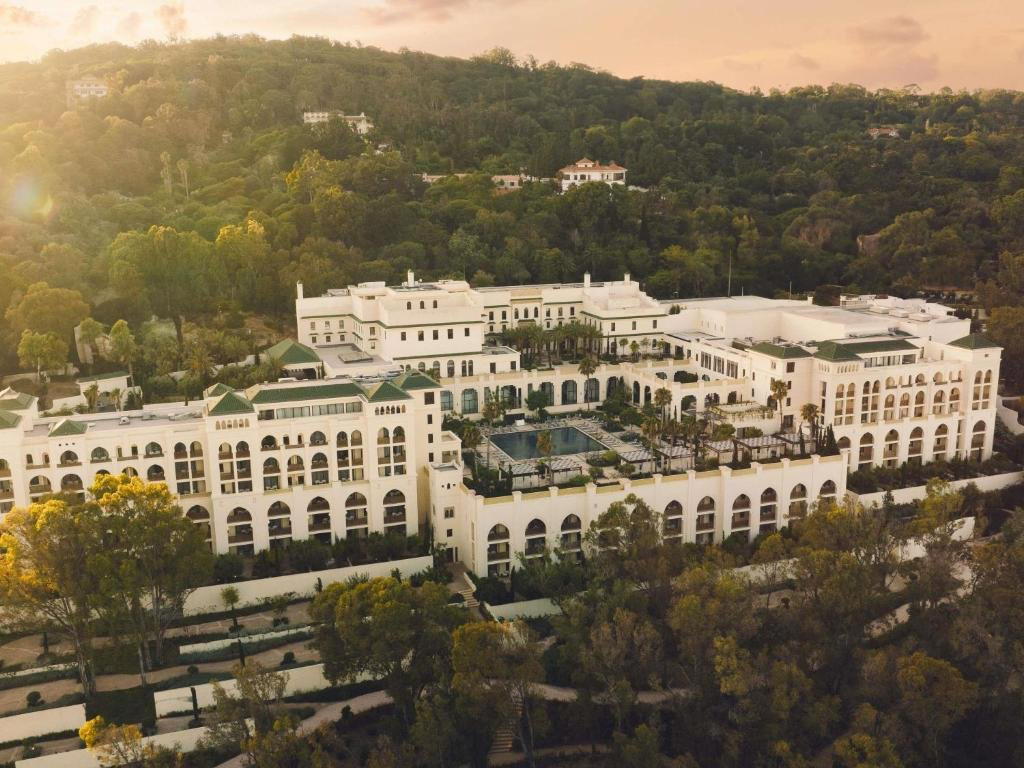
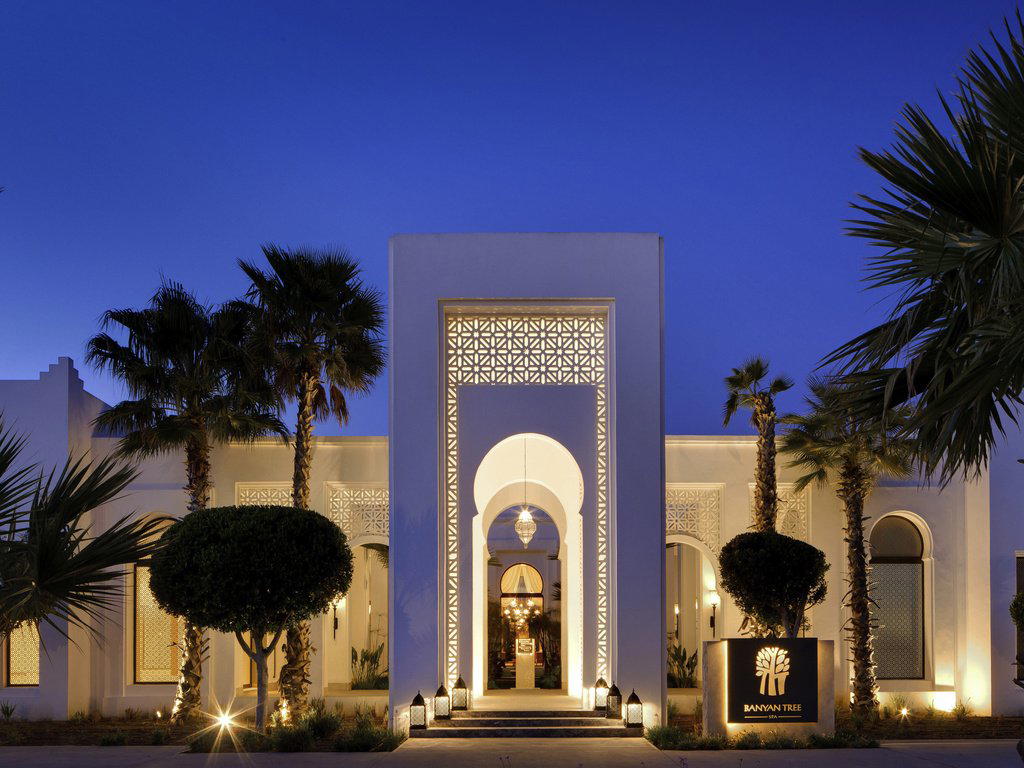
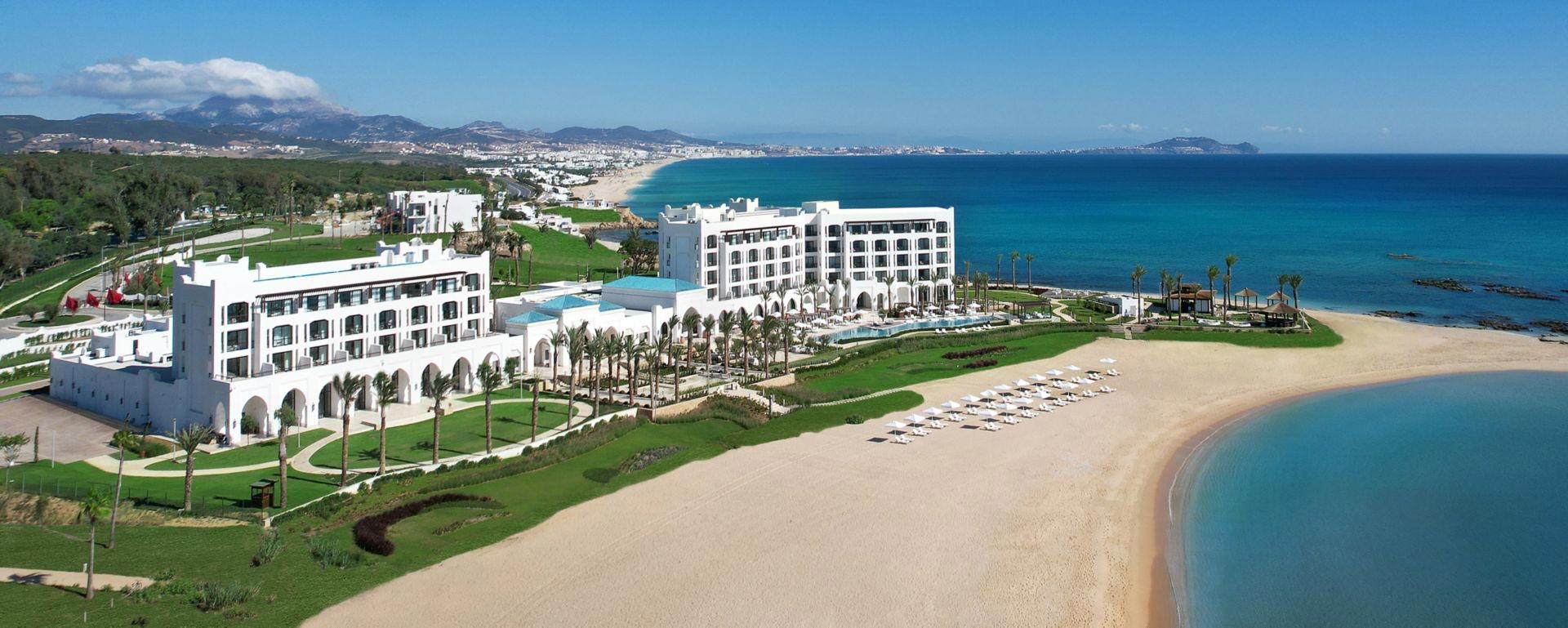
Elegant and relaxed atmosphere with Arab-Andalusian aesthetics, cozy and intimate decor, and tables positioned for panoramic sea views.