Al Fassia on Boulevard Mohamed Zerktouni is one of Marrakesh's most discussed addresses for traditional Moroccan cooking, run entirely by women in a city where that remains a rarity. The kitchen draws on long-established regional recipes rather than reinterpreted versions, placing it in a different register from the hotel dining rooms and fusion concepts that dominate the upscale Gueliz dining scene.
Pearl is the En Primeur Club membership app — saves, bookings, and concierge access live there. Same editors, same standards.
- Address
- 55 Bd Mohamed Zerktouni, Marrakech 40000, Morocco
- Phone
- +212524434060
- Website
- alfassia.com
- Directions
- Get directions
 Saves & bookings on Pearl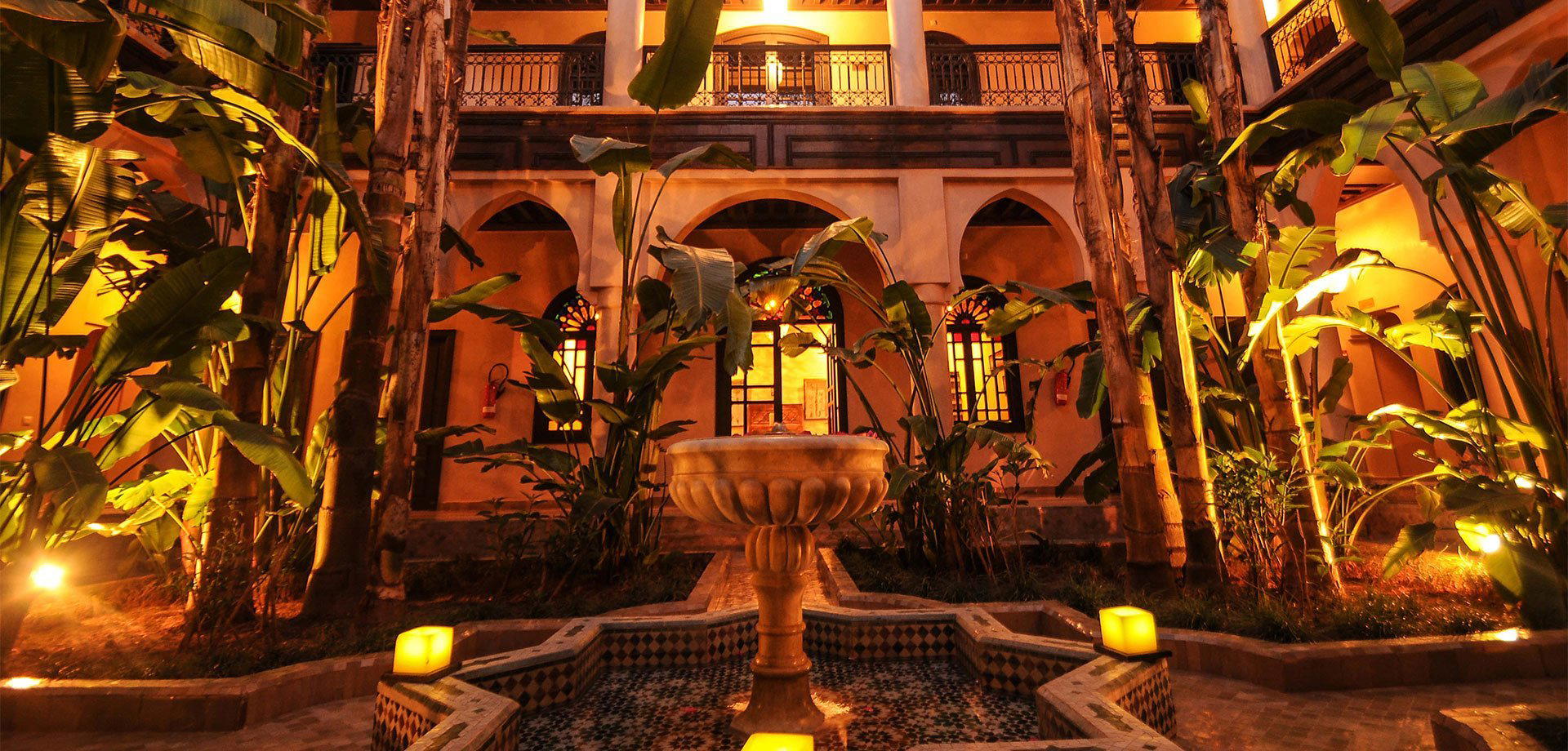
Where Moroccan Cooking Speaks for Itself
Boulevard Mohamed Zerktouni cuts through Gueliz, Marrakesh's French-built new town, and the stretch around Al Fassia tells you something about how the neighbourhood has evolved. The street-level approach is calm by medina standards: no touts, no theatrical riad gates, no theatrical lantern installations designed for a certain kind of traveller photograph. What you find instead is a dining room that has held its position in the city's consciousness by doing something specific well rather than by repackaging Moroccan tradition for foreign consumption. That distinction matters in a city where the premium end of Moroccan dining is increasingly shaped by hotel restaurants with international design budgets and internationally trained chefs. For a sense of how that upper bracket looks, La Grande Table Marocaine at Royal Mansour represents the formal, palace-hotel interpretation of the same culinary tradition.
An All-Women Kitchen in Context
Moroccan home cooking has always been women's work, in the sociological sense that the knowledge base, the technique, and the transmission of recipes across generations has lived primarily with women. What Al Fassia does is move that domestic authority into a professional restaurant context, with a kitchen and front-of-house team that is entirely female-run. This is less common in Moroccan restaurant culture than the country's home cooking traditions might suggest, where professional kitchens have historically been male-dominated spaces. The restaurant has become a reference point not because of a chef biography or a personal-brand narrative, but because it makes that domestic knowledge legible at a restaurant scale. For comparison, Amal Gueliz Center, also in Marrakesh, operates on a related premise: Moroccan women's culinary tradition as the programme's foundation, rather than its backdrop.
The Sourcing Logic Behind Traditional Moroccan Cooking
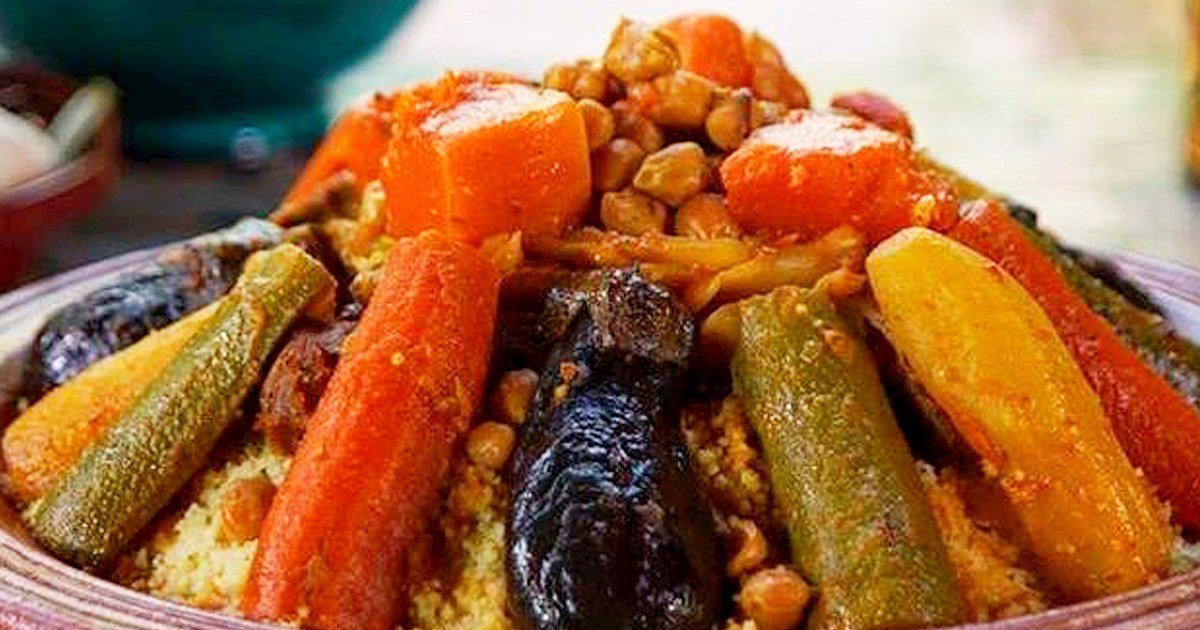
The editorial angle that makes most sense when reading Al Fassia's place in Marrakesh's dining scene is ingredient provenance. Traditional Moroccan cuisine is not, by design, a cuisine of imported technique applied to local produce. The foundational recipes, whether slow-cooked tagines, preserved lemon preparations, or smen-enriched pastries, were built around what the Moroccan pantry produced: saffron from Taliouine, argan oil from the Souss, olives from the Haouz plain, dried fruits from the pre-Saharan south. Those sourcing relationships are not a contemporary locavore add-on; they are structural to what the food is supposed to taste like.
This matters when assessing what distinguishes Al Fassia from venues that draw on Moroccan aesthetics while sourcing more generically. A tagine made with Taliouine saffron, properly aged preserved lemons, and locally cured olives is a different proposition from one assembled with commodity equivalents, even if the recipe steps are identical. Morocco's wine production from the Meknes and Benslimane regions, tracked by producers like Château Roslane, has similarly built its credibility on terroir specificity rather than international variety mimicry. The same logic applies to the food: specificity of origin is what separates the traditional from the approximate.
Across Morocco's restaurant circuit, this sourcing specificity varies considerably. Cafe Clock in Fes operates in a different register entirely, blending Moroccan staples with international café formats. Gayza in Fès occupies the more contemporary Moroccan end of that city's scene. What Al Fassia represents in Marrakesh is something closer to the preservationist pole: cooking that treats ingredient fidelity as non-negotiable rather than aspirational.
Gueliz Versus the Medina: Why Location Shapes the Experience
Most of Marrakesh's premium Moroccan dining sits inside riads or palace hotels in or adjacent to the medina. That positioning is partly commercial logic, since tourists concentrated in the old city are a reliable audience, and partly aesthetic, since carved stucco and zellige tilework create a specific mood that sells a version of Morocco. Al Fassia's placement in Gueliz produces a different dynamic. The neighbourhood is where Marrakeshis live and work, where the city's professional class eats lunch, and where the design language is art deco and European modernist rather than Andalusian Islamic. Dining here without the medina theatrics means the food is carrying more of the weight, which is either a liability or a confidence signal depending on what the kitchen is actually producing.
For reference, other addresses in the Gueliz and Hivernage area, including Sesamo and La Grande Brasserie by Hélène Darroze, pull in a different direction: internationally framed cooking in a Marrakesh setting, rather than Moroccan cooking in a non-medina setting. Those represent a specific market position. Al Fassia's position is less common because it maintains traditional Moroccan format without either the medina backdrop or the international-chef framing that tend to anchor premium pricing elsewhere in the city.
Morocco's Wider Dining Circuit
Understanding Al Fassia requires some sense of what Moroccan restaurant cooking looks like across the country's cities. In Casablanca, La Grande Table Marocaine at Royal Mansour Casablanca operates the same palace-hotel format translated to the country's commercial capital. In Tangier, Andalus reflects that city's particular layering of Andalusian and Moroccan cooking traditions. On the Atlantic coast, Le Salon Oriental in Essaouira operates in Essaouira's characteristically wind-cut, more relaxed register. The variety across these cities is real: Moroccan cuisine is not monolithic, and regional ingredient traditions, spice profiles, and preparation methods differ meaningfully between north, south, Atlantic coast, and mountain areas.
What Al Fassia represents within Marrakesh specifically is the city's traditional home-cooking lineage made available in a restaurant format, without medina stagecraft and without international crossover. For travellers whose interest extends to the wider country, L'Oliveraie in El Hajeb and Hyatt Place Taghazout Bay in Agadir offer different geographic registers. Our full Marrakesh restaurants guide maps the city's dining options across price points and formats. Further afield, venues like BÔ ZIN in Tassoultante sit just outside Marrakesh and represent the villa-dining format that has developed in the city's peri-urban area.
Planning a Visit
Al Fassia sits at 55 Boulevard Mohamed Zerktouni in Gueliz, walkable from most Gueliz hotels and accessible by petit taxi from the medina in under fifteen minutes depending on traffic. Gueliz is the practical choice for visitors staying outside the old city, and the address is direct to locate on the boulevard. Reservations are advisable, particularly at lunch when the neighbourhood's working population fills the room alongside tourists. The restaurant draws a mixed local and international crowd in proportions that skew more local than most medina-adjacent dining rooms, which on its own tells you something about its positioning. For comparable precision-focused addresses elsewhere, Le Bernardin in New York and Lazy Bear in San Francisco demonstrate how sustained focus on a specific culinary mode, rather than trend-chasing, tends to be what keeps a restaurant in a city's serious conversation over time. Al Fassia's equivalent is its fidelity to a regional cooking tradition that does not require international validation to justify its place on the Marrakesh dining map. Also worth noting alongside it: +61 and Amanjena represent contrasting Marrakesh propositions at the premium end.
Continue exploring
More in Marrakech
Restaurants in Marrakech
Browse all →
Bars in Marrakech
Browse all →
Hotels in Marrakech
Browse all →
Wineries in Marrakech
Browse all →
At a Glance
- Elegant
- Classic
- Ornate
- Cozy
- Family
- Celebration
- Special Occasion
- Historic Building
Current opening hours
- Monday
- 5–11 PM
- Tuesday
- Closed
- Wednesday
- 5–11 PM
- Thursday
- 5–11 PM
- Friday
- 12–2:30 PM, 7–11 PM
- Saturday
- 5–11 PM
- Sunday
- 5–11 PM
Hours can change for holidays and private events. Last verified .
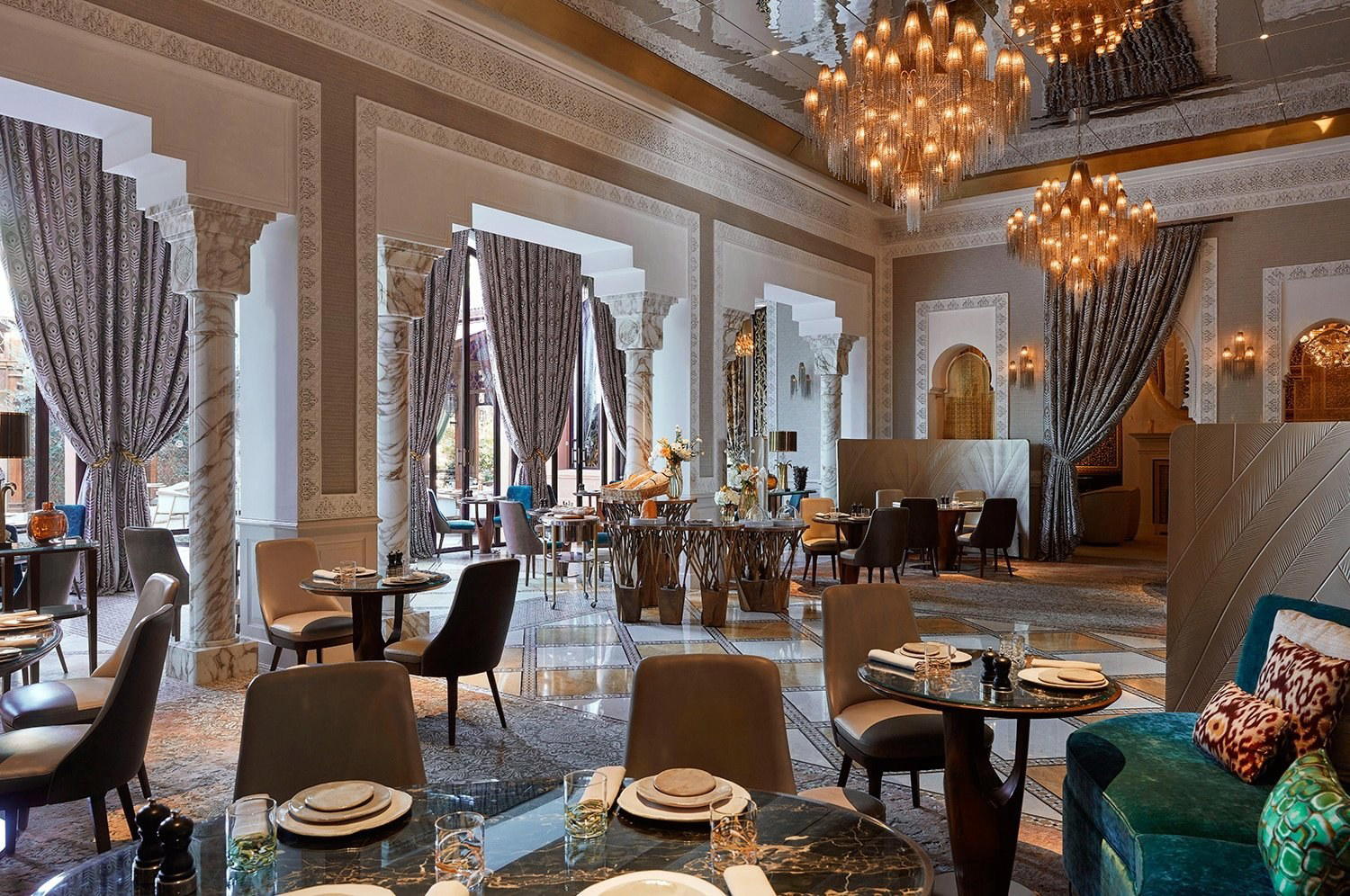
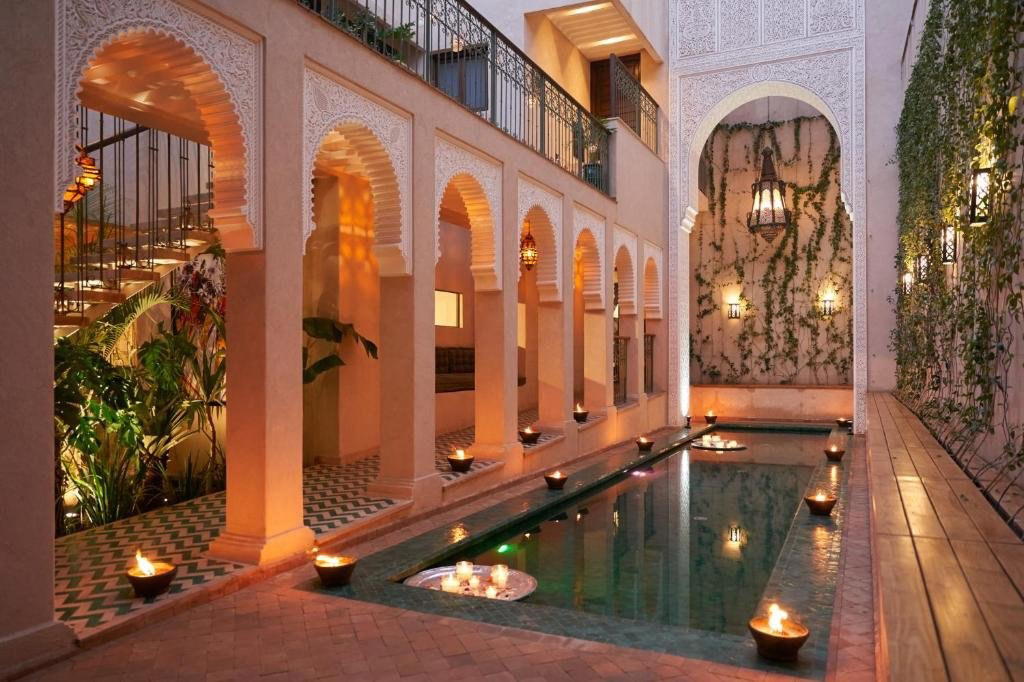
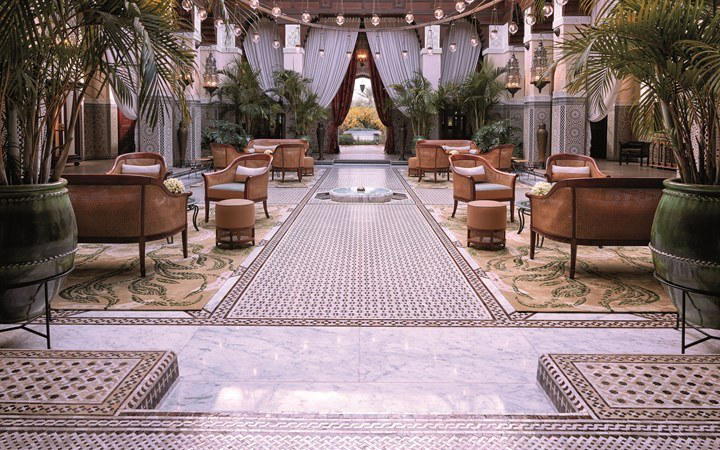
Ornate classic Moroccan atmosphere with plush cushions, banquettes, and elegant dining room evoking grandeur and tradition.
Know Before You Go
- Getting there
- 55 Bd Mohamed Zerktouni, Marrakech 40000, Morocco