In the heart of Fes el-Bali, Berrada represents a category of Fassi dining where the medina itself sets the terms of the experience. The cooking draws on a culinary tradition that predates most of Morocco's contemporary restaurant scene, and the address places guests inside among the more architecturally layered cities in the Arab world. For visitors serious about understanding Fes through its food, this is a reference point worth knowing.
Pearl is the En Primeur Club membership app — saves, bookings, and concierge access live there. Same editors, same standards.
- Address
- Fes, Morocco
- Phone
- +212 662 348819
- Directions
- Get directions
 Saves & bookings on Pearl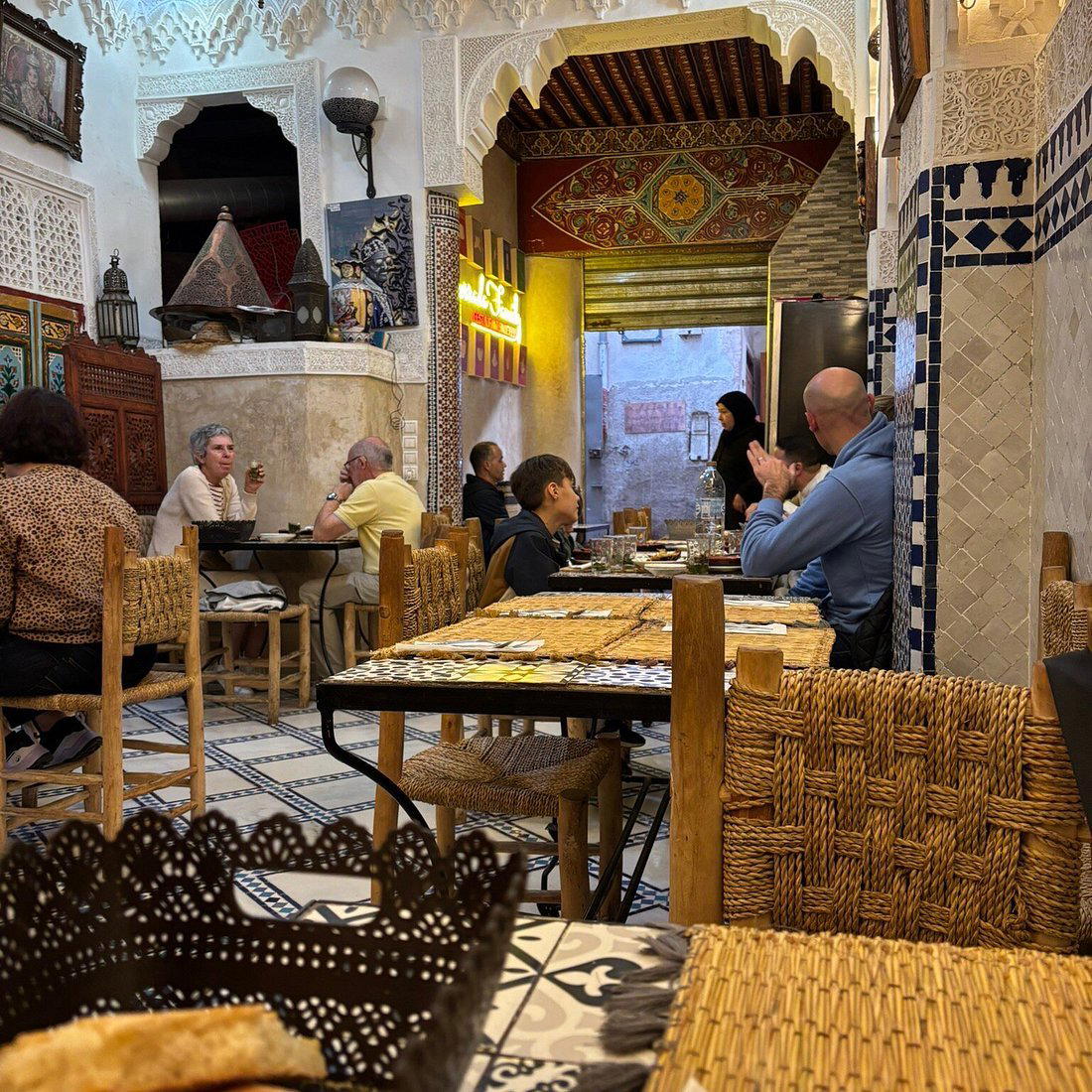
Where the Medina Writes the Menu
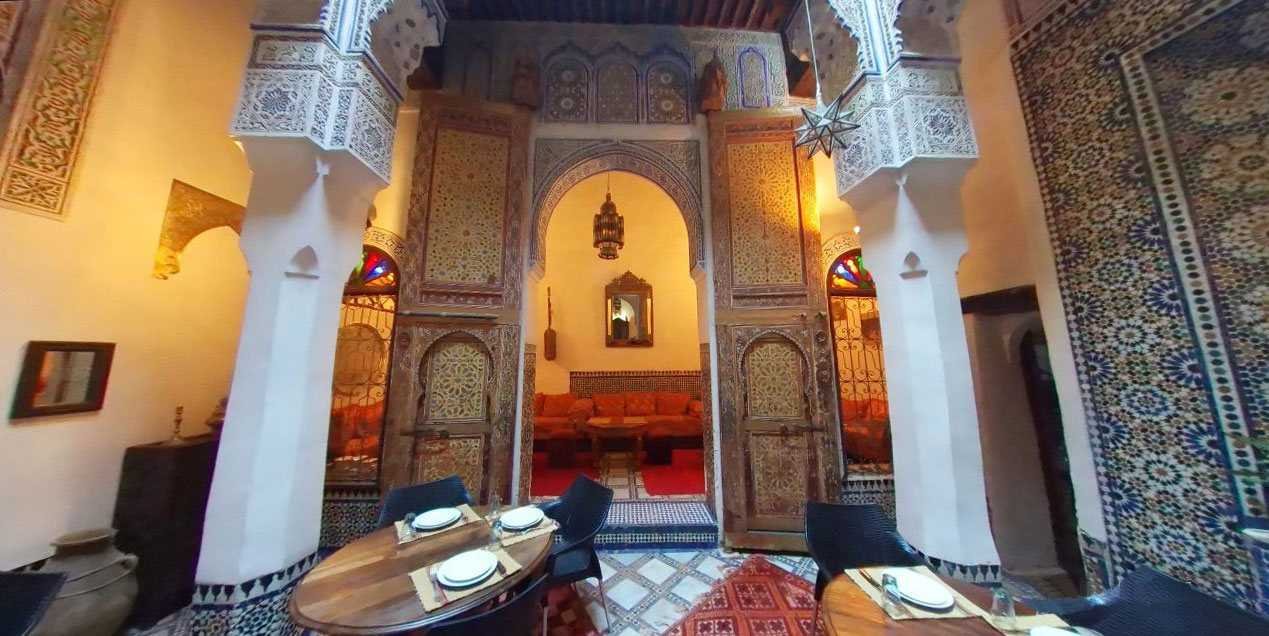
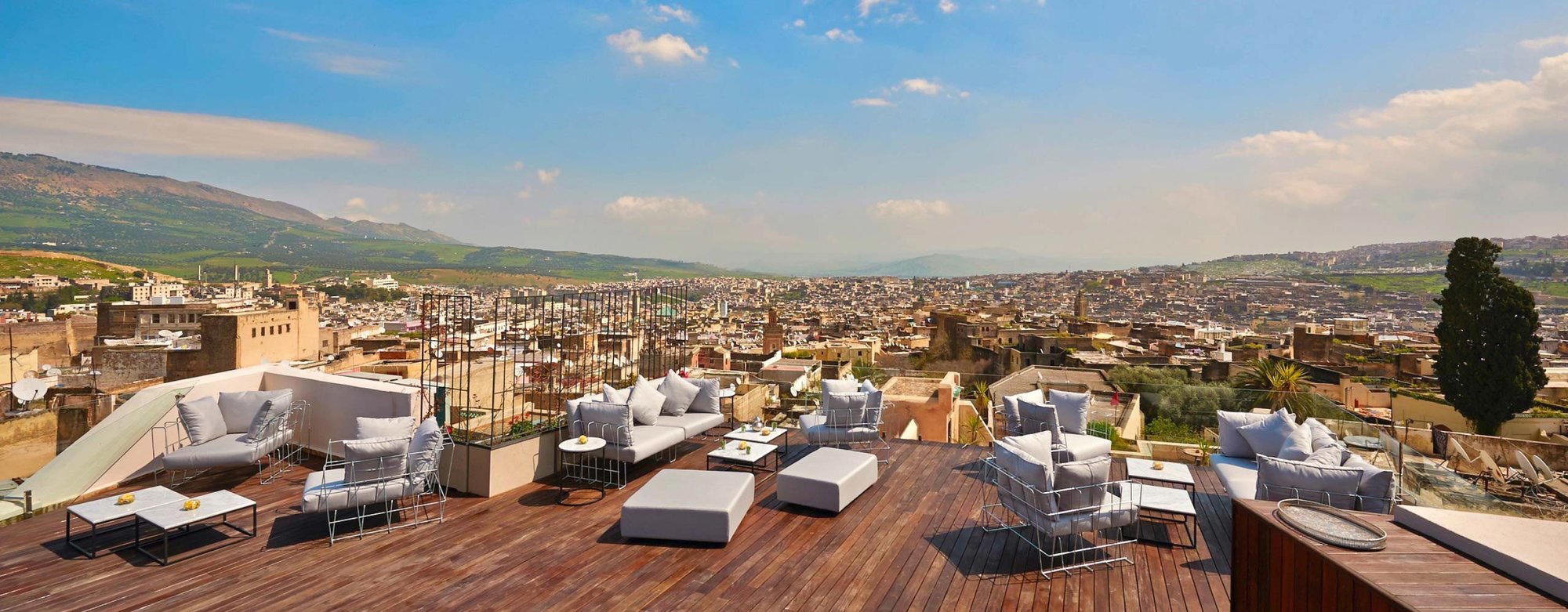
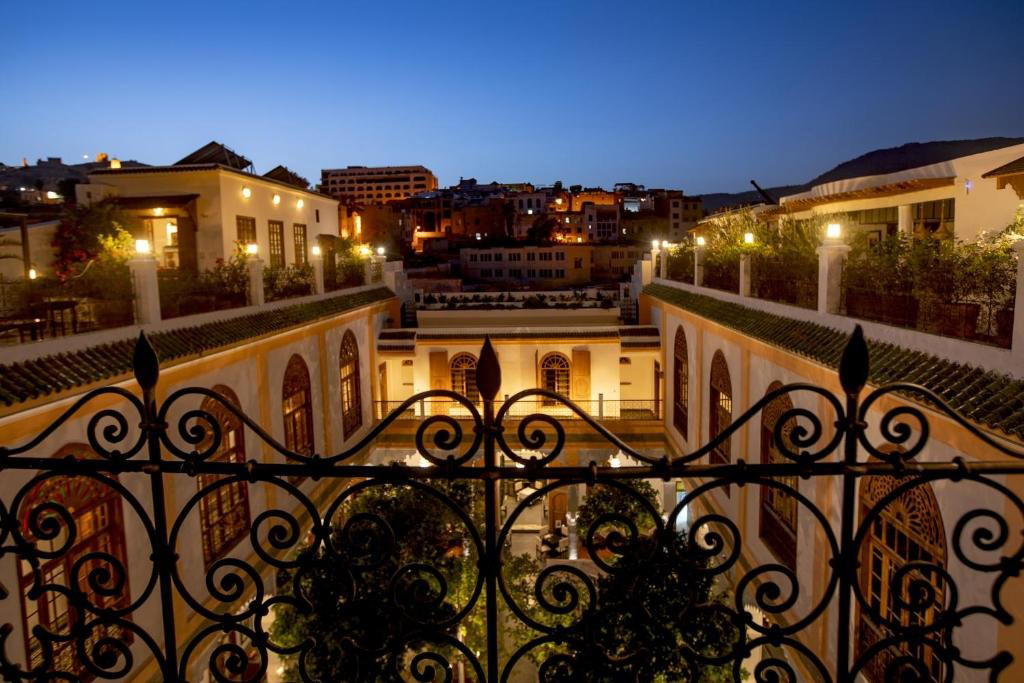
Arriving at a table in Fes el-Bali is never a neutral act. The oldest continuously inhabited medieval city in the world does not make concessions to the traveller in a hurry: alleys narrow to shoulder width, donkeys hold right of way, and the smell of cedar shavings and preserved lemons arrives before any signage does. Restaurants that operate inside this fabric, Berrada among them, inherit a context that no amount of interior design could manufacture elsewhere. The medina is the atmosphere.
Fes sits in a different culinary register from Marrakesh. Where Marrakesh has spent two decades building a hospitality economy legible to international visitors, with glossy riads and tasting menus calibrated for European palates, Fes has preserved a more inward-facing food culture. The city's bourgeois cooking tradition, developed across centuries of Arab-Andalusian influence, is widely regarded by Moroccan food historians as the technically refined in the country. That claim is not decorative: the spice blending, the slow-braised preparations, and the distinction between celebratory and everyday cooking all carry a specificity that sets Fassi cuisine apart from the blunter flavour profiles found in coastal kitchens.
The Fassi Dining Scene and Where Berrada Sits in It
The first is the riad-format dining room, where architecture does significant work and menus lean international or fusion, a model seen at Dar Roumana and L'Amandier. The second is the more rooted, tradition-forward address where the cooking itself is the credential. Berrada occupies territory adjacent to this second category, where the emphasis falls on Fassi culinary inheritance rather than on international-facing presentation.
That positioning matters when comparing it against what else exists in the city. Cafe Clock operates as a cultural crossroads rather than a fine dining reference. Dar Tagine draws on the same Moroccan repertoire but with a format more oriented toward group dining. Darori and Gayza represent newer voices in the city's food conversation. Berrada comes from a different register: the kind of address associated with local families who already know what Fassi cooking should taste like and are not looking to be educated about it.
La Grande Table Marocaine at Royal Mansour in Marrakesh represents the luxury-codified version of Moroccan cuisine, polished for international audiences and priced accordingly. Amal Gueliz Center in Marrakech takes the opposite approach, community-embedded and deliberately accessible. Fes, and addresses like Berrada, sit somewhere between those poles: serious about the cooking without the luxury price signal, rooted without being a social project.
What the Cooking Tradition Demands
Fassi cuisine is built on preparations that resist shortcuts. A properly made bastilla, the layered pigeon or seafood pastry that functions as the city's signature dish, requires separate cooking stages across multiple proteins and aromatics before assembly. A slow-cooked lamb with preserved lemon and olives achieves its depth through time rather than technique flourishes. These are not dishes that photograph dramatically, but they reward the kind of attention that most European or American dining contexts no longer ask of their guests.
The tradition also carries a strong domestic logic: many of particularly compelling Fassi preparations were historically made at home for weddings and religious celebrations, then migrated into restaurant contexts only gradually. That origin shows in the scale of flavour. Restaurants drawing on this lineage, including those operating at addresses like Berrada's, are offering a version of a meal that Fes families would recognize as a statement of culinary identity rather than a product of commercial hospitality.
Elsewhere in Morocco, coastal cities like Essaouira and Tangier have developed their own distinct food characters. Le Salon Oriental in Essaouira and Andalus in Tangier reflect their respective cities' maritime and Andalusian inflections. La Grande Table Marocaine in Casablanca operates within a wholly different urban register. None of these map directly onto what Fes offers, which is why the city warrants its own visit and its own dining logic.
Planning a Meal in the Medina
Visitors to Fes consistently underestimate how much the physical reality of the medina shapes a dining experience. Finding a specific address in Fes el-Bali without local guidance is genuinely difficult; the street grid does not behave like a grid, and phone navigation loses its confidence inside the denser residential quarters. Arriving with the name of your destination, the general neighbourhood reference, and ideally a contact number is the standard approach. Many medina restaurants can arrange to have someone meet guests near a recognizable landmark such as Bab Bou Jeloud or the Chouara tannery area.
Booking ahead in Fes is advisable, particularly for dinner, when the medina's most serious tables fill with a mix of local families and informed travellers. Walk-in availability varies considerably by season. Fes sees its highest visitor numbers from March through May and September through November, when the climate is most comfortable. Summer heat inside the medina walls can be significant, which shifts dining toward later evening hours.
L'Oliveraie in El Hajeb and Château Roslane for a sense of how Moroccan food and wine culture plays out outside the major cities. For those approaching Moroccan dining after experience at internationally benchmarked restaurants, Le Bernardin in New York and Lazy Bear in San Francisco offer a useful calibration point for what technically serious cooking looks like in different contexts, even if the comparison is cultural rather than direct.
A Lean Comparison
Comparable venues nearby, for context on price, style, and recognition.
| Venue | Cuisine | Price | Notes |
|---|---|---|---|
| BerradaThis venue — the venue you are viewing | Not listed | $$ | Not listed |
| Nachō Mama Restaurant | Fes Medina, Mexican | $$ | Not listed |
| Dar Tagine | Not listed | $$ | Medina, Traditional Moroccan Tagine House |
| The Ruined Garden | Medina, Authentic Moroccan Garden Dining | $$$ | Not listed |
| Dar Roumana | Medina, Franco-Moroccan Fusion | $$$$ | Not listed |
| Cafe Clock | Medina, Moroccan Fusion Cafe | $$ | Not listed |
At a Glance
- Classic
- Cozy
- Rustic
- Family
- Casual Hangout
- Standalone
- Local Sourcing
Current opening hours
- Monday
- 10:30 AM–7 PM
- Tuesday
- 10:30 AM–7 PM
- Wednesday
- 10:30 AM–7 PM
- Thursday
- 10:30 AM–7 PM
- Friday
- Closed
- Saturday
- 10:30 AM–7 PM
- Sunday
- 10:30 AM–7 PM
Hours can change for holidays and private events. Last verified .
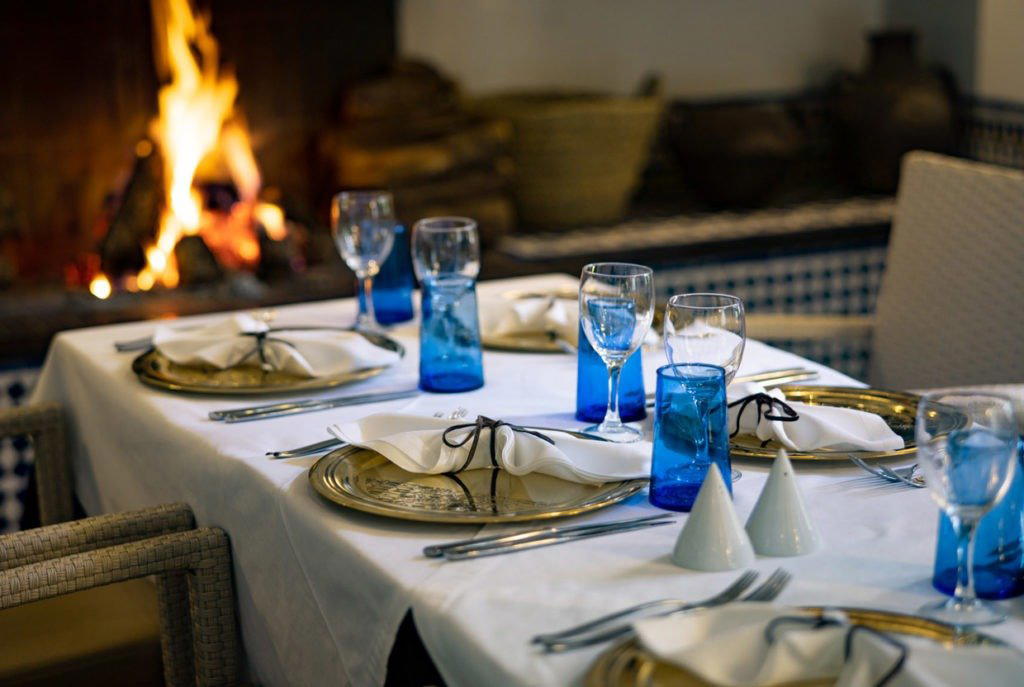
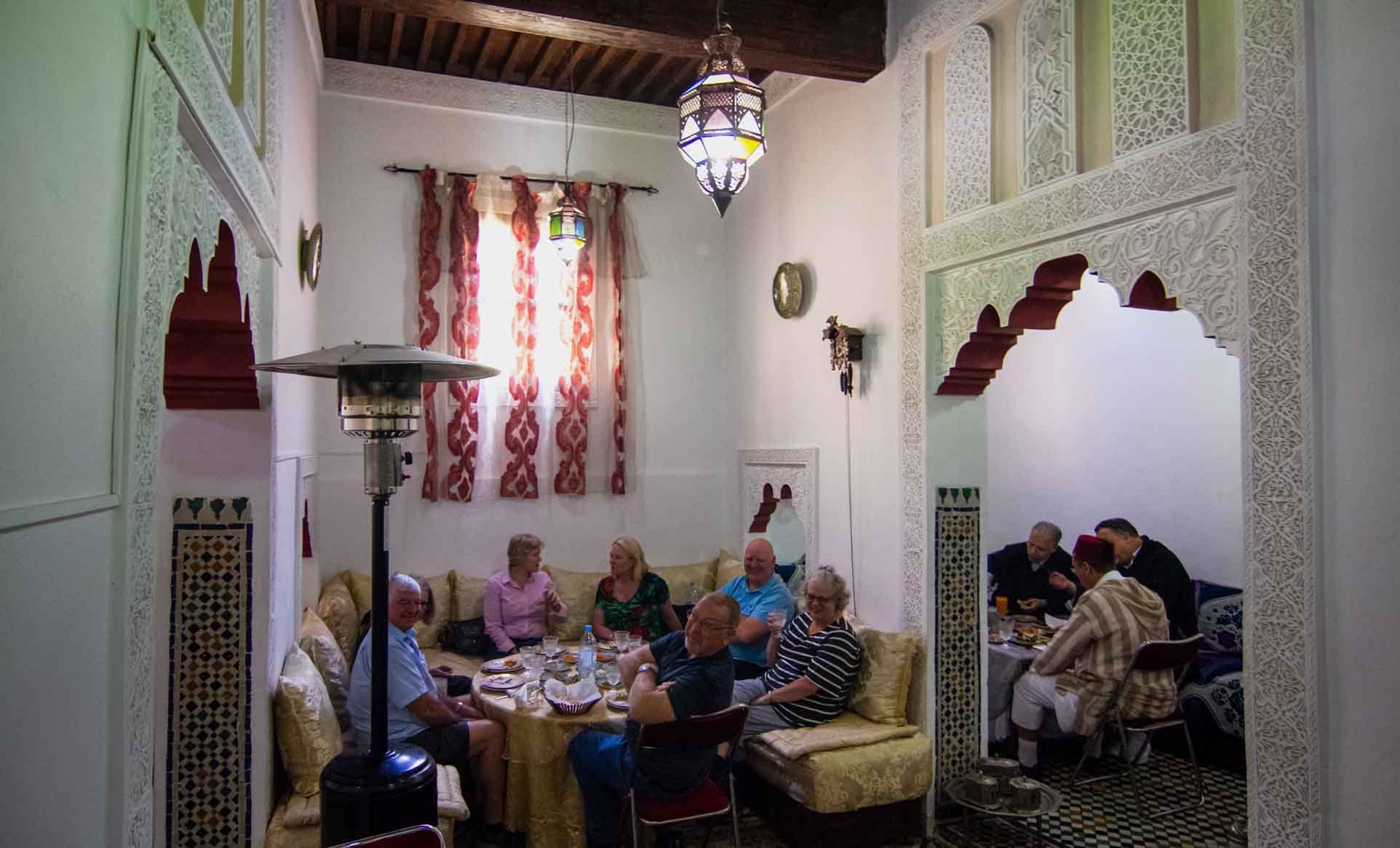
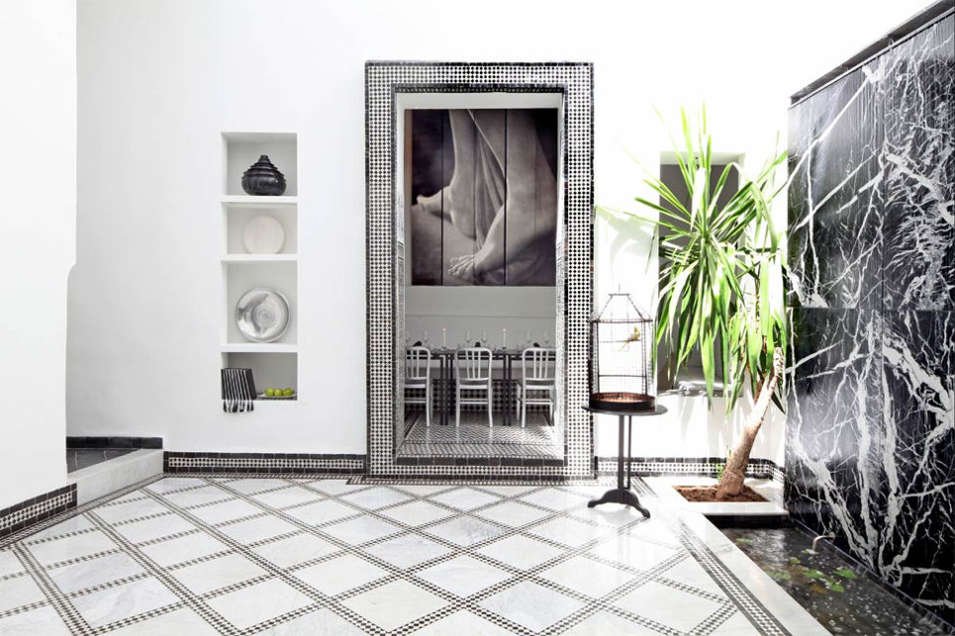
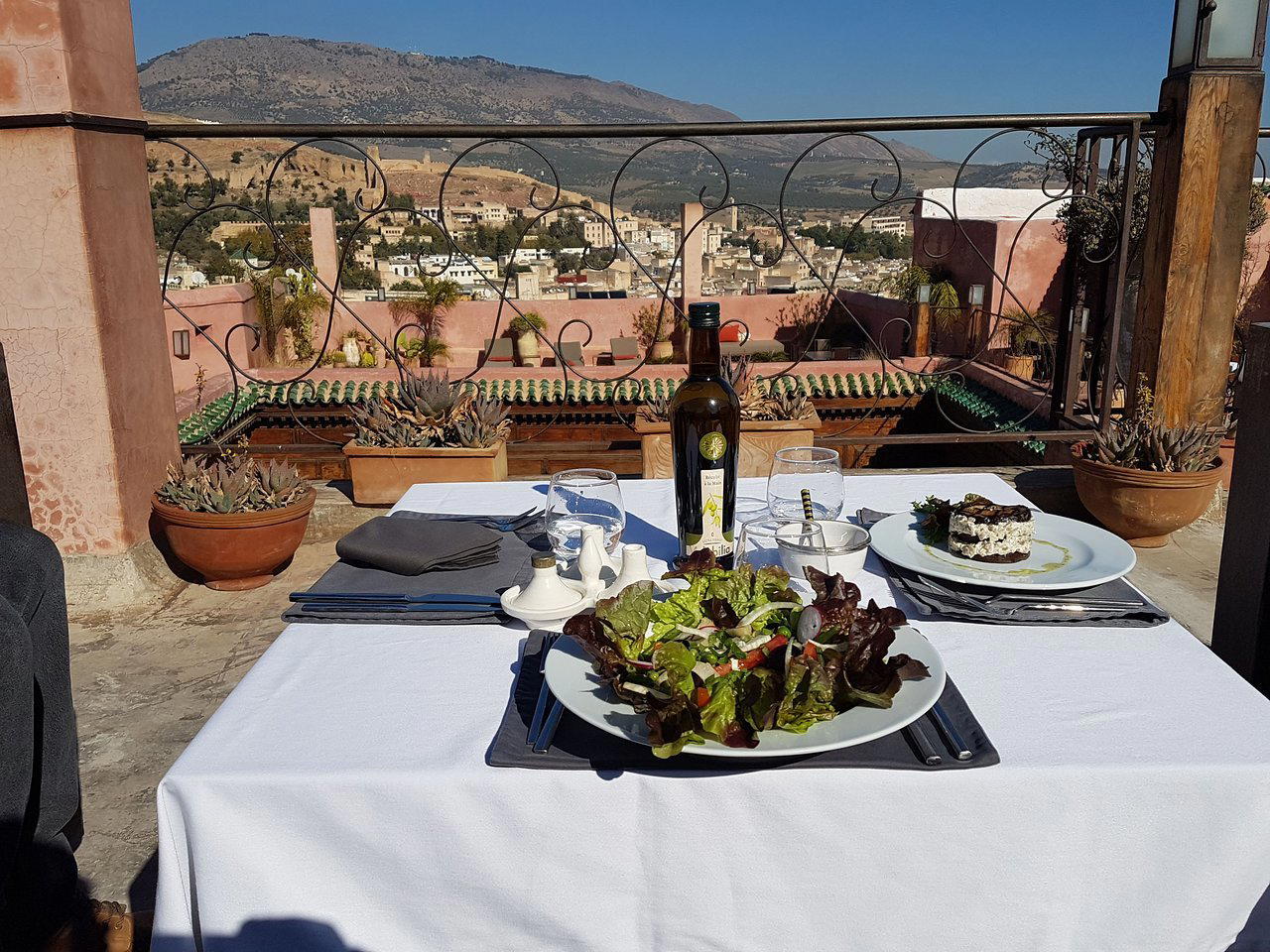
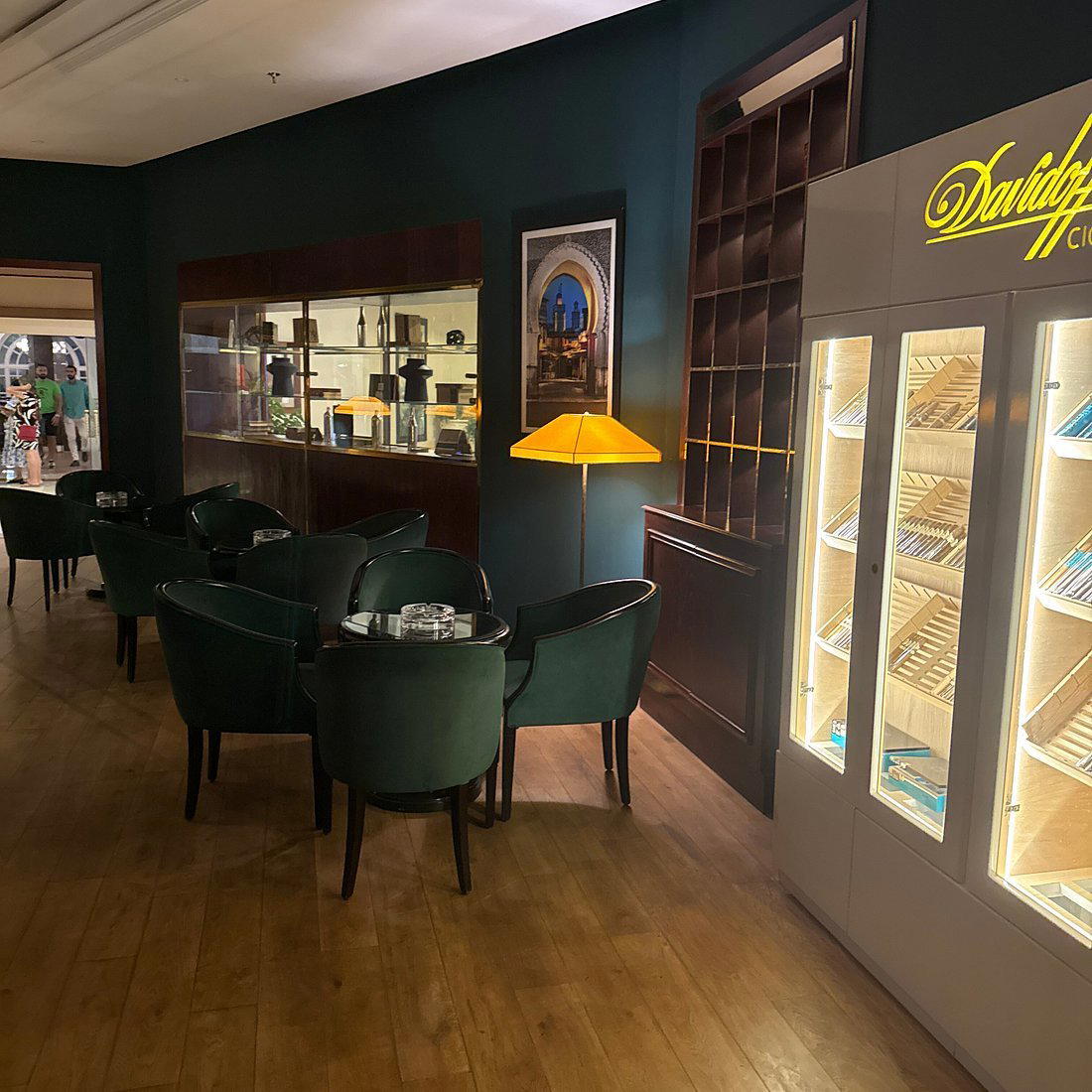
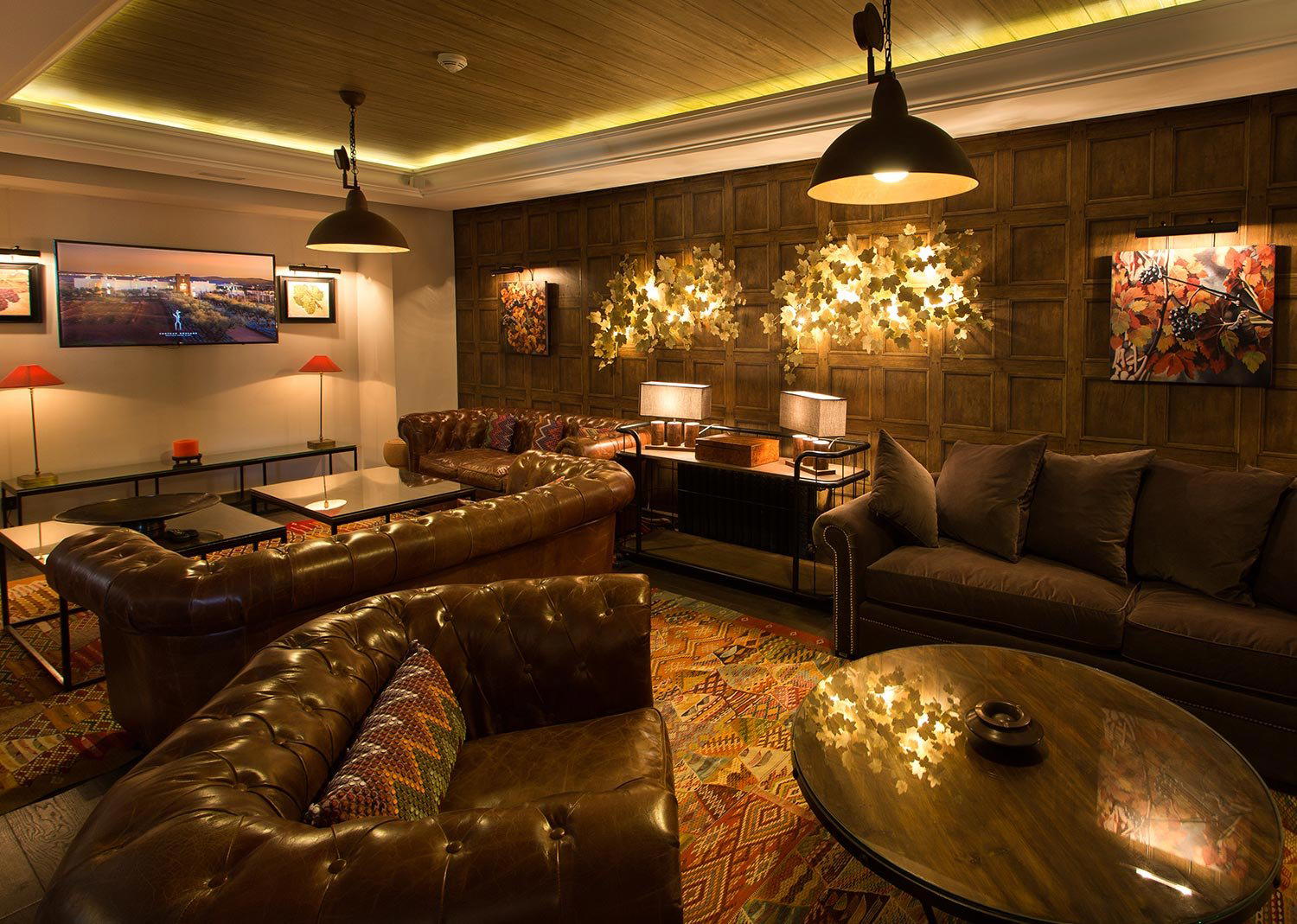
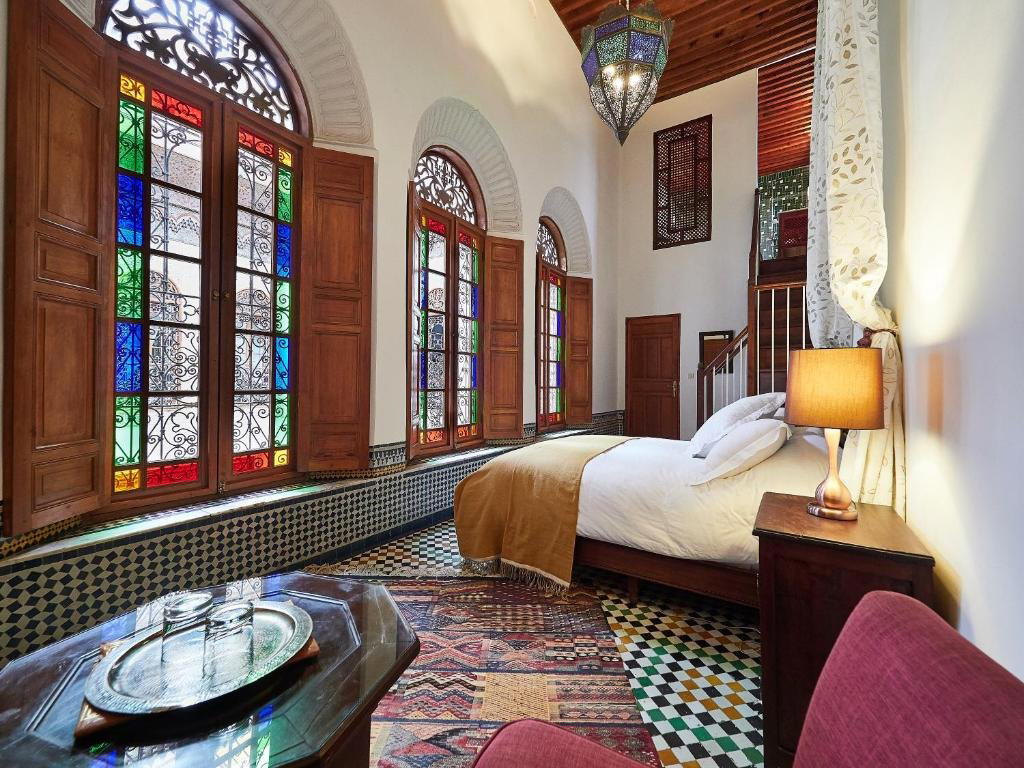
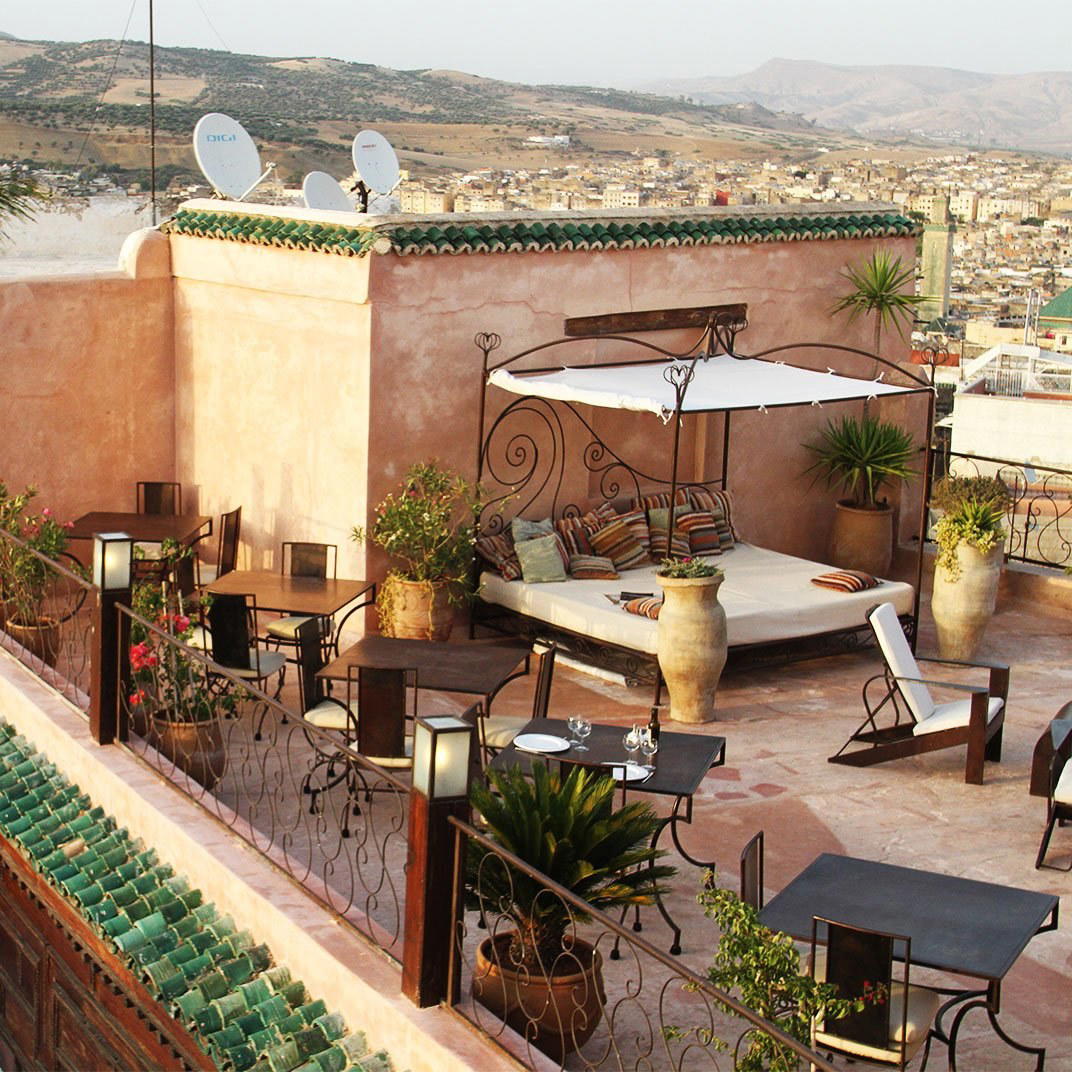
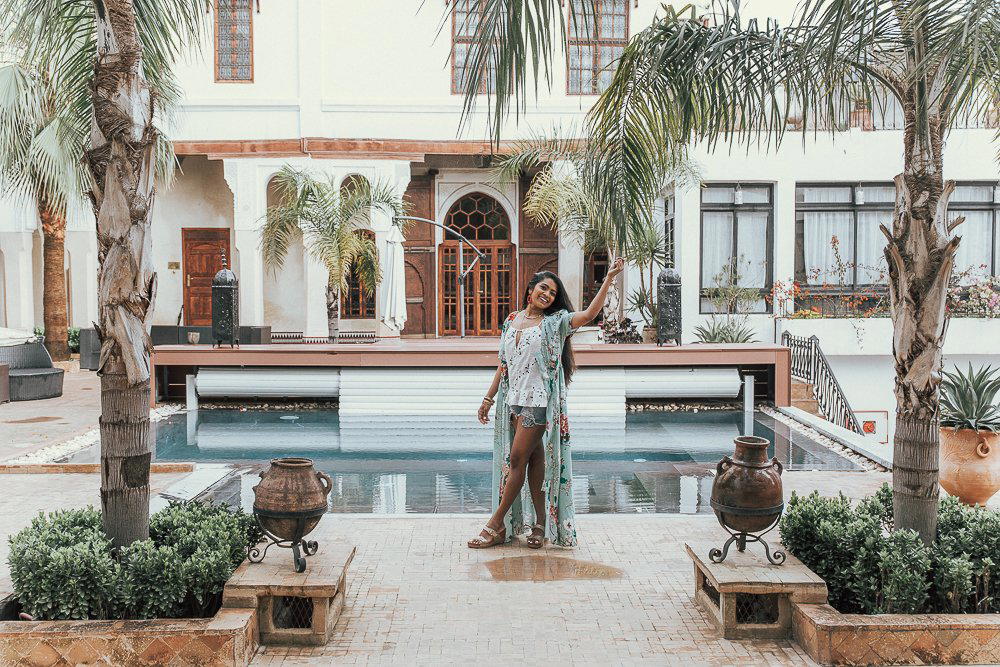
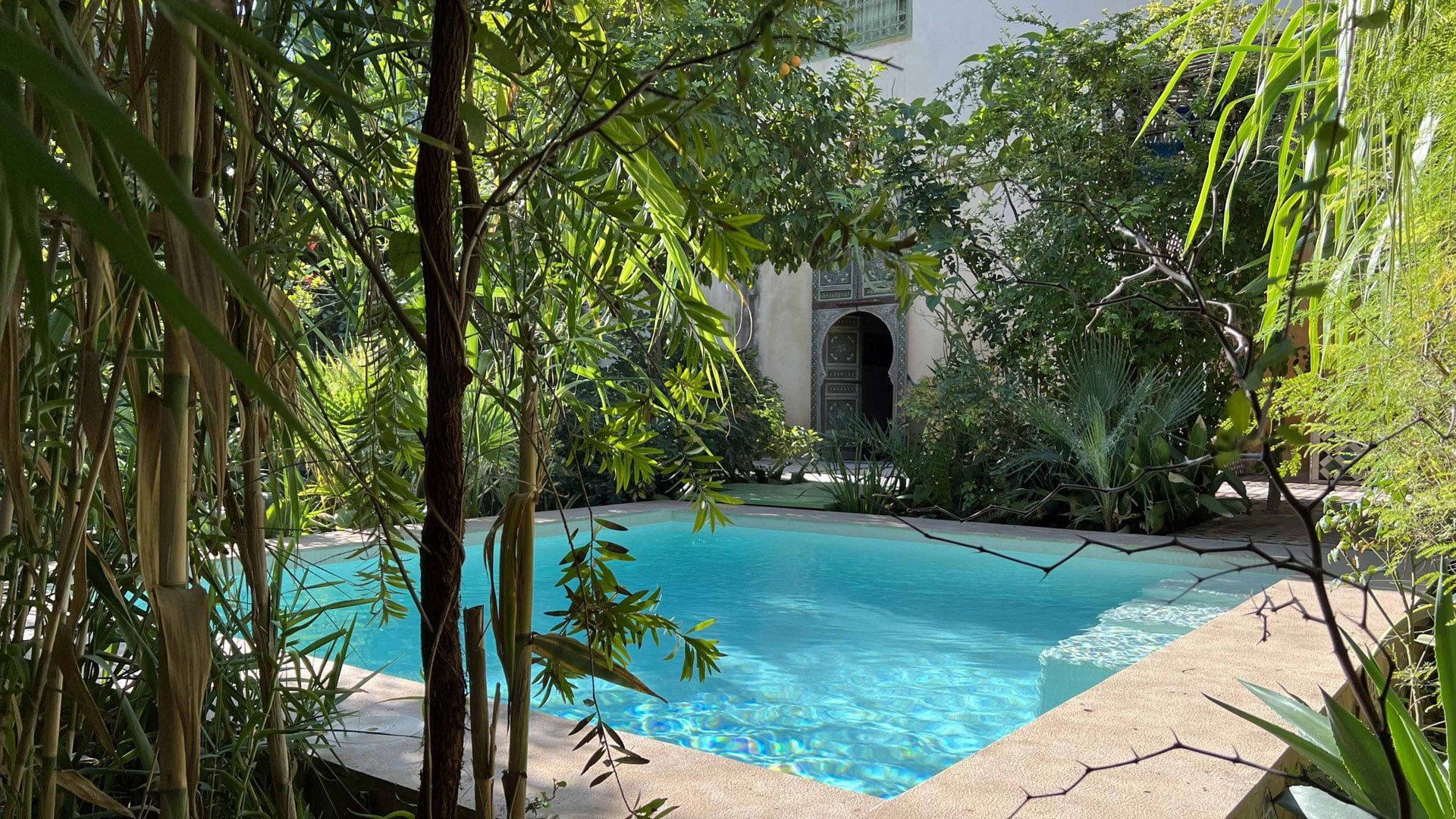
Warm, traditional medina restaurant atmosphere with a notably eclectic, old-world decor; one source describes a cluttered display of ancient clocks and trinkets, pressed-concrete tiles, and cooking over fire.