La Sqala: Café Maure
La Sqala: Café Maure occupies a restored Portuguese fortress on Casablanca's Boulevard des Almohades, where the old ramparts frame a courtyard setting that has made it a reference point for traditional Moroccan café culture in the city. The kitchen draws on a repertoire of classic Moroccan preparations, placing it at a different register from the hotel dining rooms and European brasseries that define Casablanca's formal restaurant scene.
 Discover on Pearl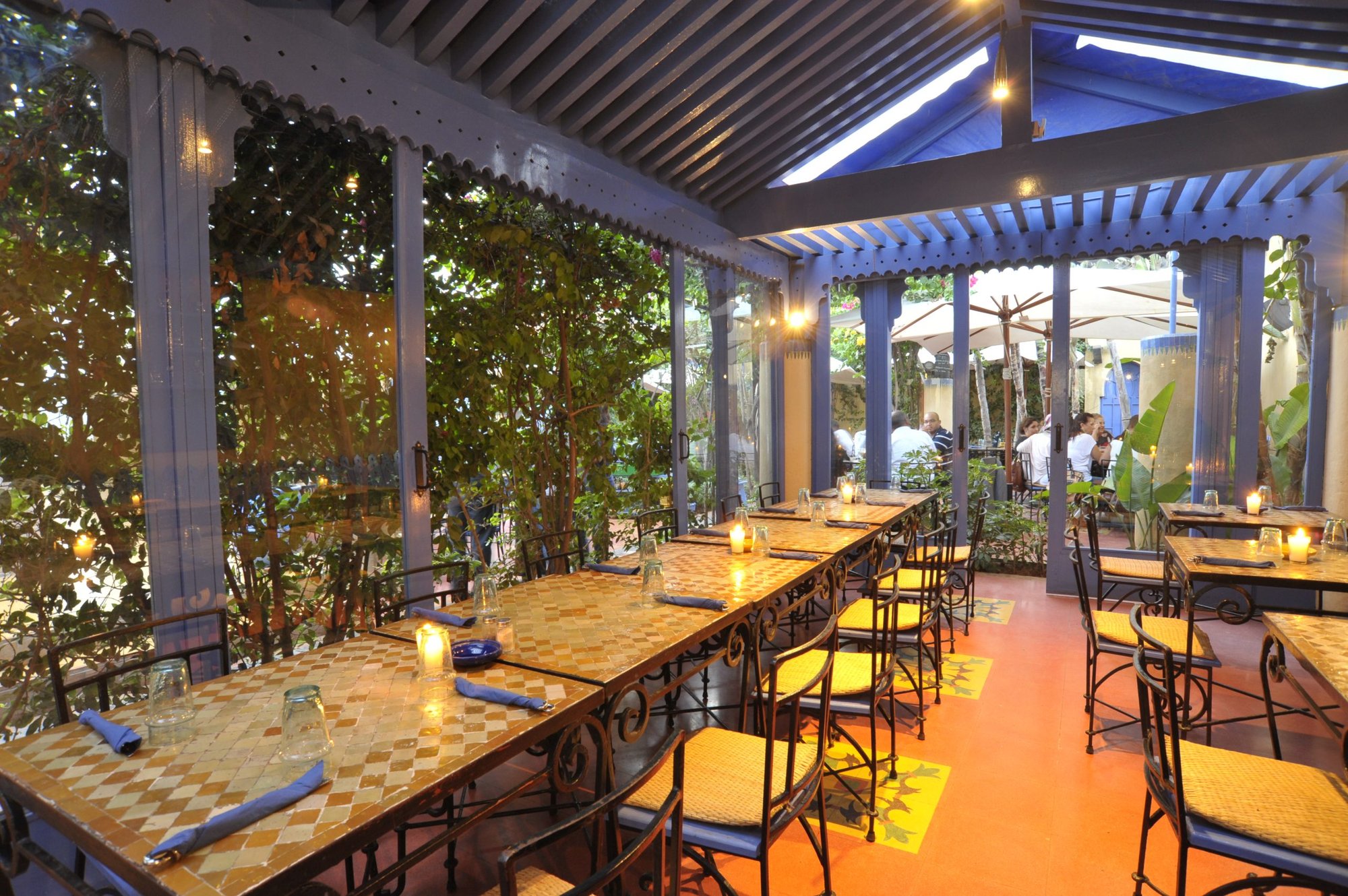
Where the Old City Meets the Atlantic Wall
Casablanca has spent decades being misread as Morocco's least romantic city, a place of commerce and concrete where travellers pause before moving on to Marrakesh or Fes. That reading misses Boulevard des Almohades and the sixteenth-century Portuguese fortifications that still run along the waterfront. La Sqala: Café Maure sits within those ramparts, in a courtyard setting that puts the city's colonial and pre-colonial histories in direct conversation. The approach through the old fortress walls does the orienting work before you've ordered anything: this is a café operating inside a structure older than the modern city around it, and that context shapes everything from the pace of service to the logic of the menu.
Casablanca's dining scene has bifurcated sharply in recent years. On one side sit hotel restaurants and European-format brasseries — addresses like the grande tables inside the city's luxury properties, where Moroccan ingredients are filtered through French technique. On the other side, a smaller tier of neighbourhood-rooted cafés and traditional restaurants holds to a more direct lineage, cooking Moroccan food for Moroccan rhythms. La Sqala belongs to the second category, and within Casablanca's medina-adjacent geography, it occupies a distinct position: a café with roots deep enough that it functions as both a place to eat and a working piece of urban heritage.
The shortlist, unlocked.
Hard-to-book tables, cellar releases, and concierge-planned trips.
Get Exclusive Access →The Ingredient Logic of Traditional Moroccan Café Cooking
The editorial angle that matters most for understanding La Sqala is not the setting, compelling as that is, but rather where the food comes from and what that sourcing implies about the kitchen's priorities. Traditional Moroccan café cooking — the kind that defines addresses like this one, as well as Berrada in Fes and Dar Tagine in Fès , is built on proximity. Preserved lemons, argan oil, smen (aged butter), fresh herbs, and the dried spice blends that define ras el hanout are not luxury imports here; they are quotidian pantry staples sourced through relationships that predate the formal restaurant economy.
This matters because it separates the flavour logic of a traditional café from what happens in hotel kitchens targeting international visitors. When Moroccan produce is sourced locally and cooked within its own tradition , rather than reframed through European technique , the results are more direct: couscous grains that carry the texture of hand-rolling, tagines where the slow-cooked depth comes from time and clay rather than reduction and butter, mint tea that is brewed with fresh leaves rather than concentrate. The comparison set for La Sqala is not La Grande Brasserie by Helene Darroze in Marrakesh or the formal dining rooms that populate Casablanca's upper tier. It sits closer to addresses like Dar Dada in Sidi Belyout, where the frame of reference is the domestic kitchen rather than the brigade-staffed restaurant.
Morocco's Atlantic coast has its own ingredient vocabulary that distinguishes it from the inland cities. Casablanca's proximity to Oualidia , the lagoon town that supplies much of Morocco's premium seafood, including the oyster beds that L'Araignée Gourmande in Oualidia has built a reputation around , means that coastal cafés in Casablanca have access to fish and shellfish that kitchens in Fes or Marrakesh cannot replicate with the same freshness. A café positioned along the waterfront ramparts of the old city sits at the geographic intersection of that coastal supply chain and the spice-forward interior tradition.
Casablanca's Café Maure Tradition in Context
The café maure format is worth understanding on its own terms before reading any individual venue through it. It is not simply a café that serves Moroccan food. It is a specific social institution: a courtyard or riad-style space designed for leisure at a pace slower than the street, serving mint tea as the anchor of the experience, with food functioning as accompaniment rather than the primary event. The format has historical roots in Andalusian-Moorish domestic culture and survived colonisation by operating in spaces the French administration had less reason to appropriate. Today, surviving café maure addresses tend to occupy heritage buildings partly because those were the structures available to them.
Within Casablanca specifically, the café maure sits between two pressures. From above, hotel dining rooms at properties targeting the Gulf and European luxury traveller have raised the formal register of Moroccan cooking in the city. From below, casual street food has consolidated around a handful of Casablanca specialties. The café maure occupies the middle: more deliberate than street food, less formalised than the hotel grande table, and defined by a kind of hospitality that is measured in time given to the guest rather than courses offered. Addresses like Le Palace in Marrakech or Heure Bleue Palais in Essaouira represent the heritage property approach to this tradition; La Sqala represents something more unmediated.
Getting There and Practical Notes
La Sqala is on Boulevard des Almohades in Casablanca, the coastal boulevard that runs along the old medina's western edge. The address places it within walking distance of the Hassan II Mosque and the old medina quarter, making it a logical stop on any itinerary that moves between the waterfront and the historic city fabric. For visitors using Casablanca as a base while covering the broader Moroccan dining circuit , Azurita in Tangier to the north, Château Roslane in Icr Iqaddar for wine country, BÔ ZIN in Tassoultante or L'Oliveraie in El Hajeb deeper into the interior , La Sqala functions as a grounding experience in the city's older register before the more polished addresses further south.
Phone and website details are not confirmed in our current data. For current hours and reservation availability, direct contact via the address on Boulevard des Almohades is the most reliable route. The café maure format generally accommodates walk-ins more readily than the formal dining tier, though midday and weekend afternoon visits tend to draw the heaviest local traffic. For a broader picture of where La Sqala sits within Casablanca's full dining range, see our full الدار البيضاء restaurants guide, which covers everything from neighbourhood canteens to hotel fine dining. Other Casablanca addresses worth cross-referencing include Cocoa Café in Casablanca and La Taverne Du Dauphin for a sense of the city's full register. Beyond Morocco, Café Enjoy Agadir in Agadir offers a southern coastal comparison point for the café format.
Frequently Asked Questions
- Is La Sqala: Café Maure okay with children?
- Yes. The open courtyard format and unhurried pace make it more accommodating for families than most formal restaurants in Casablanca at comparable price points.
- Is La Sqala: Café Maure better for a quiet night or a lively one?
- If you want a quiet afternoon or early evening in a city that defaults to European brasserie energy, La Sqala is the right call. The café maure format is built around a slower rhythm. If you're after the livelier end of Casablanca's dining scene, the formal hotel restaurants and contemporary addresses in the Maarif district will suit that impulse better.
- What should I eat at La Sqala: Café Maure?
- Anchor the visit on mint tea , it is the structural logic of the café maure format and the leading lens through which to judge the kitchen's sourcing discipline. Beyond that, the traditional Moroccan preparations are the reason to come: tagines, couscous, and the pastry-based dishes that connect this kitchen to the Andalusian-Moorish culinary lineage the café maure format carries forward. Skip anything that reads as a European concession on the menu.
- Is La Sqala: Café Maure a good place to understand Casablanca's pre-modern food culture?
- It is one of the more direct access points to that tradition within the city. The combination of a sixteenth-century Portuguese fortress setting and a café maure format that predates the French Protectorate era gives the address a historical depth that most Casablanca dining rooms , however polished , cannot replicate. For travellers moving through Morocco's dining geography, it anchors the coastal Atlantic tradition in a way that complements what you'd find at inland addresses like Dar Tagine in Fès or the wine-country tables at Château Roslane in Icr Iqaddar.
Peer Set Snapshot
These are the closest comparables we have in our database for quick context.
| Venue | Cuisine | Price | Awards | Notes |
|---|---|---|---|---|
| La Sqala: Café Maure | This venue | |||
| La Grande Table Marocaine - Royal Mansour | Moroccan Cuisine | World's 50 Best | Moroccan Cuisine | |
| Château Roslane | French Moroccan | French Moroccan | ||
| Heure Bleue Palais | Moroccan Coastal | Moroccan Coastal | ||
| L’Italien par Jean-Georges | French Moroccan | French Moroccan | ||
| La Grande Table Marocaine - Royal Mansour Casablanca | Moroccan Fine | Moroccan Fine |
Need a table?
Our members enjoy priority alerts and concierge-led booking support for the world's most difficult tables.
Get Exclusive AccessThe shortlist, unlocked.
Hard-to-book tables, cellar releases, and concierge-planned trips.
Get Exclusive Access →