

A Sydney-inflected all-day dining room in Marrakesh's Gueliz neighbourhood, +61 landed at #35 on the World's 50 Best Restaurants MENA 2024 list — a signal that its casual, produce-led format has found real traction beyond the expat crowd.
Pearl is the En Primeur Club membership app — saves, bookings, and concierge access live there. Same editors, same standards.
- Address
- 96 Rue Mohammed el Beqal, Marrakech 40000, Morocco
- Phone
- +212 5 24 20 70 20
- Website
- plus61.com
- Directions
- Get directions
 Saves & bookings on Pearl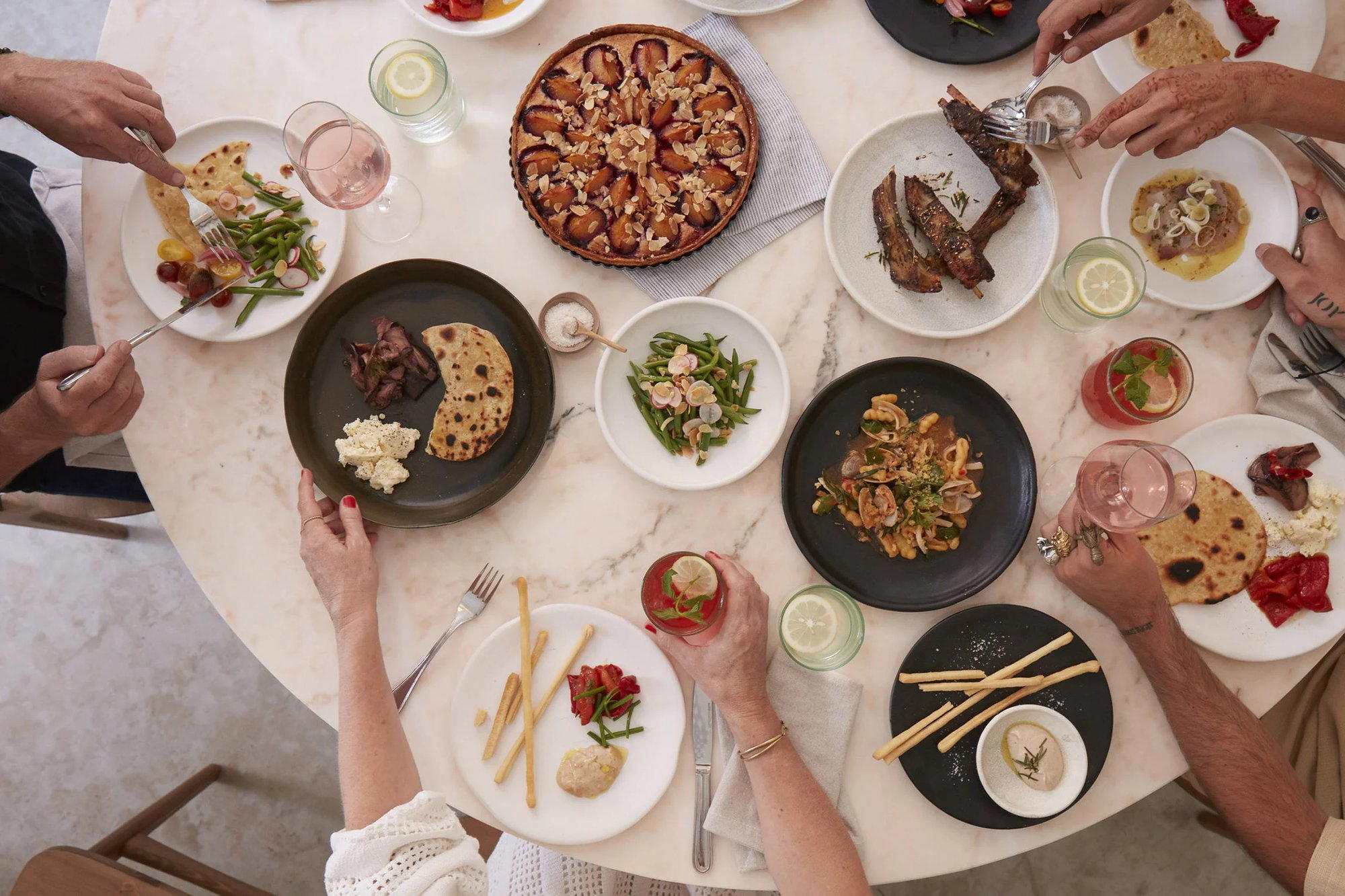
Gueliz and the Case for Casual
Marrakesh's dining conversation has long been anchored in the medina, where riad courtyards and centuries-old spice routes set the stage for Moroccan fine dining at places like Dar Moha and the palatial La Grande Table Marocaine at Royal Mansour. Gueliz, the French-planned new town west of the medina walls, operates on a different register entirely. Its boulevards were built for commerce and apartment living, not ceremony, and the dining rooms that have taken root there reflect that pragmatism. What Gueliz increasingly offers is a more unselfconscious kind of eating — tables where the food matters as much as the setting, and where the guest list skews local alongside international.
+61 (the international dialling code for Australia) sits on Rue Mohammed el Beqal and reads, from the street, like a certain kind of room that Sydney and Melbourne have spent two decades perfecting: daylight-friendly, unhurried, with the quality of ingredients doing the talking rather than tablecloths or tasting-menu theatrics. In a city where the prestige end of the market tends toward either grand Moroccan ceremony or French hotel formality — see La Grande Brasserie by Hélène Darroze, this format is genuinely rare.
The Australian Casual Tradition, Transplanted
Australian dining's global influence often gets reduced to avocado toast and flat whites, which undersells what the format actually represents. The serious Sydney casual table is produce-obsessive in a way that traces back to the country's geographical proximity to Asia, its strong farmers' market culture, and a general allergy to European formality for its own sake. Cooking in that tradition tends to be technically confident but low-ceremony: the effort goes into sourcing and technique, not into room design or service choreography.
Transplanting that sensibility to Marrakesh is not a simple exercise. Morocco's ingredient ecology is genuinely rich, argan oil from the Souss-Massa, saffron from Taliouine, fish from both Atlantic and Mediterranean coasts, a herbaceous kitchen garden tradition that runs through every souk, but accessing it requires relationships that take time to build. The premise of +61, brought to Gueliz by Cassandra Karinsky and Sebastian de Gzell, is that those sourcing relationships are worth building, and that the results speak for themselves on the plate. This is, structurally, the same argument that drives producer-focused restaurants from Le Bernardin in New York to small coastal tables in Essaouira, the food's integrity begins before anything reaches the kitchen.
For context on how that sourcing-first philosophy plays out differently across Morocco's geography, Heure Bleue Palais in Essaouira and L'Oliveraie in El Hajeb offer useful comparisons, each rooted in local ingredients but working within very different culinary frameworks.
Where +61 Sits in the MENA Dining Conversation
The World's 50 Best Restaurants MENA 2024 ranking placed +61 at #35, which carries meaningful weight in a list that draws from the full sweep of Middle Eastern and North African dining. For a casual, neighbourhood-format room in Gueliz to land in that bracket is a declaration that the MENA dining establishment is no longer evaluating restaurants purely on formality or regional provenance.
Rooms that score in that range consistently over hundreds of reviews are almost always doing something right at the operational level, consistency, hospitality, value coherence, that formal awards don't always capture. Compare that profile to Sesamo or Farasha Farmhouse-Mouton Noir, both of which occupy distinct niches in Marrakesh's broader dining map and draw on different sourcing and culinary traditions.
Morocco's wider dining scene, explored further in our full Marrakesh restaurants guide, has developed a tier of internationally recognised tables that don't fit neatly into traditional Moroccan or European categories. +61 is one of the clearest examples of that, as is Gayza in Fès, which draws on a different set of culinary references while making a similar case for produce-led cooking in a Moroccan urban context.
The Gathering Function
One thing that distinguishes +61 from the medina's more ceremonial options is the social architecture of the room. The venue has operated as a meeting point for Marrakesh's resident community, locals, long-stay expats, return visitors, in a way that formal dining rooms, by their nature, tend not to. That function is not accidental. Sydney's successful all-day rooms have always been designed around repeat visits rather than one-time occasions: coffee in the morning, lunch meetings, weekend brunches that extend through the afternoon. The format rewards regulars in a way that tasting-menu restaurants structurally cannot.
This matters for the ingredient sourcing angle too. A room built on repeat local custom has stronger incentive to maintain sourcing standards over time, because the people eating there regularly will notice when quality slips. The accountability is immediate and personal rather than filtered through annual awards cycles. For internationally oriented MENA lists like the 50 Best, that local anchoring tends to register as authenticity, a restaurant that has earned its place in the neighbourhood before it started collecting recognition elsewhere.
Visitors planning a broader Marrakesh stay can explore the city's accommodation, bar, and experience programming through our hotels guide, bars guide, and experiences guide. For those extending into Morocco's wine country, our wineries guide and the Château Roslane table in Icr Iqaddar are worth consulting alongside the dining itinerary.
Planning Your Visit
+61 is at 96 Rue Mohammed el Beqal in Gueliz, direct to reach by taxi from the medina or Hivernage. The Gueliz neighbourhood rewards a half-day rather than a quick detour: the area around Avenue Mohammed V and the surrounding streets has a cluster of independent restaurants, including Le Petit Cornichon, that make it worth spending time in the new town rather than defaulting entirely to the medina's dining circuit.
Booking ahead is the practical position, particularly for weekend lunches and during peak travel periods (December through February, and again in April). The room's appeal to both local regulars and destination visitors means it fills from two directions simultaneously, which compresses availability faster than the format implies.
A Quick Peer Check
Comparable options at a glance, pulled from our tracked venues.
| Venue | Cuisine | Awards |
|---|---|---|
| +61This venue — the venue you are viewing | Not listed | Not listed |
| La Grande Table Marocaine - Royal Mansour | Moroccan Cuisine | World's 50 Best |
| L’Italien par Jean-Georges | French Moroccan | Not listed |
| La Villa des Orangers | Moroccan Cuisine | Not listed |
| Le Jardin d'Hiver | Moroccan Traditional | Not listed |
| Palais Ronsard | Moroccan French | Not listed |
Recognition history
Dated appearances from independent guides and award organizations, with the underlying list record or original source where available.
World's 50 Best MENA's Best Restaurants #31
World's 50 Best
World's 50 Best MENA's Best Restaurants #35
World's 50 Best
World's Best Wine Lists Awards WBWL 1-Star
World's Best Wine Lists Awards
Continue exploring
More in Marrakech
Restaurants in Marrakech
Browse all →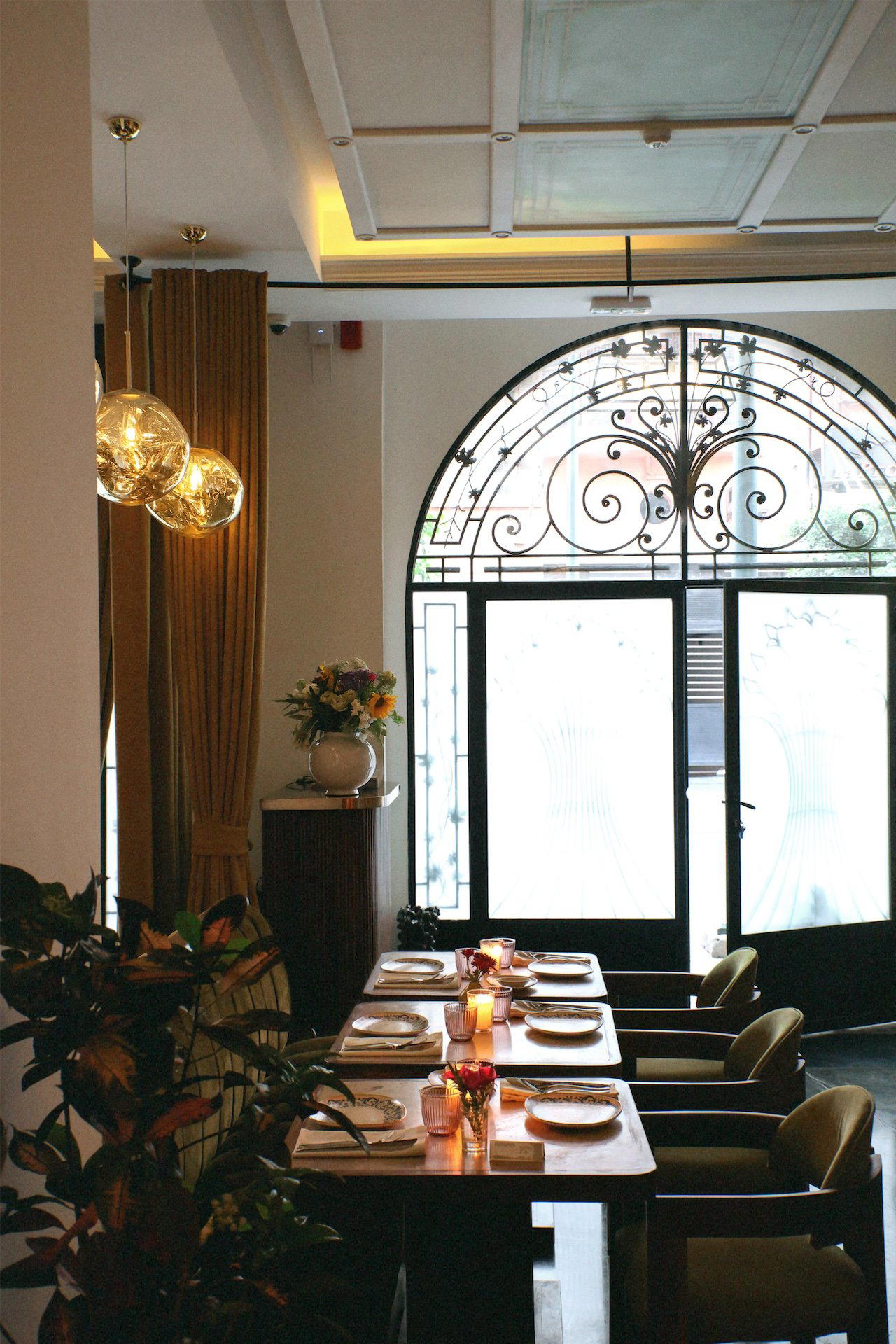
Bars in Marrakech
Browse all →
Hotels in Marrakech
Browse all →
Wineries in Marrakech
Browse all →
At a Glance
- Modern
- Relaxed
- Elegant
- Trendy
- Date Night
- Casual Hangout
- Group Dining
- Open Kitchen
- Craft Cocktails
- Extensive Wine List
- Local Sourcing
- Organic
Current opening hours
- Monday
- 12–3 PM, 7–10:30 PM
- Tuesday
- 12–3 PM, 7–10:30 PM
- Wednesday
- 12–3 PM, 7–10:30 PM
- Thursday
- 12–3 PM, 7–10:30 PM
- Friday
- 12–3 PM, 7–10:30 PM
- Saturday
- 12–3 PM, 7–10:30 PM
- Sunday
- Closed
Hours can change for holidays and private events. Last verified .
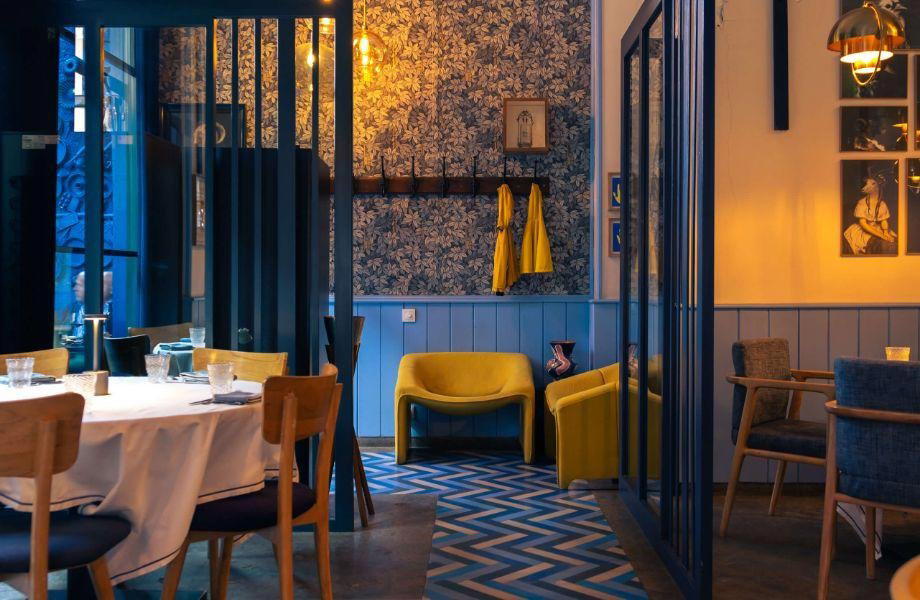
Relaxed, modern, and stylish with light and airy spaces, minimalist interiors, white walls, copper lamps, and a serene open dining area.
Know Before You Go
- Getting there
- 96 Rue Mohammed el Beqal, Marrakech 40000, Morocco