Dar Dada
Dar Dada occupies a address at 31 Rue El Arsa in Casablanca's Sidi Belyout district, placing it within a neighbourhood where Moroccan domestic dining traditions hold firmer ground than the city's hotel-facing fine dining tier. The kitchen draws on sourcing patterns rooted in the Moroccan interior, and the setting carries the architectural gravity that older Casablanca addresses tend to reward patient visitors with.
Pearl is the En Primeur Club membership app — saves, bookings, and concierge access live there. Same editors, same standards.
- Address
- 31 Rue El Arsa, Casablanca 20250, Morocco
- Phone
- +212661602602
- Website
- dardada.com
- Directions
- Get directions
 Saves & bookings on Pearl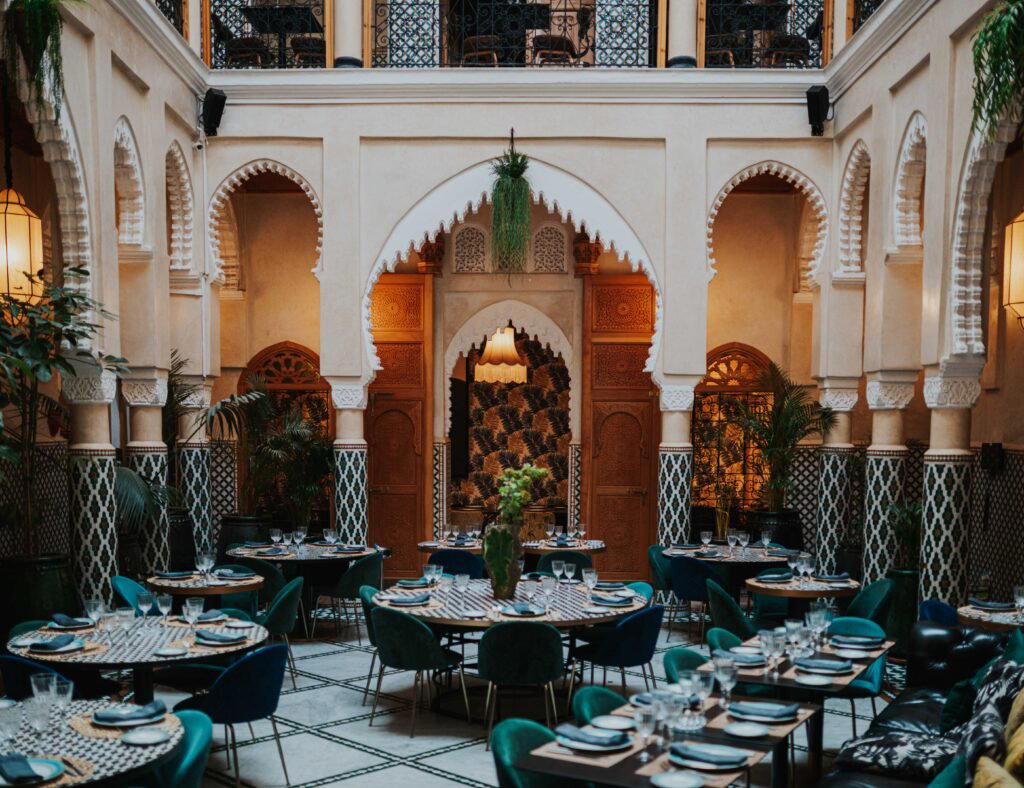
Casablanca's Sourcing Logic and Where Dar Dada Sits Within It
Moroccan cuisine has always been an argument about provenance. The preserved lemons come from a particular jar, aged a particular number of weeks. The smen, clarified and salted butter, fermented in clay, carries the character of wherever the milk was produced. Argan oil, cold-pressed in the Souss Valley, tastes nothing like the industrially extracted versions that reach European supermarkets. In Casablanca's better dining rooms, this sourcing geography is the real subject of every plate, and the city's most serious kitchens understand that. Dar Dada, at 31 Rue El Arsa in the Sidi Belyout district, occupies a position within that tradition, a neighbourhood address in a part of the city where domestic Moroccan cooking culture has retained more texture than the hotel-facing fine dining corridor along the Corniche.
The Physical Address and What It Signals
Sidi Belyout is one of Casablanca's older central districts, and older central Casablanca carries a specific architectural register: Art Deco facades, internal courtyard geometries borrowed from medina typology, street-level premises that have housed multiple identities across multiple decades. Restaurant addresses in this district tend to wear their context visibly. The building at 31 Rue El Arsa sits within that urban fabric, and arriving here, rather than at a purpose-built dining room inside a five-star hotel, involves a different kind of adjustment. The city is more present. The street noise from the surrounding neighbourhood bleeds in. This is not incidental atmosphere; it is the condition under which the food is meant to be understood.
La Grande Table Marocaine at Royal Mansour Casablanca represents one end of that split: a formally constructed, internationally recognised fine dining format serving refined Moroccan cuisine inside a luxury hotel property. Dar Dada operates without that institutional framework, which changes the terms of the visit considerably.
Ingredient Sourcing as Editorial Frame
The case for Moroccan cuisine as a sourcing-led tradition is stronger than it is often given credit for outside the country. Morocco's agricultural geography is unusually varied for a country of its size: Atlantic and Mediterranean coastal zones producing different seafood profiles, the Middle Atlas providing lamb and dairy from high pasture, the pre-Saharan south contributing dates and spices with distinct aromatic characters, and the Souss Valley's argan groves functioning as a single-origin oil source with genuine terroir specificity. This is the raw material that serious Moroccan kitchens work with, and strong examples among them treat sourcing decisions with the same deliberateness that European restaurants apply to their supply chains.
Restaurants like L'Araignée Gourmande in Oualidia have built reputations almost entirely around access to a single notable local source, in that case, the Oualidia lagoon's oysters and seafood. L'Oliveraie in El Hajeb positions itself through olive oil production from the Azrou-El Hajeb corridor. These are examples of a broader pattern in Moroccan independent dining: the restaurant as an argument for a specific geography. The restaurant's Sidi Belyout address places it in a district with longstanding market infrastructure, the city's central wholesale and retail food supply networks have historically run through and around this part of Casablanca, which gives proximate restaurants a structural sourcing advantage that hotel kitchens, operating from centralised procurement systems, often cannot replicate.
Comparing Registers: Hotel Fine Dining vs. Independent Rooms
Across Morocco's major cities, the formal fine dining tier has consolidated around a small number of internationally managed properties. La Grande Table Marocaine at Royal Mansour Marrakesh operates within one resource-intensive version of this format, with production standards that independent restaurants structurally cannot match. The comparison is not a criticism in either direction: these are different projects with different audiences and different definitions of what a meal should accomplish.
Independent rooms in Casablanca's older districts offer something the hotel tier does not: proximity to the city's actual daily food culture. The smen comes from the same supplier the neighbourhood has used for years. The spice blends are sourced from the same derb-level merchants who supply domestic households. This is not a romantic abstraction; it is a practical fact about supply chain intimacy that affects what ends up on the plate. Venues like Cafe Clock in Fes and Le Salon Oriental in Essaouira have built durable reputations by operating from this kind of embedded local position rather than from institutional scale.
The restaurant sits within that broader independent category in Casablanca.
Planning Your Visit
The restaurant is located at 31 Rue El Arsa, Casablanca 20250, in the Sidi Belyout district of central Casablanca. Confirmation of hours and booking method is best handled by direct inquiry or through a local concierge. Dress code is smart casual.
Visitors with a particular interest in how Moroccan ingredients translate at different price points and ambition levels across the country would find it instructive to compare the restaurant experience against Amal Gueliz Center in Marrakech, which operates at the intersection of Moroccan home cooking tradition and social enterprise, or Château Roslane in the Meknes wine region for a sense of how French-Moroccan culinary crossover functions in a different geographic and viticultural context.
How It Stacks Up
Comparable venues nearby, for context on price, style, and recognition.
| Venue | Cuisine | Price | Notes |
|---|---|---|---|
| Dar DadaThis venue — the venue you are viewing | Modern Moroccan | $$$ | Not listed |
| The Ruined Garden | Authentic Moroccan Garden Dining | $$$ | Medina |
| L'Oliveraie | Modern Moroccan Bistronomic | $$$ | El Hajeb |
| Gayza | Refined Moroccan Fine Dining | $$$ | Medina |
| Dar Tagine | Traditional Moroccan Tagine House | $$ | Medina |
| Palais Ronsard | Modern Moroccan Fine Dining | $$$$ | Annakhil |
Continue exploring
More in Sidi Belyout
Restaurants in Sidi Belyout
Browse all →
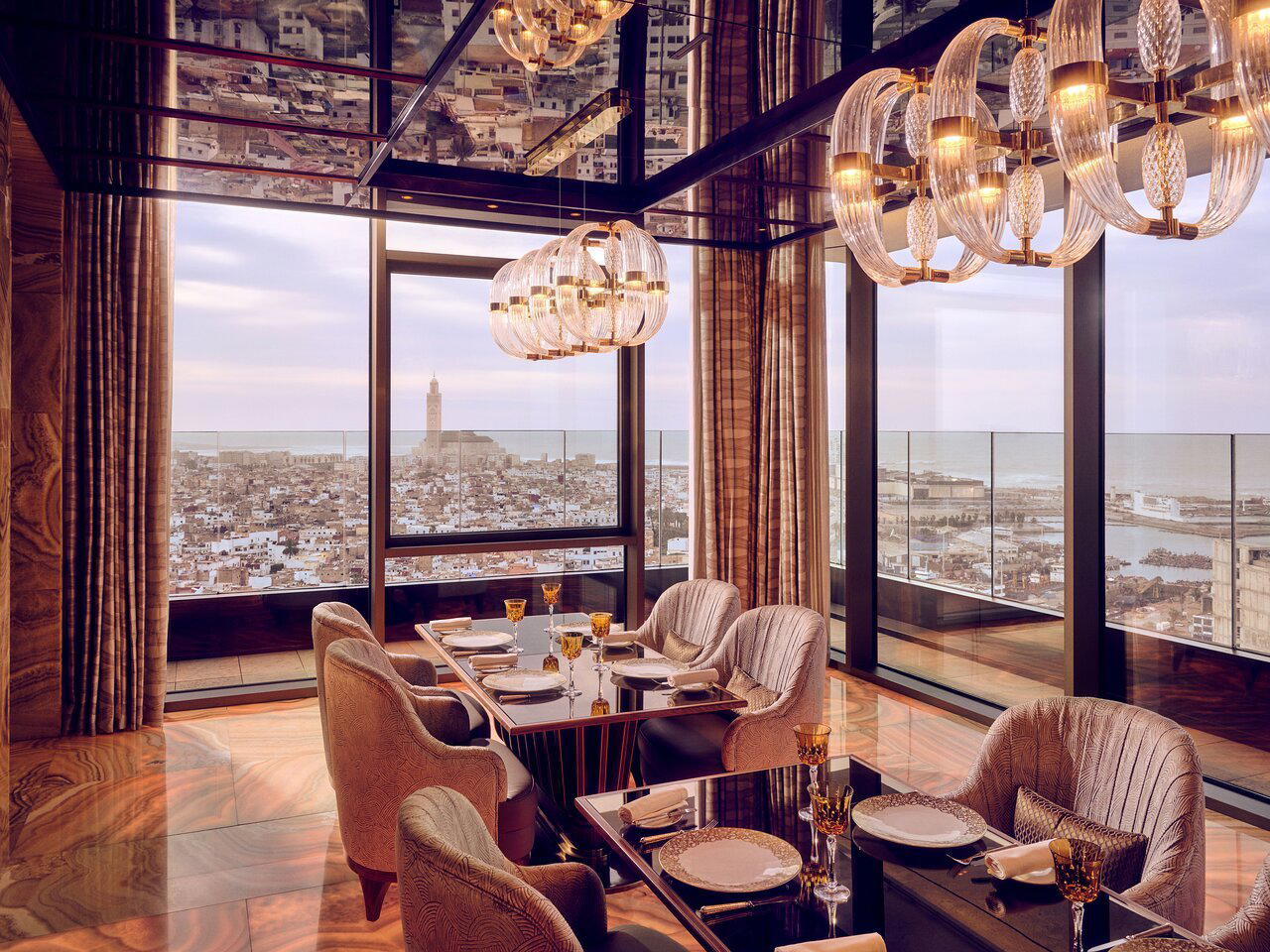
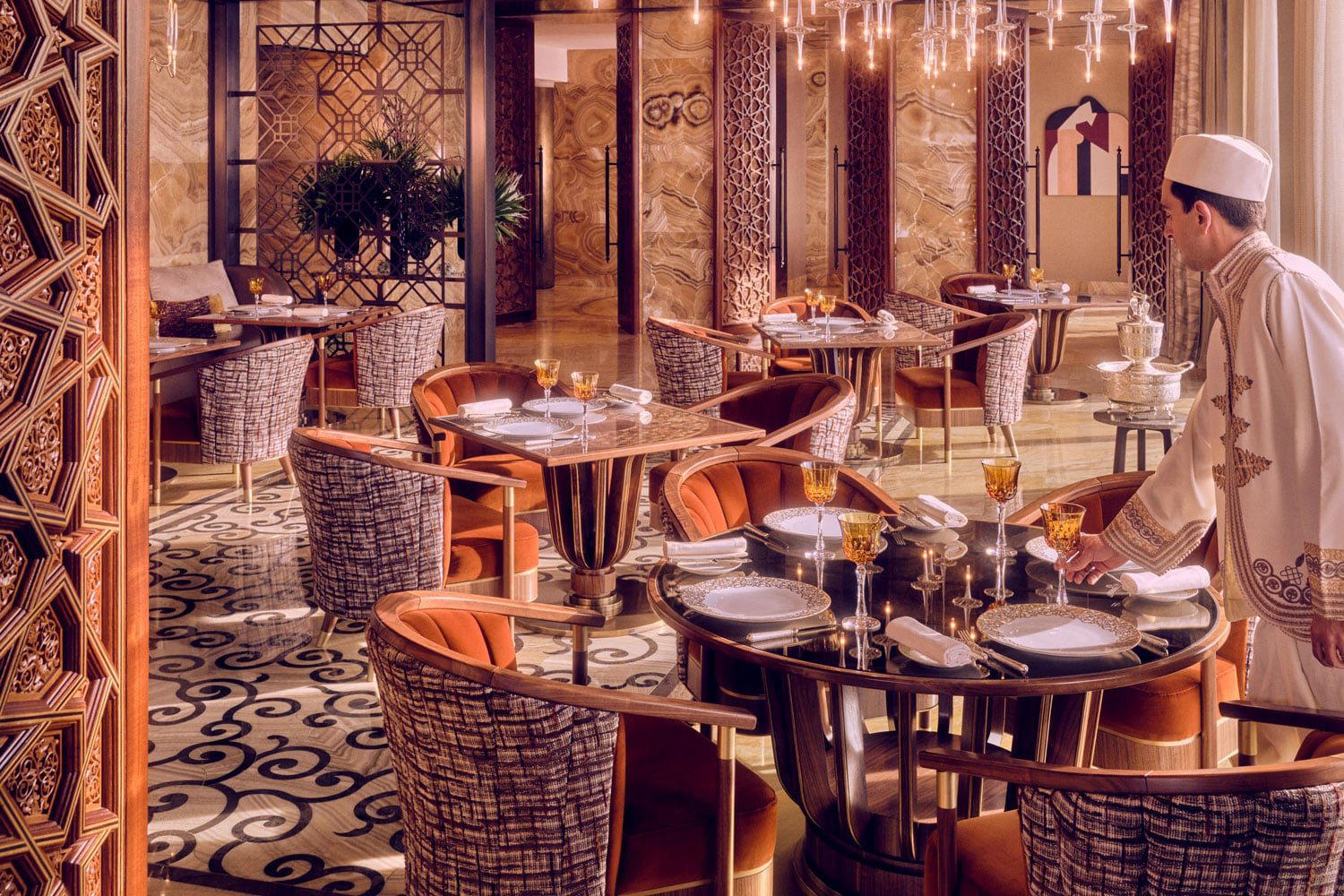
Bars in Sidi Belyout
Browse all →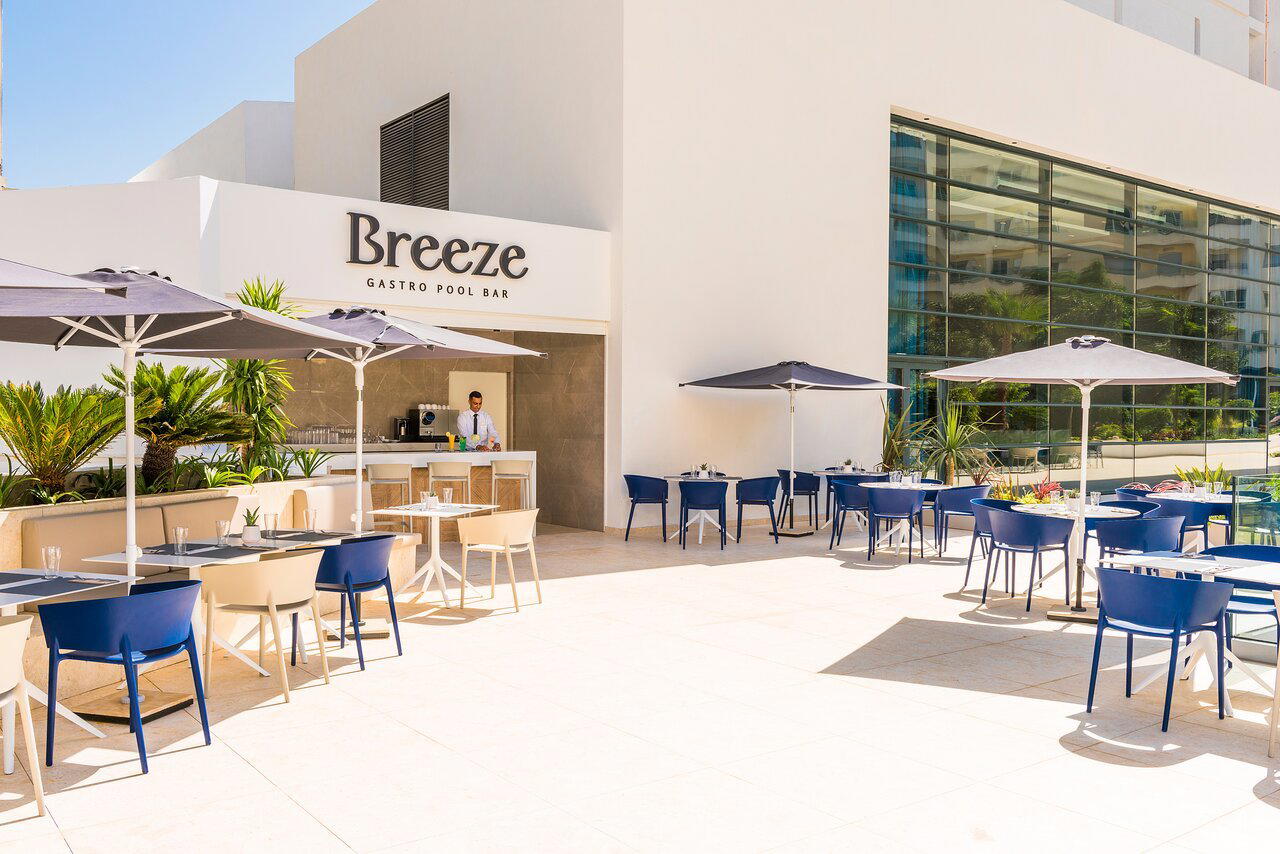
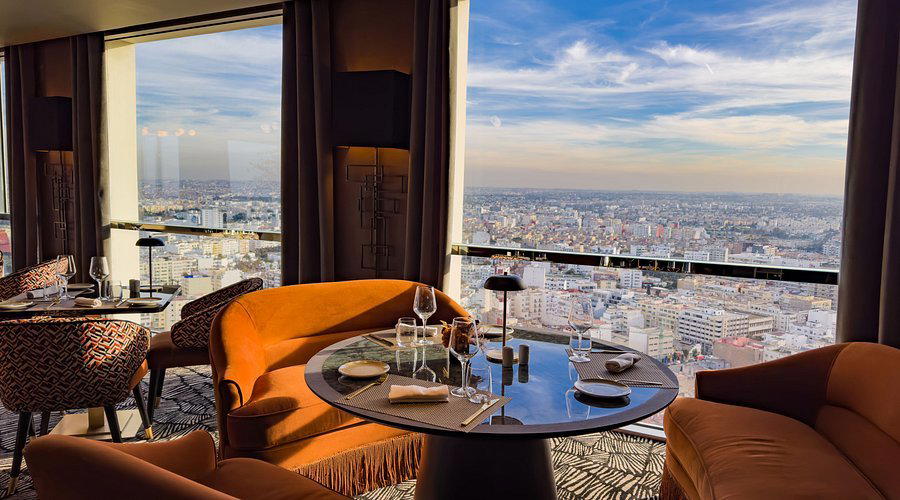
At a Glance
- Cozy
- Elegant
- Intimate
- Special Occasion
- Celebration
- Courtyard
- Live Music
Current opening hours
- Monday
- 12–3:30 PM, 7 PM–1 AM
- Tuesday
- 12–3:30 PM, 7 PM–1 AM
- Wednesday
- 12–3:30 PM, 7 PM–1 AM
- Thursday
- 12–3:30 PM, 7 PM–1 AM
- Friday
- 12–3:30 PM, 7 PM–1 AM
- Saturday
- 12–3:30 PM, 7 PM–1 AM
- Sunday
- Closed
Hours can change for holidays and private events. Last verified .
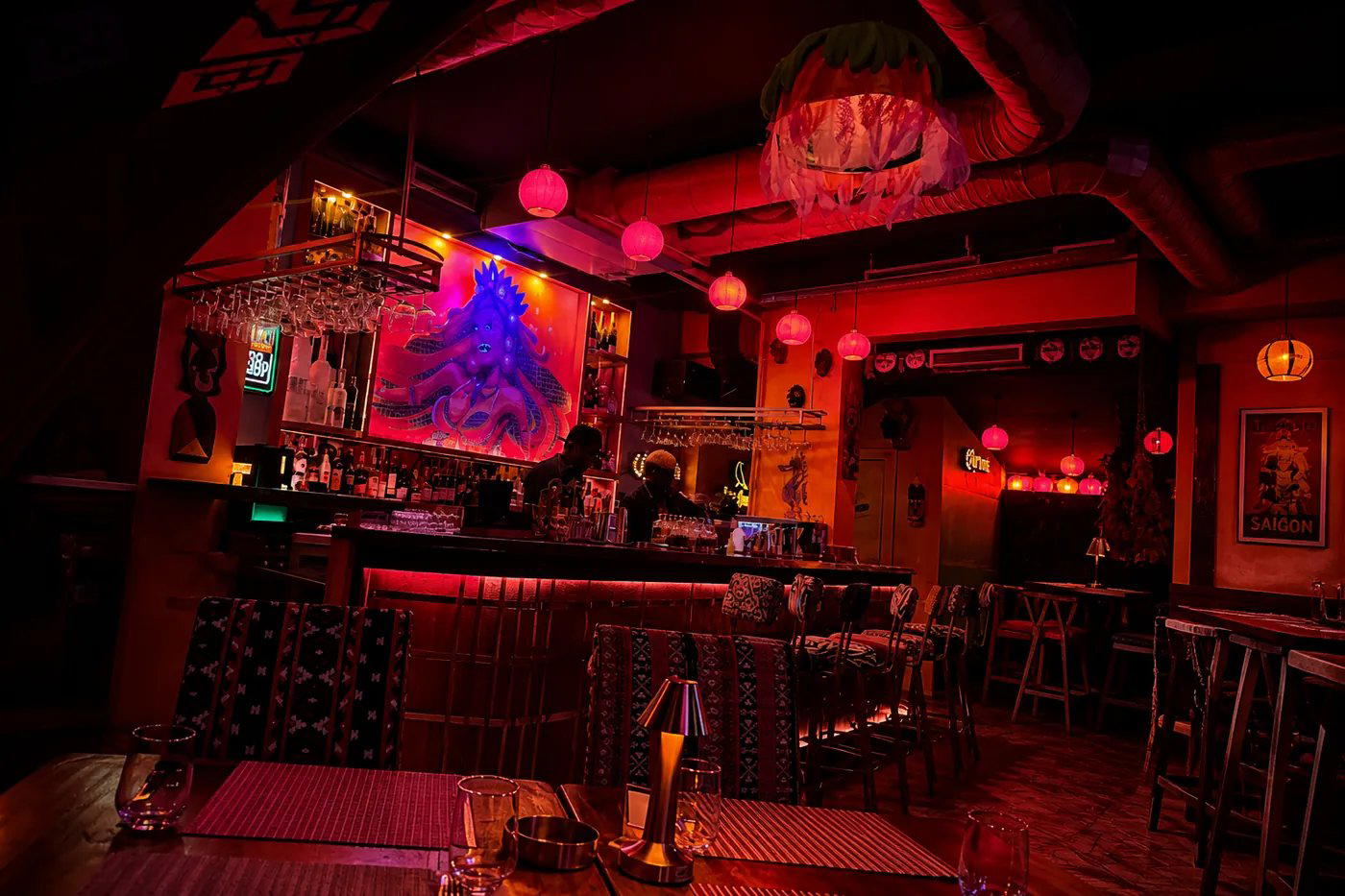
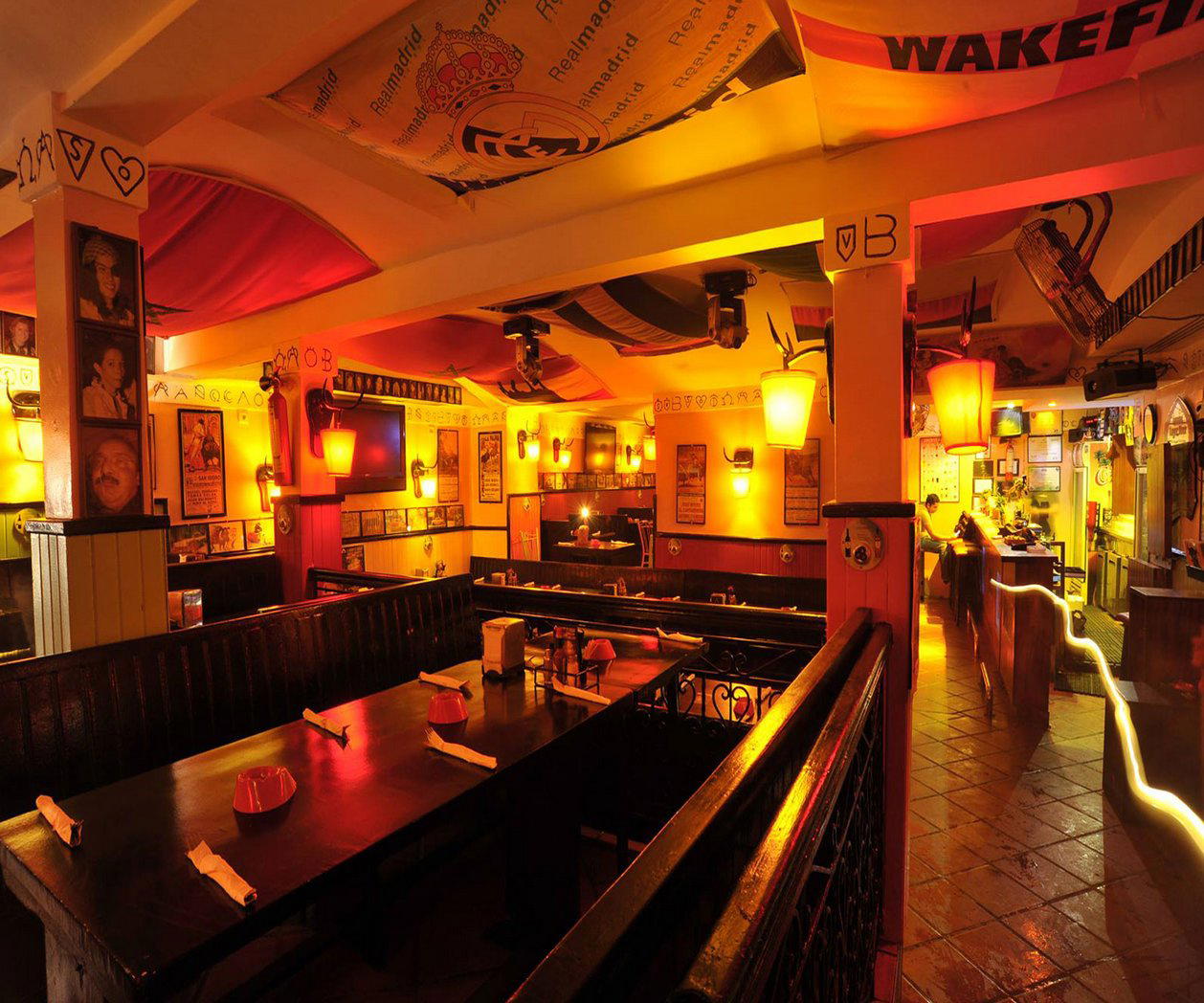
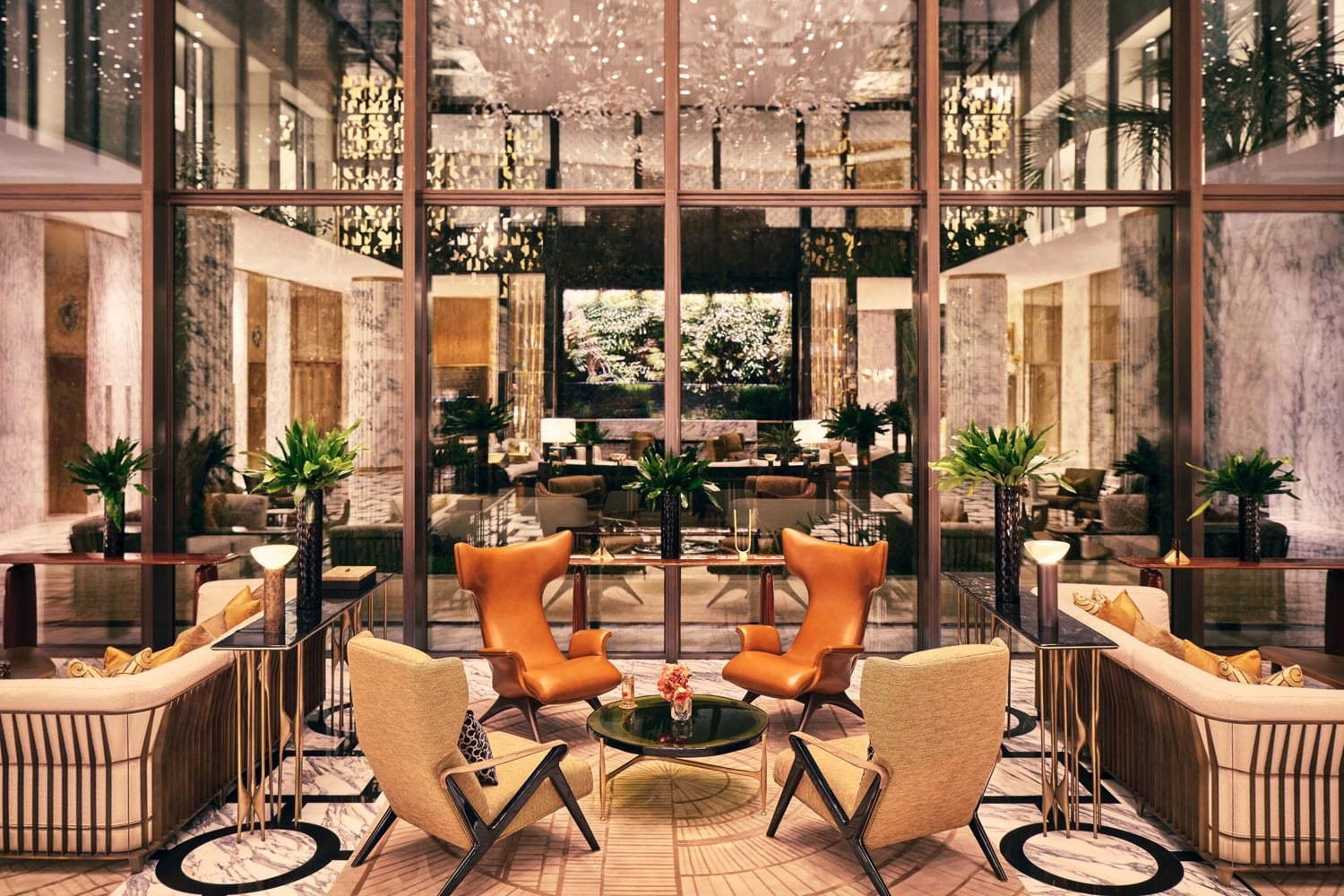
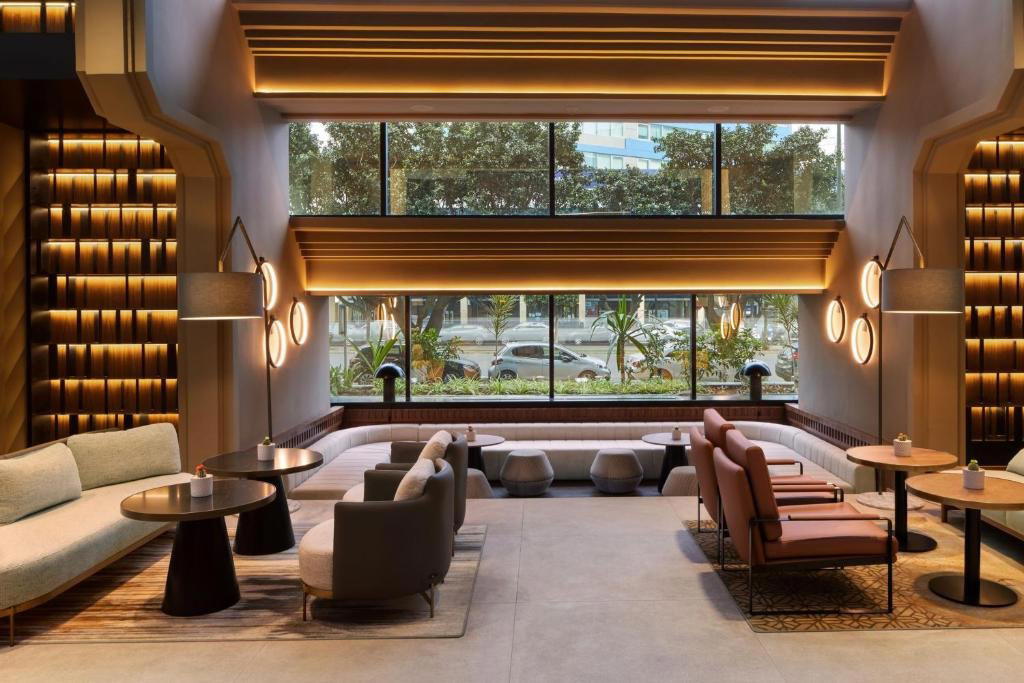
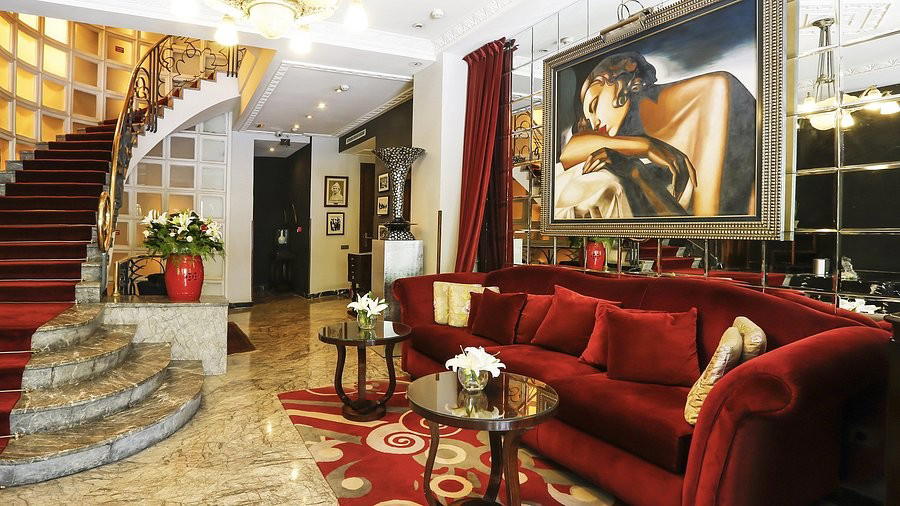
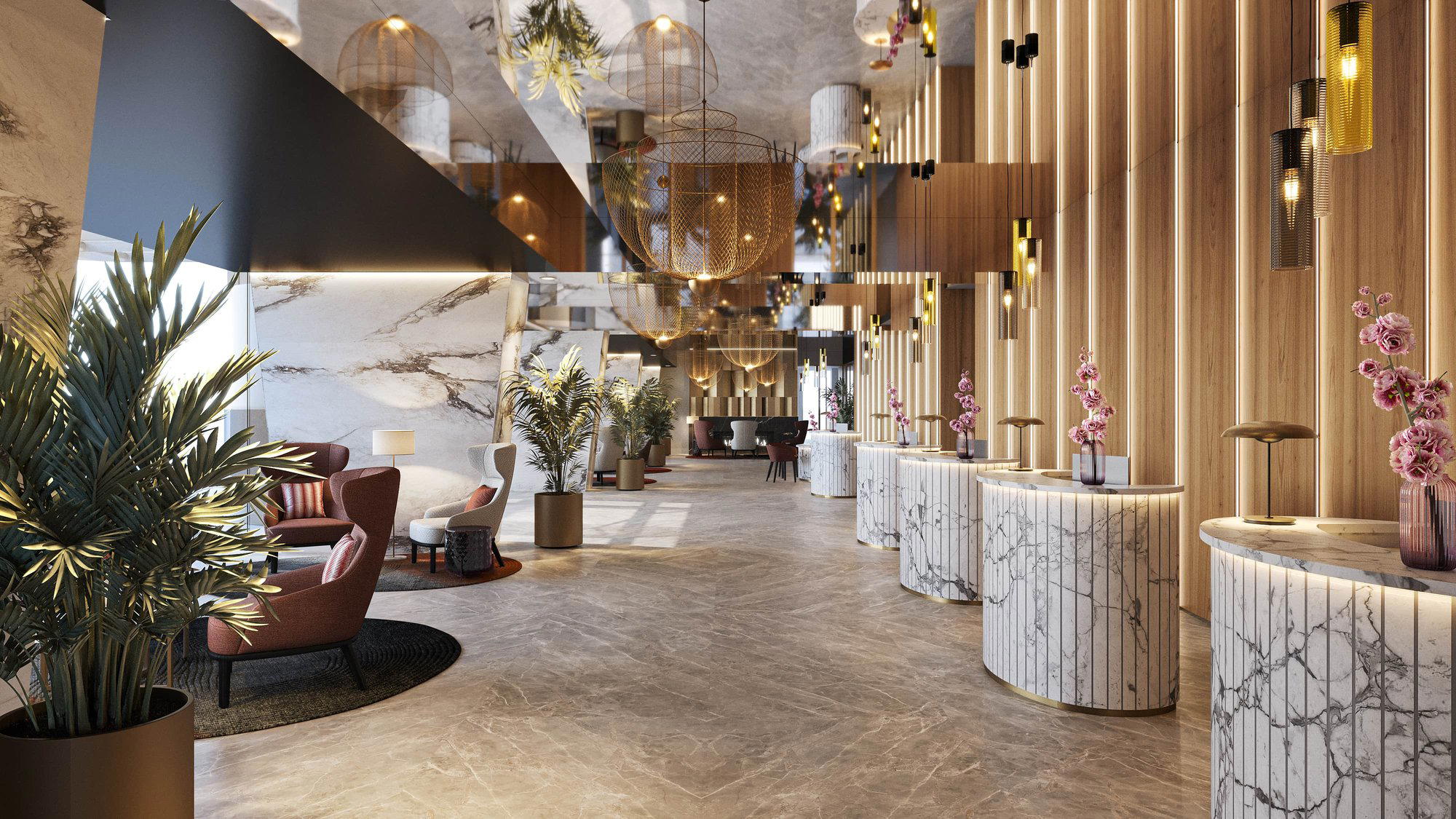
Warm and convivial atmosphere blending traditional Moroccan zellige tiles with modern decor, lively courtyard lighting, and lively entertainment.