On Rue Moulay Ali in Marrakech's medina fringe, Barometre draws a crowd that moves between cocktail rounds and conversation without much ceremony. The address places it in a neighbourhood where the city's social pulse runs close to the surface, and the bar's atmosphere reflects that — direct, considered, and removed from the tourist-circuit formula that dominates much of the city.
Pearl is the En Primeur Club membership app — saves, bookings, and concierge access live there. Same editors, same standards.
- Address
- Rue Moulay Ali, Marrakesh 40000, Morocco
- Phone
- +212 5243 79012
- Website
- lebarometre.net
- Directions
- Get directions
 Saves & bookings on Pearl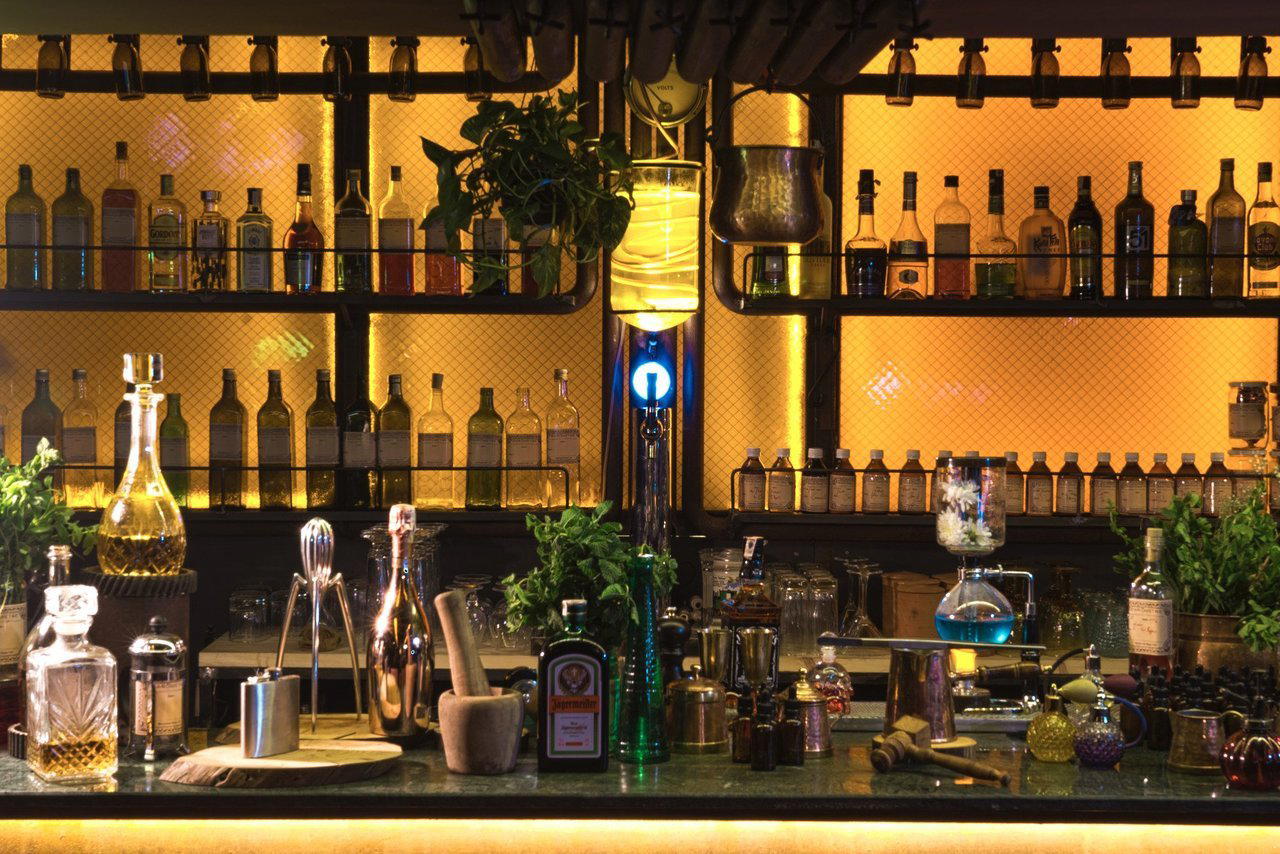
A Reading of the Room
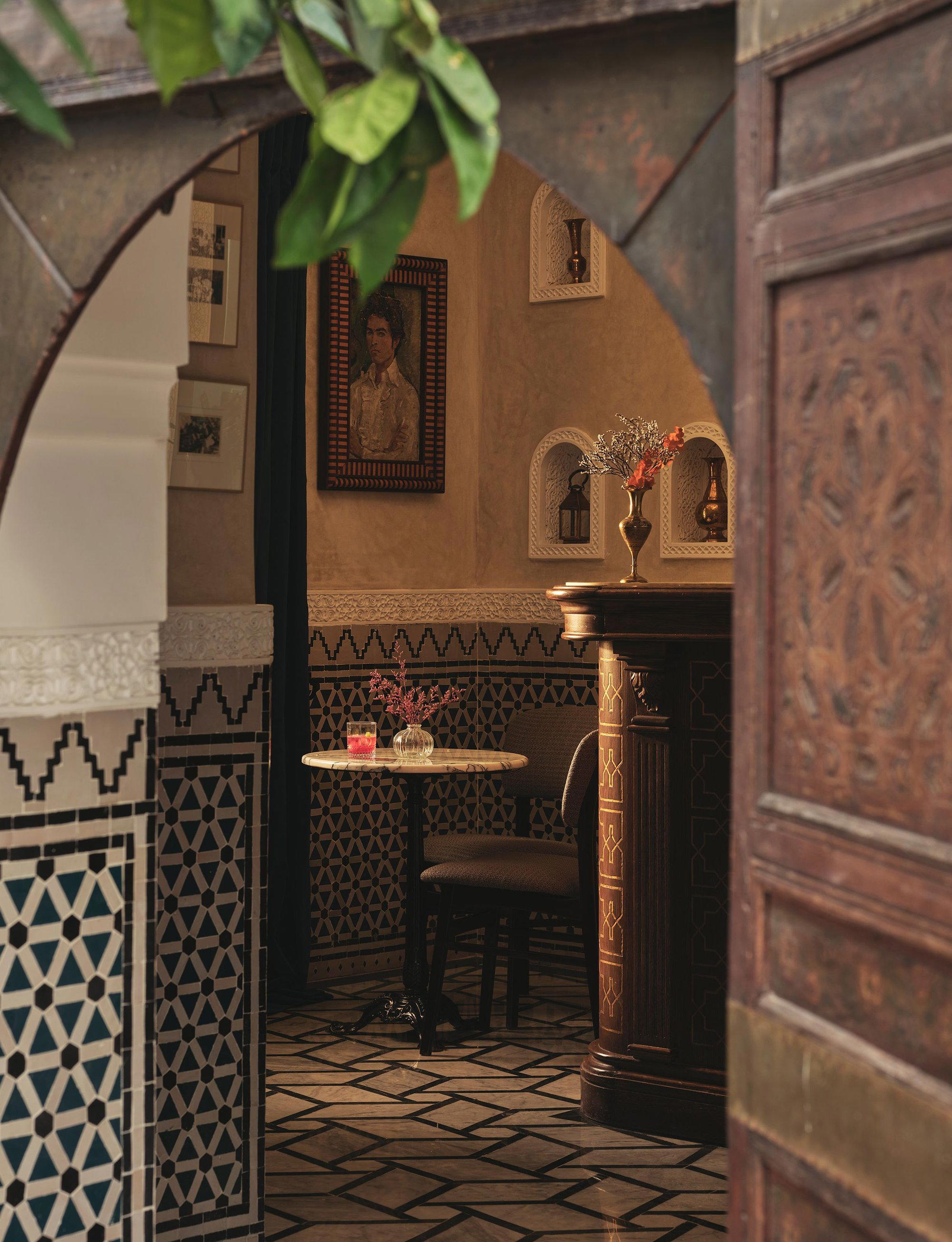
There is a particular quality to bars in Marrakech that occupy the space between the medina's internal logic and the modern city pressing in around it. The light tends to be deliberate — low enough to soften the transition from the brightness outside, warm enough to hold people in place longer than they planned. Barometre Marrakech, on Rue Moulay Ali, sits in that register. The address puts it in a part of the city where the evening has texture: streets narrow and then open, the call to prayer arrives as punctuation rather than interruption, and bars that earn a following do so because they read the room correctly, not because they shout for attention.
Marrakech's drinking-and-socialising circuit has never been simple to map. The city's licensing framework, its mix of riad culture and contemporary hospitality, and the layering of local professionals, long-term expatriates, and international visitors mean that a bar's social composition tells you more than its cocktail list. Venues that endure in this environment tend to do so because they have settled into a mood that feels self-consistent, rather than chasing a format imported wholesale from another city. Barometre reads as an example of that kind of bar — one whose identity is atmospheric before it is programmatic.
How Marrakech Bars Earn Their Regulars
Across Marrakech, the bar scene has stratified in predictable ways. At one end, hotel rooftop operations serve a clientele that rotates with every flight from Europe; venues like the El Fenn Hotel, Restaurant and Rooftop Bar and Marrakesh operate in that tier, where the view and the brand carry as much weight as the drink in hand. At the other end, neighbourhood bars with no particular design statement serve a local crowd on local logic. Between those poles sits a narrower category: bars with considered interiors, a cocktail program taken seriously, and a clientele drawn from across the city's social spectrum. Barometre occupies that middle ground, where the atmosphere does the work that a terrace view or a hotel affiliation would otherwise do.
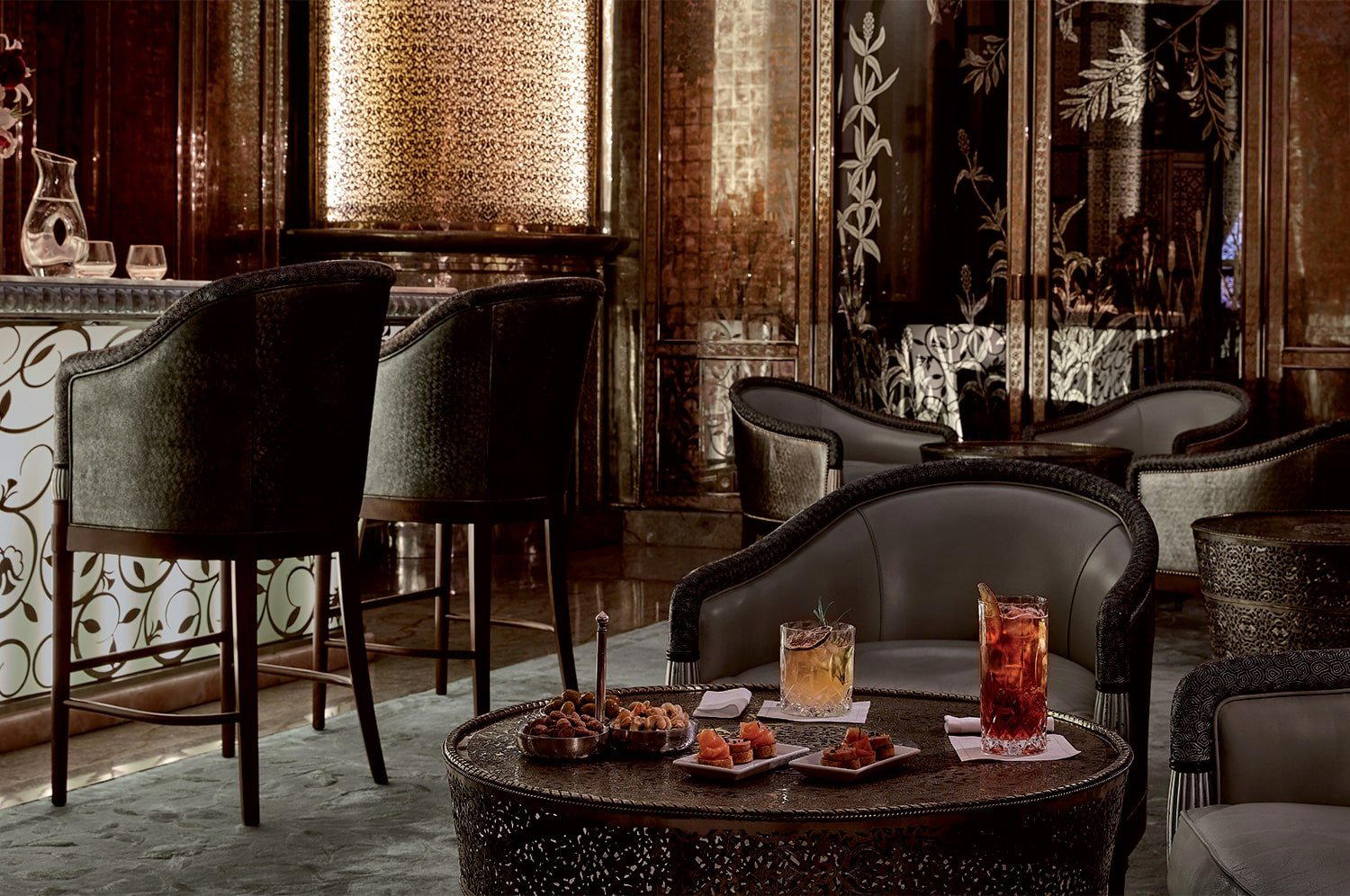
This is the harder thing to get right. Physical comfort, seating that invites you to stay, acoustics that allow conversation at a normal register, lighting that flatters without feeling theatrical, is not decoration. It is the operational argument for why someone returns on a Tuesday when there is no occasion to mark. Bars in this category compete less on novelty and more on consistency of mood. The comparison is instructive: Al-Manara Rooftop in Casablanca earns its following through a combination of elevation and fusion-leaning cocktail identity; Riad Fes - Relais & Châteaux in Fes operates inside a heritage property where the architecture does most of the atmospheric lifting. Barometre's argument is different, it is not using a rooftop or a riad courtyard. What holds the room together is the room itself.
Design as Argument
In bars that prioritise atmosphere over spectacle, the design decisions are load-bearing in a way that does not always surface in conversation. The choice of material, whether surfaces absorb or reflect sound, whether seating is arranged to encourage groups or to allow a solo drinker to feel placed rather than stranded, determines the character of an evening before anyone orders anything. Barometre's position on Rue Moulay Ali, away from the main tourist corridors, means that the clientele arriving has made a choice. They are not passing through. That shifts the energy in the room in ways that are difficult to manufacture: people arrive with the intention of being there, and the bar's design needs to meet that intention.
Internationally, bars that have built their identity on atmospheric consistency, Kumiko in Chicago, with its Japanese-influenced restraint; Jewel of the South in New Orleans, with its commitment to historical cocktail reference; 1806 in Melbourne, named for the year the cocktail was first defined, all share a quality of resolved identity. The space and the program feel like the same argument expressed in different registers. Bar Leather Apron in Honolulu, Julep in Houston, Superbueno in New York City, and The Parlour in Frankfurt on the Main operate in the same category, each making the case that a bar's character is inseparable from its physical logic. Barometre makes the same case in a city where the physical logic of any given street changes every fifty metres.
Planning a Visit
Barometre sits on Rue Moulay Ali in Marrakech at the 40000 postcode, in a part of the city accessible on foot from the medina's edge or by short taxi from Gueliz. Marrakech's bar geography rewards some advance orientation: the medina's streets do not yield easily to navigation apps, and finding a specific address after dark requires either a driver who knows the quarter or a walk with a landmark in mind. The bar's position on a named street rather than a riad-style inset address makes the approach more direct than many comparable venues in the old city. No website or phone contact is currently listed in public directories, which means walk-in remains the primary mode of arrival. For a broader read of where Barometre sits within the city's full drinking and dining picture, our full Marrakech restaurants guide maps the scene across neighbourhoods and formats.
Continue exploring
More in Marrakech
Bars in Marrakech
Browse all →
Restaurants in Marrakech
Browse all →
Hotels in Marrakech
Browse all →
Wineries in Marrakech
Browse all →
At a Glance
- Intimate
- Sophisticated
- Trendy
- Modern
- Date Night
- After Work
- Special Occasion
- Group Outing
- Speakeasy
- Design Destination
- Standalone
- Seated Bar
- Lounge Seating
- Craft Cocktails
- Gin
- Classic Cocktails
Current opening hours
- Monday
- 6:30 PM–1 AM
- Tuesday
- 6:30 PM–1 AM
- Wednesday
- 6:30 PM–1 AM
- Thursday
- 6:30 PM–1 AM
- Friday
- 6:30 PM–1 AM
- Saturday
- 6 PM–1 AM
- Sunday
- 6:30 PM–1 AM
Hours can change for holidays and private events. Last verified .
Dim, atmospheric, and stylish underground space with careful attention to lighting, music, and presentation; mysterious and welcoming with DJ music creating an organic vibe.
Know Before You Go
- Getting there
- Rue Moulay Ali, Marrakesh 40000, Morocco