
Set within a storied riad in Marrakesh's medina, Le Restaurant at La Maison Arabe has climbed from 76 to 81 points on La Liste's Top Restaurants ranking between 2025 and 2026, positioning it among the city's more recognised addresses for Moroccan fine dining. The address at 21 Derb Assehbi places it deep in the historic quarter, where the cooking draws from classical Moroccan tradition rather than reinterpreting it for an international audience.
Pearl is the En Primeur Club membership app — saves, bookings, and concierge access live there. Same editors, same standards.
- Address
- 21 Derb Assehbi, Marrakesh 40000, Morocco
- Website
- cenizaro.com
- Directions
- Get directions
 Saves & bookings on Pearl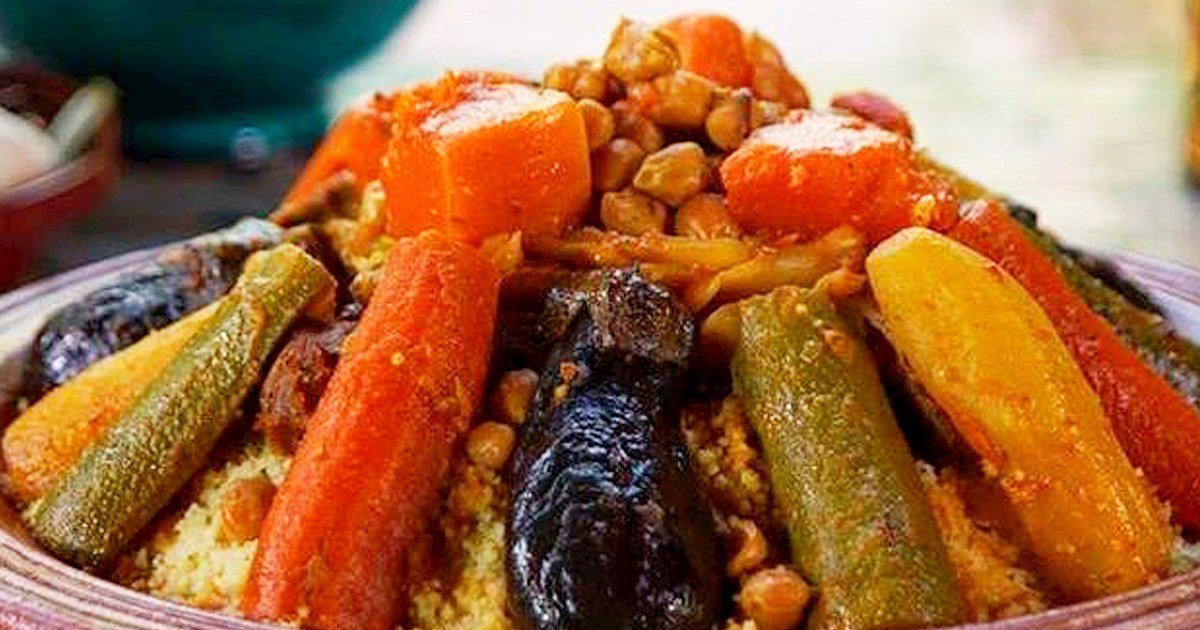
A Medina Address Where the Architecture Does Half the Work
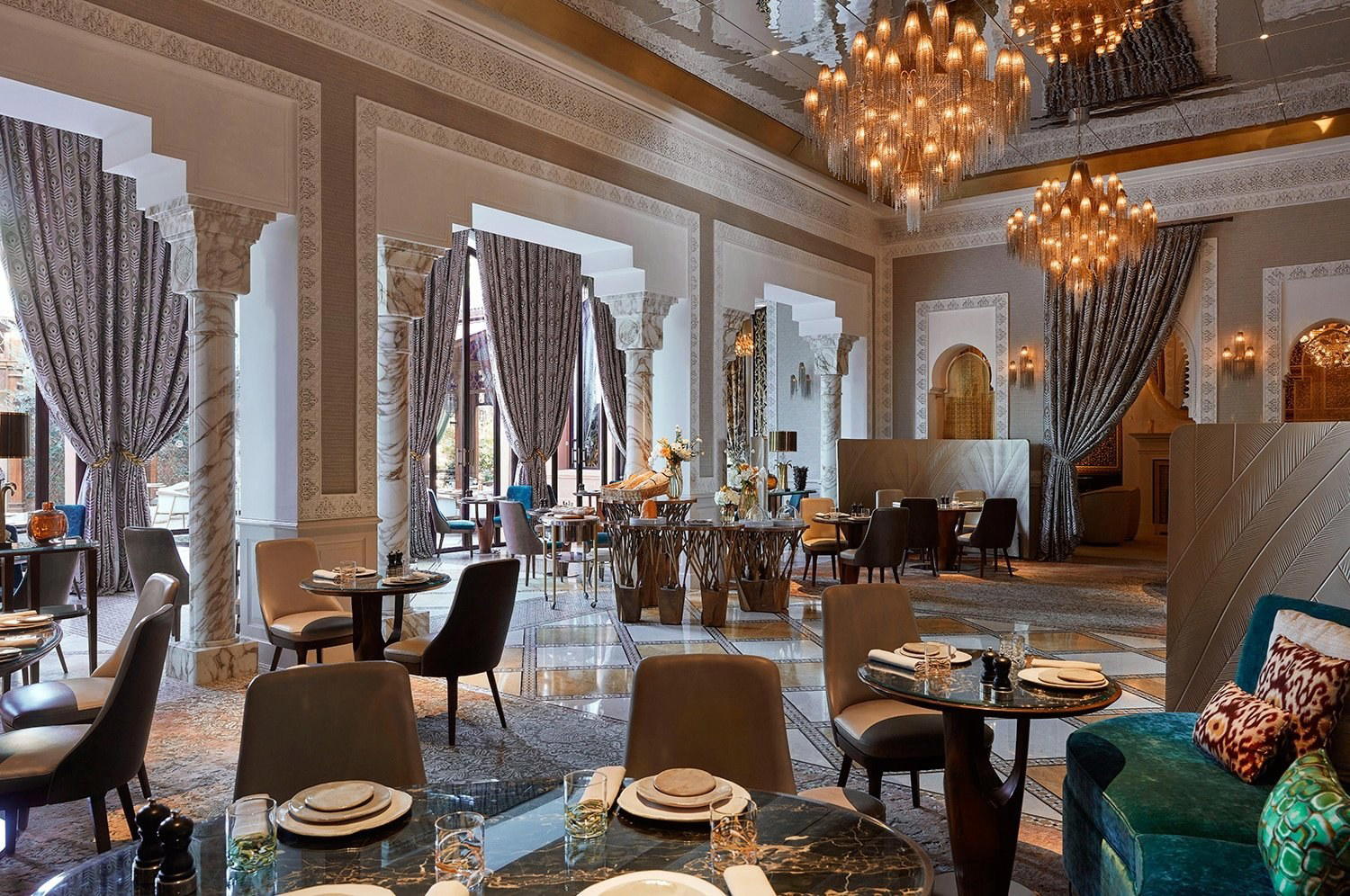
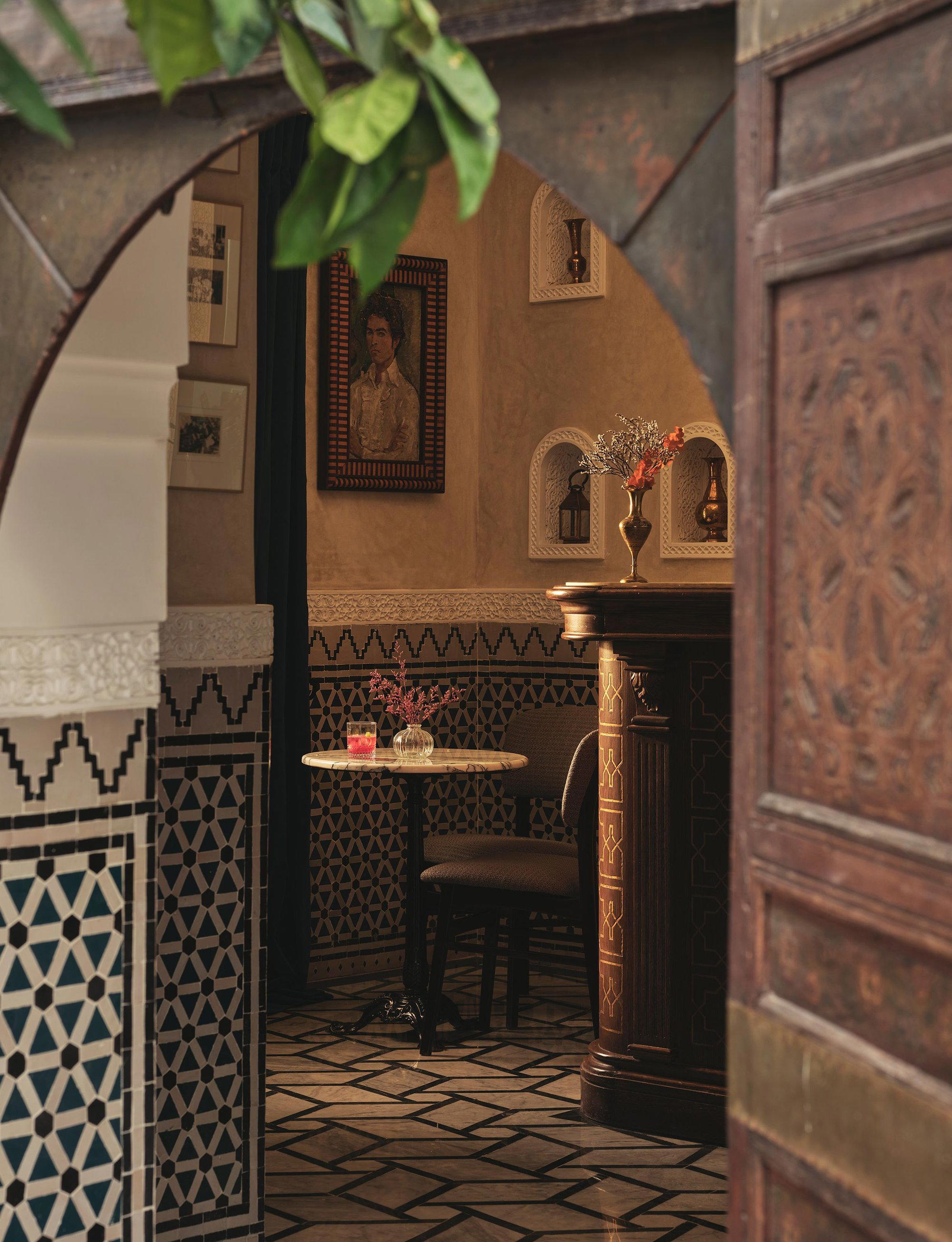
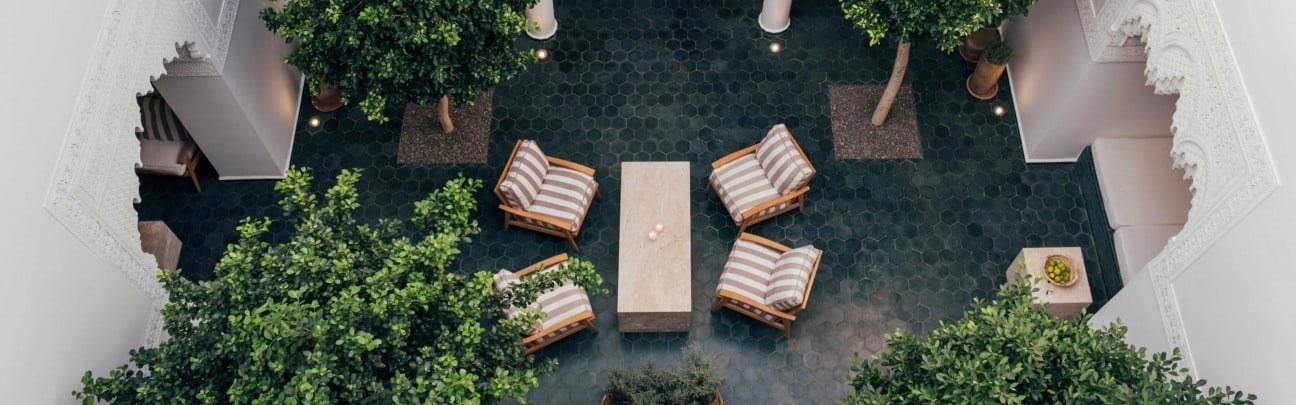
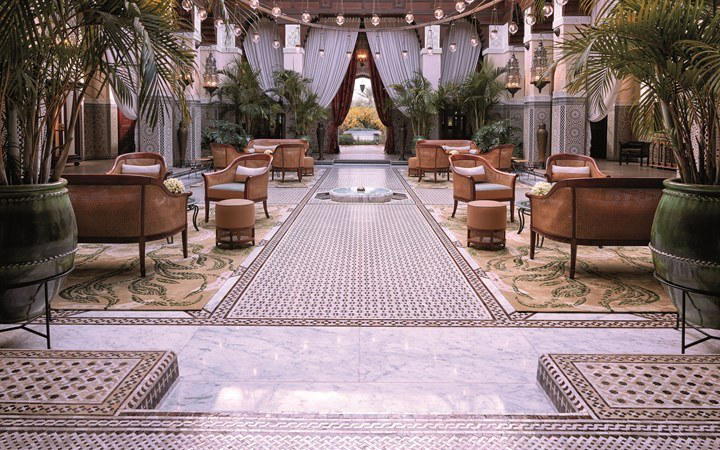
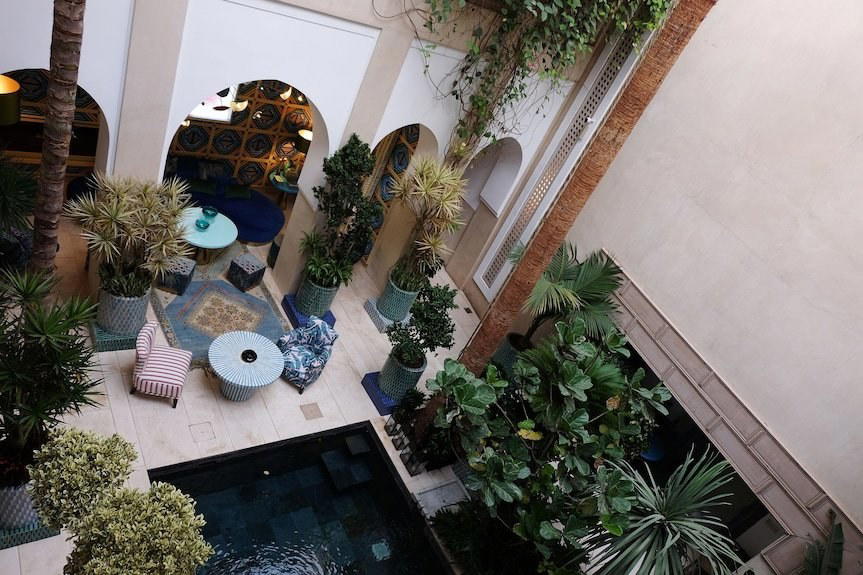
Marrakesh's medina operates on a specific logic: the further you move from Djemaa el-Fna, the more the city folds in on itself, narrowing into derbs where navigation becomes intuitive rather than mapped. The address at 21 Derb Assehbi sits in this deeper register of the medina, inside a riad that has served as a social and culinary landmark for the city's international community since the mid-twentieth century. Arriving means threading through the kind of alleyway that makes the eventual interior feel earned. What you find on the other side follows a pattern recognisable to anyone who has spent time in the better riad dining rooms of the medina: carved plasterwork, zellige tilework, a courtyard structure that turns inward and quiets the city outside. The physical setting is not incidental to the meal; in Moroccan fine dining, the architecture is part of the proposition.
Moroccan Fine Dining and What That Category Actually Means
The classification of "Moroccan Fine" as a cuisine type carries more weight than it might first appear. Moroccan cooking is one of the most technically layered in the world, built on spice logic that integrates ras el hanout, preserved lemon, saffron, and argan oil into compositions that took centuries to develop through Andalusian, Berber, Arab, and sub-Saharan African culinary exchange. Fine dining in this context does not mean European technique applied to Moroccan ingredients; it means the classical repertoire executed with precision and served in an environment calibrated for a paying international audience. That distinction matters when placing Le Restaurant in its competitive set. Restaurants like La Grande Table Marocaine at Royal Mansour approach the same tradition from inside the infrastructure of a palace hotel. Dar Moha has built its reputation around an updated reading of Moroccan classics. La Maison Arabe's restaurant occupies a different position: a historic property with a long-standing relationship to the cuisine, working from within the riad form rather than a purpose-built hotel dining room.
What the La Liste Trajectory Tells You
La Liste, which aggregates critic assessments, guide ratings, and reservation platform data into a global ranking, awarded Le Restaurant 76 points in 2025 and 81 points in 2026. A five-point gain in a single year is meaningful on a scale where movements above 80 become increasingly contested. The 81-point mark places the restaurant in La Liste's recognised tier, operating alongside properties that include the wider range of Moroccan fine dining addresses appearing on that list. For comparison, La Grande Brasserie by Hélène Darroze brings a French-Moroccan register to the city, and Sesamo and Le Petit Cornichon extend the dining options across different price registers. What the La Liste score signals, in practical terms, is that the restaurant has achieved a level of consistency that registers across multiple evaluative frameworks, not just a single guide.
The Cultural Argument for Riad Dining
The riad as a dining format is specific to a North African and Andalusian urban tradition. The form, which turns its back on the street and organises space around a central courtyard, was not designed for restaurants; it was designed for private households, and the leading riad dining rooms retain that residential intimacy even at scale. This creates a fundamentally different experience from the designed-for-service hotel restaurant. Noise travels differently. Sightlines are interrupted by architecture rather than open across a floor. The sequencing of spaces, from entry through courtyard to interior room, gives a meal a structural rhythm that a conventional dining room cannot replicate. At La Maison Arabe, this format has been the operating framework for decades, which means the service has been calibrated to the building rather than the building being adapted to a service model after the fact. That distinction is felt rather than explained, which is why it belongs in editorial context rather than a features list.
Across Morocco, the riad dining tradition appears in different registers. Heure Bleue Palais in Essaouira brings a coastal variation of the same form. Gayza in Fès operates in the medina context of Morocco's most intact historic city. And further afield, La Grande Table Marocaine at Royal Mansour Casablanca demonstrates how the same culinary tradition reads in a contemporary urban hotel setting. Each of these addresses, including La Maison Arabe, speaks to the breadth of a cuisine that travels across very different built environments without losing its internal logic.
Planning a Visit
La Maison Arabe sits at 21 Derb Assehbi in the northern medina, close to the Mouassine neighbourhood. Reaching the address on foot from the central medina takes around ten to fifteen minutes, though first-time visitors consistently report that having the address in Arabic script or a screen-captured map helps when asking for directions inside the derb network. The property operates as a hotel as well as a restaurant, which means the dining room draws from both hotel guests and external reservations; the balance between those two audiences shapes the room's dynamic on any given evening. For planning purposes, a reservation in advance is advisable, particularly during Marrakesh's peak shoulder seasons in April and October when medina hotel occupancy is high. Consulting our full Marrakesh hotels guide and our full Marrakesh experiences guide will help frame the restaurant visit within a broader stay. Those who want to map the full dining picture before arriving should start with our full Marrakesh restaurants guide, which also covers +61 and other addresses across registers. The full Marrakesh bars guide covers the after-dinner picture, and our Marrakesh wineries guide is relevant given Morocco's growing wine identity, with estates like Château Roslane in Icr Iqaddar and L'Oliveraie in El Hajeb producing bottles that pair logically with classical Moroccan cooking.
Comparable Spots
| Venue | Cuisine | Price |
|---|---|---|
| Le Restaurant - La Maison ArabeThis venue — the venue you are viewing | Moroccan Fine | This venue |
| La Grande Table Marocaine - Royal Mansour | Moroccan Cuisine | Moroccan Cuisine |
| L’Italien par Jean-Georges | French Moroccan | French Moroccan |
| La Villa des Orangers | Moroccan Cuisine | Moroccan Cuisine |
| Le Jardin d'Hiver | Moroccan Traditional | Moroccan Traditional |
| Palais Ronsard | Moroccan French | Moroccan French |
Recognition history
Dated appearances from independent guides and award organizations, with the underlying list record or original source where available.
La Liste Top Restaurants
La Liste
La Liste Top Restaurants
La Liste
Continue exploring
More in Marrakech
Restaurants in Marrakech
Browse all →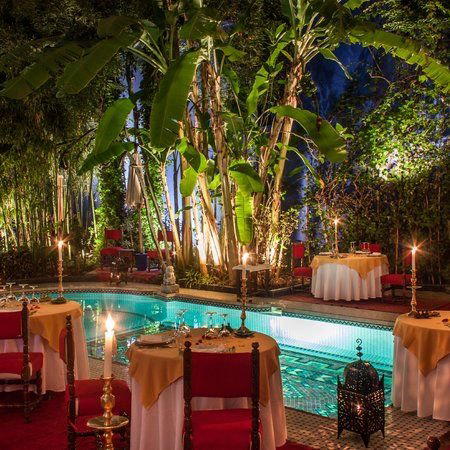
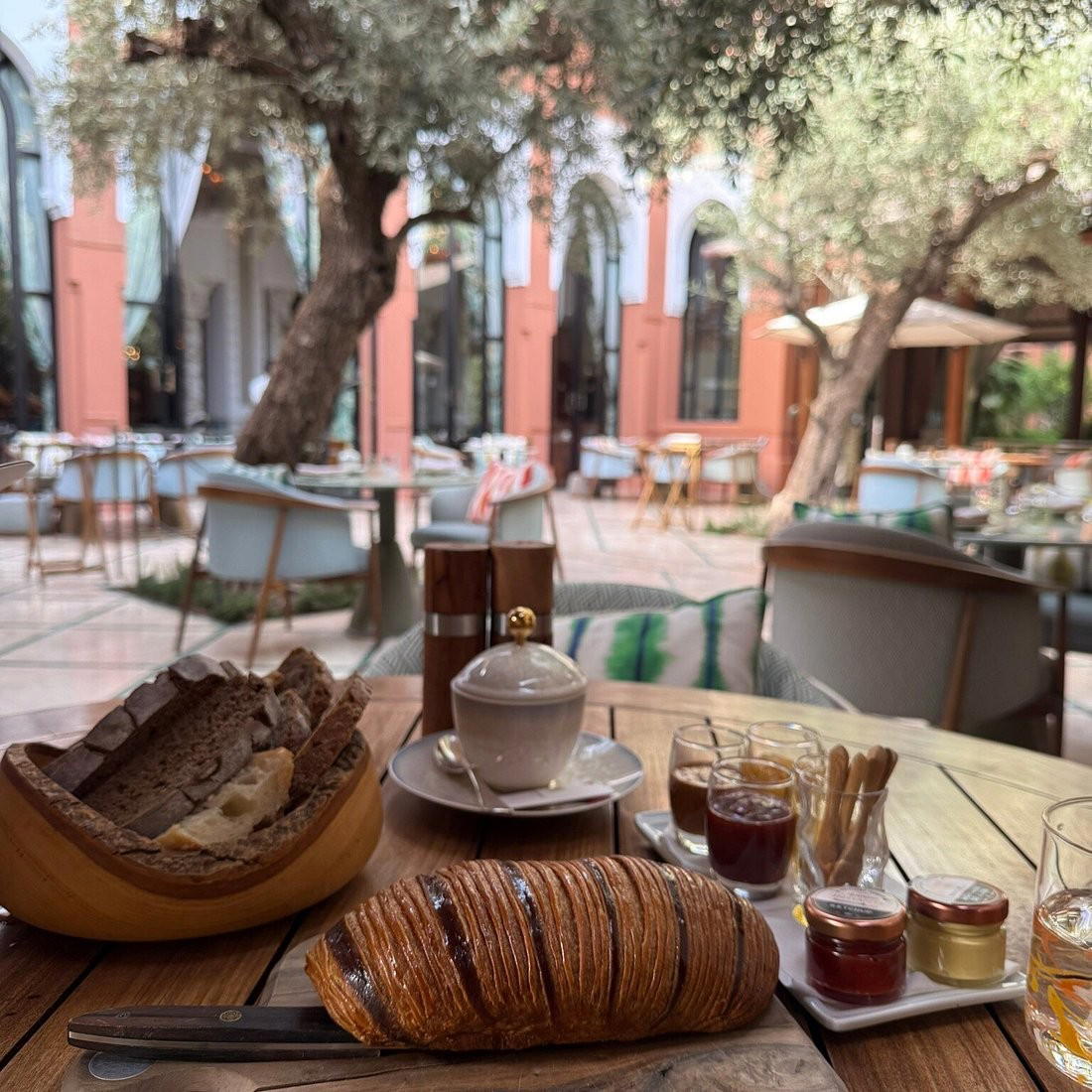
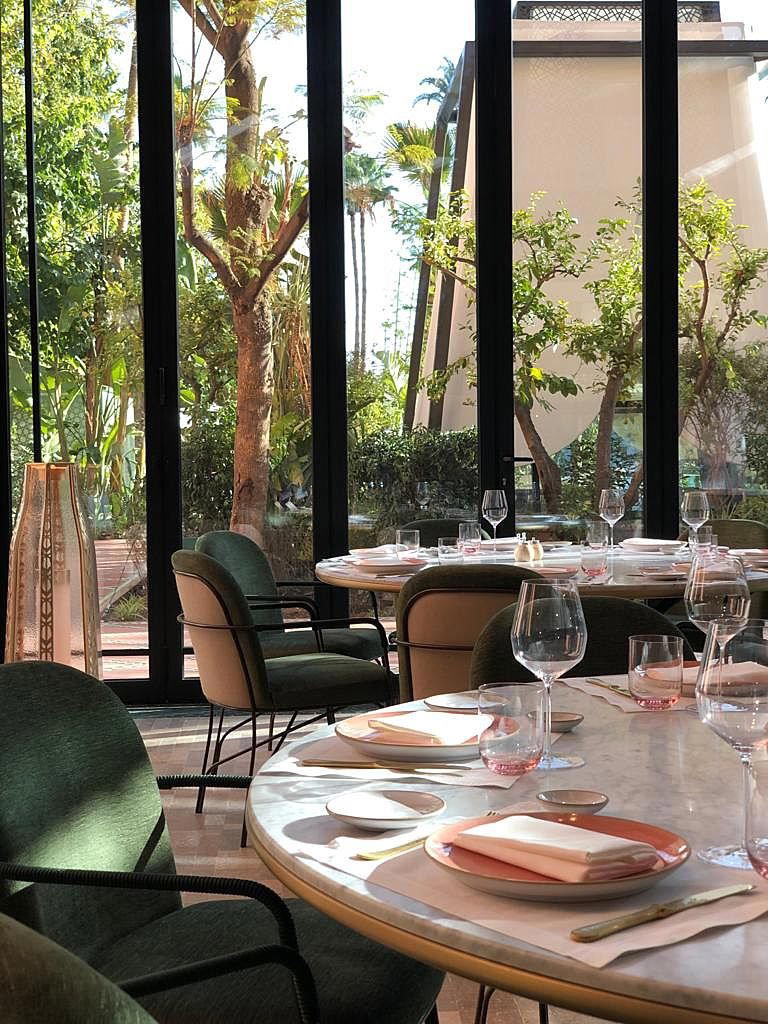
Bars in Marrakech
Browse all →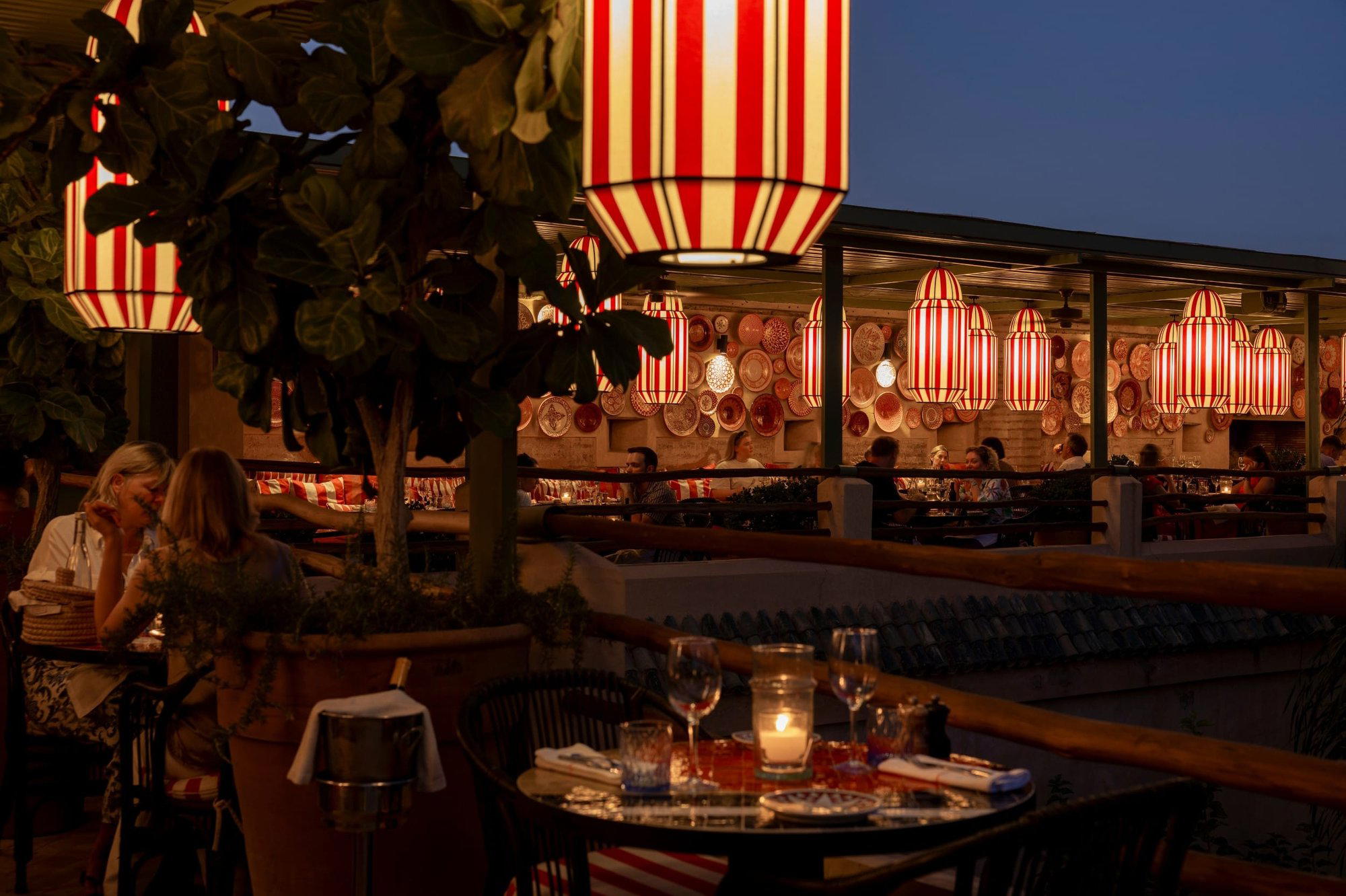
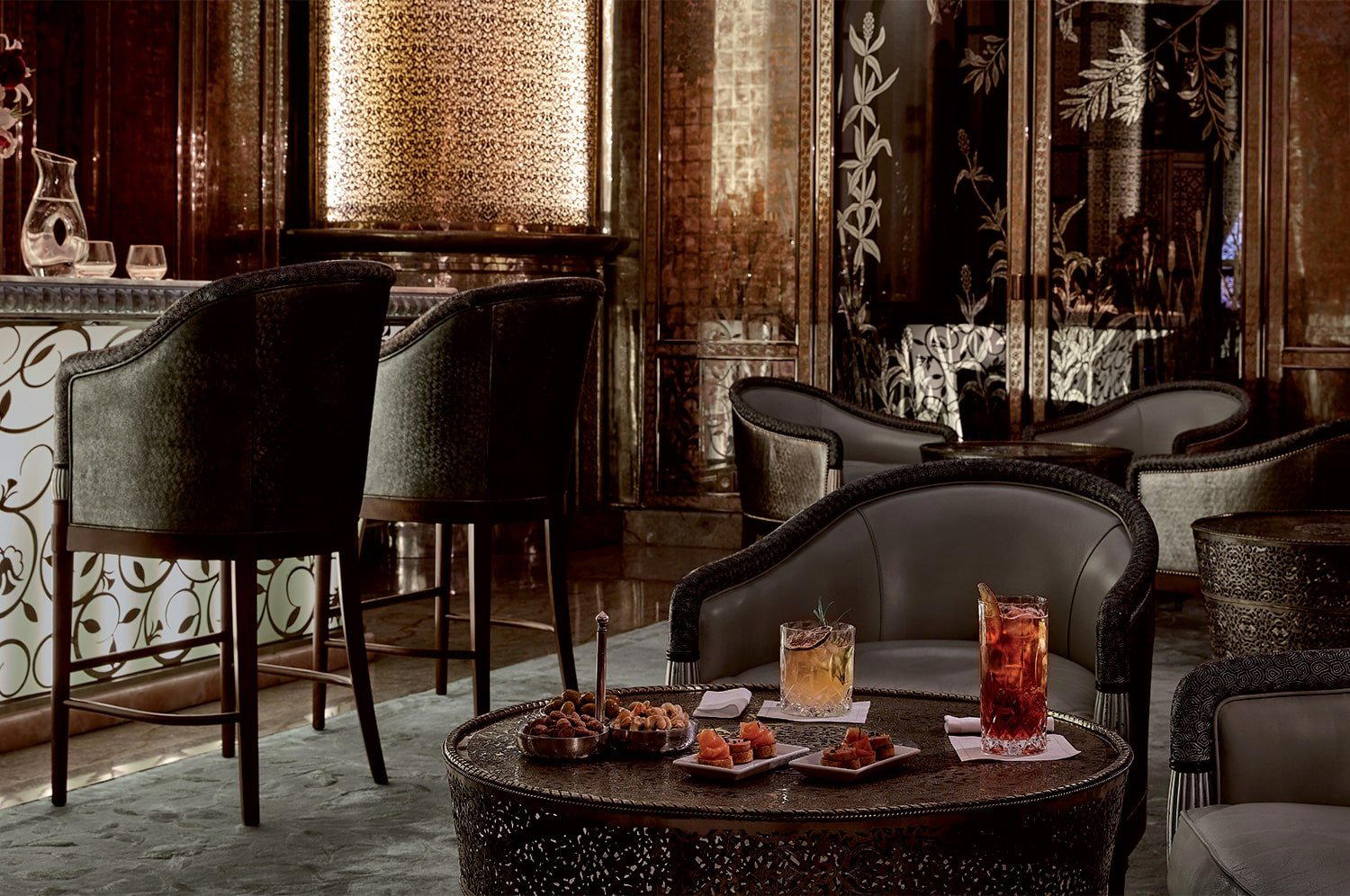

Hotels in Marrakech
Browse all →
Wineries in Marrakech
Browse all →
At a Glance
- Elegant
- Romantic
- Classic
- Intimate
- Sophisticated
- Date Night
- Special Occasion
- Celebration
- Hotel Restaurant
- Garden
- Terrace
- Historic Building
- Live Music
- Garden
Current opening hours
- Monday
- 10 AM–11 PM
- Tuesday
- 10 AM–11 PM
- Wednesday
- 10 AM–11 PM
- Thursday
- 10 AM–11 PM
- Friday
- 10 AM–11 PM
- Saturday
- 10 AM–11 PM
- Sunday
- 10 AM–11 PM
Hours can change for holidays and private events. Last verified .
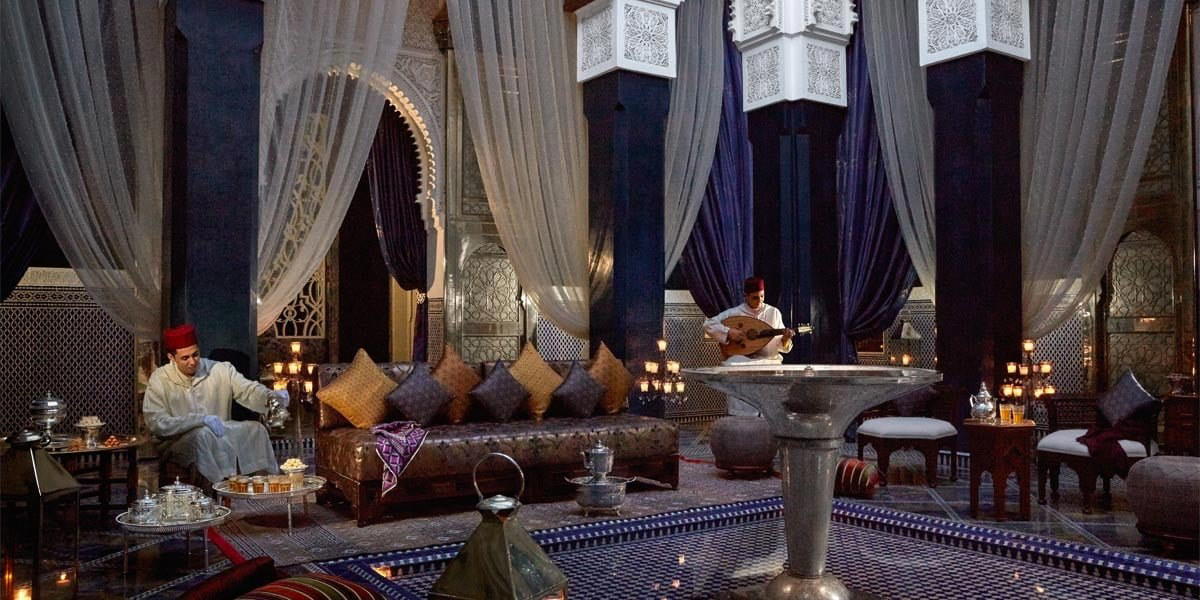
Elegant oriental decor with hand-painted ceilings, Moroccan lanterns, candlelit poolside or garden areas, and live Arab-Andalusian music creating a romantic and atmospheric vibe.
Know Before You Go
- Getting there
- 21 Derb Assehbi, Marrakesh 40000, Morocco