Le rondini

In the medieval hill town of Radda in Chianti, Le rondini brings Tuscan cooking back to its agricultural foundations. Chef Frans Glas works within a tradition that prizes seasonal produce, local olive oil, and the kind of terroir-driven restraint the region has practised for centuries. it occupies a specific and considered position in Chianti's dining scene.
Pearl is the En Primeur Club membership app — saves, bookings, and concierge access live there. Same editors, same standards.
- Address
- Traversa del Chianti, 53017 Radda in Chianti SI, Italy
- Phone
- +39 0577 191 1511
- Directions
- Get directions
 Saves & bookings on Pearl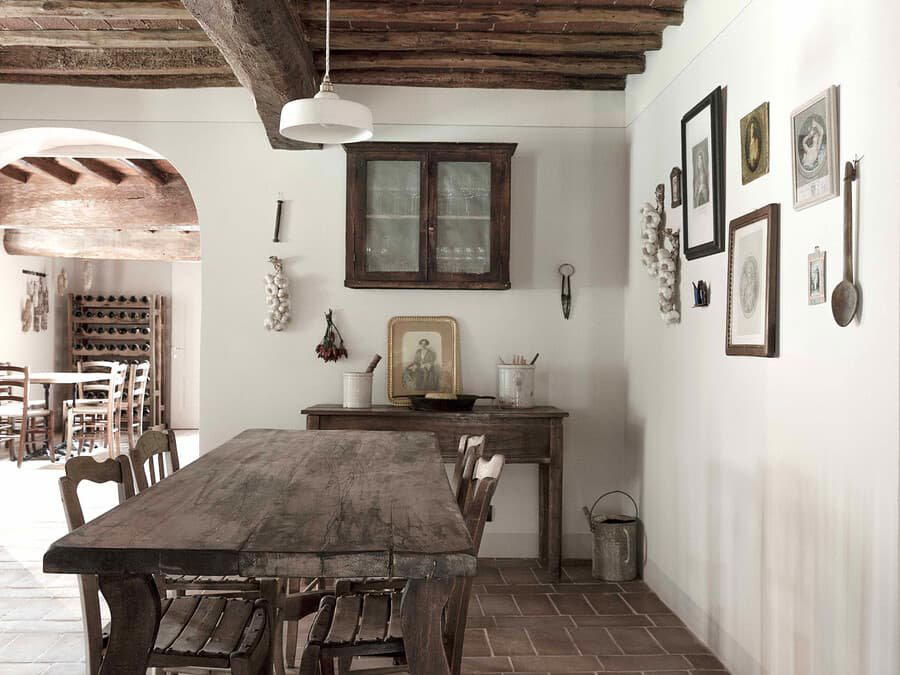
Radda in Chianti and the Tuscan Table
Tuscan cooking is among the more codified regional traditions in Italy, and that codification is inseparable from the land itself. In Chianti, the kitchen has always answered to the grove, the vine, and the calendar. The philosophy of cucina povera, once a necessity, now a point of pride, shapes what arrives at the table in ways that distinguish Chianti restaurants from the bolder, butter-forward registers of Lombardy or the baroque richness of Neapolitan tradition. Radda in Chianti, a fortified medieval comune sitting at roughly 530 metres in the Siena province, is one of the villages where this relationship between terrain and table remains most intact. The town has fewer than 2,000 residents and a main street narrow enough that conversations carry from one side to the other. Restaurants here are not urban destinations dressed in rural clothing; they are working expressions of a specific agricultural geography.
Le rondini, on Traversa del Chianti in Radda, operates in that context. The address alone positions it within the Chianti Classico heartland, the DOCG zone that runs between Florence and Siena and produces some of Tuscany's most scrutinised Sangiovese. Dining here means dining inside the source material.
Terroir as Method, Not Marketing
The distinction between restaurants that invoke terroir as a selling point and those that actually cook to it is significant, and Tuscany has both in abundance. The Chianti tradition grounds itself in seasonal produce from small producers, olive oil pressed locally from Frantoio and Moraiolo cultivars, hand-cut pasta forms like pici that exist almost nowhere outside this region, and bistecca sourced from Chianina cattle raised in the Valdichiana flatlands to the east. These are not interchangeable ingredients with regional labels applied; they carry flavour profiles shaped by specific soil, specific altitude, and specific husbandry traditions.
Le rondini carries the Expression of the Terroir distinction, which reflects the alignment between the cooking and the agricultural environment around it. This is the marker that separates Chianti restaurants operating at the level of regional identity from those offering a more generic Italian menu. For comparison, the high-end Tuscan tradition at its most refined shows up at Il Canto in Siena, where the same Sienese pantry meets a more structured dining format. Le rondini operates closer to the trattoria end of that spectrum, where the relationship between dish and landscape is more direct.
Chef Frans Glas in the Chianti Kitchen
Chianti's dining character has attracted chefs from outside Italy for decades, drawn by the quality of the raw material and the clarity of the regional template. Chef Frans Glas at Le rondini represents that pattern: an outside perspective working within a tradition that has enough rigour to discipline the approach. The Tuscan kitchen does not easily absorb intrusion; it resists garnish, resists complication, and rewards those who understand that the olive oil or the bean or the lardo is already doing considerable work. The recognition under this kitchen direction suggests a real commitment to the region.
Italy's broader fine-dining circuit includes restaurants where personality overrides regionality: Osteria Francescana in Modena, Enrico Bartolini in Milan, and Le Calandre in Rubano all operate in a creative register where the chef's vision takes precedence over inherited tradition. That is a legitimate and rewarding mode of Italian cooking. The restaurant belongs to a different mode, one where the region sets the brief. The same applies at Dal Pescatore in Runate, where decades of commitment to a single culinary territory have produced a kitchen of uncommon depth. The restaurant's scale is smaller and its profile quieter, but the underlying orientation is comparable.
Tuscany's Regional Range in Context
Understanding where the restaurant sits requires some sense of how varied the Tuscan table actually is. Coastal Tuscan cooking, as practised around Livorno or along the Versilia shore, is dominated by fish: cacciucco, triglie, and the direct simplicity of seafood grilled over wood. The inland hill-town tradition is a different matter entirely: cured meats from Cinta Senese pigs, ribollita built from cavolo nero and cannellini, pappardelle dressed with wild boar ragu slow-cooked to the point of dissolution. Radda sits firmly in the latter tradition. The altitude, the cooler microclimate relative to the coast, and the livestock heritage of the Chianti hills all feed the kitchen a specific set of ingredients and a specific set of expectations.
The Florentine tradition, by contrast, adds a layer of civic formality and a handful of signature dishes (the bistecca, the lampredotto, the schiacciata) that have acquired near-ceremonial status in the city. Radda's kitchens operate without that civic weight; the cooking is quieter, more agricultural, less touristically pressured. Enoteca Pinchiorri in Florence represents the apex of the Florentine fine-dining tradition, where a cellar of international depth meets elaborate kitchen technique. The restaurant is doing something structurally different and regionally specific.
Wine and the Chianti Context
Eating in Radda without engaging with the wine is a strategic omission. The Chianti Classico DOCG surrounds the village, and Sangiovese-based wines from producers within a few kilometres of Traversa del Chianti represent particularly terroir-expressive red wine in Tuscany. The relationship between Chianti's kitchens and its cellars is not incidental; the cuisine and the wine evolved together, which is why the region's earthier, more acid-forward dishes resolve so well against the tannin and acidity of a good Classico.
Elsewhere in Italy, restaurants working within equally defined regional frameworks include Quattro Passi in Marina del Cantone on the Amalfi Coast, Uliassi in Senigallia on the Adriatic, Piazza Duomo in Alba in Piedmont, Reale in Castel di Sangro in Abruzzo, Casa Perbellini 12 Apostoli in Verona, Atelier Moessmer Norbert Niederkofler in Brunico, and Al Fresco in Kyiv, which brings Tuscan-Italian cooking to an entirely different geography.
Planning Your Visit
The address at Traversa del Chianti places it in Radda proper, accessible by car from the SR429 that connects Castelnuovo Berardenga and Gaiole in Chianti. Given Radda's scale, parking is manageable outside the high summer weekends of July and August when Chianti tourism peaks. Those visiting during the autumn harvest period, roughly October into early November, will find the village at its most locally engaged, with the olive harvest underway and the first new wine of the season opening cellars across the zone. Booking ahead is advisable for weekend dinners, particularly during the harvest months and the Florentine holiday periods when internal Tuscan tourism fills the Chianti hill towns quickly.
Quick Comparison
Comparable venues nearby, for context on price, style, and recognition.
| Venue | Cuisine | Price | Notes |
|---|---|---|---|
| Le rondiniThis venue — the venue you are viewing | Modern Tuscan | $$$ | Not listed |
| Osteria Belle Donne | Traditional Tuscan Osteria | $$$ | Santo Spirito |
| Osteria delle Tre Panche | Tuscan Trattoria with Truffles | $$$ | Santo Spirito |
| Meo Modo | Modern Tuscan Fine Dining | $$$ | Chiusdino |
| Lo Scoglietto | Tuscan Seaside Seafood | $$$ | Rosignano Solvay-Castiglioncello |
| Osteria Enoteca San Guido | Modern Tuscan with Wine Focus | $$$ | Bolgheri |
Recognition history
Dated appearances from independent guides and award organizations, with the underlying list record or original source where available.
Relais Chateaux Award
Relais Chateaux
Relais Chateaux Award
Relais Chateaux
Continue exploring
More in Radda in Chianti
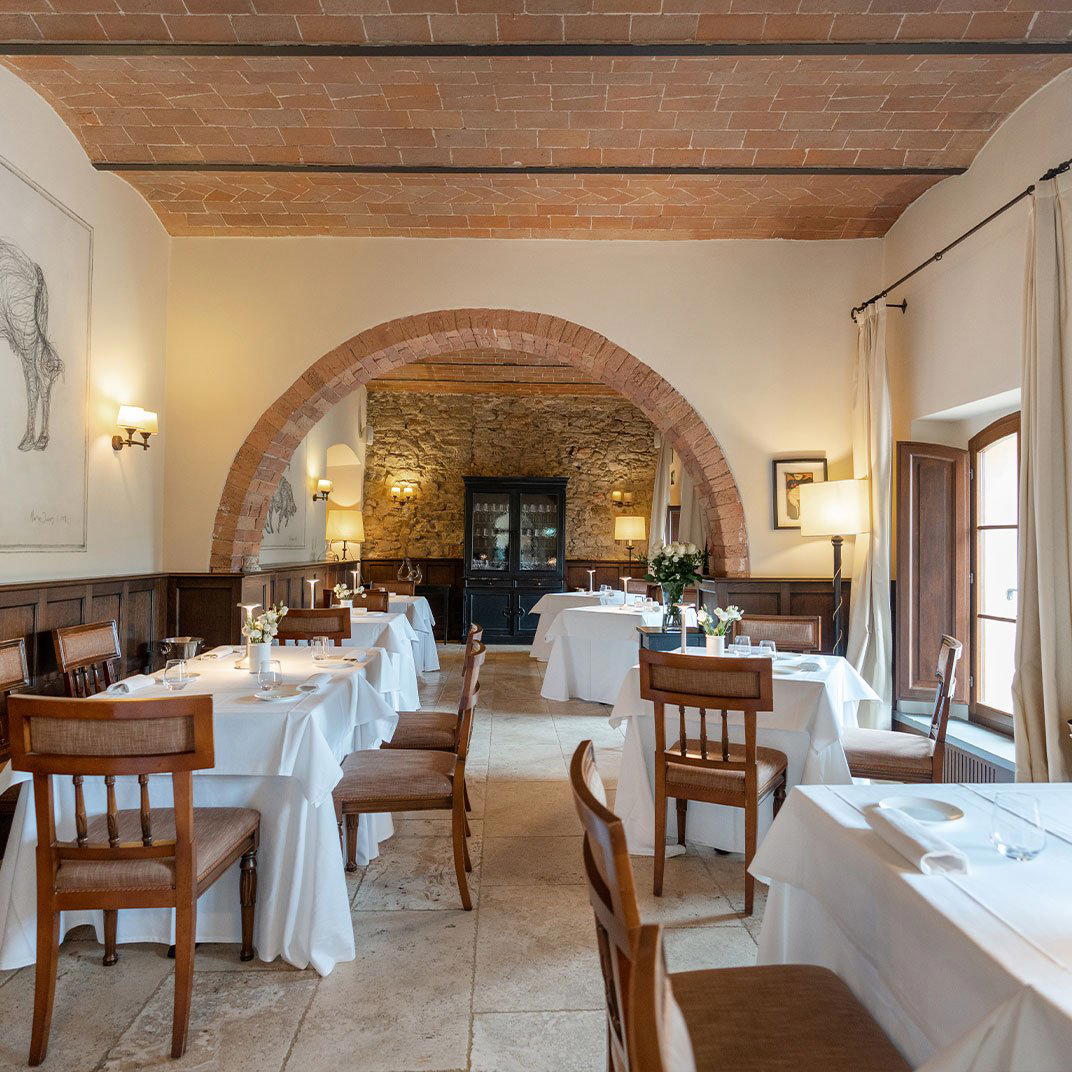
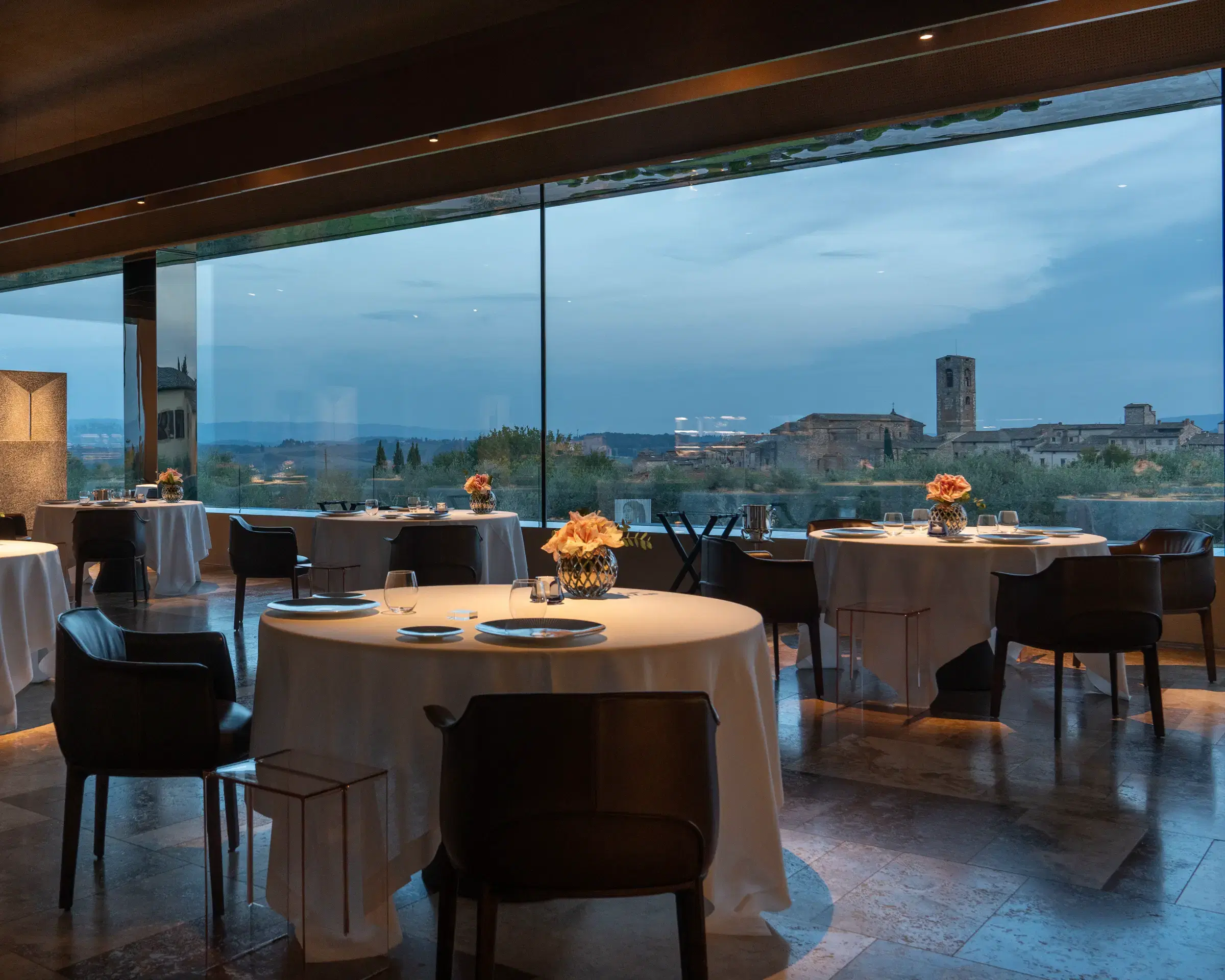
Restaurants in Radda in Chianti
Browse all →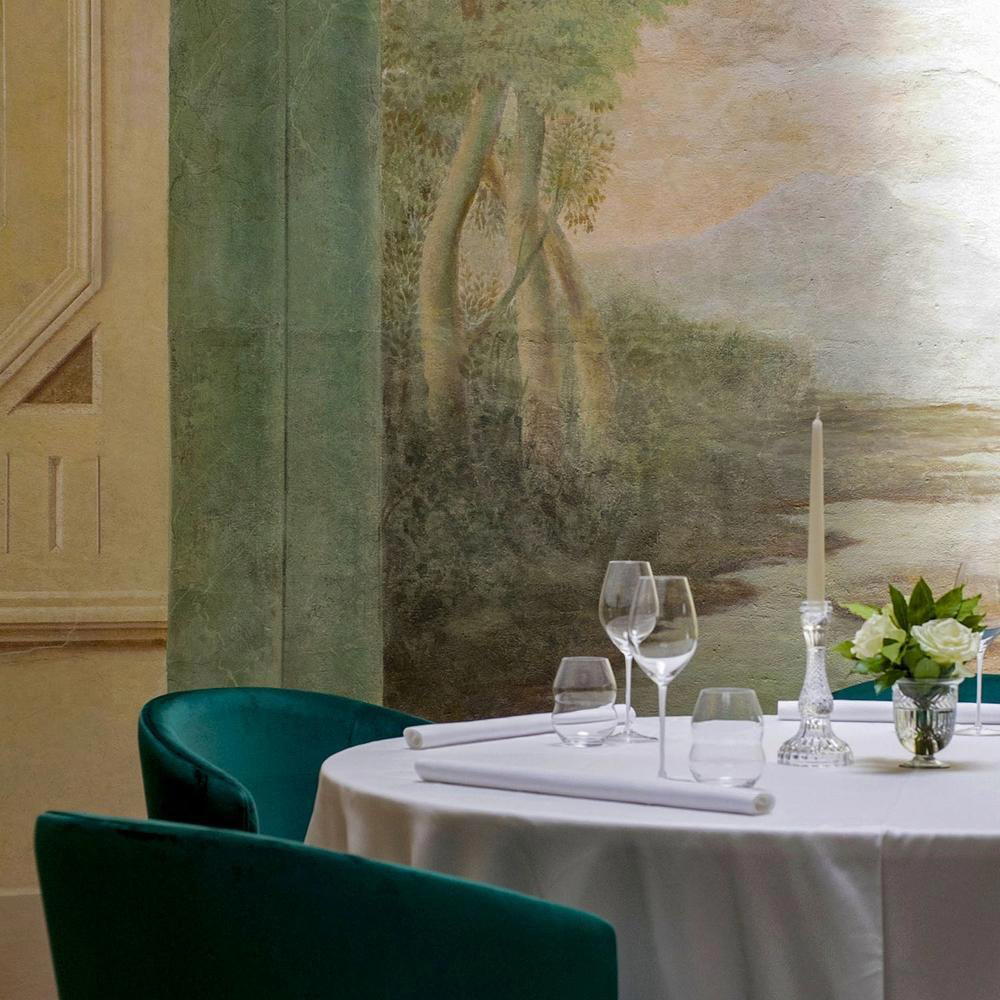
Bars in Radda in Chianti
Browse all →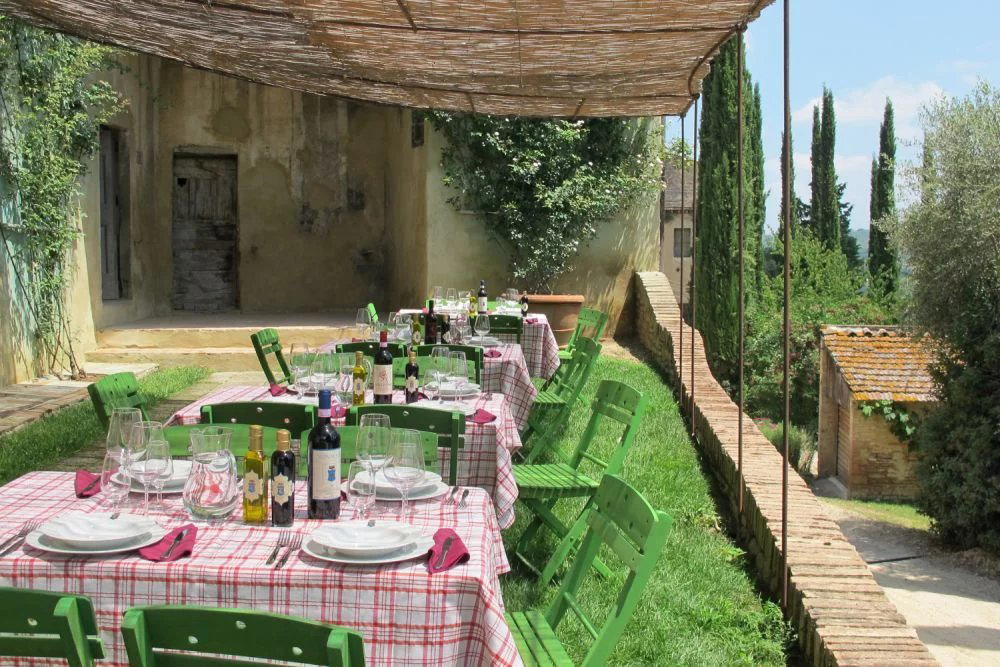
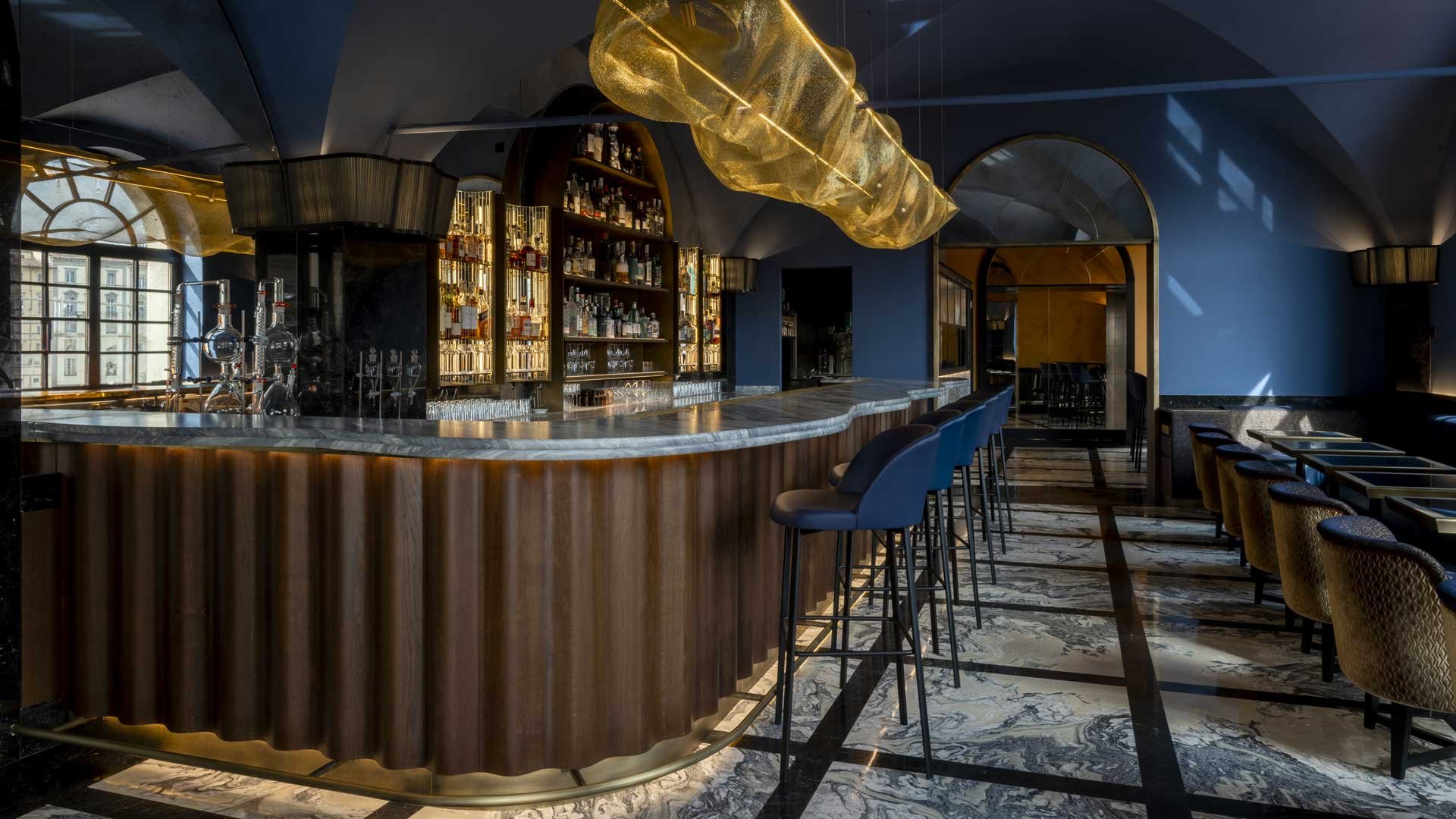
Hotels in Radda in Chianti
Browse all →
At a Glance
- Romantic
- Elegant
- Scenic
- Intimate
- Classic
- Date Night
- Special Occasion
- Celebration
- Garden
- Wine Cellar
- Historic Building
- Terrace
- Panoramic View
- Private Dining
- Extensive Wine List
- Local Sourcing
- Farm To Table
- Vineyard
- Garden
- Mountain
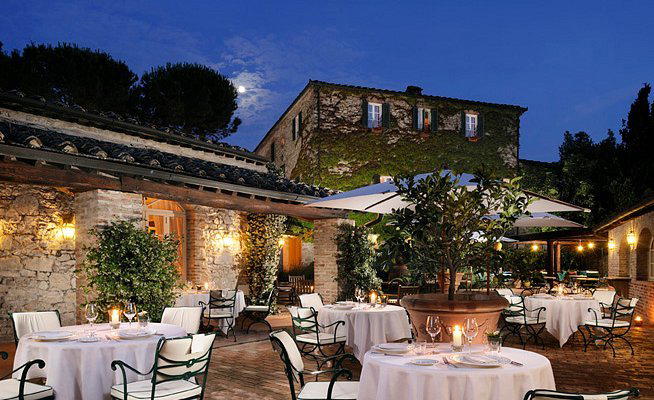
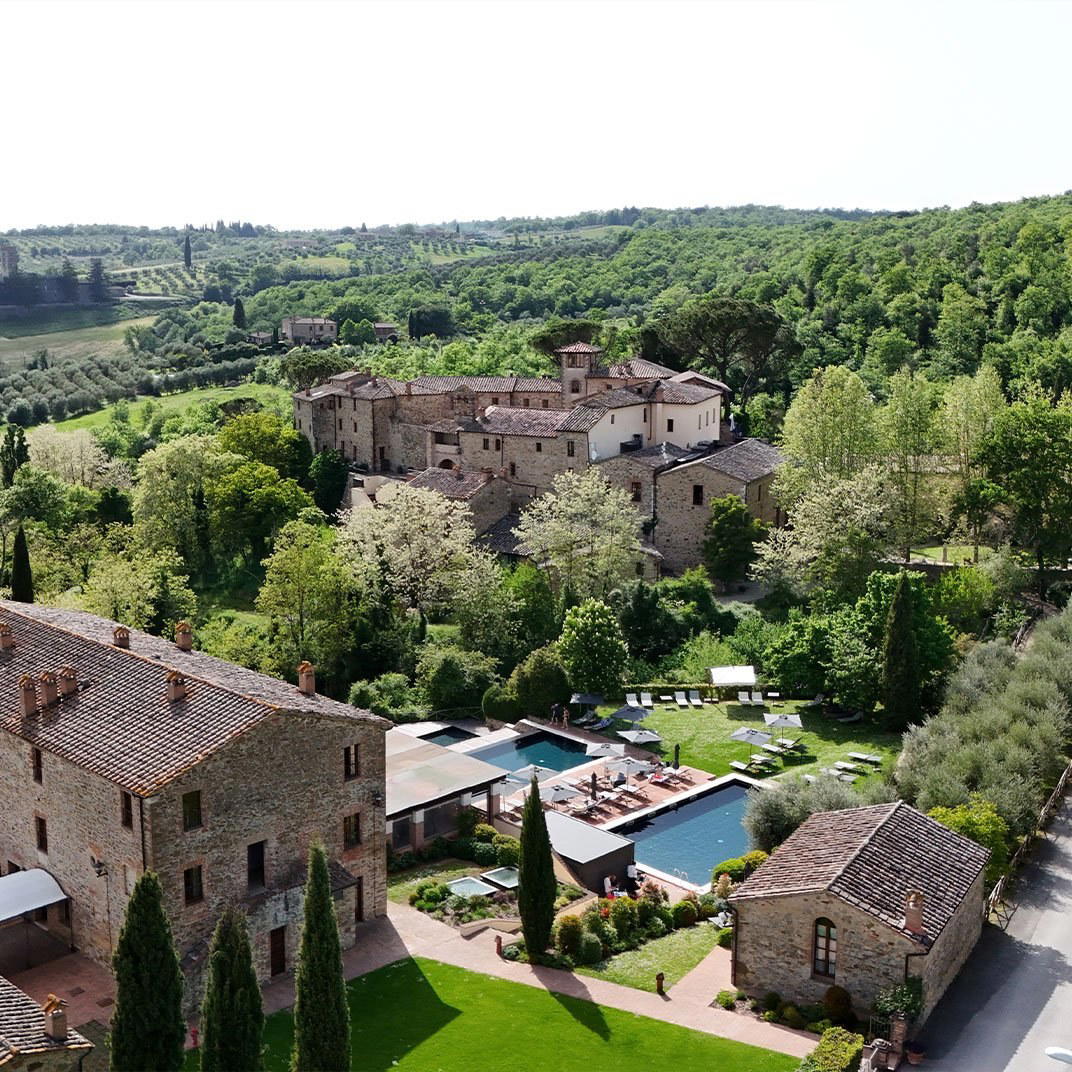
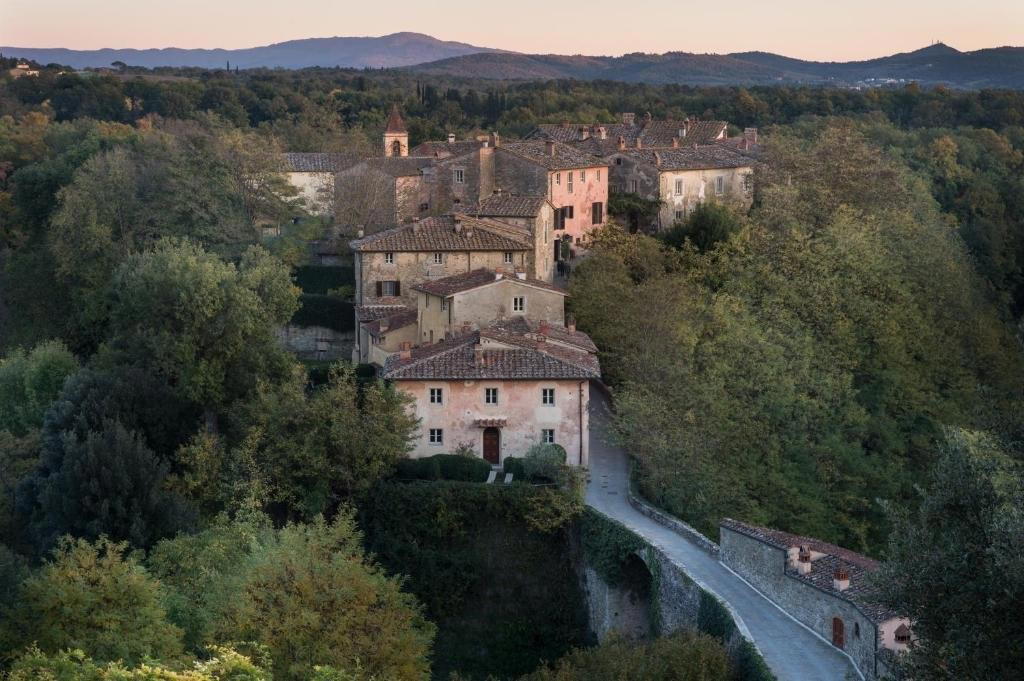
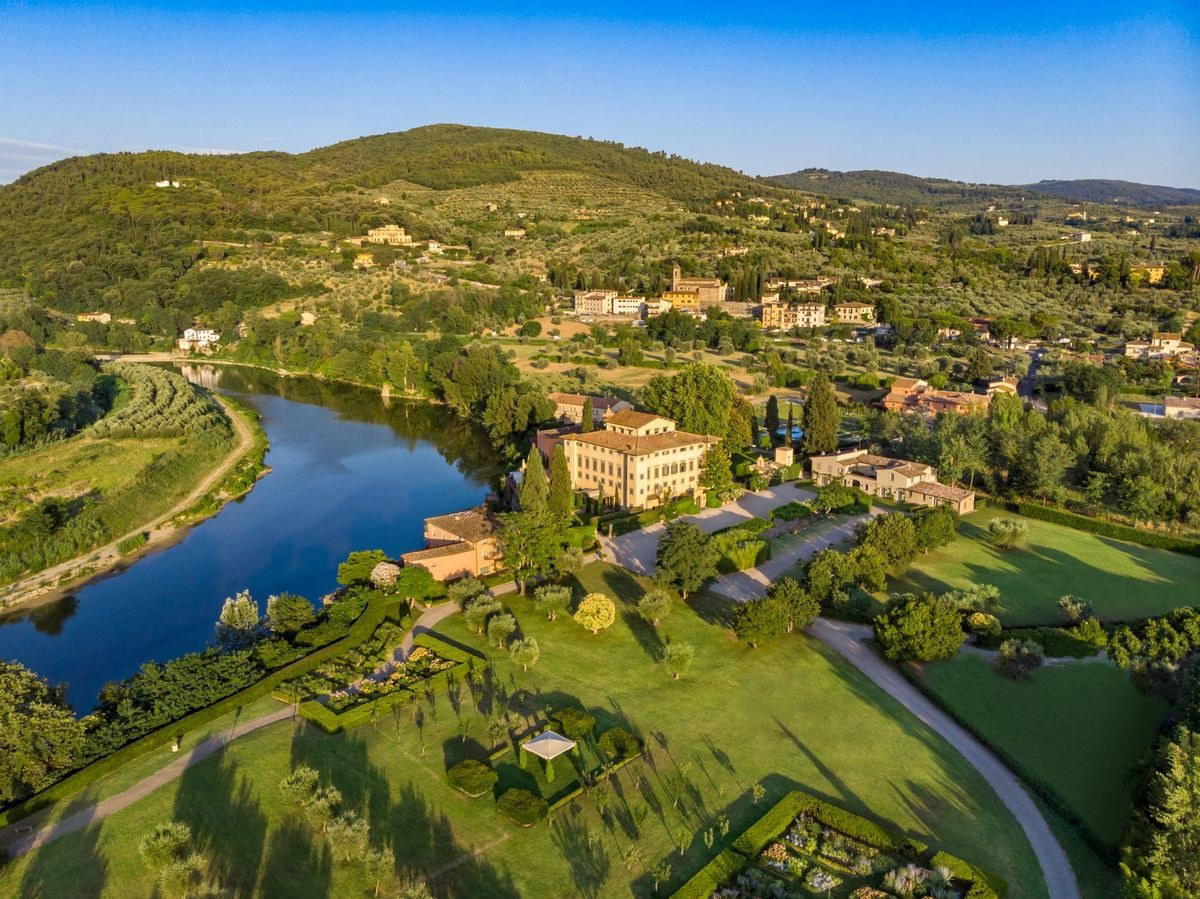
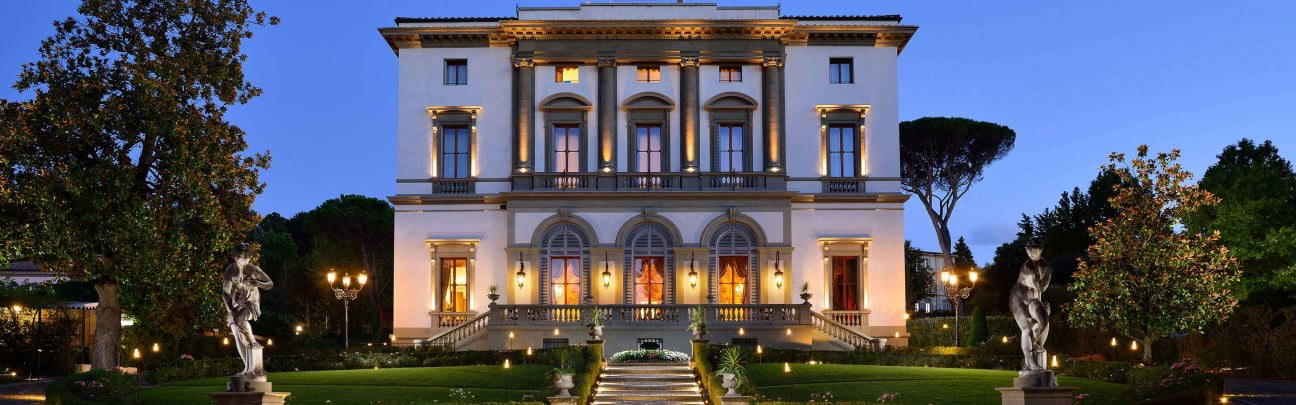
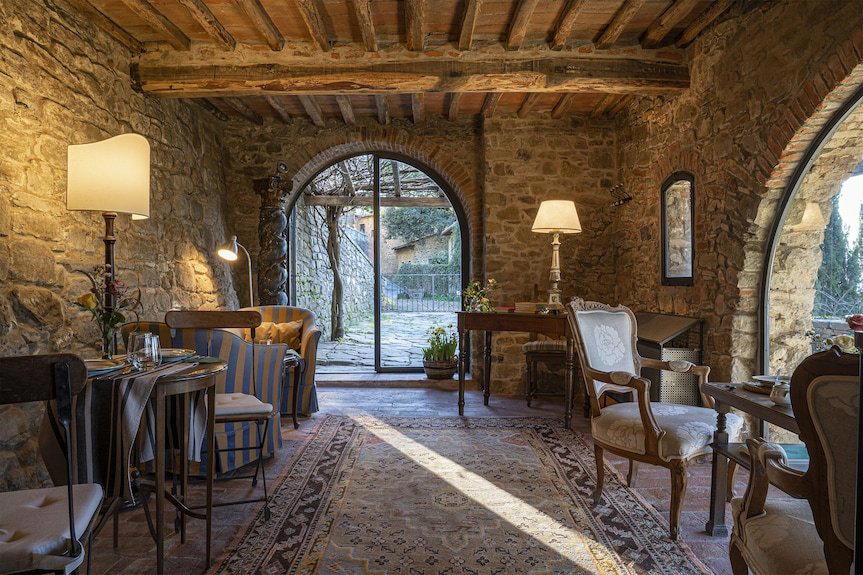
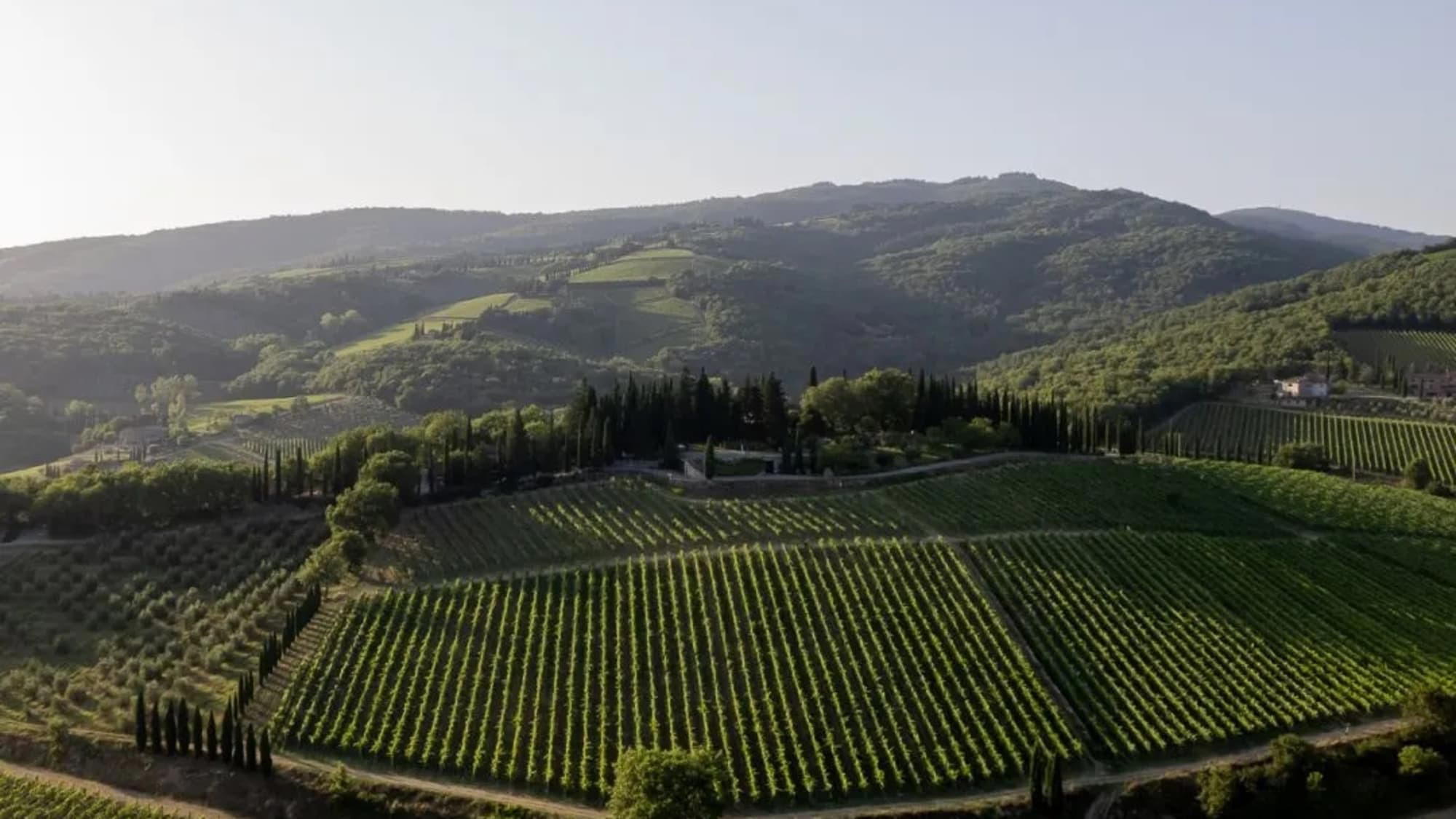
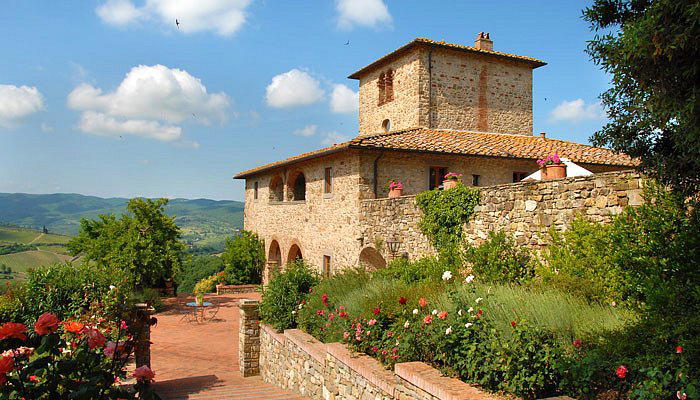
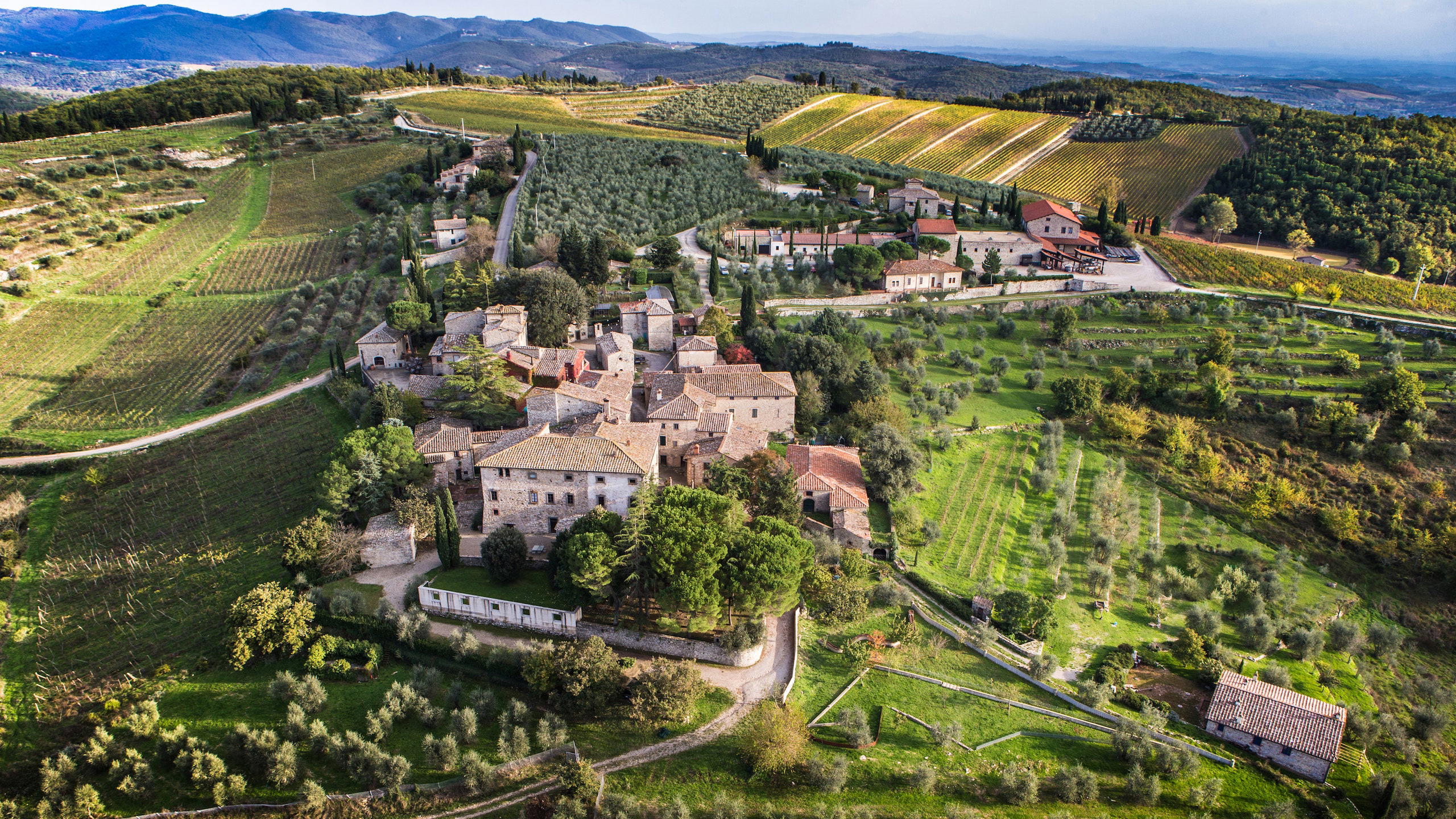
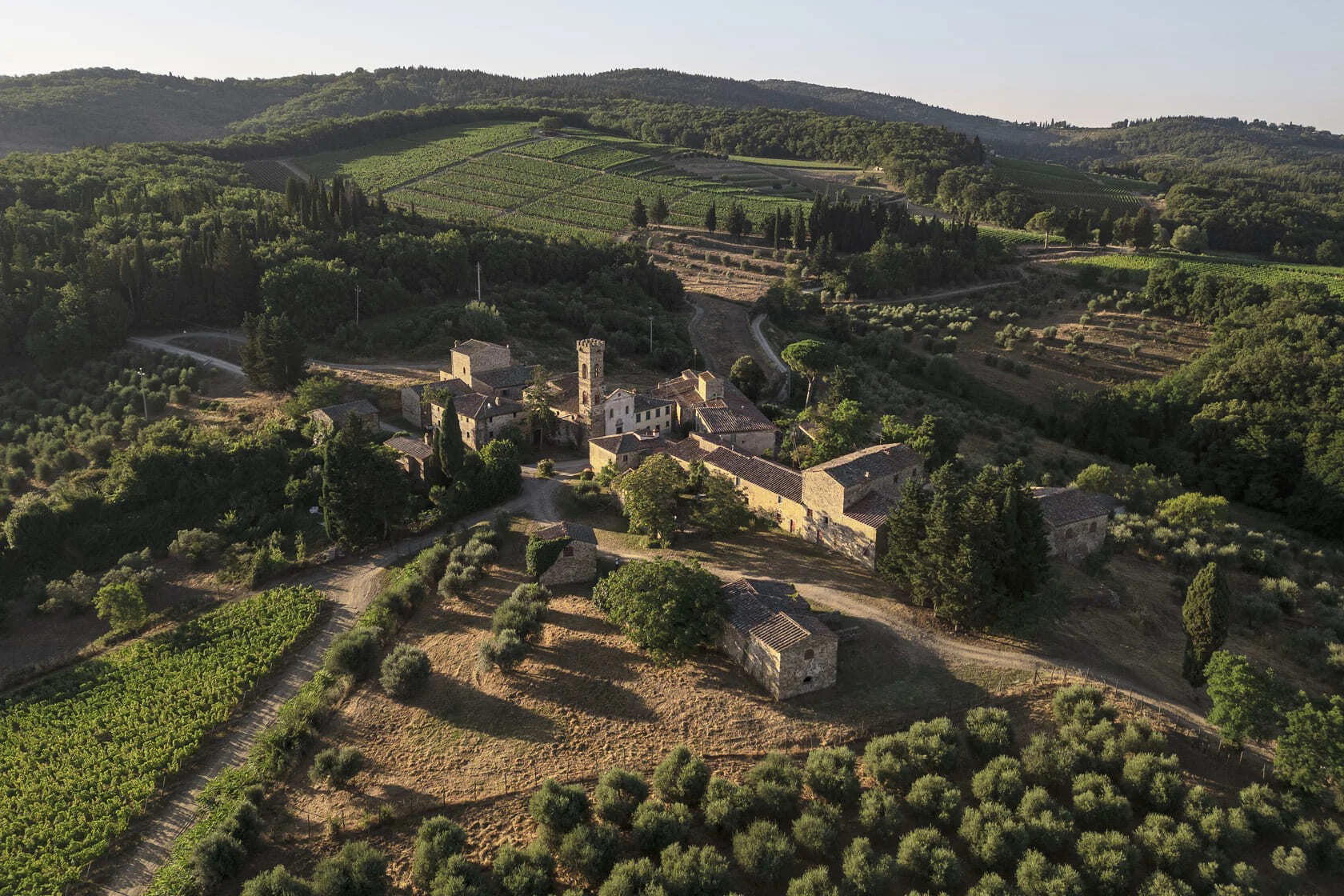
Refined and serene with soft golden light across terraced gardens and vineyards; intimate dining spaces within historic stone architecture with warm, welcoming atmosphere.