
Il Canto earned consecutive placements in the World's 50 Best Restaurants between 2010 and 2012, peaking at number 39, which positions it among the small cohort of Sienese kitchens to achieve international recognition of that scale. The cooking draws from Tuscan tradition with a discipline rooted in restraint: fewer ingredients, more precisely handled.7 across 528 reviews signals sustained performance over time.
Pearl is the En Primeur Club membership app — saves, bookings, and concierge access live there. Same editors, same standards.
- Address
- 475 Sacramento St, San Francisco, CA 94111
- Phone
- +1 415-202-3593
- Website
- clover.com
- Directions
- Get directions
 Saves & bookings on Pearl
Where Tuscan Restraint Becomes a Statement
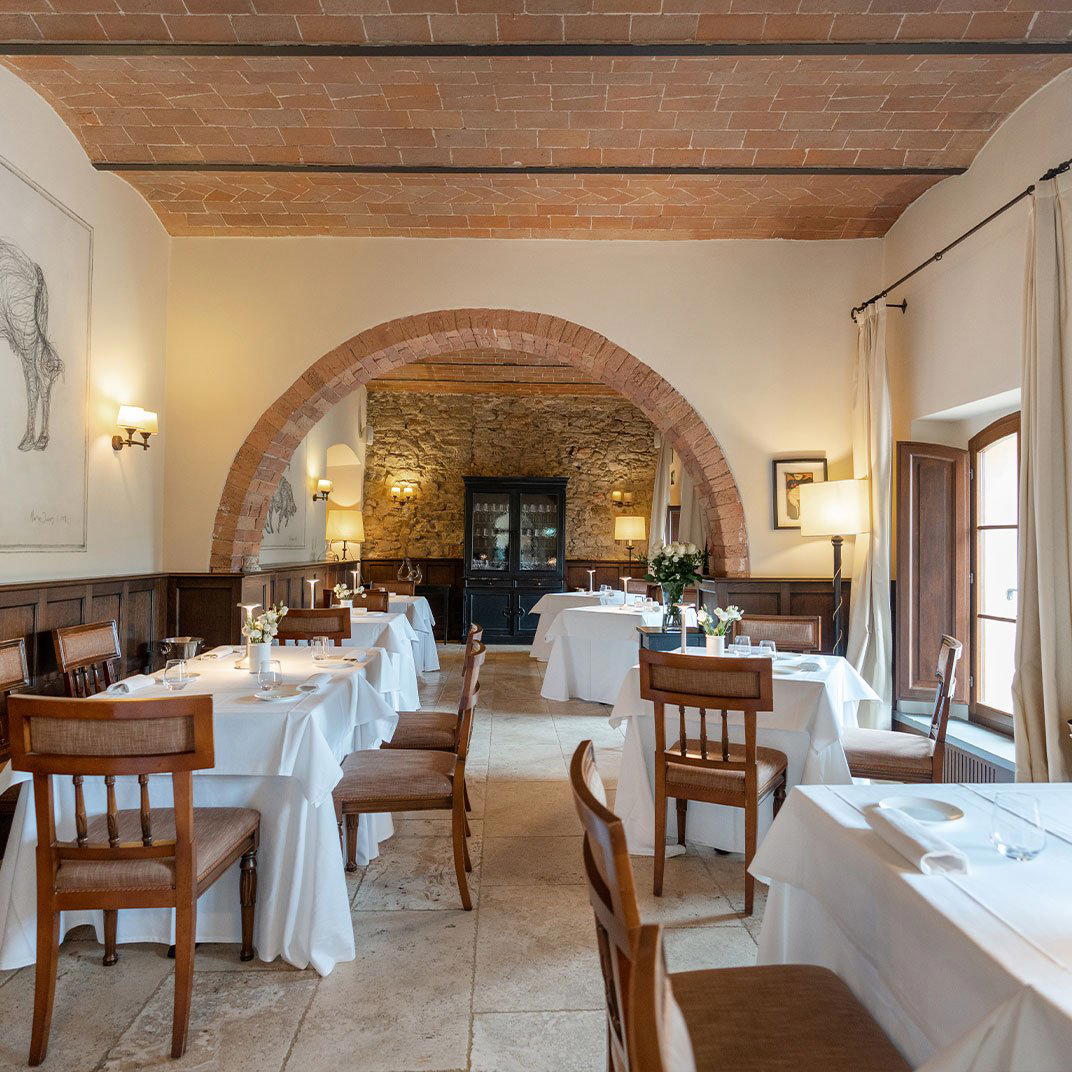
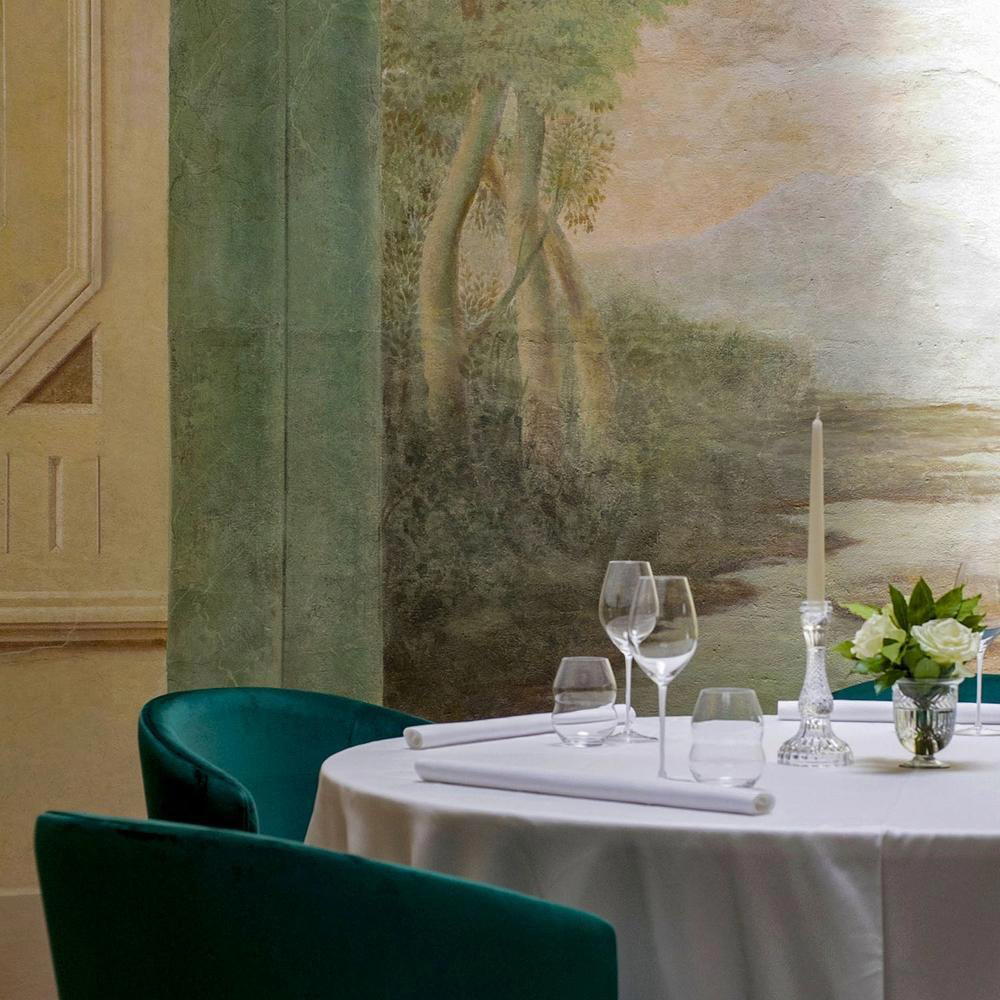
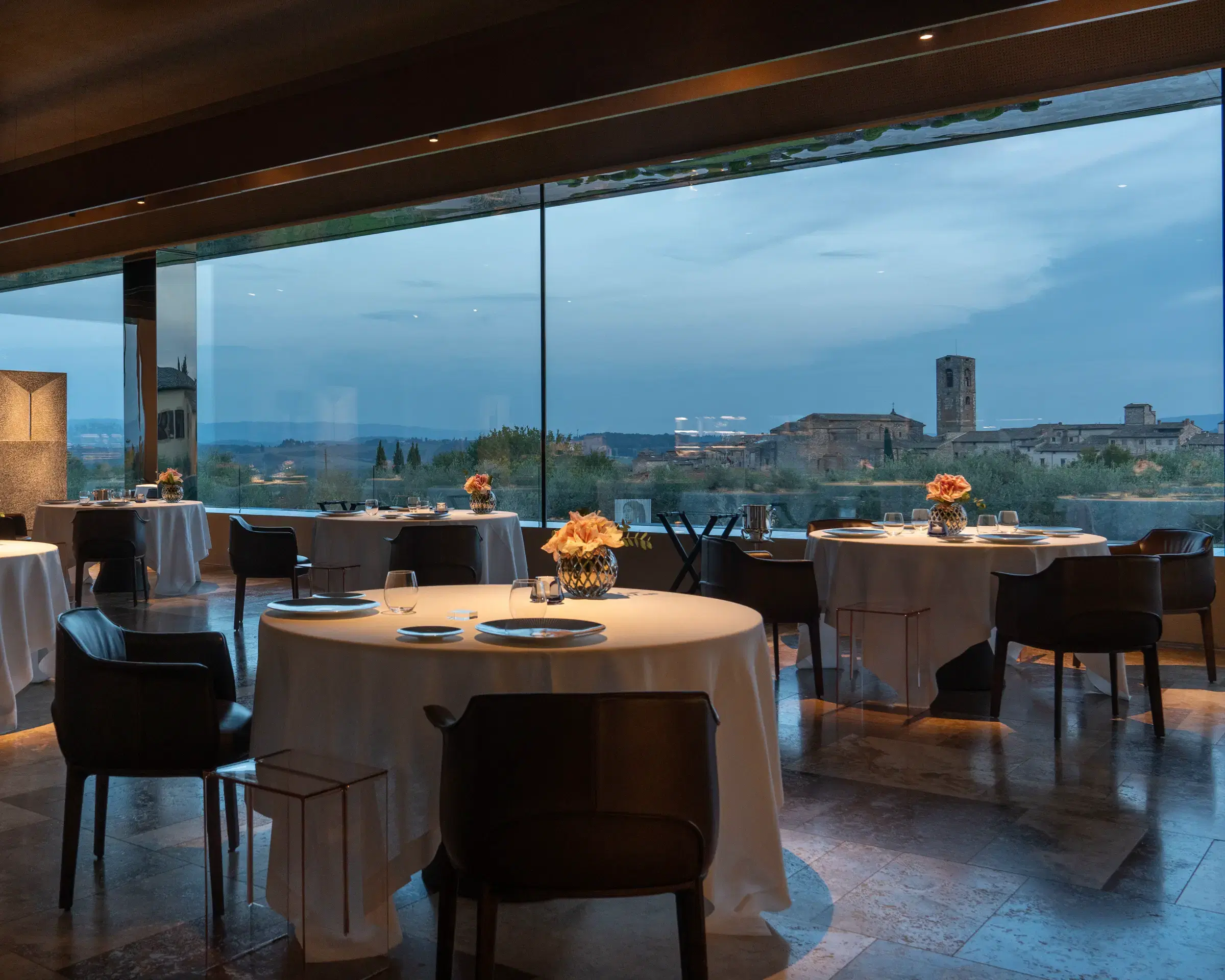
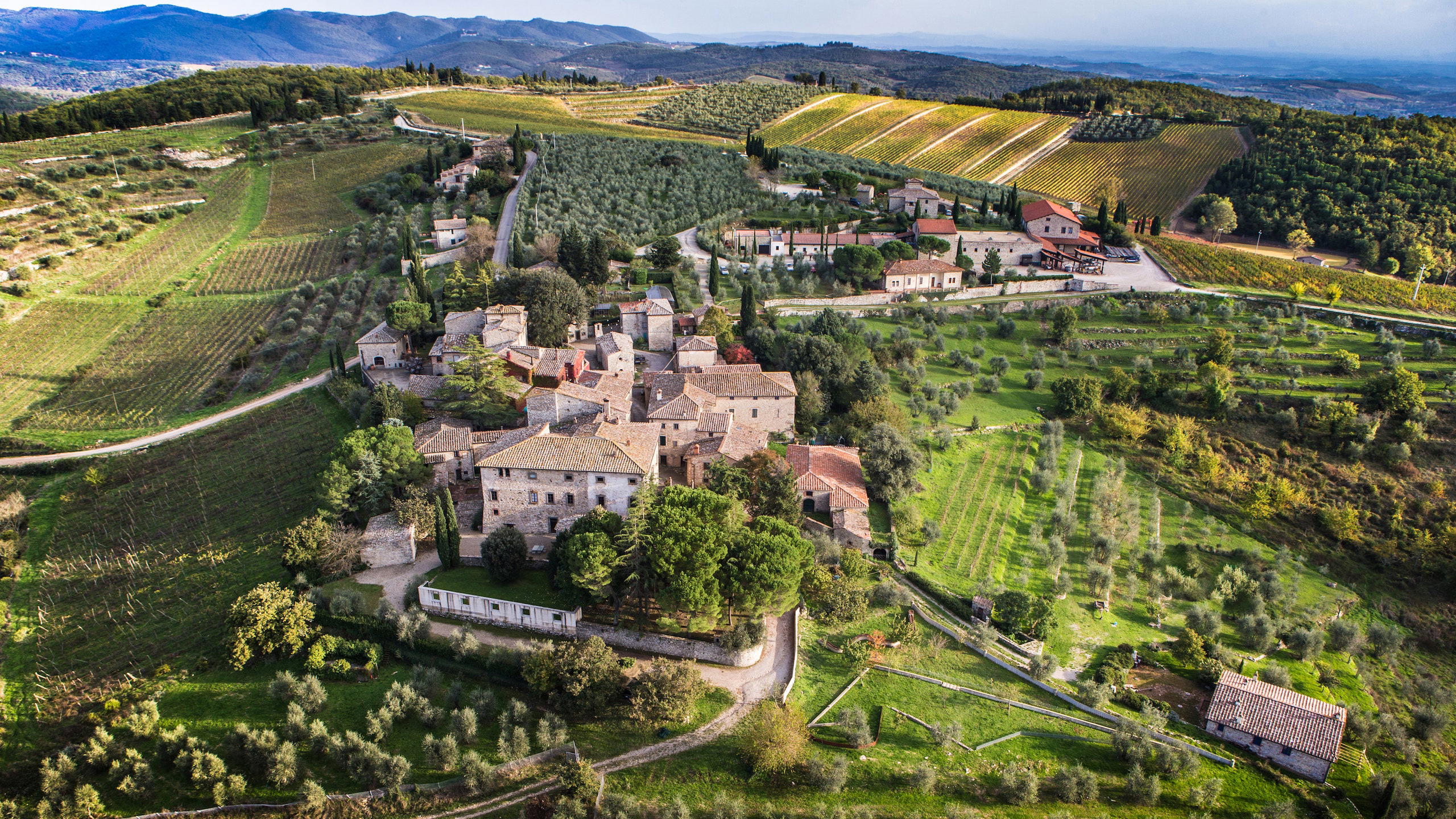
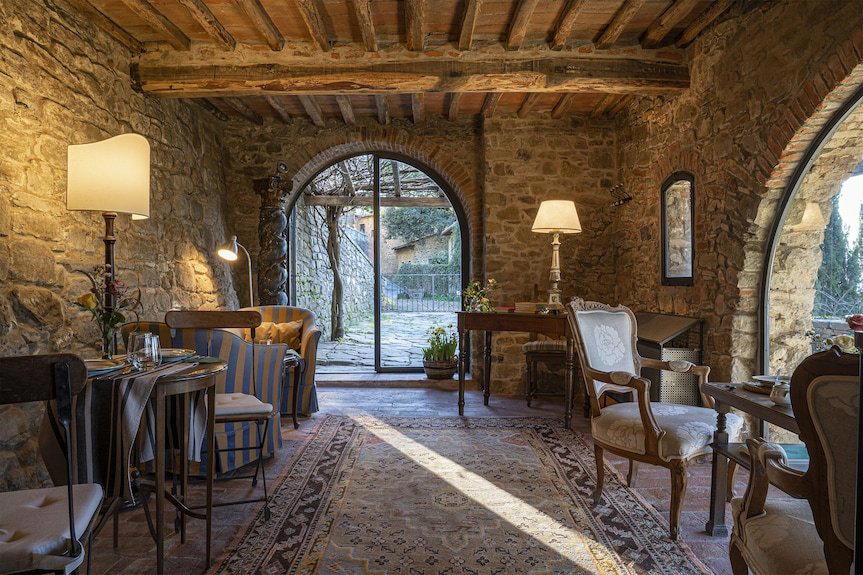
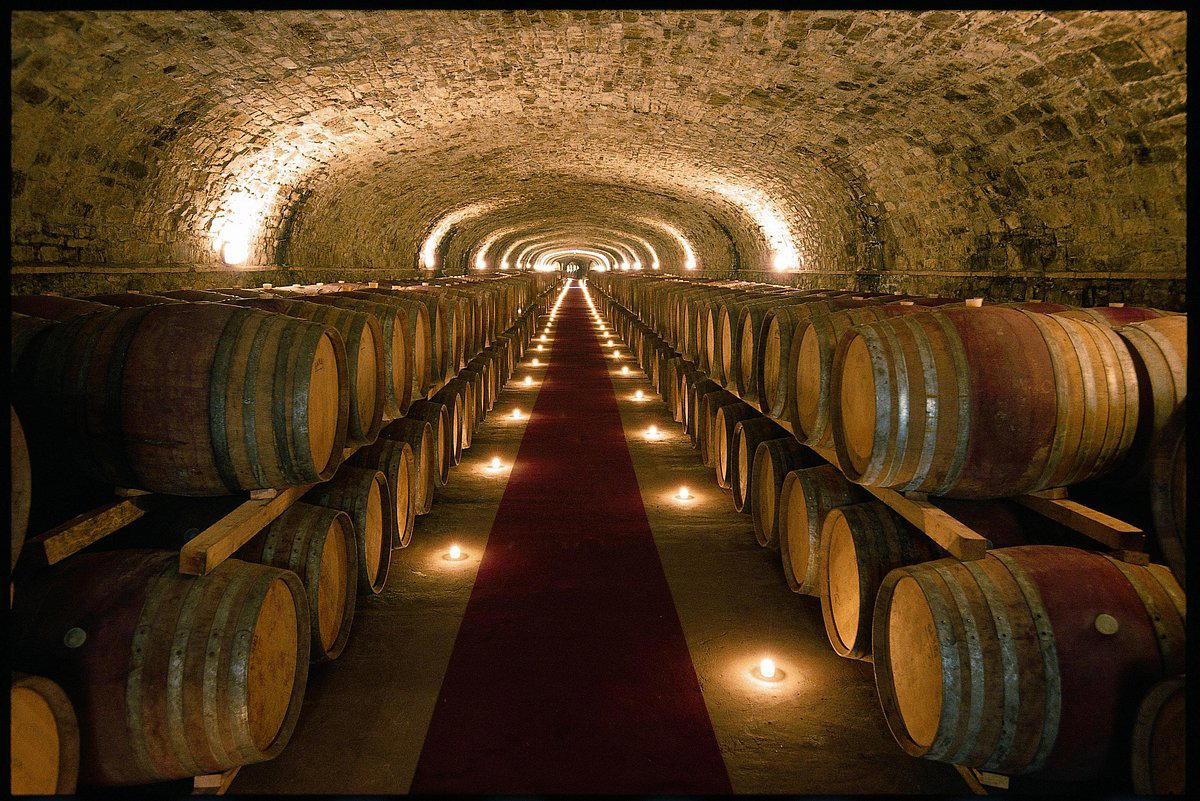
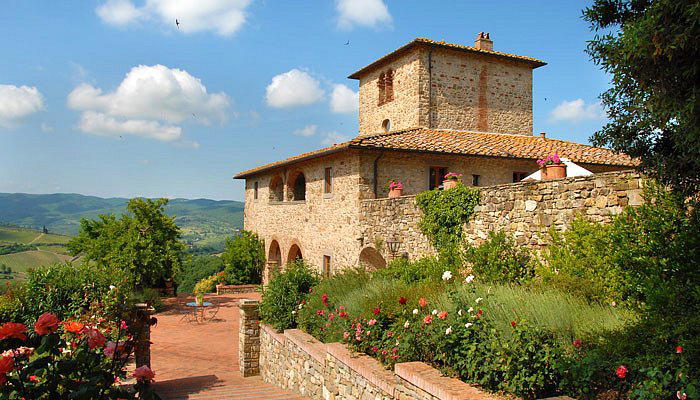
The dining room at Il Canto sits inside Siena's historic fabric, a city whose medieval streets and Gothic civic architecture impose a particular seriousness on everything within them. There is no competing with a setting like this through decoration or noise. The rooms that house serious Sienese restaurants tend toward stone, candlelight, and a hush that the building itself seems to demand. That physical context shapes what a kitchen like Il Canto's communicates before a dish arrives: this is a place where the food is expected to carry the weight, not the atmosphere alone.
That expectation aligns with the central argument of Italian haute cuisine at its most considered: that simplicity is not a default position but a discipline. The Italian principle of pochi ingredienti, eseguiti alla perfezione, few ingredients, executed with precision, is harder to sustain at high-end tables than the alternative. A plate that relies on technique layered over technique, or a sauce that masks rather than clarifies, can hide imprecision. A plate built on two or three Tuscan elements, each sourced and treated with attention, cannot. Il Canto sits in the tradition that accepts that challenge openly.
A Position Inside Italian Fine Dining's Upper Tier
Between 2010 and 2012, Il Canto appeared consecutively in the World's 50 Best Restaurants list, placing at number 40 in 2010, climbing to 39 in 2011, and holding at 46 in 2012. That three-year run is significant context. Sustained presence in that list, as opposed to a single appearance, indicates consistency recognised across multiple editorial cycles. The restaurant operating at that level from a city of Siena's size, not a global dining capital, not a restaurant-dense metropolis, speaks to how concentrated the kitchen's output had to be.
Each operates from a distinct regional tradition. The restaurant's point of differentiation within that Italian cohort is its Tuscan specificity: not Italian haute cuisine in a general register, but the Sienese and Tuscan ingredient palette treated with high-level technique.
The restaurant's position inside Siena itself places it closest to the source of the tradition it works within.
The Tuscan Table: What the Region Demands of Its Kitchens
Tuscany's culinary reputation rests on a paradox: the region's ingredients are rich, aged Chianina beef, white truffles from San Miniato, Pecorino from Pienza, olive oils from the Chianti hills, yet the cooking that treats them most seriously is almost aggressively unadorned. The ribollita should taste of beans and cavolo nero, not of stock enriched to obscure the vegetables. The bistecca should taste of the animal and the fire. Technique appears in the sourcing decisions and the timing, not in the construction of the plate.
A kitchen committed to that principle at a fine dining level has to resist the pressure to add. The restaurant's recognition came at a moment when Italian fine dining internationally was negotiating between modernist intervention and a return to what the ingredients already were before the kitchen touched them. The restaurant's alignment with the latter position gave it a clear editorial identity that international judges could read plainly.
That clarity of position is rarer than it sounds. Kitchens that try to operate in both registers, modern technique and regional authenticity, often produce food that is legible as neither. The Sienese table has its own internal logic: the piazza, the seasonal rhythm of the surrounding countryside, the wine traditions of Chianti Classico and Brunello di Montalcino pressing in from the surrounding region. A restaurant that internalises those factors rather than decorating around them earns a different kind of trust.
Il Canto Inside Siena's Dining Scene
Siena's restaurant scene is smaller and more concentrated than Florence's or Milan's, which shapes how any serious table there functions. The city draws visitors around the Palio, the Duomo, and the Piazza del Campo, but its serious dining culture is not built for tourist throughput. The tables that have earned sustained recognition, including La Taverna di San Giuseppe, which operates in the Tuscan trattoria register, and Alle Logge di Piazza, serve a city that takes its own food seriously on its own terms.
The restaurant occupies a different tier within that scene: the fine dining tier where the cooking aspires to international peer recognition rather than local comfort. That positioning requires a kitchen that can satisfy both the Sienese diner who knows the ingredients from their source and the international visitor who may be arriving with 50 Best expectations. That volume of reviews, maintaining a rating above 4.5, reflects consistent execution across many different guest types.
Torrefazione Fiorella handles the espresso question with the seriousness it deserves in a Tuscan city. The full Siena restaurants guide maps the broader scene, while the Siena hotels guide, bars guide, wineries guide, and experiences guide provide the surrounding infrastructure for a considered stay.
Siena is a city where the quality of a visit depends heavily on the quality of advance planning. Tables at the serious end of the market book weeks to months ahead, particularly during the spring and summer season and around the Palio in July and August. Arriving without a reservation at a restaurant with the restaurant's recognition level is a reliable way to miss it entirely.
What the Awards Imply for the Reader's Decision
Three consecutive World's 50 Best placements represent a specific kind of endorsement: not a single strong year, but a kitchen that performed at that level with enough consistency to be re-evaluated and re-listed across multiple rounds of judging. In the Italian fine dining context, that is the credential that places the restaurant in the company of Quattro Passi in Marina del Cantone and others whose regional identity and technical execution registered simultaneously with an international panel.
For the reader deciding how to allocate a limited number of serious meals during a Tuscany visit, the question is not whether the restaurant merits attention, the record answers that. The question is what kind of meal it is. The answer the kitchen's positioning suggests: one rooted in Tuscan specificity, built on restraint rather than elaboration.
Budget and Context
Comparable venues nearby, for context on price, style, and recognition.
| Venue | Cuisine | Price | Awards | Notes |
|---|---|---|---|---|
| Il CantoThis venue — the venue you are viewing | Maggiano, Modern Italian Fine Dining | $$$$ | World's 50 Best #39 | Not listed |
| Alle Logge di Piazza | Not listed | $$$ | Not listed | Piazza del Popolo, Traditional Tuscan Trattoria |
| La Taverna di San Giuseppe | Not listed | $$$ | Not listed | Historic Siena, Traditional Tuscan Trattoria |
| Ristorante Bar La Favorita | Not listed | $$ | Not listed | Centro Storico, Traditional Tuscan Pizza and Italian |
| La Prosciutteria Crudi e Bollicine Siena | Not listed | $$ | Not listed | Centro Storico, Tuscan Crudi and Bollicine |
| Osteria il Vinaio | Not listed | $ | Not listed | Centro Storico (Historic Center), Traditional Sienese Tuscan |
Recognition history
Dated appearances from independent guides and award organizations, with the underlying list record or original source where available.
World's 50 Best Best Restaurants #46
World's 50 Best
World's 50 Best Best Restaurants #39
World's 50 Best
World's 50 Best Best Restaurants #40
World's 50 Best
Continue exploring
More in Siena
Restaurants in Siena
Browse all →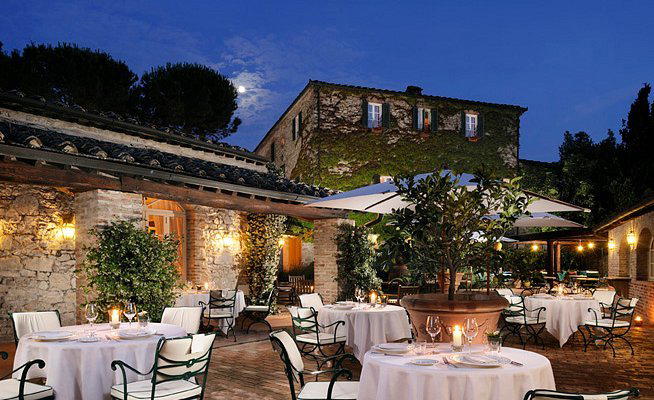
Bars in Siena
Browse all →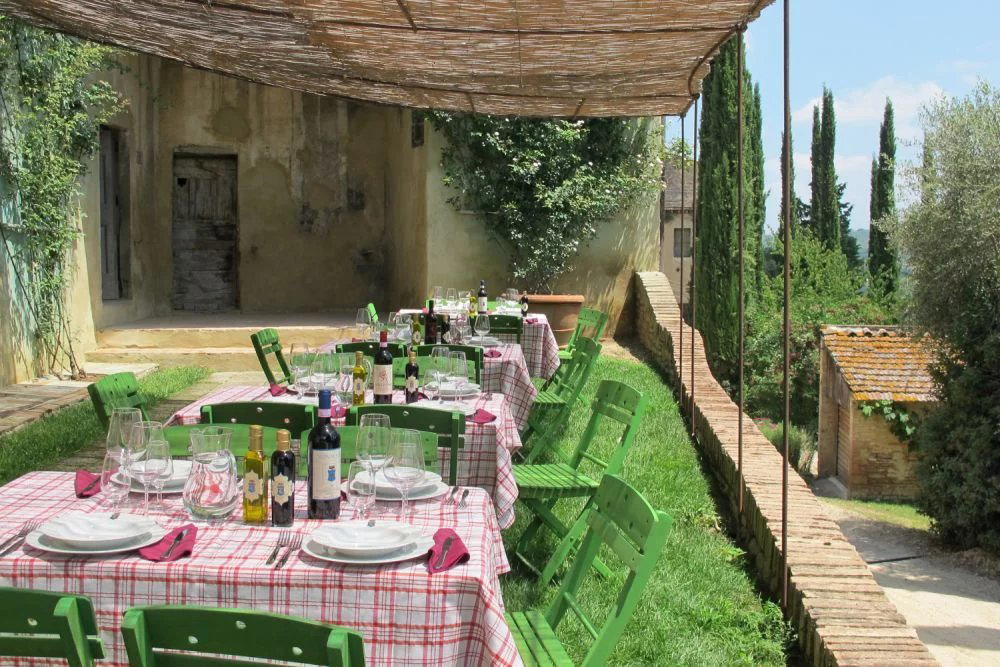
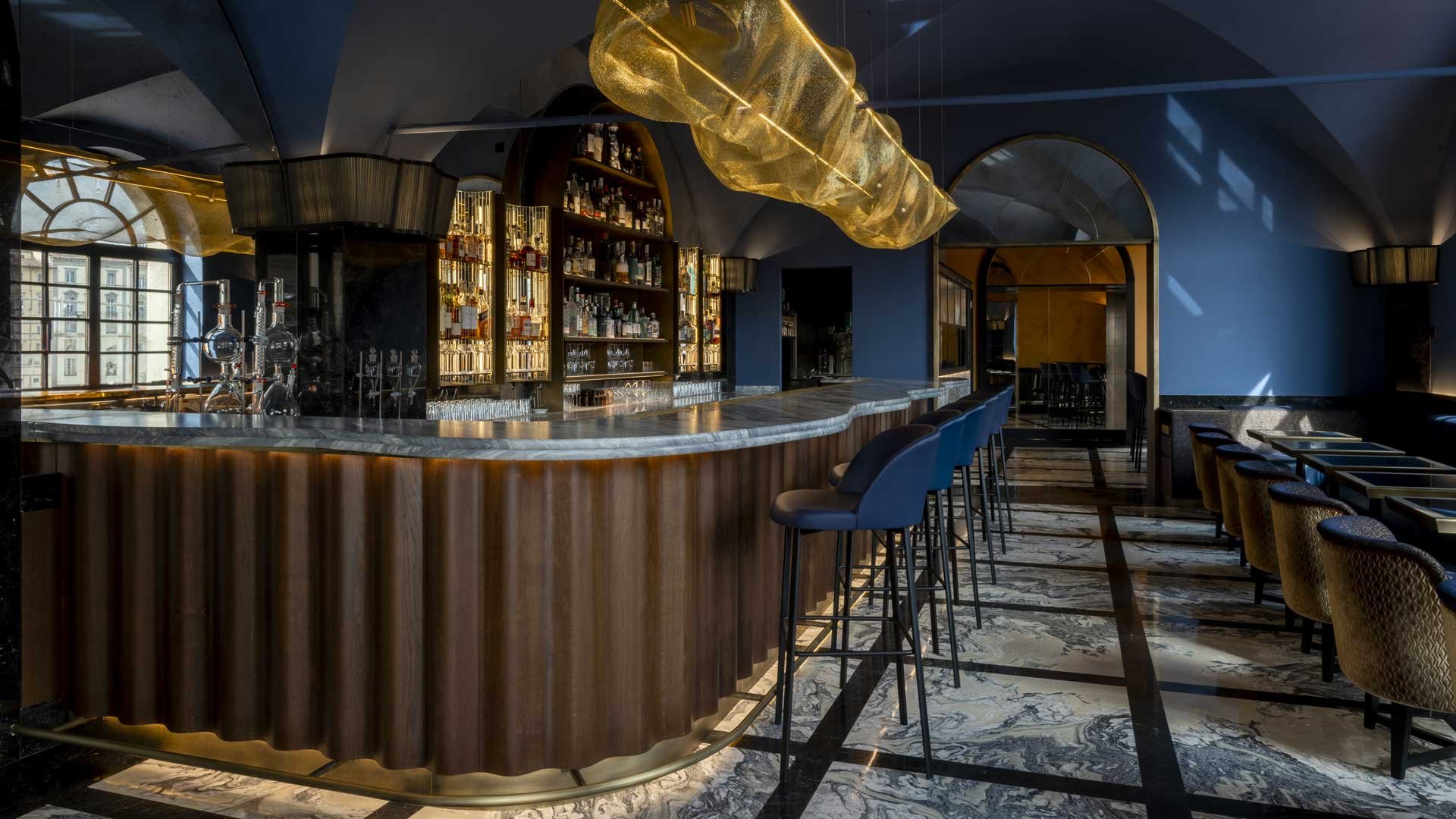
Hotels in Siena
Browse all →
At a Glance
- Elegant
- Intimate
- Rustic
- Historic
- Sophisticated
- Special Occasion
- Historic Building
- Hotel Restaurant
- Garden
- Local Sourcing
- Garden
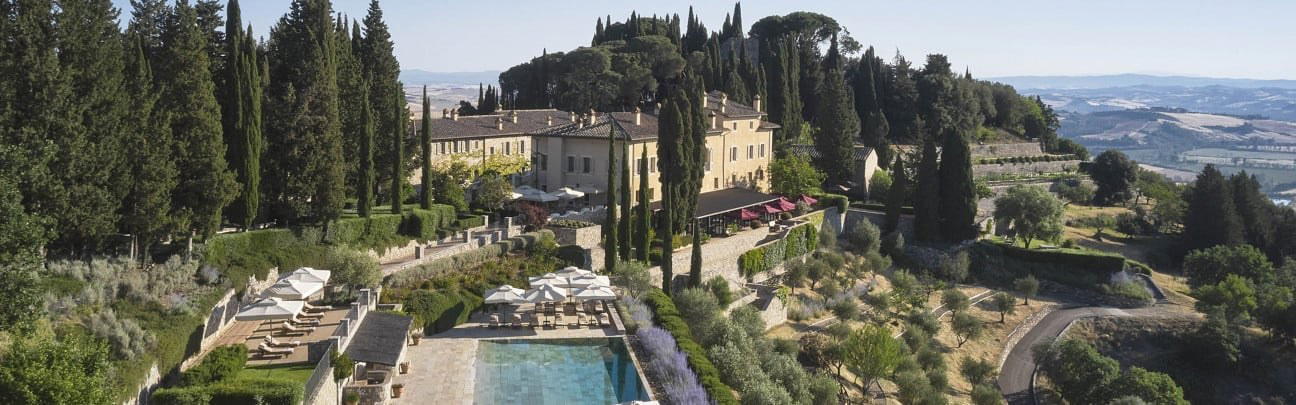
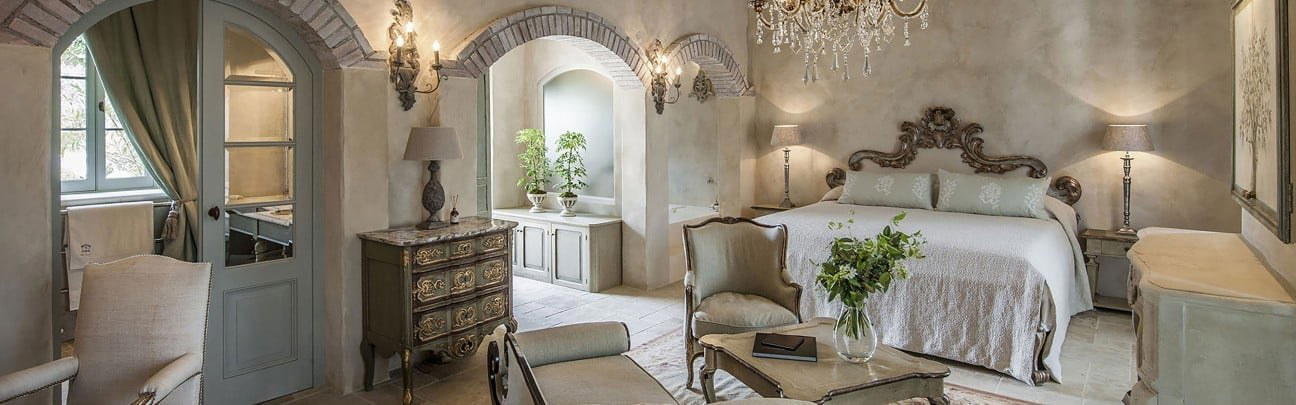
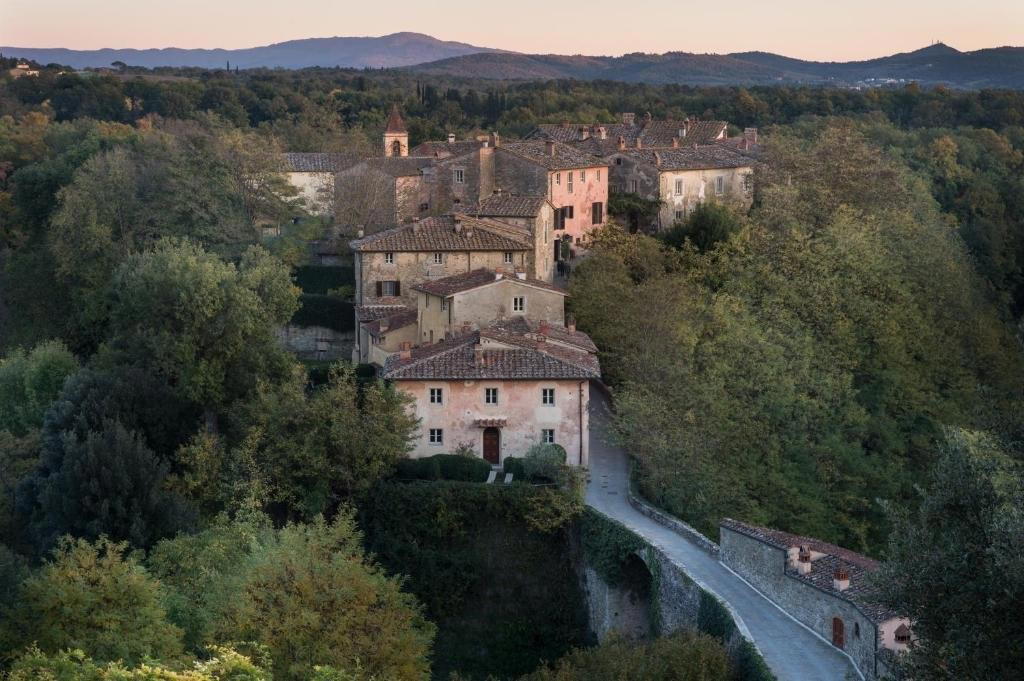
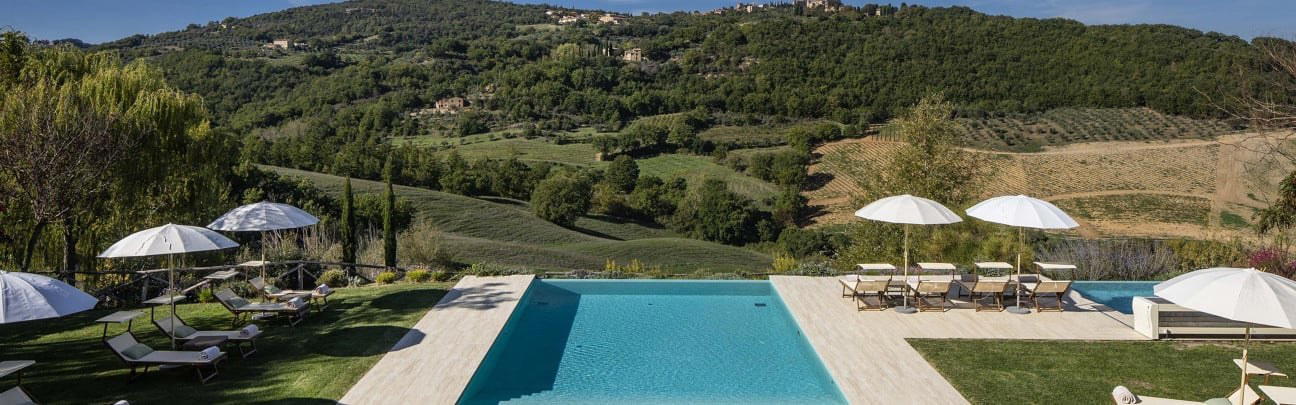
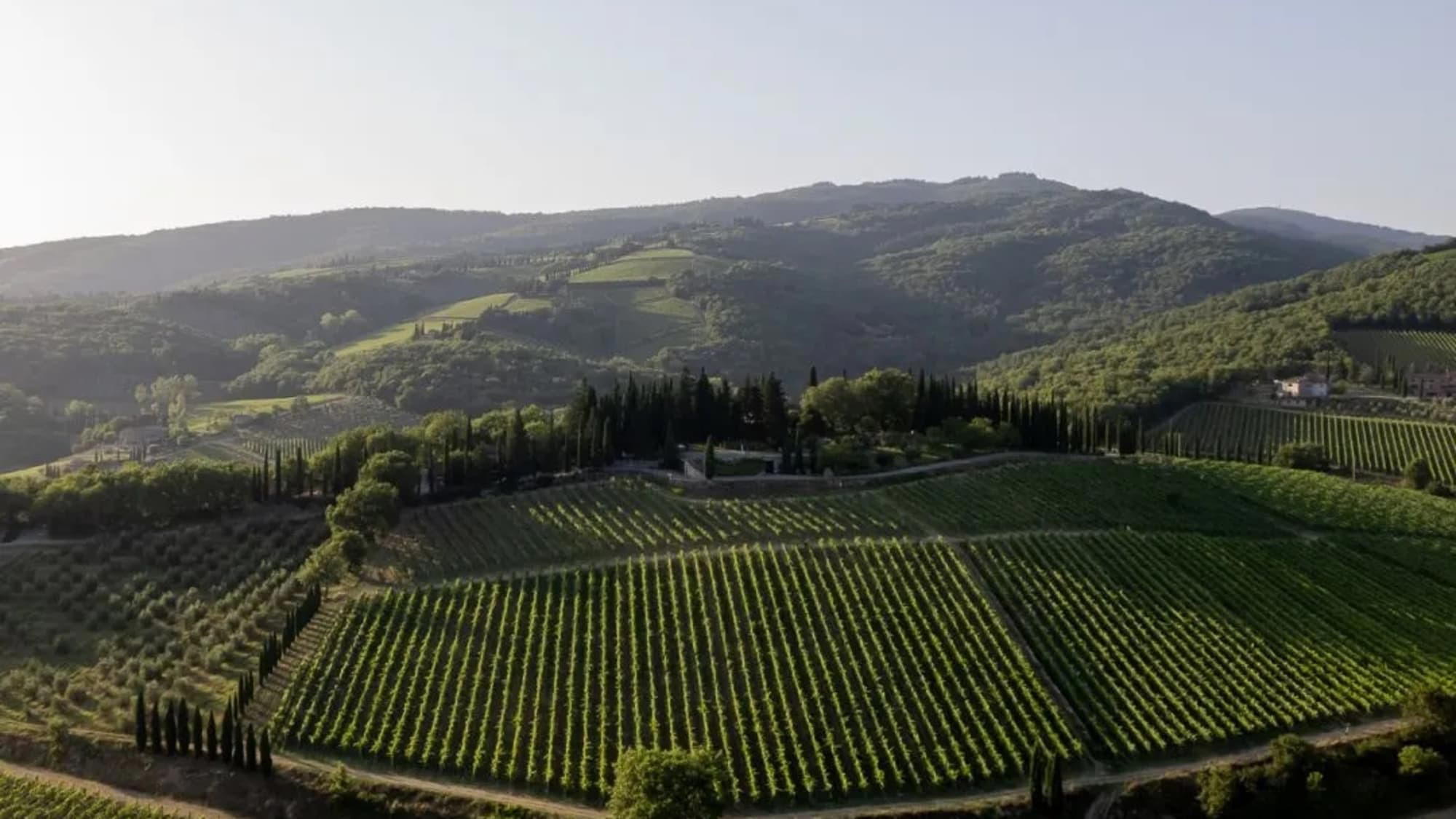
Intimate and rustic atmosphere in a historic monastery with elegant formality, parkland garden views, and colonnade outdoor seating.