
Al Fresco brings Tuscan Italian cooking to an unlikely address on Obukhovske Highway outside Kyiv, under chef Marcos Saenz. The setting trades urban density for open air and space, framing the cuisine in a context that has no direct parallel in the city centre. For diners seeking the lean, herb-forward register of Tuscany rather than Roman richness or Neapolitan heat, it occupies a distinct position in Kyiv's Italian options.
Pearl is the En Primeur Club membership app — saves, bookings, and concierge access live there. Same editors, same standards.
- Address
- Обуховское шоссе, 6, Khodosivka, Kyiv Oblast, Ukraine, 08173
- Phone
- +380 44 334 6363
- Website
- alfresco.com.ua
- Directions
- Get directions
 Saves & bookings on Pearl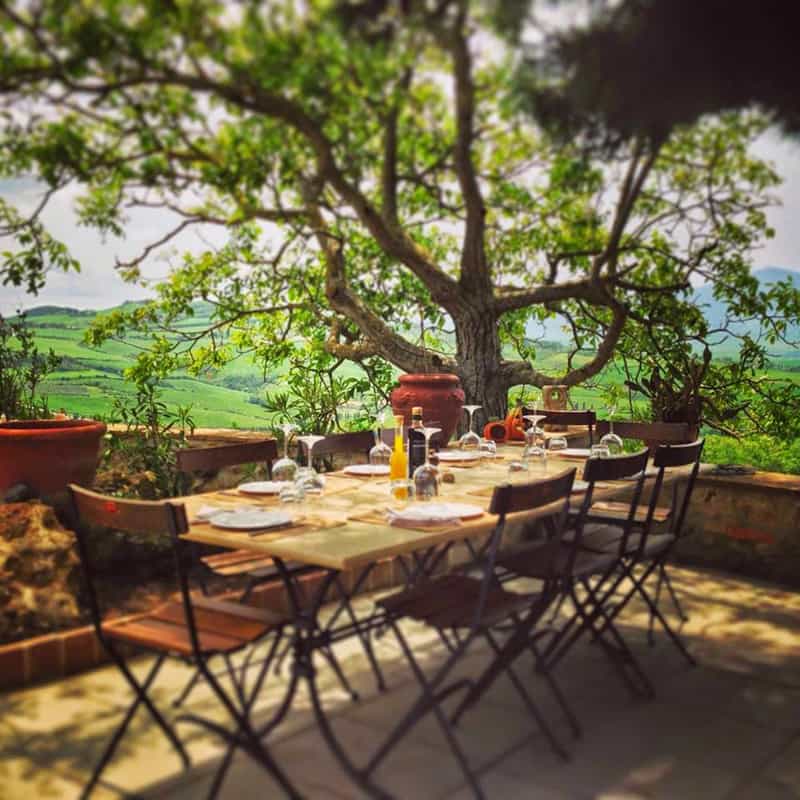
Tuscany Outside the City: What Al Fresco's Location Says About Its Ambitions
Kyiv's Italian restaurant scene clusters, as it does in most Eastern European capitals, around a familiar repertoire: pasta dishes assembled from broadly southern Italian reference points, wood-fired pizzas in the Neapolitan style, and wine lists weighted toward Sicilian and Pugliese bottles. Al Fresco is a restaurant in Khodosivka, south of central Kyiv, serving authentic Italian with seafood at about $25 per person. Tuscan cooking, with its more austere grammar of aged cheeses, white beans, game, and bitter greens finished with cold-pressed olive oil, is a narrower proposition. It requires restraint where Neapolitan cooking rewards exuberance, and it asks diners to accept that the dish on the plate will often look plainer than it tastes. Al Fresco, positioned on Obukhovske Highway in Khodosivka on the southern edge of Kyiv Oblast, places itself squarely in that Tuscan register, with chef Marcos Saenz working a tradition that answers to a different set of rules than the Italian cooking most Kyiv diners encounter first.
The address itself is an editorial statement. Unlike Kanapa, which operates within the city's dense restaurant corridor as a Modern European address, or Beef, which draws on the urban dining-out impulse, the restaurant sits where the city thins out and the surrounding landscape opens. For a cuisine rooted in the Florentine hills and the Val d'Orcia's spare agrarian character, there is a logic to the removal. Tuscan food did not develop in a metropolitan context. It developed in farmhouses, market towns, and osterie attached to producers who grew everything within walking distance. A restaurant that replicates those conditions at the periphery of a capital city is making an argument about authenticity through geography.
The Tuscan Frame: What the Cuisine Actually Means
Understanding what Tuscan cooking is, and is not, matters when assessing how a kitchen performs within it. Roman cooking is richer, built on cured pork fat, sharp pecorino, and emulsified pasta sauces. Neapolitan cooking is louder, shaped by tomato acidity and high-hydration dough. Milanese cooking leans on butter, risotto, and the slow braise traditions of the Po Valley. Tuscany sits apart from all three. Its signal dishes, whether ribollita, pappardelle with wild boar ragu, bistecca alla Fiorentina, or the simple combination of cannellini beans with good oil and sage, are exercises in reduction rather than addition. The region's wines follow the same logic: Brunello di Montalcino and Chianti Classico are structured, tannic, built for the table rather than the glass.
Internationally, Tuscan Italian restaurants that hold serious recognition include Il Canto in Siena, Castello Banfi, Il Borgo in Montalcino, La Buona Novella in Florence, Le Rondini in Radda in Chianti, and Osteria di Porta al Cassero in Montalcino. These are kitchens working in the source territory, with access to regional producers, heritage breeds, and seasonal ingredients tied to a specific landscape. Transplanting that tradition to Kyiv Oblast, as the restaurant does, is a different undertaking. The measure of success is whether the kitchen holds to the structural discipline of the cuisine rather than softening it into a generic Italian idiom. Ukraine does have relevant raw material: the country produces pork, lamb, and grain at scale, and its agricultural output is substantial enough that a chef willing to work with local producers can find analogues for many Tuscan staples without importing everything at a cost that distorts the menu's integrity.
For Ukrainian diners with a reference point for Italian cooking beyond the city, the comparison is interesting. La Luce in Lviv operates within a similar Italian frame in a western Ukrainian city with stronger historical ties to central European culinary traditions. The contrast between those two cities' Italian offerings reflects broader patterns in how European cuisines migrate and adapt.
Chef Marcos Saenz and the Question of Authority
Tuscan cuisine practised outside Tuscany stands or falls on the kitchen's commitment to the region's specific logic rather than a generalised Mediterranean warmth. Chef Marcos Saenz leads the restaurant's kitchen. What is observable is the choice of regional framing: a kitchen that commits to Tuscan cooking specifically, rather than Italian cooking broadly, is making a decision that narrows the menu and disciplines the sourcing. That level of specificity is itself a credential of intent, whatever the chef's background.
Across the broader Kyiv dining scene, the Italian category has grown without always deepening. The question the restaurant poses is whether Tuscan specificity can hold in a market where the reference points for Italian food are often Roman and Neapolitan by default. That is the same challenge facing Italian regional kitchens in cities from London to Seoul: the cuisine's leading work is regional, and particularly common versions are not.
Planning a Visit: Getting There and What to Expect
The restaurant's address at Obуховское шоссе 6 in Khodosivka places it south of central Kyiv on the highway toward Obukhiv. The drive from the city centre takes between 25 and 40 minutes depending on traffic, which is a meaningful commitment for a dinner reservation. That distance filters the clientele toward diners with a specific intention to be there, rather than those who have wandered in from a nearby street. Kyiv's restaurant culture includes several out-of-city dining destinations that operate on this model, where the journey becomes part of the occasion.
Comparable Spots, Quickly
Comparable venues nearby, for context on price, style, and recognition.
| Venue | Cuisine | Price | Notes |
|---|---|---|---|
| Al FrescoThis venue — the venue you are viewing | Authentic Italian with Seafood | $$ | Not listed |
| Salateira | Italian Salad Bar | $$ | Kyiv |
| Napule | Authentic Neapolitan Pizza | $$ | Pechers'kyi |
| Casa Nori | Authentic Italian Trattoria & Cicchetteria | $$$ | Podil |
| CHEF's TABLE | Modern Italian-European Fine Dining | $$$$ | Pechers'kyi |
| Daily Fish Cafe | Seafood Cafe | $$ | near Lva Tolstoho |
Recognition history
Dated appearances from independent guides and award organizations, with the underlying list record or original source where available.
Wine Spectator Award of Excellence
Wine Spectator
At a Glance
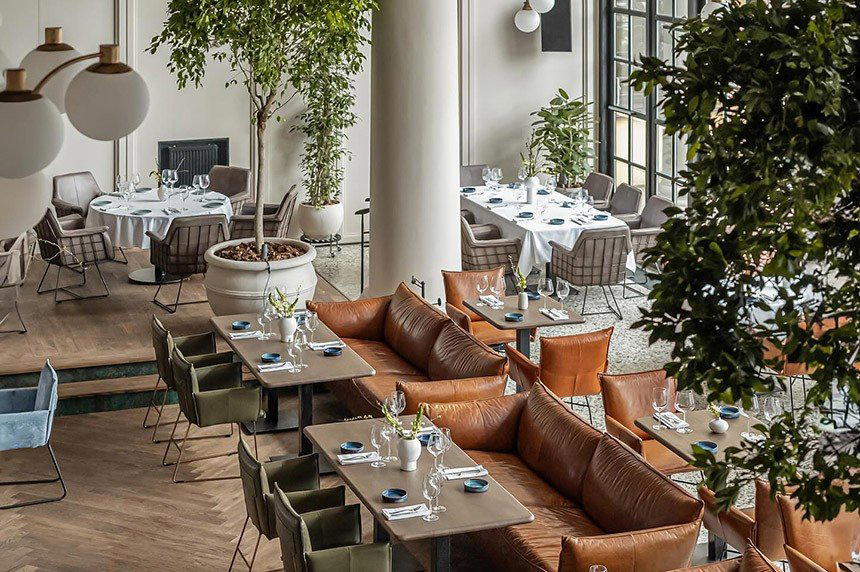
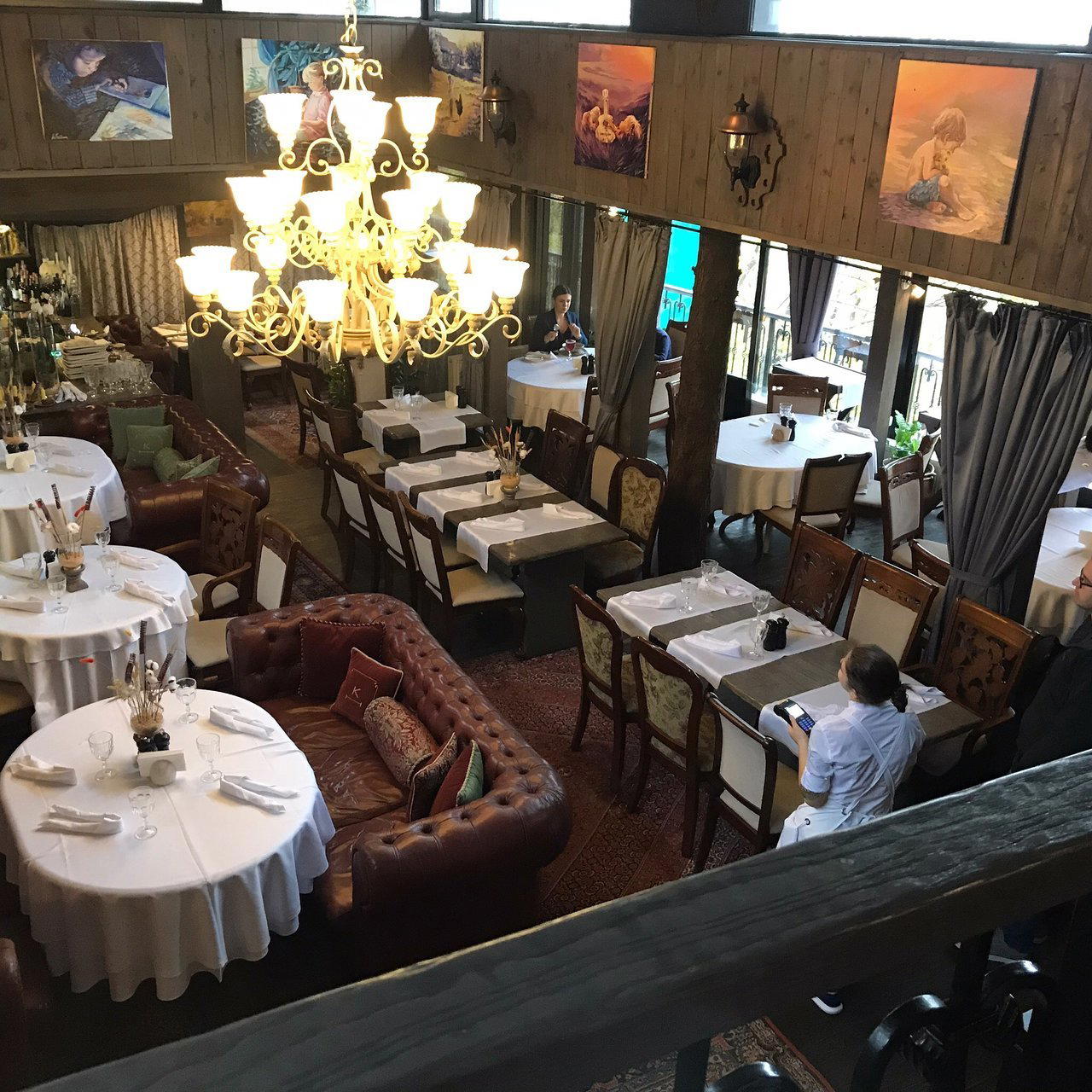
- Rustic
- Cozy
- Elegant
- Scenic
- Group Dining
- Celebration
- Special Occasion
- Courtyard
- Terrace
- Open Kitchen
- Garden
Current opening hours
- Monday
- 11 AM–11 PM
- Tuesday
- 11 AM–11 PM
- Wednesday
- 11 AM–11 PM
- Thursday
- 11 AM–11 PM
- Friday
- 11 AM–11 PM
- Saturday
- 10 AM–11 PM
- Sunday
- 10 AM–11 PM
Hours can change for holidays and private events. Last verified .
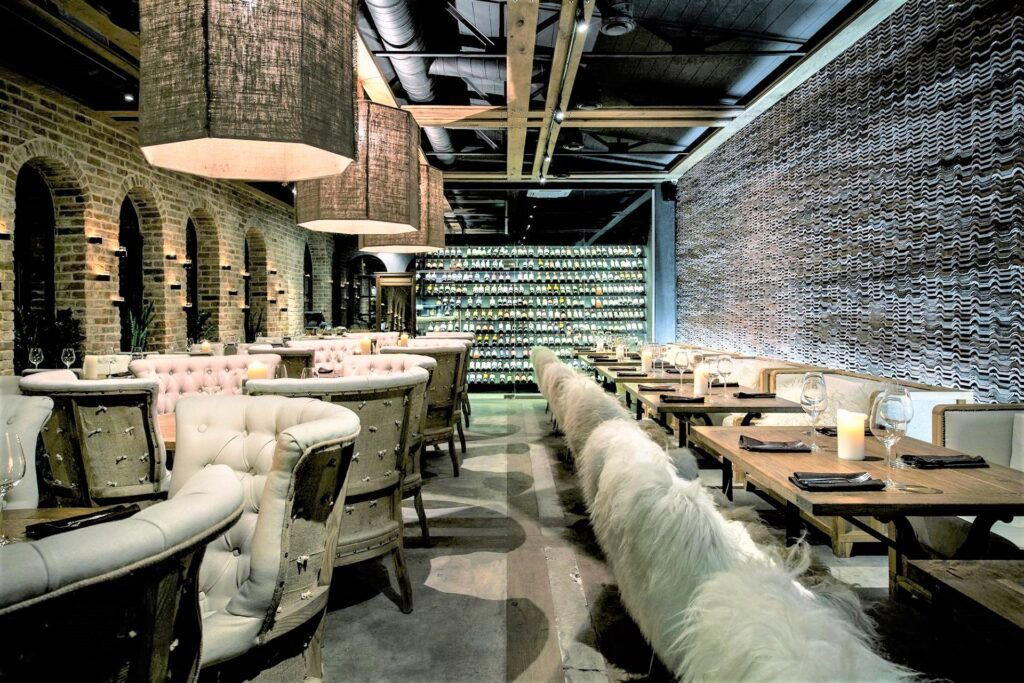
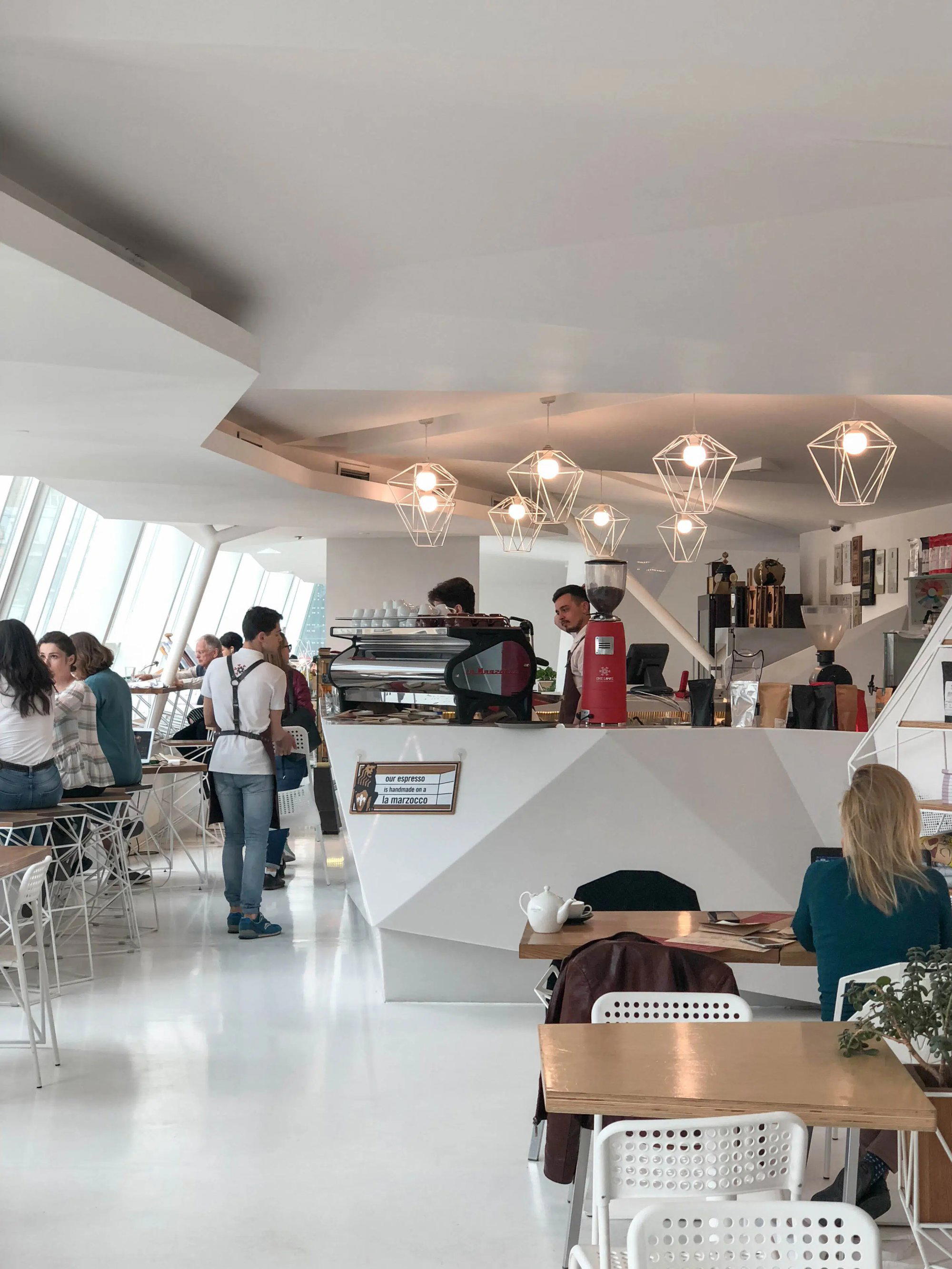
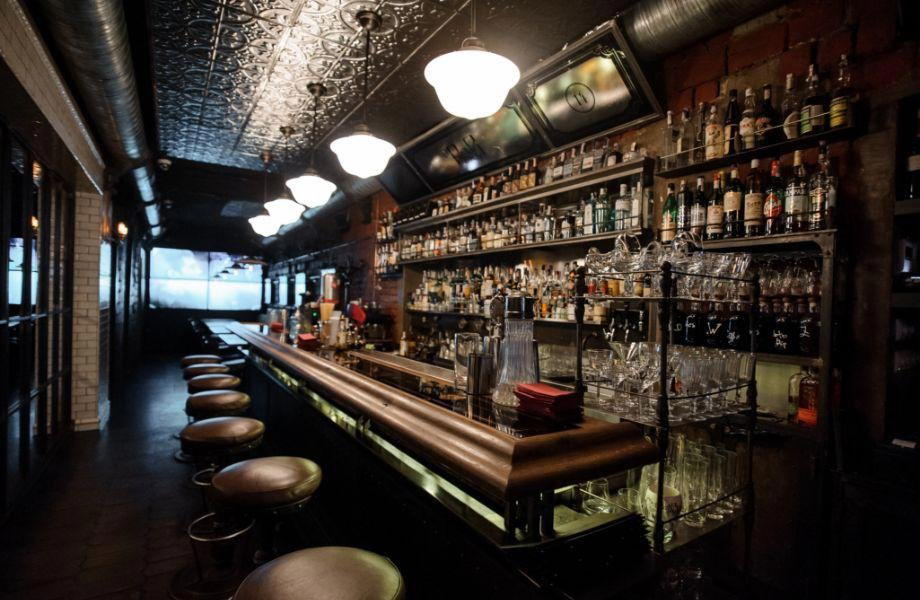
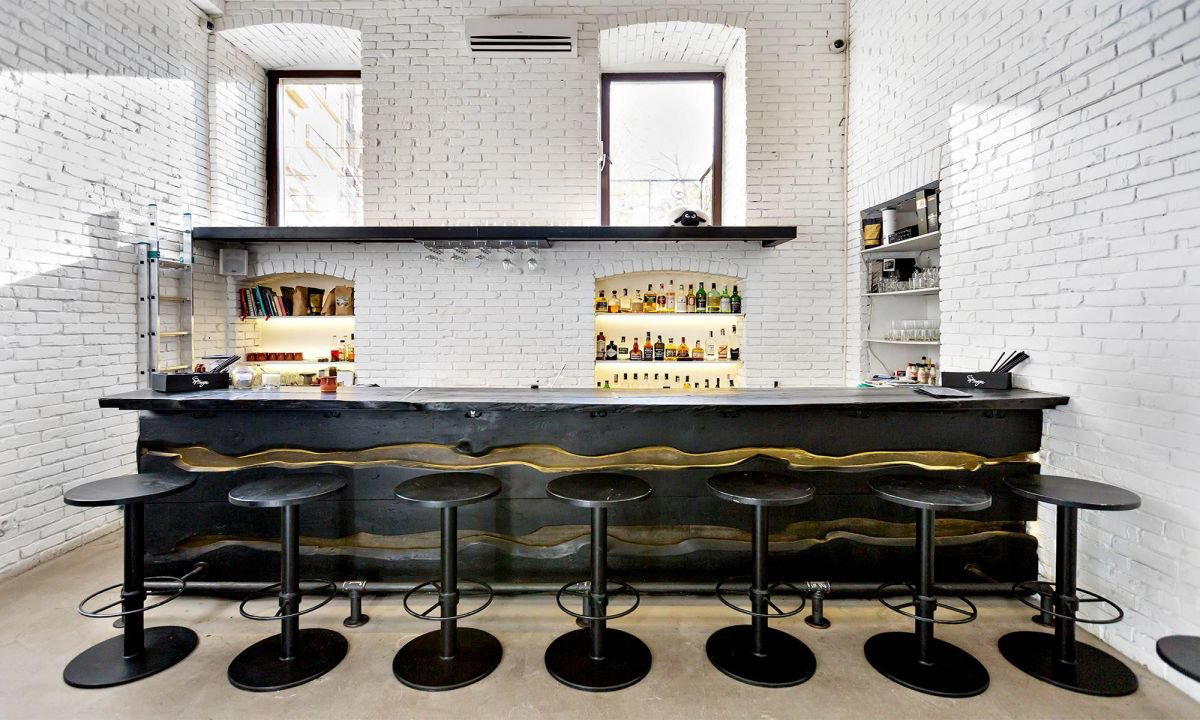
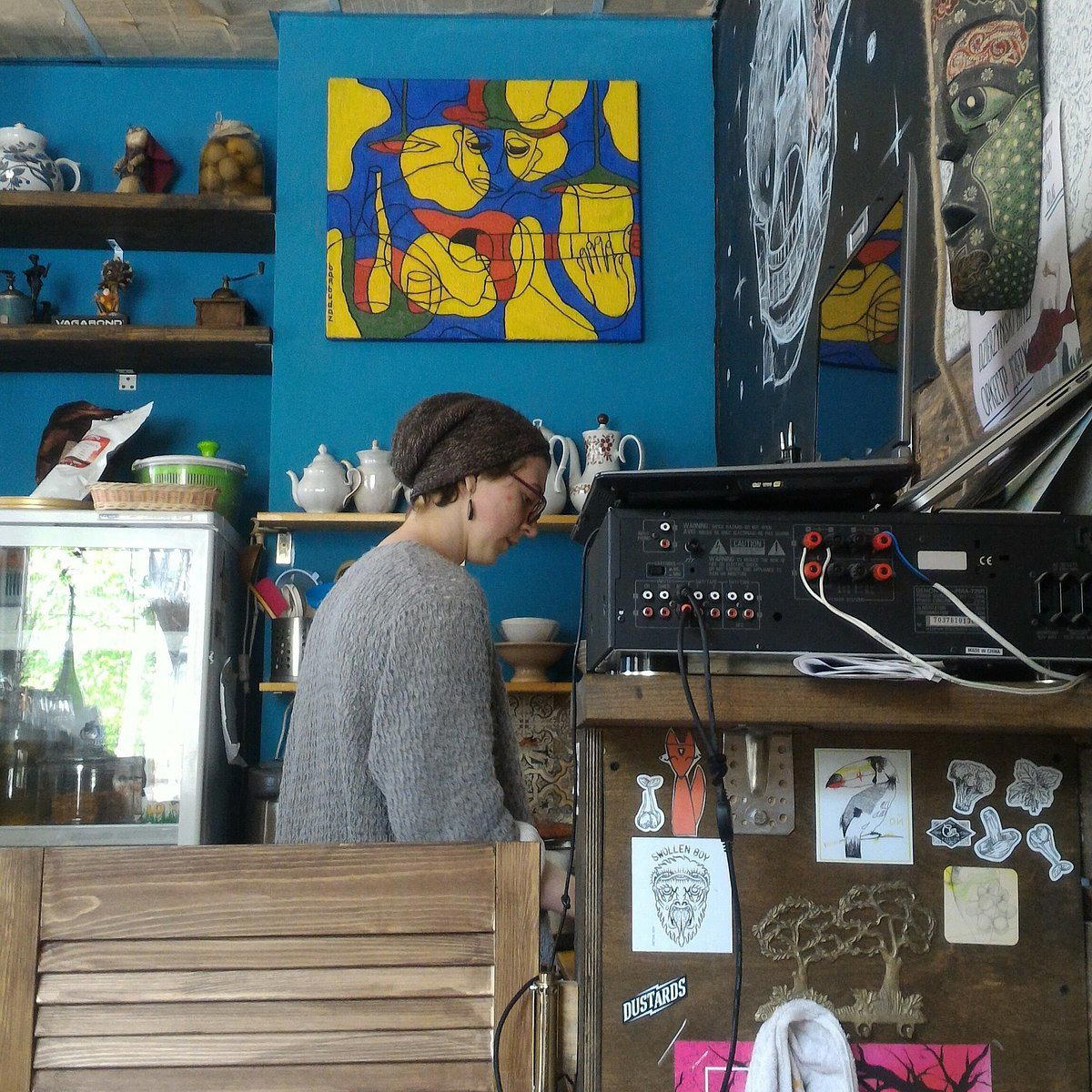
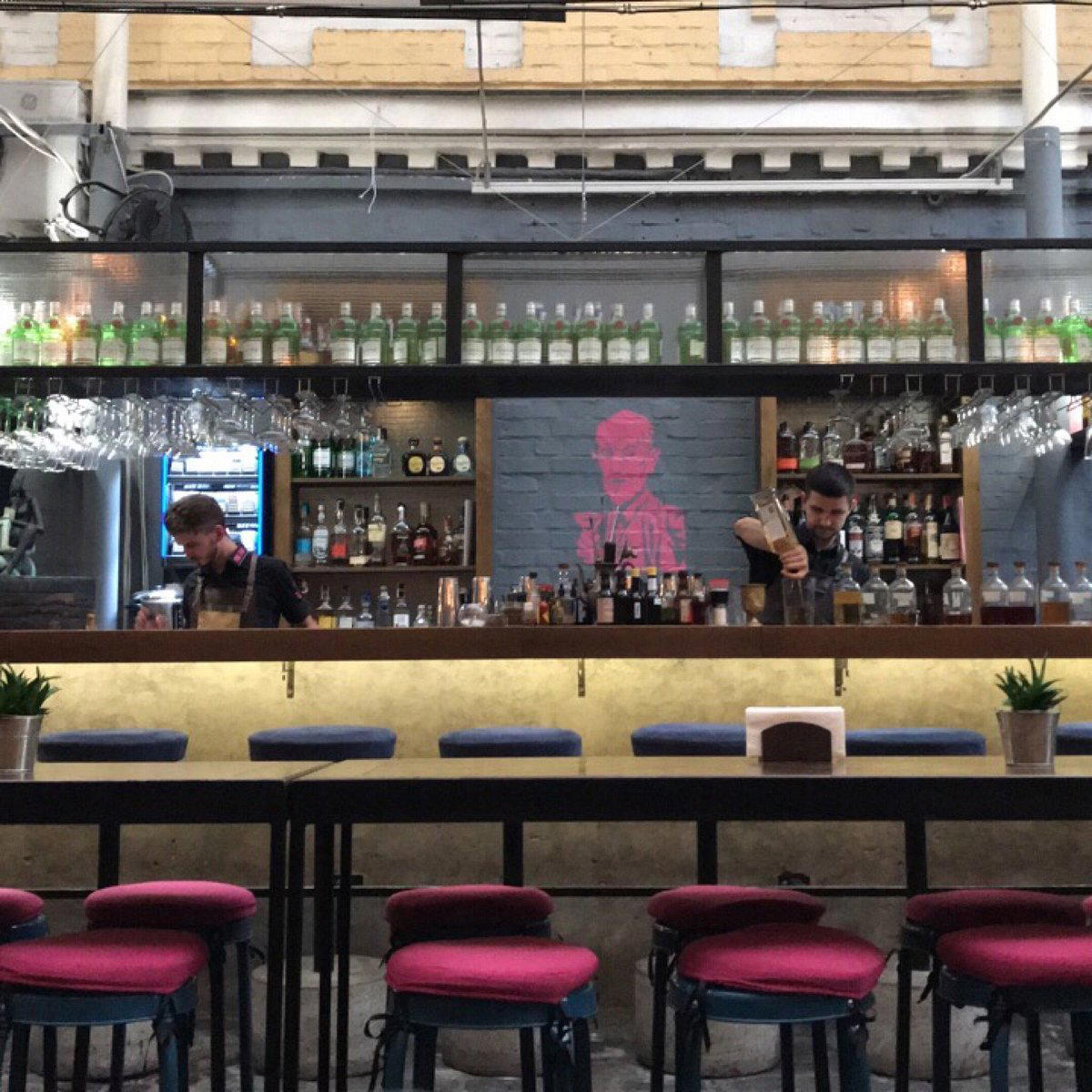
Cozy courtyard with fountain and greenery, evoking modern Italy with soft lighting, intimate dining spaces, and fresh air patios.