Le Caveau sits on Via Conte Verde in Rome's Esquilino quarter, a neighbourhood where the city's older residential grain persists beneath the tourist surface. The address places it at a remove from the well-worn centro storico circuit, which tends to define the kind of dining it likely represents: specific, locally-anchored, and chosen deliberately rather than stumbled upon.
Pearl is the En Primeur Club membership app — saves, bookings, and concierge access live there. Same editors, same standards.
- Address
- Via Conte Verde, 6, 00185 Roma RM, Italy
- Phone
- +393964464744
- Website
- ristorantelecaveau.it
- Directions
- Get directions
 Saves & bookings on Pearl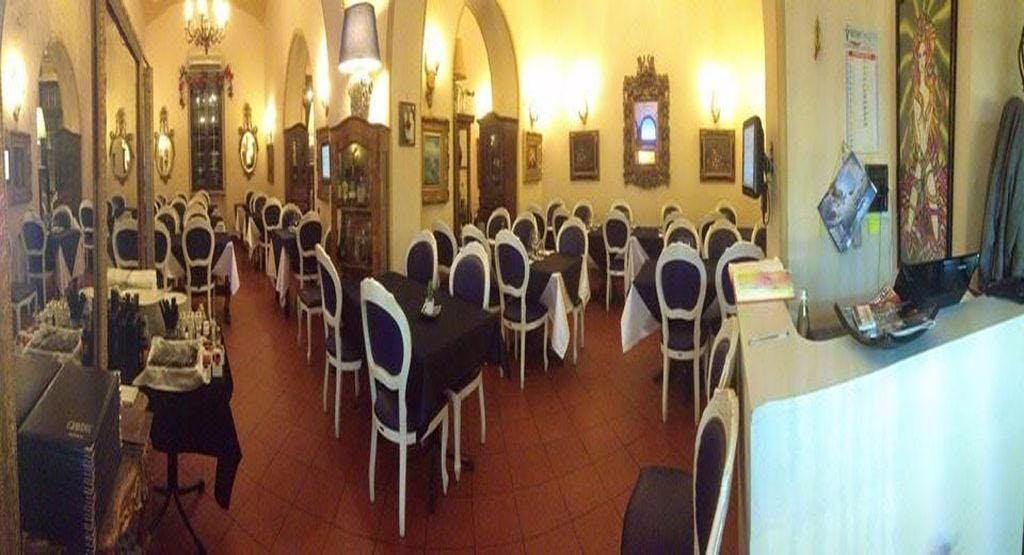
Where Rome Eats Away from the Centre
The Esquilino quarter, bounded by Termini station to the north and the Celio hill to the south, has never been the address Rome's restaurant press circles most eagerly. That relative editorial neglect is part of its character. The neighbourhood's street grid retains a density of everyday life that the centro storico has largely shed: produce markets, neighbourhood bars, and residential blocks whose ground floors house the kind of eating that answers to locals rather than to guidebook cycles. Via Conte Verde sits within this fabric, and a venue at number six is operating in a context where the surrounding city, not the dining room's aesthetic, does much of the framing.
This matters because Rome's fine dining geography has, over the past decade, concentrated unevenly. The headline addresses, La Pergola above the Parioli ridge, Il Pagliaccio in the centro storico, Acquolina near Piazza del Popolo, occupy either premium hotel positions or historically weighted streets. The off-centre addresses, by contrast, tend to earn their regulars through repetition and word of mouth rather than proximity to monuments. Achilli al Parlamento and Enoteca La Torre each demonstrate that serious Roman dining is not a property of postcode alone. Le Caveau, operating from an address that sits firmly outside the tourist circuit, belongs to that category of places where location signals intent.
The Esquilino Sensory Register
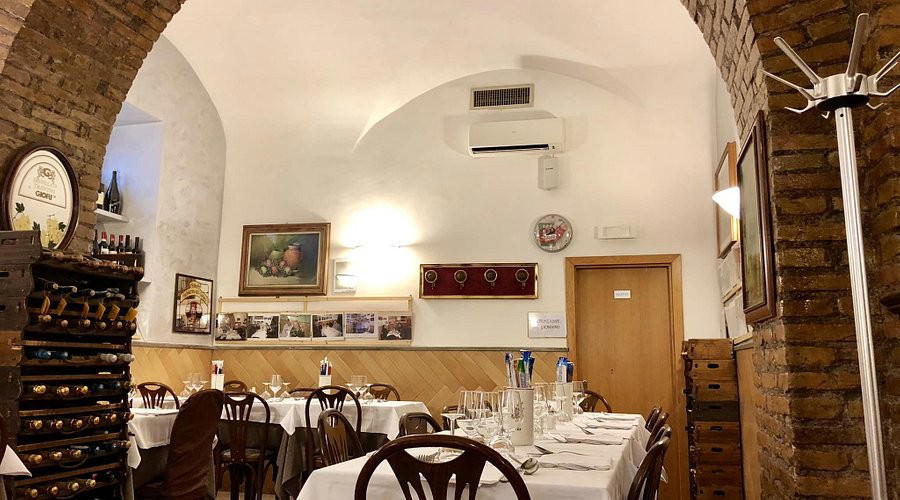
Approaching Via Conte Verde on foot, the shift from the noise of Termini's immediate surroundings is gradual. The street narrows, the building heights hold the evening light differently, and the sound profile changes from transit crowd to neighbourhood ambient. It is the kind of approach that recalibrates expectations, not dramatically, but in the way that older Roman streets do when they are working as they should. A cellar-level or ground-floor room on a street like this carries specific atmospheric associations: stone or plaster walls that absorb rather than reflect, a temperature several degrees cooler than the street in summer, a compression of space that makes a dining room feel specific to its building rather than interchangeable with any other.
The name itself, Le Caveau, from the French for a vaulted cellar or cave, signals an architectural identity. Caveau restaurants across Italy and France tend to share certain environmental qualities: lower ceilings, masonry walls, a certain stillness that makes conversation settle rather than compete. Whether the room at Via Conte Verde deploys this vocabulary in full or in part, the name sets a frame. It positions the experience closer to the Roman trattoria tradition of dining within the building's structure than to the glass-and-light formats that characterise the city's newer contemporary rooms.
Rome's Cellar Dining Tradition
The vaulted room as dining space has a long history in Rome, where the city's stratified archaeology means that ground floors are often built over earlier structures, and basement rooms carry genuine age. The enoteca and cantina tradition, wine-centred, cellar-adjacent, usually meat and aged-cheese heavy in its menu logic, is one of Rome's more durable dining formats. It coexists with, but does not overlap neatly, the contemporary creative cooking that places like Enoteca La Torre represent at the higher price tier.
Across Italy more broadly, the cellar format has produced some of the country's most consistent cooking: Dal Pescatore in Runate and Enoteca Pinchiorri in Florence each operate from rooms that carry architectural weight, and that weight shapes the pace and register of the meal. The format rewards slower, more deliberate eating. It tends to produce wine lists that reflect genuine cellar depth rather than a distributor's seasonal offering. And it typically generates a regulars culture, repeat visitors who come for the same dishes in the same room across years, that the more trend-facing contemporary rooms find harder to sustain.
Italy's serious dining at this structural level, whether it arrives at the standard of Osteria Francescana in Modena or Le Calandre in Rubano, almost always carries a strong sense of physical place. The room is never incidental. At Le Caveau, the address and name together suggest a version of this sensibility operating at neighbourhood rather than destination scale.
Rome in a Wider Italian Context
Rome's restaurant scene occupies a peculiar position relative to Italy's other major food cities. Milan's contemporary dining, represented by addresses like Enrico Bartolini, trends toward precision and technique. The northern regions produce landmark addresses such as Piazza Duomo in Alba, Atelier Moessmer Norbert Niederkofler in Brunico, and Uliassi in Senigallia. Rome, by contrast, has historically anchored its dining identity in tradition, in Roman-Jewish cooking, in offal, in pasta formats that predate the post-war technique revolution. The city's leading neighbourhood rooms often express that tradition more faithfully than its headline addresses, which sometimes feel obligated to signal modernity in ways the local appetite does not particularly demand.
Le Caveau's Esquilino location places it in the tradition-forward bracket by default. The neighbourhood's demographic mix, long-term Roman residents, newer immigrant communities, workers from the adjacent hospital complex, creates a market that values consistency over novelty. Addresses that survive in this context do so because the cooking and the room earn repeat visits, not because a press cycle sustains them.
Planning a Visit
Via Conte Verde 6 is accessible on foot from Termini station in under ten minutes, or via the Manzoni stop on Metro Line A. For visitors staying near the centro storico, the Esquilino sits at roughly a twenty-minute walk east, passing through the Colle Oppio park if approaching from the Colosseum direction. The restaurant is recommended for reservations and is open Mon: 12-3:30 PM, 6:30-11 PM; Tue: 12-3:30 PM, 6:30-11 PM; Wed: 12-3:30 PM, 6:30-11 PM; Thu: 12-3:30 PM, 6:30-11 PM; Fri: 12-3:30 PM, 6:30-11 PM; Sat: 12-3 PM, 6:30-11 PM; Sun: 12-3:30 PM, 6:30-11 PM.
For comparison against Rome's creative end of the market, Acquolina and Il Pagliaccio represent the contemporary Italian benchmark. Those who want to understand where Rome's neighbourhood-register dining sits against international cellar-format addresses might also look at Quattro Passi in Marina del Cantone or Reale in Castel di Sangro for southern Italian structural comparisons, and at Le Bernardin in New York City or Atomix in New York City for a sense of how the cellar-and-tradition register translates across different urban dining cultures.
Peers Worth Knowing
Comparable venues nearby, for context on price, style, and recognition.
| Venue | Cuisine | Price | Notes |
|---|---|---|---|
| Le CaveauThis venue — the venue you are viewing | Roman Italian Trattoria | $$ | Not listed |
| Trattoria Monti | Le Marche Trattoria | $$ | Esquilino |
| Hostaria Isidoro | Traditional Roman Trattoria | $$ | Monti |
| Trattoria Der Pallaro | Traditional Roman Trattoria | $$ | Parione |
| Osteria Trastevere | Traditional Roman Cuisine | $$ | Trastevere |
| Fradiavolo Roma Parioli | Contemporary Italian Pizzeria | $$ | Salario |
Continue exploring
More in Rome
Restaurants in Rome
Browse all →
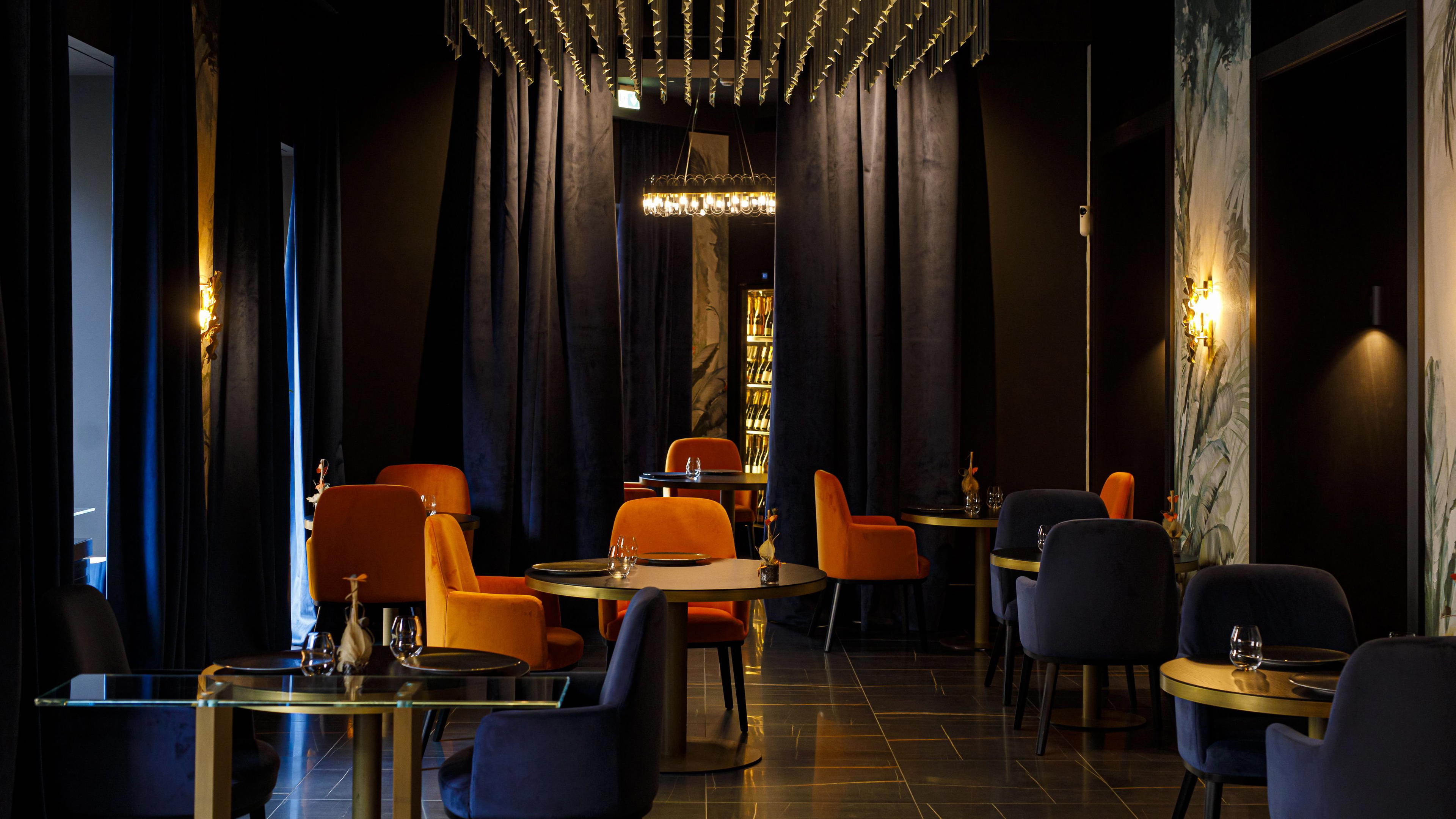
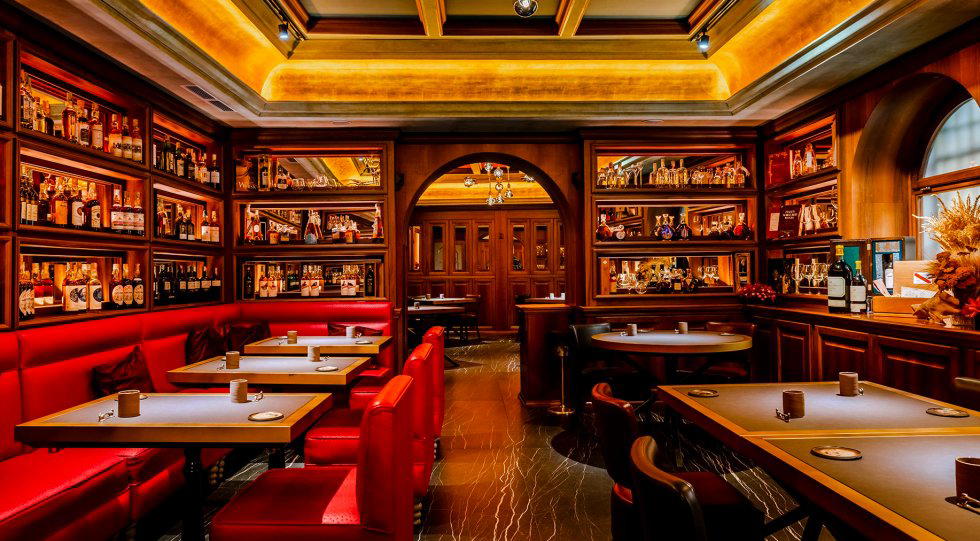
Bars in Rome
Browse all →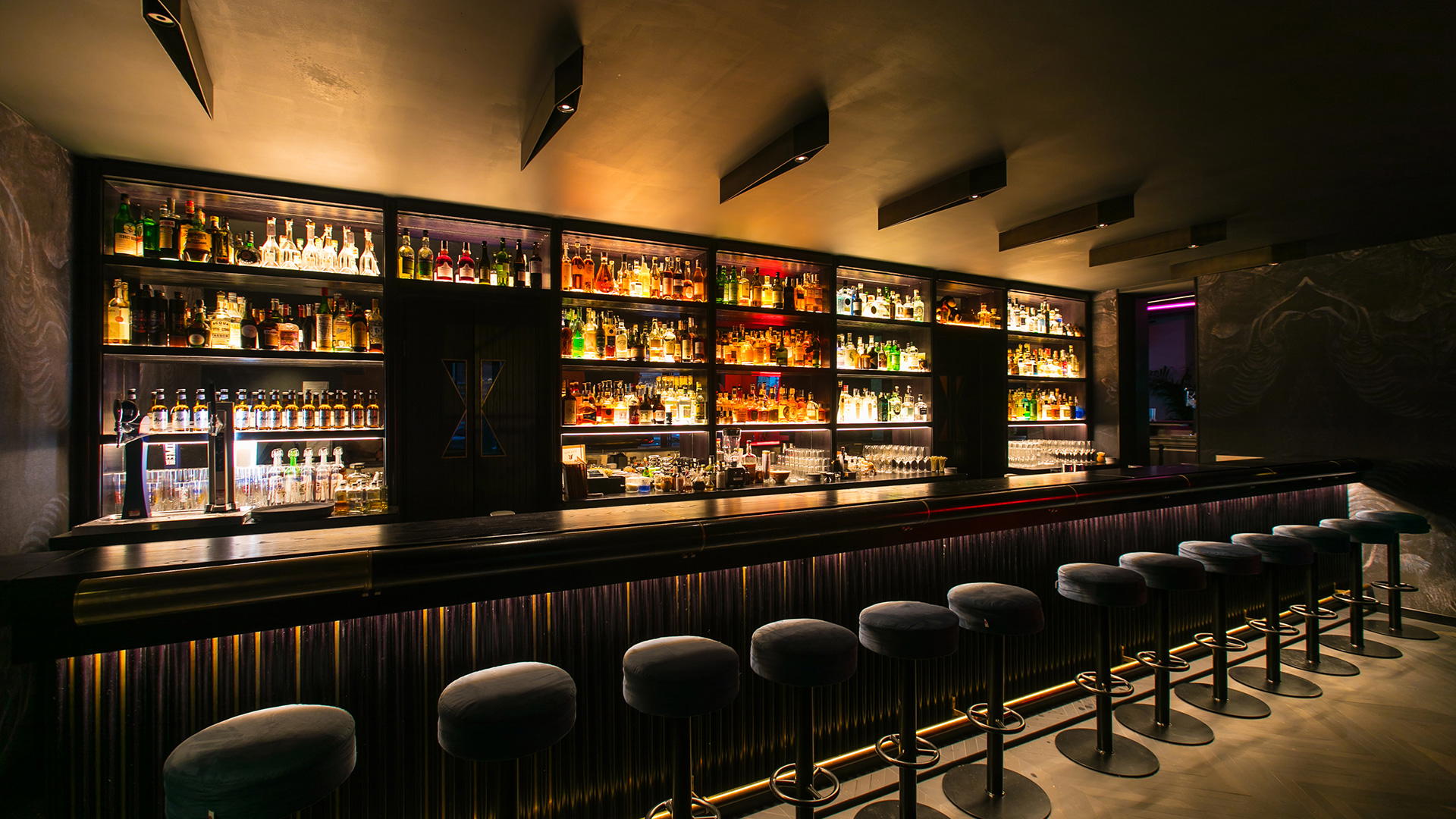
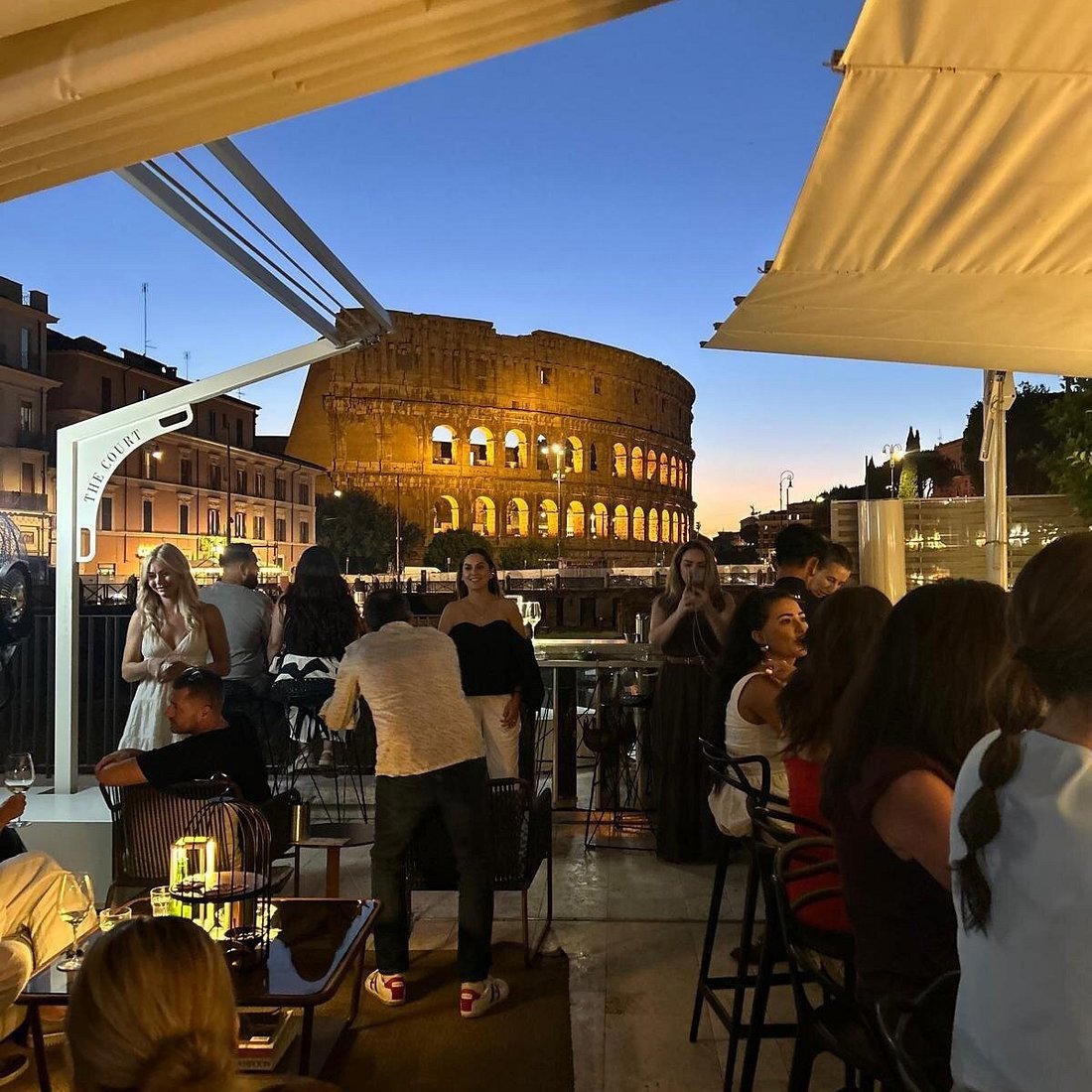
Hotels in Rome
Browse all →

At a Glance
- Cozy
- Intimate
- Classic
- Date Night
- Family
- Group Dining
- Casual Hangout
- Historic Building
- Standalone
- Terrace
- Beer Program
- Local Sourcing
Current opening hours
- Monday
- 12–3:30 PM, 6:30–11 PM
- Tuesday
- 12–3:30 PM, 6:30–11 PM
- Wednesday
- 12–3:30 PM, 6:30–11 PM
- Thursday
- 12–3:30 PM, 6:30–11 PM
- Friday
- 12–3:30 PM, 6:30–11 PM
- Saturday
- 12–3 PM, 6:30–11 PM
- Sunday
- 12–3:30 PM, 6:30–11 PM
Hours can change for holidays and private events. Last verified .
Evocative historic arches and vaults enhanced by lush chandeliers and lively modern artwork, creating a warm and inviting atmosphere.