On a quiet street in the Esquilino district, Trattoria Monti has become a reference point for Romans who want cooking rooted in the Le Marche tradition without ceremony or theatre. The room is small, the tables are close, and the clientele returns with the kind of regularity that defines a neighbourhood institution rather than a destination restaurant. Booking ahead is strongly advised.
Pearl is the En Primeur Club membership app — saves, bookings, and concierge access live there. Same editors, same standards.
- Address
- Via di S. Vito, 13, 00185 Roma RM, Italy
- Phone
- +393964466573
- Directions
- Get directions
 Saves & bookings on Pearl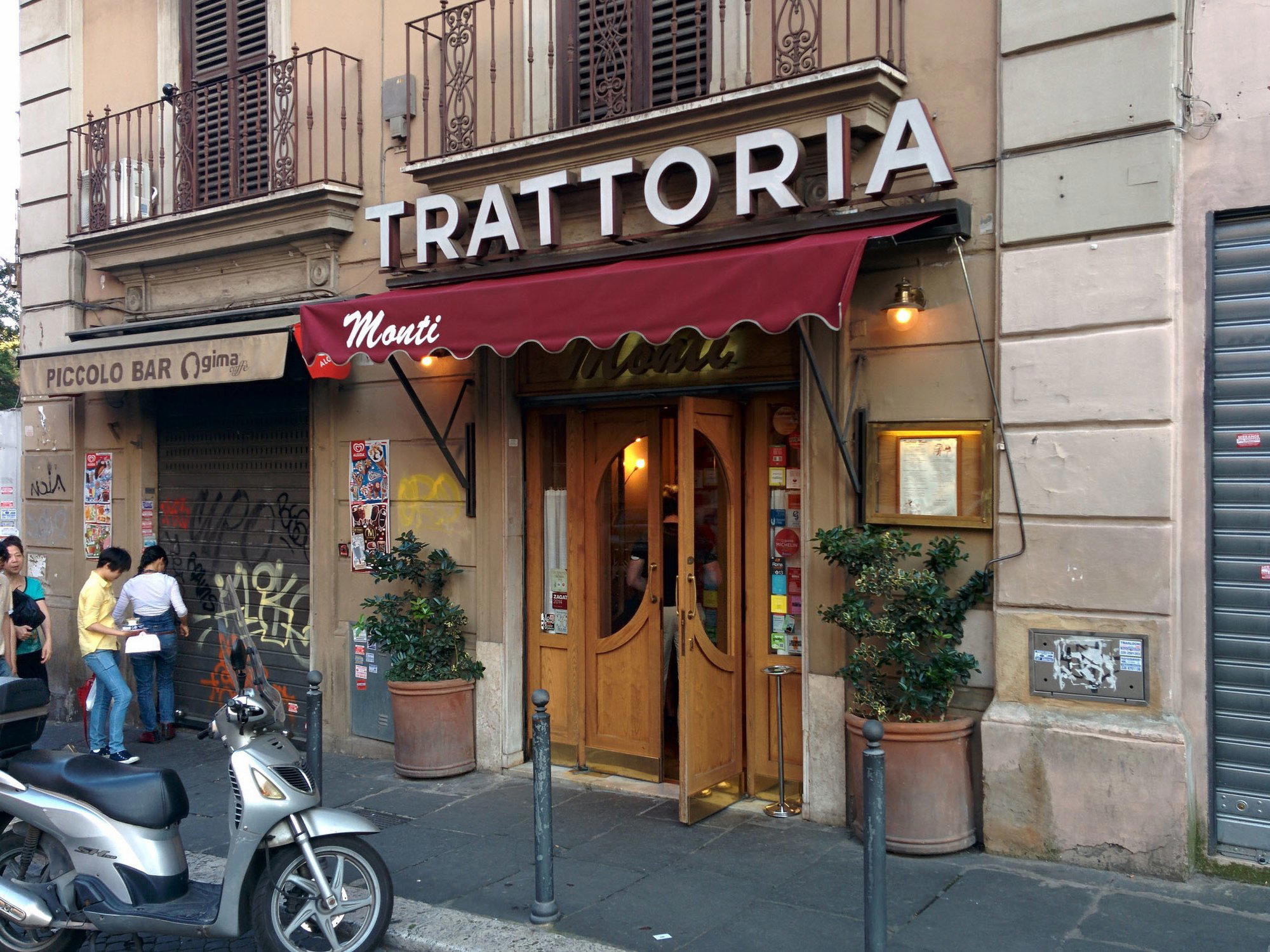
The Room Before the Menu
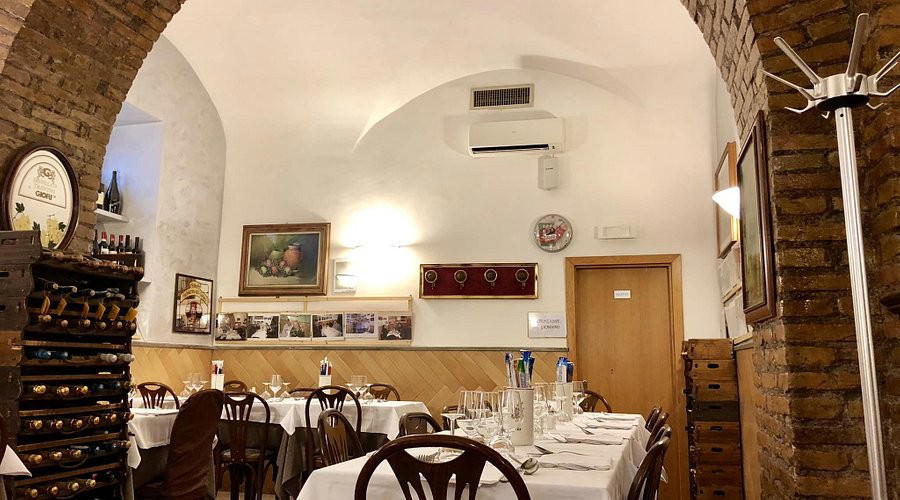
Via di San Vito is not a street that draws tourists. The Esquilino district sits east of the Colosseum and south of Termini, a neighbourhood where Romans live and work rather than one they perform for visitors. Trattoria Monti occupies a narrow space on that street, and the room itself communicates everything before the food arrives: tables close enough that conversation carries, walls worn to a particular patina that only comes from decades of consistent use, and a rhythm of service that assumes you have been here before. First-time visitors often feel this assumption immediately. Regulars feel it as a kind of homecoming.
This atmosphere is not designed. It is the residue of repetition, the same families returning across seasons, the same dishes appearing on tables without consultation, the same gentle insistence from the room that you are, for the duration of lunch or dinner, not a guest but a local. In Rome, where the trattoria form has been diluted by tourist demand and replicated badly across much of the centro storico, a room that operates this way carries real weight.
Le Marche in Rome: A Cooking Tradition Worth Understanding
Italy's regional cooking traditions rarely travel cleanly between cities. Le Marche, the Adriatic region that runs from the foothills of the Apennines down to a long coastline, produces a cuisine that sits between the meat-forward traditions of Umbria and Abruzzo and the seafood-heavy cooking of the northern Adriatic. It is a landlocked-coastal hybrid: stuffed pastas, cooked offal, cured meats from the hills, and fish preparations that reflect proximity to the sea without being defined by it.
In Rome, this tradition is rare. The capital's own cucina romana, coda alla vaccinara, cacio e pepe, supplì, dominates the trattoria format so thoroughly that any kitchen working in a different regional register occupies a distinct position. Trattoria Monti has held that position for long enough that it is now the first address many Romans name when asked where to find Marchigiana cooking in the city. That kind of reputation is built through consistency across years, not through a single season of strong reviews.
The vincisgrassi, the Marchigiana take on lasagne, built on layers of pasta, slow-cooked meat ragù, and a rich béchamel that differs from both the Bolognese and Roman versions, appears as a marker of that tradition. So do stuffed pastas filled with mixtures that draw on both the coastal and hill-farming sides of the region. These are not dishes that announce themselves; they reward familiarity and repeat visits more than single-sitting discovery.
What Keeps the Regulars Returning
The strongest evidence that a restaurant is genuinely embedded in its neighbourhood is not its awards or its press coverage. It is the composition of the room on a Tuesday evening in November. At Trattoria Monti, that room is reliably full of people who are not consulting menus carefully, who are ordering from memory, and who are negotiating specific requests with the kind of shorthand that implies a long shared history. This is the unwritten menu: the dish that is available but not listed, the portion size adjusted without being asked, the wine poured generously because the face is known.
For the first-time visitor, the practical implication is to ask. The kitchen's range is wider than the written menu suggests on any given visit, and the staff operate in a register that rewards directness. Arriving with a clear sense of what you want, or a willingness to be guided, produces better results than approaching the meal with the passivity of a tourist being served. The room does not penalise newcomers; it simply does not perform for them.
Within Rome's broader dining structure, Trattoria Monti sits in a tier that has become harder to find. The city's formal end is well-served: La Pergola anchors the Michelin three-star category, while Il Pagliaccio, Acquolina, Enoteca La Torre, and Achilli al Parlamento cover the creative and contemporary Italian brackets. The low end is saturated. What has thinned is the middle: serious, technically competent cooking served without production, at a price that reflects the food rather than the theatre around it. That is the tier the restaurant occupies, and the Romans who fill it know precisely what they are choosing.
Situating Trattoria Monti in Italy's Wider Restaurant Culture
The trattoria form is not a lesser version of the ristorante. In Italy's culinary structure, it represents a distinct mode: regional cooking, generous portions, informal service, and a relationship with the neighbourhood that formal restaurants rarely develop. Serious Italian cooking at the international level, houses like Osteria Francescana in Modena, Le Calandre in Rubano, or Piazza Duomo in Alba, occupies a completely different register, one defined by tasting menus, international recognition, and a cooking language oriented toward innovation. Coastal specialists like Uliassi in Senigallia and Quattro Passi in Marina del Cantone, or mountain-rooted kitchens like Atelier Moessmer Norbert Niederkofler in Brunico, approach Italian ingredients through an entirely different lens. Even the Italian fine-dining presence in cities, Enrico Bartolini in Milan, Enoteca Pinchiorri in Florence, or Reale in Castel di Sangro, operates in a space defined by ambition, production, and high technique.
What the trattoria at its leading offers is different: cooking that has no ambition to be elsewhere, no interest in being photographed or ranked, and no concern for the visitor who will not return. The restaurant fits that model. The Marchigiana tradition it carries is not famous enough to draw food tourists from abroad in large numbers, which is precisely why the room can operate with the rhythms it does. The regulars are, in a real sense, its protection.
For reference points at the opposite end of the Italian culinary spectrum, Dal Pescatore in Runate offers a long-established family kitchen that has grown into the formal tier while retaining its regional roots.
Know Before You Go
Address: Via di S. Vito, 13, 00185 Roma RM, Italy
Neighbourhood: Esquilino, east of the Colosseum
Booking: Advance reservations are strongly advised. The room is small and fills with regulars, particularly midweek evenings and weekend lunchtimes. Walk-ins are possible but not reliable.
Getting There: The Esquilino district is walkable from both the Colosseum and Termini station. It is not a neighbourhood with significant tourist infrastructure, which suits the restaurant's character.
Accolades, Compared
Comparable venues nearby, for context on price, style, and recognition.
| Venue | Cuisine | Price | Notes |
|---|---|---|---|
| Trattoria MontiThis venue — the venue you are viewing | Le Marche Trattoria | $$ | Not listed |
| Da Benito e Gilberto | Italian Seafood | $$ | Borgo |
| Er Faciolaro | Classic Roman Trattoria | $$ | Colonna |
| Gruppo Di Rienzo | Traditional Roman Italian | $$ | San Eustachio |
| Open Baladin | Italian Craft Beer Gastropub | $$ | Regola |
| Casadora | Modern Artisan Pasta | $$ | Monte Mario |
Continue exploring
More in Rome
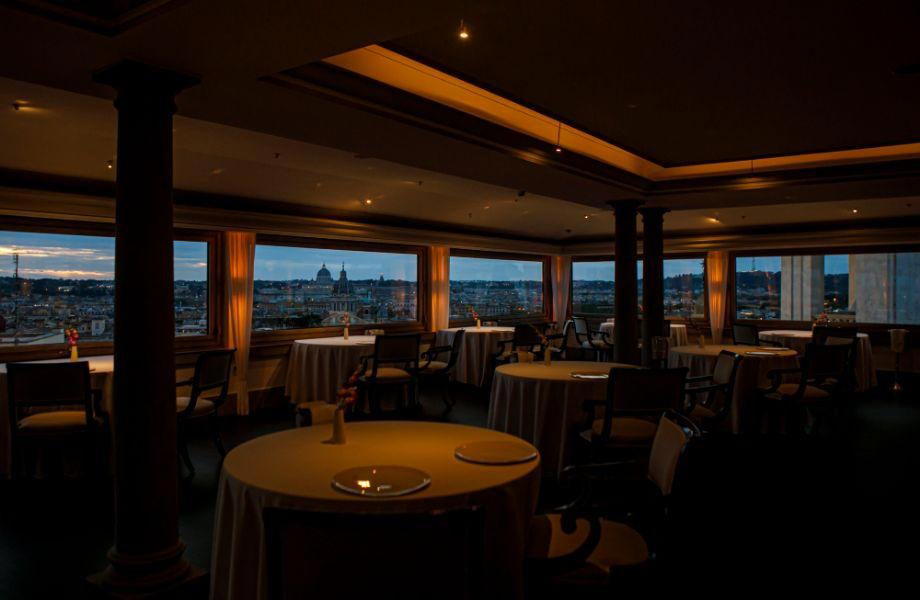
Restaurants in Rome
Browse all →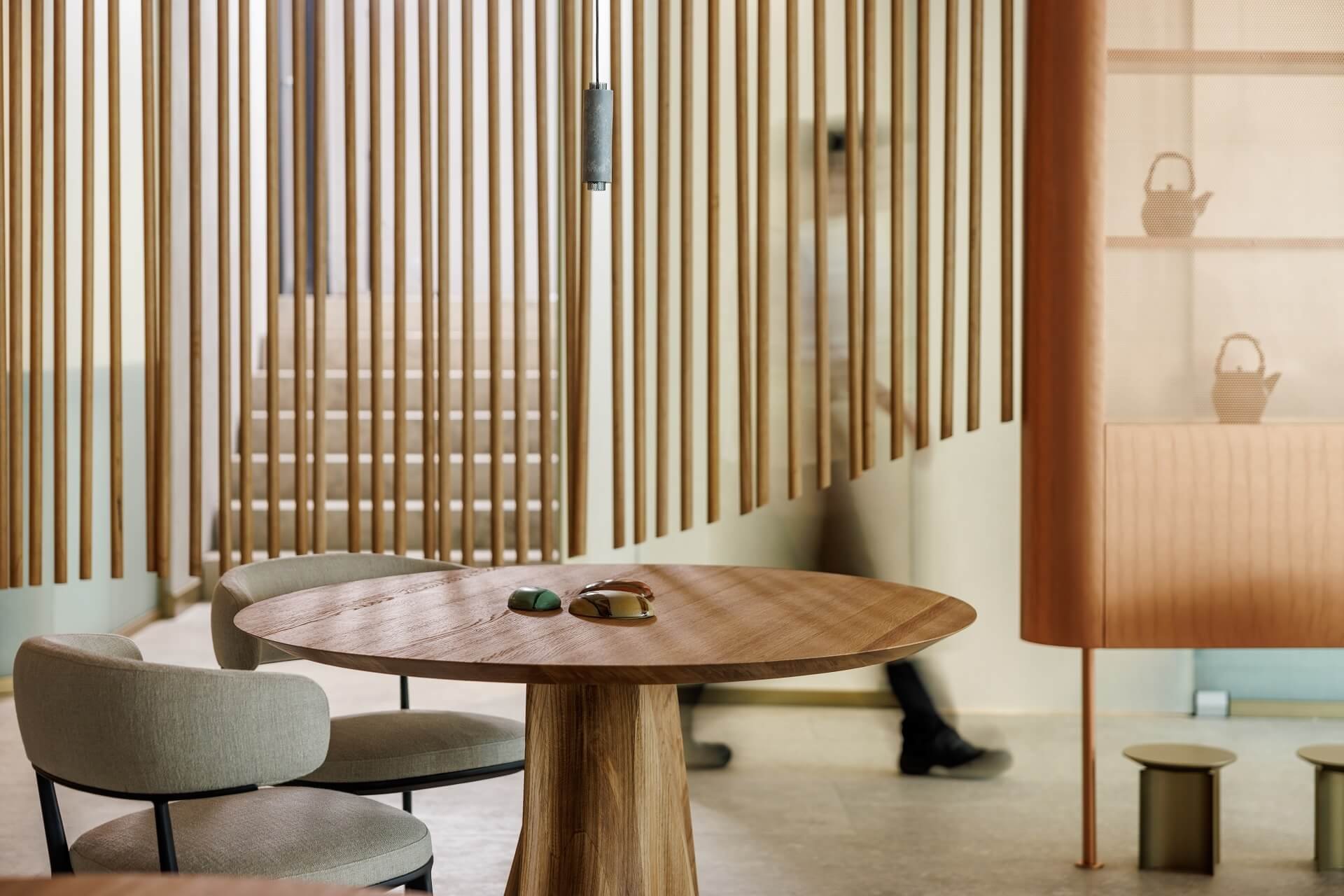
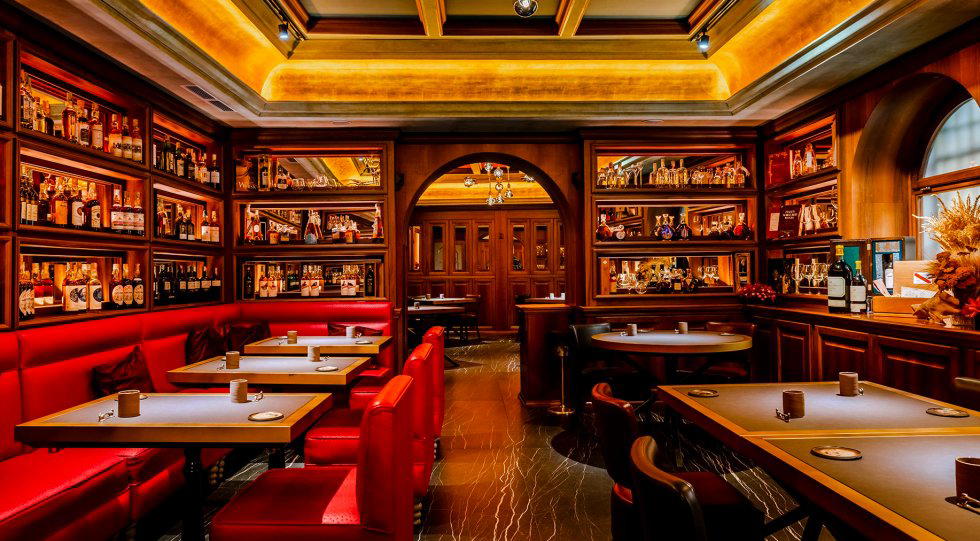
Bars in Rome
Browse all →
Hotels in Rome
Browse all →
Wineries in Rome
Browse all →
At a Glance
- Rustic
- Cozy
- Classic
- Date Night
- Special Occasion
- Extensive Wine List
Current opening hours
- Monday
- Closed
- Tuesday
- 1–2:45 PM, 8–10:45 PM
- Wednesday
- 1–2:45 PM, 8–10:45 PM
- Thursday
- 1–2:45 PM, 8–10:45 PM
- Friday
- 1–2:45 PM, 8–10:45 PM
- Saturday
- 1–2:45 PM, 8–10:45 PM
- Sunday
- Closed
Hours can change for holidays and private events. Last verified .
Small, bright, calm space with tranquil colors, no fuss, and a welcoming family atmosphere.