Our verdict
On a cobblestoned stretch leading toward San Giovanni in Laterano, Hostaria Isidoro represents the kind of Roman trattoria that has quietly repositioned itself over the decades, neither frozen in amber nor chasing trend. The kitchen stays close to Lazio tradition while the room carries the worn-in comfort that makes a neighborhood restaurant feel genuinely local rather than performed.

Pearl is the En Primeur Club membership app, where members save venues, book tables and use the concierge.

The menu
What to order
- Bucatini all'Amatriciana
- Spaghetti alla Carbonara
- Pasta tasting
A Roman Address That Has Learned to Stay Relevant
The stretch of Via di San Giovanni in Laterano that runs southeast from the Colosseum toward the basilica is one of Rome's more instructive streets for reading how the city's restaurant scene has shifted. Tourist-facing trattorias have come and gone along this corridor, some propped up by foot traffic from the archaeological sites, others outlasting their more fashionable peers by simply keeping the cooking honest. Hostaria Isidoro sits in this environment and, by the measure of Roman neighborhood dining, has navigated its own version of the question every traditional restaurant faces: how much of yourself do you change when the city around you changes faster than you expected?
That question defines what has happened to the Roman trattoria format over the past two decades. What once operated as the backbone of everyday eating in the city has fractured into distinct tiers: high-volume tourist traps with laminated menus and indifferent kitchens, a small premium layer of creative Italian restaurants like Il Pagliaccio and Acquolina that have repositioned Rome as a serious fine-dining city, and a middle band of family-run places that have tried to stay authentic without becoming a parody of themselves. Hostaria Isidoro belongs to that third category, and its continued presence on the same address is itself a data point worth taking seriously.
The Lazio Tradition Behind the Plate
Rome's culinary identity is built around a small, specific canon: offal preparations from the quinto quarto tradition, pasta shapes like cacio e pepe, carbonara, and amatriciana, and a culture of cooking that prizes restraint in technique while demanding quality in ingredient. The city has never been the creative laboratory that Milan represents, nor the produce-driven destination that Alba has become around restaurants like Piazza Duomo. Rome's leading restaurants succeed by working within a defined tradition rather than around it.
Hostaria Isidoro operates in that tradition. Its address in the Celio rione places it at the edge of the centro storico, far enough from the Piazza Navona tourist circuit that the clientele skews toward people who have looked for it rather than stumbled upon it. That self-selection matters: it is one of the quiet signals that separates a trattoria with a working local reputation from one running on proximity to a monument. Across Italy, the restaurants that have earned sustained credibility at this price register and format, from country-cooking houses like La Palta in Emilia to fish-forward destination tables like Uliassi in Senigallia, share a similar characteristic: they are specific rather than broad.
How the Format Has Evolved
The evolution of a place like Hostaria Isidoro is rarely dramatic. There is no single pivot, no celebrity chef acquisition, no refit that signals a new chapter. The changes are slower and more telling: a gradual tightening of the menu as older, sprawling Italian carta formats give way to shorter, more considered lists; a shift in wine selection toward regional producers rather than volume labels; and a recalibration of service that tries to deliver something warmer and more attentive than what the trattoria format was historically expected to provide.
This is the pattern across Rome's mid-register dining: the venues that have survived and maintained relevance are the ones that allowed the cooking and sourcing to quietly improve without rebranding. The city's more visible fine-dining evolution, tracked through addresses like Enoteca La Torre, Achilli al Parlamento, and the long-standing benchmark of La Pergola, has put pressure on the traditional register to justify itself. Hostaria Isidoro's answer to that pressure appears to be staying in its lane with more deliberate focus rather than reaching upward.
That choice puts it in interesting company across the Italian dining map. At the top of the national hierarchy, addresses like Osteria Francescana in Modena, Le Calandre in Rubano, and Reale in Castel di Sangro represent the creative end of Italian cuisine at its most ambitious. Below that tier, the interesting question for Italian dining is whether the traditional register can hold its identity under commercial pressure, and Hostaria Isidoro is part of that answer in Rome specifically.
The Room and the Experience
The physical address on Via di San Giovanni in Laterano places the restaurant within walking distance of the Colosseum, the Lateran Basilica, and the Caelian Hill, one of the quieter and less-trafficked of Rome's seven hills. The immediate environment is low-rise and residential by Roman standards, which means the dining room does not carry the ambient drama of a Trastevere address or the sharp tourist energy of the centro. That context shapes what dining there feels like: slower, more interior, more focused on what is on the table than on being seen at it.
In a city where the logistics of eating well require planning, peak season tables at the better addresses book out weeks ahead, and Roman dining culture expects a later start to the evening than northern European visitors typically expect, a trattoria at this register offers something the fine-dining tier does not: accessibility without the advance architecture. For visitors comparing their Rome itinerary, the practical tier occupied by Hostaria Isidoro sits clearly below the tasting-menu investment of Il Pagliaccio or La Pergola and clearly above the tourist-facing pizzerie clustered around the monuments. That positioning is worth understanding before you plan your reservation approach.
Where It Sits in the Wider Italian Picture
Italy's restaurant scene is one of the more stratified in Europe. At the international end, Italian kitchens export their influence globally, the philosophy behind coastal Italian cooking at its most precise finds echoes even at addresses like Le Bernardin in New York City. At the domestic end, the country supports an enormous number of small, specific, tradition-bound restaurants that rarely appear on international radar but form the actual backbone of how Italians eat out.
Hostaria Isidoro belongs to that domestic tier. Its frame of reference is the Roman kitchen rather than a broader European fine-dining conversation. Comparing it to Enoteca Pinchiorri in Florence or Enrico Bartolini in Milan would miss the point in both directions.
For a broader map of where Rome's restaurants sit relative to one another, our full Rome restaurants guide covers the city's dining tiers in detail, from Michelin-level creative tables to the addresses where Romans actually eat on a Tuesday. Hostaria Isidoro is worth understanding in that fuller context rather than in isolation.
Planning Your Visit
The restaurant's address at Via di San Giovanni in Laterano 59/A places it in the Celio district, reachable by foot from the Colosseo metro station in under ten minutes, or by bus along Via Labicana. As with most Rome trattorias operating at this level, booking ahead is advisable particularly on weekend evenings and during peak travel months between April and October. Arriving without a reservation on a quiet weekday lunch is a different calculation, but for dinner on any evening worth planning around, a call or email in advance removes the guesswork. Dress is informal by Roman standards: the room does not require or expect formality, but the neighborhood and the format both sit above the shorts-and-sandals register that the nearby tourist sites attract.
Frequently asked questions
Is Hostaria Isidoro suitable for children?
Roman trattorias in the Celio district tend to run at a relaxed pace with menus drawn from a familiar Italian canon, pasta, roasted meats, and straightforward vegetable preparations that children generally accept without difficulty. The address on Via di San Giovanni in Laterano, a neighbourhood street rather than a high-traffic tourist strip, means the atmosphere skews local and unhurried. Families visiting the Colosseum or the Lateran Basilica will find the location practical for a mid-day or early evening meal.
Is Hostaria Isidoro formal or casual?
Casual is the operative register here. The Celio neighbourhood, southeast of the Colosseum, does not carry the see-and-be-seen pressure of Prati or the Parioli dining circuit. A trattoria at this address on Via di San Giovanni in Laterano 59/A is structured for neighbourhood eating: no dress code expectations, no theatrical service choreography. Comfortable clothes appropriate for a day of sightseeing in Rome are sufficient.
Where exactly is Hostaria Isidoro and how do I get there from central Rome?
The restaurant is at Via di San Giovanni in Laterano 59/A in the Celio district, placing it roughly halfway between the Colosseum and the Lateran Basilica. The Colosseo stop on Metro Line B is the most direct public transit option, with the walk along Via di San Giovanni in Laterano taking under ten minutes. The location makes it a practical choice before or after visiting the Palatine Hill archaeological complex.
What's the signature dish at Hostaria Isidoro?
No single dish has been confirmed through verifiable sources. What the Roman address makes clear is that the kitchen almost certainly draws from the city's established canon: the quinto quarto offal tradition, pasta formats such as cacio e pepe and carbonara, and the braised preparations central to Lazio cooking. Those categories define what a trattoria on this stretch of Via di San Giovanni in Laterano is expected to execute well.
What's Hostaria Isidoro's location?
Hostaria Isidoro is located at Via di S. Giovanni in Laterano, 59/A, 00184 Roma RM, Italy, Rome.
Do I need a reservation for Hostaria Isidoro?
For dinner on weekends or during the April-to-October tourist season, booking ahead removes meaningful uncertainty. The Celio district draws visitors to the Colosseum and the Lateran Basilica year-round, and well-regarded local trattorias in the area fill quickly once the tourist volume picks up.
What do critics highlight about Hostaria Isidoro?
The restaurant's continued presence on Via di San Giovanni in Laterano 59/A, a street with a high turnover of dining options catering to Colosseum traffic, is itself a contextual signal: places that trade on kitchen quality rather than footfall tend to outlast those that do not. Travellers seeking current critical commentary should check Italian food publications such as Gambero Rosso for any recent coverage.
Reputation First
Comparable venues nearby, for context on price, style, and recognition.
| Venue | Cuisine | Price | Notes |
|---|---|---|---|
| Hostaria IsidoroThis venue (the venue you are viewing) | Traditional Roman Trattoria | $30–50 | Not listed |
| SantiNumi | Traditional Roman Trattoria | $30–50 | Esquilino |
| Ristorante da Mario | Modern Roman Trattoria | $30–50 | Sallustiano |
| Taverna Volpetti | Traditional Roman Trattoria | $50–100 | Testaccio |
| Open Baladin | Italian Craft Beer Gastropub | $20–30 | Regola |
| Marigold Roma | Italian Farm-to-Table Bakery Cafe | Not listed | Ostiense |
Continue exploring
More in Rome
Restaurants in Rome
All restaurants in Rome →
Bars in Rome
All bars in Rome →

Details
- Cozy
- Romantic
- Rustic
- Classic
- Date Night
- Group Dining
- Family
- Historic Building
- A La Carte
- Vegetarian Friendly
- Vegan Options
- Gluten Free Options
Current opening hours
- Monday
- 12–3 PM, 7–11 PM
- Tuesday
- 12–3 PM, 7–11 PM
- Wednesday
- 12–3 PM, 7–11 PM
- Thursday
- 12–3 PM, 7–11 PM
- Friday
- 12–3 PM, 7–11:30 PM
- Saturday
- 12–3 PM, 7–11:30 PM
- Sunday
- 12–3:30 PM, 7–11 PM
Hours can change for holidays and private events. Hours as of .
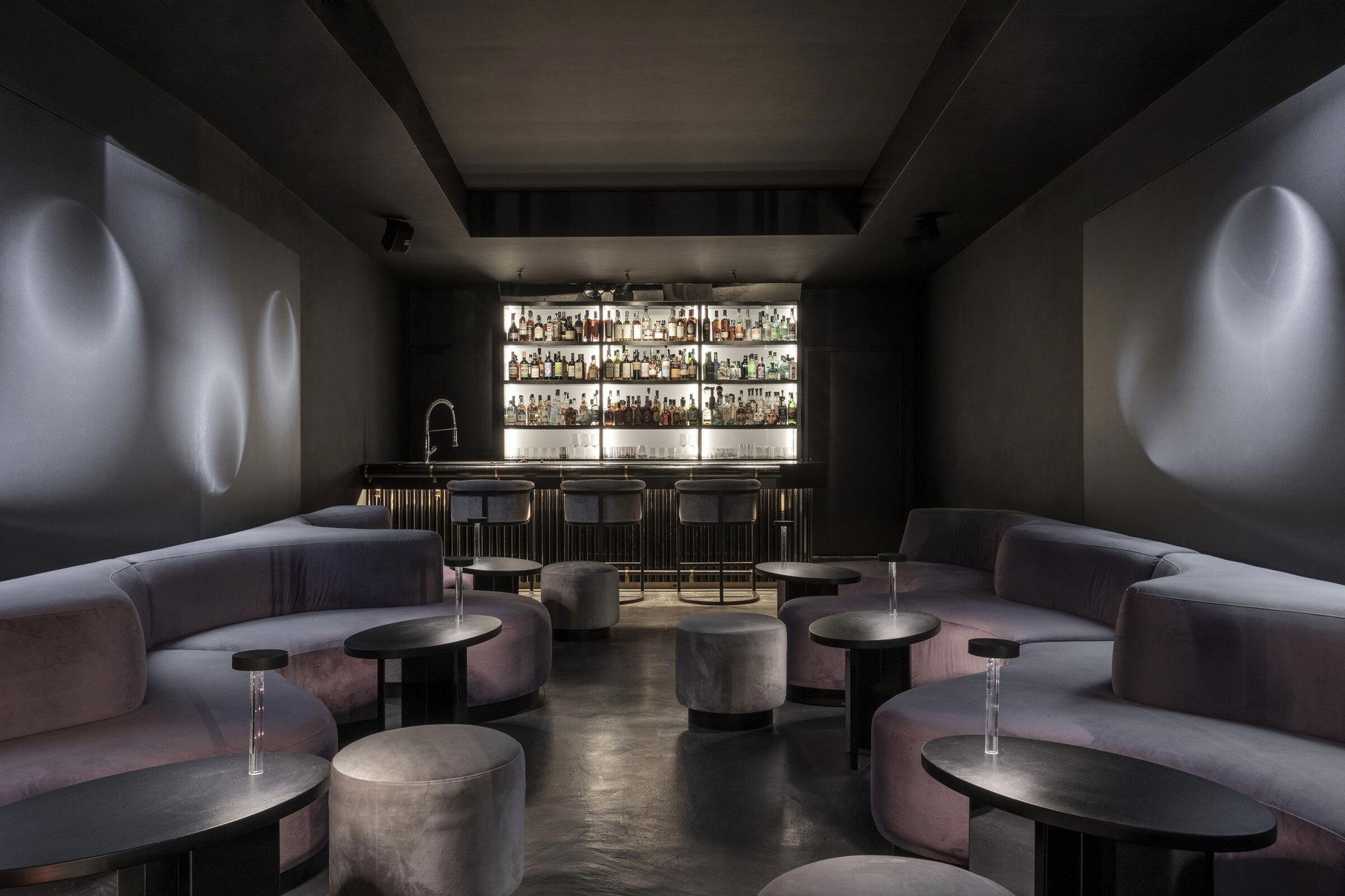
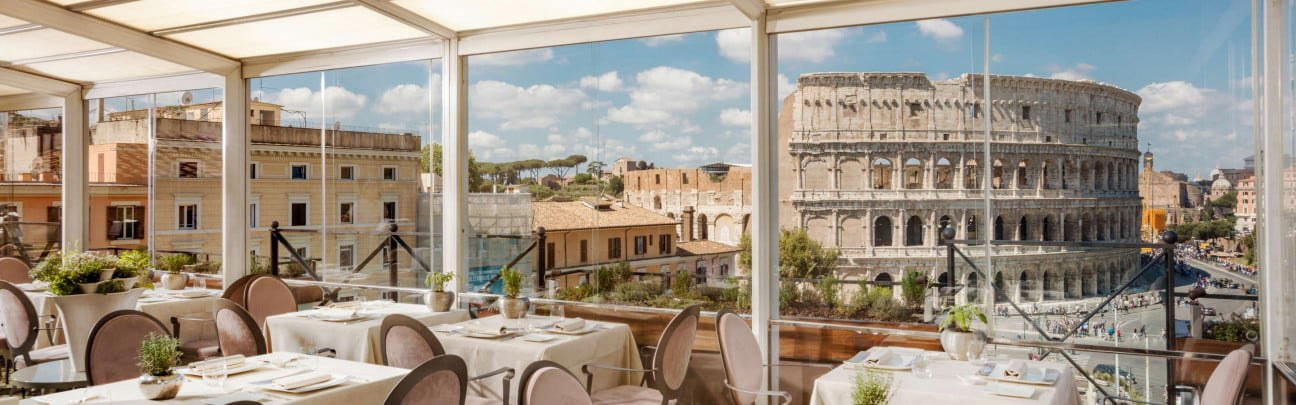
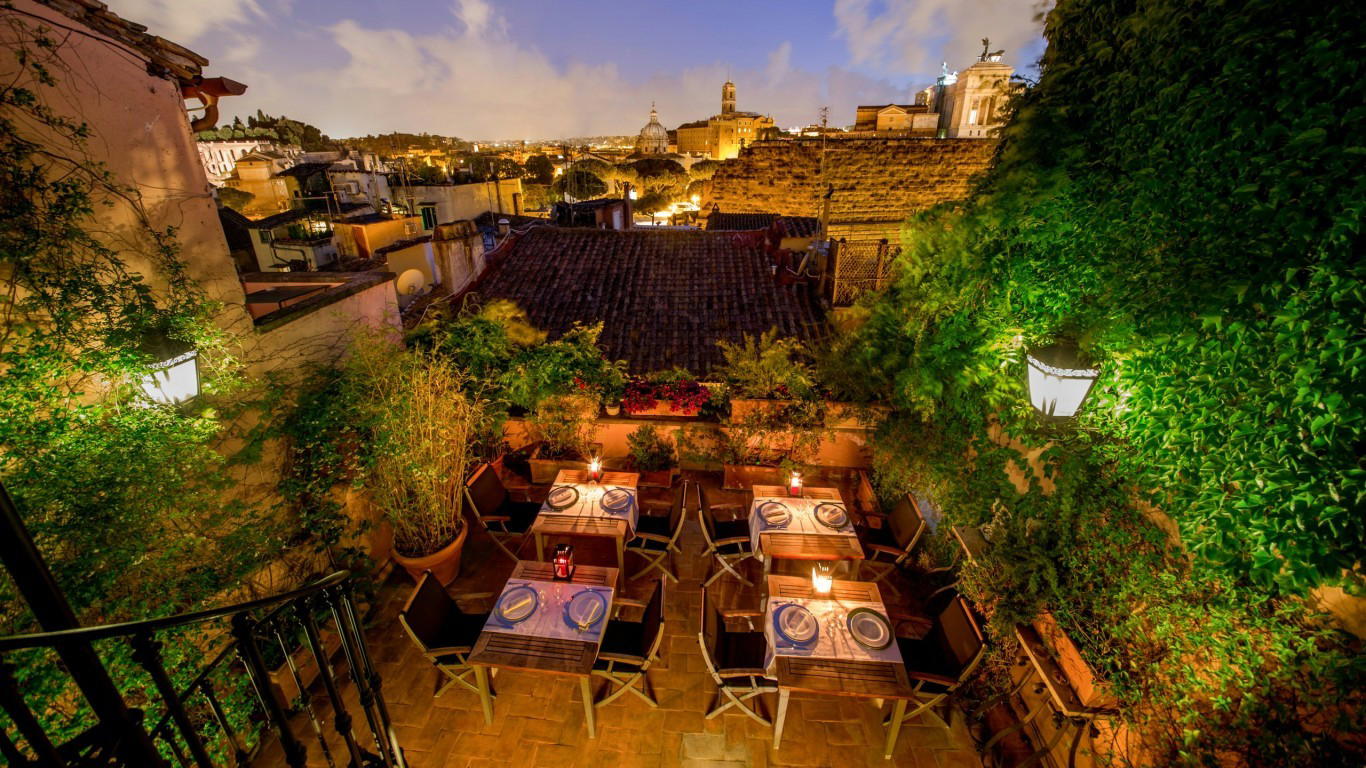
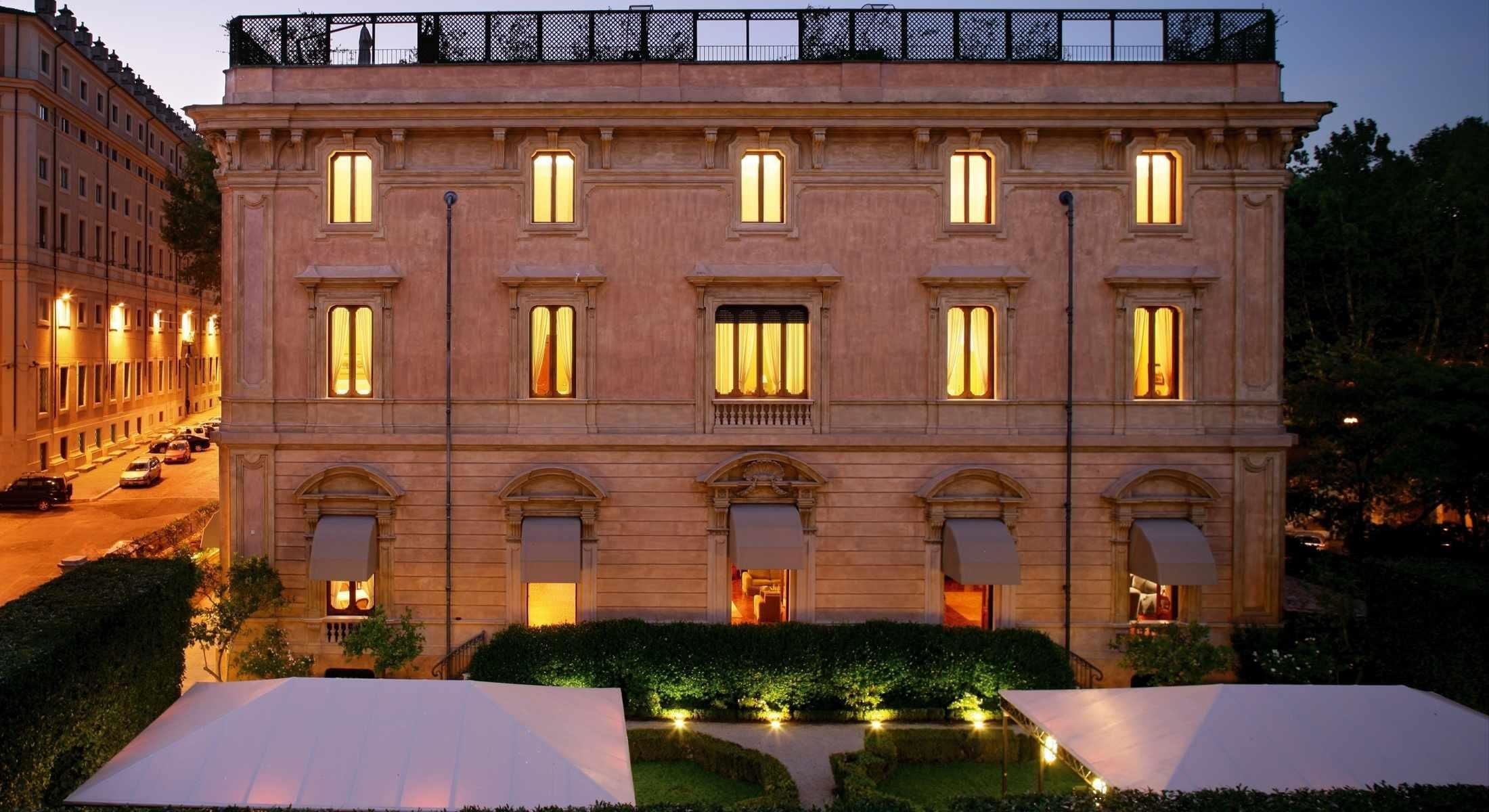
Warm and welcoming atmosphere with exposed brick walls and beamed ceilings, praised for its cozy and pleasant historic charm.