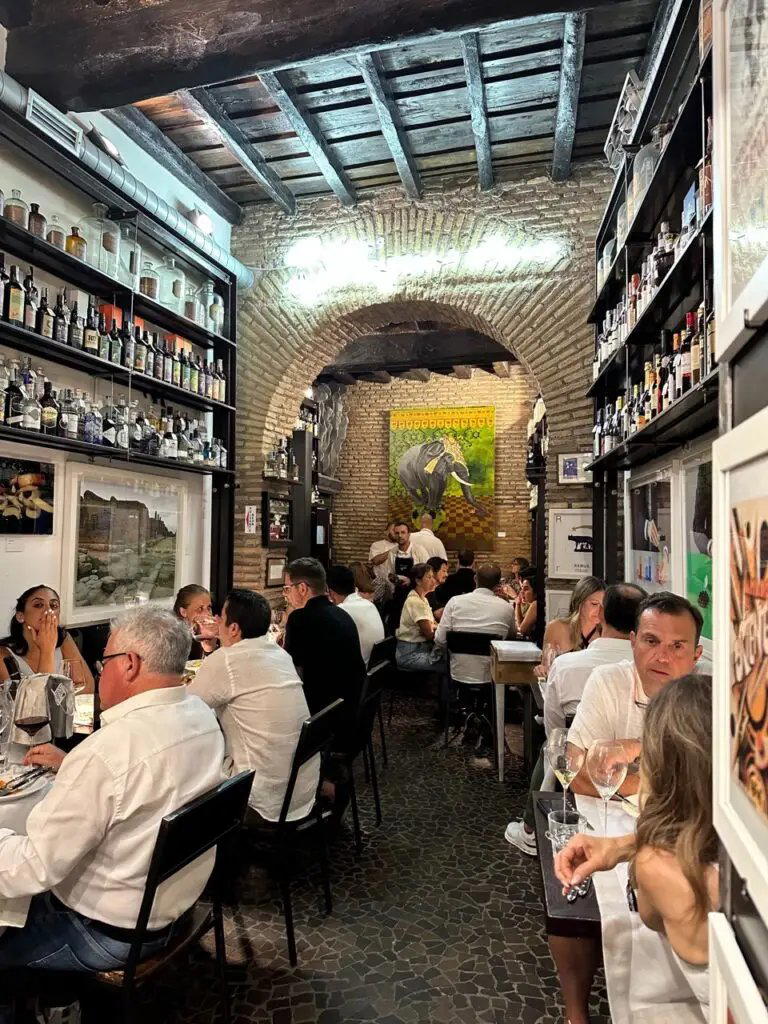
On a narrow residential street in Trastevere, this osteria occupies the neighbourhood's middle ground between tourist-facing trattorias and the few serious wine-led tables that have emerged in the rione over the past decade. The lunch and dinner services run at noticeably different tempos, with the midday sitting drawing locals who treat it as a working meal and evenings attracting visitors with more time and appetite.
Pearl is the En Primeur Club membership app — saves, bookings, and concierge access live there. Same editors, same standards.
- Address
- Via Emilio Morosini, 17, 00153 Roma RM, Italy
- Phone
- +39686798001
- Website
- opentable.com
- Directions
- Get directions
 Saves & bookings on Pearl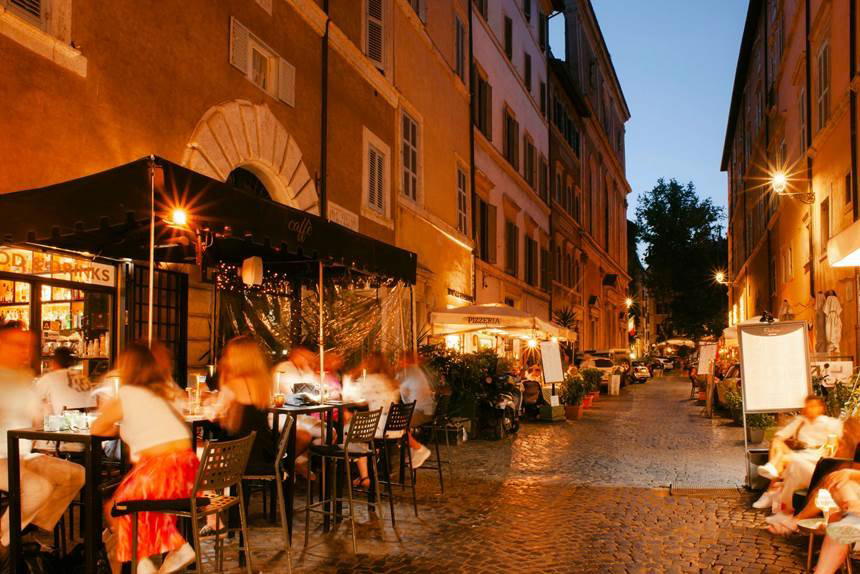
Trastevere at the Table: What the Neighbourhood's Osteria Tradition Actually Looks Like
Rome's left-bank rione has always been in tension with itself. Trastevere's cobbled lanes and ochre facades draw visitors in volumes that most Roman neighbourhoods never see, and the restaurant strip along Via della Lungaretta and its tributaries reflects that pressure: a majority of tables are calibrated for tourist turnover, with laminated menus and wine poured from unlabelled carafes. The handful of osteinas that survive in the older civic sense, places where the menu tracks the market and the room is loud because the regulars make it so, sit on secondary streets away from the main pedestrian flow. Osteria Trastevere is a casual restaurant serving Traditional Roman Cuisine on Via Emilio Morosini, 17, in Rome.
The osteria category in Italian dining has always occupied a deliberate middle ground. Below the ristorante in formality and price, above the tavola calda in ambition, an osteria historically served wine first and food as accompaniment. Contemporary usage has loosened that definition considerably, and today the label covers everything from genuine neighbourhood rooms to rebranded trattorias with updated logos. In Rome specifically, the term carries weight in Trastevere, Testaccio, and the Prati side streets, where a critical mass of older food culture has survived commercialisation. Positioning matters here more than it does elsewhere in the city, and a Via Emilio Morosini address places Osteria Trastevere in the residential interior of the rione rather than its tourist perimeter.
Lunch and Dinner: Two Different Propositions
The lunch and dinner divide is worth taking seriously at this category of Roman table. The midday service in a Trastevere osteria tends to be faster, less ceremonial, and frequently better value. Neighbourhood workers, tradespeople, and residents who live within a five-minute walk treat the lunch hour as a functional break. Portions are generous, pacing is quick, and the room is used at a different frequency than it is in the evening. If your interest is in observing how the neighbourhood actually eats, a weekday lunch sitting delivers that in a way that an eight-o'clock dinner rarely does.
Evening service in the same room shifts in register without necessarily shifting in quality. Tables fill later, the demographic skews more toward visitors and people travelling from other parts of Rome, and the meal extends. This is not a criticism. The two services serve different purposes, and understanding which one matches your visit is part of planning well. For travellers with a single meal to allocate in Trastevere, the practical question is whether you want to read the room as it is when it belongs to the neighbourhood or as it is when it belongs to the evening. Both are legitimate; they are simply different experiences of the same address.
This lunch-versus-dinner dynamic characterises Roman osteria dining more broadly. The same pattern holds at neighbourhood tables in Testaccio, around Campo de' Fiori, and in the streets north of the Pantheon. The evening premium, in price and in formality, is a feature of how Roman restaurants monetise the dinner hour when tourist demand is highest. Lunch, by contrast, often delivers better ratio of quality to cost precisely because the room isn't performing for an audience.
Where This Sits in Rome's Wider Restaurant Picture
Rome's serious restaurant tier operates at a separate altitude. The city's Michelin-starred tables, from the long-standing prestige of La Pergola at the summit to the creative contemporary work at Acquolina, Enoteca La Torre, Il Pagliaccio, and Achilli al Parlamento, address a different set of questions than a Trastevere osteria does. They are asking what Italian cuisine can become; the osteria is asking what Roman food has always been. Both questions are worth pursuing, but they require different meals and different expectations. A programme of serious eating in Rome might include both, and
Italy's starred tables outside Rome provide useful comparison points for the ambition ceiling. At the level of Osteria Francescana in Modena or Le Calandre in Rubano, the osteria name is a studied reference to tradition rather than a descriptor of format. Elsewhere in the country, Piazza Duomo in Alba, Uliassi in Senigallia, Dal Pescatore in Runate, Reale in Castel di Sangro, Quattro Passi in Marina del Cantone, and Atelier Moessmer Norbert Niederkofler in Brunico represent the high end of what Italian dining at its most technically serious can deliver. Enoteca Pinchiorri in Florence and Enrico Bartolini in Milan anchor the equivalent tier in their respective cities. Internationally, the pursuit of that same standard reaches places like Le Bernardin in New York City and Atomix in New York City. None of that is the conversation a Trastevere osteria is entering, which is precisely the point: the category has a clear function, and Osteria Trastevere performs that function within the neighbourhood it occupies.
- Cacio e Pepe
- Carbonara
- Amatriciana
- carciofi alla giudia
- Gricia
- gourmet pizza
How It Stacks Up
Comparable venues nearby, for context on price, style, and recognition.
| Venue | Cuisine | Price | Notes |
|---|---|---|---|
| Osteria TrastevereThis venue — the venue you are viewing | Traditional Roman Cuisine | $$ | Not listed |
| Clorofilla Cucina & Distillati | Modern Italian | $$ | Parione |
| Ristorante Pancrazio | Traditional Roman Trattoria | $$ | Parione |
| MASTO a Testaccio | Traditional Roman Trattoria | $$ | Testaccio |
| ViMi Ristorante | Traditional Italian Trattoria | $$ | Ripa |
| La Torricella - Ristorante | Traditional Roman Seafood | $$ | Testaccio |
Continue exploring
More in Rome
Restaurants in Rome
Browse all →
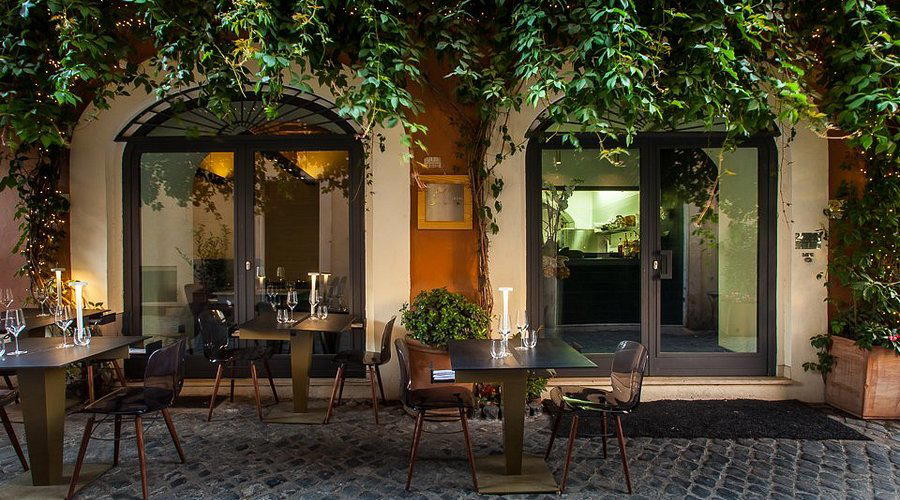
Bars in Rome
Browse all →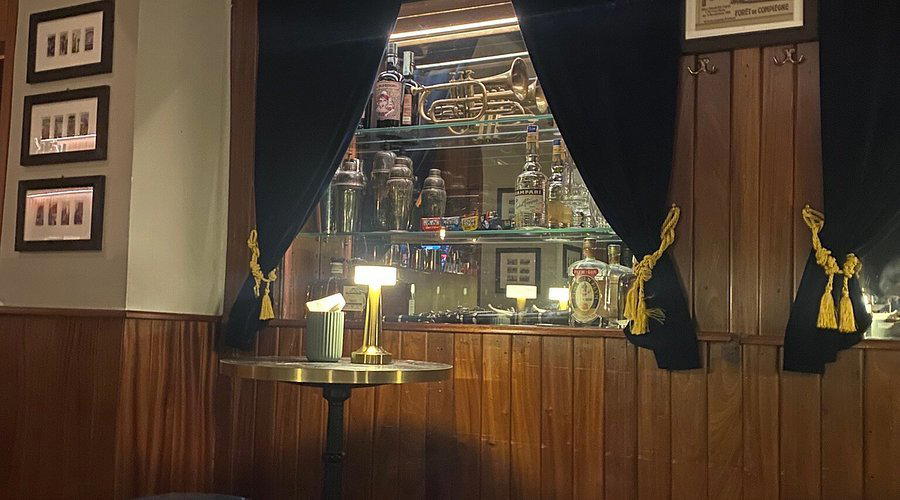
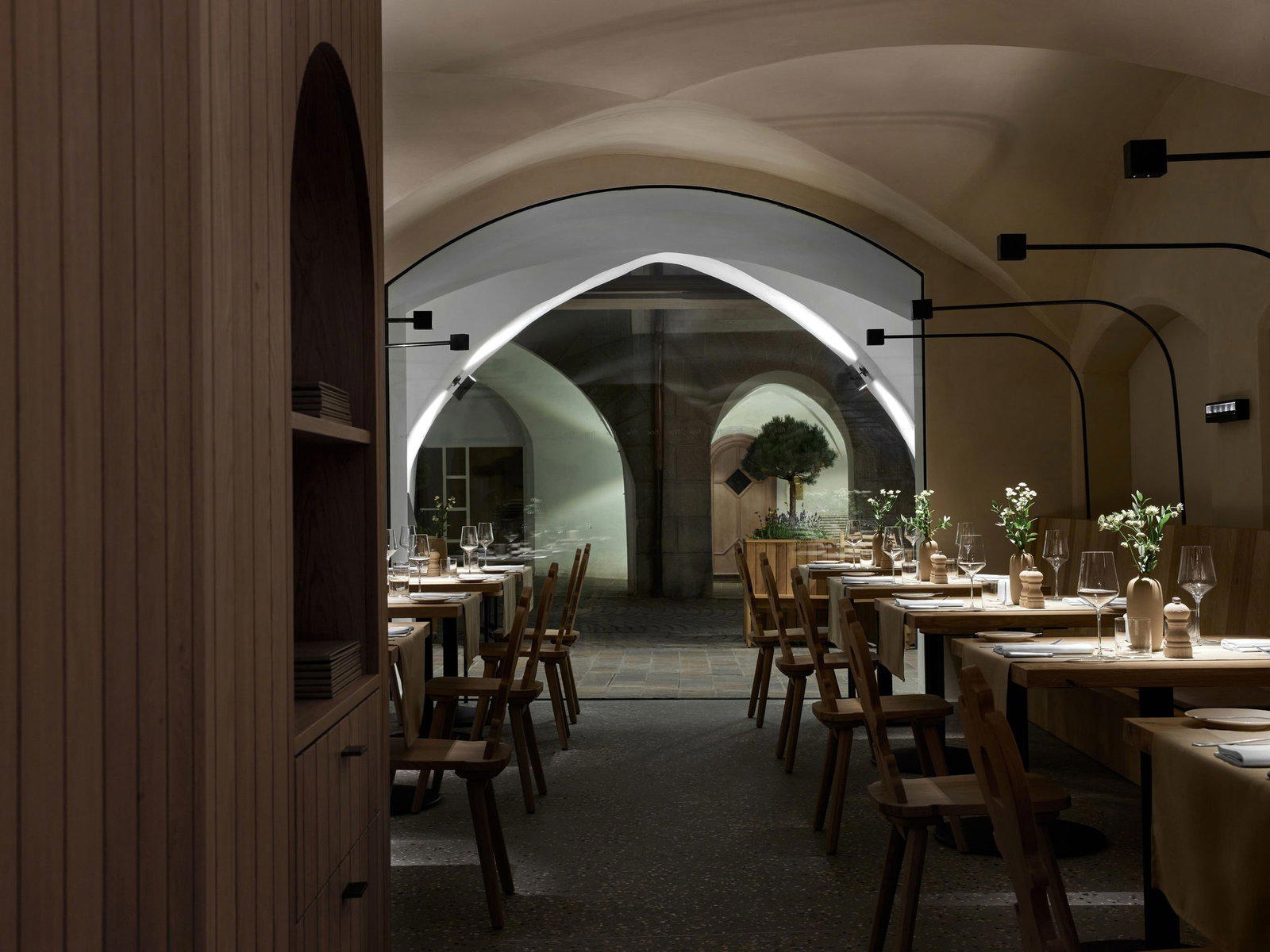
Hotels in Rome
Browse all →
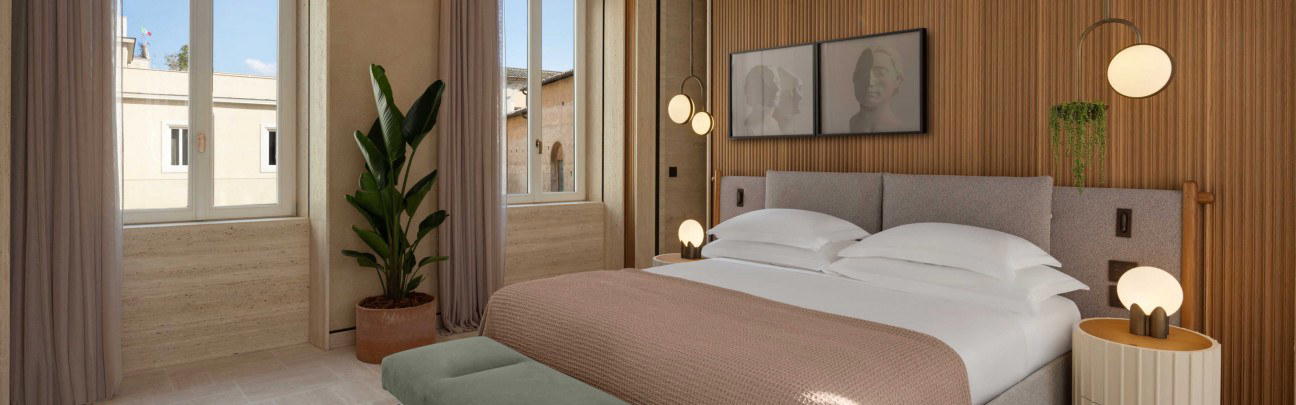
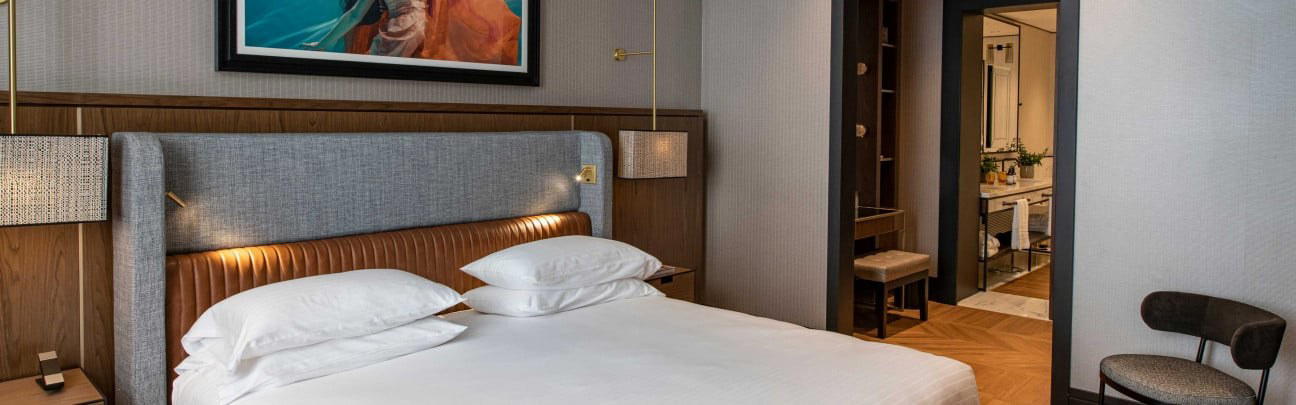
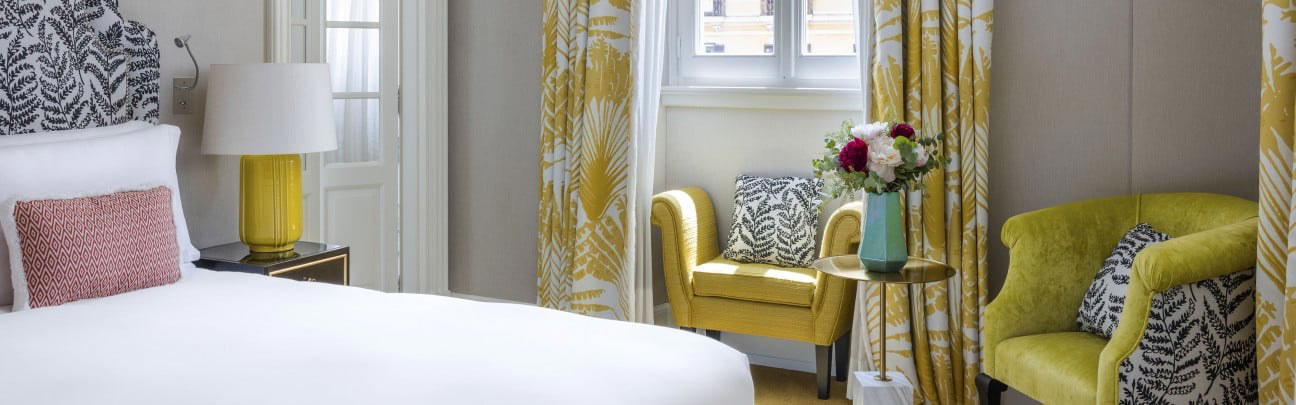

At a Glance
- Classic
- Rustic
- Cozy
- Lively
- Casual Hangout
- Group Dining
- Historic Building
- Hotel Restaurant
Current opening hours
- Monday
- 7–10:30 AM, 6:30–10 PM
- Tuesday
- 7–10:30 AM, 6:30–10 PM
- Wednesday
- 7–10:30 AM, 6:30–10 PM
- Thursday
- 7–10:30 AM, 6:30–10 PM
- Friday
- 7–10:30 AM, 6:30–10 PM
- Saturday
- 7–10:30 AM, 6:30–10 PM
- Sunday
- 7–10:30 AM, 6:30–10 PM
Hours can change for holidays and private events. Last verified .
Warm and informal atmosphere typical of a Roman osteria, with a historic neighborhood setting that immerses diners in traditional Roman dining culture.