At Largo del Pallaro in Rome's historic centre, Trattoria Der Pallaro operates on terms that have barely shifted in decades: a fixed, no-choice menu served to whoever walks through the door that evening. There are no reservations taken online, no printed prices on arrival, and no concessions to the modern dining ritual of deliberation. It is one of the few places in Rome where the kitchen, not the guest, sets the agenda.
Pearl is the En Primeur Club membership app — saves, bookings, and concierge access live there. Same editors, same standards.
- Address
- Largo del Pallaro, 15, 00186 Roma RM, Italy
- Phone
- +39 06 6880 1488
- Website
- derpallaro.it
- Directions
- Get directions
 Saves & bookings on Pearl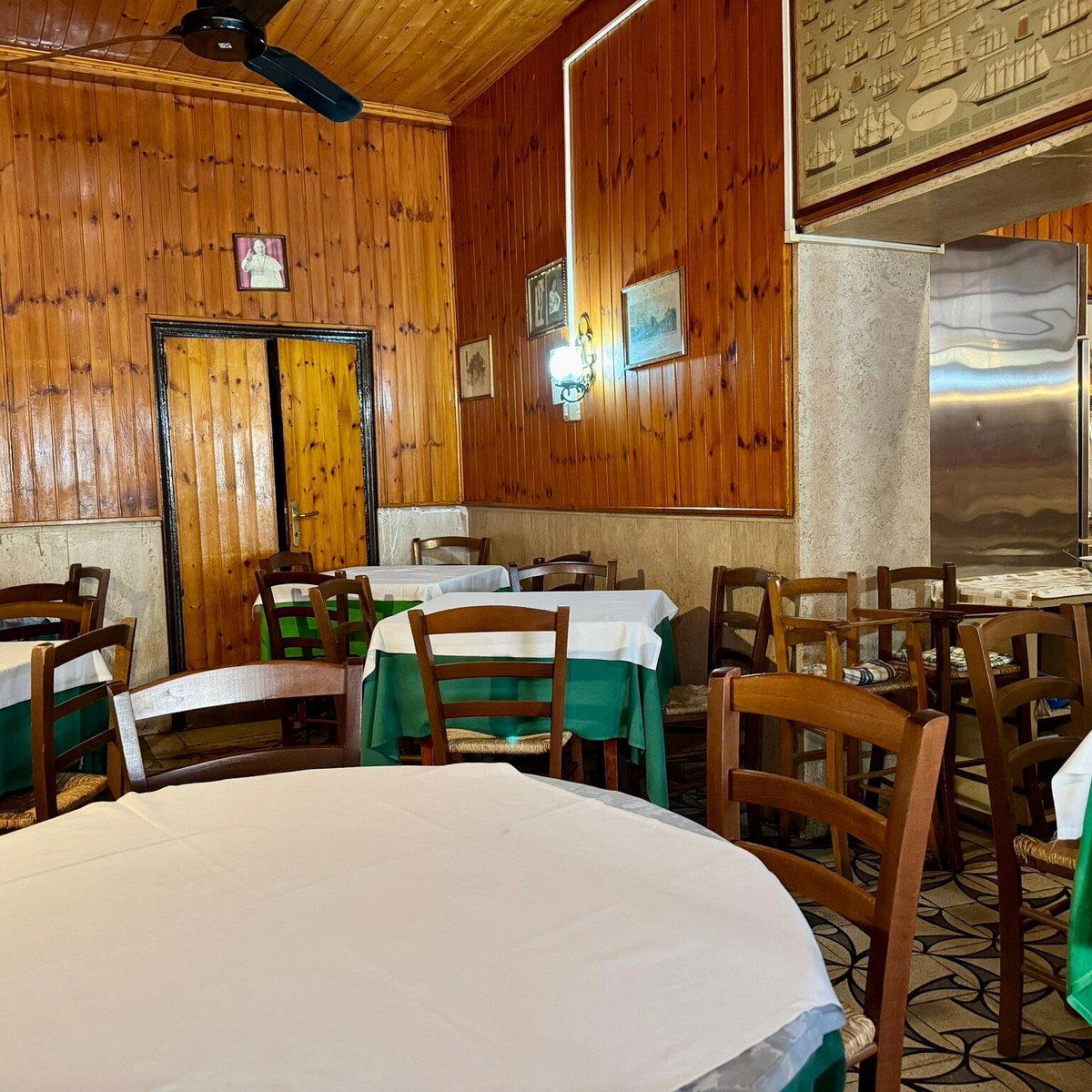
The Trattoria That Sets Its Own Rules
Trattoria Der Pallaro is a traditional Roman trattoria in Rome, set at Largo del Pallaro, 15, with a casual dress code, walk-in-friendly service, and a fixed-price meal around $30 per person. These are rooms where the format was never designed for visitors, where the menu does not change because the point was never novelty, and where the price is announced rather than listed because the kitchen decides what you eat. Trattoria Der Pallaro, on the small square of Largo del Pallaro in the Campo de' Fiori district, belongs to that category. It operates on a fixed, no-choice menu, courses arrive whether you ordered them or not, and the only real decision you face is how much wine to drink.
This format is rarer in Rome now than it was thirty years ago. The trattoria model has fractured: one half has drifted toward tourist-facing menus heavy with cacio e pepe and carbonara, and the other has evolved into the contemporary Roman osteria, where local sourcing and natural wine are the signals of seriousness. Der Pallaro sits outside both of those trajectories. It functions more like a private household running a large table than a restaurant operating a service. That framing matters for understanding why people seek it out and, equally, why some leave confused.
Booking, Walk-Ins, and the Logistics of Getting a Seat
Der Pallaro takes walk-ins and direct contact, and timing matters if you want an easier seat. The restaurant does not operate through any of the major reservation platforms. There is no online booking system, and the venue has no published website. Contact, when it happens, is direct, by phone or simply by arriving. Walk-ins are the default for a significant portion of the tables, and the trattoria's long-standing approach has been to fill the room as the evening progresses rather than through pre-assigned covers.
Timing your arrival matters more than it does at restaurants where a confirmed booking holds your seat regardless of when you walk in. Arriving early in the dinner service, before the room fills, gives you the clearest chance of being seated without a wait. The Campo de' Fiori area is one of Rome's highest-footfall tourist zones, and the trattoria draws both neighbourhood regulars and visitors who have read about the fixed-menu format. On Friday and Saturday evenings, that combination can mean a queue. Coming midweek or at the beginning of the dinner hour is the more reliable approach.
Rome's fixed-price, no-choice trattoria format is not distinctive to Der Pallaro, similar rooms exist in Testaccio and Trastevere, but Der Pallaro's location near Campo de' Fiori places it at an intersection of local dining culture and high tourist traffic that makes the walk-in dynamic more unpredictable than at comparable spots in quieter neighbourhoods. Arrive at the start of service if you want the easiest chance of being seated.
The Format and What It Means for How You Eat
The no-choice menu format in Roman trattoria culture predates the modern tasting menu by generations. It was not a positioning decision but a practical one: the kitchen cooked what was available and affordable, and the guests ate what was served. At Der Pallaro, that structure has been maintained long past the point where it was the norm. The meal moves through multiple courses, antipasto, pasta, a secondo, vegetables, dessert, and the procession is part of the experience. There is no editing of the menu to suit individual preferences in the way a contemporary restaurant would offer.
Guests with dietary restrictions or allergies should communicate them in person, since substitutions are limited by the fixed rotation. For serious allergies, the practical advice across Rome's no-choice trattoria category is consistent: come in person, ask clearly before sitting, and be prepared for the possibility that the evening's menu may not accommodate your needs.
Where Der Pallaro Sits in the Roman Dining Picture
Rome's restaurant scene is stratified, with Der Pallaro operating in a different register from the city's fine-dining rooms. At the upper end, venues like La Pergola operate at a price and formality level that aligns them with Europe's leading fine dining tier. The creative middle ground is occupied by places like Acquolina, Enoteca La Torre, Il Pagliaccio, and Achilli al Parlamento, where contemporary Italian technique is applied to Roman and Italian ingredients with varying degrees of formality. Der Pallaro operates in an entirely different register from all of them.
Its comparable set is not the contemporary osteria or the creative Italian table. Across Italy more broadly, particularly discussed names, Osteria Francescana in Modena, Le Calandre in Rubano, Piazza Duomo in Alba, Enoteca Pinchiorri in Florence, Enrico Bartolini in Milan, Uliassi in Senigallia, Reale in Castel di Sangro, Quattro Passi in Marina del Cantone, Dal Pescatore in Runate, and Atelier Moessmer Norbert Niederkofler in Brunico, represent the country's fine dining conversation. Der Pallaro is not part of that conversation and does not try to be. Its value proposition is something older: continuity, simplicity, and a room that has not been optimised for the dining market as it currently exists.
For readers more familiar with the structured ambition of, say, Le Bernardin in New York City or Atomix in New York City, Der Pallaro will read as a study in deliberate anti-design. That contrast is the point. A city's dining character is visible not only in its most technically accomplished rooms but in its most entrenched ones.
Know Before You Go
- Address: Largo del Pallaro, 15, 00186 Roma, Italy
- Booking: No online reservation system; walk-in or direct contact only
- Format: Fixed no-choice multi-course menu; no à la carte
- Timing: Arrive at the start of dinner service to maximise seating chances, particularly on weekends
- Dietary needs: Communicate in person before being seated; substitutions are limited by the fixed-menu format
- Neighbourhood: Campo de' Fiori district, central Rome; high foot traffic on weekends
- Price: About $30 per person
Cuisine-First Comparison
Comparable venues nearby, for context on price, style, and recognition.
| Venue | Cuisine | Price | Notes |
|---|---|---|---|
| Trattoria Der PallaroThis venue — the venue you are viewing | Traditional Roman Trattoria | $$ | Not listed |
| Hostaria Romana | Traditional Roman Trattoria | $$ | Colonna |
| Piatto Romano | Authentic Roman Trattoria | $$ | Testaccio |
| Taverna Urbana | Roman Trattoria | $$ | Monti |
| Rifugio Romano | Vegan Roman Trattoria | $$ | Castro Pretorio |
| Clorofilla Cucina & Distillati | Modern Italian | $$ | Parione |
Continue exploring
More in Rome
Restaurants in Rome
Browse all →
Bars in Rome
Browse all →
Hotels in Rome
Browse all →

At a Glance
- Rustic
- Cozy
- Classic
- Casual Hangout
- Group Dining
- Historic Building
- Beer Program
- Local Sourcing
Current opening hours
- Monday
- 12:30–3 PM, 6 PM–12 AM
- Tuesday
- 12:30–3 PM, 6 PM–12 AM
- Wednesday
- 12:30–3 PM, 6 PM–12 AM
- Thursday
- 12:30–3 PM, 6 PM–12 AM
- Friday
- 12:30–3 PM, 6 PM–12 AM
- Saturday
- 12:30–3 PM, 6 PM–12 AM
- Sunday
- 12:30–3 PM, 6 PM–12 AM
Hours can change for holidays and private events. Last verified .
Cozy wood-paneled dining rooms with simple, informal family-run atmosphere.