On Via delle Sette Chiese in Rome's Ostiense quarter, Le Bistrot occupies a stretch of the city where neighbourhood bistrot culture runs closer to daily life than to destination dining. The address places it among working-class trattorias and local wine bars, which shapes both expectations and the sourcing logic behind what reaches the table. For visitors tracing Rome's less theatrically composed side, it offers a read on how the city's mid-register dining operates.
Pearl is the En Primeur Club membership app — saves, bookings, and concierge access live there. Same editors, same standards.
- Address
- Via delle Sette Chiese, 160, 00145 Roma RM, Italy
- Phone
- +393965128991
- Website
- ristorantelebistrot.net
- Directions
- Get directions
 Saves & bookings on Pearl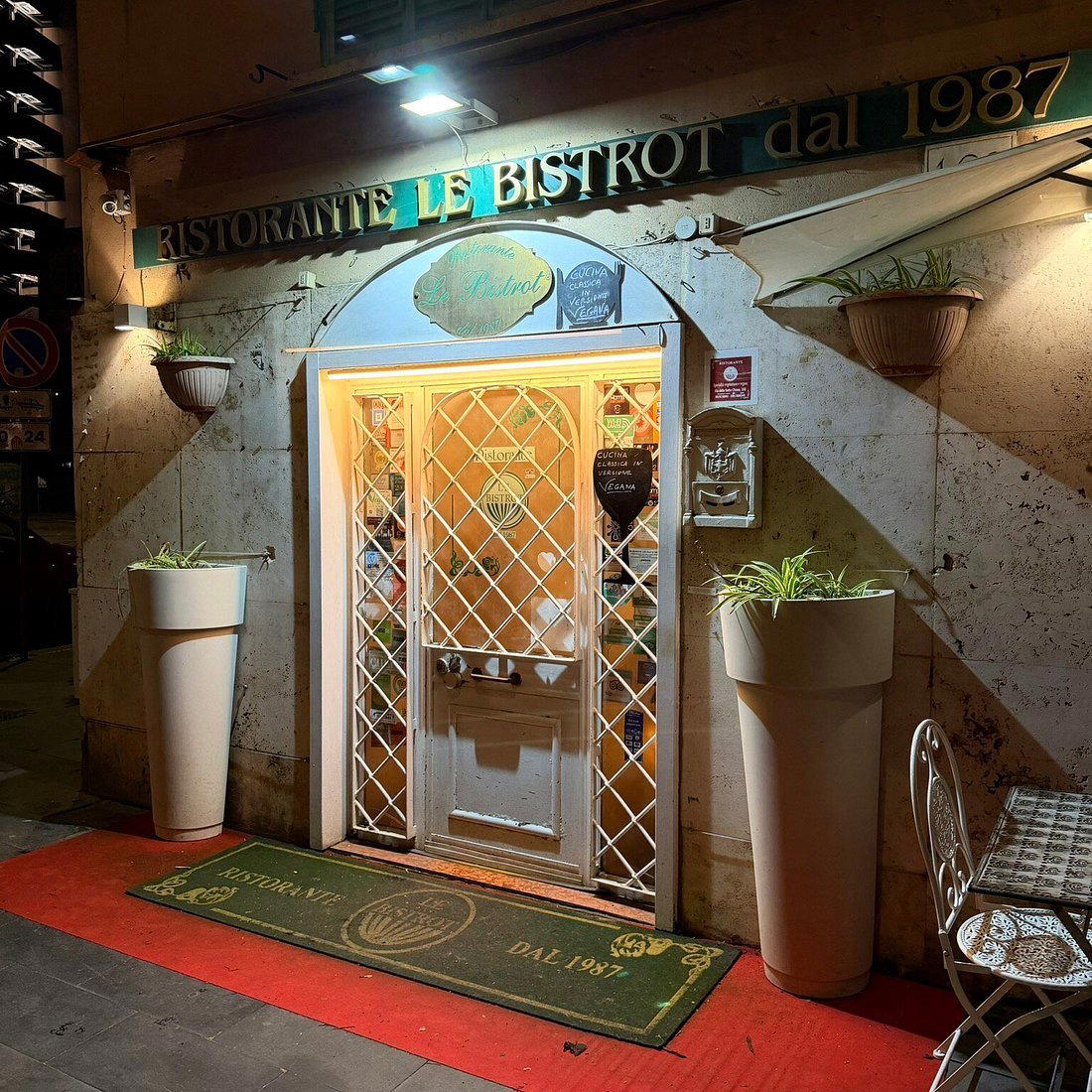
Ostiense and the Bistrot Register in Rome
Rome's dining identity has long been pulled between two poles: the grand-format restaurant orbiting landmarks like the Cavalieri hilltop, where La Pergola occupies the city's most decorated fine-dining position, and the neighbourhood osteria or bistrot that feeds residents without any ambition toward a critic's table. Via delle Sette Chiese sits firmly in the second category. The street runs through Ostiense, a district that spent most of the twentieth century as an industrial and working-class corridor and has only recently attracted the kind of attention that nudges rents upward. A bistrot operating here is, by definition, priced and pitched against local competition rather than tourist-facing formats.
That positioning matters for how you read a place like Le Bistrot. The bistrot label itself carries specific expectations across Europe: a mid-register format, shorter menus than a full ristorante, a wine list designed for regular rotation rather than cellar depth, and a sourcing philosophy built around what arrives reliably from nearby producers rather than prestige suppliers flown in for effect. Whether any individual bistrot meets those expectations is always an open question, but the form itself has coherence, and Ostiense is the kind of neighbourhood where that coherence is tested against daily use rather than occasional occasion dining.
What the Ingredient-Forward Bistrot Model Looks Like in Rome
Rome's central markets, particularly the Campo de' Fiori and Trionfale wholesale market, have structured Italian capital cooking for generations. The city's proximity to Lazio's agricultural hinterland, the Castelli Romani hill towns, the Pontine coast, and the Sabine uplands gives any kitchen committed to seasonal sourcing a wider palette than the tourist-facing menu might suggest. Artichokes from Ladispoli, pecorino from the Sabine hills, lamb and offal from the Castelli Romani slaughterhouse tradition: these are the raw materials that define Roman cooking at its most direct.
The bistrot format, when it operates honestly within this tradition, is less about culinary invention than about editorial restraint: choosing the right three or four seasonal ingredients and doing little to obscure them. That discipline sits in contrast to Rome's fine-dining tier, where kitchens like Acquolina and Enoteca La Torre apply technique-heavy frameworks to Italian produce, or where Il Pagliaccio and Achilli al Parlamento build structured tasting menus around creative Italian narratives. The mid-register bistrot makes a different argument: that the produce itself is the main event.
Across Italy, this sourcing-first philosophy is most rigorously articulated at the higher end of the country's restaurant spectrum. Atelier Moessmer Norbert Niederkofler in Brunico has made hyper-regional alpine sourcing a defining formal proposition. Dal Pescatore in Runate has sustained a multi-decade commitment to Mantuan agricultural tradition. Osteria Francescana in Modena and Piazza Duomo in Alba anchor their menus in named-producer relationships. At the bistrot tier, the same instinct operates without the fine-dining apparatus, which can make it more or less convincing depending on execution.
The Neighbourhood Context on Via delle Sette Chiese
The Ostiense district is a useful frame for understanding Le Bistrot's position in Rome's competitive structure. The area around the Piramide metro stop and the Gazometro has seen a slow but steady shift over the past decade, with independent wine bars, contemporary pizzerias, and small-format restaurants opening alongside the older trattoria stock. Via delle Sette Chiese itself runs south from the San Paolo basilica corridor, a stretch that remains more residential than destination-facing. A kitchen at number 160 is operating for a neighbourhood audience first.
That geographic reality shapes pricing expectations and format. Rome's fine-dining restaurants, including the multi-course operations at Enoteca La Torre and the tasting formats at Il Pagliaccio, operate in the €€€€ tier, with per-head spending that reflects both the investment in premium sourcing and the amortisation of complex kitchen structures. A neighbourhood bistrot in Ostiense is priced several tiers below that ceiling, which means the sourcing logic has to be efficient rather than maximalist. Good bistrot cooking finds the mid-range of Italy's agricultural output rather than its rarest expressions.
For context across Italy's broader dining tier, venues like Quattro Passi in Marina del Cantone, Uliassi in Senigallia, and Reale in Castel di Sangro show what deeply regionalised ingredient sourcing looks like when combined with serious kitchen ambition. Le Calandre in Rubano and Enrico Bartolini in Milan represent the urban fine-dining version. The bistrot sits elsewhere on that spectrum, trading technique for directness and prestige sourcing for reliable seasonality.
Planning a Visit
Le Bistrot is located at Via delle Sette Chiese 160 in the Ostiense quarter of Rome, accessible via the Garbatella metro stop on Line B or by bus from the Piramide interchange. The neighbourhood character is residential and unhurried, which means the pace of service here tends to match the surrounding streets rather than the timed efficiency of a reservation-heavy fine-dining room. Given the neighbourhood format, walk-in access may be more viable than at destination restaurants in the historic centre, but confirmation is worth the effort. Equally, Enoteca Pinchiorri in Florence provides a useful Italian fine-dining comparison for those visiting multiple cities on the peninsula.
Similar Picks
Comparable venues nearby, for context on price, style, and recognition.
| Venue | Cuisine | Price | Notes |
|---|---|---|---|
| Le BistrotThis venue — the venue you are viewing | Vegan Italian Bistro | $$ | Not listed |
| Gelateria La Romana | Artisanal Italian Gelato | $$ | Sallustiano |
| La Torricella - Ristorante | Traditional Roman Seafood | $$ | Testaccio |
| San Biagio | Italian Pizza | $$ | Della Vittoria |
| FA.SE Osteria Moderna | Modern Roman Osteria | $$ | Tuscolano |
| Taverna Urbana | Roman Trattoria | $$ | Monti |
Continue exploring
More in Rome
Restaurants in Rome
Browse all →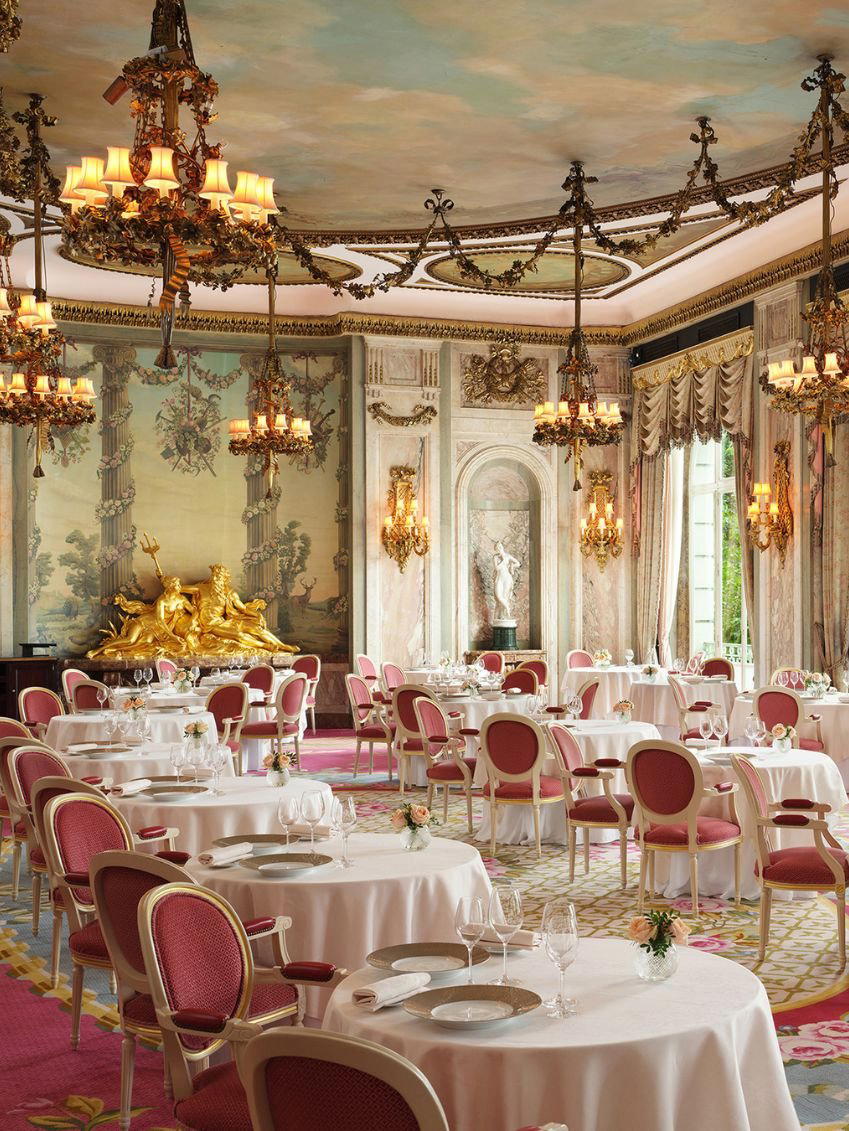
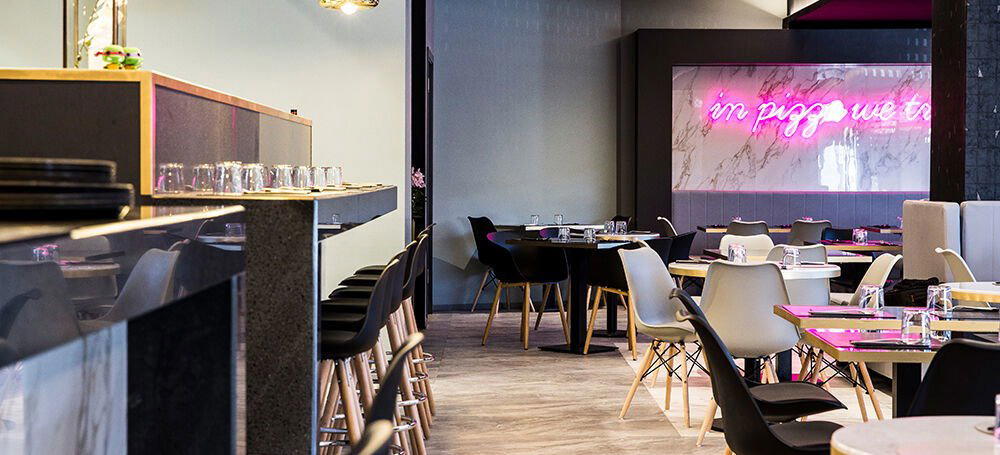
Bars in Rome
Browse all →
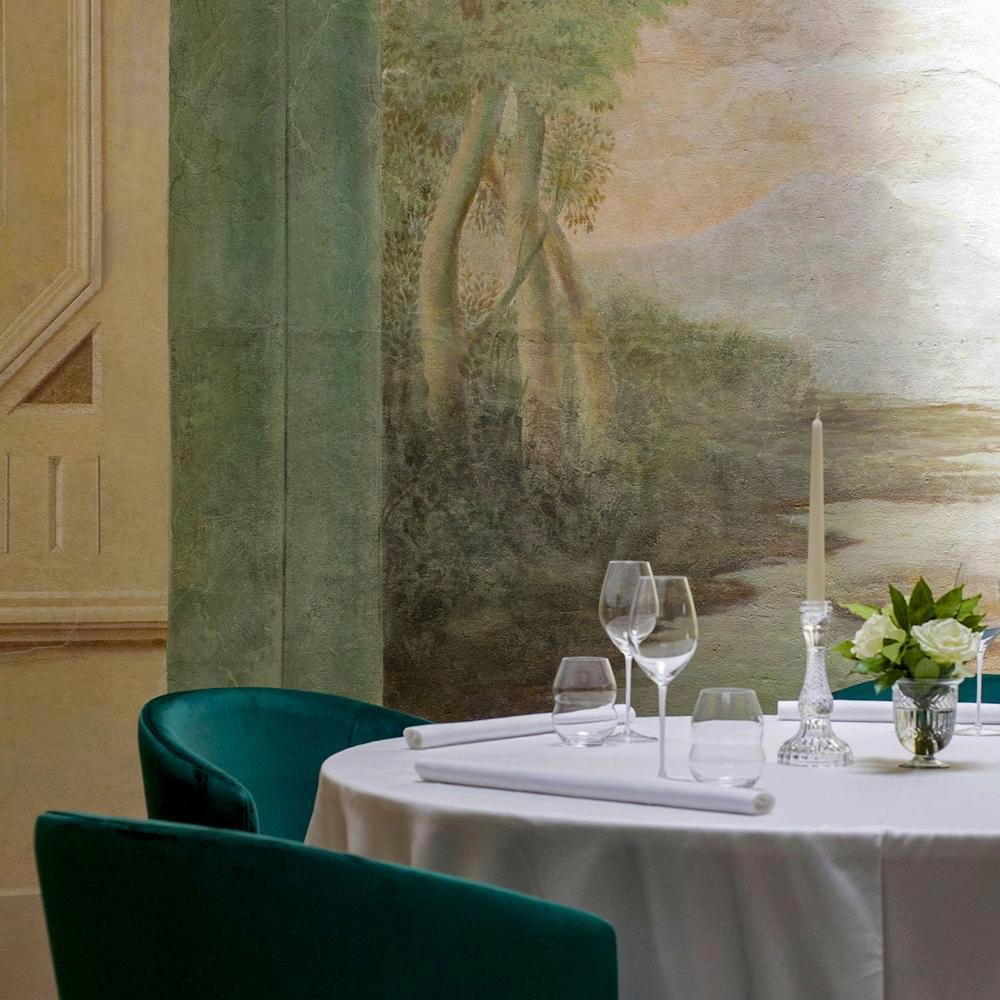
Hotels in Rome
Browse all →




At a Glance
- Cozy
- Romantic
- Intimate
- Classic
- Date Night
- Casual Hangout
- Standalone
Current opening hours
- Monday
- 8–11:30 PM
- Tuesday
- 8–11:30 PM
- Wednesday
- 8–11:30 PM
- Thursday
- 8–11:30 PM
- Friday
- 8–11:30 PM
- Saturday
- 8–11:30 PM
- Sunday
- Closed
Hours can change for holidays and private events. Last verified .
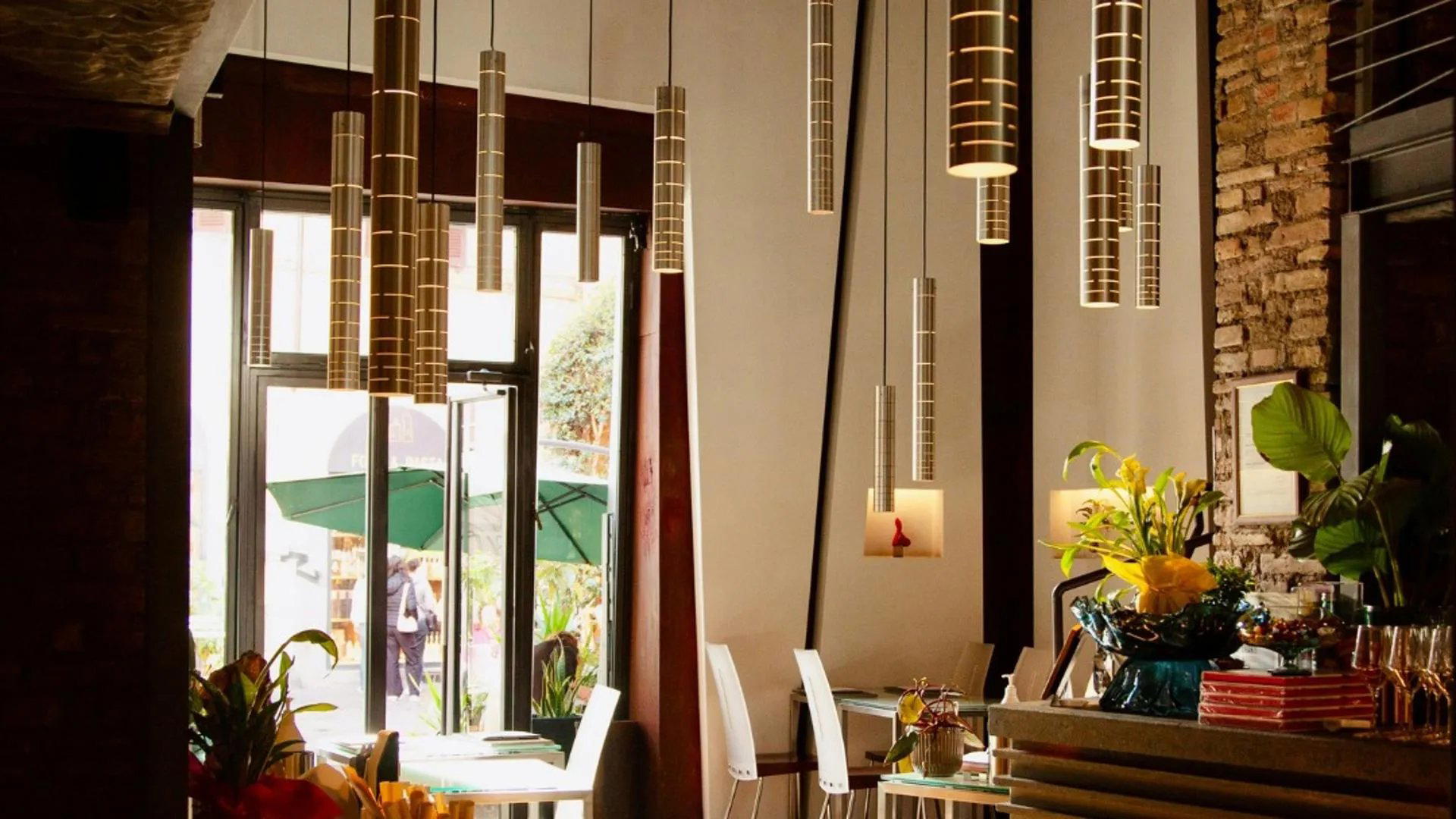
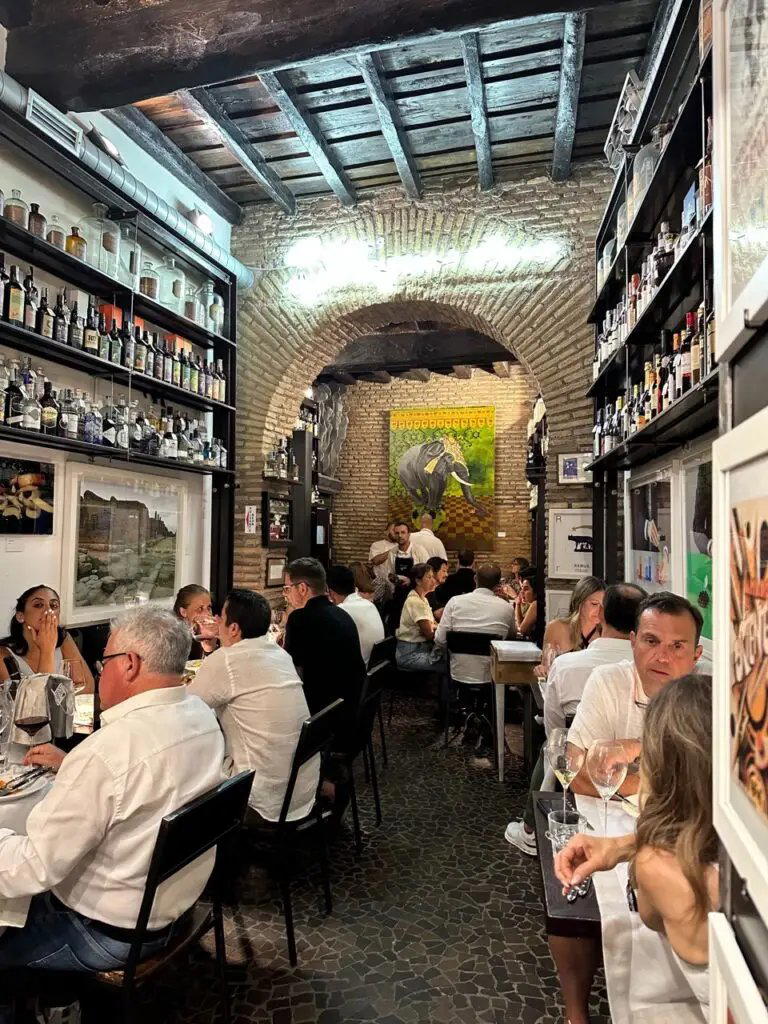
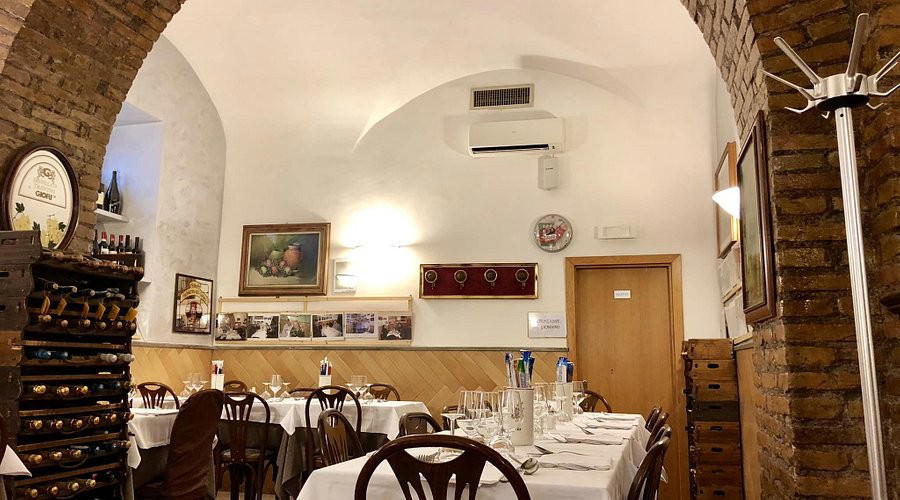
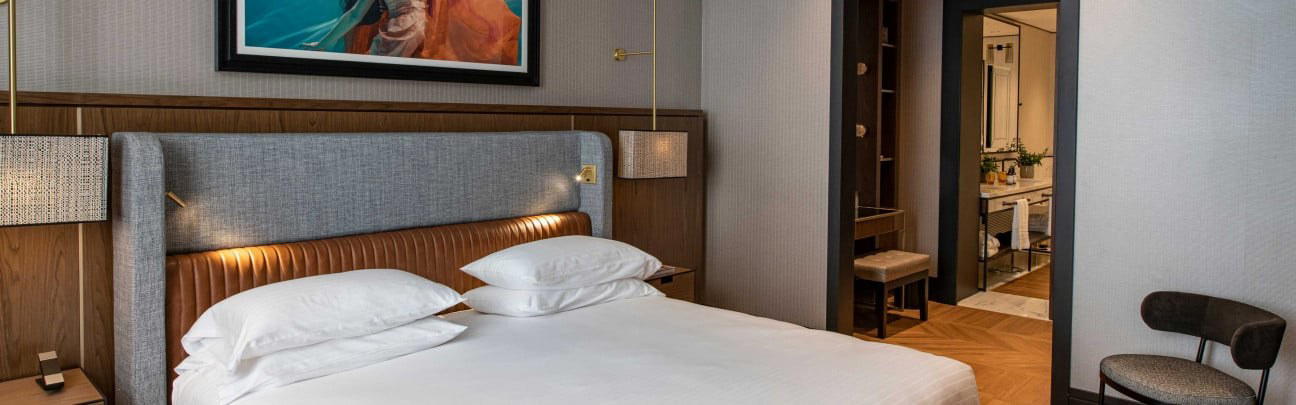
Cozy and romantic with warm lighting, relaxed atmosphere, soft music, and an intimate family feel.