La Torricella occupies a quiet address in Trastevere, one of Rome's most densely traditional dining neighbourhoods, where the tension between Roman trattoria culture and the city's newer wave of creative Italian cooking plays out block by block. The restaurant sits within a neighbourhood that rewards those willing to look past the obvious tourist circuit and engage with the more considered end of local dining.
Pearl is the En Primeur Club membership app — saves, bookings, and concierge access live there. Same editors, same standards.
- Address
- Via Evangelista Torricelli, 2, 00153 Roma RM, Italy
- Phone
- +39 06 574 6311
- Website
- la-torricella.com
- Directions
- Get directions
 Saves & bookings on Pearl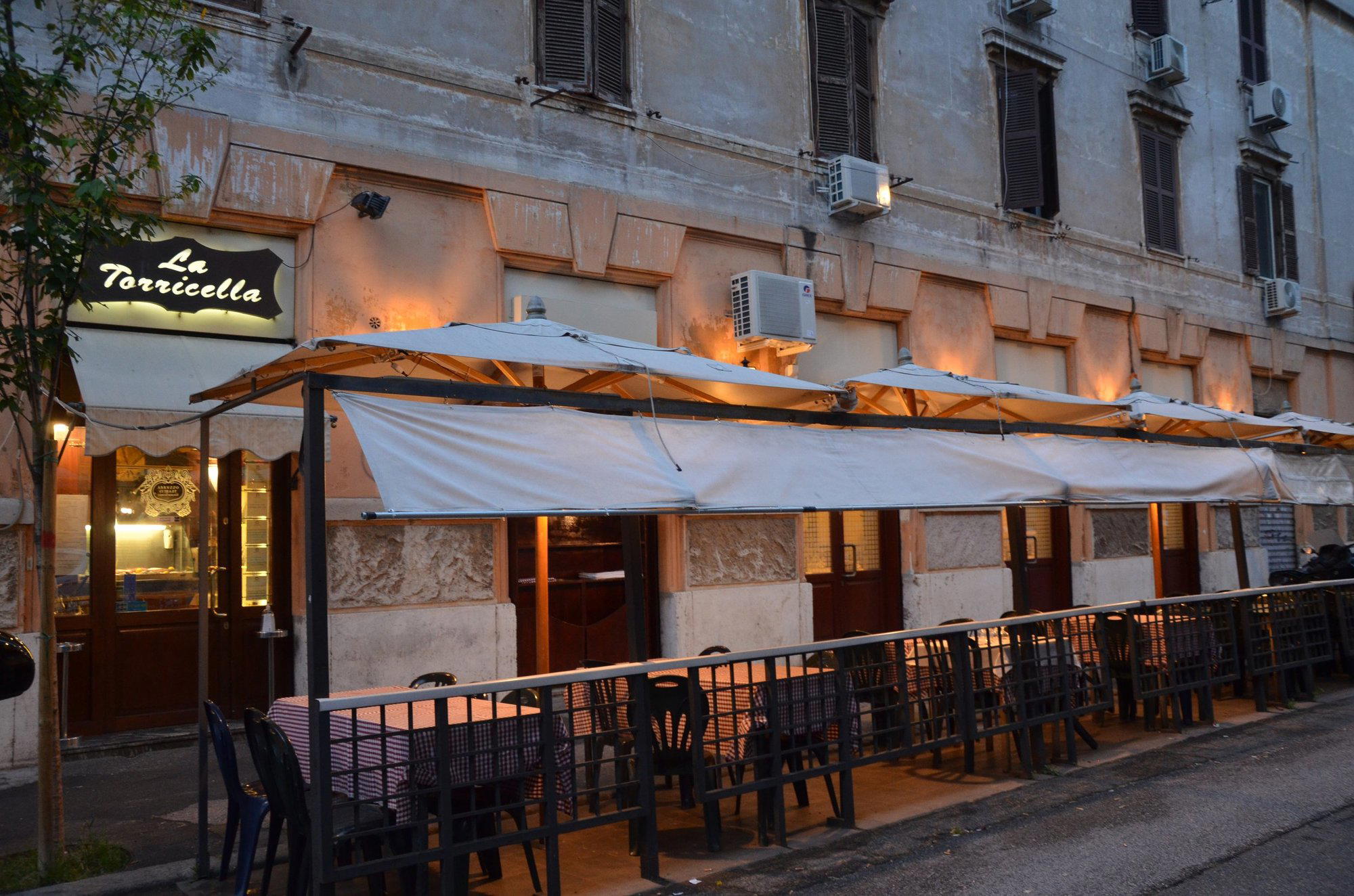
Where Trastevere's Dining Character Sets the Stage
Via Evangelista Torricelli sits in the southern pocket of Trastevere, a neighbourhood whose dining identity has always been shaped by the friction between deep Roman tradition and the incremental pressure of gentrification. The streets here are narrower than the postcards suggest, and the restaurants that survive across decades tend to do so on the strength of a local following rather than foot traffic. It is in this context that La Torricella operates: a Roman address where the neighbourhood itself carries the editorial weight, and where the expectations a diner brings through the door are largely set by the surrounding culinary culture rather than by a personal brand or a tasting menu concept.
Rome's restaurant scene has never fully consolidated around a single premium format in the way that Tokyo's has around omakase or Copenhagen's around the New Nordic template. What the city does instead is maintain a tiered coexistence: trattorias that have barely changed in thirty years sit two streets away from Michelin-level operations like La Pergola, the capital's only three-star table, and creative mid-market restaurants like Acquolina and Il Pagliaccio occupy the space between. La Torricella's Trastevere address places it within a sub-scene that has historically skewed toward the neighbourhood-trattoria end of that spectrum, where the meal structure is familiar, the rhythm unhurried, and the proposition is consistency over transformation.
The Architecture of a Roman Meal
Italian dining, and Roman dining in particular, is structured around a sequencing logic that resists compression. The progression from antipasto through primo, secondo, and contorno to dolce is not ceremony for ceremony's sake, it reflects a kitchen philosophy in which no single dish is designed to carry the full expressive weight of the meal. This matters when thinking about any Roman restaurant: the quality of the experience is distributed across the arc, and a diner who arrives expecting one showstopper course and a quick exit is reading the format incorrectly.
In Trastevere, this sequencing tradition tends to manifest in long, unhurried tables where the conversation outlasts the food and the kitchen is not pressured to turn covers at the pace that a city-centre location might demand. The neighbourhood has enough residential density to sustain restaurants that work at this pace, and enough tourist curiosity to keep tables full across the week. For the visitor from outside Rome, this means a meal at a Trastevere address like La Torricella is as much about learning to read the room's tempo as it is about any individual dish.
The broader Italian dining tradition that contextualises this kind of address is one in which the sourcing and handling of primary ingredients carries more prestige than technical transformation. At the far end of that tradition, you find institutions like Osteria Francescana in Modena, where Massimo Bottura has spent decades reinterpreting Italian culinary memory at three-Michelin-star level, or Enoteca Pinchiorri in Florence, which pairs that ingredient-first instinct with one of Italy's most serious wine programmes. Closer to Rome's own high-ambition tier, Enoteca La Torre and Achilli al Parlamento work within the creative Italian format at a price point and technical register that sits well above the Trastevere neighbourhood norm. La Torricella, by its location and positioning, occupies a different tier of that same tradition.
Reading the Neighbourhood for Logistical Purposes
Trastevere is walkable from the Tiber's west bank and is typically reached on foot from the Centro Storico in fifteen to twenty minutes, or by tram from Largo di Torre Argentina. The neighbourhood's own internal grid is compact enough that arriving by car is more inconvenient than practical, and the local evening energy on Via della Lungaretta and its surrounding streets makes walking the obvious arrival mode. Via Evangelista Torricelli itself is a quieter spoke off that grid, which tends to mean lower street noise and a more settled atmosphere than the more heavily trafficked restaurant rows.
For visitors mapping a Rome dining itinerary across several days, Trastevere traditionally serves a different function from the Centro Storico or Prati: it is where you go for the version of Roman eating that feels residential rather than showcase, and where the pace of the evening is set by the neighbourhood rather than by the kitchen's ambitions. Those seeking higher-format dining within Rome should also look at the city's contemporary creative tier, represented by venues like Il Pagliaccio.
Italy's Wider Restaurant Context
For travellers moving through Italy rather than focused solely on Rome, it is worth understanding where neighbourhood Roman dining sits relative to the country's broader premium restaurant circuit. The highest-ambition Italian tables are distributed across regions in a way that reflects Italy's decentralised culinary identity: Piazza Duomo in Alba anchors Piedmontese fine dining, Le Calandre in Rubano represents the Veneto's technical ambition, Uliassi in Senigallia holds three stars on the Adriatic coast, and Reale in Castel di Sangro brings high-concept creativity to the Abruzzo interior. In the south, Quattro Passi in Marina del Cantone combines coastal produce with fine-dining execution. Even in the alpine north, Atelier Moessmer Norbert Niederkofler in Brunico operates at the intersection of Alpine produce and fine-dining discipline. The point of this geography is that Italy's restaurant quality is not concentrated in any one city.
A Trastevere neighbourhood restaurant like La Torricella exists in a different register entirely from that premium circuit. It answers a different question: where to eat Roman food in a Roman neighbourhood at a pace that reflects how the city's residents actually use their restaurants. For international visitors, that distinction is worth understanding before booking. For comparison points outside Italy that operate at the high-ambition end of the spectrum, Le Bernardin in New York and Lazy Bear in San Francisco both illustrate what a tasting-progression format looks like when pushed to its most deliberate extreme, a useful reference point for understanding how far Rome's neighbourhood dining tradition sits from that model, and why that distance is not a deficit.
Planning a Visit
La Torricella is located at Via Evangelista Torricelli, 2, in the 00153 postal district of Rome. The restaurant is recommended for reservations and typically offers lunch and dinner service from Tuesday through Sunday. Reservations are recommended. The neighbourhood is at its most atmospheric in the early evening before the later tourist wave, and tables that open at the start of service tend to carry a different energy from those filled an hour into a busy Friday night.
Reputation First
Comparable venues nearby, for context on price, style, and recognition.
| Venue | Cuisine | Price | Notes |
|---|---|---|---|
| La Torricella - RistoranteThis venue — the venue you are viewing | Traditional Roman Seafood | $$ | Not listed |
| Le Bistrot | Vegan Italian Bistro | $$ | Ostiense |
| Trattoria Der Pallaro | Traditional Roman Trattoria | $$ | Parione |
| Bootleg | Italian Neighbourhood Gastropub | $$ | Monte Sacro |
| Extremis | Modern Innovative Pizza | $$ | Pietralata |
| Trattoria Settimio | Traditional Roman Trattoria | $$ | Regola |
Continue exploring
More in Rome
Restaurants in Rome
Browse all →
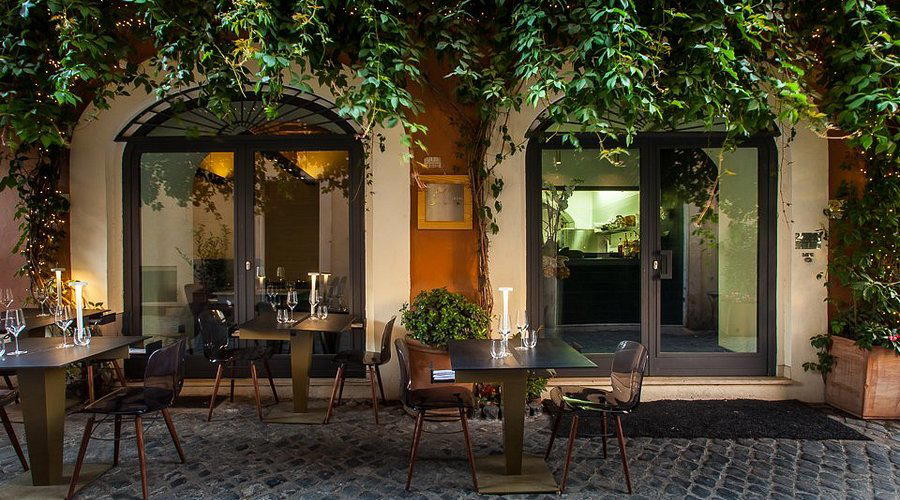
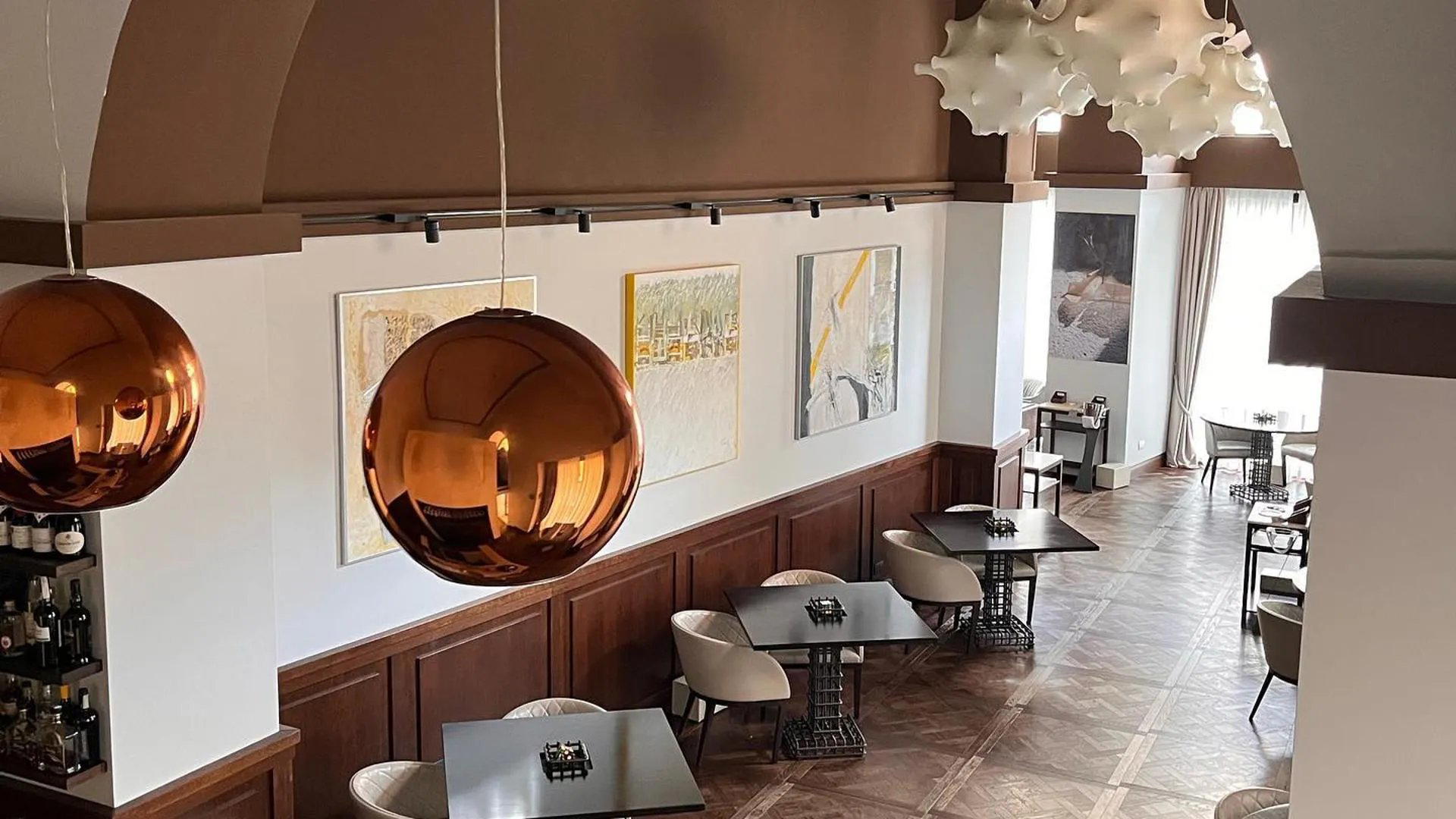
Bars in Rome
Browse all →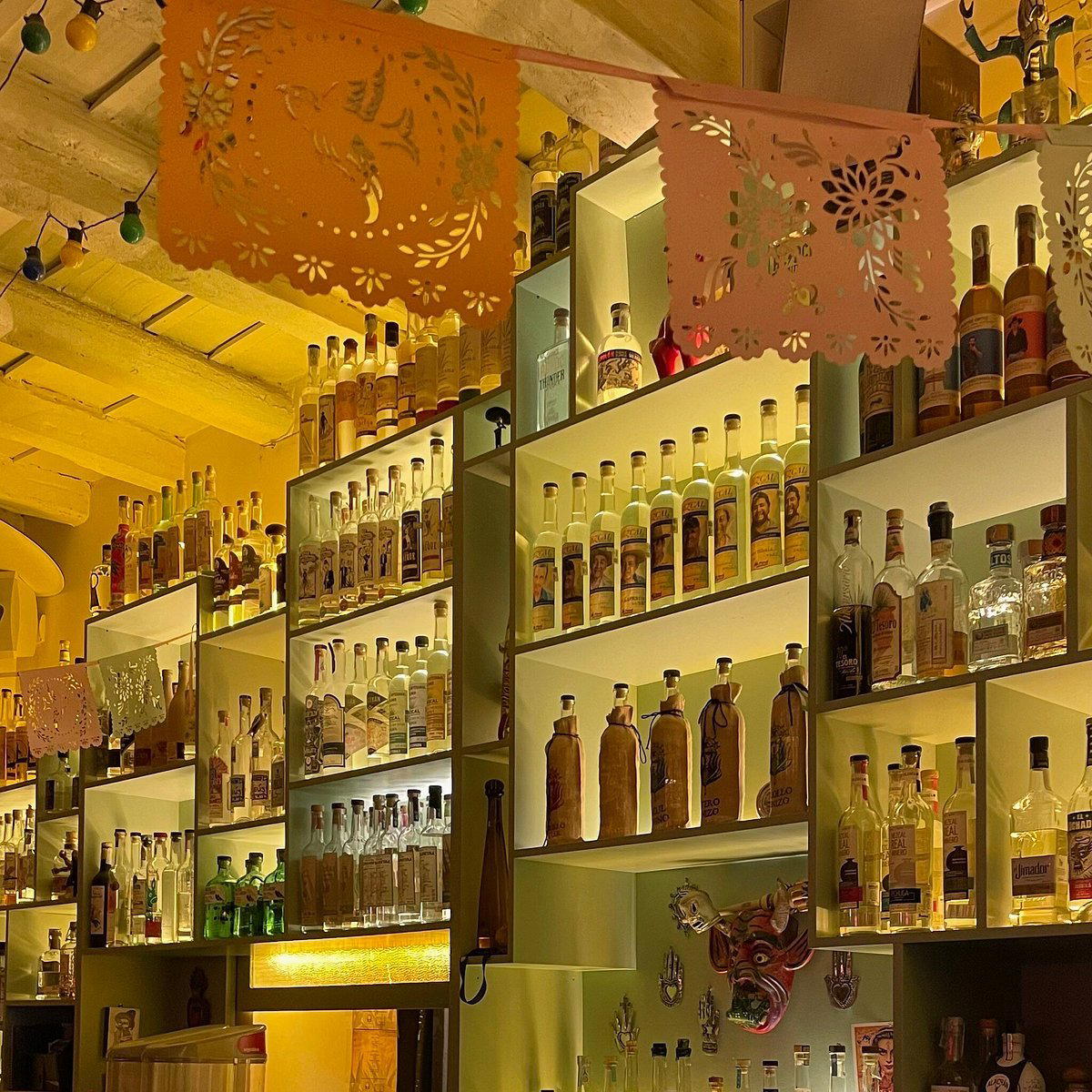
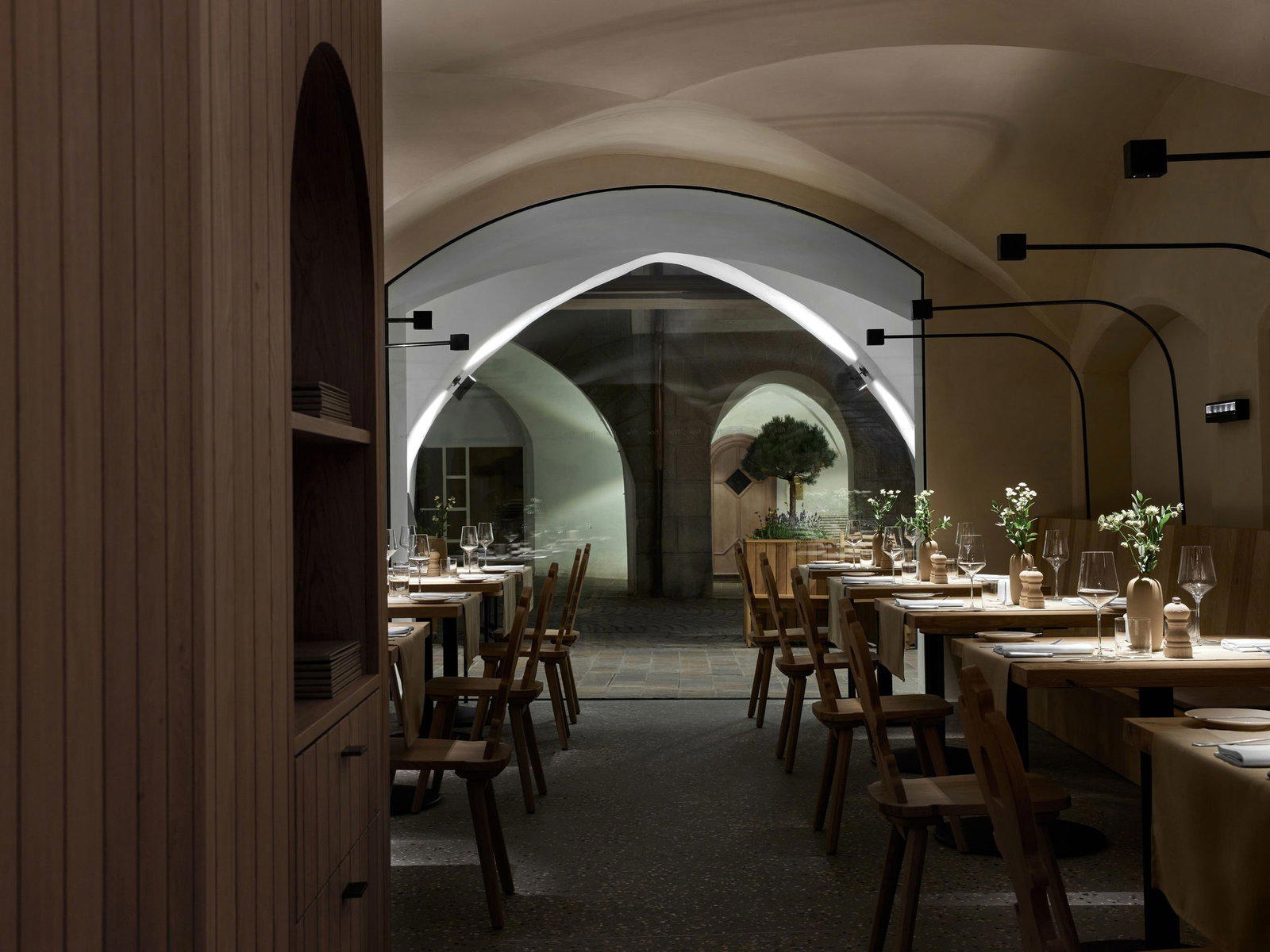
Hotels in Rome
Browse all →
Wineries in Rome
Browse all →
At a Glance
- Classic
- Rustic
- Cozy
- Family
- Group Dining
- Casual Hangout
- Historic Building
Current opening hours
- Monday
- Closed
- Tuesday
- 12:30–3 PM, 7:30–11:30 PM
- Wednesday
- 12:30–3 PM, 7:30–11:30 PM
- Thursday
- 12:30–3 PM, 7:30–11:30 PM
- Friday
- 12:30–3 PM, 7:30–11:30 PM
- Saturday
- 12:30–3 PM, 7:30–11:30 PM
- Sunday
- 12:30–3 PM, 7:30–11:30 PM
Hours can change for holidays and private events. Last verified .
Old-school 1970s vibe with essential furnishings, reassuringly timeless and unfashionable, creating a charming local feel.