Taverna Urbana occupies a quietly significant address on Via Urbana in Rome's Monti neighbourhood, a district that has become one of the city's most closely watched for the evolution of casual-to-serious Italian dining. The restaurant sits within a broader shift in Roman hospitality away from tourist-facing trattorias toward neighbourhood establishments with considered menus and a repeat-local clientele.
Pearl is the En Primeur Club membership app — saves, bookings, and concierge access live there. Same editors, same standards.
- Address
- Via Urbana, 137, 00184 Roma RM, Italy
- Phone
- +393964884439
- Website
- tavernaurbana.com
- Directions
- Get directions
 Saves & bookings on Pearl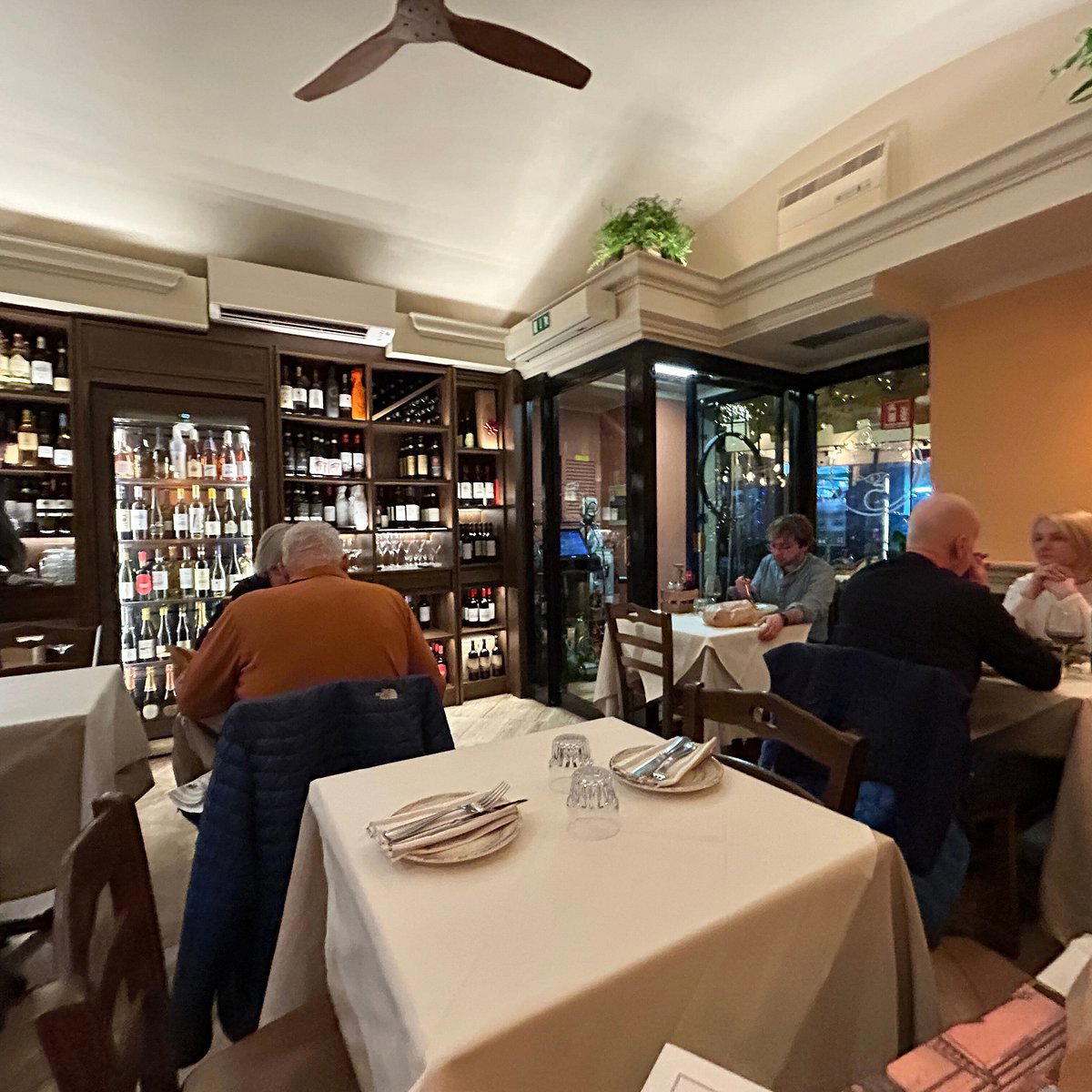
Via Urbana and the Monti Dining Shift
Rome's Monti neighbourhood has undergone a transition over the past fifteen years, moving from a zone of cheap enotecas and student-facing pizzerias into one of the capital's dining districts. The streets running off Via Cavour, Via Urbana among them, have attracted a successive wave of operators looking for relatively affordable rents within walking distance of the Colosseo and the Fori Imperiali, yet oriented toward a Roman rather than a tourist clientele. Taverna Urbana sits at Via Urbana, 137, inside this broader pattern.
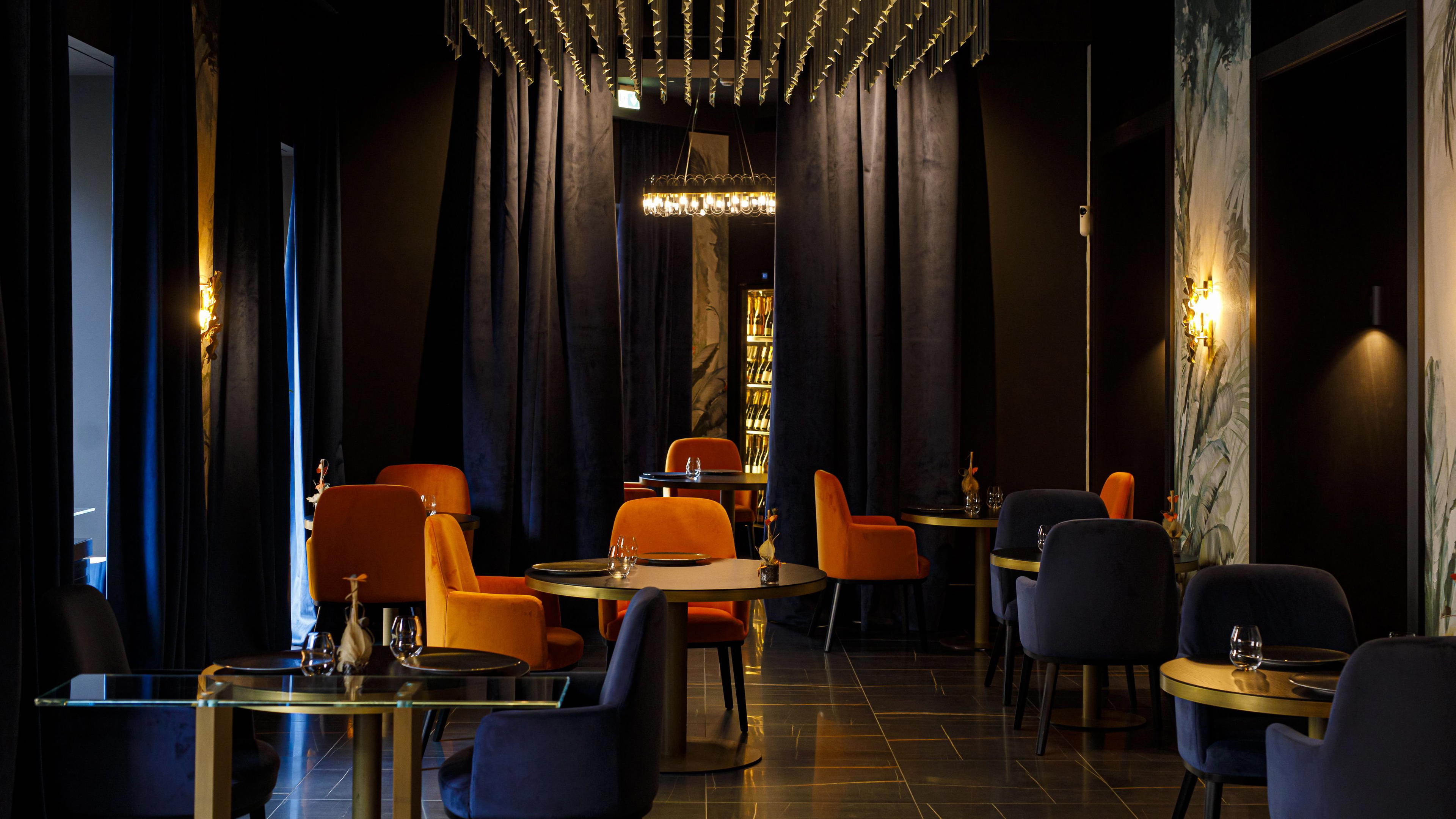
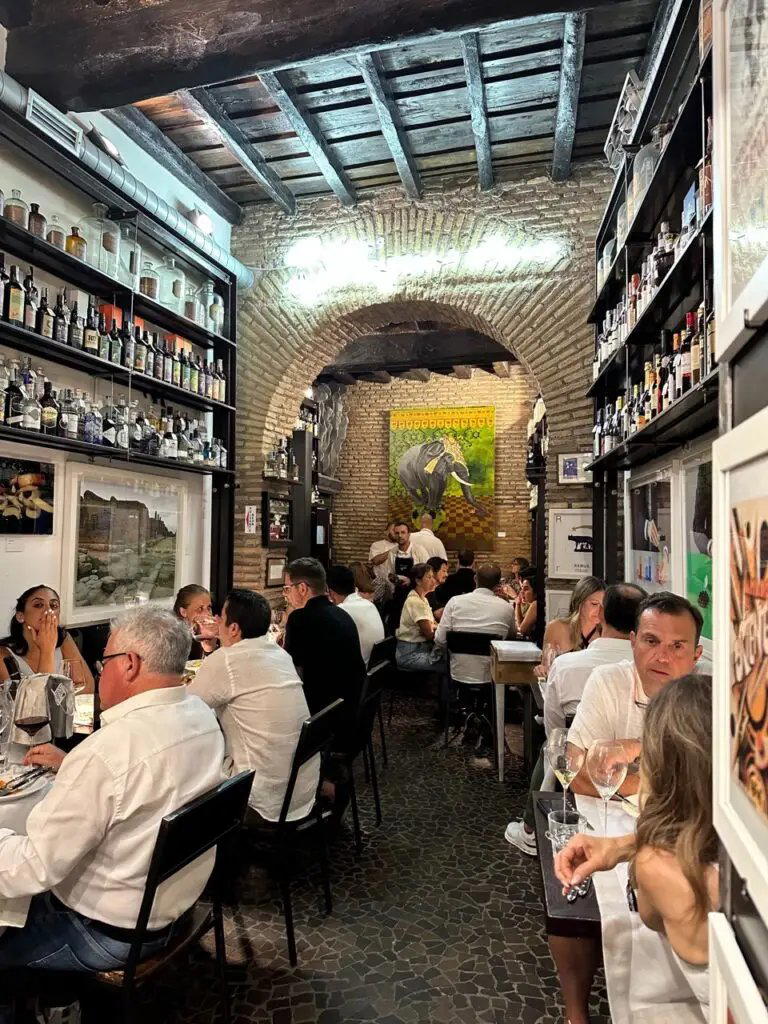
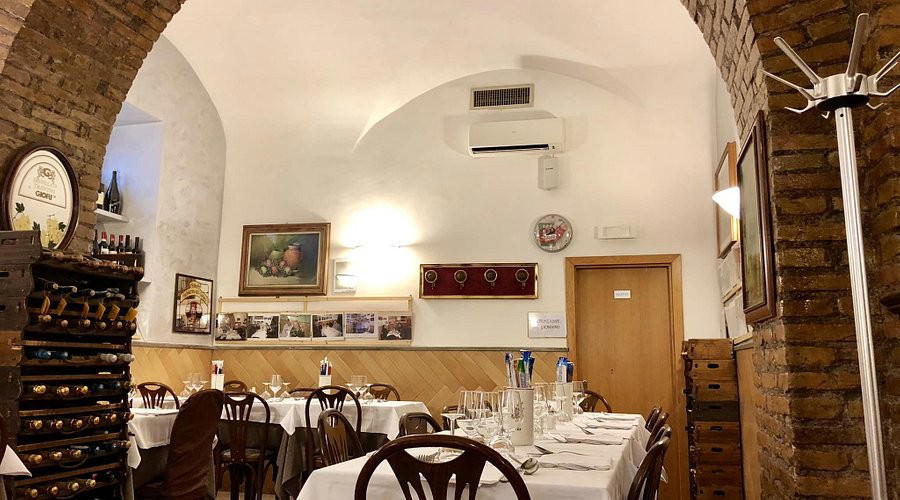
That address matters because the neighbourhood sets expectations before a guest arrives. Monti is compact and walkable, its medieval street plan producing venues that are almost always small, often with minimal frontage and interiors that open up only once you step inside. The physical environment skews toward exposed brick, close-set tables, and an ambient noise level that reads as convivial rather than controlled. Rome's better neighbourhood restaurants have learned to use that constraint productively, creating a density of atmosphere that larger, purpose-built dining rooms rarely replicate.
For visitors accustomed to the formal dining register found at La Pergola, or the architectural ambition of Il Pagliaccio, Monti's informal frame is a deliberate contrast. The neighbourhood does not compete with Rome's Parioli or EUR districts for white-tablecloth ceremony; it offers a different kind of seriousness, one grounded in daily operation and local habit.
The Evolution of the Roman Taverna Format
The word taverna carries historical weight in Italian dining, designating an establishment somewhere between a wine-serving inn and a simple kitchen. Through most of the twentieth century, the Roman taverna model meant fixed menus, carafe wine, and cooking anchored to Lazio staples: cacio e pepe, coda alla vaccinara, supplì. What has changed in the past decade is that operators working under or adjacent to that format have begun importing the menu discipline and sourcing rigour previously associated with higher-category restaurants.
Across Italian cities, neighbourhood-scale restaurants have repositioned without abandoning their informal character. Uliassi in Senigallia made that shift over decades, moving from a beach-shack seafood premise to a three-Michelin-star address while retaining the coastal, unshowy register. Reale in Castel di Sangro repositioned even more dramatically, relocating and reconceiving its entire offer. In Rome, the trajectory is less dramatic but no less real: the taverna format is being quietly renegotiated, with quality sourcing and seasonal thinking entering restaurants that once ran entirely on rotation menus and bulk wine contracts.
Taverna Urbana enters this context as Monti has become a test case for that renegotiation in Rome. Whether the format matures into something closer to the creative Italian work seen at Acquolina or Enoteca La Torre, or holds its informal positioning deliberately, is precisely the question that makes mid-tier Monti restaurants worth watching.
Situating Taverna Urbana in Rome's Price Tiers
Rome's dining market segments more clearly now. At the leading sits a small cohort of tasting-menu restaurants with Michelin recognition and price points beginning at €150 per head before wine, venues like Achilli al Parlamento operate in that register. A broader middle tier, covering neighbourhood restaurants with à la carte menus and spend in the €40–€80 range, has expanded significantly. Below that, the mass-tourist market continues to compress margins and quality simultaneously.
The restaurant's Via Urbana address places it in that middle bracket by geography and neighbourhood context. For comparison, Enoteca La Torre and Il Pagliaccio both operate at the €€€€ tier, a price point that the Monti neighbourhood format generally does not support structurally. Across Italy, the restaurants that have managed the transition from informal to recognised at that higher tier include Osteria Francescana in Modena, Piazza Duomo in Alba, and Le Calandre in Rubano, all of which began with simpler formats and accumulated recognition over time. That trajectory is instructive, even if the restaurant's positioning is closer to neighbourhood institution than destination restaurant.
Atomix in New York City or the sustained rigour of Le Bernardin, venues that demonstrate what it looks like when a restaurant's format and ambition align over the long term.
What the Address Signals
Via Urbana 137 is a specific coordinate in a neighbourhood that has been through multiple cycles of identity. Monti was Rome's red-light district before it was a student zone; it became an arts neighbourhood before it was a dining one. Each transition left traces in the built fabric: small-scale street frontage, mixed residential and commercial use, a pedestrian pace that discourages the coach-tour patterns that dominate Trastevere or the area around the Vatican.
That history matters for how restaurants in the zone operate. The foot traffic on Via Urbana skews local during the week and mixed at weekends, which produces a dining room that functions differently than the tourist-dependent addresses around the Trevi Fountain or Campo de' Fiori. Restaurants that survive on Via Urbana tend to have earned repeat custom from the neighbourhood, because the walk-in tourist volume alone is insufficient to sustain a kitchen. That structural fact quietly filters the quality of what survives.
For Italian dining at greater scale and ambition, the work at Dal Pescatore in Runate, Enrico Bartolini in Milan, Atelier Moessmer Norbert Niederkofler in Brunico, Quattro Passi in Marina del Cantone, and Enoteca Pinchiorri in Florence represent reference points for where the national category sits at its most formalised.
Know Before You Go
- Address: Via Urbana, 137, 00184 Roma RM, Italy
- Neighbourhood: Monti, walkable from the Colosseo metro stop (Line B)
- Price tier: Mid-range neighbourhood positioning; specific pricing not confirmed
- Awards: No confirmed awards or Michelin recognition
- Hours: Not confirmed; verify directly before visiting
- Cacio e Pepe
- Amatriciana
- Pork Cheek Pasta
- Roast Rabbit
- Oxtail Stew
- Meatballs
Budget Reality Check
Comparable venues nearby, for context on price, style, and recognition.
| Venue | Cuisine | Price |
|---|---|---|
| Taverna UrbanaThis venue — the venue you are viewing | Monti, Roman Trattoria | $$ |
| Ristorante Pancrazio | Parione, Traditional Roman Trattoria | $$ |
| Fradiavolo Roma Ostiense | Ostiense, Contemporary Italian Pizza | $$ |
| Da Benito e Gilberto | Borgo, Italian Seafood | $$ |
| Ristorante da Mario | Sallustiano, Modern Roman Trattoria | $$ |
| Trattoria Nonna Fortunata | Sallustiano, Authentic Roman Trattoria | $$ |

At a Glance
- Bohemian
- Cozy
- Rustic
- Lively
- Casual Hangout
- Group Dining
- Date Night
- Family
- Terrace
- Standalone
- Beer Program
- Local Sourcing
- Street Scene
Current opening hours
- Monday
- 9 AM–11:30 PM
- Tuesday
- 9 AM–11:30 PM
- Wednesday
- 9 AM–11:30 PM
- Thursday
- 9 AM–11:30 PM
- Friday
- 9 AM–11:30 PM
- Saturday
- 9 AM–11:30 PM
- Sunday
- 9 AM–11:30 PM
Hours can change for holidays and private events. Last verified .
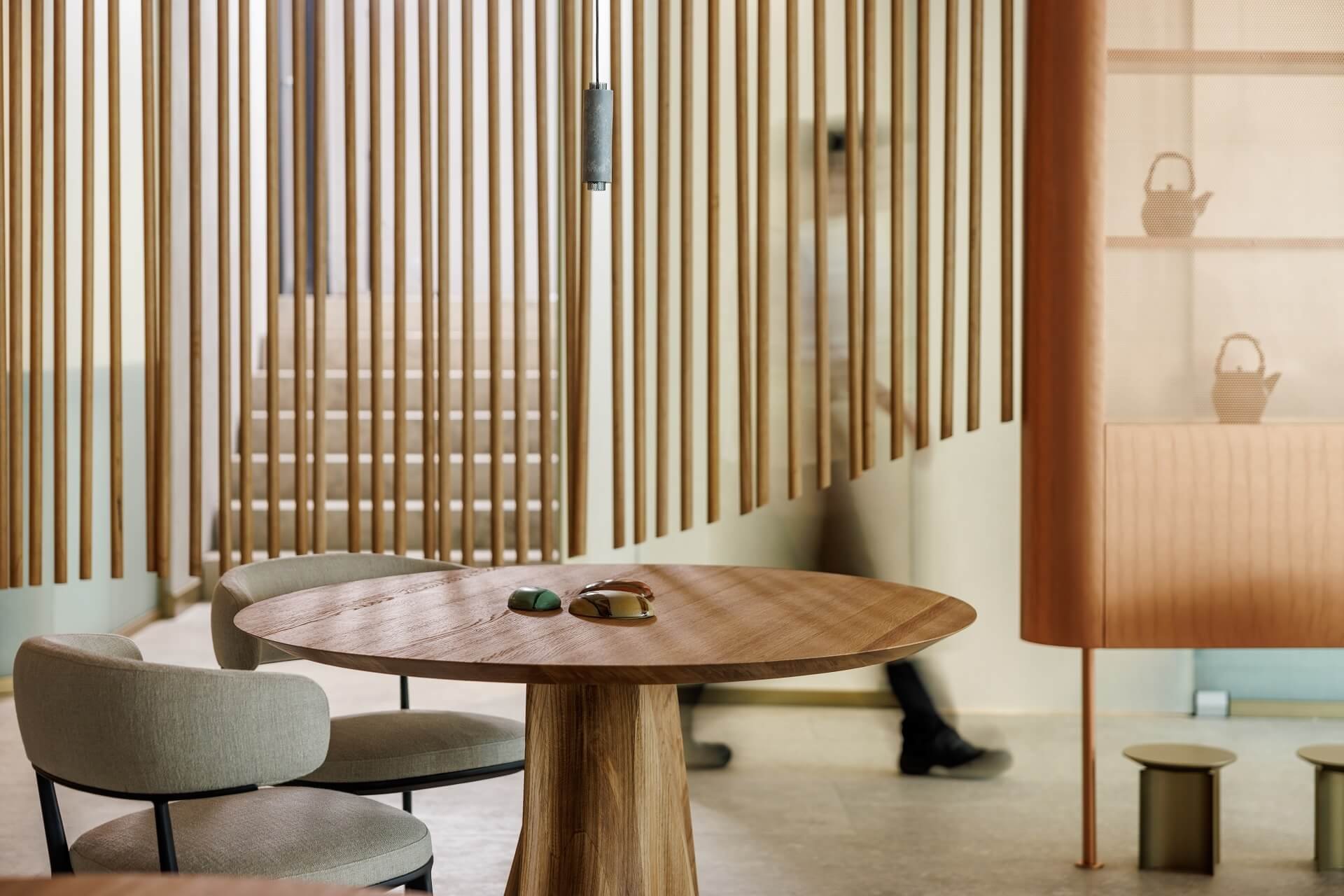
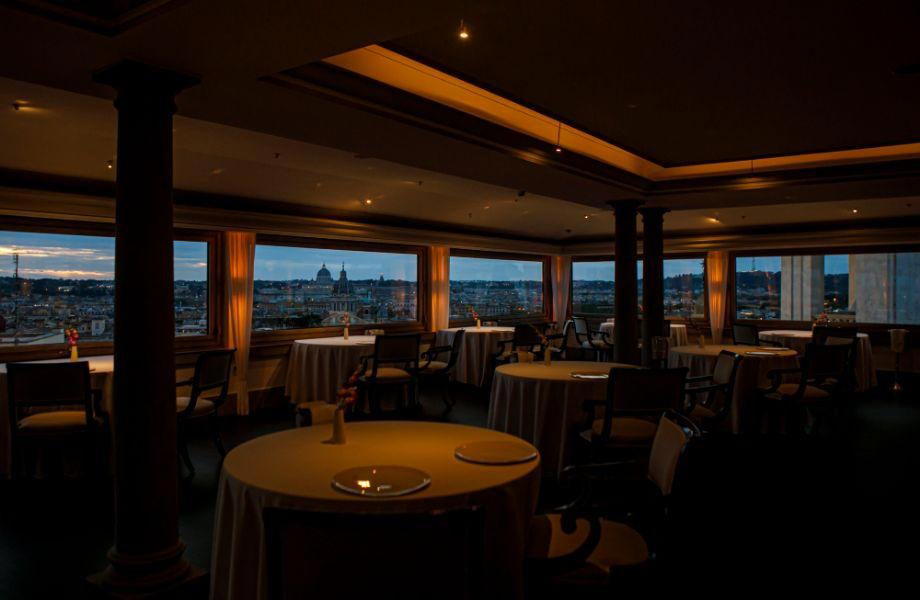
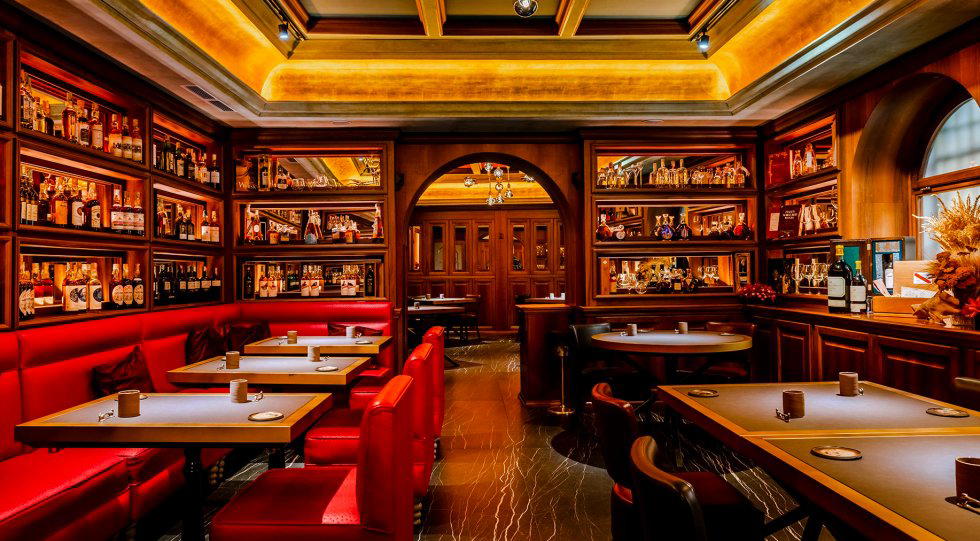
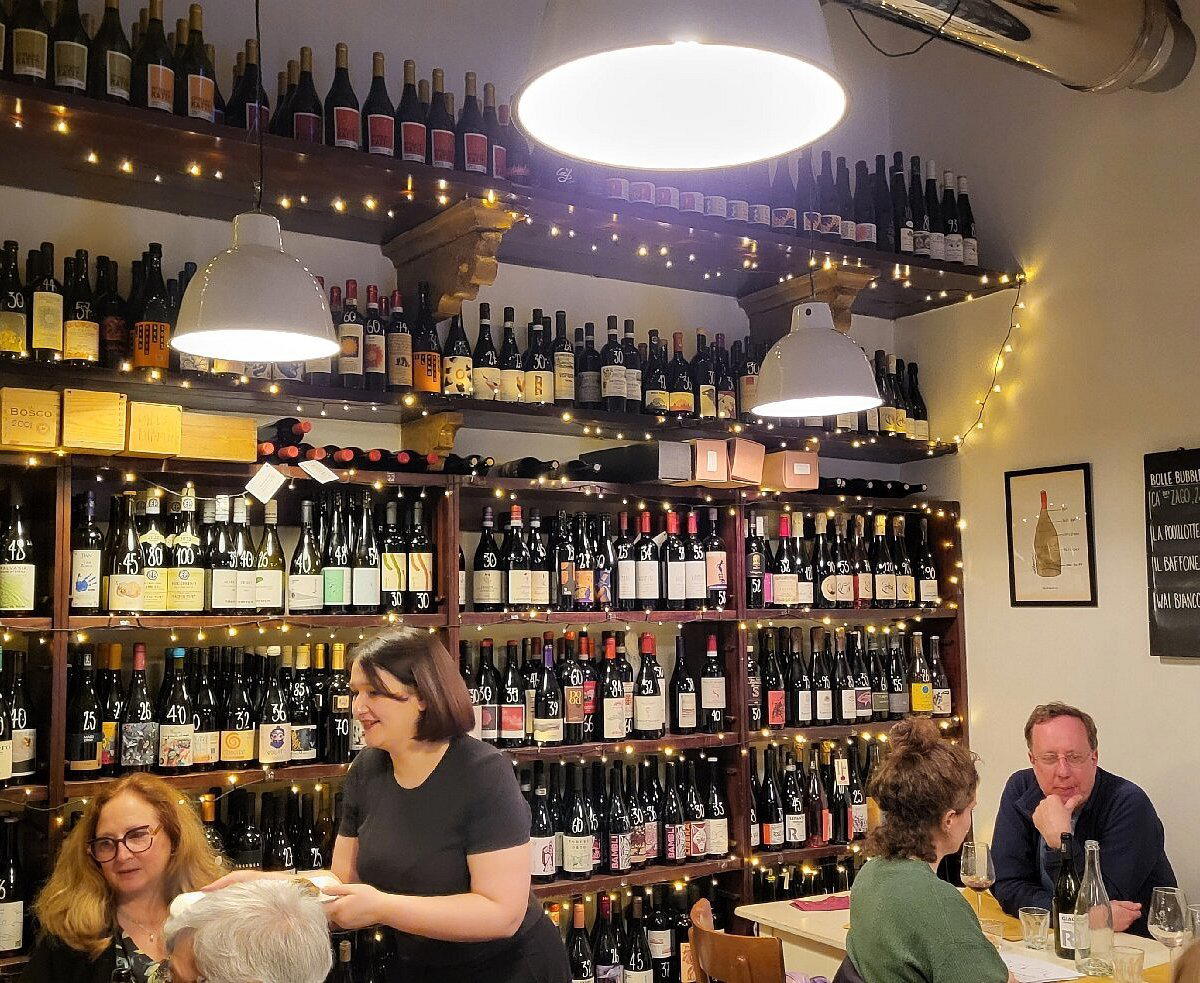
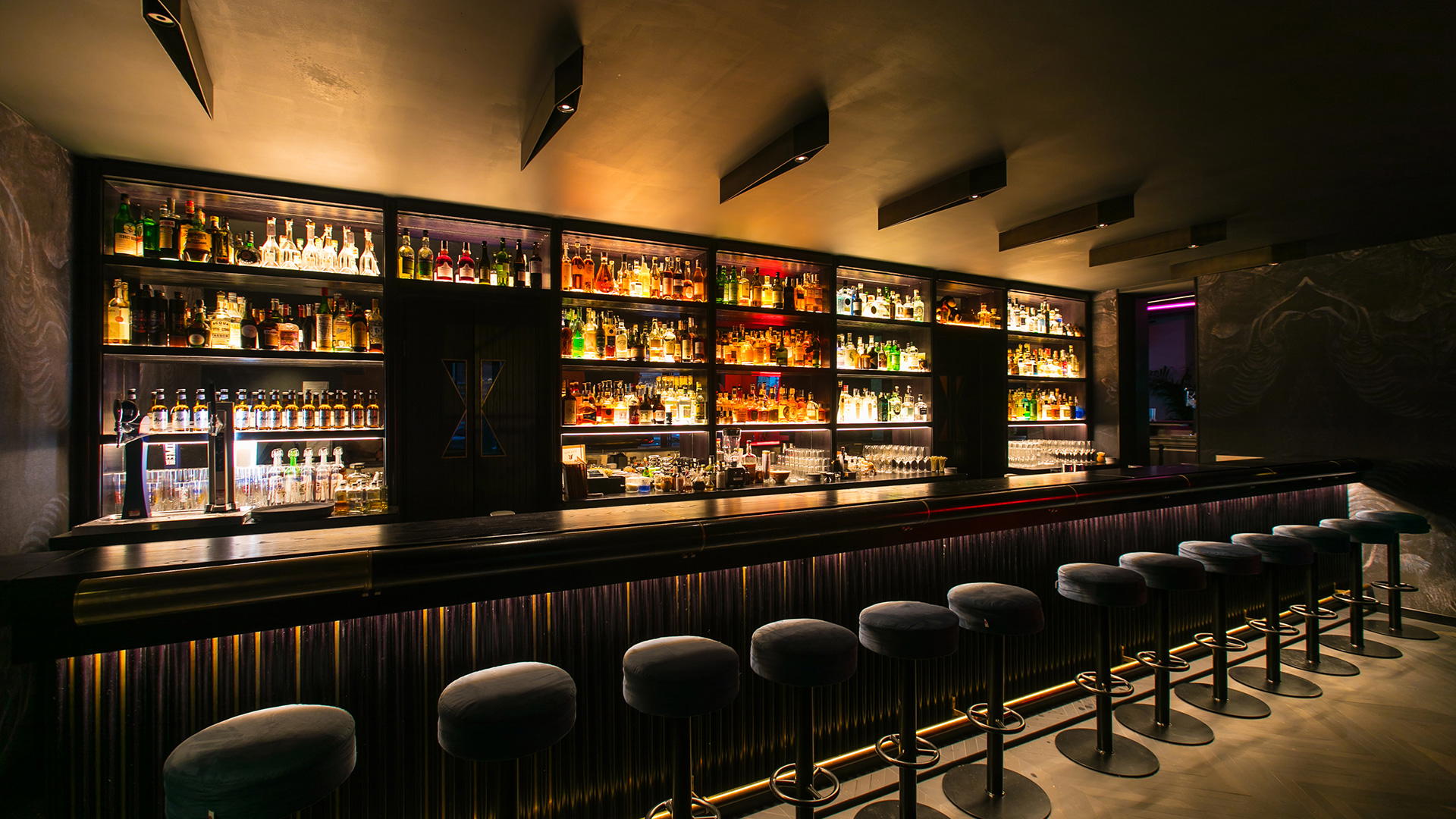
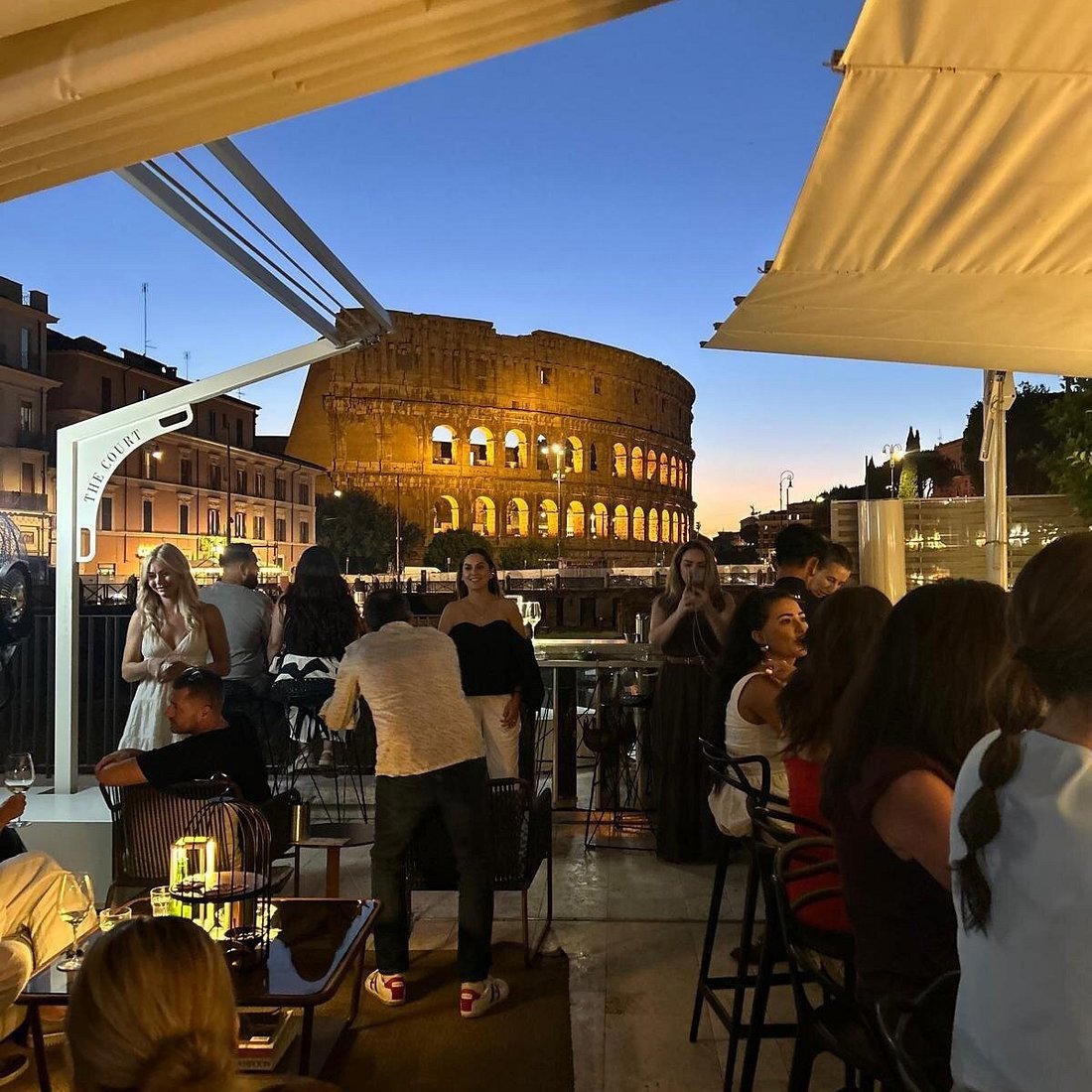
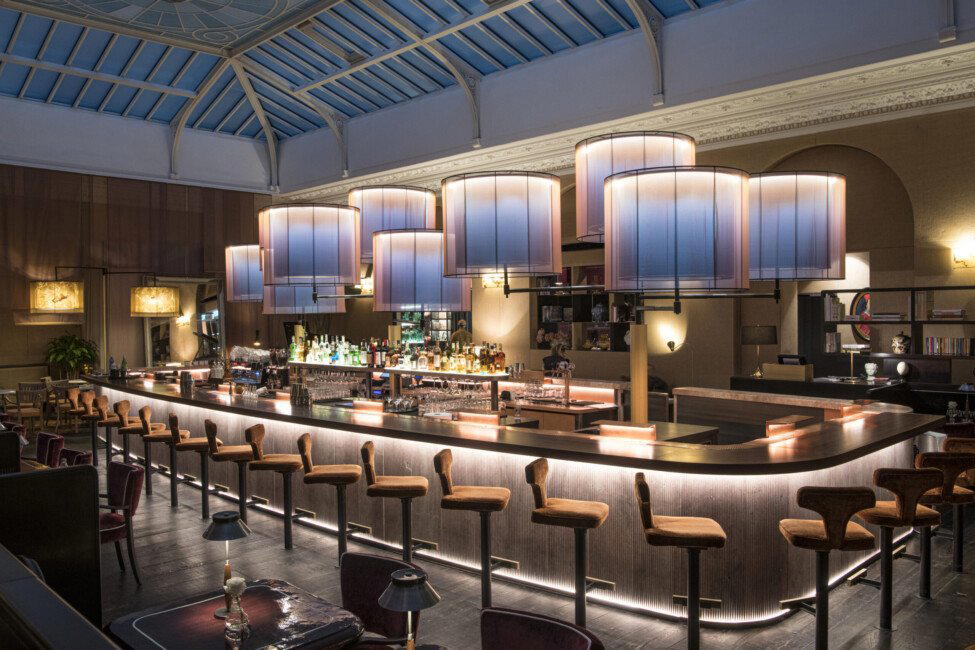
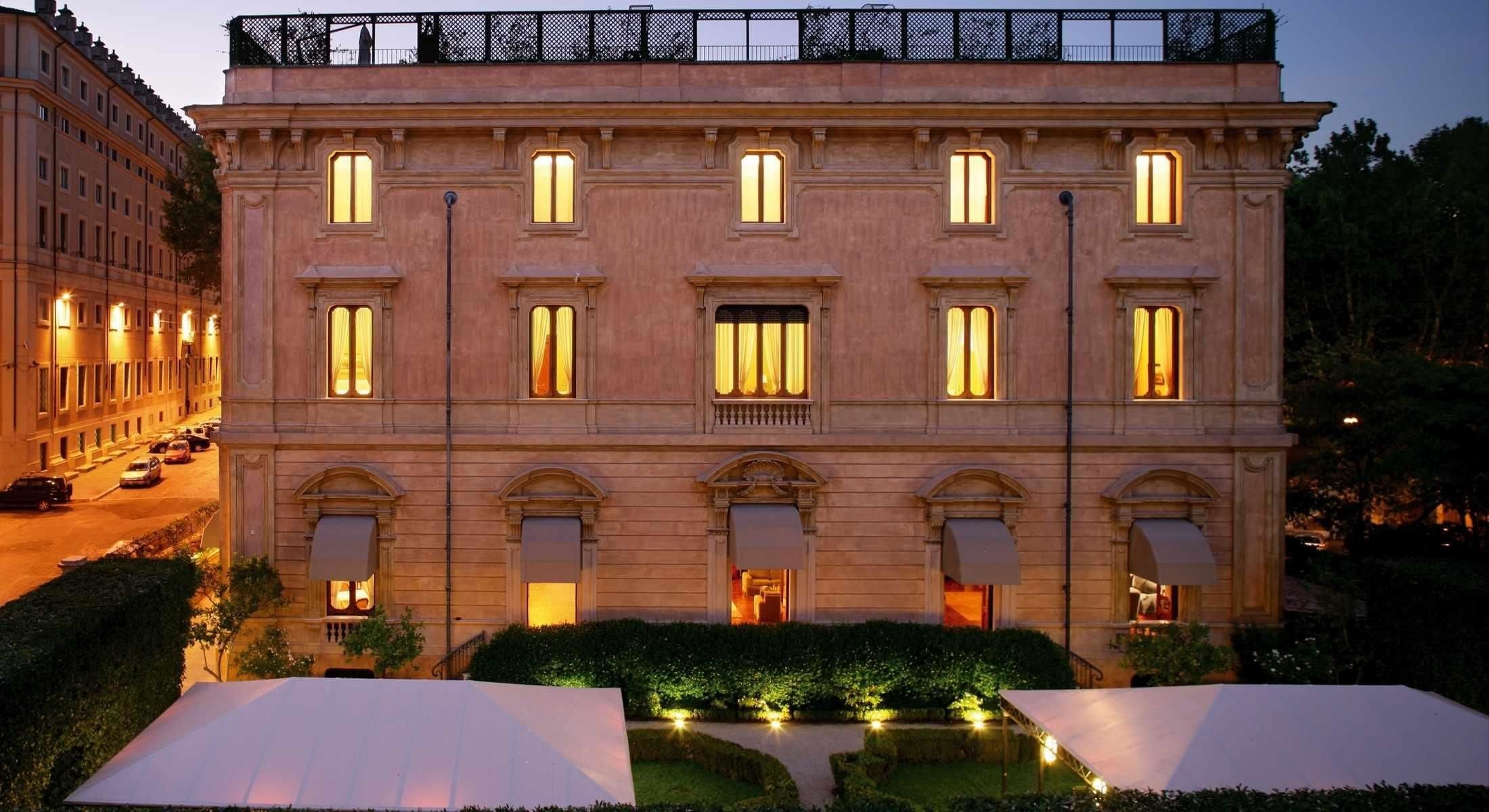
Warm and inviting with soft lanterns, bohemian atmosphere, and charming cobblestone street views; described as a cozy neighborhood gathering spot away from tourist crowds.