San Biagio occupies a quiet address on Via Oslavia in the Prati district, a neighbourhood that sits outside Rome's tourist circuits but well within the radar of the city's serious dining community. The restaurant operates in a register that Rome's mid-to-upper residential quarters have long supported: considered cooking, a room built for conversation, and an audience that returns by habit rather than occasion.
Pearl is the En Primeur Club membership app — saves, bookings, and concierge access live there. Same editors, same standards.
- Address
- Via Oslavia, 39e, 00195 Roma RM, Italy
- Phone
- +39645683049
- Website
- pizzaebolle.it
- Directions
- Get directions
 Saves & bookings on Pearl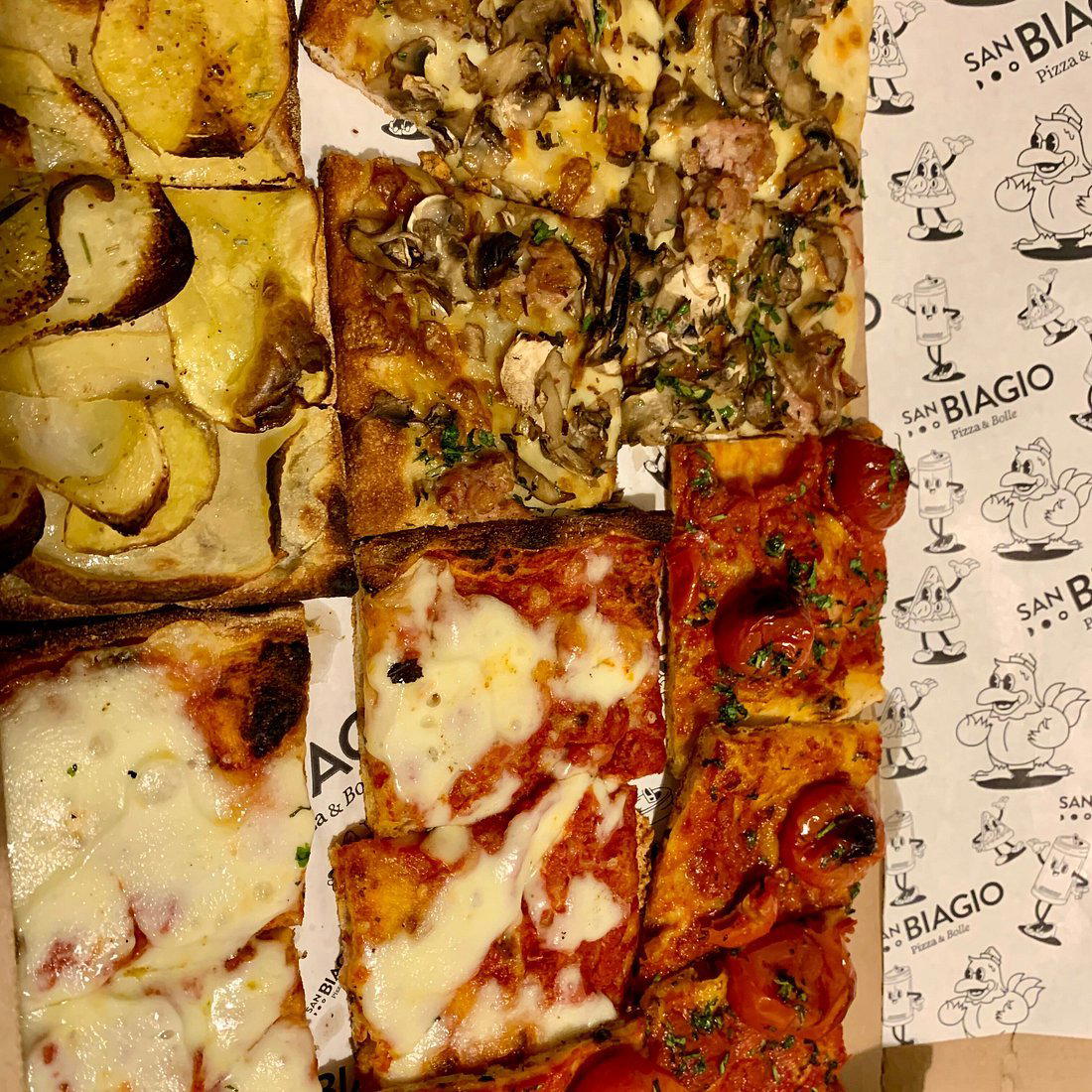
A Room That Earns Its Quiet
Prati is not the Rome of postcards. The neighbourhood's broad, rational streets were laid out in the late nineteenth century to house the administrative class that followed Italian unification, and the architecture still carries that civic sobriety. Restaurants here tend to survive on repeat custom rather than tourist traffic, which exerts a particular discipline on what ends up on the plate and how the room is arranged. San Biagio is an Italian pizza restaurant at Via Oslavia, 39e, 00195 Roma RM, Italy.
Interior Architecture and the Design of Ease
Italian restaurants that operate at this level of neighbourhood seriousness tend to resolve the design question in one of two ways. The first is the deliberate staging of formality: white linen, measured spacing between tables, a room that communicates occasion before a single dish arrives. The second is a quieter approach in which the space reads as considered without performing consideration, where the materials and proportions do the work without announcing themselves.
San Biagio's Via Oslavia address places it in a streetscape that rewards the second approach. A room that prioritised spectacle here would read as misaligned with its surroundings. The architecture of the leading dining rooms in residential Rome functions less as a destination set piece and more as an extension of the private sphere, a space calibrated for the kind of conversation that benefits from acoustic calm and sightlines that don't intrude. The physical container is, in this sense, an argument about what kind of evening the restaurant is proposing.
This is a design logic that has parallels across serious Italian dining. At Dal Pescatore in Runate, the room's domestic warmth is inseparable from the cooking's meaning. At Reale in Castel di Sangro, the physical transformation of a historic building became the primary statement of intent. In each case, the space is doing editorial work, not just providing a backdrop.
Where San Biagio Sits in Rome's Dining Structure
Rome's restaurant scene has grown more stratified over the past decade. At the apex, La Pergola operates in a category of its own, with three Michelin stars and a price point that positions it against international fine dining rather than the local market. A tier below, creative and contemporary Italian restaurants including Acquolina, Enoteca La Torre, and Il Pagliaccio compete on technical ambition and awarded recognition. Further down the register, neighbourhood restaurants in districts like Prati, Flaminio, and Parioli hold their own market: loyal, local, price-sensitive in the sense that they must deliver consistent value over many visits rather than justify a single high spend.
The restaurant operates in this third tier by geography and by orientation. That is not a diminishment. The neighbourhood tier is where Roman culinary identity has historically lived, in trattorias and mid-register restaurants that codify the city's cooking conventions without the mediation of tasting menus or destination branding. For comparison, Achilli al Parlamento demonstrates how a Rome address outside the obvious fine-dining cluster can still develop a particular authority through consistency and focus.
At the national level, the contrast is even sharper. Italy's most recognised restaurants, from Osteria Francescana in Modena to Piazza Duomo in Alba and Le Calandre in Rubano, operate destination formats that draw international audiences specifically for the meal. The restaurant's Prati address proposes a different contract: cooking that serves the neighbourhood's rhythm rather than interrupting it.
The Prati Context
Understanding what the restaurant is requires understanding what Prati is. The district runs from the Tiber westward toward the Vatican walls, and its restaurant density reflects a professional and upper-middle-class residential base rather than a tourist economy. The comparison set for a restaurant on Via Oslavia is other Prati establishments, not the trattorias of Trastevere or the creative kitchens of Ostiense. Competition here is fought on regularity and reliability, on a kitchen that delivers the same quality on a Tuesday in November as it does on a Saturday in April.
This is a discipline that Rome's broader dining circuit, and Italy's more broadly, has always valued. Coastal restaurants like Uliassi in Senigallia and Quattro Passi in Marina del Cantone earn their standing through seasonal mastery and product specificity. Urban neighbourhood restaurants like San Biagio earn theirs through a different consistency: the ability to hold a room's loyalty across seasons and across the routine of daily life rather than the occasion of a special visit.
Placing San Biagio in the Broader Italian Picture
For visitors arriving in Rome with time to explore beyond the obvious addresses, Prati rewards attention. The neighbourhood's restaurant culture is less documented internationally than the historic centre's, which means the quality-to-visibility ratio skews in the diner's favour. Internationally recognised Italian kitchens such as Enoteca Pinchiorri in Florence, Enrico Bartolini in Milan, and Atelier Moessmer Norbert Niederkofler in Brunico attract the kind of advance planning and cross-border travel associated with destination dining. The restaurant operates at the opposite end of that spectrum: a restaurant you find when you know the city rather than one you plan a trip around.
That distinction carries its own value. In the same way that Le Bernardin in New York and Atomix represent different access points into the same city's serious dining culture, Rome's fine-dining flagships and its neighbourhood stalwarts serve different but equally legitimate functions. The restaurant serves the latter function in a district that has earned a reputation for demanding exactly that.
Know Before You Go
- Address: Via Oslavia, 39e, 00195 Roma, Italy
- District: Prati, northwest Rome
- Booking: Recommended
- Nearest landmarks: Within walking distance of the Vatican and Castel Sant'Angelo
Quick Comparison
Comparable venues nearby, for context on price, style, and recognition.
| Venue | Cuisine | Price | Notes |
|---|---|---|---|
| San BiagioThis venue — the venue you are viewing | Italian Pizza | $$ | Not listed |
| Enoteca Corsi | Traditional Roman Trattoria | $$ | Pigna |
| Piatto Romano | Authentic Roman Trattoria | $$ | Testaccio |
| Gruppo Di Rienzo | Traditional Roman Italian | $$ | San Eustachio |
| Rosina Cucina di Casa | Traditional Roman Trattoria | $$ | Parione |
| Taverna Urbana | Roman Trattoria | $$ | Monti |
Continue exploring
More in Rome
Restaurants in Rome
Browse all →
Bars in Rome
Browse all →
Hotels in Rome
Browse all →

At a Glance
- Casual
- Casual Hangout
- Family
Current opening hours
- Monday
- 11 AM–10 PM
- Tuesday
- 11 AM–10 PM
- Wednesday
- 11 AM–10 PM
- Thursday
- 11 AM–10 PM
- Friday
- 11 AM–10 PM
- Saturday
- 11 AM–10 PM
- Sunday
- 11 AM–10 PM
Hours can change for holidays and private events. Last verified .
Casual pizza spot with standard atmosphere.