FA.SE Osteria Moderna sits on Viale Amelia in Rome's Appio Latino district, operating within a generation of Roman restaurants that take sustainability and ethical sourcing as structural commitments rather than marketing additions. The address places it outside the tourist circuit, in a neighbourhood where the dining room earns its audience through cooking rather than foot traffic. For Rome's growing cohort of sourcing-conscious diners, it represents a practical alternative to the city's more ceremonial fine-dining addresses.
Pearl is the En Primeur Club membership app — saves, bookings, and concierge access live there. Same editors, same standards.
- Address
- Viale Amelia, 13b, 00181 Roma RM, Italy
- Phone
- +393343328962
- Website
- faseristorante.it
- Directions
- Get directions
 Saves & bookings on Pearl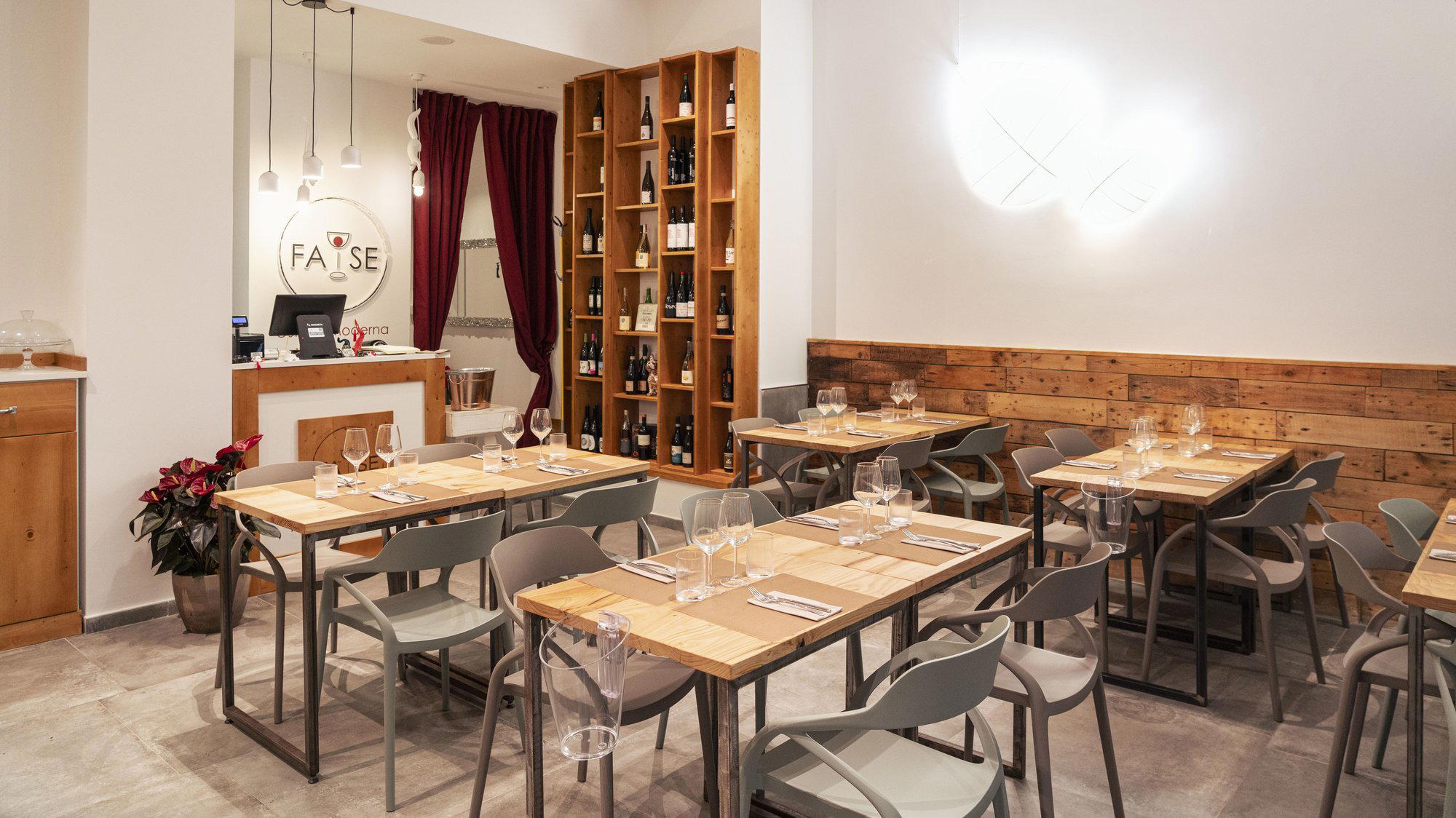
A Different Rome, South of Centro
Rome's most discussed restaurants tend to cluster near the historic centre or within hotel properties angled at international visitors. The city's Appio Latino neighbourhood, where FA.SE Osteria Moderna occupies a ground-floor address on Viale Amelia, operates on different logic. The streets here run through a mid-century residential grid, the kind of district where trattorias survive on repeat local custom rather than guidebook mentions.
Within Rome's broader dining conversation, the "osteria moderna" label has become a precise cultural signal. It implies respect for traditional formats, roots in Italian regional cooking, and a deliberate distance from the theatrical plating and luxury ingredient accumulation that defines the city's highest-spending tier. Restaurants like Enoteca La Torre and Il Pagliaccio operate at the €€€€ end of contemporary Italian creativity in Rome, with Michelin stars and tasting menus that price against international fine dining. FA.SE positions itself differently, using the osteria frame to suggest a more grounded relationship between kitchen and table.
Sustainability as Kitchen Logic, Not Brand Language
Across Italian fine dining, the conversation around ethical sourcing has matured significantly in the past decade. What began as a talking point on tasting menu preambles has, at particularly committed addresses, become the actual organising principle of the kitchen: which producers to contract, how to handle secondary cuts and vegetable trim, what seasonal windows actually dictate the menu rather than decorate it. Restaurants like Atelier Moessmer Norbert Niederkofler in Brunico have built international reputations on exactly this commitment, where the supply chain is the creative constraint. Uliassi in Senigallia and Reale in Castel di Sangro each engage with sourcing in ways that have shaped their menus structurally, not cosmetically.
FA.SE Osteria Moderna sits within this wider Italian movement, applied to a Roman neighbourhood context. The "moderna" qualifier in osteria moderna restaurants typically signals that the format is not frozen in amber: the sourcing sensibility, the approach to seasonal produce, and the kitchen's relationship with waste and whole-ingredient cooking tend to be more deliberate than at a traditional trattoria. In Rome specifically, where the canonical cucina romana is built around quinto quarto (offal cookery) and the full use of the animal, a sustainability-oriented modern osteria has genuine indigenous tradition to draw on. This is not an imported Scandinavian model; it is a contemporary expression of practices that Roman cooks have always known.
Addresses like Acquolina and Achilli al Parlamento operate within creative fine-dining frameworks where sourcing is one value among several. The osteria moderna format, by contrast, tends to make sourcing and season the starting point, with technique in service of ingredient rather than the reverse. For a city like Rome, where the produce markets at Testaccio and the seasonal rhythms of Lazio agriculture are deeply embedded in food culture, this approach has particular coherence.
Where FA.SE Sits in the Rome Dining Picture
Italy's most discussed sustainable and regionally-rooted restaurants have largely built their reputations outside Rome: Osteria Francescana in Modena, Piazza Duomo in Alba, Dal Pescatore in Runate, Le Calandre in Rubano. Rome's fine dining conversation has historically been dominated by hotel dining rooms and old-guard ristoranti. La Pergola remains the city's highest-profile address, operating at a price point and formality that few Romans visit regularly. The emergence of neighbourhood-rooted modern osterias represents a structural shift in where Roman dining ambition is being expressed.
FA.SE's address in Appio Latino places it in the tier of Rome restaurants that earn sustained local patronage rather than seasonal visitor traffic. Internationally, the comparable shift is visible in cities like San Francisco, where Lazy Bear demonstrated that serious cooking and sourcing commitment could operate outside traditional fine-dining formality. In Italy specifically, the question for sourcing-focused osteria moderna restaurants is whether they can sustain the producer relationships and seasonal discipline that the concept demands without the pricing headroom of a Michelin-starred tasting menu. The evidence from Rome's neighbourhood dining scene suggests there is an audience willing to support it.
For visitors comparing across Italy's cooking cities, Enoteca Pinchiorri in Florence and Enrico Bartolini in Milan represent different end-points on the Italian fine-dining spectrum. FA.SE operates well below that tier in terms of formality and price positioning, which is partly the point. The osteria moderna format proposes that serious cooking and ethical sourcing do not require a formal dining room or a multi-course prix fixe to be meaningful.
One useful reference point closer in spirit: Quattro Passi in Marina del Cantone demonstrates how Italian coastal cooking can integrate sourcing discipline with accessible formats. The logic transfers to a Roman neighbourhood context, even if the ingredient palette shifts from seafood to Lazio's market produce and pastoral tradition.
Know Before You Go
Address: Viale Amelia, 13b, 00181 Roma RM, Italy
Neighbourhood: Appio Latino, south of the historic centre
Price tier: €€
Phone: Not available in current records
Getting there: Accessible by tram and metro from central Rome; not within walking distance of the main tourist zones
When to visit: Lazio's produce seasons peak in spring (artichokes, broad beans, asparagus) and autumn (mushrooms, chestnuts, late tomatoes), periods when sourcing-oriented kitchens tend to be at their most expressive
In Context: Similar Options
Comparable venues nearby, for context on price, style, and recognition.
| Venue | Cuisine | Price | Notes |
|---|---|---|---|
| FA.SE Osteria ModernaThis venue — the venue you are viewing | Modern Roman Osteria | $$ | Not listed |
| Trattoria Nonna Fortunata | Authentic Roman Trattoria | $$ | Sallustiano |
| Marigold Roma | Italian Farm-to-Table Bakery Cafe | $$ | Ostiense |
| Il Barroccio | Traditional Roman Osteria | $$ | Colonna |
| C'è pasta... E pasta! | Roman-Jewish Pasta & Classics | $$ | Portuense |
| Da Benito e Gilberto | Italian Seafood | $$ | Borgo |
Continue exploring
More in Rome
Restaurants in Rome
Browse all →
Bars in Rome
Browse all →
Hotels in Rome
Browse all →

At a Glance
- Modern
- Cozy
- Elegant
- Date Night
- Special Occasion
- Standalone
Current opening hours
- Monday
- 12:30–2:30 PM, 7:30–10:30 PM
- Tuesday
- 12:30–2:30 PM, 7:30–10:30 PM
- Wednesday
- 12:30–2:30 PM, 7:30–10:30 PM
- Thursday
- 12:30–2:30 PM, 7:30–10:30 PM
- Friday
- 12:30–2:30 PM, 7:30–10:30 PM
- Saturday
- 12:30–2:30 PM, 7:30–10:30 PM
- Sunday
- 12:30–2:30 PM
Hours can change for holidays and private events. Last verified .
Accogliente e raffinato atmosphere blending Roman tradition with modern innovation.