Roman gelato culture has long separated serious artisan producers from tourist-facing operations, and Gelateria La Romana sits firmly in the former category. A fixture in the city's gelato conversation, it draws on the northern Italian tradition of fresh-ingredient craft production that distinguishes Rome's better counters from the fluorescent-piled displays that line the centro storico. For visitors building a broader understanding of Rome's food scene, it belongs on the same itinerary as the city's serious restaurants.
 Discover on Pearl
Pearl is the En Primeur Club membership app — saves, bookings, and concierge access live there. Same editors, same standards.
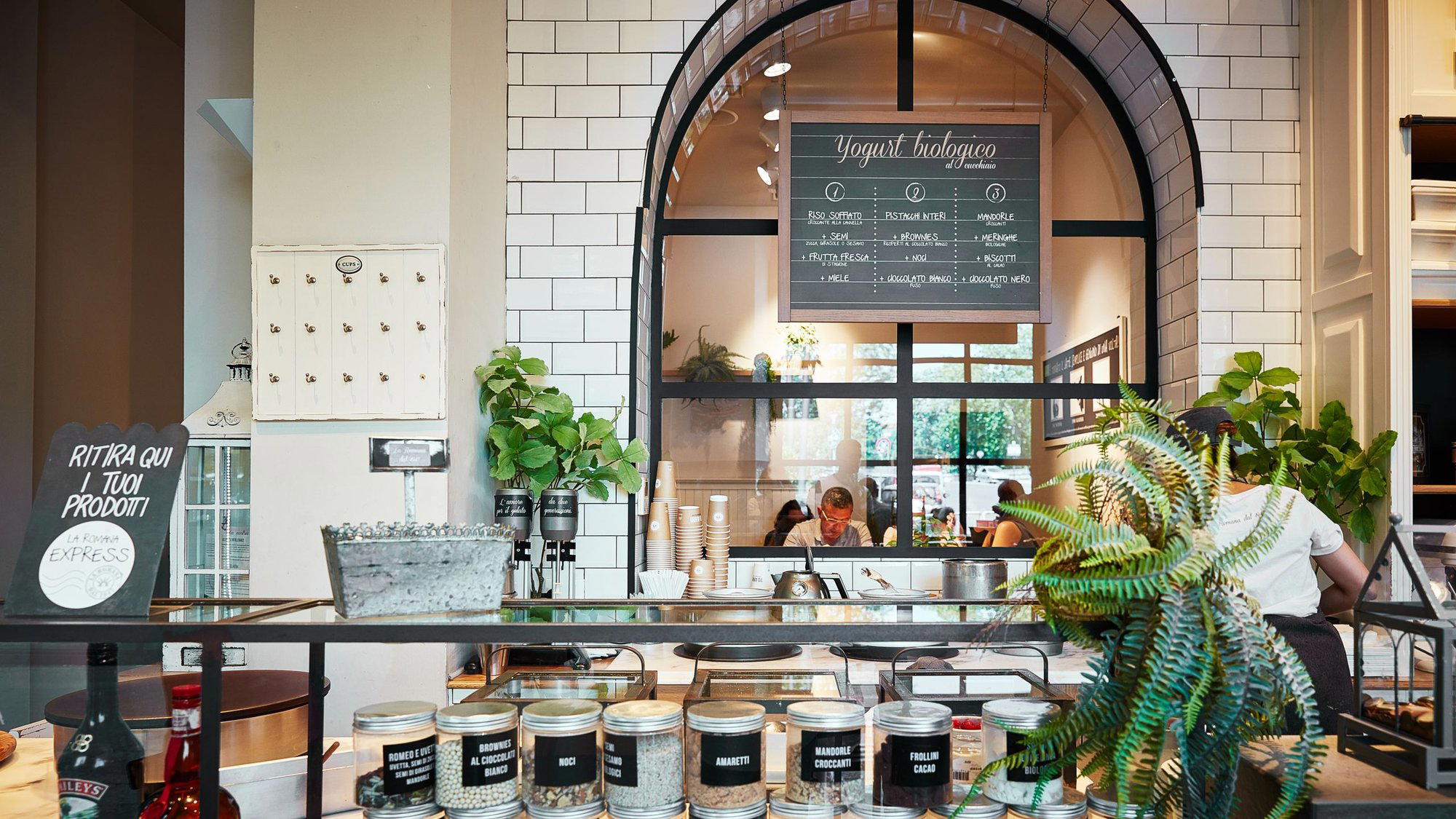
The Gelato Counter as Cultural Barometer
Stand outside almost any gelateria in central Rome long enough and you will notice two distinct queues forming: one that moves quickly, drawn by colour and signage, and one that pauses, reads the board, and asks questions. The latter queue tends to form outside places that treat gelato as a craft product rather than a commodity, and understanding why that distinction matters requires a short detour into Italian food culture more broadly.
Gelato in Italy is not ice cream in the sense that most of the world understands the term. Its lower fat content, higher density, and warmer serving temperature create a texture and flavour intensity that depend almost entirely on ingredient quality and the skill of the gelataio. Artificial thickeners, pre-mixed bases, and synthetic flavourings are detectable to anyone who has eaten the real thing regularly. In a city where food literacy among locals runs deep, gelaterie that cut corners rarely survive long in the same neighbourhood as those that do not.
Gelateria La Romana operates within the tradition of northern Italian gelato craft, a lineage that places particular weight on daily production rhythms, fresh milk sourcing, and seasonal flavour rotations. That tradition arrived in Rome and other central and southern cities through the mid-twentieth century migration of Veneto and Emilia-Romagna gelato families, many of whom trained through guild-style apprenticeship systems that codified technique across generations. The craft counters that survive today in Rome are, in most cases, inheritors of that tradition, whether directly or through formal training programmes that replicate it.
Where La Romana Sits in Rome's Gelato Conversation
Rome's artisan gelato tier has consolidated around a small number of serious operators over the past decade, as the city's food media and resident food community have grown more vocal about distinguishing craft production from industrial product sold under artisan branding. Gelateria La Romana belongs to that consolidated tier, operating with a reputation built on consistency rather than novelty, which in the gelato world is a more meaningful signal than a single extraordinary flavour.
The broader category context is worth stating plainly: Rome has a dense gelato scene, and the majority of its tourist-zone shops use a production model that bears little relationship to the craft tradition described above. Against that backdrop, the places with genuine artisan credentials occupy a recognisably different position, one that locals navigate by instinct and visitors increasingly seek out through food-focused editorial platforms and local guides. La Romana sits in that position.
For visitors already engaging with Rome's serious dining scene, the gelato question is a natural extension of the same sensibility. Italian food culture rewards specificity, sourcing rigour, and technique, whether the format is a tasting menu or a two-scoop cone eaten standing on the pavement.
The Cultural Logic of Italian Gelato
The distinction between gelateria types in Italy maps onto a broader cultural argument about food production that Italians tend to take seriously and visitors sometimes underestimate. In the same way that a Roman will travel across the city for a specific baker or butcher, the relationship between a regular customer and their gelateria of choice involves accumulated trust in the producer's decisions: which fruit to use at which point in the season, how to balance a classic fior di latte against a stronger companion flavour, when to retire a flavour rather than extend it past its moment.
That relationship-based model of consumption, which anthropologists of Italian food culture have documented extensively, produces a different kind of institution than the tourist-facing gelateria. The latter optimises for visual impact and immediate legibility. The former optimises for the return customer who already knows what they want and is coming back to confirm a standard rather than discover a spectacle.
Gelateria La Romana's position in this cultural frame makes it a useful lens for understanding how Rome's food culture actually works at the everyday level, below the tier of Michelin-recognised restaurants and above the level of the supermarket freezer aisle. Italy's food geography has always operated at this intermediate level with particular sophistication, a fact that is easier to appreciate at a gelato counter than almost anywhere else.
Rome in a Broader Italian Dining Frame
Visiting Rome with serious food intent increasingly means holding two registers simultaneously: the city's own strong vernacular food culture, and its position within a national dining scene that includes some of Europe's most discussed restaurants. Italy's Michelin-starred tier spans from Osteria Francescana in Modena and Enrico Bartolini in Milan to Le Calandre in Rubano, Piazza Duomo in Alba, Uliassi in Senigallia, Reale in Castel di Sangro, Dal Pescatore in Runate, Quattro Passi in Marina del Cantone, Enoteca Pinchiorri in Florence, and Atelier Moessmer Norbert Niederkofler in Brunico. Rome's contribution to that national picture is concentrated in a smaller number of addresses than Milan or the Emilia-Romagna corridor, but the city compensates with the depth of its everyday food culture, of which artisan gelato is a legitimate and historically rooted part.
For a full picture of where to eat and drink across the city's different price points and formats, the EP Club Rome restaurants guide maps the scene across categories. Rome's creative dining tier also includes Achilli al Parlamento, which operates in a different register but reflects the same underlying seriousness about Italian product.
Planning a Visit
Gelato in Rome is best approached in the late afternoon or early evening, when the day's production is freshest and the city's own rhythms align with the passeggiata tradition that makes street food consumption a social rather than purely functional act. Artisan gelaterie in Rome typically produce in batches throughout the day, and flavour availability shifts accordingly. Arriving with flexibility about which specific flavour you want, rather than a fixed order in mind, tends to produce a better result. No booking is required; the format is walk-in by definition.
Price and Positioning
Comparable venues nearby, for context on price, style, and recognition.
| Venue | Cuisine | Price | Awards | Notes |
|---|---|---|---|---|
| Gelateria La RomanaThis venue — the venue you are viewing | Sallustiano, Artisanal Italian Gelato | $$ | , | |
| Rosina Cucina di Casa | Parione, Traditional Roman Trattoria | $$ | , | |
| Piazzetta | Colonna, Traditional Italian Trattoria | $$ | , | |
| Mamma Angelina | $$ | , | Trieste, Traditional Roman Trattoria with Fresh Seafood | |
| Amaranto | Trieste, Modern Roman Pizza al Taglio | $$ | , | |
| Fradiavolo Roma Parioli | Salario, Contemporary Italian Pizzeria | $$ | , |
Continue exploring
More in Rome
Restaurants in Rome
Browse all →
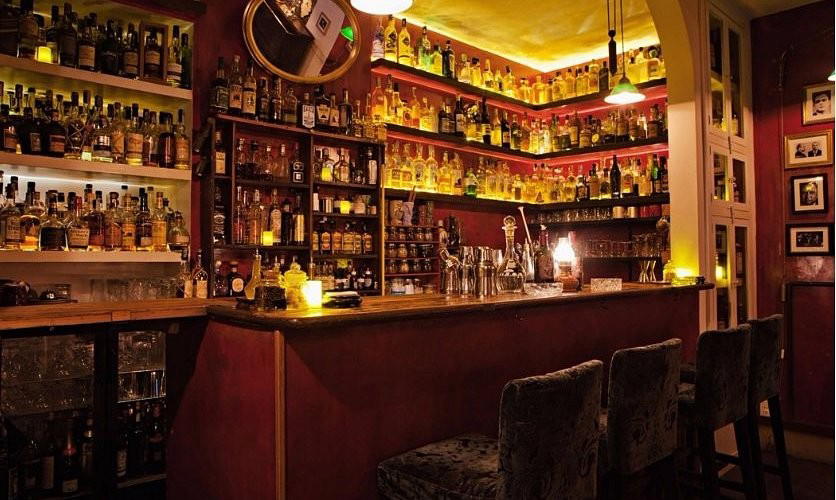
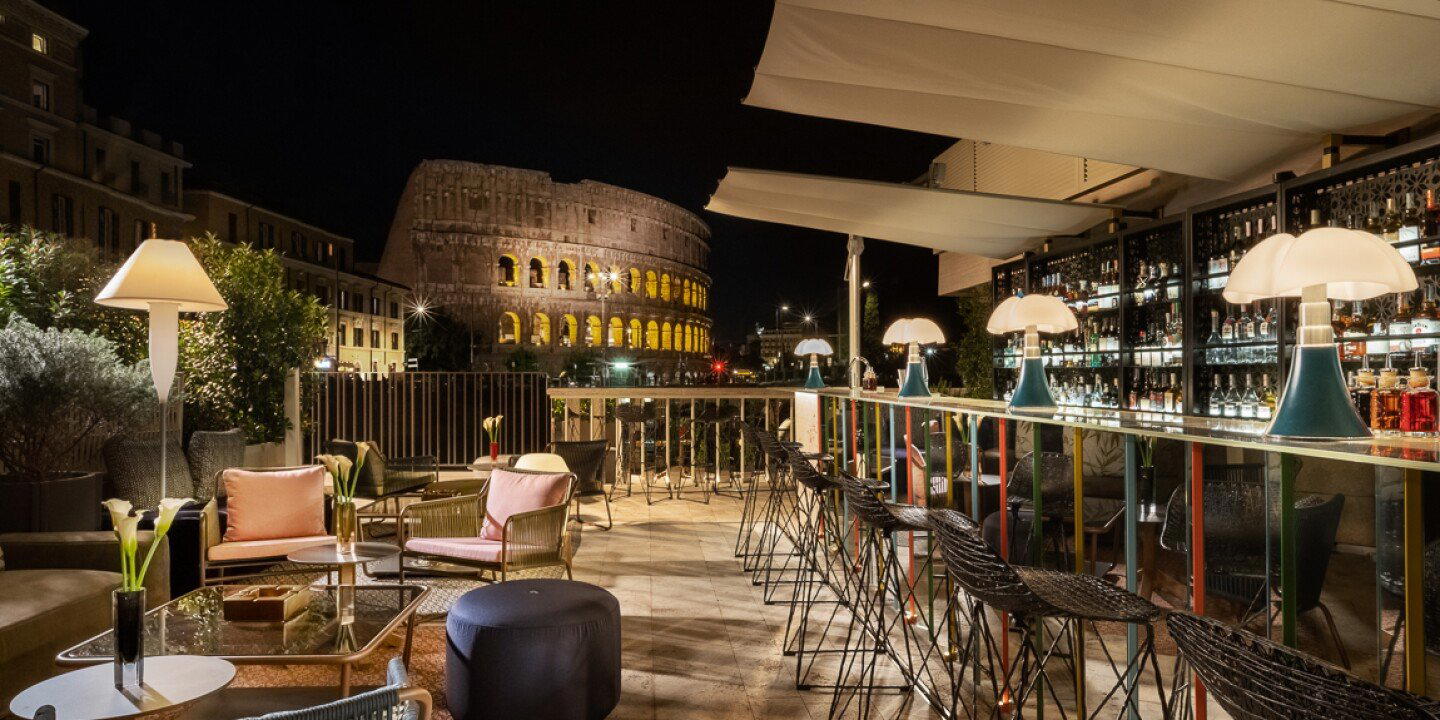
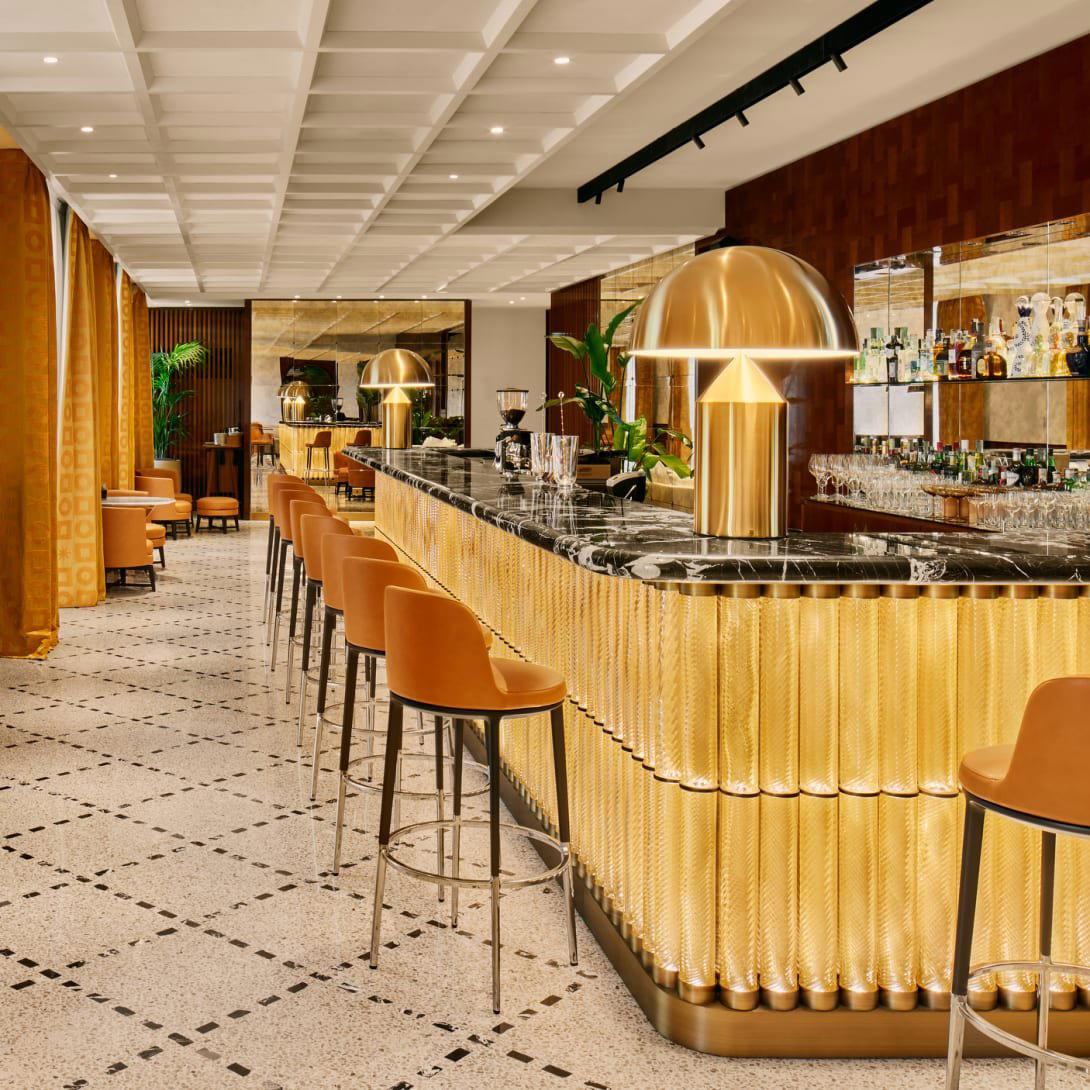
Bars in Rome
Browse all →
Hotels in Rome
Browse all →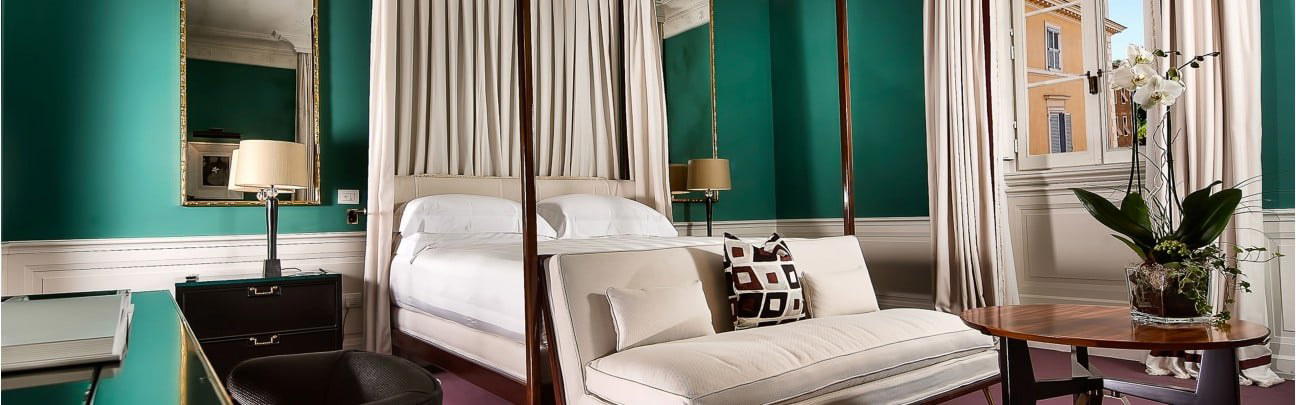
Wineries in Rome
Browse all →
At a Glance
- Classic
- Cozy
- Casual Hangout
- Family
- Standalone
- Street Scene
Bright and inviting gelateria atmosphere with a focus on the colorful gelato display cases; casual and bustling during peak hours.