


1 Michelin Key · Mr & Mrs Smith Seal of Approval · Leading Hotels of World Member
A 17th-century palace on Via del Corso, Palazzo Roma opened in 2023 as a 39-room luxury hotel with original marble staircases, coffered ceilings, and four-poster beds. Member of Leading Hotels of the World since 2025, with rates from $687 per night. Architect Giampiero Panepinto led the restoration, preserving the building's Baroque fabric while adding contemporary comfort throughout.

Pearl is the En Primeur Club membership app, where members save venues, book tables and use the concierge.
A Palace Address on Rome's Most Central Corridor
Rome has never had a shortage of palaces, but access to them is a different matter. The city's Baroque heritage is largely locked behind museum ropes or private gates, its frescoed saloni visible only in photographs or glimpsed through iron railings. The model that Palazzo Roma represents, a fully inhabited historic palace converted into a working luxury hotel, remains genuinely rare in a city where most comparable buildings went the institutional route. Opened in 2023 and admitted to the Leading Hotels of the World by 2025, the property on Via del Corso sits at the junction of Rome's sightseeing and commercial activity, placing it in a distinct competitive tier: heritage-first small hotels where the building itself is the primary credential.
That competitive tier has grown more defined in recent years. Roman luxury has split between large international footprints, the grand boulevard hotels that trade on scale and brand recognition, and smaller, architecturally specific properties where the room count stays low and the building's history does the contextual work. At 39 rooms, Palazzo Roma belongs clearly to the latter group, alongside properties like Hotel Vilòn and Maalot Roma, where intimacy and architectural specificity define the offering rather than amenity breadth.
What the Building Actually Gives You
The restoration, carried out under architect Giampiero Panepinto, took the building's original 17th-century fabric as its starting point rather than a backdrop. The original marble staircase remains the hotel's central spine, and the coffered ceilings and rich wood paneling throughout the public areas were carefully refurbished rather than replicated. This distinction matters more than it might initially appear. In a city where historic hotel interiors are often sympathetic reconstructions, plausible but not original, Palazzo Roma's preserved elements carry a different weight. The scale and geometry of a 17th-century Roman palace is something that can be appreciated from a well-positioned armchair, not just a guided tour.
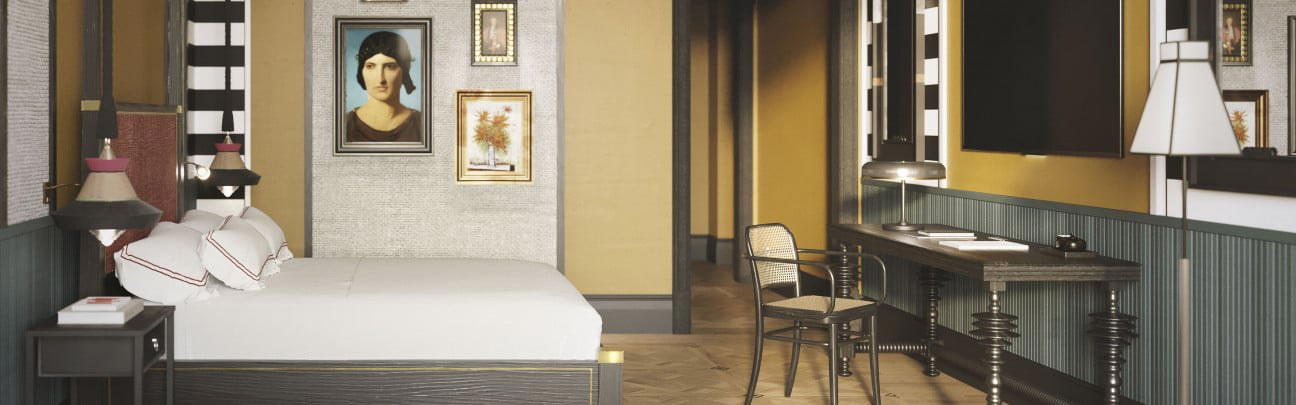
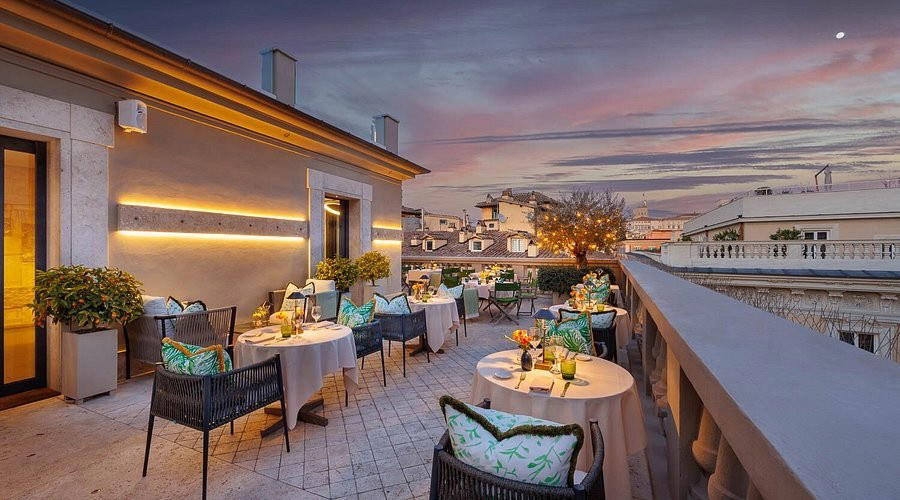
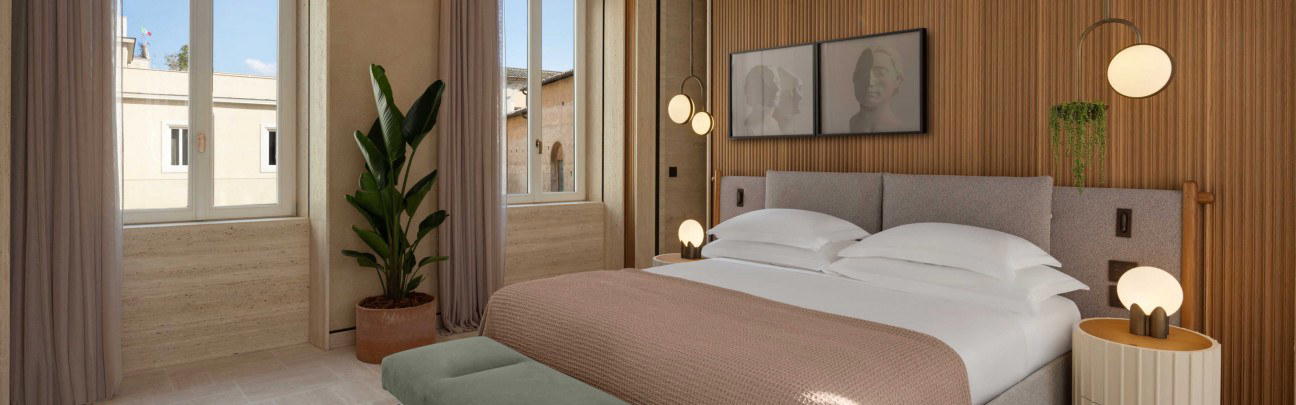
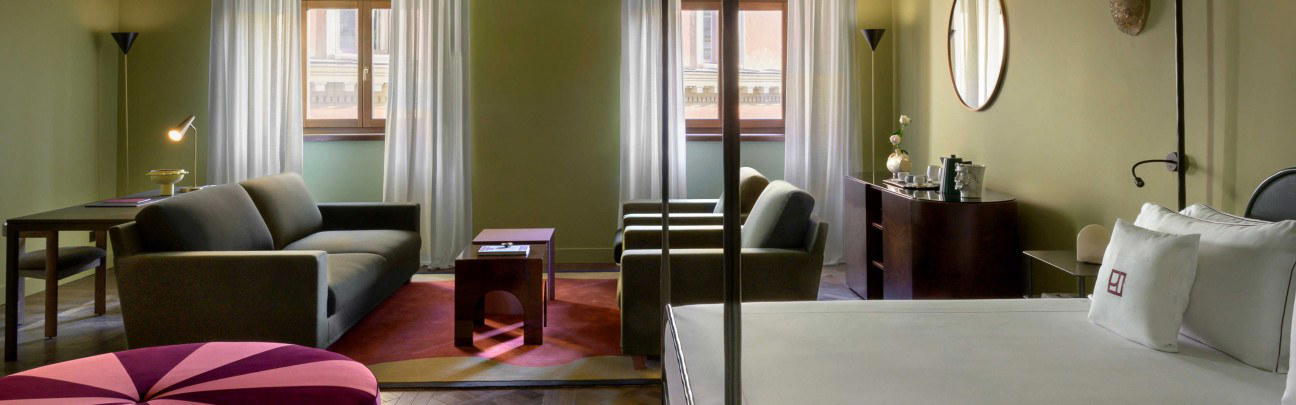
The guest rooms carry the same logic into a more personal register. Four-poster beds in contemporary form, original artworks, and colorful stripe and pattern details give the interiors a lived-in specificity that distinguishes them from the neutral luxury register of larger international properties. Fresh floral arrangements appear throughout, a detail that returning guests tend to notice more on second or third visits than on first. Select suites include private terraces, a relatively rare configuration in this part of central Rome where building footprints leave little outdoor space at elevation.
The Regulars' Calculus
Guests who return to Palazzo Roma repeatedly are making a particular kind of choice. The Via del Corso location is one of Rome's most walkable, with the Spanish Steps, the Pantheon, and the Campo Marzio all reachable on foot within minutes. For travelers who structure Roman visits around sustained urban walking rather than taxi logistics, this positioning has a compounding value that isn't fully captured in a single stay. By the second or third visit, the geography becomes second nature: the hotel functions as a base from which the city radiates outward in every direction.
The 39-room scale also produces a consistency of experience that larger properties in this category cannot always guarantee. At Hassler Roma or Hotel Eden, the room product and service delivery are calibrated for volume; at Palazzo Roma, the inventory is small enough that the building's character permeates most of it. Repeat visitors tend to develop preferences for specific rooms or suites with terraces, the kind of institutional knowledge that accumulates only when a property is small enough to map completely.
For those weighing Palazzo Roma against other palazzo-conversion properties in Italy, the relevant comparisons extend beyond Rome. Aman Venice represents one extreme of the format: a 16th-century palazzo on the Grand Canal with room counts in the low thirties and rates to match. Four Seasons Hotel Firenze occupies the larger-scale end of the category. Palazzo Roma at $687 per night sits between these poles, a credentialed historic building with a Leading Hotels of the World membership and a central Roman address, without the extreme scarcity premium that the very smallest palazzo conversions command.
Placing It in the Rome Hotel Map
The Via del Corso address positions Palazzo Roma differently from several of Rome's other design-led boutique properties. JK Place Roma and Portrait Roma occupy quieter residential adjacencies; Hotel Locarno trades on its 1920s character in Prati. Palazzo Roma's position on one of the city's busiest pedestrian corridors is not incidental: for a certain traveler, the energy of Via del Corso at street level is part of the proposition, not a trade-off. The building's thick walls and refined room positions mean the interior is quieter than the address would suggest, but the access to street life is immediate.
Within the Leading Hotels of the World portfolio, the 2025 membership signal is worth noting for what it implies about the property's positioning ambitions. The organization tends to admit properties after they have demonstrated consistency post-opening, making a 2025 admission for a hotel that opened in 2023 a relatively rapid credentialing. For travelers who use LHW membership as a filtering mechanism for independent luxury properties, Palazzo Roma now appears on that radar.
Those building longer Italian itineraries around properties with comparable architectural specificity might consider pairing a Rome stay here with Castello di Reschio in Umbria, Rosewood Castiglion Del Bosco in Montalcino, or Corte della Maestà in Civita di Bagnoregio for a coherent thread of historic Italian building-as-hotel. For southern extensions, Borgo Santandrea on the Amalfi Coast and Il San Pietro di Positano offer different but complementary architectural registers. See our full Rome guide for restaurant and neighborhood context to build around a stay.
Planning a Stay
Rates at Palazzo Roma begin at $687 per night, reflecting its position in the upper tier of Rome's independent luxury market without reaching the extreme premiums of the city's most exclusive addresses. The 39-room inventory means availability can tighten quickly around Roman cultural events and the spring and autumn peak seasons, when demand for well-located small properties runs ahead of supply. Travelers planning to visit during Holy Week or the September fashion and arts calendar should account for earlier booking windows than a cursory availability search might suggest. Suites with private terraces represent a meaningful upgrade in a property where outdoor space is otherwise limited, and they are the first configuration to fill.
Frequently Asked Questions
- Which room category should I book at Palazzo Roma?
- The property's 39 rooms divide broadly between standard rooms and suites, with select suites offering private terraces. Given that outdoor space is a genuine scarcity at this address and in this price tier, the terrace suites represent the strongest argument for upgrading. The standard rooms carry the same architectural character, four-poster beds, original artworks, coffered ceiling details, so the decision is primarily about whether private outdoor access justifies the additional cost for your specific travel pattern. Rates start at $687; the Leading Hotels of the World membership provides a consistent service benchmark across the inventory.
- What is the standout thing about Palazzo Roma?
- The building itself. Rome has dozens of Baroque palaces, but the vast majority are inaccessible as overnight experiences. Palazzo Roma's 17th-century fabric, the original marble staircase, coffered ceilings, wood paneling, was preserved rather than reconstructed during the 2023 restoration. Combined with the Via del Corso address and a Leading Hotels of the World credential earned within two years of opening, it occupies a specific position in the city's hotel market: a genuinely historic building, at a walkable central location, operating at a scale where the architecture remains present throughout the guest experience rather than confined to the lobby.
Booking and Cost Snapshot
Comparable venues nearby, for context on price, style, and recognition.
| Venue | Awards | Notes |
|---|---|---|
| Palazzo RomaThis venue (the venue you are viewing) | 1 Michelin Key · Mr & Mrs Smith Seal of Approval | Not listed |
| Singer Palace Hotel | 1 Michelin Key · Virtuoso Luxury Hotel Partner | Colonna, Boutique luxury hotel in a historic landmark building blending Art Deco influences with contemporary Italian design. |
| Hotel Eden | 1 Michelin Key · La Liste Top Hotels | Ludovisi, Luxury historic boutique in the heart of Rome near Spanish Steps. |
| Maalot Roma | 1 Michelin Key · Mr & Mrs Smith Seal of Approval | Trevi, Boutique luxury hotel with personalized service and glamorous dining. |
| Hassler Roma | 1 Michelin Key · La Liste Top Hotels | Campo Marzio, Timeless luxury heritage property blending classic Italian elegance with modern comforts. |
| Six Senses Rome | 1 Michelin Key · Virtuoso Luxury Hotel Partner | Trevi, Urban wellness retreat fusing Roman heritage and contemporary design |
Recognition history
Dated appearances from independent guides and award organizations, with the underlying list record or original source where available.
Michelin 1 Key
Michelin
Mr & Mrs Smith Seal of Approval
Mr & Mrs Smith
Leading Hotels of World Member
Leading Hotels of World
Full recognition history (4 entries)
Michelin 1 Key
Michelin
Continue exploring
More in Rome
Hotels in Rome
All hotels in Rome →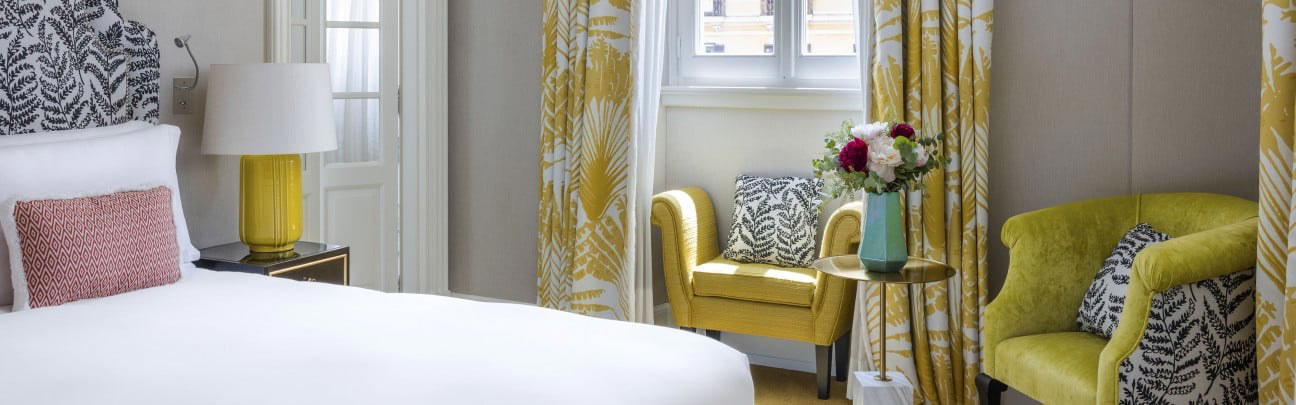
Bars in Rome
All bars in Rome →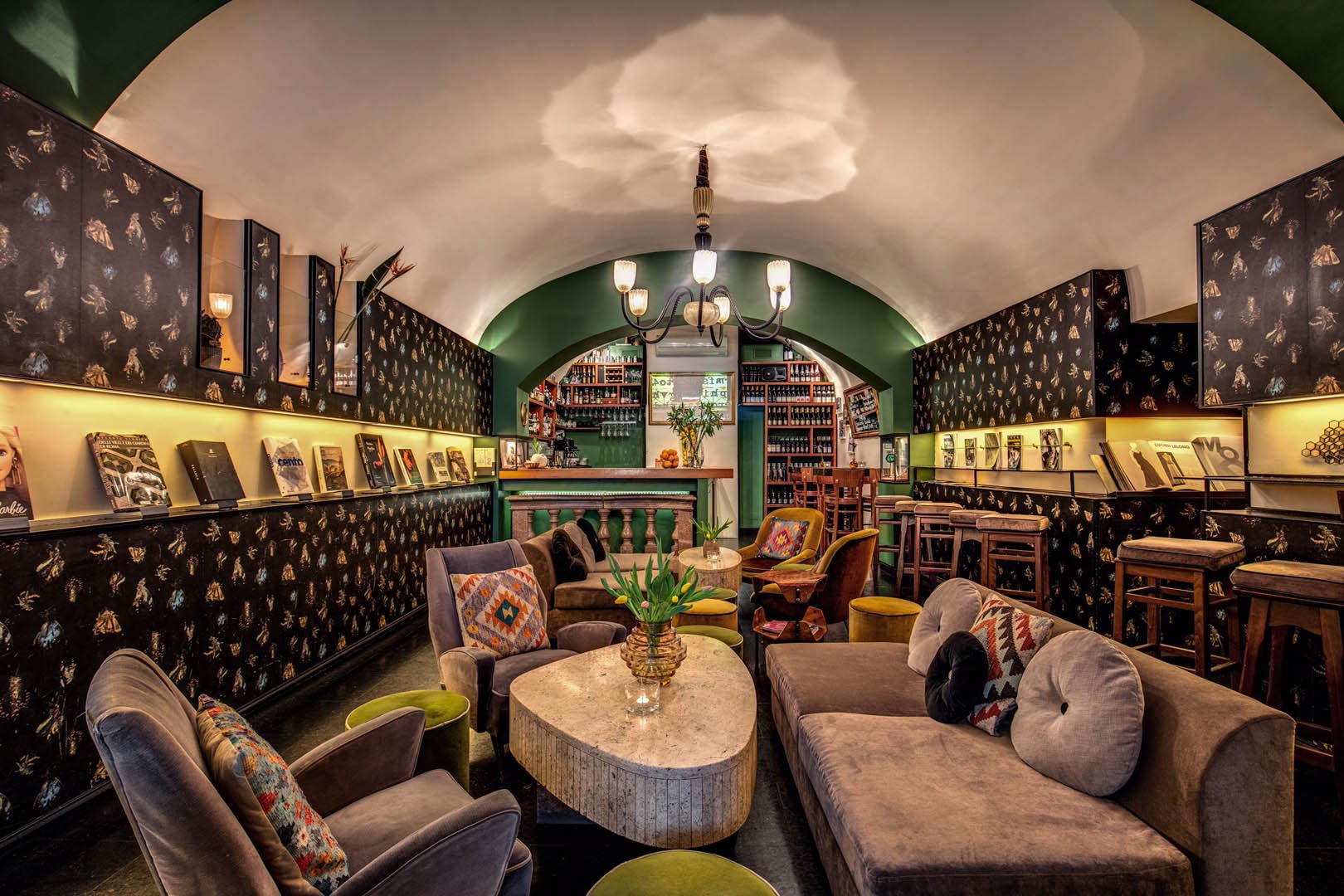

Details
- Elegant
- Sophisticated
- Ornate
- Classic
- Well Known
- Romantic Getaway
- Anniversary
- Honeymoon
- Historic Building
- Terrace
- Wi Fi
- Room Service
- Concierge
- Restaurant
- Bar
- Street Scene
- Wheelchair Accessible
- Elevator
- Step Free Entrance
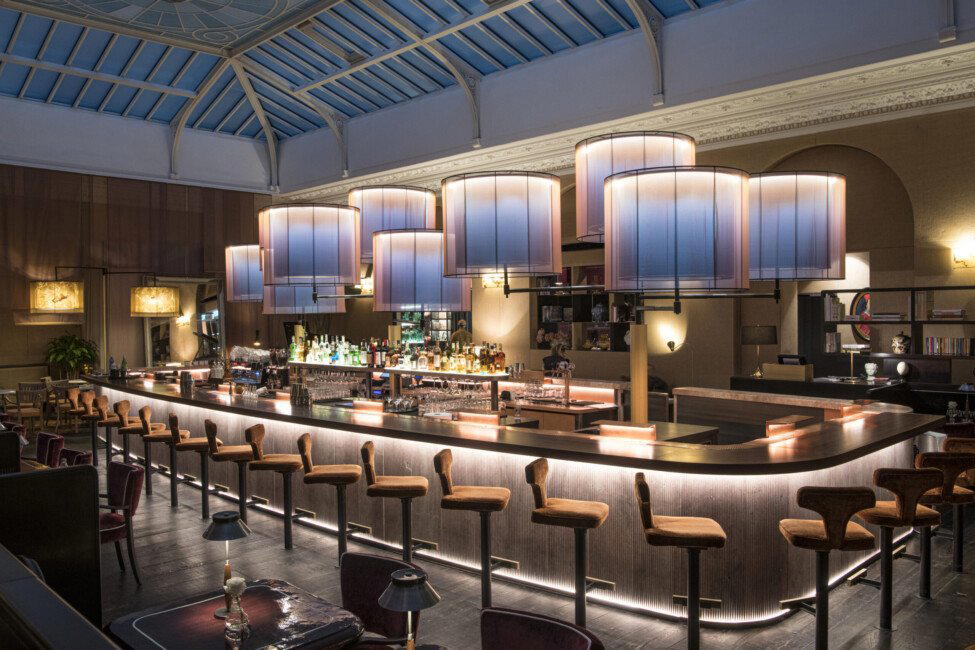
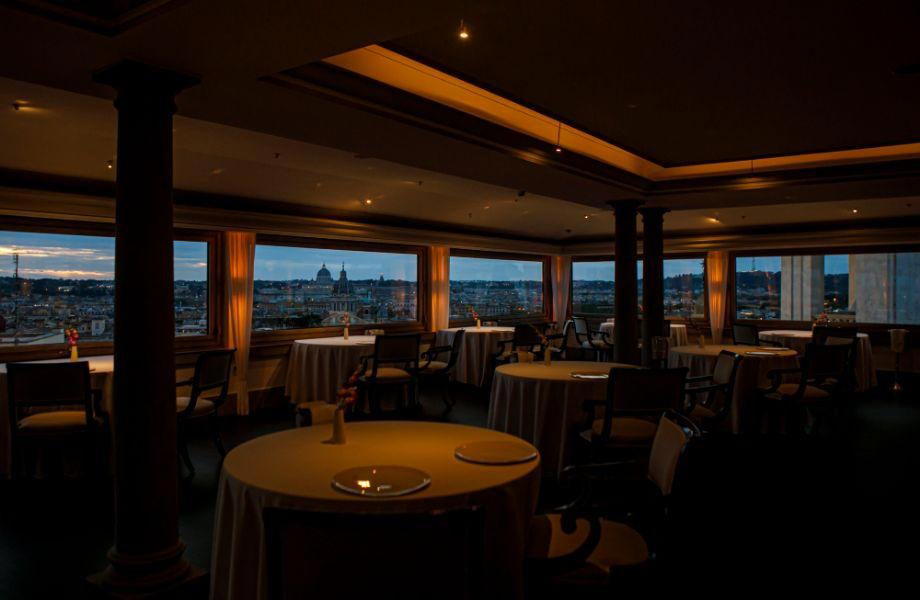
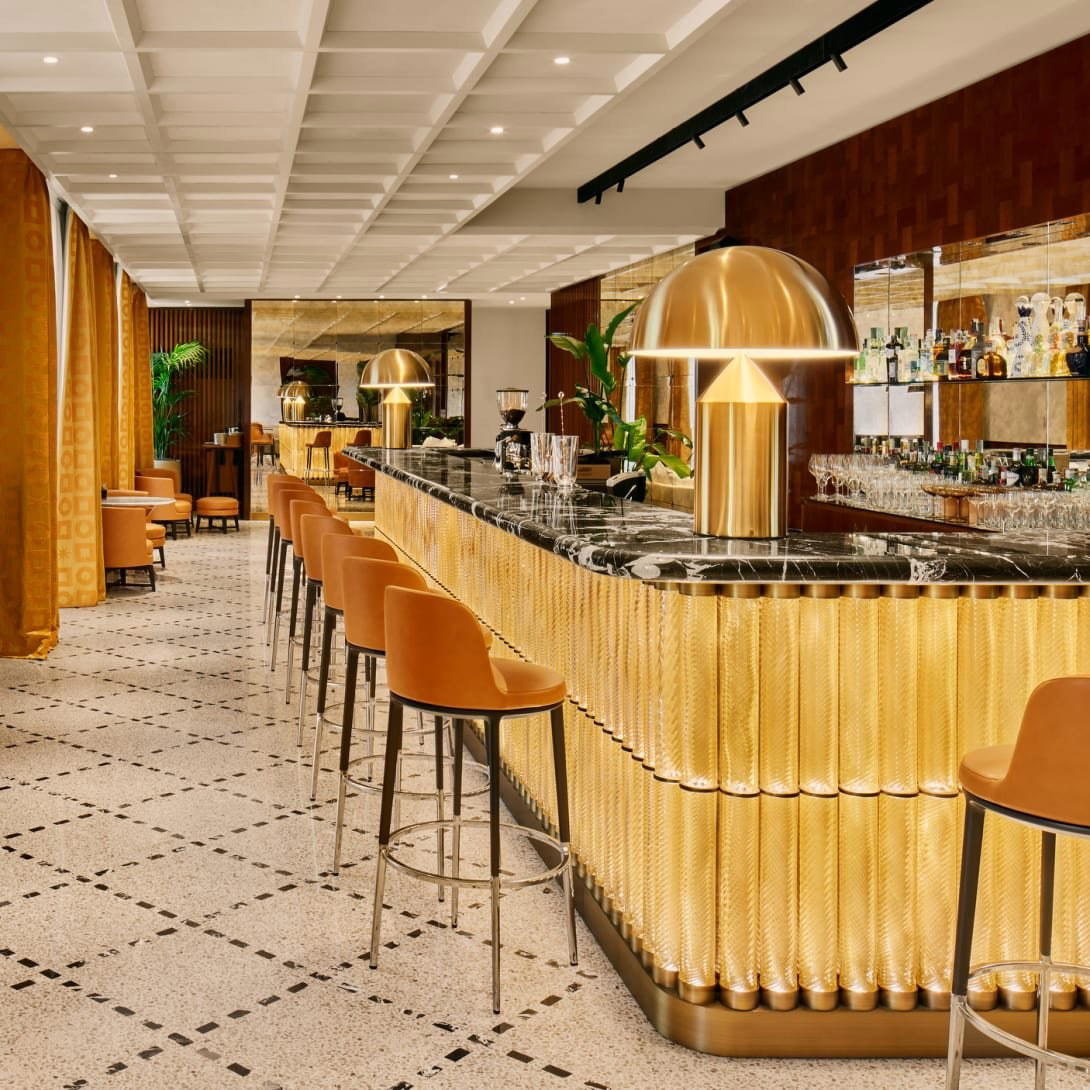
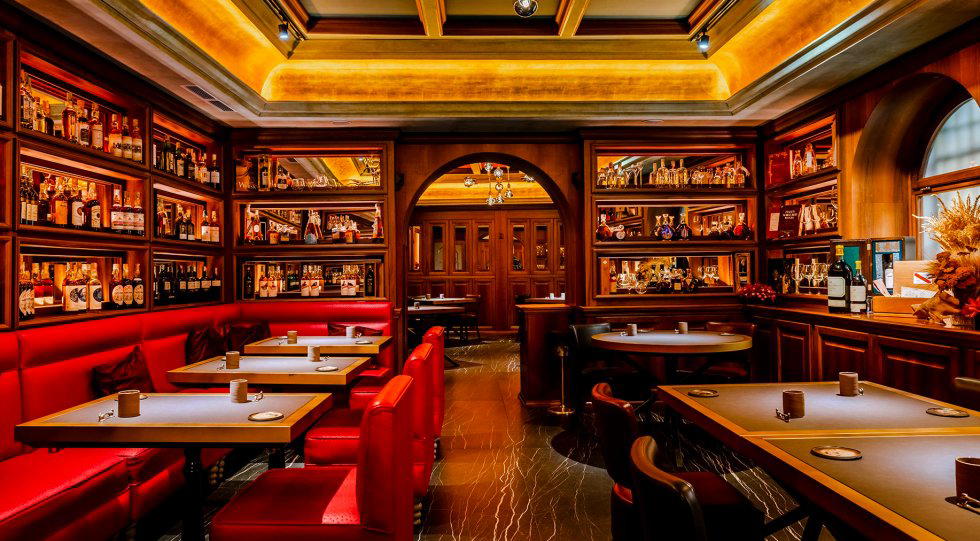
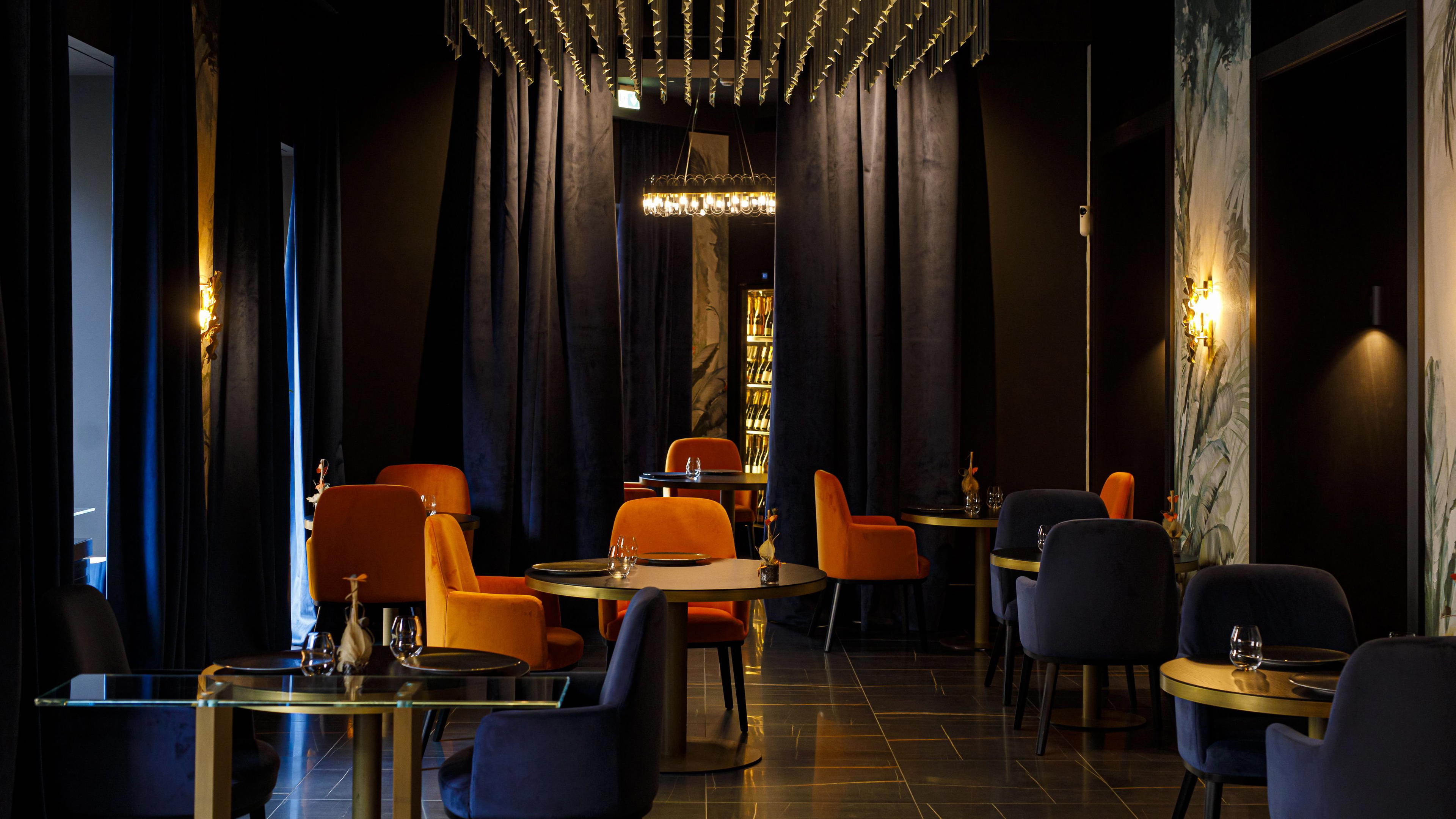
Ornate lighting from dazzling chandeliers illuminates frescoed ceilings and jewel-toned spaces, creating a lively yet elegant atmosphere like a living art gallery with lively Roman salon energy.