Check directly for current hours and tasting formats before visiting.

Pearl is the En Primeur Club membership app — saves, bookings, and concierge access live there. Same editors, same standards.
- Address
- 1431 Richmond Rd, Richmond TAS 7025
- Phone
- +61 3 6260 2895
- Website
- pooleywines.com.au
- Directions
- Get directions
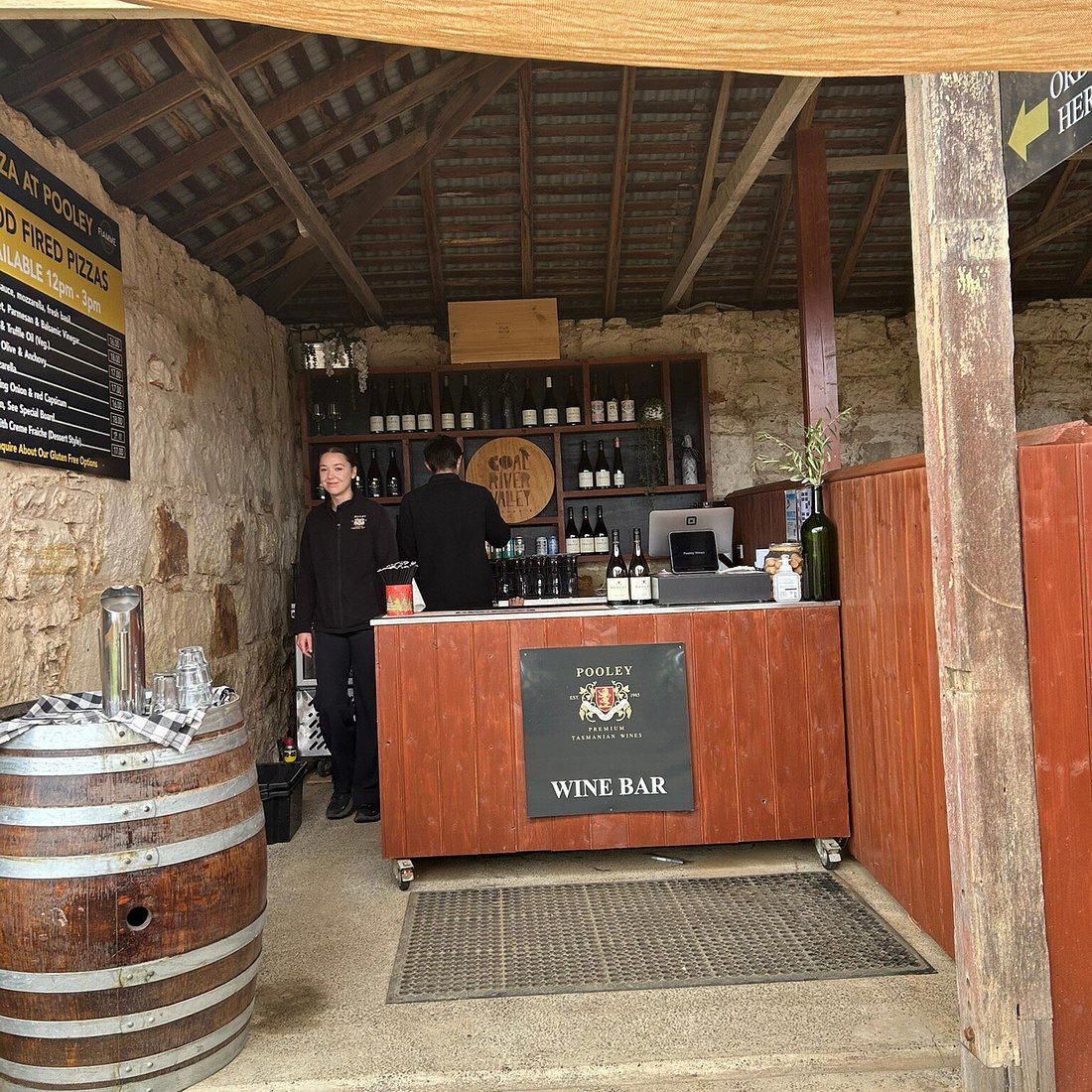
Coal River Country: What Richmond's Winemaking Scene Actually Means
Tasmania's Coal River Valley has a claim to terroir that most Australian wine regions can only approximate. The combination of low rainfall, high ultraviolet exposure, cool nights, and ancient dolerite-derived soils compresses flavour into fruit that elsewhere would sprawl. Richmond, the valley's oldest European settlement, sits at the heart of this geography, and the wineries that have grown up along its roads over recent decades have done so with a specific argument to make: that cool-climate Tasmania produces wines of genuine precision, not merely novelty.
Pooley, addressed at 1431 Richmond Rd, operates within that tradition and has earned the recognition to place it at the upper tier of the regional conversation. That matters in a valley where proximity to Hobart, roughly 25 kilometres to the southwest, means visitors arrive with expectations formed by a city whose food and drink culture has sharpened considerably over the past decade.
The Winemaking Argument Pooley Makes
The editorial angle at any serious Coal River producer starts with restraint and site specificity. Cool-climate winemaking at this latitude, roughly 42 degrees south, requires a philosophy built around patience: the growing season runs long, sugars accumulate slowly, and the wines that result carry an acid structure that warmer Australian regions rarely achieve naturally. Pooley has made that argument consistently, and the 2025 prestige recognition suggests the argument has landed with the critical community.
Pinot Noir and Chardonnay carry the most weight in the Coal River Valley's reputation, and both varieties reward the kind of winemaking discipline that resists intervention. Riesling also performs with distinction in this valley, where the combination of free-draining soils and cool nights produces the lime-zest tension that defines the variety's leading expressions anywhere in the world. Producers who work seriously with Riesling in cool Australian climates occupy a specific niche, one closer in spirit to the Clare and Eden Valleys than to mainstream Australian wine production. Pooley's position within that niche is one of the clearer markers of its competitive identity.
Nationally, that tier sits alongside houses like Bass Phillip in Gippsland, where low-yield, single-vineyard Pinot Noir has built a quiet international reputation over decades, or Henschke in the Eden Valley, where generational commitment to site expression defines the house. The comparison is not about scale; it is about the seriousness of the winemaking conversation.
Richmond as a Wine Village: Where Pooley Sits in the Local Ecology
Richmond is a small town, and its wine geography is correspondingly intimate. The drive along Richmond Road passes through open farmland with the Dolerite escarpments visible at distance, and the cellar doors that line the valley floor have shaped themselves to suit a visitor who arrives already curious about the region rather than needing to be sold on it. That self-selection matters: the tasting format at serious Coal River producers tends toward depth over theatre.
Pooley shares its valley with neighbours whose work reinforces the regional argument. Tolpuddle Vineyard, operating on one of the valley's most cited single-vineyard sites, has built a Pinot and Chardonnay program with strong international recognition. That the two producers operate within walking distance of each other in wine terms, sharing geology and climate while arriving at distinct house styles, is the kind of specificity that makes a wine valley worth visiting seriously. Nearby, Killara Distillery extends the agricultural identity of the area into spirits production, adding another layer to what Richmond offers as a destination for those interested in provenance-led production.
For a broader map of what the region offers, our full Richmond guide covers the valley in more detail, including context on how the town's historic character relates to its contemporary food and drink identity.
How Pooley Compares Across Australian Wine Production
It places the producer in company with operations that have demonstrated consistent quality over time, not just a single strong vintage. Houses like All Saints Estate in Rutherglen, with its fortified wine heritage, or Angove Family Winemakers in Renmark, with a production scope that runs from entry-level to serious single-vineyard work, represent different expressions of the prestige tier across different regions. What distinguishes Pooley's position is the specificity of its geography: small-volume, cool-climate production from a single valley carries different risk and different reward than larger regional operations.
Internationally, the frame of reference for serious cool-climate Pinot and Chardonnay from the Southern Hemisphere now extends beyond the obvious New Zealand comparisons. Producers in Tasmania's Coal River and Derwent Valleys are increasingly discussed alongside boutique Californian operations that share a philosophy of low yields and site transparency, even where the climates differ sharply. That is a significant shift from a decade ago, when Tasmanian wine was still largely framed as a domestic story.
For visitors building an itinerary that spans Australian wine regions, wineries like Brokenwood in Hunter Valley, Brown Brothers in King Valley, or Leading's Wines in Great Western offer different expressions of Australian wine identity. Pooley's argument, by contrast, is deliberately narrow: one valley, one set of varieties, one reading of what this soil and this climate can do.
Planning a Visit: What to Know Before You Go
Richmond sits roughly 25 kilometres northeast of Hobart by road, making it a practical half-day or full-day excursion from the city. The town is accessible by car; public transport connections to the valley floor are limited, so the majority of visitors arrive by vehicle or organised tour. Contacting the winery directly before visiting is the reliable approach, particularly during peak summer and harvest periods when demand on cellar door time increases significantly across the valley.
Visitors interested in the broader distilling and spirits production side of the Richmond area should note that Killara Distillery and producers further afield like Archie Rose in Sydney or the Bundaberg Rum Distillery represent different points on the Australian artisan production map. Richmond offers a concentrated version of that story within a single valley walk. For those whose reference points extend to the Scottish tradition, Aberlour provides a useful contrast in how provenance and place shape a producer's identity across entirely different categories.
Cost and Credentials
Comparable venues nearby, for context on price, style, and recognition.
| Venue | Cuisine | Price | Awards | Notes |
|---|---|---|---|---|
| PooleyThis venue — the venue you are viewing | Richmond, Pinot Noir, Chardonnay | $10–20 | Not listed | Not listed |
| Tolpuddle Vineyard | Not listed | $50–100 | Falstaff Winery - Listed | Coal River Valley, Chardonnay, Pinot Noir |
| Frogmore Creek | Not listed | $50–100 | Not listed | Coal River Valley, Chardonnay, Pinot Noir |
| Stefano Lubiana | Granton, Pinot Noir, Chardonnay | Not listed | Not listed | Not listed |
| Garagiste | Not listed | Not listed | Not listed | Mornington Peninsula, Chardonnay, Pinot Noir |
Continue exploring
More in Richmond
Wineries in Richmond
Browse all →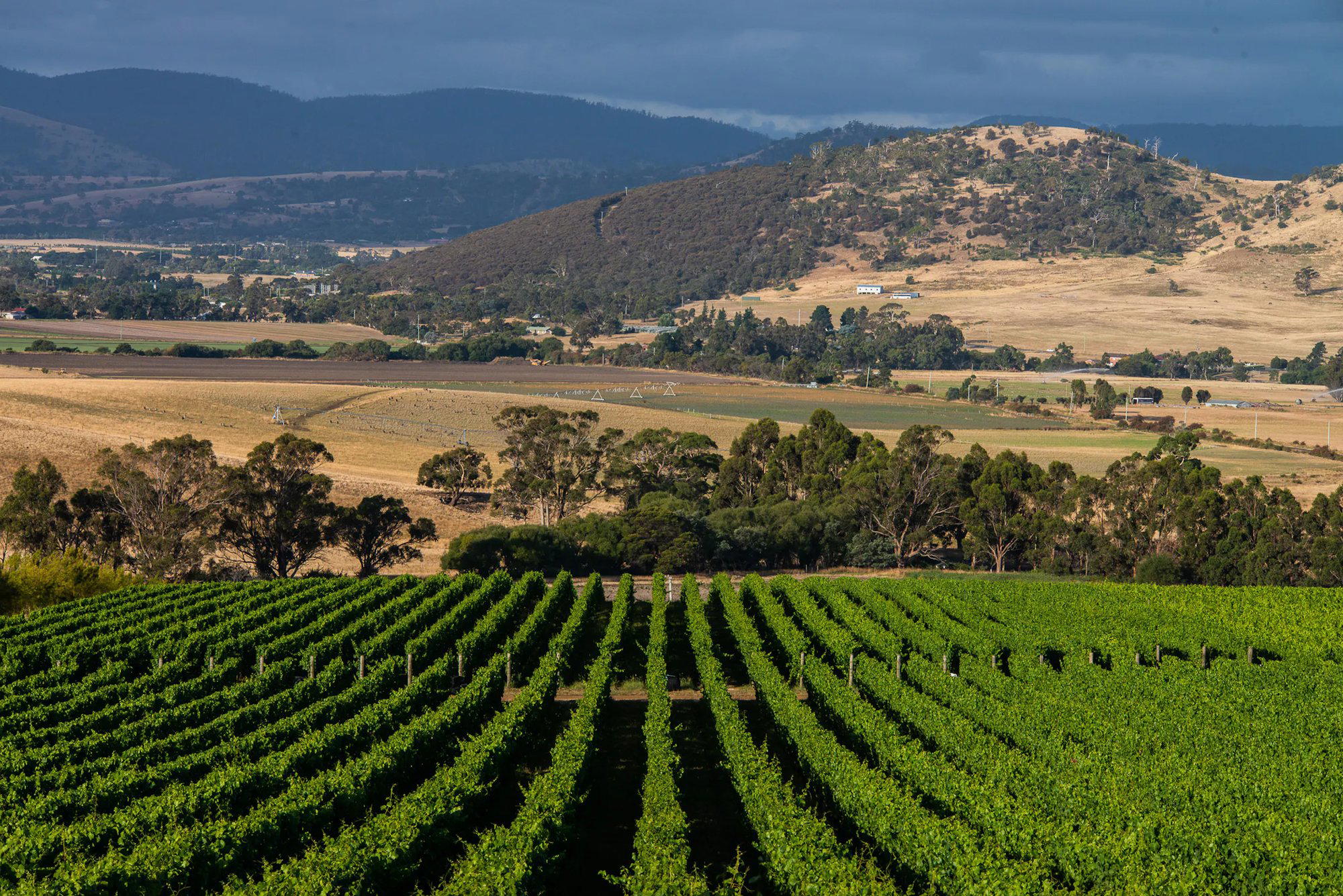

Bars in Richmond
Browse all →

Restaurants in Richmond
Browse all →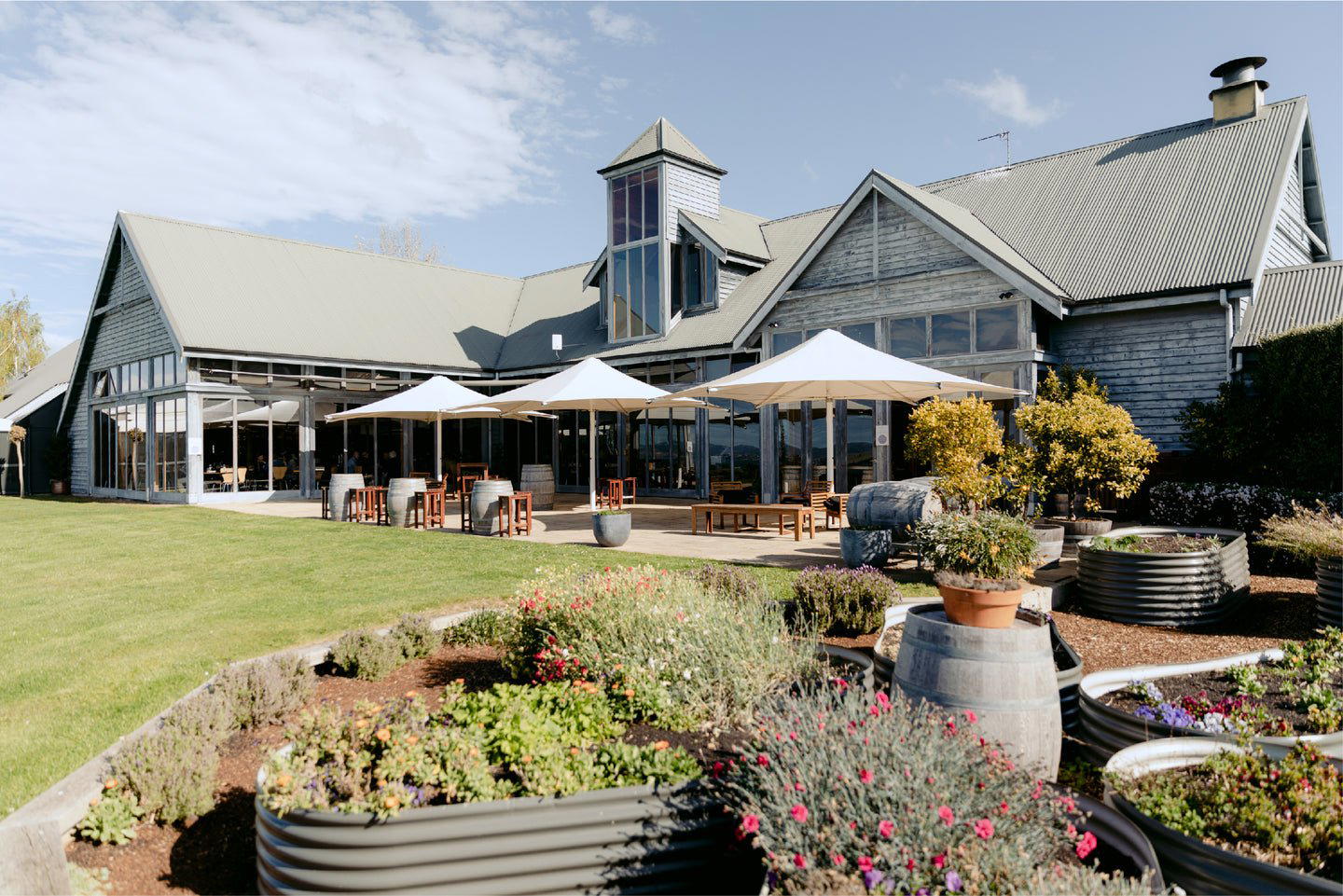
Details
- Historic
- Scenic
- Rustic
- Elegant
- Wine Education
- Group Outing
- Special Occasion
- Estate Grounds
- Terrace
- Panoramic View
- Historic Building
- Sustainable
- Vineyard
- Garden
- Pinot Noir
- Chardonnay
- Riesling
- Still Red
- Still White
- Still Rosé
- Structured Tasting
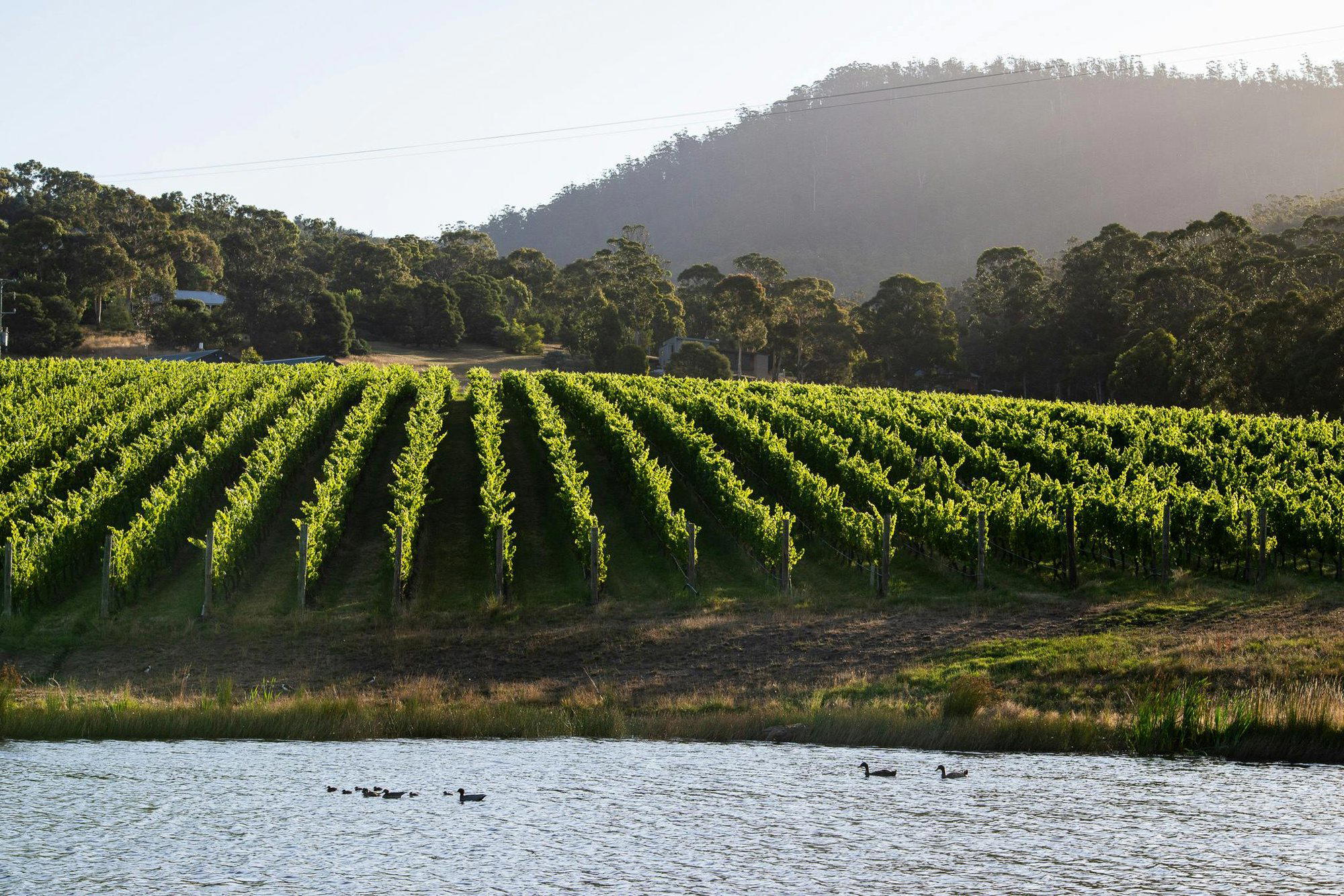
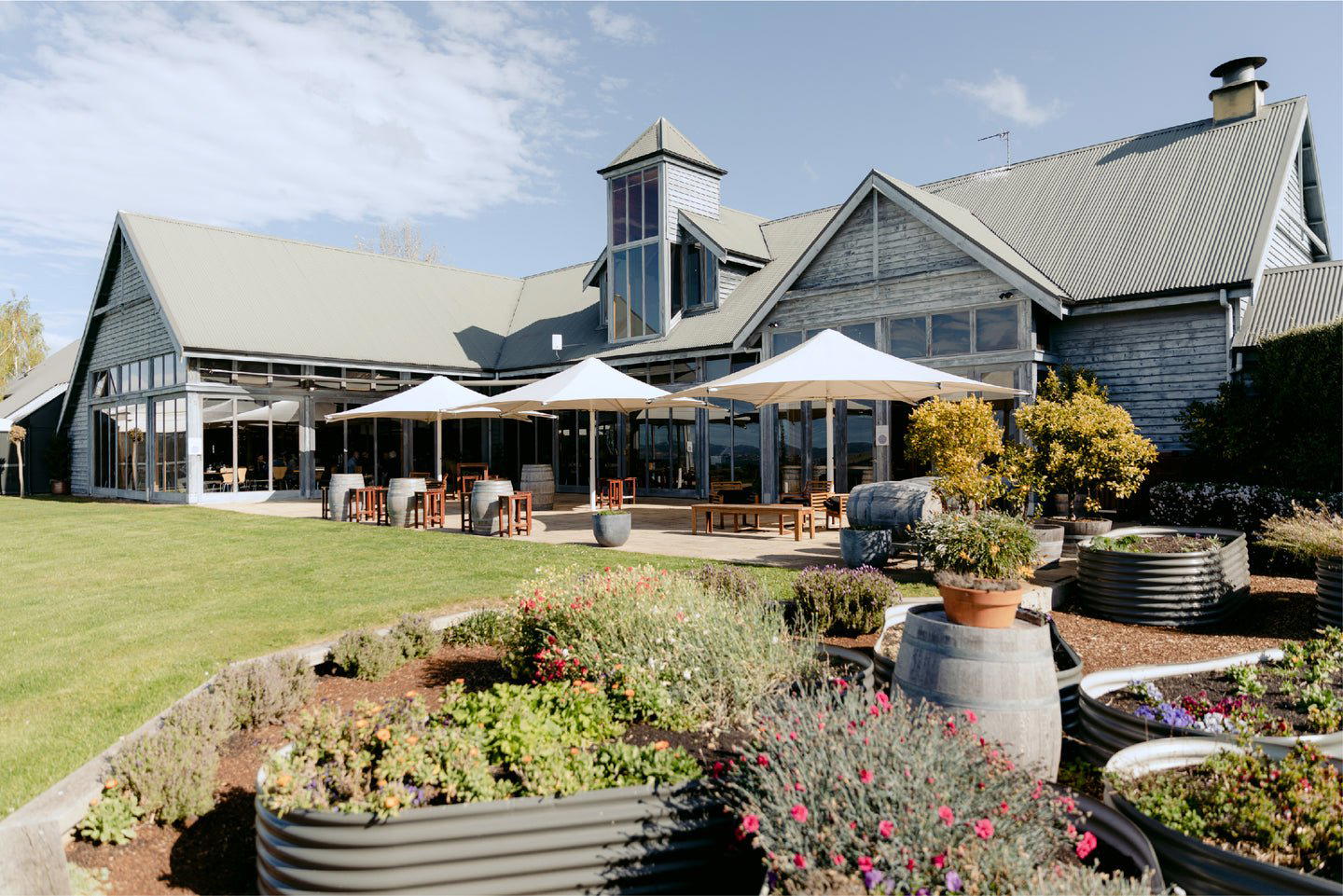
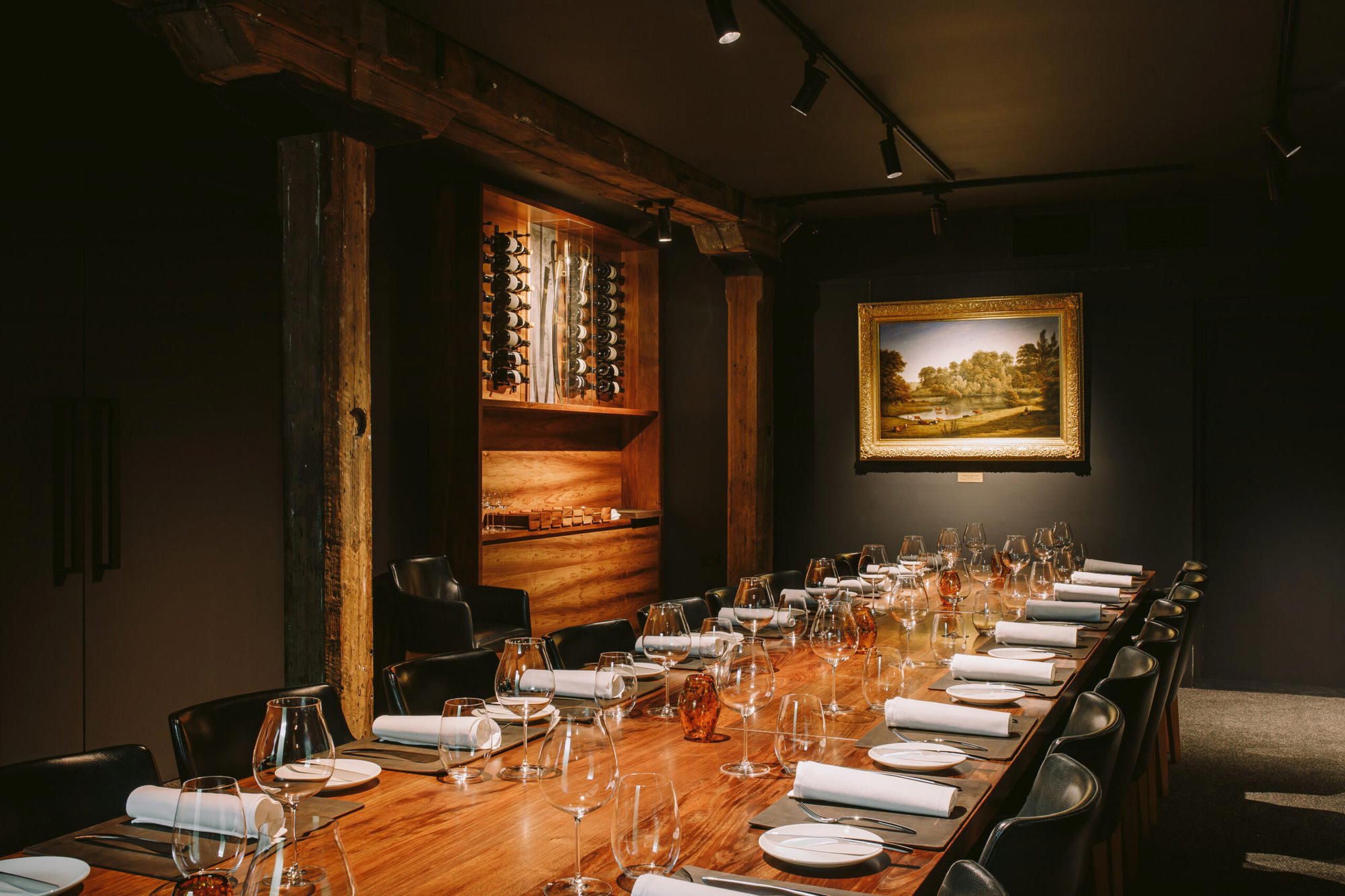
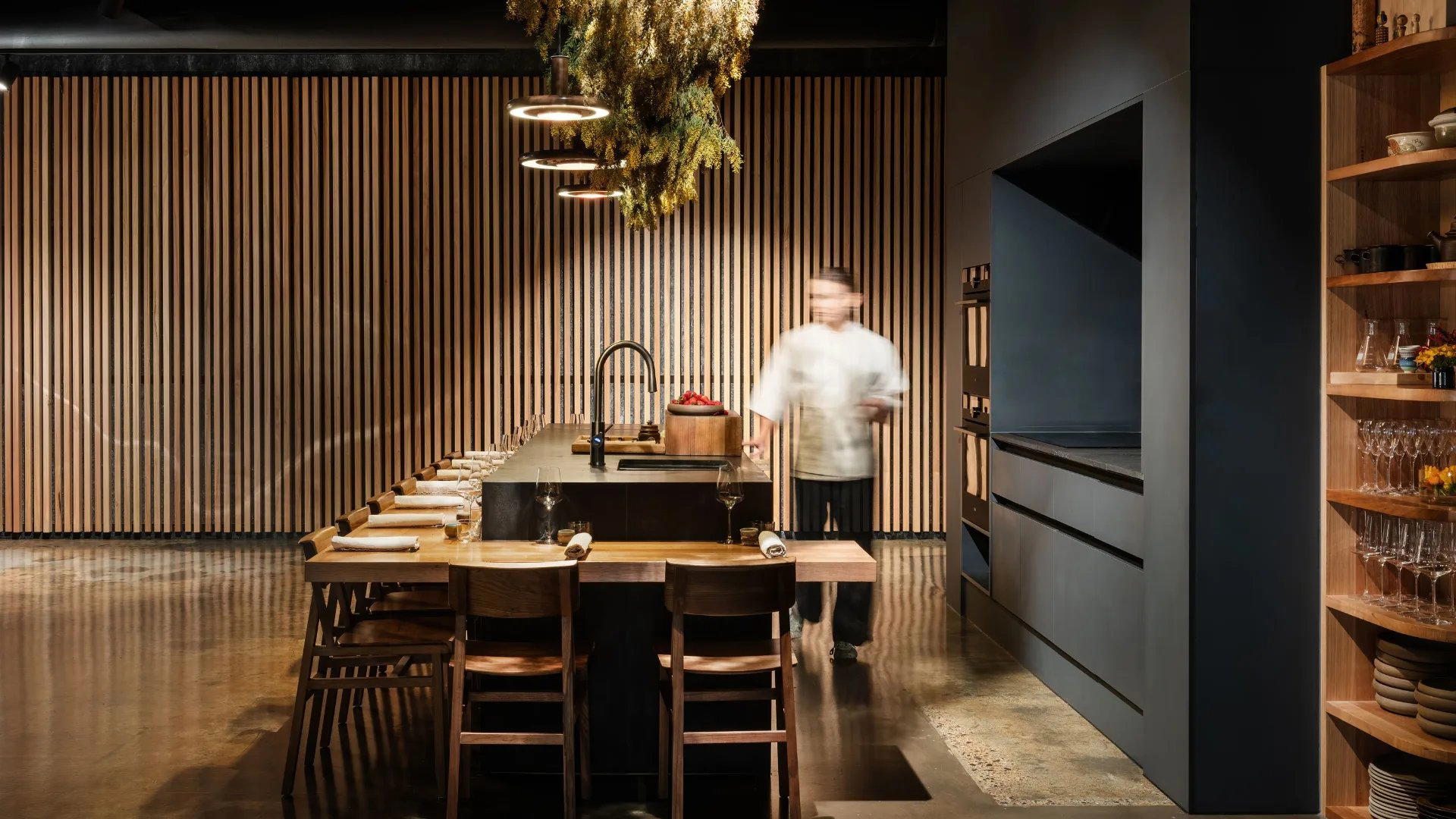
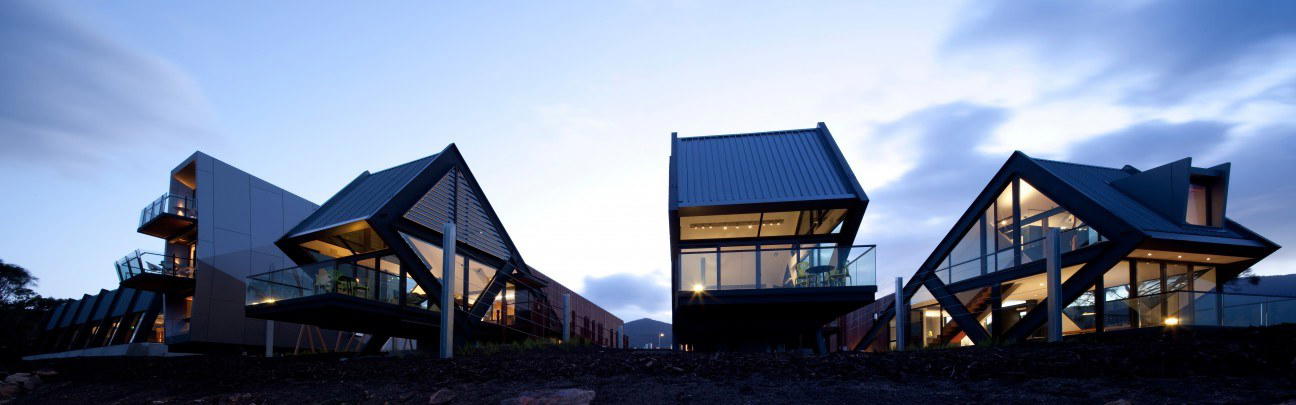
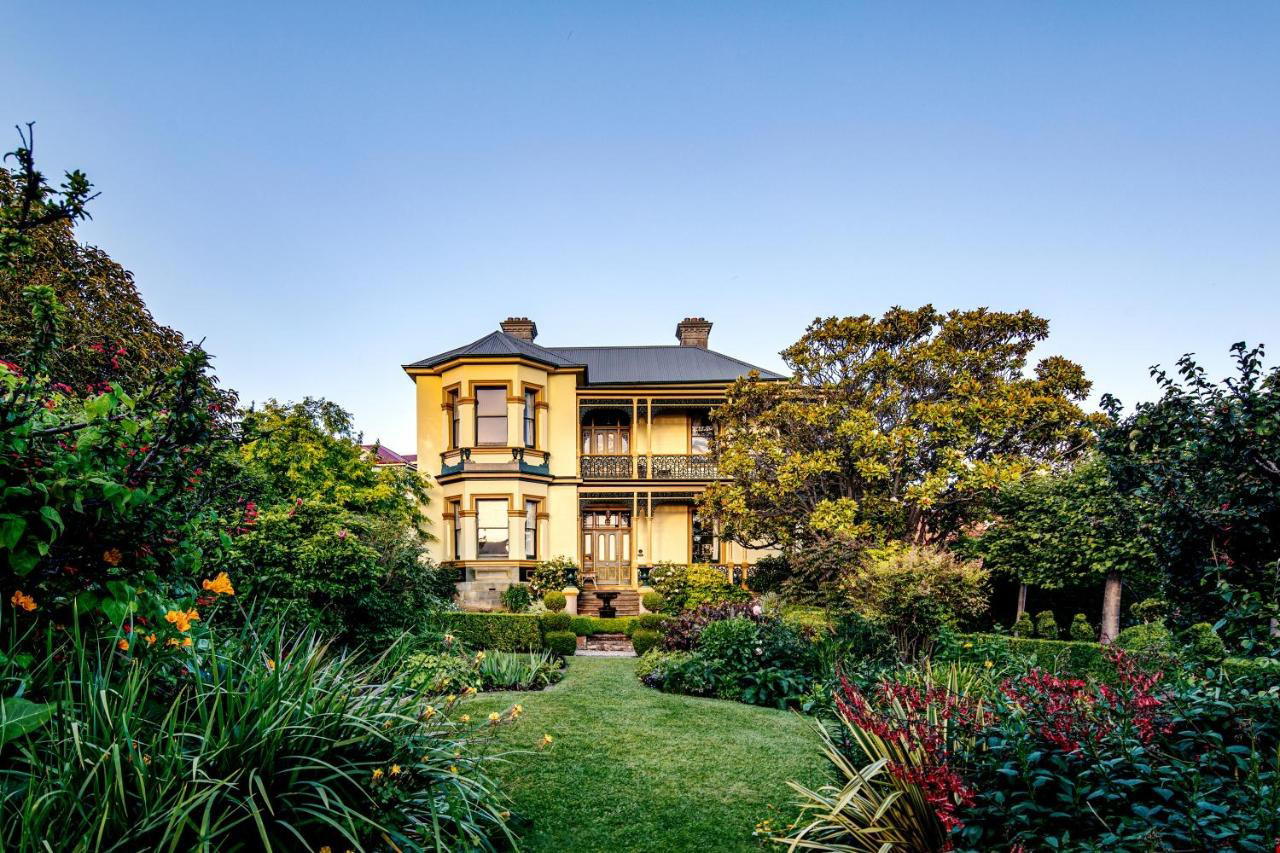
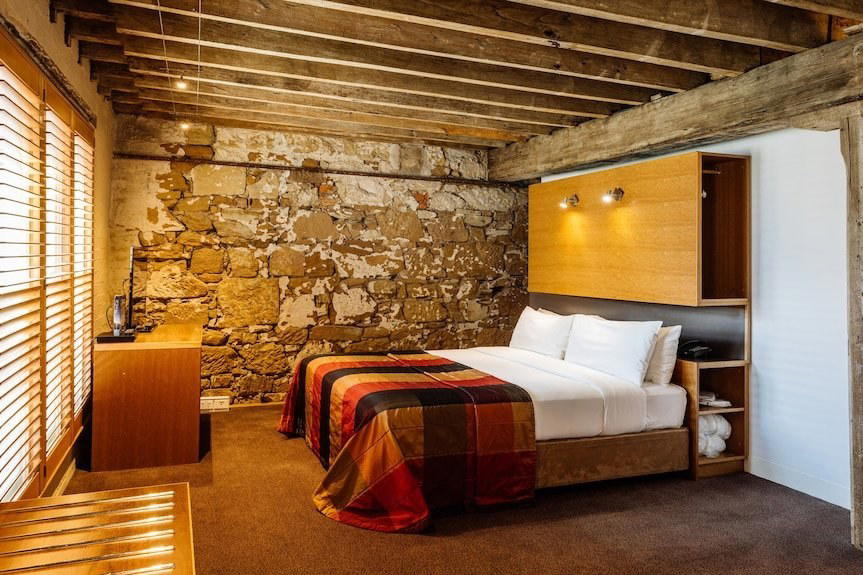
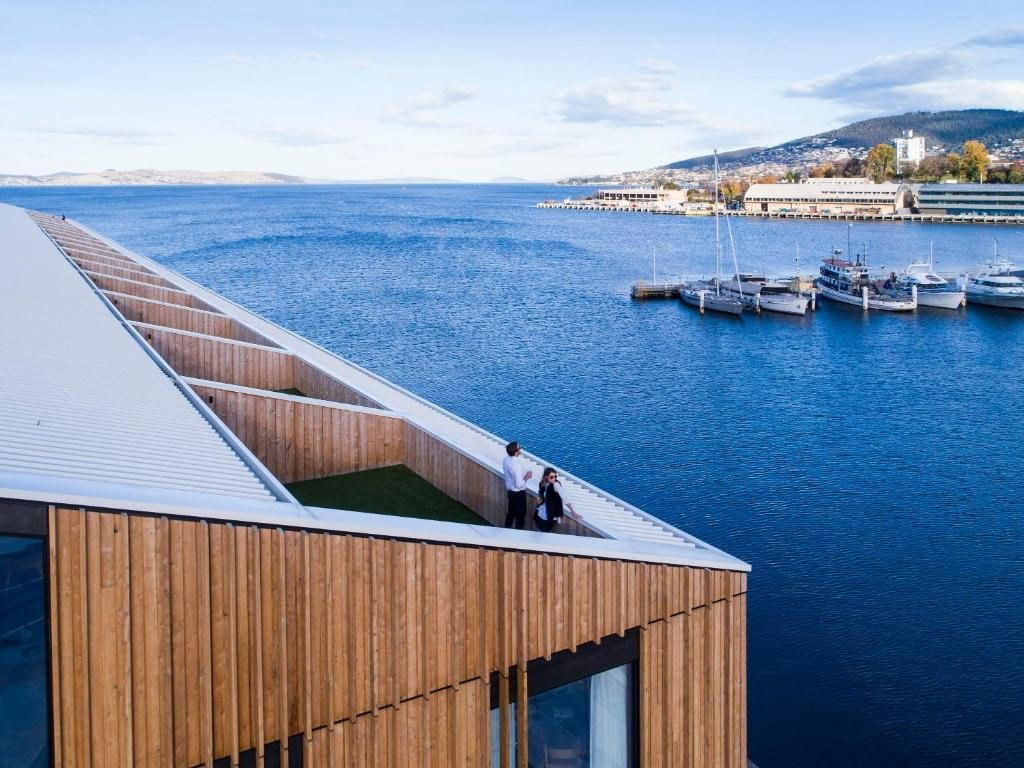
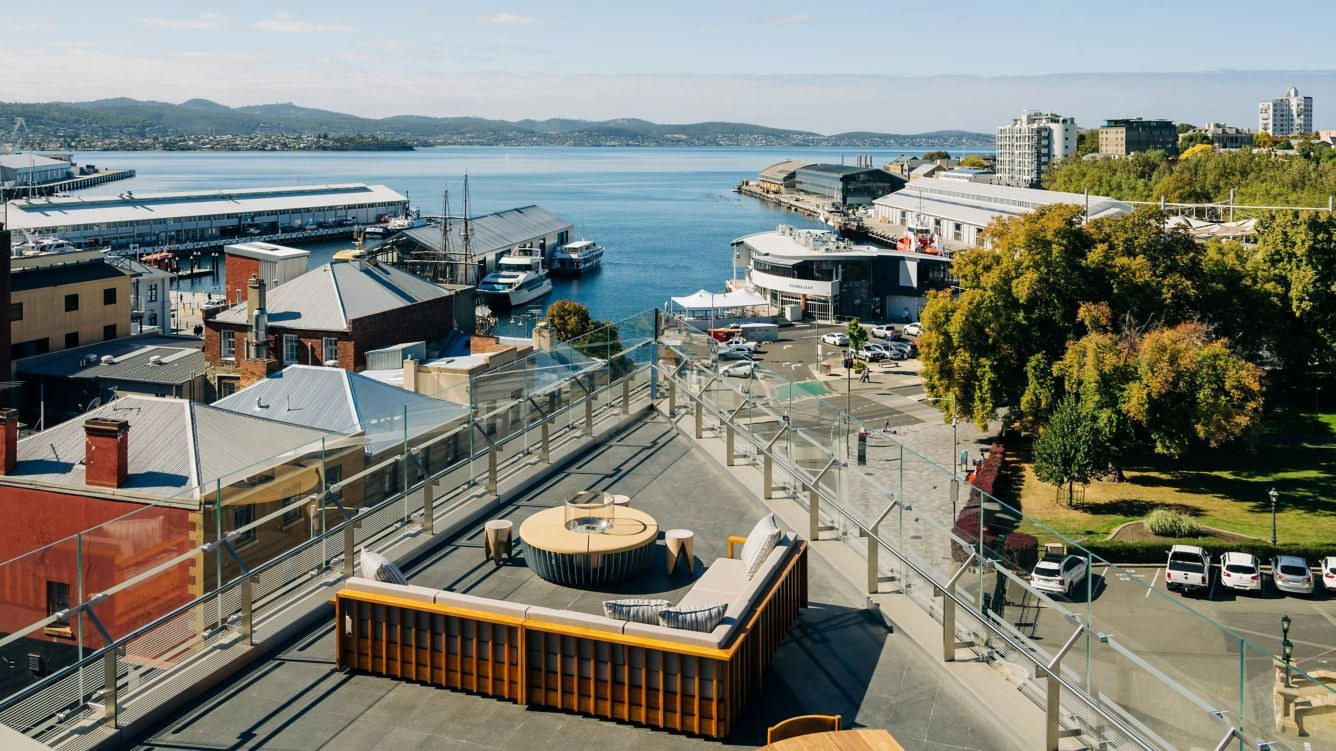
Warm and welcoming historic sandstone interior with picturesque countryside views from the outdoor lawn seating area.