La Trattoria sits on Rue Mohammed el Beqal in Marrakesh, operating at the intersection where Italian culinary tradition meets the city's dense, layered dining scene. In a city where Moroccan cuisine dominates and French-inflected addresses hold institutional weight, an Italian-focused table occupies a distinct and narrow niche.
Pearl is the En Primeur Club membership app — saves, bookings, and concierge access live there. Same editors, same standards.
- Address
- 179 Rue Mohammed el Beqal, Marrakech 40000, Morocco
- Phone
- +212524432641
- Website
- latrattoriamarrakech.com
- Directions
- Get directions
 Saves & bookings on Pearl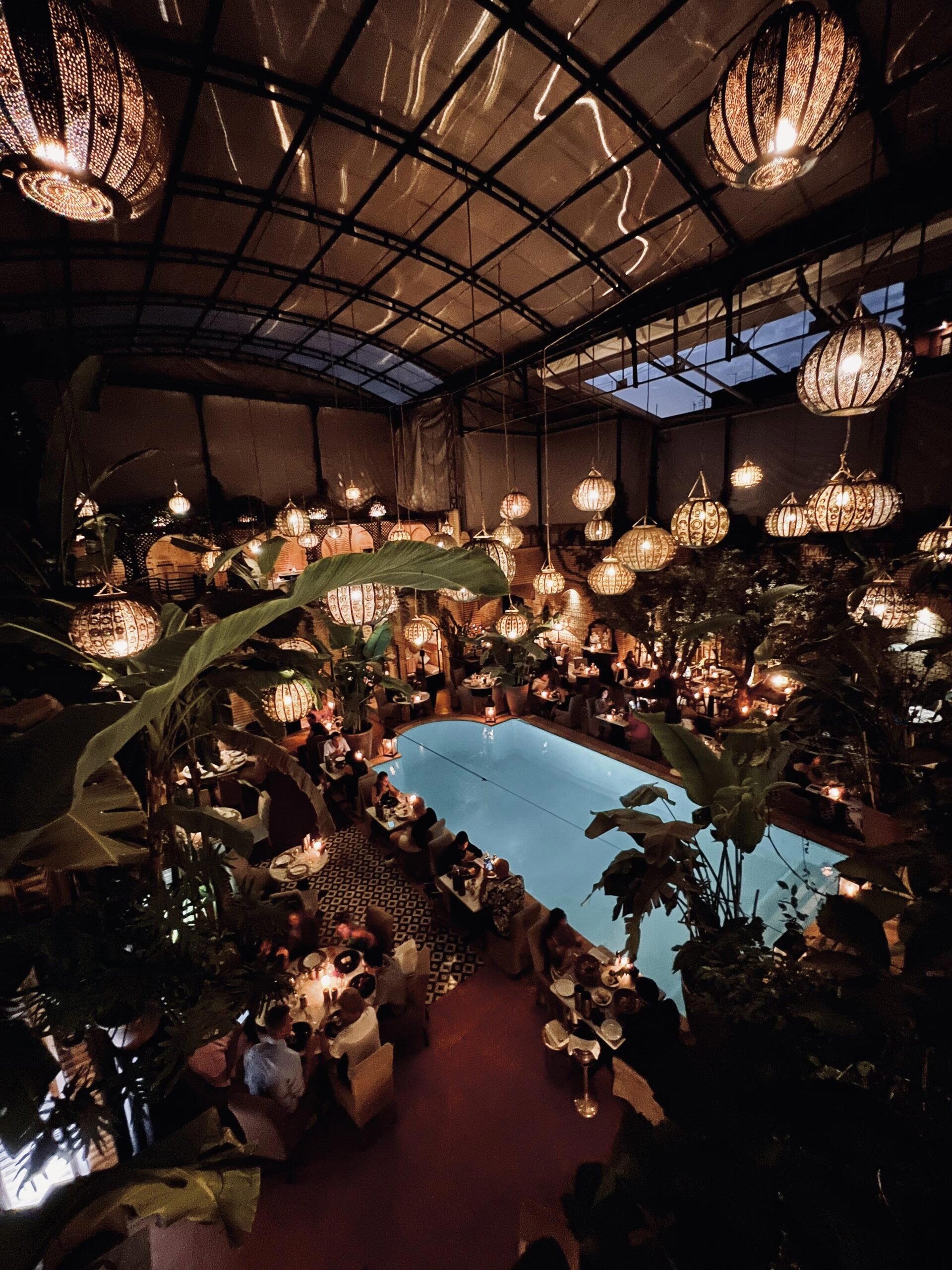
An Italian Table in a Moroccan City
Marrakesh's restaurant scene has long been divided along predictable lines: the grand Moroccan palaces serving tanjia and pastilla within riads, and the French-influenced addresses that arrived during and after the protectorate era and never left. Italian cuisine sits outside both traditions, which gives La Trattoria, on Rue Mohammed el Beqal, an unusual position in the city's dining order. It does not compete with La Grande Table Marocaine at the Royal Mansour or with the brasserie registers of addresses like La Grande Brasserie by Hélène Darroze. It occupies a different lane entirely, one where the question is not how authentically Moroccan the kitchen is, but how an Italian culinary idiom translates inside a city that runs on entirely different flavour logic.
That translation is not as simple as it sounds. The aromatics that define Italian cooking, olive oil, dried herbs, long tomato reductions, aged cheese, land differently when the surrounding neighbourhood smells of cumin, preserved lemon, and charcoal smoke from street grills. There is a sensory contrast at work the moment you move from the medina's outer arteries toward a restaurant whose frame of reference points north across the Mediterranean rather than inward to the Atlas.
The Setting: What Rue Mohammed el Beqal Offers
The address, 179 Rue Mohammed el Beqal, places La Trattoria in the Gueliz district, Marrakesh's new town, which developed under French colonial planning and has since become the city's most commercially mixed quarter. Gueliz is where Marrakesh's European-facing dining culture concentrates: the sidewalk cafés, the wine-serving restaurants, the international kitchens. It is also where visitors who find the medina overwhelming tend to gravitate after a day in the souks, looking for a table that does not require navigating unmarked lanes. For that reader, this part of the city offers legibility that the medina does not.
The neighbourhood dynamic shapes what an Italian restaurant can be here in ways it could not be elsewhere in the city. Gueliz has the infrastructure, suppliers, a dining public with international reference points, proximity to hotels that draw European and North American guests, to sustain a kitchen oriented toward imported ingredients and European technique. Addresses like Sesamo and Al Fassia also operate within the Gueliz-adjacent fabric, each representing a different answer to the question of what kind of restaurant thrives in this particular urban layer of Marrakesh.
Italian Cooking in North Africa: The Broader Context
Italian cuisine in North Africa carries historical resonance that goes beyond simple tourism demand. The Mediterranean basin's culinary exchanges run deep: Sicily's cuisine bears North African fingerprints in its use of saffron and dried fruit in savoury dishes, and the Maghrebi coast has absorbed Italian influences through centuries of trade and colonial contact, particularly in Libya and Tunisia. Morocco's connection is less direct, but the logic of pasta, olive oil, and aged dairy lands in a country that produces olive oil in significant volume and where Italian wine culture has been present in the premium dining segment for decades.
What this means practically is that an Italian kitchen in Marrakesh is not purely an import with no local logic. It sits in a Mediterranean continuity, even if that continuity is less obvious than it would be in Tunis or Palermo. Comparison with Morocco's wider dining circuit is useful here: Cocoa Café in Casablanca and Berrada in Fes each reflect how Morocco's cities have developed distinct international-facing dining cultures, and Marrakesh's version of that culture is shaped by its position as the country's primary tourism destination. The demand exists; the question for any specific address is whether the execution matches it.
Where La Trattoria Sits in Marrakesh's Premium Tier
Marrakesh's upper dining tier is anchored by hotel properties and long-established palace restaurants. The Royal Mansour's kitchen, Palais Ronsard's Moroccan-French register, and La Villa des Orangers all operate within a world where setting is inseparable from the price proposition. The restaurant's address on Rue Mohammed el Beqal places it outside the riad-palace category, which means it competes on different terms: the room, the cooking, and the atmosphere have to do the work that a historic courtyard would otherwise do at higher-tier addresses.
Within Morocco's broader restaurant geography, the contrast with coastal addresses is instructive. L'Araignée Gourmande in Oualidia and Heure Bleue Palais in Essaouira each benefit from geography, seafood proximity, Atlantic light, a particular kind of unhurried coastal pace. Marrakesh's inland position means its restaurants work with different raw materials and a different visitor energy: the city runs hotter, faster, and more intensely than Morocco's coastal towns, and its dining rooms reflect that. Italian cooking, with its emphasis on slowness, long braises, rested dough, unhurried courses, can function as a counterpoint to that energy rather than an expression of it.
For readers building a broader Marrakesh itinerary, Le Palace in Marrakech and +61 represent other angles on the city's international dining offer, while our full Marrakesh restaurants guide maps the complete scene across price points and cuisine types.
Planning a Visit
The restaurant is located at 179 Rue Mohammed el Beqal, Marrakech 40000, in the Gueliz district, reachable on foot from the major hotels along Avenue Mohammed V or by a short taxi ride from the medina. The restaurant is recommended for reservations and is open daily from 12 PM to 11 PM. As with most Gueliz restaurants, demand is higher during Marrakesh's cooler months, October through April, when the city draws its heaviest visitor traffic. Arriving outside peak holiday windows, particularly mid-week in November or March, typically gives more scheduling flexibility. For Morocco dining across the country's full geography, see also Azurita in Tangier, La Sqala: Café Maure, Dar Dada in Sidi Belyout, Café Enjoy Agadir, and Château Roslane for wine-focused dining inland. For reference points at the international level of Italian-adjacent technique, Le Bernardin in New York City and Atomix in New York City illustrate the broader category of European-trained kitchens operating in non-European cities.
Comparable Options
Comparable venues nearby, for context on price, style, and recognition.
| Venue | Cuisine | Price | Notes |
|---|---|---|---|
| La TrattoriaThis venue — the venue you are viewing | Italian Trattoria | $$$$ | Not listed |
| La Grande Table Marocaine | Modern Moroccan Fine Dining | $$$$ | Arset el Bilk |
| La Villa des Orangers | French-Moroccan Fine Dining | $$$$ | Marrakech-Médina |
| Farasha Farmhouse-Mouton Noir | Mediterranean Farm-to-Table | $$$$ | Route to Fez |
| Azar | Moroccan-Lebanese-Mediterranean Fusion | $$$$ | Gueliz |
| Le Restaurant - La Maison Arabe | Refined Traditional Moroccan | $$$$ | Marrakech-Médina |
Continue exploring
More in Marrakech
Restaurants in Marrakech
Browse all →
Bars in Marrakech
Browse all →
At a Glance
- Romantic
- Elegant
- Scenic
- Cozy
- Intimate
- Date Night
- Special Occasion
- Garden
- Terrace
- Historic Building
- Garden
Current opening hours
- Monday
- 12–11 PM
- Tuesday
- 12–11 PM
- Wednesday
- 12–11 PM
- Thursday
- 12–11 PM
- Friday
- 12–11 PM
- Saturday
- 12–11 PM
- Sunday
- 12–11 PM
Hours can change for holidays and private events. Last verified .
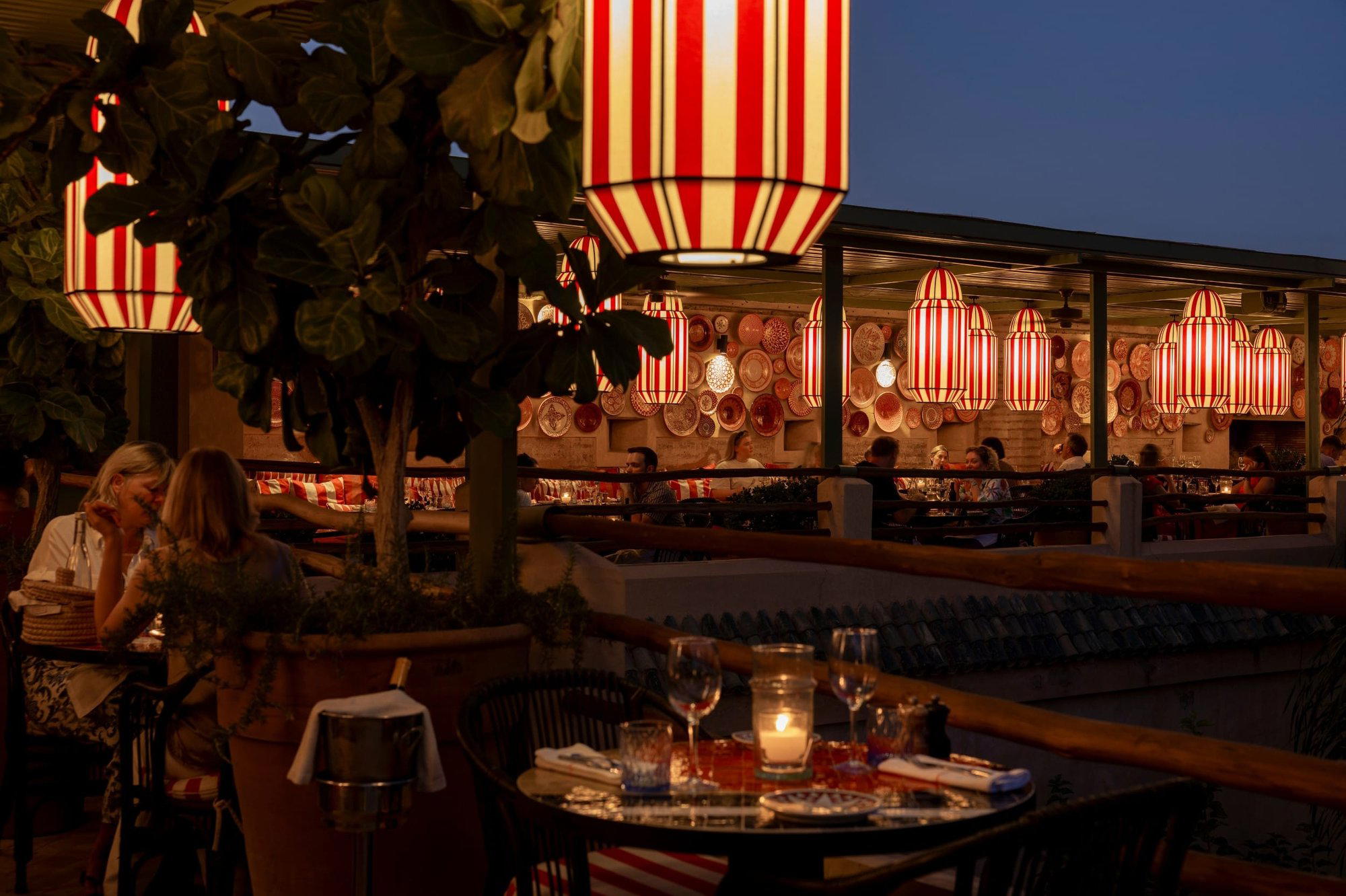
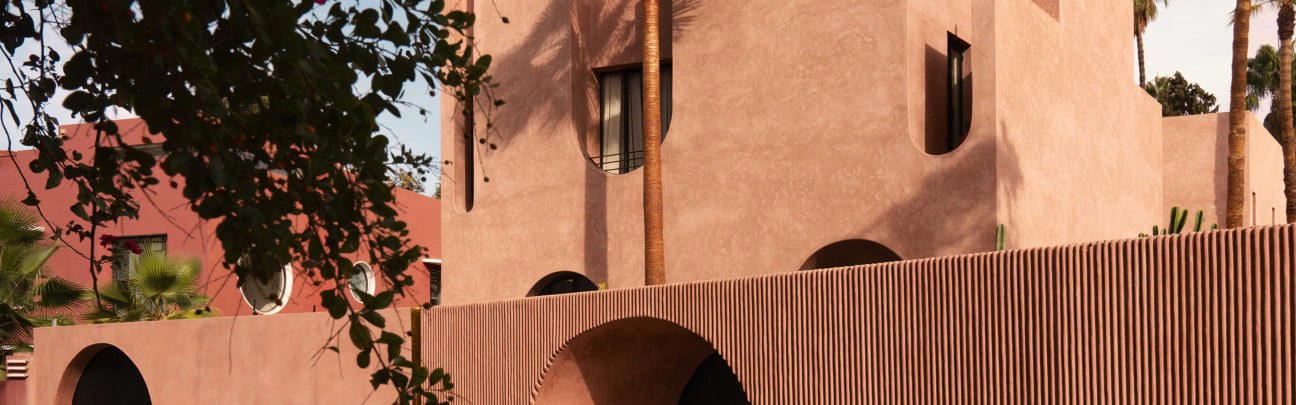
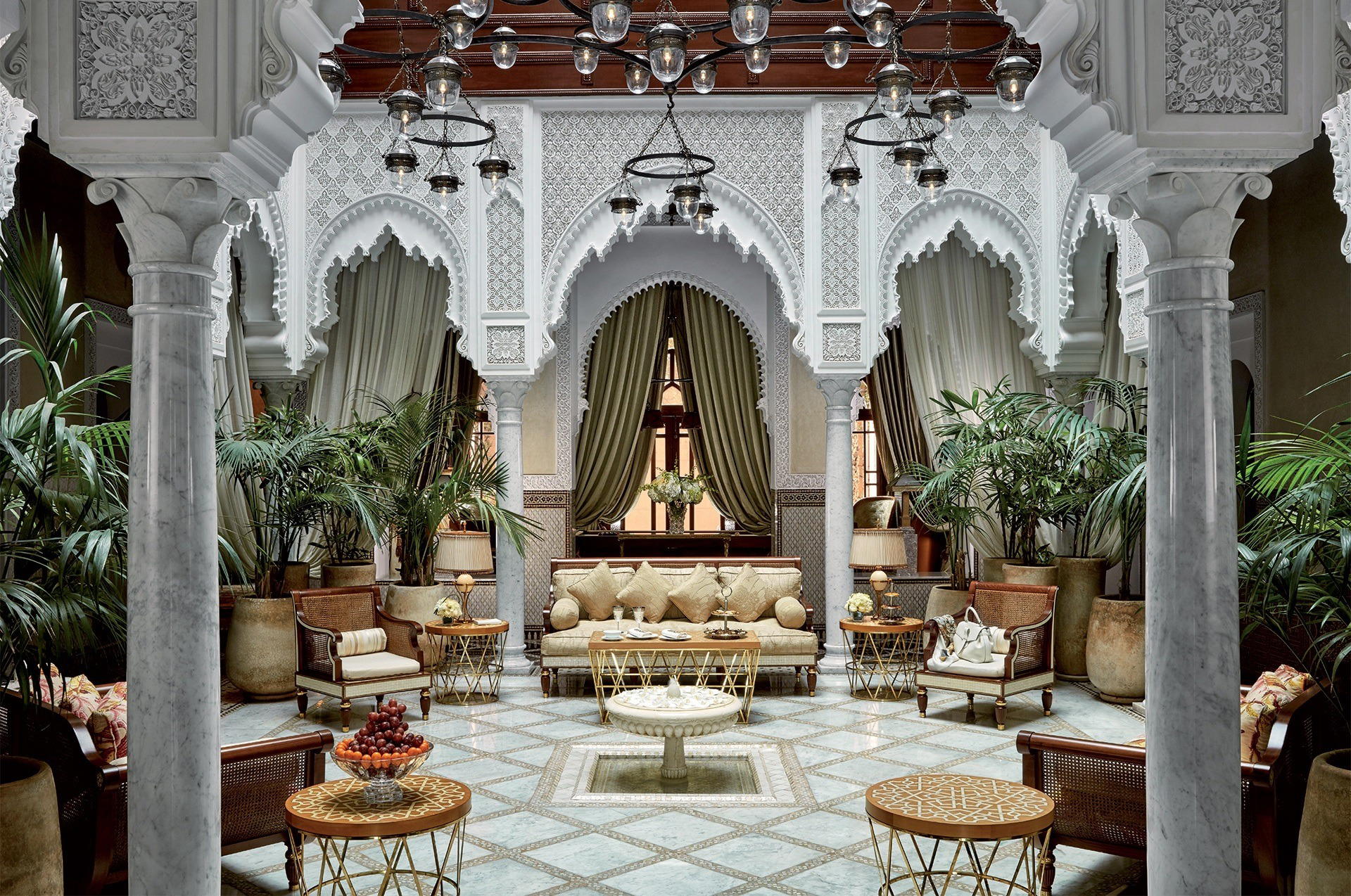
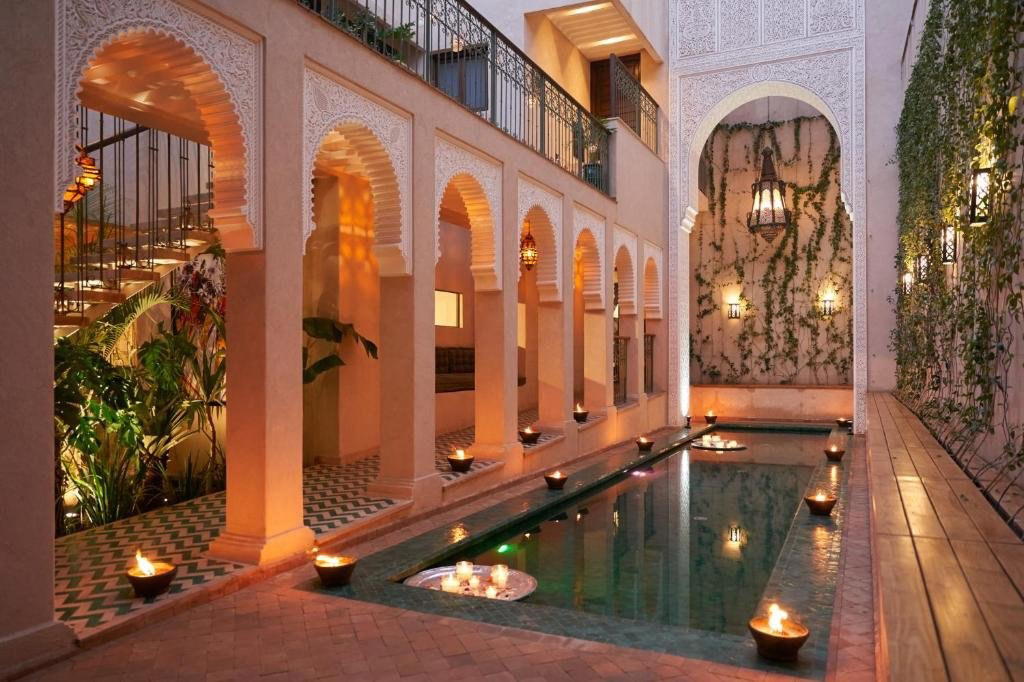
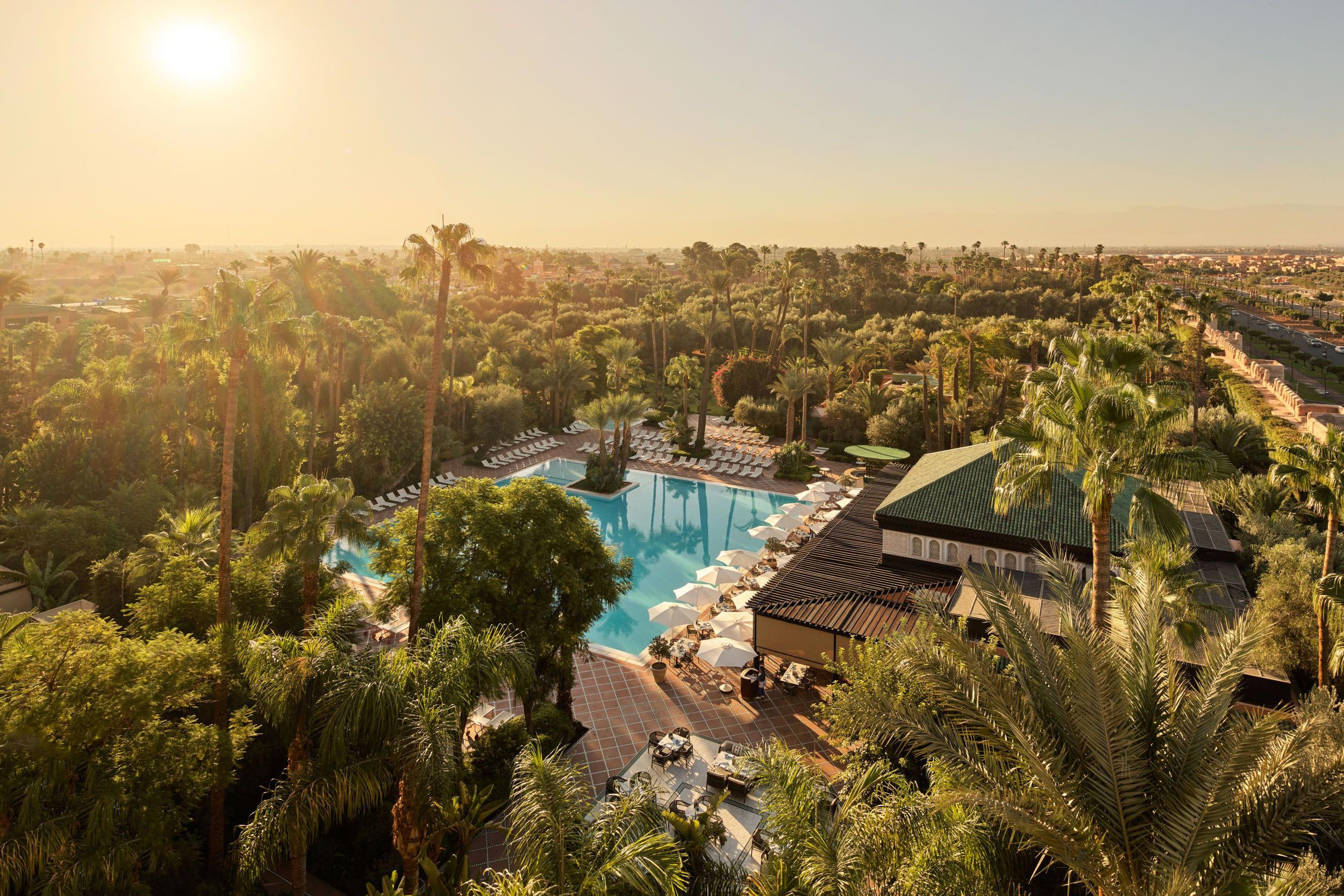
Warm hues, candlelight, picturesque poolside garden setting with lively and refined decor.