
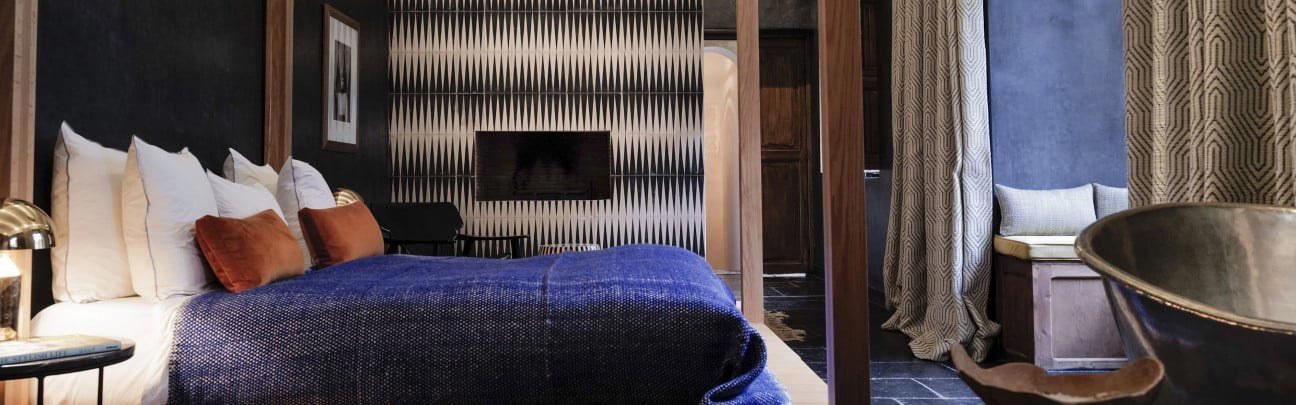
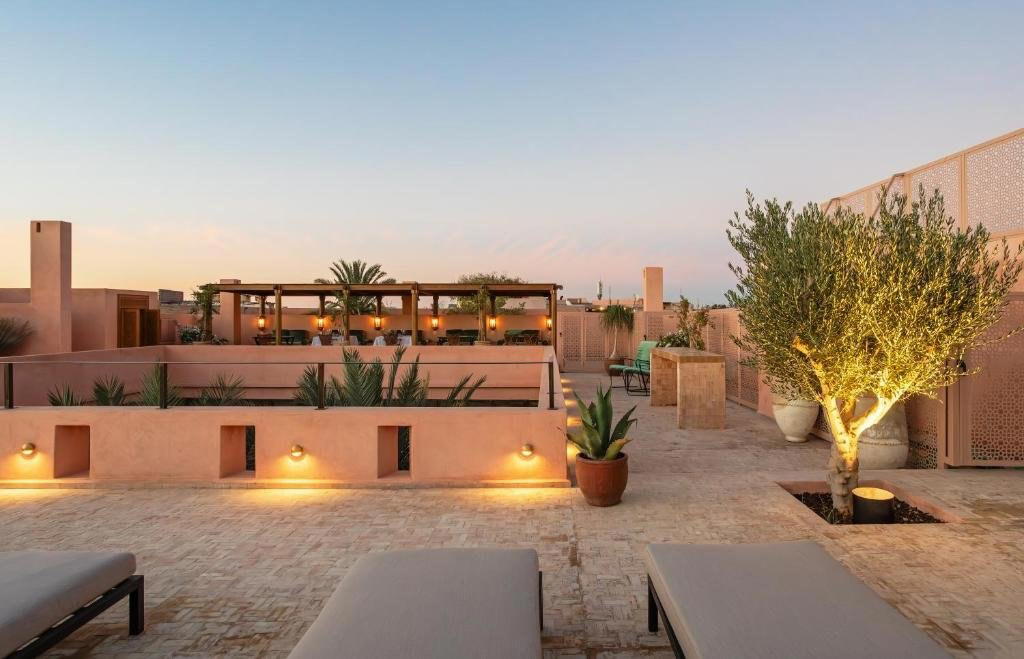
Seven interlinked riads in Marrakech's medina, IZZA reconstructs the freewheeling spirit of 1970s Morocco through intricate tilework, sculpted plaster, and an art collection that nods to the artists who once made this city their base. Fourteen individually conceived rooms, a spa, plunge pool, and rooftop bar make it one of the medina's more atmospheric small-property stays.
Pearl is the En Primeur Club membership app — saves, bookings, and concierge access live there. Same editors, same standards.
- Address
- 46 Driba Laarida, Dar IZZA, 46 Sidi Ahmed Soussi, Marrakesh 40000
- Phone
- +212 6 61 95 62 46
- Website
- izza.com
- Directions
- Get directions
 Saves & bookings on Pearl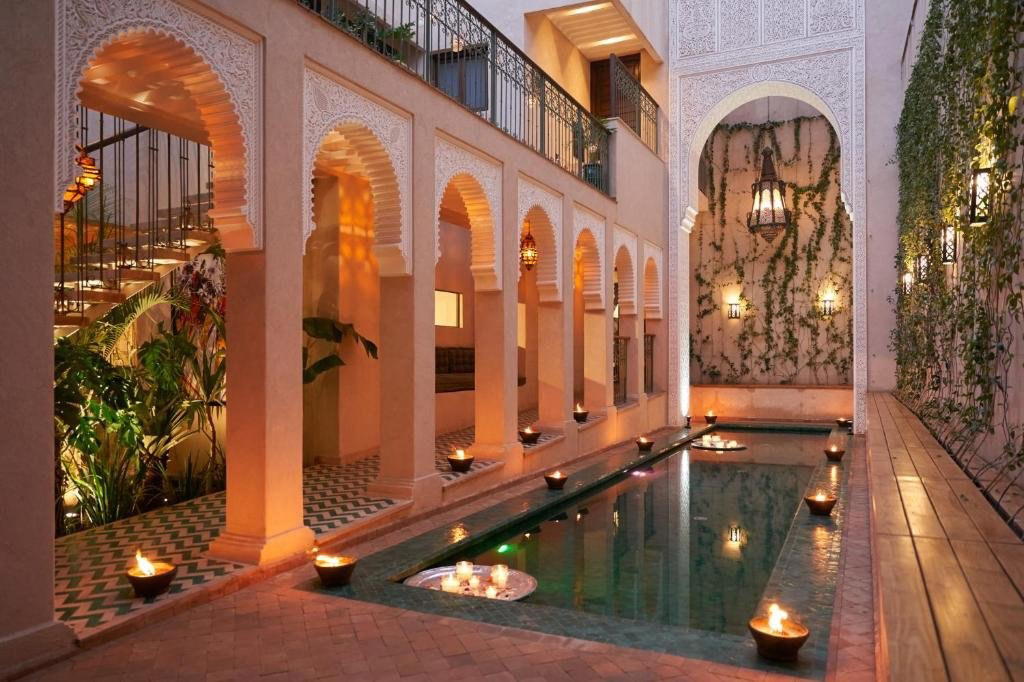
Where the Medina Slows Down
Approaching IZZA from Driba Laarida, there is little to indicate what waits behind the door at number 46. The street is narrow, the exterior unassuming in the way that the leading medina properties tend to be. Marrakech's riad tradition has always operated on this inversion: the more severe the street facade, the more layered the interior world. IZZA takes that logic further than most. What opens up behind the threshold is not a single courtyard but a sequence of seven interlinked riads, each with its own architectural character, its own tilework grammar, its own relationship to light and shade.
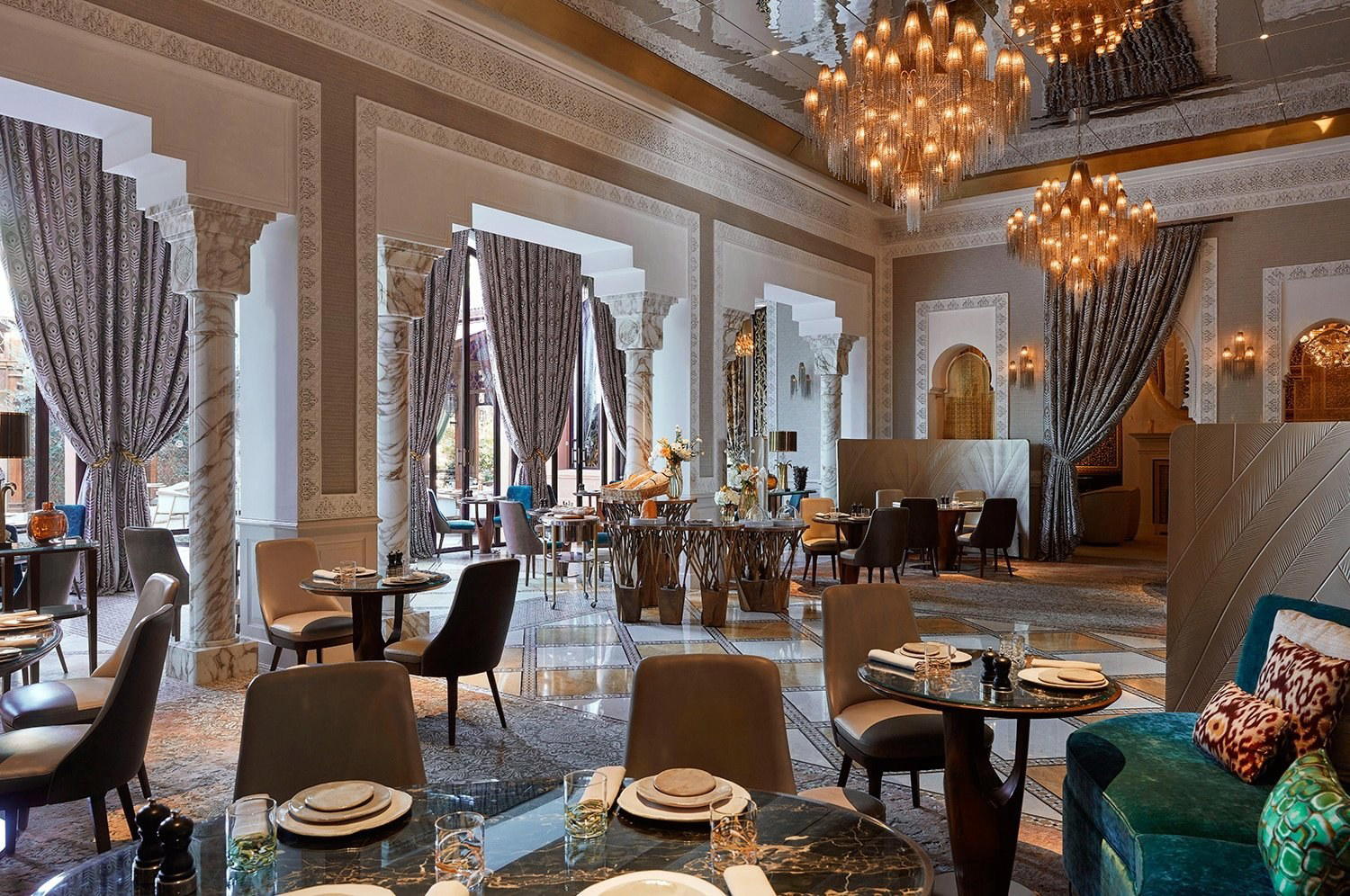
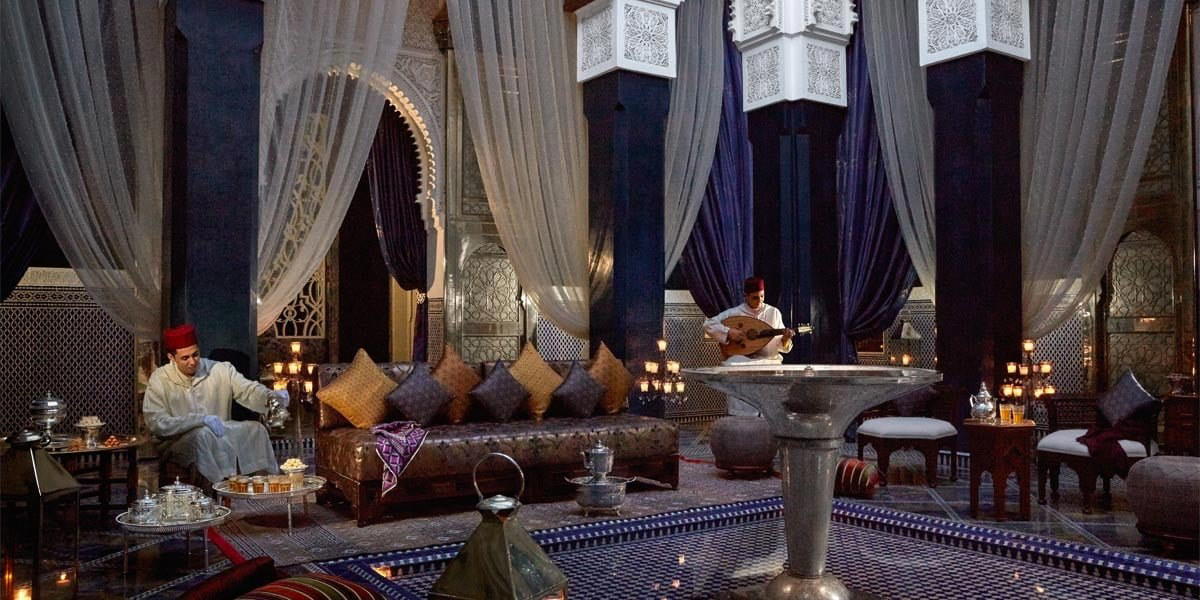
That physical depth matters for anyone arriving with retreat in mind. The medina is not a quiet place, and the riad format has historically been the answer to that tension, the city at the door, stillness a few steps inside. IZZA constructs that stillness with particular care: sculpted plaster (tadelakt and stucco work that references centuries of Moroccan craft), geometric tile compositions, and an art collection assembled around the idea of the city as a place artists came to reset, not just to document. The result is an interior that operates simultaneously as private residence and visual archive.
The Retreat Logic of a Seven-Riad Property
Marrakech's premium riad market has bifurcated over the past decade. On one side sit the larger internationally-managed properties, La Mamounia, Royal Mansour, Amanjena, and the Four Seasons Resort Marrakech, which offer scale, branded spa programming, and the predictability of international hospitality standards. On the other sit smaller, design-driven properties where the guest count is deliberately limited and the experience is shaped more by curation than by infrastructure. IZZA belongs to the second group.
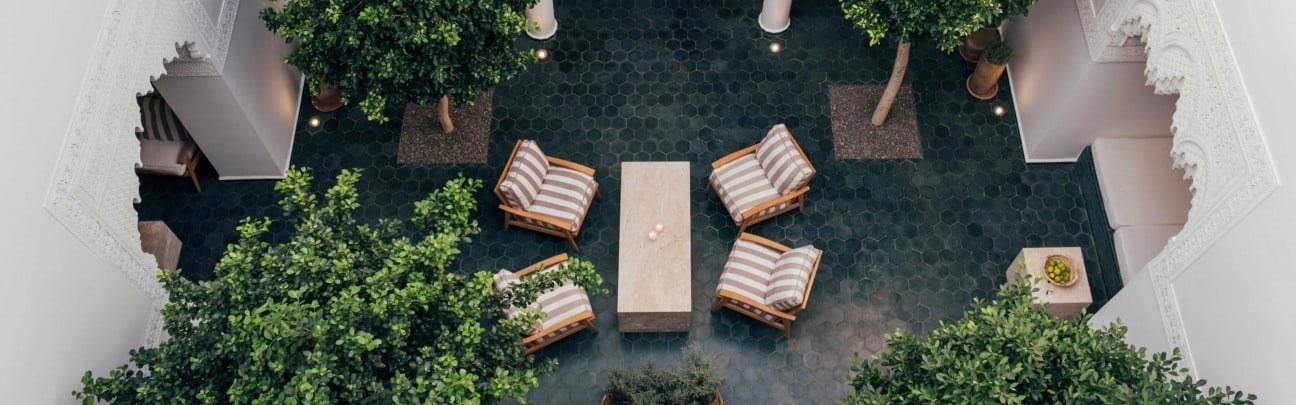
At 14 rooms across seven riads, the property sits in the same tier as El Fenn and La Sultana Marrakech, where low room counts and strong design identities define the competitive set. For guests who prioritise quiet, privacy, and spatial variety over resort amenities, this scale is deliberate rather than limiting. Seven connected riads mean that common spaces shift as the day moves, different courtyards catching different light, the rooftop bar operating as something separate from the meditative pull of the lower levels.
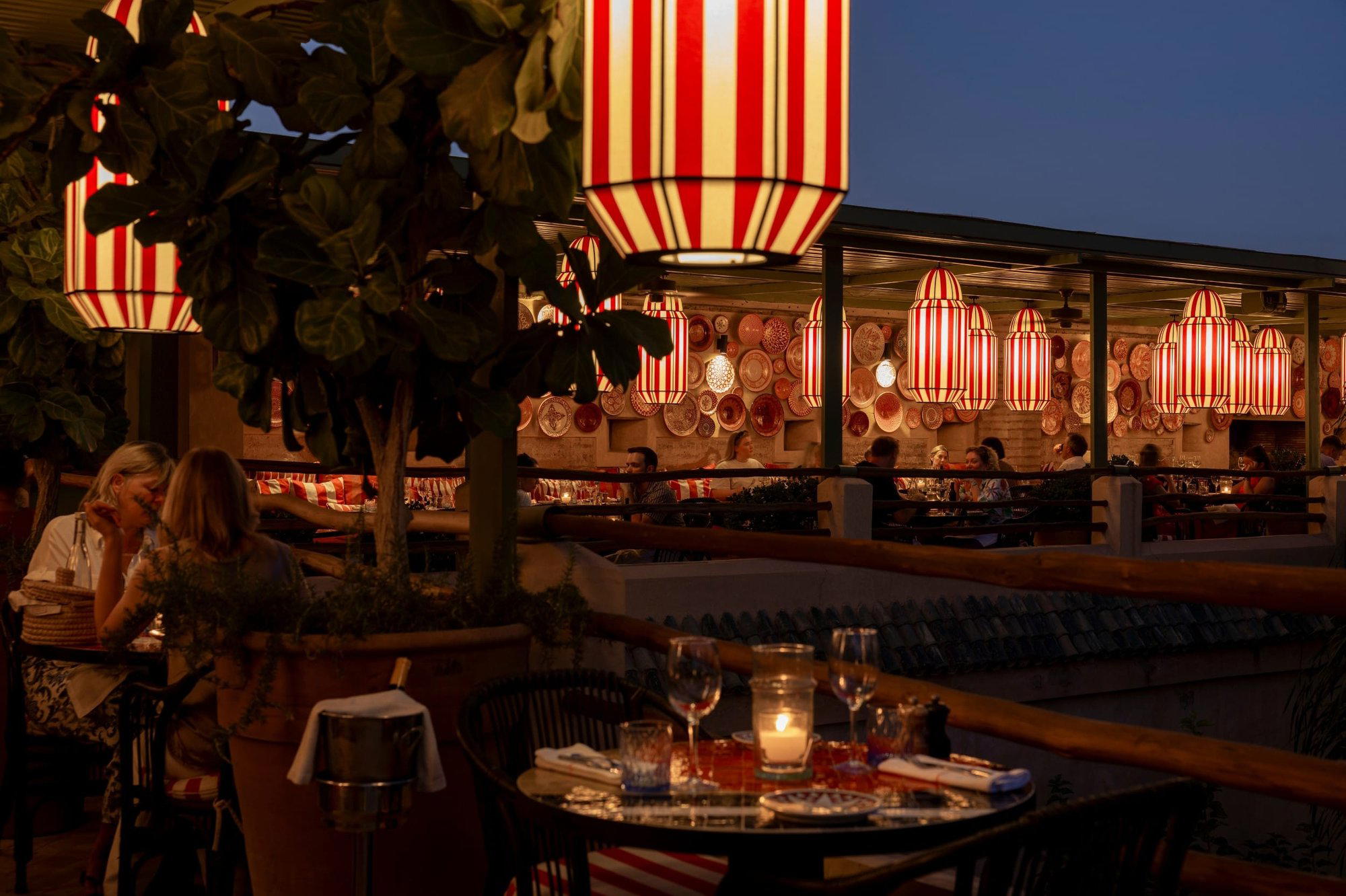
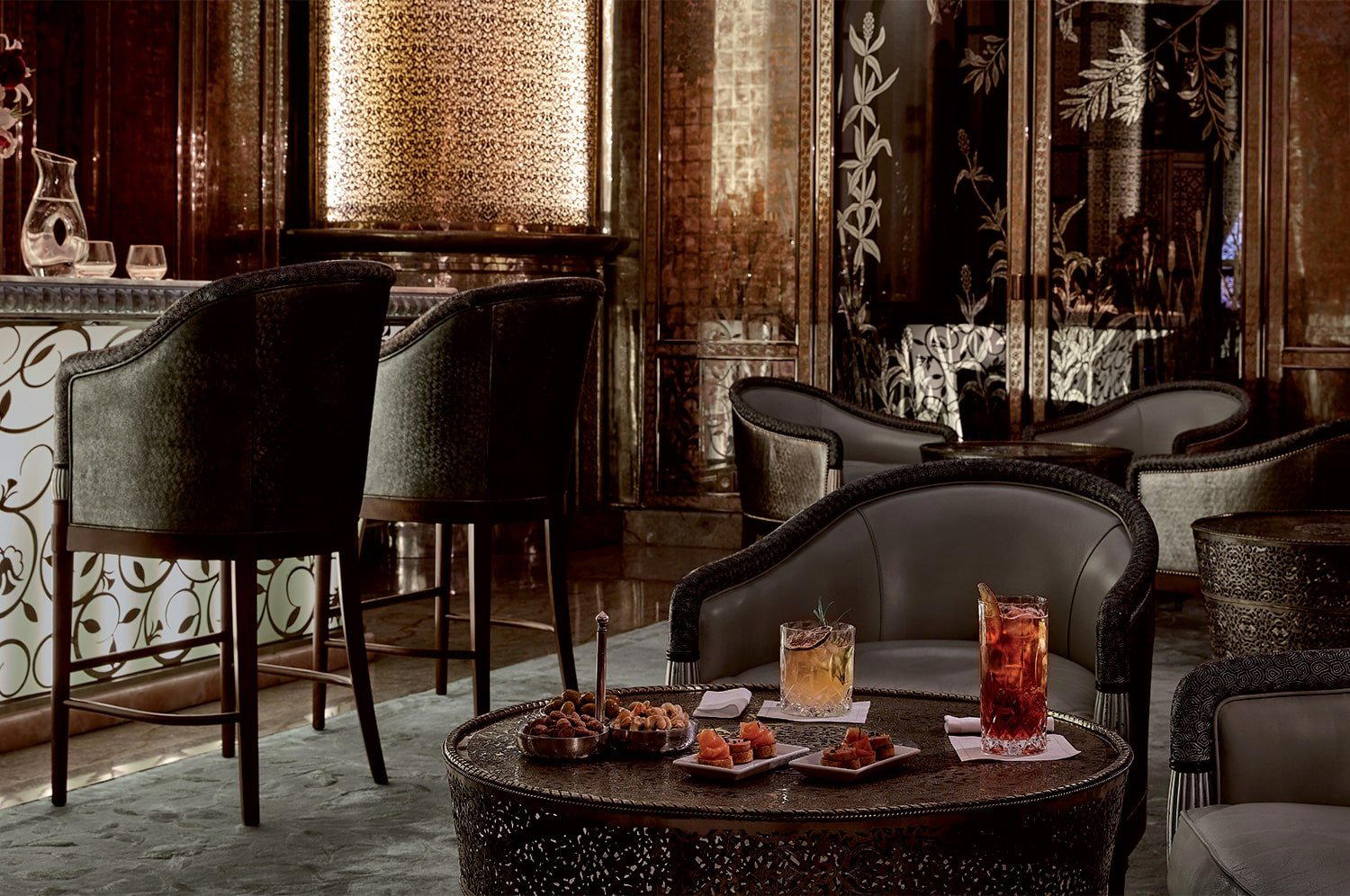
That rooftop bar deserves mention as a piece of programming logic. The 1970s reference point that shapes IZZA's identity, the period when musicians, designers, and poets arrived in Marrakech in search of something the northern hemisphere wasn't providing, was also a period defined by a particular kind of social rituals: late evenings, communal tables, art as conversation rather than exhibition. The rooftop bar carries that social register forward. It is not simply an amenity; it functions as an extension of the curatorial argument the property is making.
Spa and Wellness in the Riad Format
The small-property wellness experience in a medina riad operates differently from the destination spa model found at Fairmont Royal Palm Marrakech or Ksar Char-Bagh. There is no acreage, no extensive treatment menu architecture, no fitness circuit. What there is, in IZZA's case, is a spa and a plunge pool integrated into a property that is already structured around the idea of withdrawal: from the street, from noise, from the pace of a city that moves quickly even by medina standards.
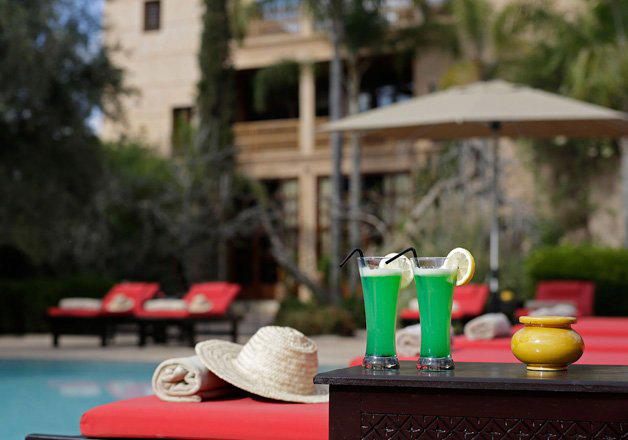
Moroccan spa tradition runs deep in this part of the world. The hammam, as a ritual space rather than a commercial offering, has structured daily life in the medina for centuries. Properties at IZZA's tier tend to work within that tradition rather than replacing it with imported wellness vocabulary. For guests whose retreat priorities run toward heat, stillness, and physical reset rather than programmatic fitness, the combination of a plunge pool and an embedded spa within a 14-room property offers a quality of access that larger hotels rarely match. Sharing a plunge pool with a handful of other guests is a different experience from managing one at scale.
For guests whose wellness requirements extend further, Jnane Tamsna in Marrakech operates a garden-oriented retreat format on the Palmeraie side of the city that complements rather than competes with the medina experience. Both represent a serious wellness sensibility, expressed through entirely different architectural and botanical registers.
The Room Logic
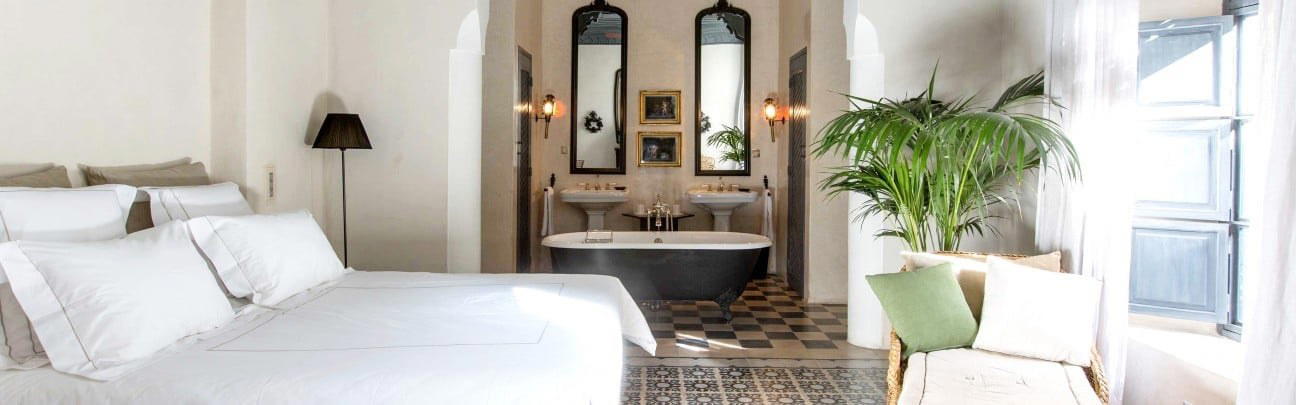
Fourteen rooms across seven riads means that rooms at IZZA are not variants of a single template. Each is positioned as a distinct space drawing on the lives of artists connected to Marrakech's creative history. That approach belongs to a broader movement in design-led hospitality, visible also at Hotel Sahrai, an SLH Hotel in Fes further north, where the design argument is site-specific and personal rather than brand-consistent. The risk of this model is inconsistency; the reward is that no two stays at the property are identical, even for repeat guests who request different rooms.
For those drawn to similar small-property logic in other Moroccan cities, Dar Ahlam in Ouarzazate, Dar al Hossoun in Taroudant, and Dar Maya in Essaouira each operate within the same design-led, low-capacity ethos, making them natural extensions of an itinerary built around this kind of stay.
Planning Your Stay
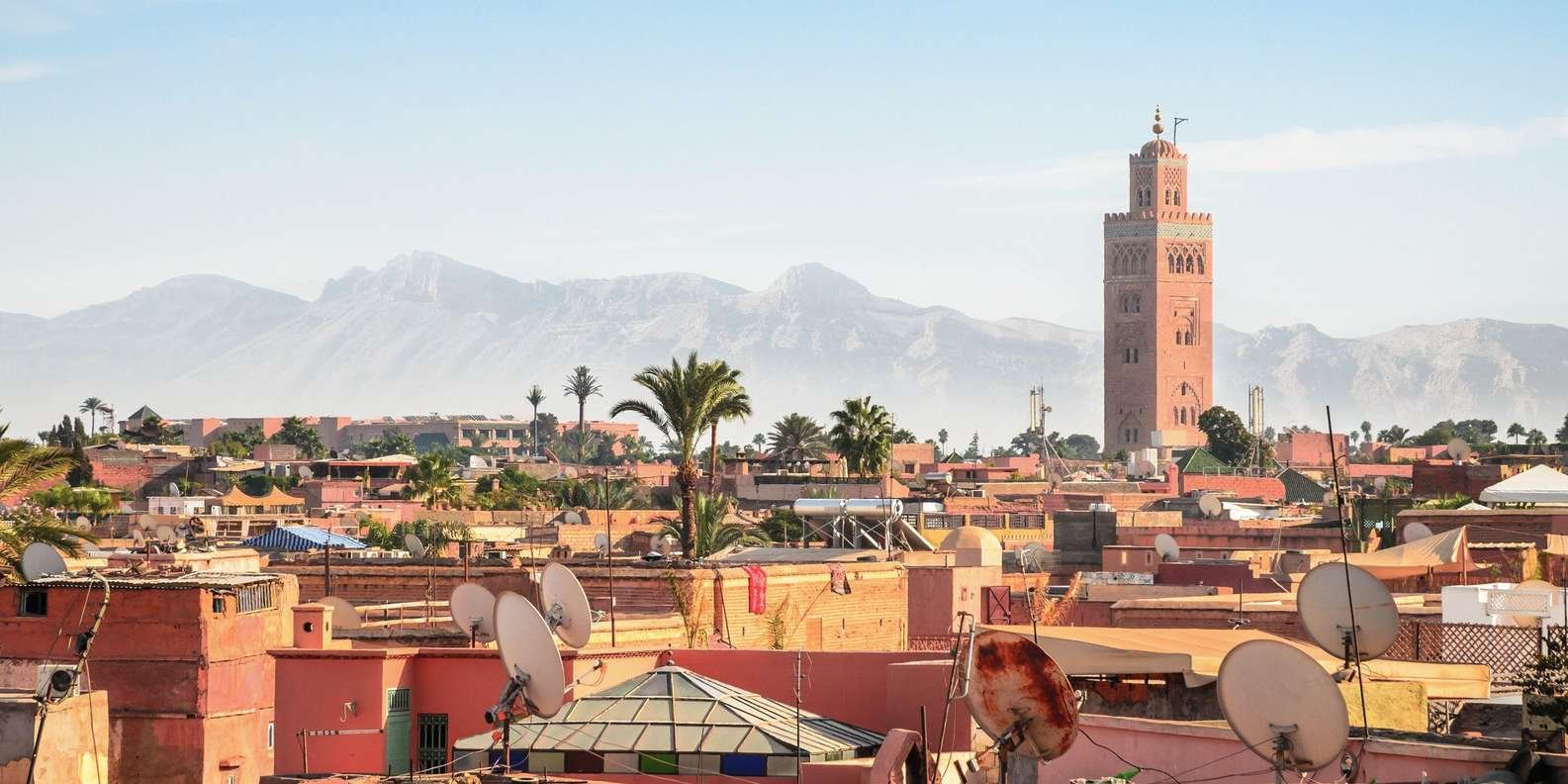
IZZA Marrakech sits at 46 Driba Laarida, Sidi Ahmed Soussi, in the medina. The address points to a part of the old city where the street grid requires local orientation on arrival; a property contact or pre-arrival coordination is advisable for guests arriving by car or taxi who are unfamiliar with the area. Marrakech's Menara Airport connects directly to most European cities, with flight times ranging from around three hours from London or Paris to just over four from Germany or Scandinavia. The medina itself is most comfortable on foot, and IZZA's position within it means that the central souks, the Djemaa el-Fna, and major architectural landmarks are all within walking reach.
For those building a wider Morocco itinerary, the Hyatt Regency Casablanca in Casablanca, Fairmont Tazi Palace Tangier in Tangier, Fes Marriott Jnan Palace in Fès, Fairmont La Marina Rabat Salé Hotel And Residences in Salé, Hilton Taghazout Bay Beach Resort & Spa in Taghazout, Hotel Sahrai in Fez, Banyan Tree Tamouda Bay in Fnideq, and Château Roslane in Icr Iqaddar offer useful staging points across the country's different regions and hospitality registers. See our full Marrakesh restaurants guide for dining context around the medina and beyond.
How IZZA Marrakech compares with similar nearby venues.
| Venue | Awards |
|---|---|
| IZZA Marrakech | Michelin 1 Key |
Recognition history
Dated appearances from independent guides and award organizations, with the underlying list record or original source where available.
Michelin 1 Key
Michelin
Continue exploring
More in Marrakech
Hotels in Marrakech
Browse all →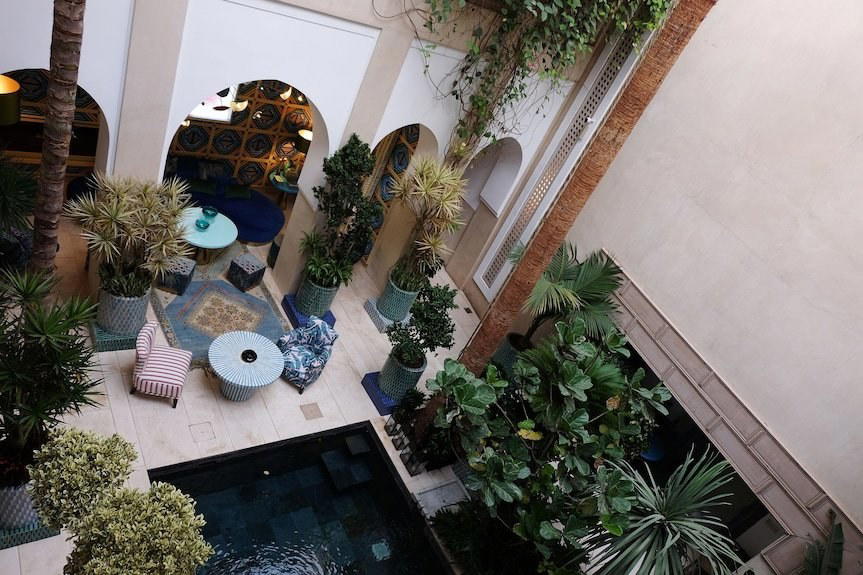
Bars in Marrakech
Browse all →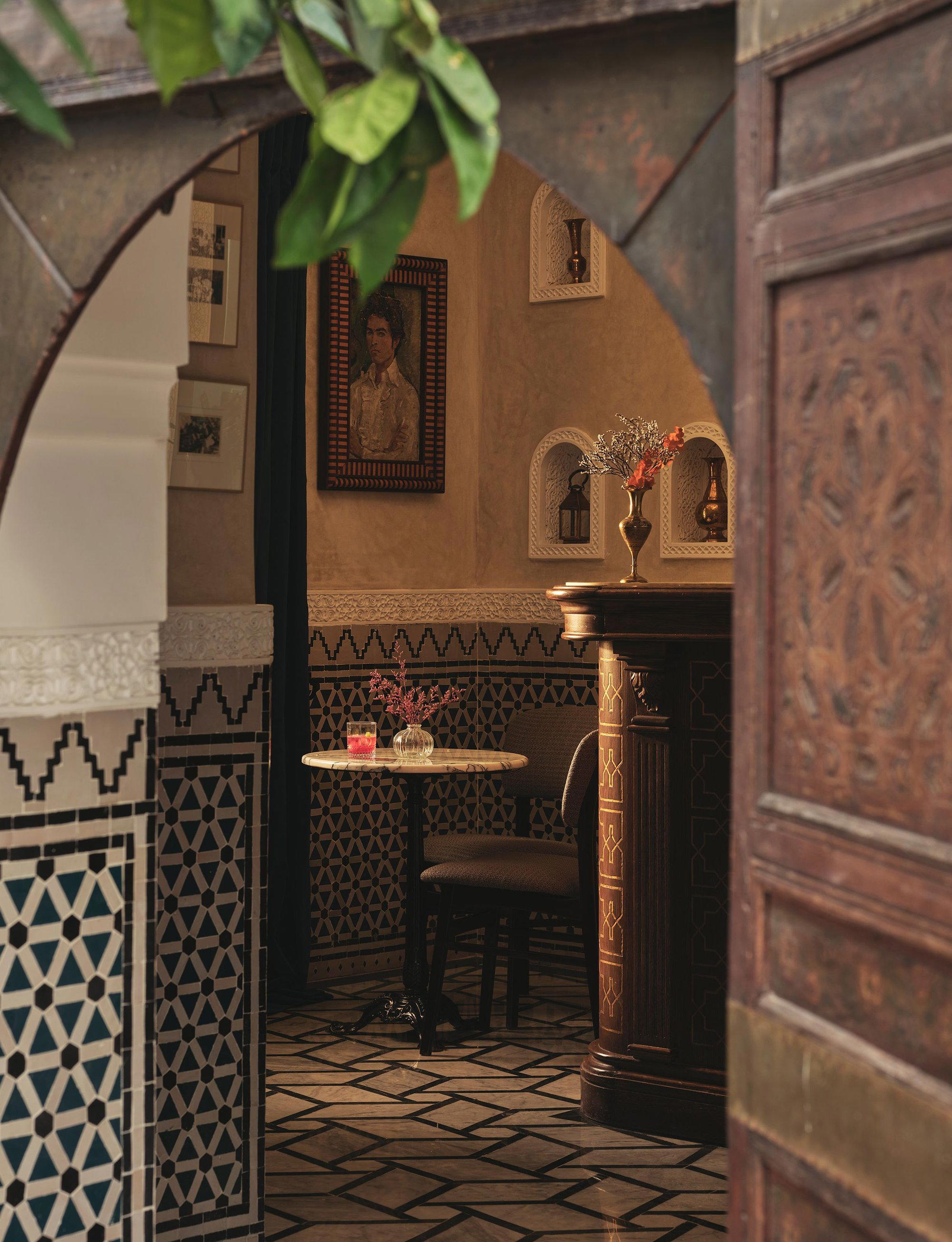
Restaurants in Marrakech
Browse all →
Wineries in Marrakech
Browse all →
At a Glance
- Elegant
- Modern
- Intimate
- Sophisticated
- Cozy
- Romantic Getaway
- Honeymoon
- Anniversary
- Rooftop Pool
- Pool
- Fitness Center
- Room Service
- Concierge
- Pool
- Fitness Center
- Room Service
- Concierge
Tranquil oasis of calm with sleek interiors, plush furnishings, and soothing courtyard fountains, praised for its relaxing and luxurious atmosphere.
Know Before You Go
- Getting there
- 46 Driba Laarida, Dar IZZA, 46 Sidi Ahmed Soussi, Marrakesh 40000