

World's 50 Best #49 · The Best Chef One Knife
Our verdict
Farmers in Marrakech serves Contemporary European cuisine with an organic, farm-to-table focus. Must-try dishes include the Seasonal Farm Vegetable Plate, Herb-Crusted Market Fish and Slow-Roasted Root Vegetables. Chef Driss Aloui sources produce directly from Sanctuary Slimane permaculture farm, pairs plates with natural wines, and runs an open kitchen for visible craft. The restaurant earned a Tripadvisor Travelers' Choice award and is known for vegetable-forward tasting menus, clear sourcing stories, and a warm, inviting atmosphere that highlights fresh herbs, bright citrus, and concentrated savory reductions.

Pearl is the En Primeur Club membership app, where members save venues, book tables and use the concierge.
The menu
What to order
- Aubergine
- Chocolate mousse
- Beef tataki
- Leek
An Art Deco Shell, a Farm-to-Table Argument
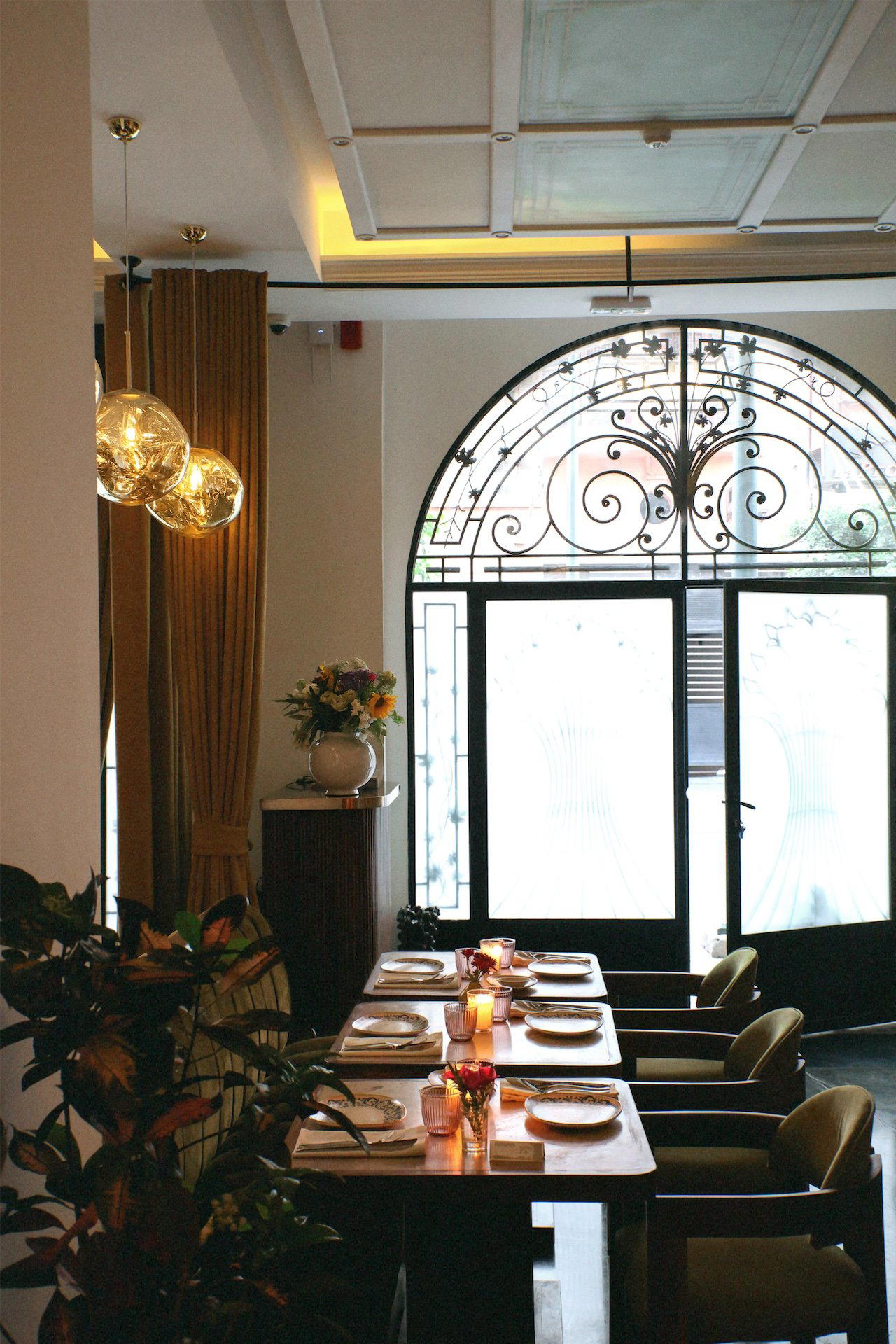
Gueliz has always been Marrakesh's more European-facing quarter, the grid-planned district where French colonial ambition left behind wide boulevards and the kind of architectural remnants that sit awkwardly between eras. A renovated Art Deco gallery on Rue Mohammed el Beqal is not, on the face of it, an obvious home for a restaurant making a case about Moroccan agricultural produce. But that tension is precisely what makes Farmers coherent: the formality of the space and the directness of the sourcing philosophy pull in the same direction, toward a dining experience where the physical setting does not distract from what arrives on the plate.
Farmers opened in September 2024, which means it entered Marrakesh's fine dining conversation at exactly the moment that conversation was becoming more competitive. The city's premium restaurant tier has expanded considerably, with addresses across both the medina and Gueliz competing for a visitor base that increasingly arrives with serious dining expectations. Within months of opening, Farmers had established itself as one of the more talked-about addresses in that tier, winning recognition for dishes that foreground seasonal produce and traceable agricultural sourcing.
The Ritual of the Table: Pacing and Intention
Morocco has its own deep grammar of hospitality at the table, a set of customs around pacing, generosity, and the sequencing of flavours that has little in common with European service conventions. Fine dining in Marrakesh occupies an interesting middle ground: venues like La Grande Table Marocaine at the Royal Mansour and Dar Moha have long demonstrated that Moroccan culinary tradition can carry the weight of a formal dining ritual without borrowing the grammar of French service. Farmers operates within this broader shift but stakes out a distinct position: the emphasis on seasonal, farm-sourced ingredients means the menu is designed around what is available rather than what is expected, which changes the pacing logic of the meal.
Under Chef Driss Alaoui, the kitchen's stated commitment is to capturing the freshness and character of produce at its agricultural origin. In practice, this tends to shape a meal that moves through courses with the rhythm of the harvest rather than the rhythm of a fixed repertoire. Alaoui's approach aligns Farmers with a cohort of restaurants across North Africa and southern Europe where the chef's primary editorial decision each season is which producers to work with, and the menu follows from there. For comparison, this is a structural logic closer to what you see at farm-anchored addresses like L'Oliveraie in El Hajeb than to the more fixed, tradition-codifying formats of the medina's historic riads.
The dining ritual at Farmers, then, rewards patience and attention. Arriving with a fixed expectation of what a Moroccan fine dining meal should deliver is likely to produce friction. Arriving curious about what the season and the agricultural calendar have made possible is likely to produce something more interesting.
Gueliz as a Fine Dining Address
Morocco's premium restaurant scene has historically clustered in two geographic registers: the medina riads, which trade on historical atmosphere and traditional formats, and the newer Gueliz addresses, which operate with more cosmopolitan reference points. Farmers fits the second category but resists the Francophile drift that defines several of its Gueliz neighbours. Where La Grande Brasserie by Helene Darroze works within a recognisably French brasserie idiom and Sesamo pulls toward the Mediterranean, Farmers is arguing for a specifically Moroccan agricultural identity expressed through contemporary fine dining technique.
The Art Deco gallery setting matters here. Gueliz's architectural heritage gives venues in this district a particular kind of spatial authority that medina riads achieve through different means. High ceilings, geometric detailing, and the quality of light in a well-preserved early-twentieth-century building create an environment where the formality of a long, attentive meal feels justified rather than imposed. The renovation has, by all accounts, been handled with enough care to retain the building's character rather than erase it in favour of generic luxury finishes, which is a more common outcome in this part of the city.
For visitors planning a broader Gueliz dining itinerary, the quarter offers a useful complement to the medina's denser, more tradition-anchored options. Our full Marrakesh restaurants guide maps the city's dining scene across both districts, and our guides to Marrakesh bars, hotels, wineries, and experiences cover the city's broader offer in the same register.
Farmers in Morocco's Wider Fine Dining Argument
Morocco's fine dining tier is broader than Marrakesh alone. Across the country, a generation of chefs and restaurateurs is making a more explicit case for Moroccan produce and technique at a formal register. Gayza in Fès works within a medina context that brings its own cultural weight. Heure Bleue Palais in Essaouira benefits from proximity to the Atlantic's fishing grounds. Hôtel Le Doge in Casablanca operates within the country's commercial capital, where the dining public has different expectations. Château Roslane in Icr Iqaddar anchors its table in the wine-producing region of Meknes. Each of these addresses frames Moroccan agricultural identity differently, which makes Farmers' Gueliz-based, locavore-centred argument one point in a national conversation rather than an isolated experiment.
For international context, the structural logic of farm-sourced fine dining that Farmers represents is well-established in other markets. Restaurants like Atomix in New York City have demonstrated that a tight editorial commitment to sourcing and seasonal sequence can sustain a high-end dining format over time, and addresses like Le Bernardin have shown what it means to build a restaurant's entire identity around a single category of ingredient. Farmers is working in that same structural tradition, applied to Moroccan agriculture.
Within Marrakesh specifically, the reference set includes +61 and Le Petit Cornichon, both of which operate at the more casual end of the Gueliz dining spectrum and offer useful context for what distinguishes a venue pitching at the fine dining tier from those working at a more relaxed register.
Planning a Meal at Farmers
Farmers is located at 96 Rue Mohammed el Beqal in Gueliz, within easy reach of the central Gueliz hotel cluster and approximately a fifteen-minute walk from the northern edge of the medina. The restaurant has been operating since September 2024, which means it is now past its initial opening period and should be approached with the assumption that tables at peak hours require advance reservation. No phone number or website is listed in currently available data, so the most reliable approach is to ask your hotel concierge to assist with booking, or to visit in person during off-peak hours to make a reservation directly. Given the acclaim the restaurant has accumulated in its first months, walk-in availability at dinner on weekends is likely to be limited.
Gueliz's premium addresses generally sit in a range that reflects serious kitchen investment without reaching the price points of comparable venues in Paris or London. Our Marrakesh restaurants guide provides broader context for what to expect across the city's price tiers.
Frequently asked questions
Has Farmers won any awards?
Farmers has received recognition including: Since it descended on a renovated Art Deco gallery in the citys vibrant Guliz neighbourhood in September 2024 Farmers has quickly become one of Marrakechs most desirable finedining locations winning acclaim for sophisticated dishes made wit….
How do I find Farmers?
Farmers is located at 96 Rue Mohammed el Beqal, Marrakech 40000, Morocco, Marrakesh.
What should I order at Farmers?
Chef Driss Alaoui's kitchen is built around seasonal, farm-sourced produce rather than a locked signature repertoire, so the most reliable approach is to follow what's freshest on the current menu. Since opening in September 2024, Farmers has drawn acclaim specifically for dishes that reflect the character of their agricultural origin, which points toward whatever the kitchen is centring that week rather than any fixed headline dish. Ask the floor team what has arrived most recently from the farm supply chain.
Which chef is Farmers associated with?
The chef associated with Farmers is Driss Alaoui.
Can I walk in to Farmers?
Farmers opened in September 2024 and within months had established itself as one of Marrakesh's more sought-after fine dining addresses in Gueliz. Walk-ins may be possible at the bar or for early seatings on quieter weeknights, but given the pace at which the restaurant has accumulated attention since opening, a reservation made in advance is the more reliable route. check the venue's official channels via their address at 96 Rue Mohammed el Beqal to check current availability.
The Short List
| Venue | Cuisine | Price | Awards | Notes |
|---|---|---|---|---|
| FarmersThis venue (the venue you are viewing) | Modern Farm-to-Table Fusion | $30–50 | World's 50 Best #49 · The Best Chef One Knife | Not listed |
| La Grande Table Marocaine - Royal Mansour | Traditional Moroccan Fine Dining | $150–200 | World's 50 Best #19 · La Liste Top Restaurants | Moroccan Cuisine |
| L’Italien par Jean-Georges | Modern Italian Trattoria | $50–100 | La Liste Top Restaurants | French Moroccan |
| La Villa des Orangers | French-Moroccan Fine Dining | $50–100 | Relais Chateaux Award | Moroccan Cuisine |
| Le Jardin d'Hiver | Moroccan-Mediterranean Fusion Fine Dining | $50–100 | Relais Chateaux Award | Moroccan Traditional |
| Palais Ronsard | Modern Moroccan Fine Dining | Not listed | Relais Chateaux Award | Moroccan French |
Recognition history
Dated appearances from independent guides and award organizations, with the underlying list record or original source where available.
World's 50 Best MENA's Best Restaurants #49
World's 50 Best
The Best Chef One Knife
The Best Chef
Continue exploring
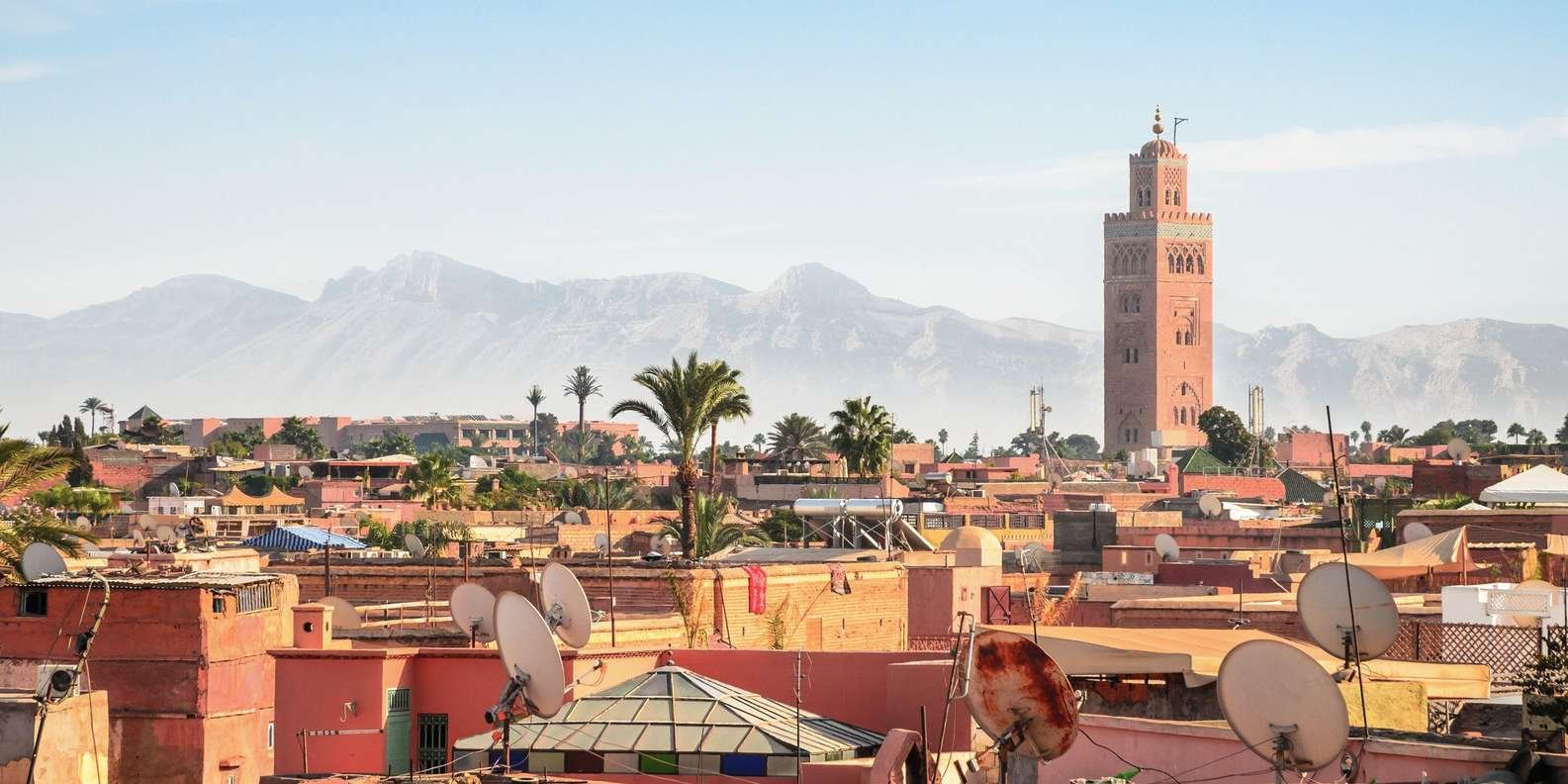
More in Marrakech
Restaurants in Marrakech
All restaurants in Marrakech →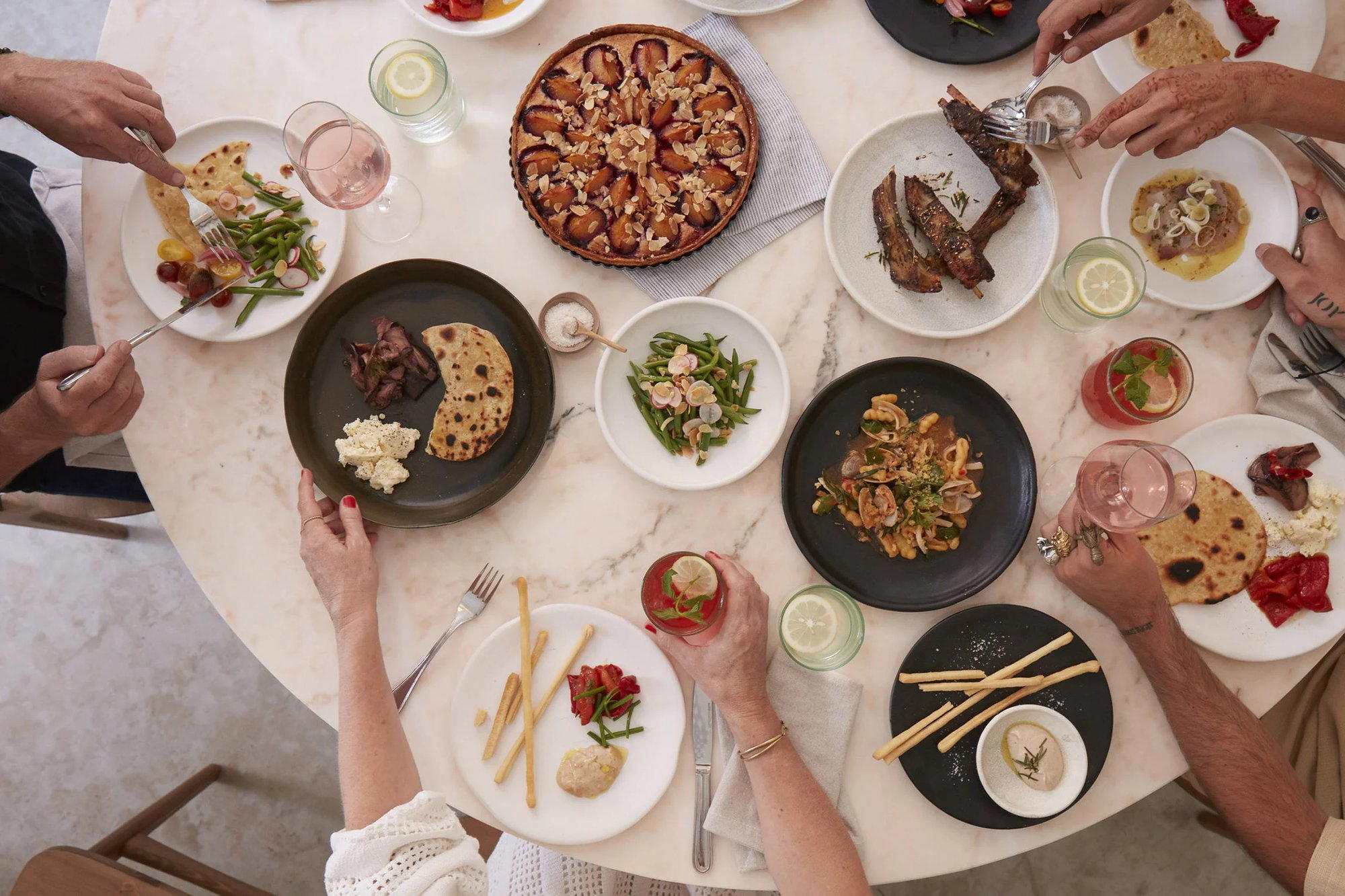
Bars in Marrakech
All bars in Marrakech →
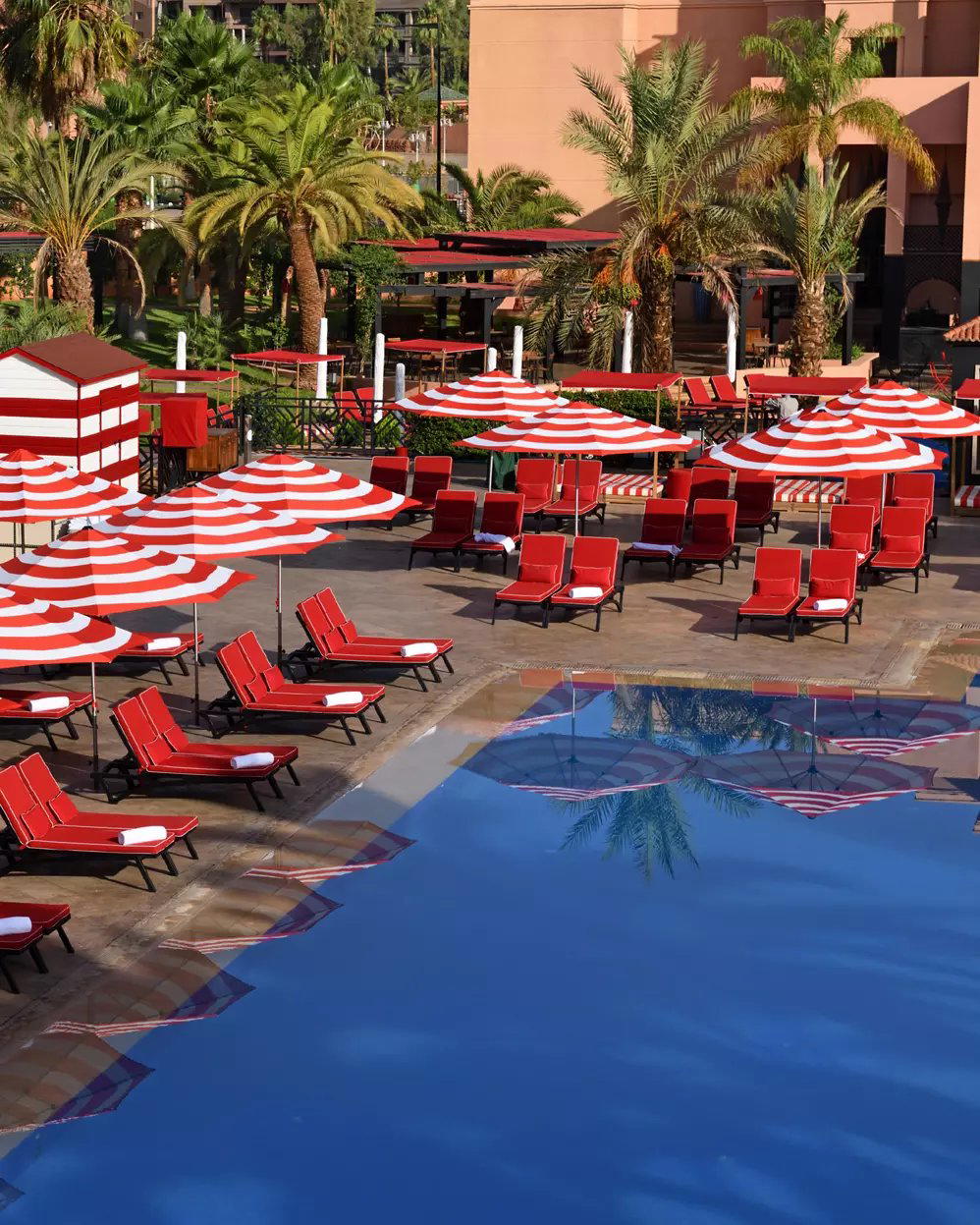
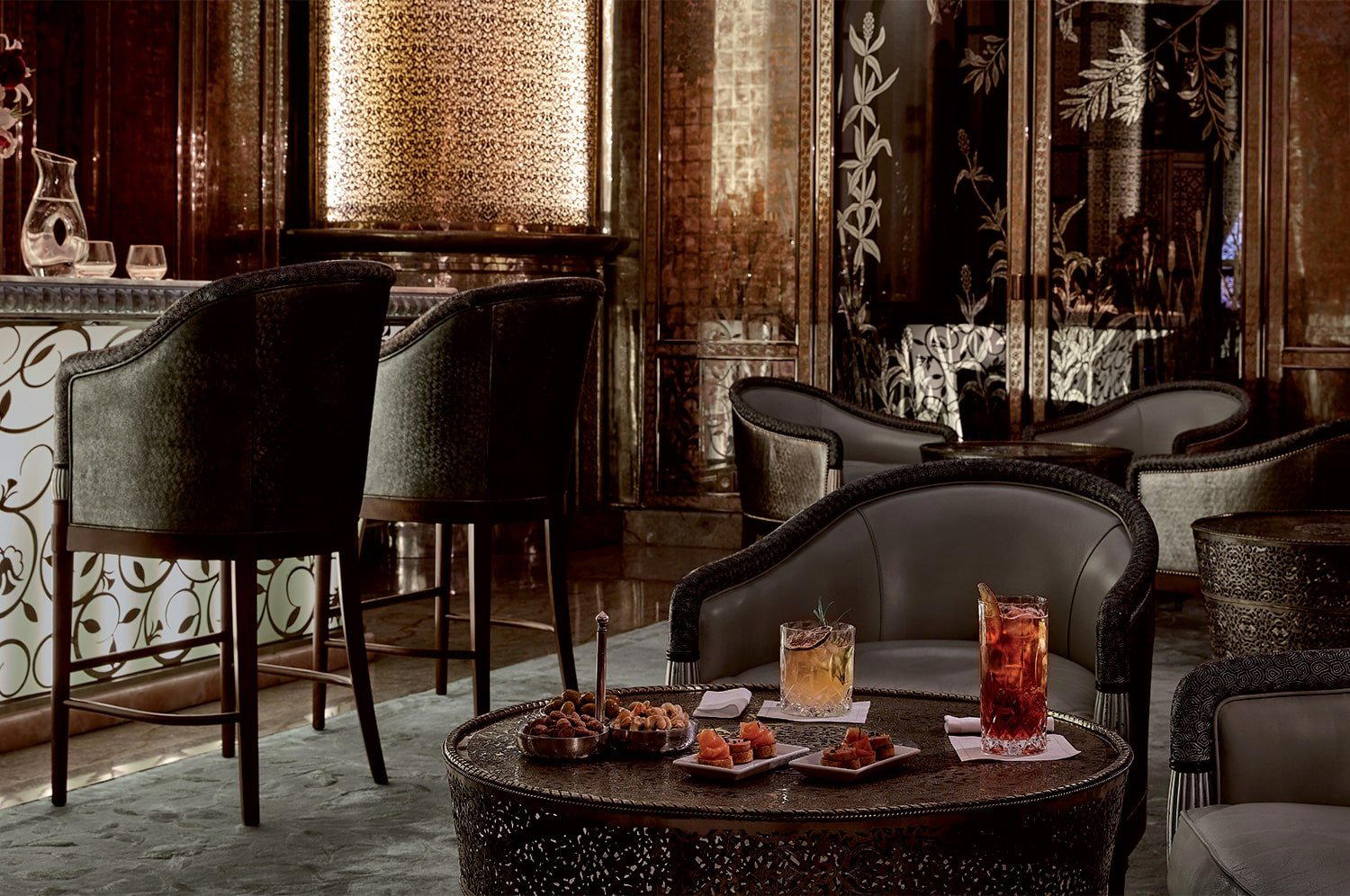
Hotels in Marrakech
All hotels in Marrakech →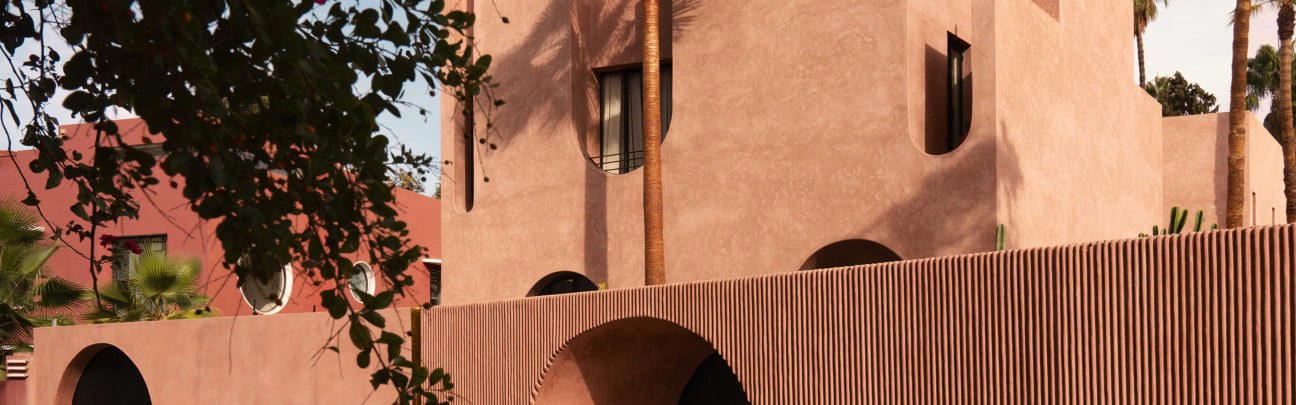
Wineries in Marrakech
Browse all →
Details
- Modern
- Cozy
- Elegant
- Trendy
- Date Night
- Special Occasion
- Group Dining
- Open Kitchen
- Craft Cocktails
- Farm To Table
- Local Sourcing
- Organic
- Small Plates
- A La Carte
- Cocktails
- Wine
- Vegetarian Friendly
Current opening hours
- Monday
- Closed
- Tuesday
- 12–3 p.m., 7–11 p.m.
- Wednesday
- 12–3 p.m., 7–11 p.m.
- Thursday
- 12–3 p.m., 7–11 p.m.
- Friday
- 12–3 p.m., 7–11 p.m.
- Saturday
- 12–3 p.m., 7–11 p.m.
- Sunday
- 7–11 p.m.
Hours can change for holidays and private events. Hours as of .
Refined dining room with walnut tables, locally made ceramic tiles, wood and metal motifs honoring Deco heritage, open kitchen, stylish, comfortable, and intimate atmosphere.