Our verdict
Azar serves Moroccan-Lebanese-Mediterranean fusion on Rue de Yougoslavie in Marrakesh, with craft cocktails, live music, and a terrace for leisurely dinner plans.

Pearl is the En Primeur Club membership app — saves, bookings, and concierge access live there. Same editors, same standards.
- Address
- Rue de Yougoslavie, Marrakesh, Morocco
- Phone
- +212524430920
- Hours
- Daily 7 PM–1 AM
- Website
- azarmarrakech.com
- Directions
- Get directions
- Booking
- Book on the venue's website
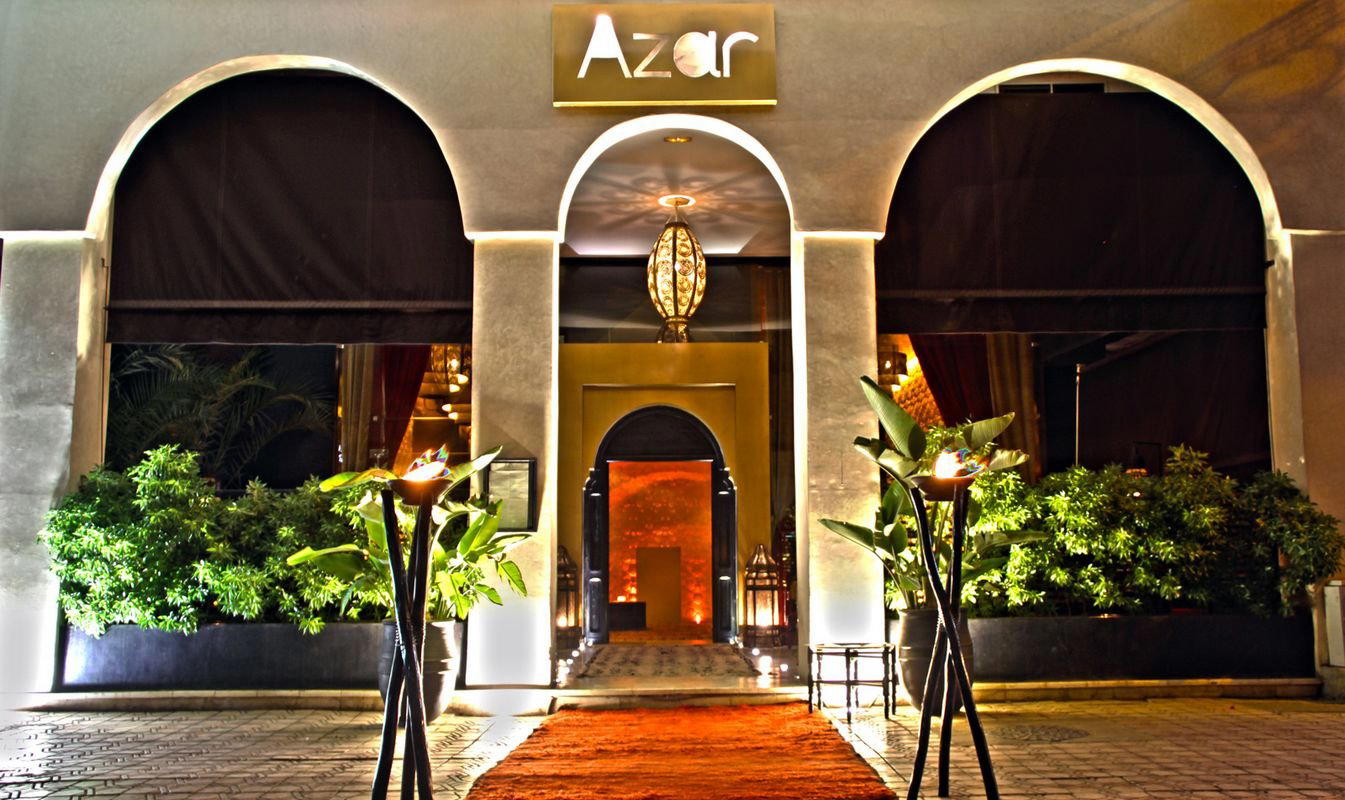
The Gueliz Address That Rewards a Slower Pace
Rue de Yougoslavie runs through Gueliz, Marrakesh's French-planned Ville Nouvelle, a neighbourhood that operates at a different frequency from the medina's compressed souks and riad courtyards. Where the old city compresses everything into narrow corridors and sudden courtyard reveals, Gueliz spreads out: broader pavements, European-proportioned buildings, and a dining culture that has always been more cosmopolitan in its references. Azar sits on this street and draws its character from that mixed inheritance, occupying a position in the city where Lebanese and broader Middle Eastern cooking has found a receptive audience among Marrakesh's international resident population and well-travelled visitors who arrive expecting more than a single culinary tradition.
The approach to the building on Rue de Yougoslavie already signals a certain register: Gueliz restaurants in this tier tend to invest in facade and entrance, because first impressions here are made on a street that pedestrians actually walk, unlike the medina's maze where you stumble upon a door with no forewarning. The space inside follows a logic common to the better Lebanese-format restaurants operating in North African cities: a ground floor that accommodates groups with some noise tolerance, and corners or upper levels where the pace slows enough for conversation to carry. That architecture of experience matters, because Lebanese dining is not structured around a single focal dish. It is built from accumulation, from the procession of mezze plates arriving in waves, and the room needs to hold that rhythm without rushing it.
How the Meal Is Meant to Move
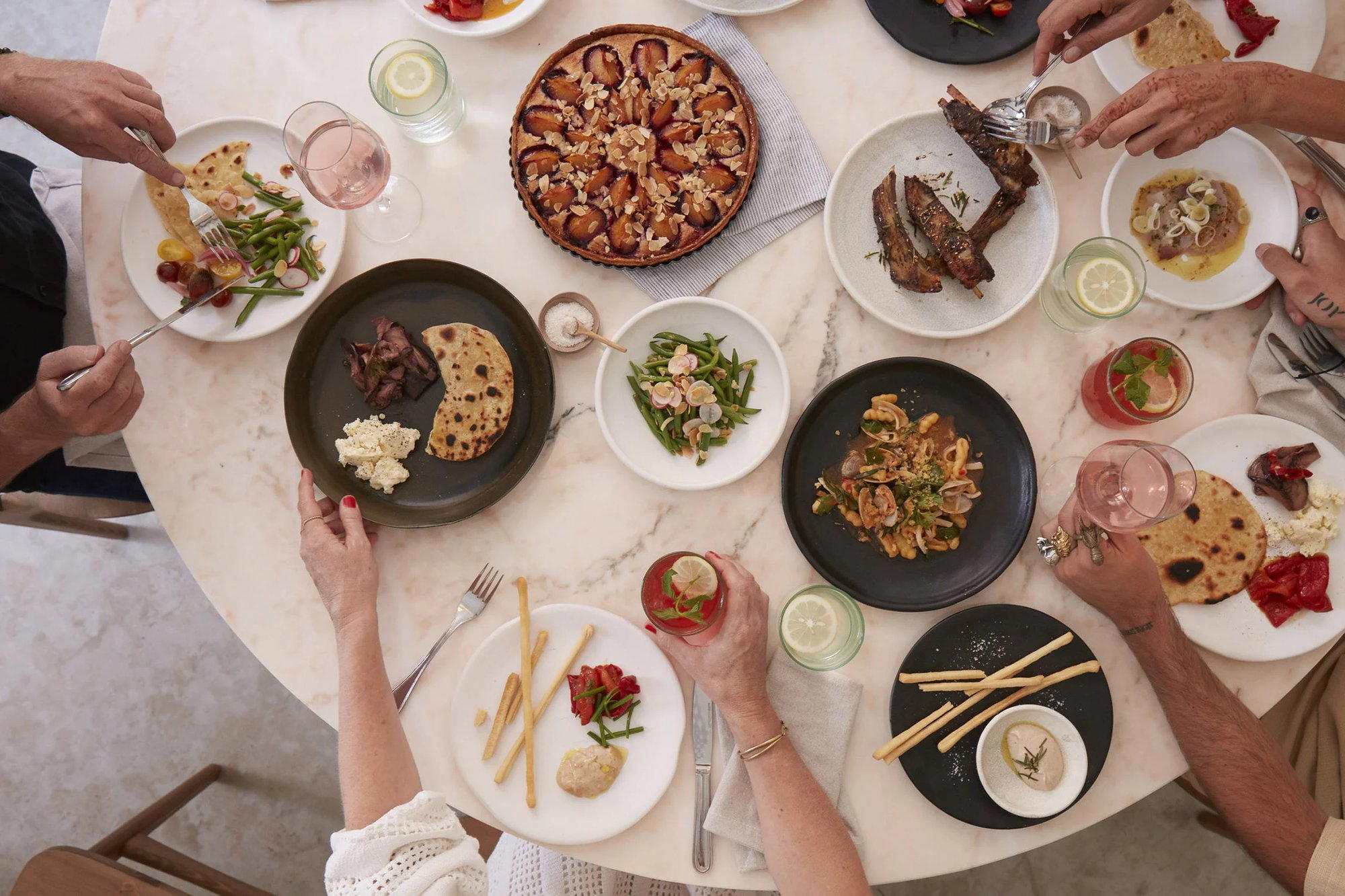
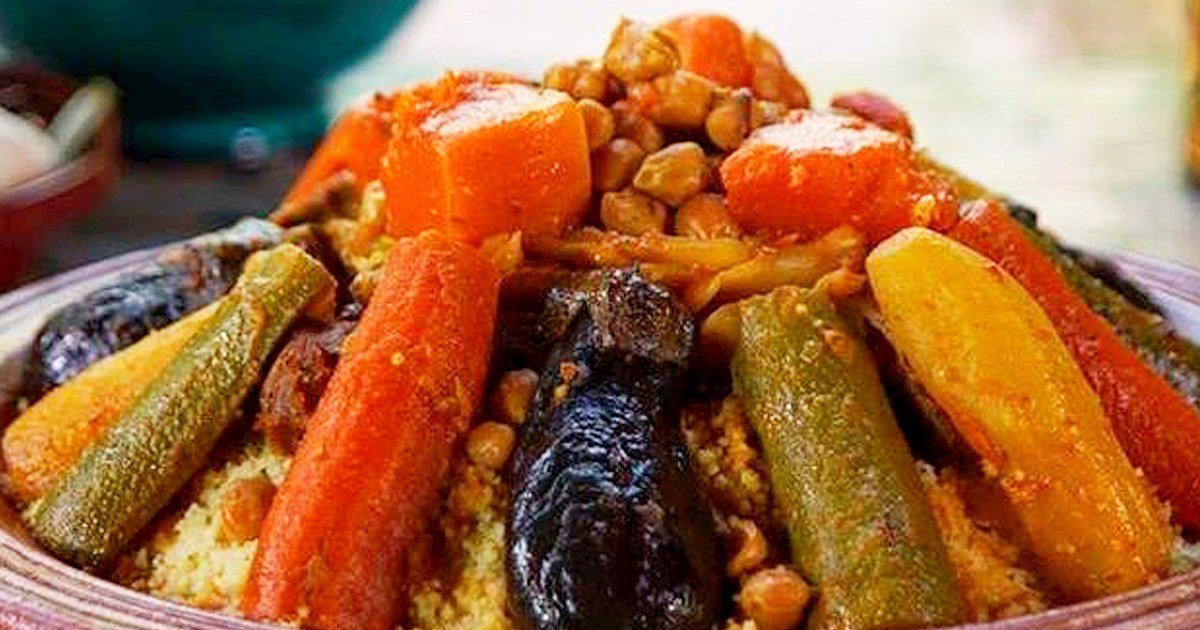
The dining ritual at a Lebanese table in this part of the world follows a grammar that differs from both Moroccan feast traditions and European tasting-menu pacing. In Moroccan tradition, the meal often moves from salads and pastilla through a central tagine or couscous to a fruit finish, with the main course carrying most of the meal's weight. Lebanese mezze inverts that logic. The early spread of cold dishes, dips, and flatbreads is the meal's most active and social phase. Warm dishes arrive to deepen rather than replace what came before, and the whole table shares everything rather than anchoring a personal order.
For a visitor accustomed to European service rhythms, this can initially feel unhurried to the point of provocation. That is, in fact, the correct interpretation. Lebanese hospitality measures generosity in quantity and time, not in speed of service. A table that clears quickly is not a table that has been looked after. Azar, positioned for an international clientele in a neighbourhood accustomed to that clientele, tends to handle this translation reasonably well: the format is legible to a newcomer while retaining the underlying logic of the tradition it draws from.
This places Azar in a distinct segment of Marrakesh's restaurant spectrum. The city's Moroccan fine-dining tier is anchored by destinations like La Grande Table Marocaine at Royal Mansour, where the production values of a palace kitchen frame traditional Moroccan cooking in a formal register, and Al Fassia, which operates as a long-standing benchmark for home-style Moroccan cooking executed without shortcuts. Azar does not compete in that lane. It serves a different function: it is the address where the meal's social structure is as much the point as the food itself, and where the cuisine is Middle Eastern rather than Moroccan, which in a city this internationally frequented is a useful distinction rather than a compromise.
Where Azar Sits in the Gueliz Dining Picture
Gueliz has accumulated a varied restaurant population over the past two decades, with French-influenced addresses sitting alongside contemporary Moroccan rooms and international kitchens. La Grande Brasserie by Helene Darroze represents the French-Moroccan crossover format, while Sesamo covers a different corner of the international spectrum. +61 is another Gueliz address worth mapping against Azar when thinking about which room fits a given evening's appetite. The neighbourhood has enough depth now that a visitor spending several days in the city can eat entirely in Gueliz without repetition, though most will want to move between districts to understand how different Marrakesh's culinary registers actually are.
For context on how Moroccan cities handle the intersection of local and international dining traditions, the contrast with Fes is instructive. Cafe Clock in Fes demonstrates how a city with a more insular medina culture approaches the same challenge of serving international visitors within a distinctly local frame. Marrakesh, being more tourist-oriented and with a larger international resident community, has developed a more permissive set of dining norms, which is part of why a Lebanese address like Azar finds an audience here that it might not in a smaller Moroccan city. Elsewhere in Morocco, Andalus in Tangier and Gayza in Fes illustrate how different cities handle the balance between local culinary identity and international formats.
The wider Moroccan dining scene beyond Marrakesh is covered across our guides: La Grande Table Marocaine Royal Mansour Casablanca anchors the Casablanca luxury tier, while regional addresses like Le Salon Oriental in Essaouira, L'Oliveraie in El Hajeb, and Hyatt Place Taghazout Bay in Agadir map the range of what the country's hospitality offering looks like outside its two largest cities. For wine context in Morocco, Chateau Roslane in Icr Iqaddar is worth consulting separately. Our full Marrakesh restaurants guide covers the broader picture across neighbourhoods and price tiers.
Internationally, the contrast between Azar's communal, mezze-format approach and the tight tasting-menu discipline at counters like Lazy Bear in San Francisco or the precision of Le Bernardin in New York City illustrates how differently the grammar of a formal meal can be written. Neither is a superior format; they are simply different arguments about what a dinner is for. Azar's argument is social: the meal is a vehicle for the table.
Planning the Visit
Azar is on Rue de Yougoslavie in Gueliz, walkable from most of the neighbourhood's hotels and accessible by petit taxi from the medina in under fifteen minutes at most times of day. The Lebanese mezze format means a group of three or more will get considerably more range from the menu than a couple ordering conservatively, so the address rewards being brought to with a full table rather than treated as a solo meal. Booking ahead for dinner on weekends is the sensible approach for the Gueliz dining tier generally, and Azar is no exception; the neighbourhood has enough demand from both residents and visitors that walk-in availability on busy evenings is not guaranteed. For a lighter option in the social-eating format, Amal Gueliz Center nearby operates in a different register but shares the neighbourhood's practical accessibility. For evening visits later in the week, arriving early in the service rather than at peak allows the pace of mezze ordering to unfold without the pressure of a room turning. Similarly, Bo Zin in Tassoultante on the city's periphery offers an alternative evening format for those who want to move further from the city centre.
Frequently asked questions
Where is Azar located?
Azar is located at Rue de Yougoslavie, Marrakesh, Morocco, Marrakesh.
Is Azar a good option for vegetarians visiting Marrakesh?
The Lebanese mezze format that defines the menu at Azar is structurally generous to vegetarians: cold mezze, which forms the opening layer of any proper Lebanese table, draws heavily on vegetables, pulses, and dairy. In Gueliz, where dining options span French, Moroccan, and international registers, Azar's plant-forward mezze spread offers more variety for non-meat eaters than a conventional Moroccan feast menu would. Confirming specific dish availability when booking is advisable.
What should I eat at Azar?
Azar works within the Lebanese mezze structure, where the sequence of ordering carries as much weight as any single dish. Cold mezze — spreads, salads, raw preparations — arrive first and set the register for what follows; hot mezze and grilled dishes come after. At a table of three or more on Rue de Yougoslavie, ordering broadly across both cold and hot categories gives the meal its proper shape rather than treating it as a series of individual plates.
How far ahead should I plan for Azar?
Gueliz restaurants generally run shorter booking horizons than medina palace venues, which can require days of advance notice due to tour-group capacity pressure. For Azar, same-day or next-day contact is often workable for smaller groups, though larger parties sharing a mezze spread across multiple ordering rounds benefit from confirming ahead. Arriving without a reservation on a quiet weekday carries less risk than a Friday or Saturday evening in a neighbourhood that draws both residents and visitors.
Where It Fits
Comparable venues nearby, for context on price, style, and recognition.
| Venue | Cuisine | Price | Awards | Notes |
|---|---|---|---|---|
| AzarThis venue — the venue you are viewing | Moroccan-Lebanese-Mediterranean Fusion | Not listed | Not listed | Not listed |
| Tfaya | Modern Moroccan Brasserie | $50–100 | The Best Chef One Knife | Annakhil |
| La Grande Table Marocaine | Modern Moroccan Fine Dining | $100–150 | La Liste Top Restaurants | Arset el Bilk |
| Le Restaurant - La Maison Arabe | Refined Traditional Moroccan | $100–150 | La Liste Top Restaurants | Marrakech-Médina |
| L’Italien par Jean-Georges | Modern Italian Trattoria | $50–100 | La Liste Top Restaurants | Marrakech-Médina |
| Le Palace | French-Moroccan Fine Dining | Not listed | Not listed | Gueliz |
Continue exploring
More in Marrakech
Restaurants in Marrakech
Browse all →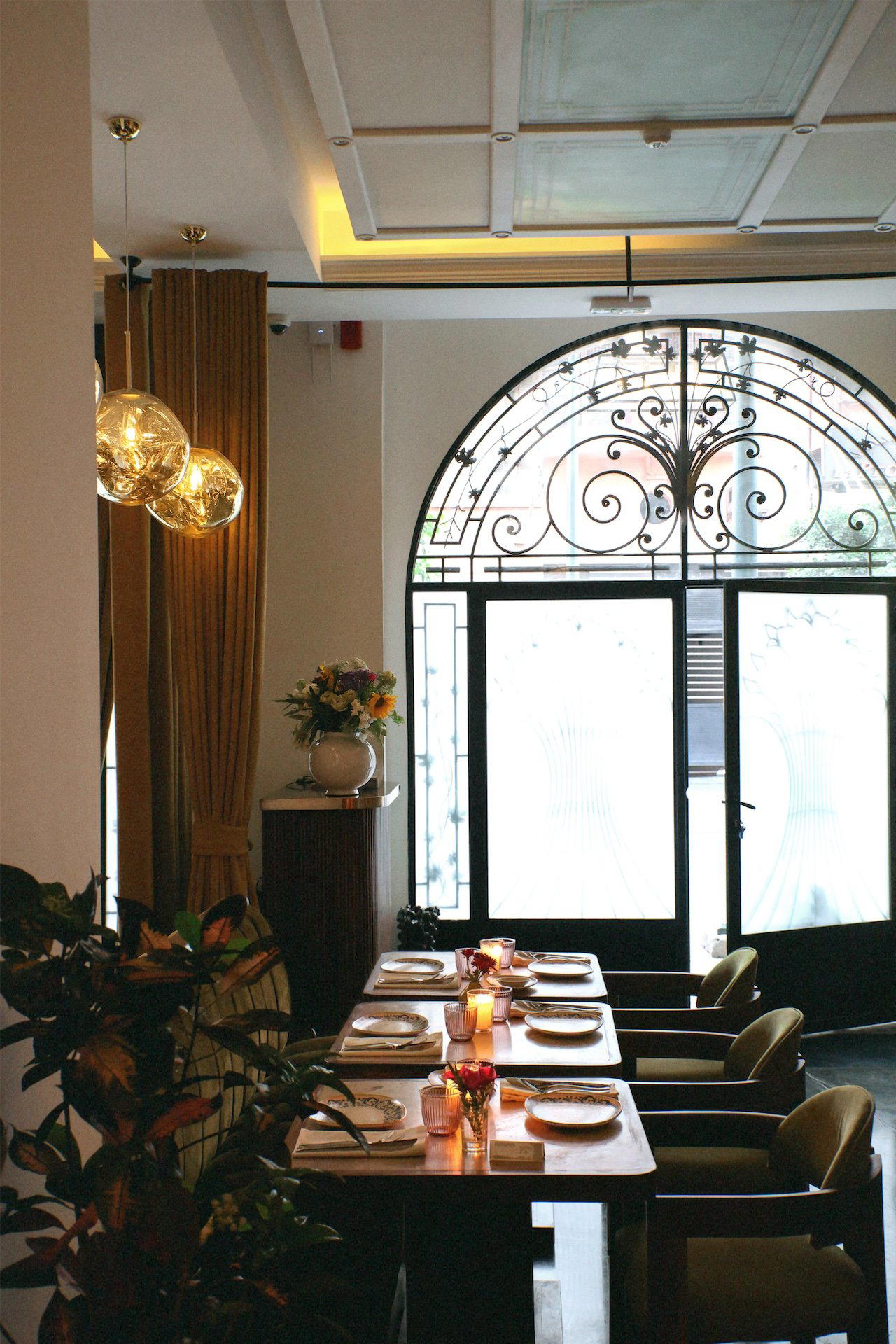
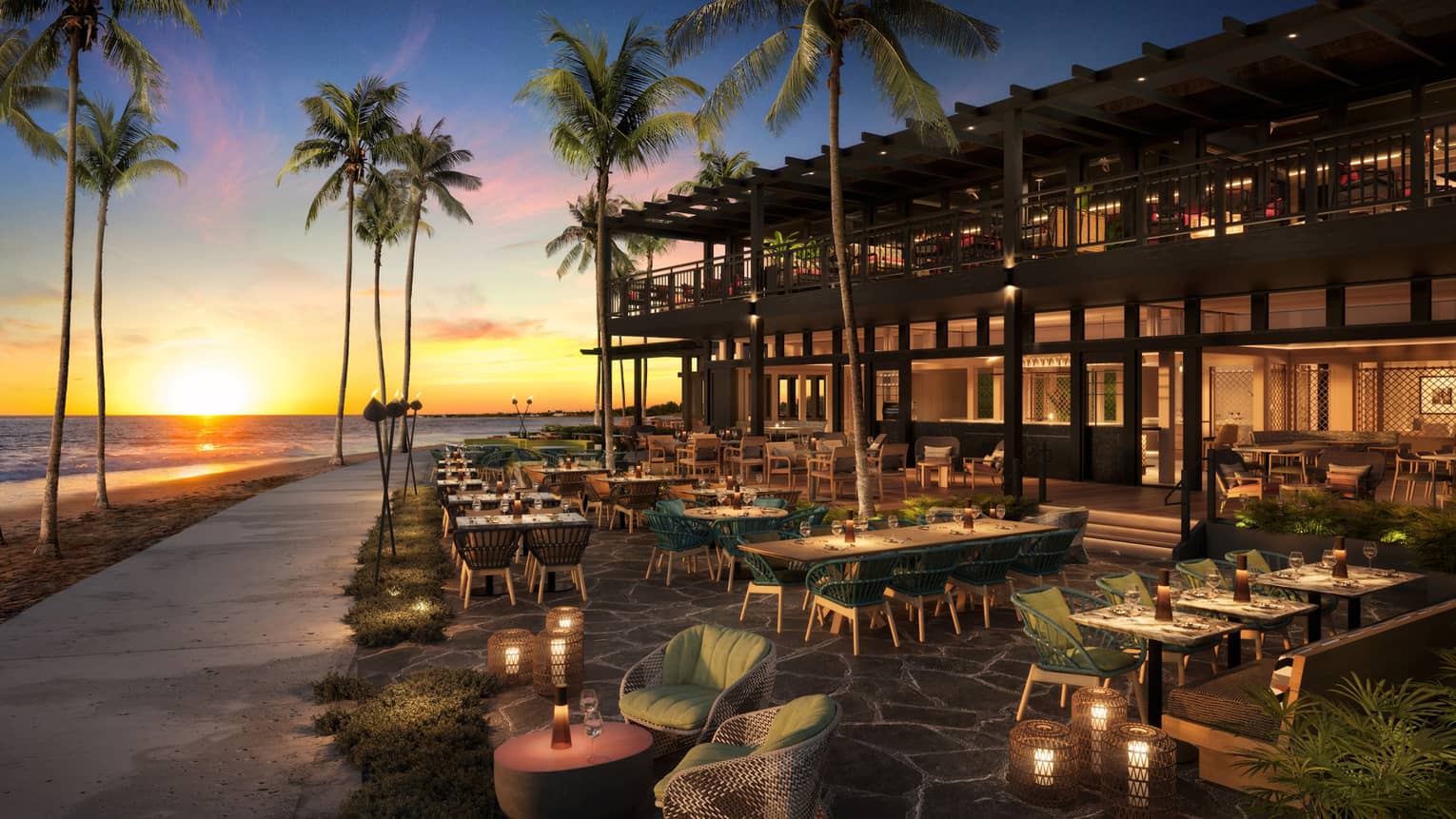
Bars in Marrakech
Browse all →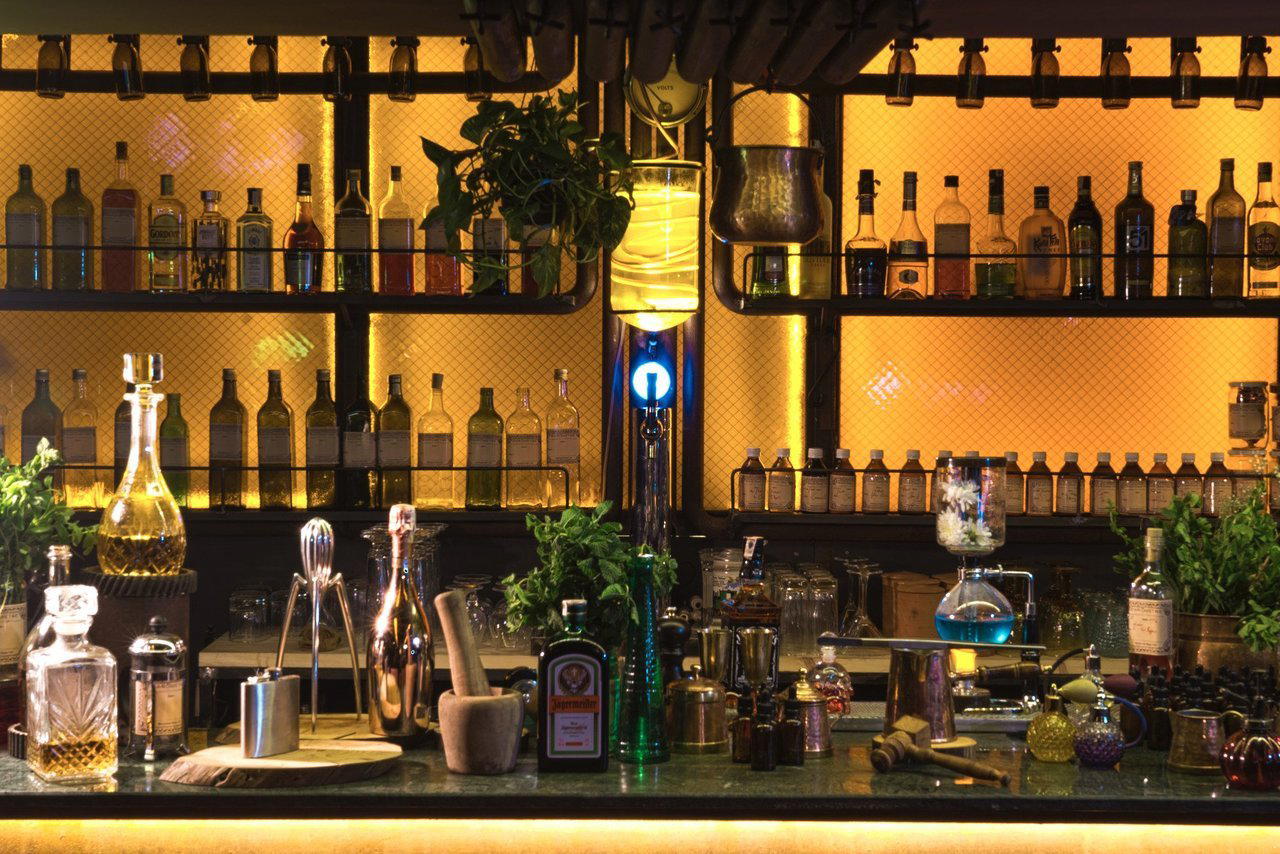
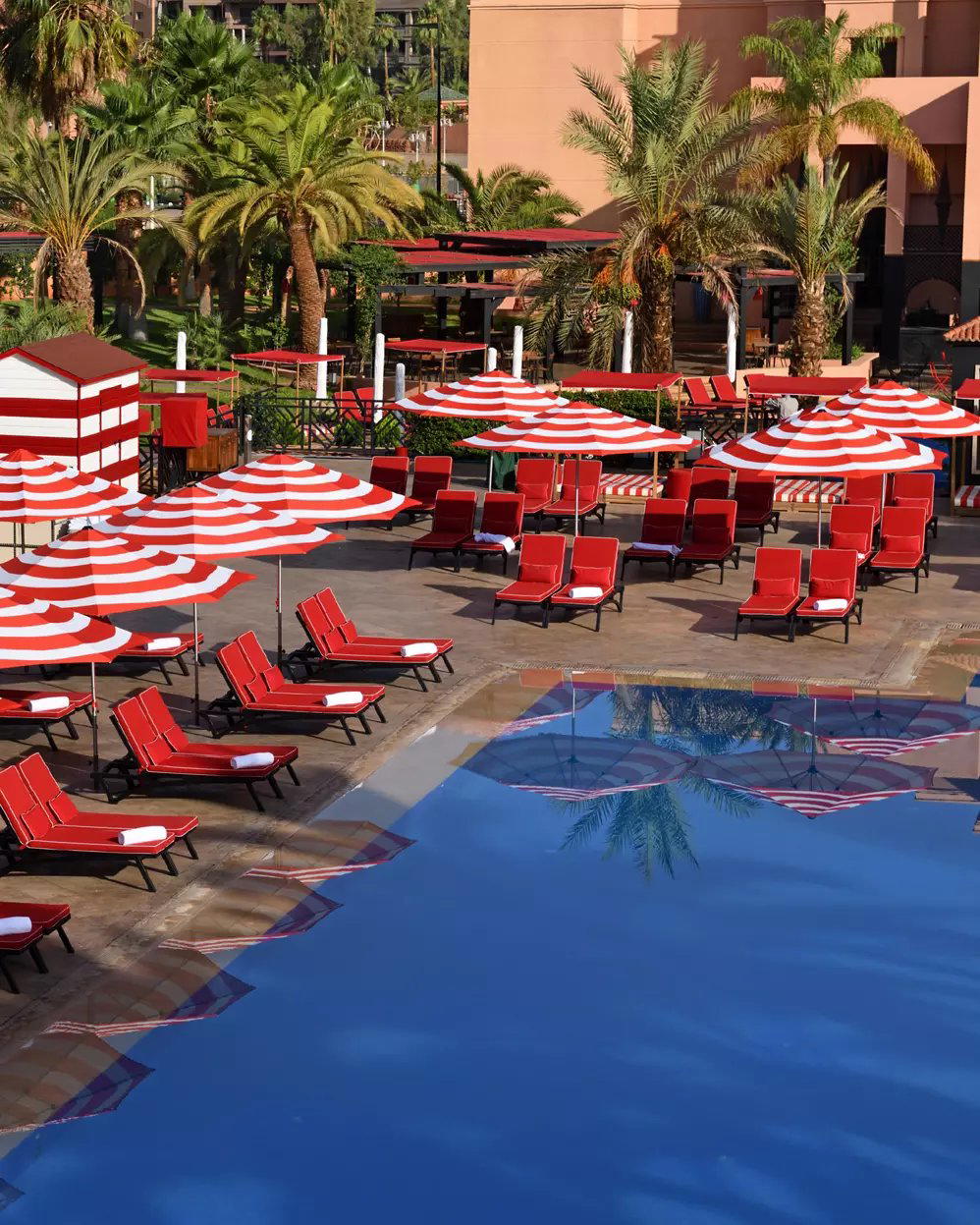
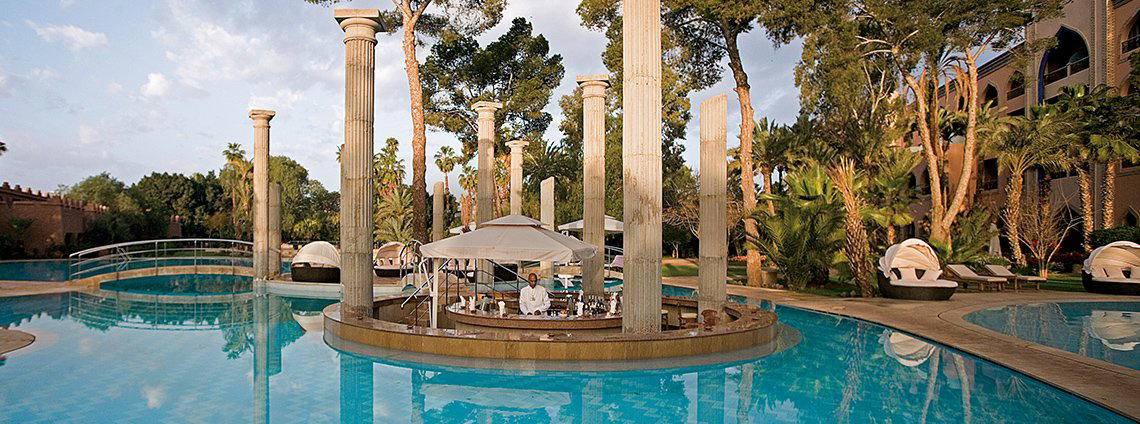
Hotels in Marrakech
Browse all →
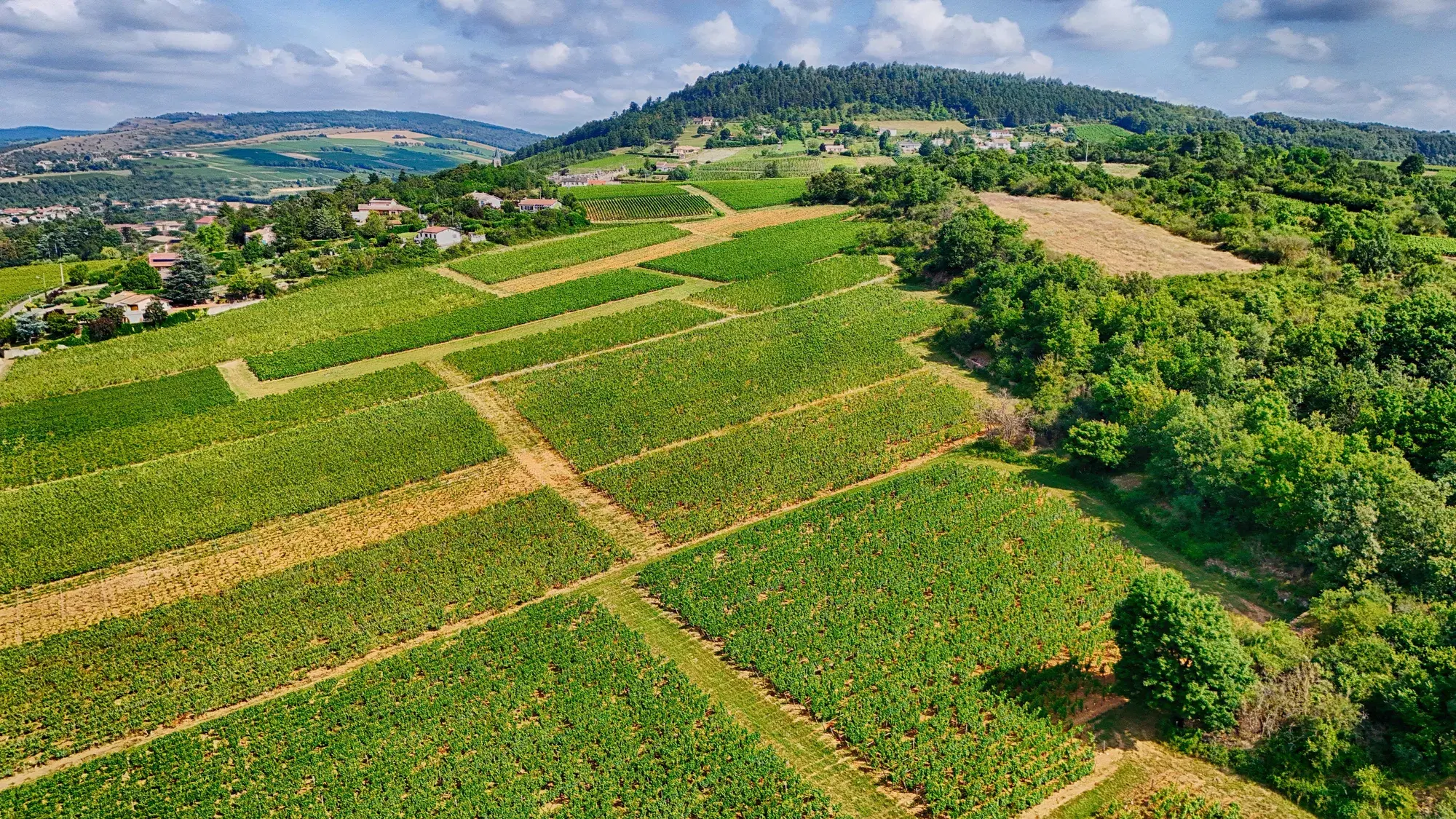
Wineries in Marrakech
Browse all →
Details
- Lively
- Elegant
- Trendy
- Energetic
- Date Night
- Group Dining
- Celebration
- Special Occasion
- Live Music
- Terrace
- Craft Cocktails
- Local Sourcing
- A La Carte
- Small Plates
- Vegetarian Friendly
- Vegan Options
Current opening hours
- Monday
- 7 PM–1 AM
- Tuesday
- 7 PM–1 AM
- Wednesday
- 7 PM–1 AM
- Thursday
- 7 PM–1 AM
- Friday
- 7 PM–1 AM
- Saturday
- 7 PM–1 AM
- Sunday
- 7 PM–1 AM
Hours can change for holidays and private events. Last verified .
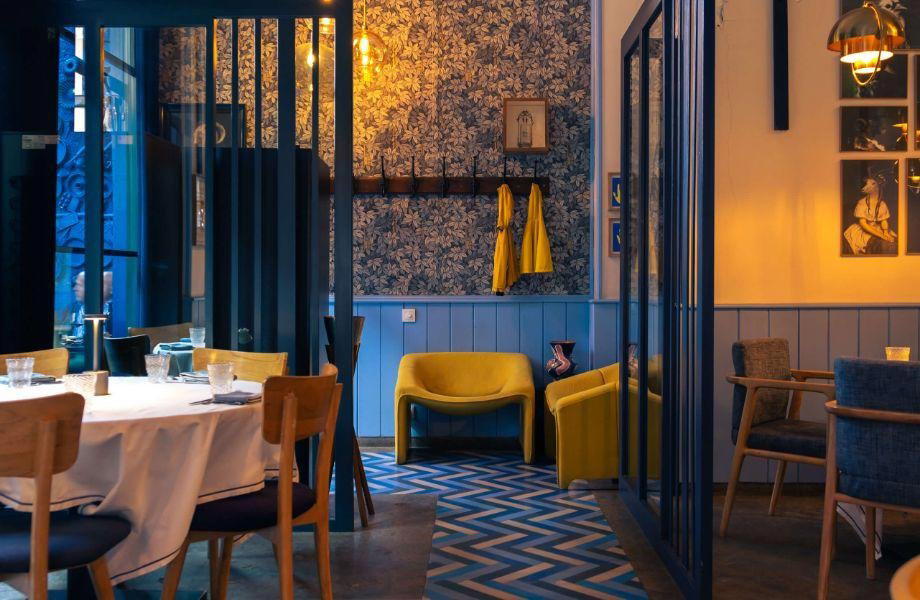
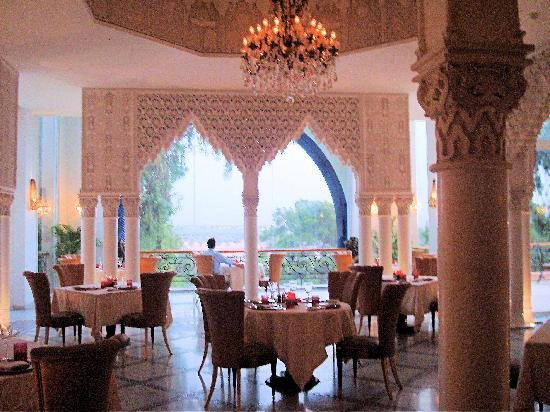
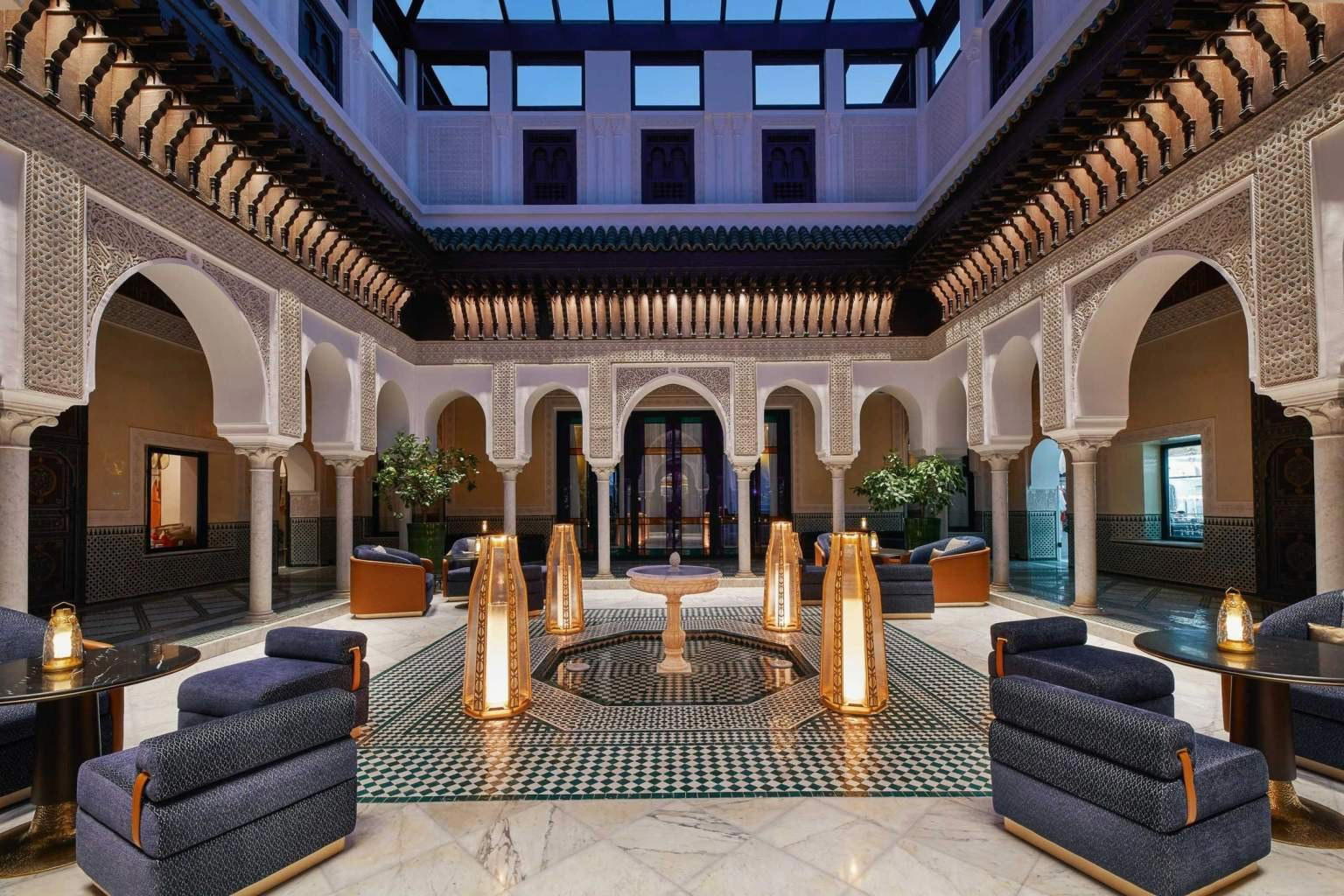
Elegant art-deco chic environment with sophisticated lighting, lively atmosphere from live music and performances.