On Avenue Mohamed El Fassi, Café Enjoy sits within Agadir's everyday café culture rather than apart from it, a place where the sourcing logic of Moroccan coastal cooking, from Atlantic catches to Souss Valley produce, does the heavy lifting. For travellers looking beyond resort dining, it offers a grounded entry point into how the city actually eats, at a price that reflects the neighbourhood rather than the postcard.
Pearl is the En Primeur Club membership app — saves, bookings, and concierge access live there. Same editors, same standards.
- Address
- Av. Mohamed El Fassi, Agadir 80000, Morocco
- Phone
- +212528211540
- Directions
- Get directions
 Saves & bookings on Pearl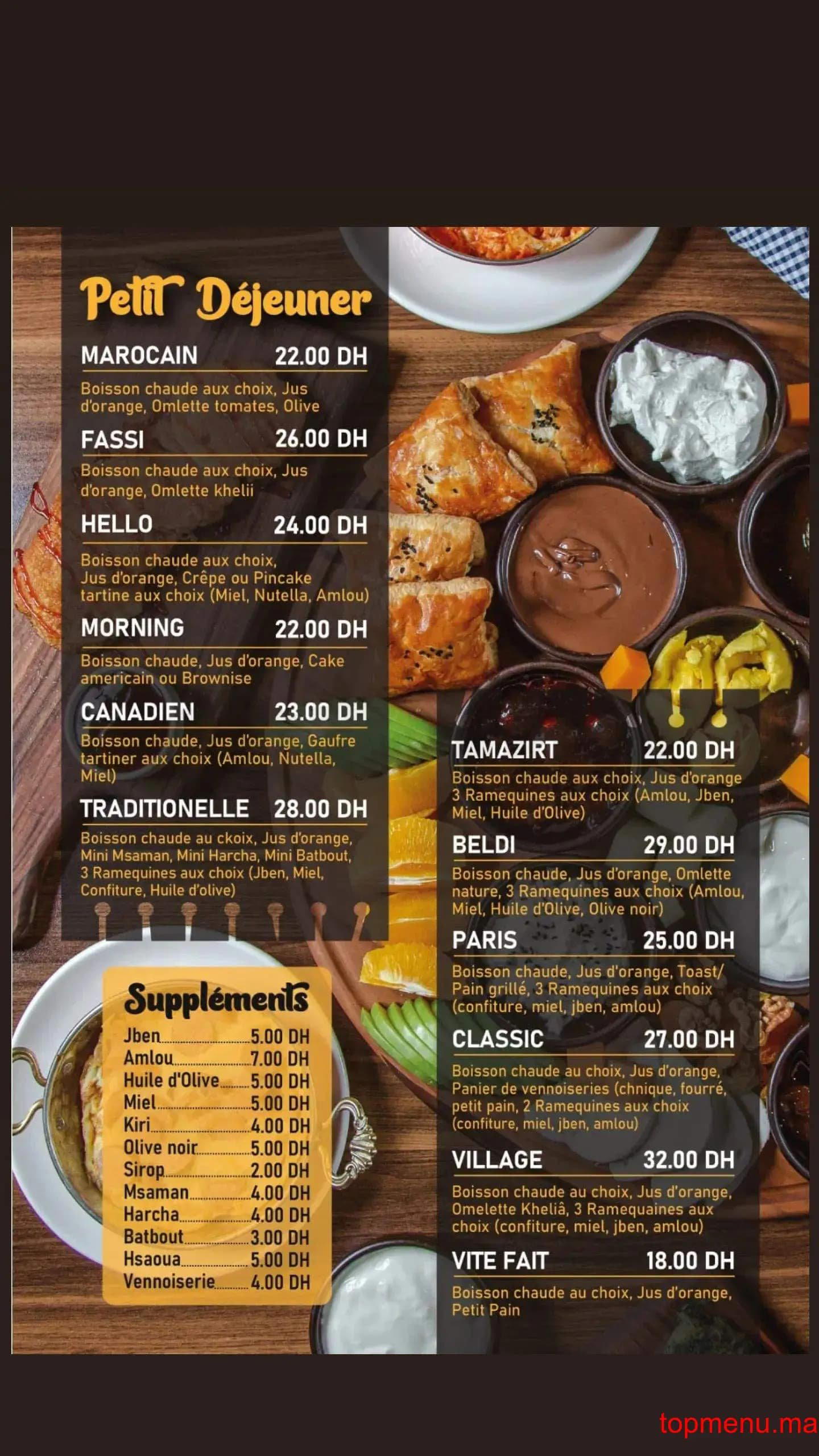
Where Agadir's Café Culture Meets Atlantic Ingredients
Agadir's relationship with its food supply is unusually direct. The port sits at the southern end of one of the Atlantic's most productive fishing corridors, and the Souss-Massa plain immediately inland delivers tomatoes, citrus, and vegetables to markets across Morocco and Europe. That geographic reality shapes how the city's neighbourhood cafés operate: the supply chain is short, the produce arrives fast, and menus tend to reflect what the morning brought rather than what a central purchasing team approved. Café Enjoy is a restaurant in Agadir on Avenue Mohamed El Fassi, where ingredient proximity matters more than formal credential.
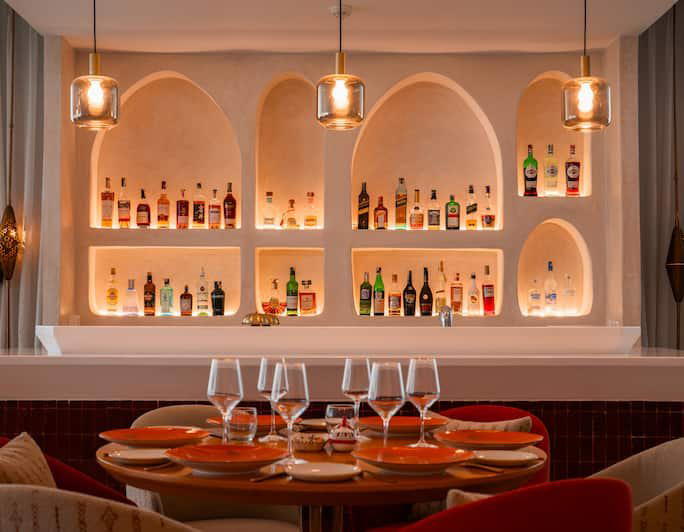
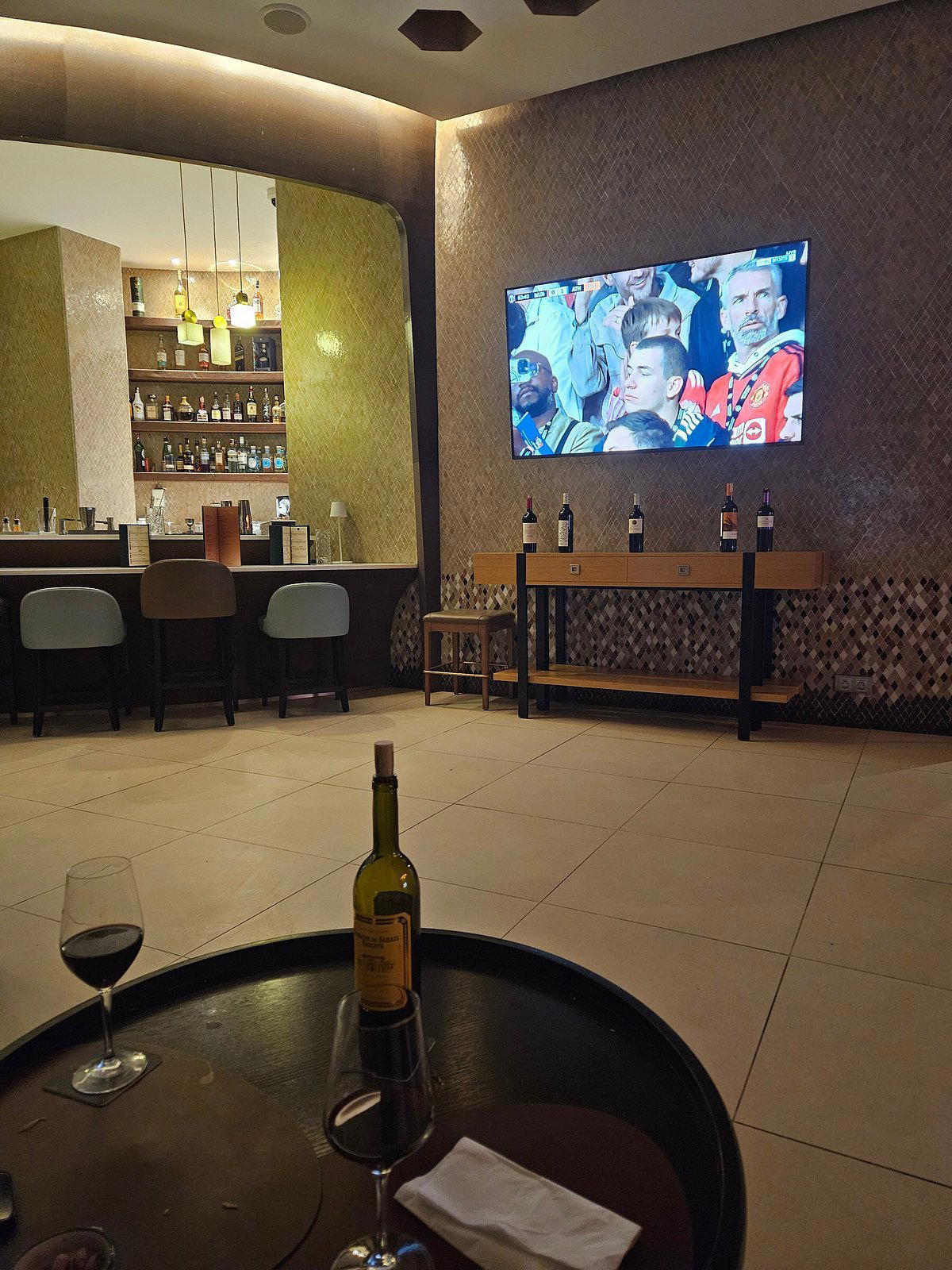
Avenue Mohamed El Fassi runs through a working part of Agadir rather than the resort corridor that lines the bay to the north. The approach is recognisably local: pedestrians, motor scooters, the particular noise of a mid-morning café filling with people who have somewhere to be. Inside, the register is functional and unpretentious, the physical environment signals a place built around regularity rather than occasion. This is, in the context of Moroccan café culture, a specific and meaningful position. The café as daily institution, as neighbourhood node, has its own discipline that resort dining rarely replicates.
The Sourcing Logic Behind Moroccan Coastal Cooking
To understand what a café like this likely offers, it helps to understand the ingredient geography it sits inside. The Souss region is Morocco's primary export agriculture zone, which means the produce that travels to European supermarkets originates from farms within reach of Agadir's markets. Locally, that translates to availability of tomatoes, peppers, courgettes, and citrus at prices and freshness levels that make slow-cooked preparations, tagines, harira, kefta, both economically sensible and technically superior to what a kitchen further from the source could achieve with the same budget.
Atlantic fish follows a parallel logic. Agadir's port handles sardines, mackerel, sea bass, and bream in substantial volume. In the city's neighbourhood cafés and grill houses, grilled sardines pressed with chermoula (the herb and cumin marinade that defines much of Morocco's coastal grilling tradition) represent a dish where proximity to the catch genuinely changes the outcome. The window between ocean and grill is narrow in a way that has no equivalent at the country's inland tables. For visitors calibrated to fine dining metrics, this supply-chain directness is worth understanding: it explains why the city's modest cafés can deliver fish preparations that hold their own against more formally appointed venues.
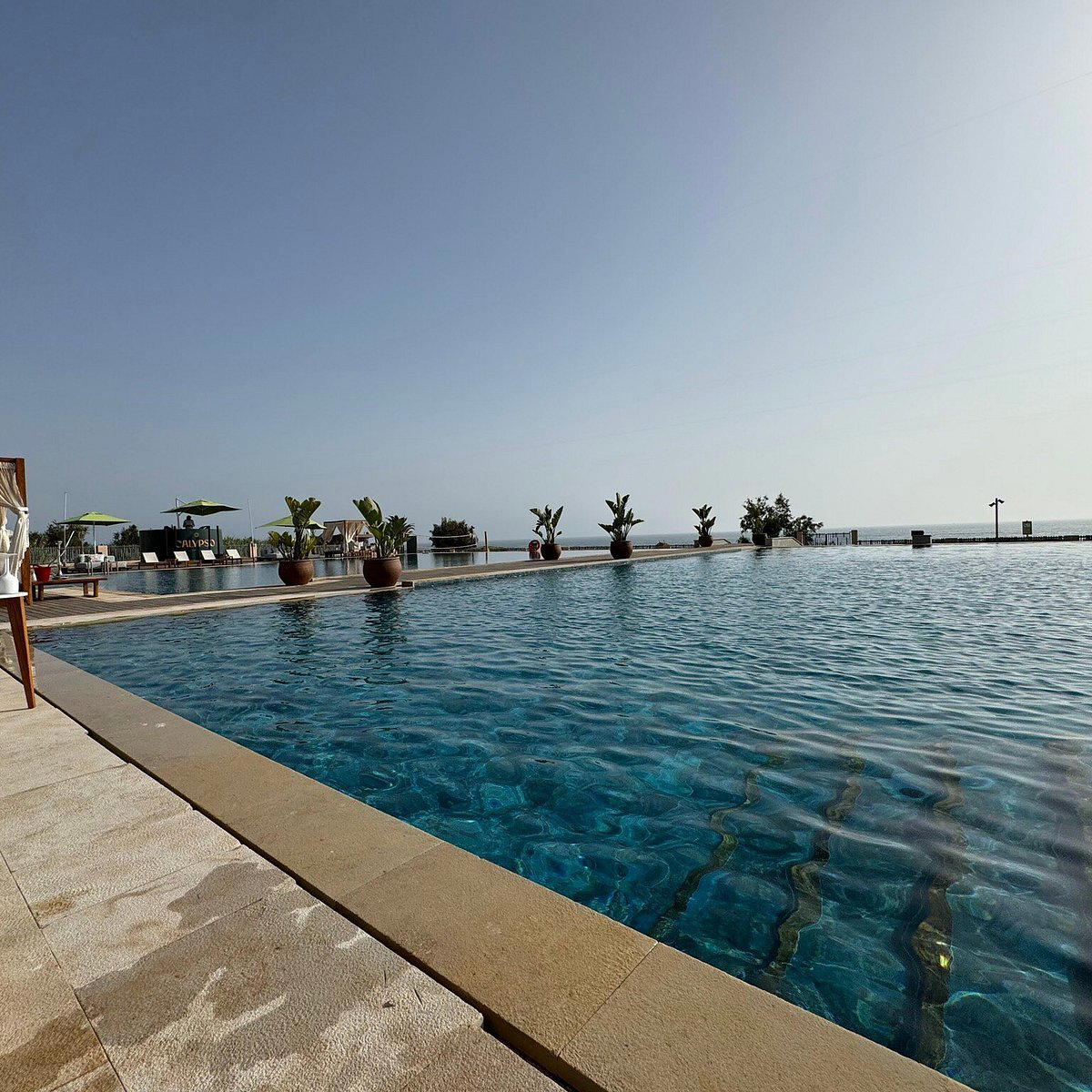
Where international hotel dining programmes at properties like Hyatt Place Taghazout Bay tend to standardise supply for consistency across properties, neighbourhood cafés are structurally embedded in local markets. Neither model is inherently superior, but they serve different reader decisions. For the sourcing-led approach taken to a more ecological extreme, Ecolodge Atlas Kasbay near Agadir applies a deliberate farm-to-table framework that sits at the opposite end of the formality range from a street-front café, though the underlying ingredient geography is related.
Agadir in the Broader Moroccan Dining Conversation
Morocco's most formally recognised dining operates far from Agadir. La Grande Table Marocaine at Royal Mansour in Marrakesh and its Casablanca counterpart represent the country's most ornate expression of Moroccan cooking, where centuries of palace cuisine tradition are deployed with luxury-hotel production values. Cafe Clock in Fes and Amal Gueliz Center in Marrakech take a different approach: culturally embedded, community-adjacent, and oriented toward Moroccan tradition without the palatial setting. Andalus in Tangier adds a northern Andalusian-inflected register to the country's coastal café tradition.
Agadir sits outside this circuit, which reflects both the city's rebuilding after the 1960 earthquake and its subsequent development as a beach resort rather than a cultural destination. What it has instead is functional modernity and Atlantic access, which produces a different, less photographed, but no less legitimate food culture. Le Salon Oriental in Essaouira illustrates the contrast: a setting dense with riad aesthetics and heritage framing. Agadir's neighbourhood cafés offer none of that packaging, which is precisely what makes them worth paying attention to on their own terms.
Across Morocco's other coastal tables, L'Araignée Gourmande in Oualidia sets a benchmark for Atlantic seafood in a lagoon setting further up the coast, a useful reference point for what the country's coastal ingredient sourcing can produce at a more polished register. Further afield, Château Roslane and L'Oliveraie in El Hajeb show how Morocco's inland agricultural zones produce a parallel sourcing logic around olives, lamb, and mountain herbs. Gayza in Fès and BÔ ZIN in Tassoultante represent the country's more atmosphere-driven dining formats. Dar Dada in Sidi Belyout and La Sqala: Café Maure anchor the café-with-history format that Agadir, by circumstance, does not have access to.
Side-by-Side Snapshot
Comparable venues nearby, for context on price, style, and recognition.
| Venue | Cuisine | Price | Notes |
|---|---|---|---|
| Café Enjoy AgadirThis venue — the venue you are viewing | Café with Breakfast and Brunch | $$ | Not listed |
| Hyatt Place Taghazout Bay | Moroccan & International | $$ | Taghazout Bay |
| Ecolodge Atlas Kasbay | Authentic Moroccan Ecolodge Cuisine | $$$ | Tighanimine El Baz |
| Eloomm | Mediterranean with Moroccan Influences | $$ | Méchouar-Kasba |
| La Sqala: Café Maure | Traditional Moroccan Café Maure | $$ | Medina |
| Roof Top Bar | Other | Not listed | Fès |
Continue exploring
More in Agadir
Restaurants in Agadir
Browse all →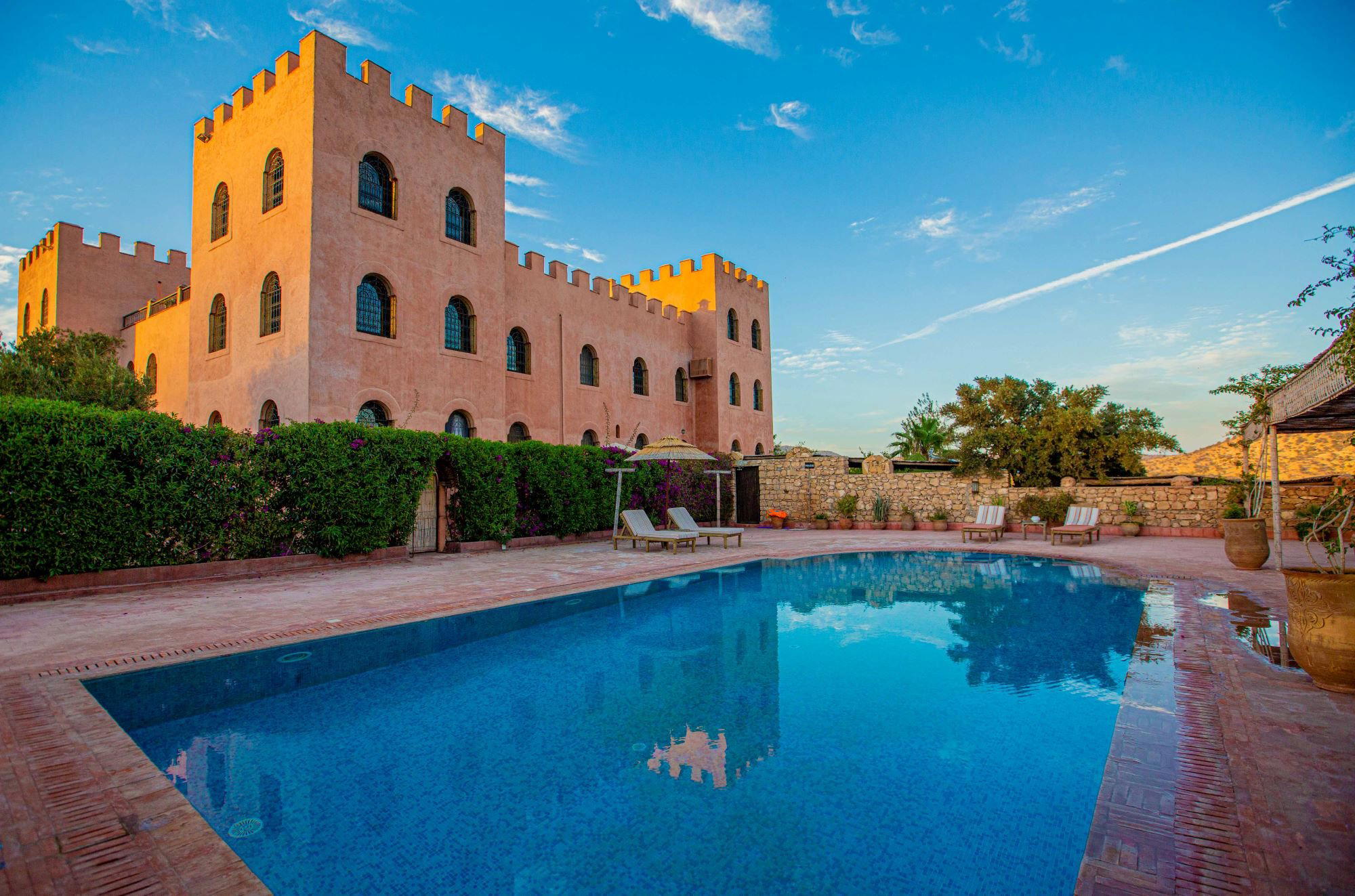
At a Glance
- Cozy
- Brunch
- Casual Hangout
Current opening hours
- Monday
- 7:30 AM–1:30 AM
- Tuesday
- 7:30 AM–1:30 AM
- Wednesday
- 7:30 AM–1:30 AM
- Thursday
- 7:30 AM–1:30 AM
- Friday
- 7:30 AM–1:30 AM
- Saturday
- 7:30 AM–1:30 AM
- Sunday
- 7:30 AM–1:30 AM
Hours can change for holidays and private events. Last verified .
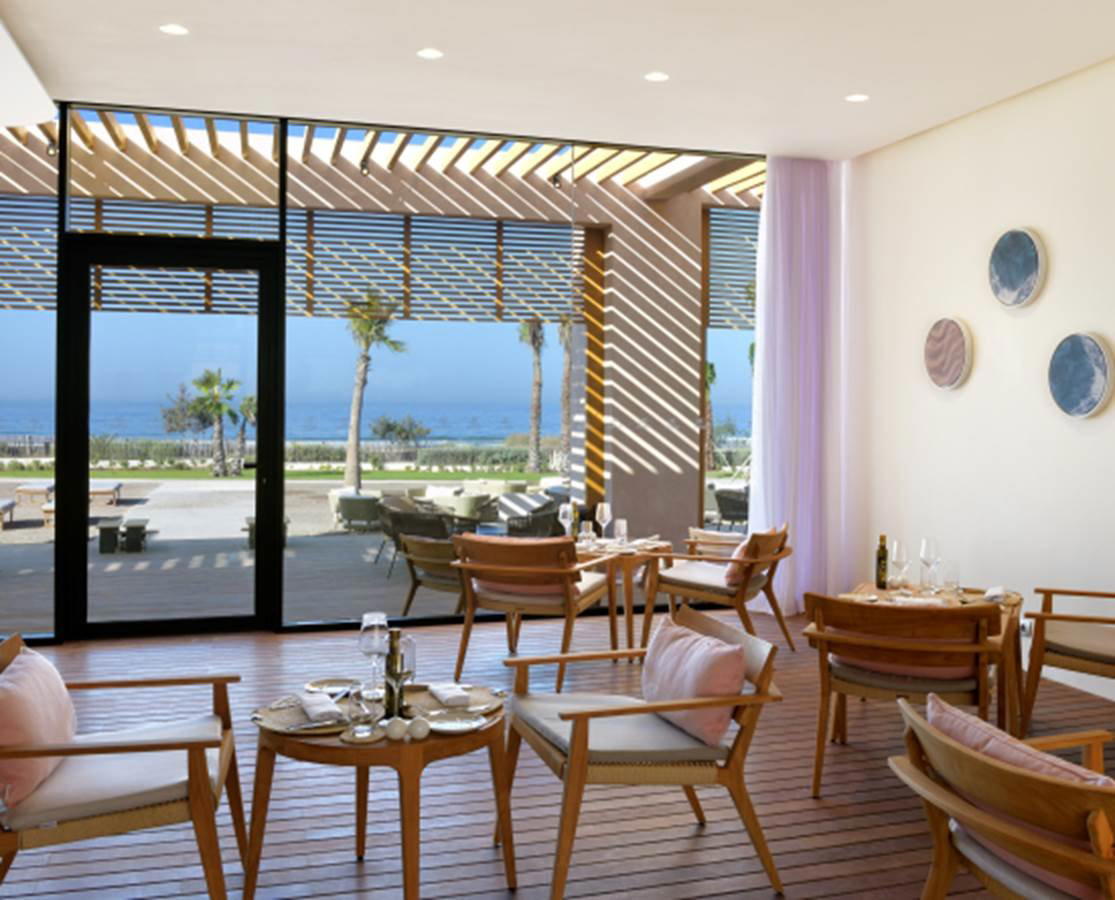
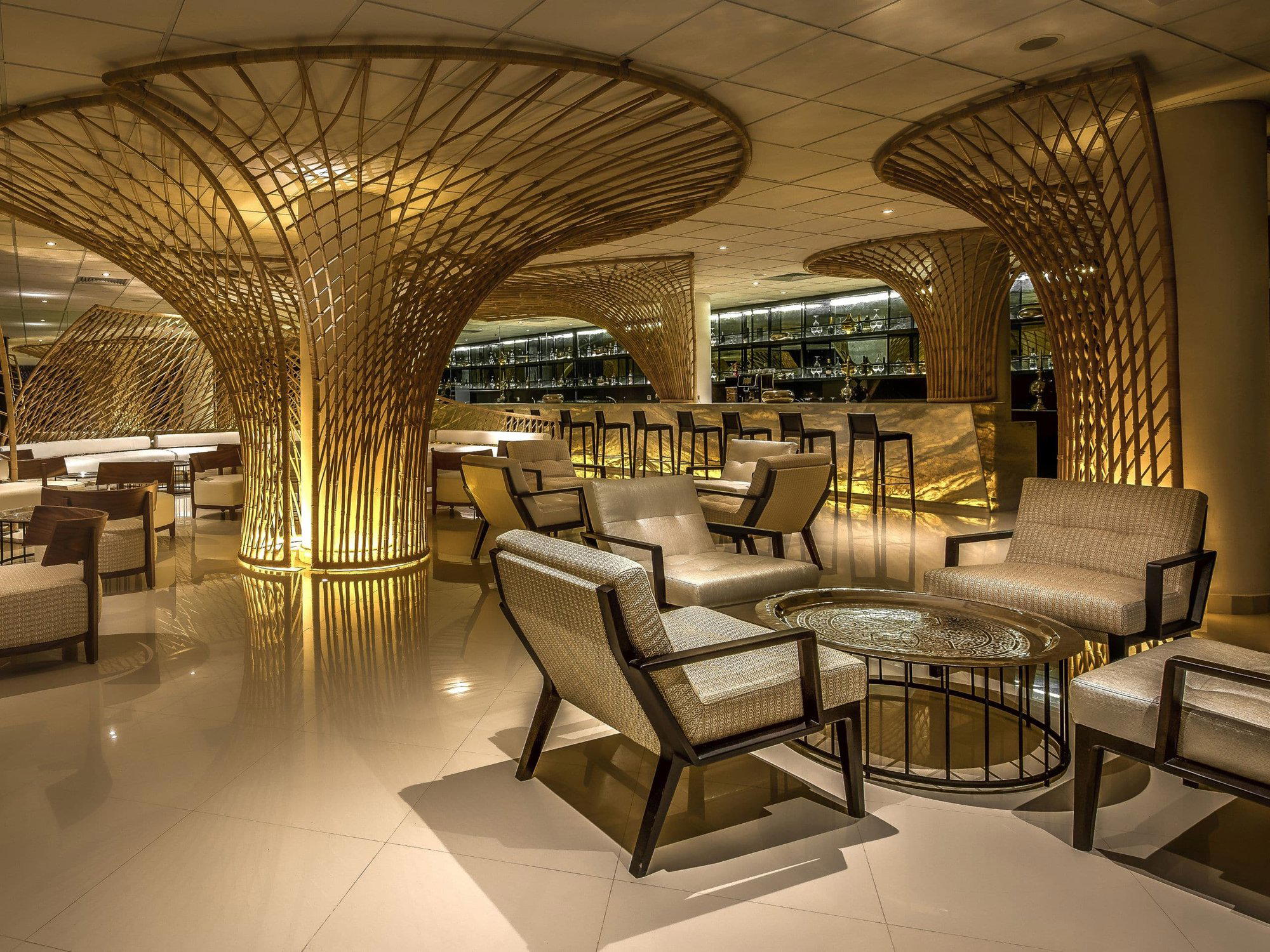
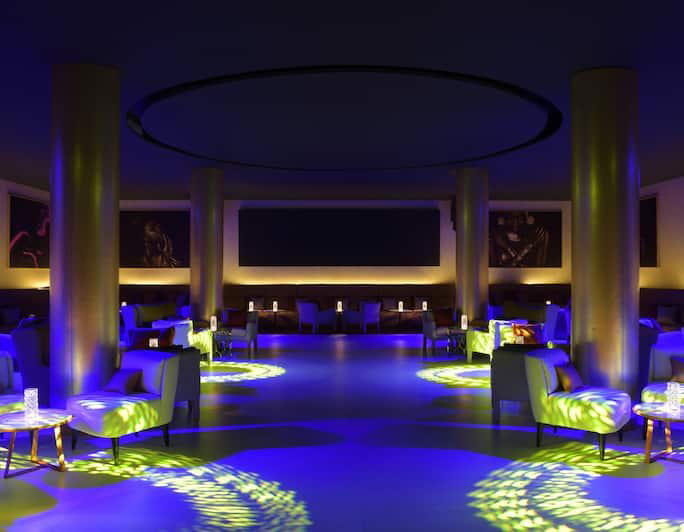
Cozy and beautiful with great atmosphere.