
Michelin Plate
Our verdict
A Michelin Plate-recognised kappo in Osaka's Kita Ward, Kurubushi grew from an izakaya lineage into a counter for creative omakase cooking built around sake-forward flavour. Vintage Japanese vessels and antique Western glassware frame the meal, which closes with seasonal takikomi-gohan or curry rice served with free refills, a rare and generous touch in this format.

Pearl is the En Primeur Club membership app, where members save venues, book tables and use the concierge.
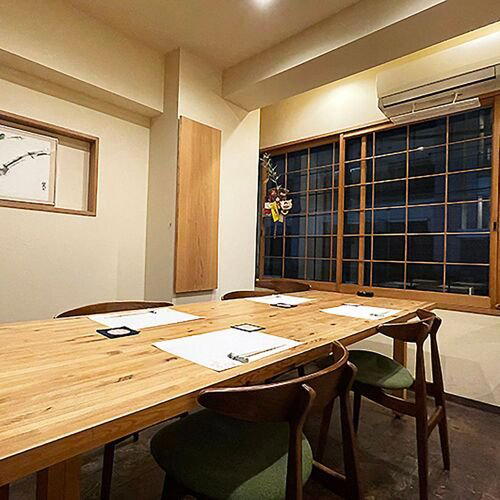
Where Izakaya Instinct Meets Kappo Discipline
Osaka's Kita Ward holds a denser concentration of serious Japanese counters than most of the city's other districts, with price points spanning the neighbourhood from approachable kappo to the three-Michelin-star kaiseki of Kashiwaya Osaka Senriyama. Kurubushi, at 4-12 Naniwacho, occupies a considered position in that range: a Michelin Plate-recognised kappo at the ¥¥¥ tier, born from an izakaya operation and carrying that lineage openly in its cooking priorities.
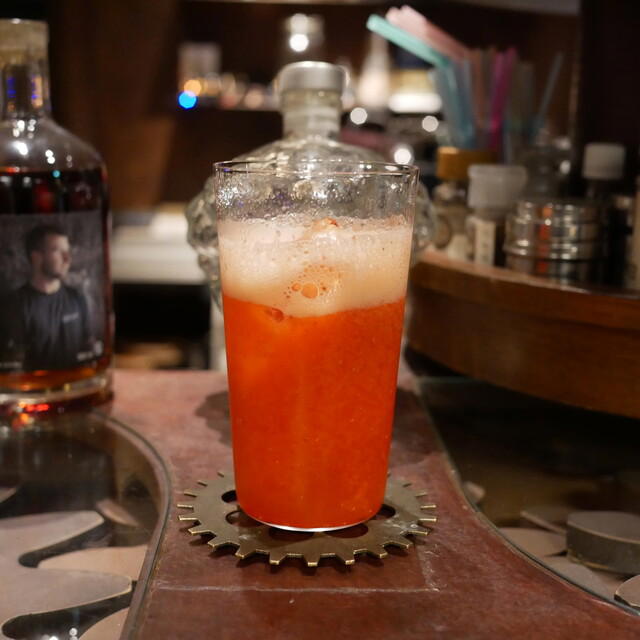
The physical environment announces its sensibility before the food arrives. Vintage Japanese serving vessels sit alongside antique Western glasses, a pairing that reads less as decoration and more as a statement about how the kitchen thinks. In a city where kappo counters often present with studied minimalism, the deliberate accumulation of aged, mismatched objects gives the room an editorial quality. The vessels are not a sustainability gesture in any formal sense, but there is something inherently anti-disposable about building a service aesthetic around objects that have already survived decades of use.
The Kappo Format and What It Asks of the Kitchen
Kappo occupies a specific position in Japanese dining. It is less structured than kaiseki, more intimate than a full restaurant, and demands a different kind of responsiveness from the kitchen. Where kaiseki proceeds through a codified progression of courses calibrated for seasonal and aesthetic balance, kappo allows the chef to read the room and the moment. Osaka's kappo tradition has historically leaned toward ingredient directness and flavour confidence over kaiseki's more architectural restraint, a tendency that runs through the food culture here in ways that have influenced even the city's French houses like Yugen.
At Kurubushi, that tradition is filtered through an izakaya background. The izakaya kitchen is built for throughput and flavour impact; it trains a chef to think about what makes a dish function as an accompaniment to drink rather than as a self-contained course. Carrying that instinct into a kappo format produces something specific: omakase cooking in which the arc of the meal is designed, implicitly, around the sake glass.
Salt, Sake, and a Deliberate Flavour Logic
The kitchen's preference for saltier flavour profiles is documented and deliberate. This is not imprecision or heavy-handedness; it is a coherent editorial stance about the relationship between food and drink. Salt activates thirst, sharpens the palate between sips, and makes fermented rice wine taste cleaner and more present. The tradition of pairing salt-forward dishes with nihonshu is as old as Japanese drinking culture itself, and kappo has historically been one of its most refined expressions.
This places Kurubushi in a different peer group than the destination kaiseki counters further along the ¥¥¥ tier. Where Tenjimbashi Aoki and Oimatsu Hisano operate within formats that prioritise the self-sufficiency of each course, Kurubushi's omakase is explicitly relational, the food and the drink are designed to work together. That is a meaningful difference in intent, and it shapes what you should bring to the meal: an appetite for sake and a willingness to follow wherever the kitchen's creativity leads that evening.
The Closing Course as a Point of Principle
Takikomi-gohan, the seasoned rice dish cooked with vegetables, mushrooms, or proteins, traditionally signals the close of a Japanese meal. At Kurubushi, it rotates with curry rice depending on the season, and both are served with free refills. In a market where omakase formats are often priced to the last grain, this is an unusual and considered decision. It implies a kitchen that measures success by the diner's satisfaction rather than by course count, and it reflects the izakaya background in the leading possible way: the instinct to feed people properly, without the calculation that sometimes creeps into high-format dining.
The environmental dimension of a kitchen that rotates between two closing dishes based on what is seasonal rather than fixed in advance is worth noting. Seasonal takikomi-gohan requires the kitchen to source adaptively rather than around a standing order; it assumes a supply chain built on what is available rather than what is specified. This is not a formal sustainability programme, but it reflects a cooking logic that European fine dining has spent years formalising into policy. Here it is simply how the food works.
Placing Kurubushi in the Osaka Omakase Scene
The Michelin Plate recognition marks the kitchen as one the Guide considers worth a diner's attention, a signal of consistency and cooking quality, distinct from the starred tier but not a consolation category. In Osaka's current dining environment, where the three-star French innovation of HAJIME and La Cime operate at ¥¥¥¥ and the kaiseki tier includes multiple starred counters, the Michelin Plate at ¥¥¥ identifies Kurubushi as a serious kitchen operating at an accessible price point relative to its peer city.
For travellers who have already spent an evening at the long kaiseki counter and want to understand Osaka's drinking culture from the inside, a Kurubushi meal offers a different entry point. The izakaya-to-kappo trajectory is also one that Japanese food culture values: it is a story about a chef who learned to cook for real drinkers and then applied that instinct to a more refined format. Compare this to how Miyamoto approaches its own version of counter discipline, and the differences in flavour philosophy become apparent quickly.
Osaka sits at the centre of a Kansai dining circuit that includes Gion Sasaki in Kyoto and akordu in Nara to the east. Further afield, the omakase conversation includes Harutaka in Tokyo, Goh in Fukuoka, and counter-format restaurants like Myojaku and Azabu Kadowaki in Tokyo. Within Japan's broader omakase circuit, Kurubushi represents the izakaya-inflected end of the kappo tradition, a reminder that the most durable cooking formats in this country are often the ones that begin from the requirements of drinking well rather than dining grandly.
For the full picture of where Kurubushi sits in Osaka's food and hospitality ecosystem, see our full Osaka restaurants guide, our full Osaka hotels guide, our full Osaka bars guide, our full Osaka wineries guide, and our full Osaka experiences guide. Beyond Osaka, 1000 in Yokohama and 6 in Okinawa extend the conversation about Japanese counter cooking across the archipelago.
Know Before You Go
- Address: 4-12 Naniwacho, Kita Ward, Osaka, 530-0022, Japan
- Cuisine: Japanese kappo, omakase format
- Price range: ¥¥¥
- Recognition:
- Format: Omakase counter; closes with seasonal takikomi-gohan or curry rice, free refills included
- Flavour note: Kitchen favours saltier profiles designed to pair with sake, arrive with an appetite for both
- Booking: Contact details not publicly listed; local reservation services or hotel concierge recommended for non-Japanese speakers
Frequently asked questions
What distinctions does Kurubushi have?
Kurubushi has received recognition including: The chef of an izakaya opened this kappo as a sister establishment. He favours items with a salty taste, the better to keep the sake flowing. Vintage Japanese serving vessels and antique Western glasses delight the eye. The meal wraps up wi….
Where do I go for Kurubushi?
Kurubushi is located at 4-12 Naniwacho, Kita Ward, Osaka, 530-0022, Japan, Osaka.
What's the must-try dish at Kurubushi?
Kurubushi runs a fully omakase format, so dish selection rests entirely with the kitchen. The closing course is the most documented constant: diners receive either seasonal takikomi-gohan or curry rice, both offered with free refills, an unusual gesture at this price tier that reflects the chef's izakaya roots. The salt-forward flavour profile running through the meal is a deliberate editorial choice by the kitchen, designed to drive sake consumption and keep the pace of the counter alive.
Comparable Spots, Quickly
A short peer table to compare basics side-by-side.
| Venue | Cuisine | Price | Awards | Notes |
|---|---|---|---|---|
| KurubushiThis venue (the venue you are viewing) | Modern Kappo Omakase | $100–150 | Michelin Plate | Not listed |
| HAJIME | Avant-Garde Japanese Fine Dining | $300–500 | 3 Michelin Stars · World's 50 Best #83 | French, Innovative |
| La Cime | Modern French with Japanese Ingredients | $150–200 | 2 Michelin Stars · World's 50 Best #13 | French |
| Kashiwaya Osaka Senriyama | Seasonal Kaiseki Omakase | $200–300 | 3 Michelin Stars · La Liste Top Restaurants | Japanese |
| Taian | Traditional Japanese Kaiseki Omakase | $150–200 | 3 Michelin Stars · La Liste Top Restaurants | Kaiseki, Japanese |
| Fujiya 1935 | Modern Japanese with European influences | $100–150 | 2 Michelin Stars · La Liste Top Restaurants | Innovative |
Recognition history
Dated appearances from independent guides and award organizations, with the underlying list record or original source where available.
Michelin Plate
Michelin
Full recognition history (3 entries)
Michelin Plate
Michelin
Michelin Plate
Michelin
Continue exploring
More in Osaka
Restaurants in Osaka
All restaurants in Osaka →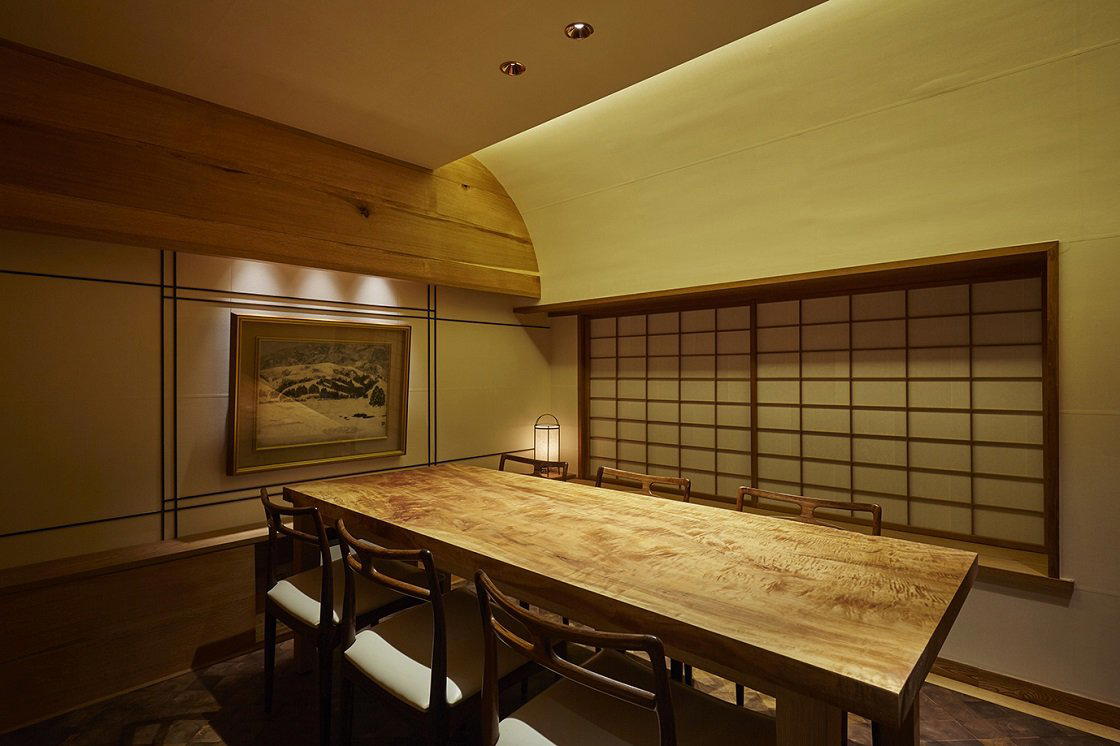
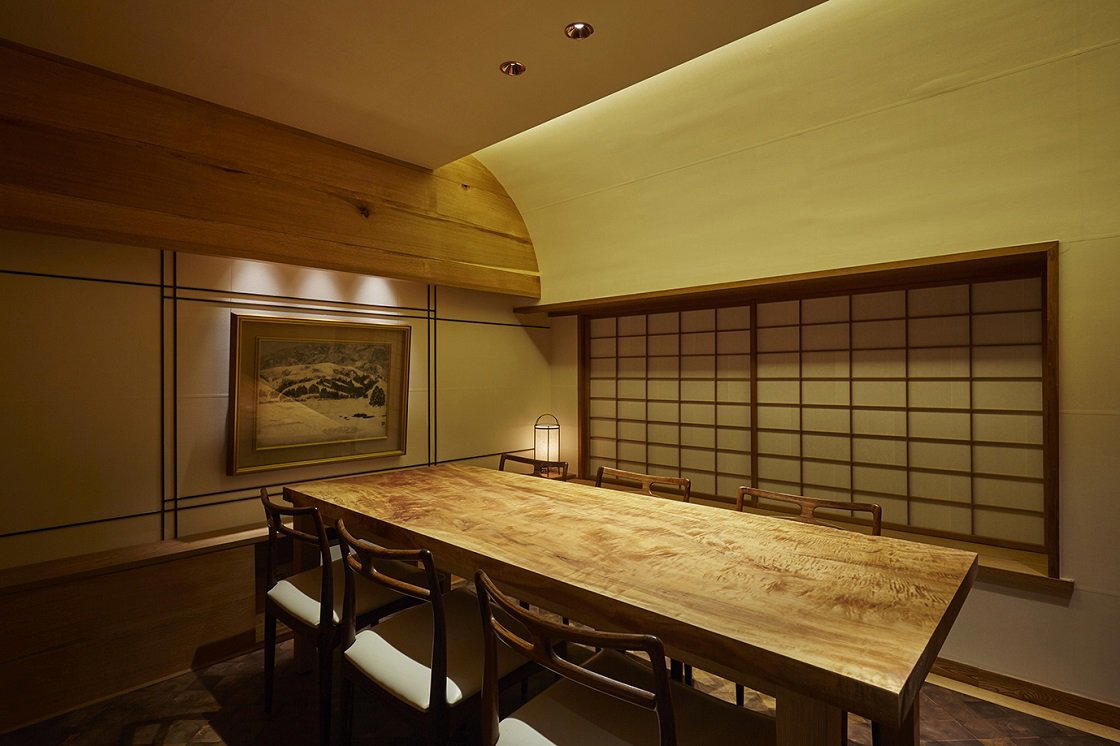



Bars in Osaka
All bars in Osaka →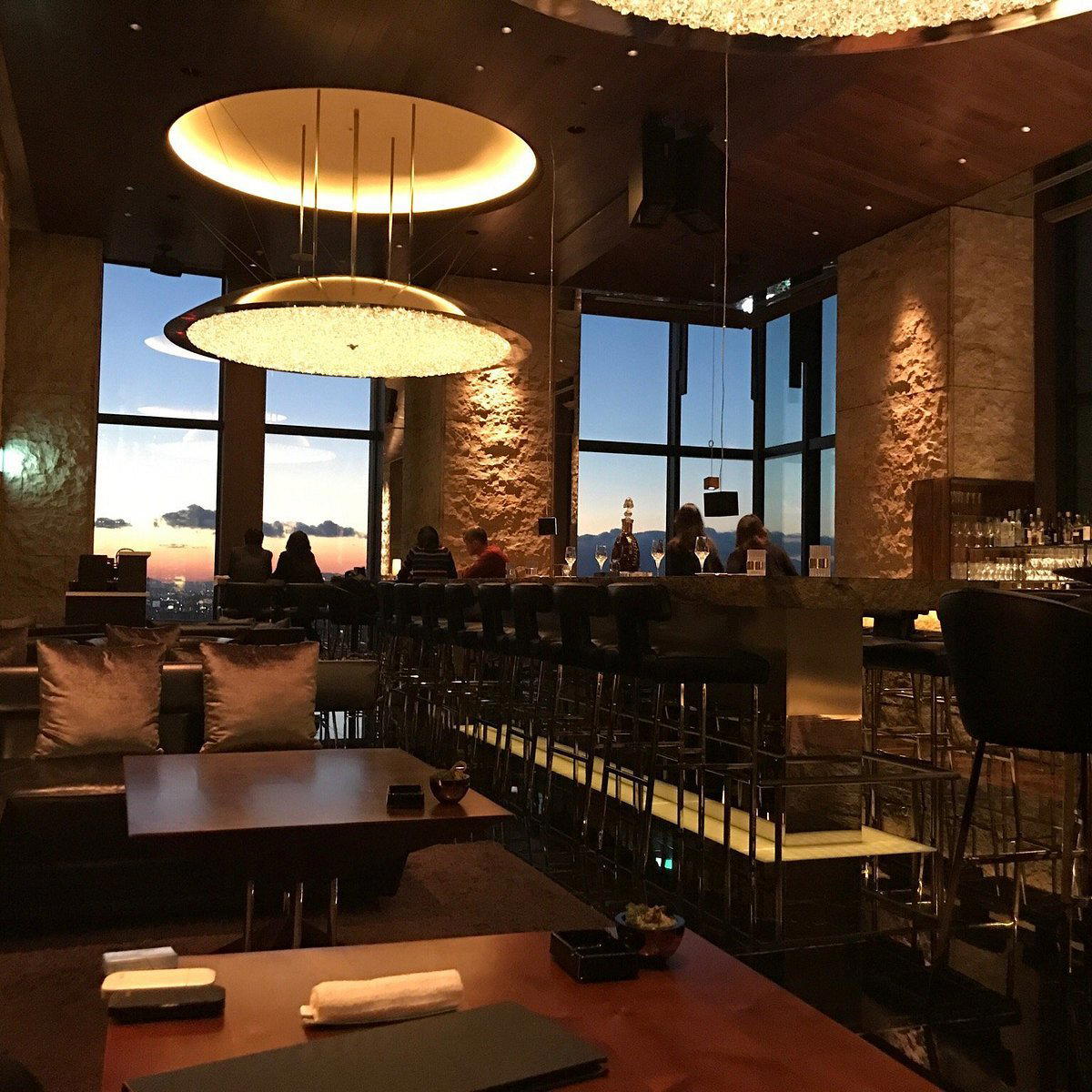



Hotels in Osaka
All hotels in Osaka →

Wineries in Osaka
Browse all →
Details
- Relaxed
- Cozy
- Elegant
- Intimate
- Date Night
- Business Dinner
- Special Occasion
- Chefs Counter
- Open Kitchen
- Private Dining
- Sake Program
- Omakase
- Counter Dining
- Sake Program
Current opening hours
- Monday
- 6 PM–12 AM
- Tuesday
- 6 PM–12 AM
- Wednesday
- 6 PM–12 AM
- Thursday
- 6 PM–12 AM
- Friday
- 6 PM–12 AM
- Saturday
- 6 PM–12 AM
- Sunday
- 6 PM–12 AM
Hours can change for holidays and private events. Hours as of .
Hushed yet warm atmosphere with refined relaxing space, stylish counter seating, and beautiful vintage Japanese serving ware.