
Michelin Plate
Our verdict
On the tenth floor of Miya Plaza in Osaka's Sonezakishinchi district, Sushidokoro Kurosugi Shinkan operates as a neighbourhood counter rather than a destination set-piece. The à la carte format, red vinegar shari, and kombu-pressed white fish place it firmly within Edo-mae tradition, while the Michelin Plate recognition in both 2024 and 2025 confirms its standing among Osaka's mid-tier sushi addresses.

Pearl is the En Primeur Club membership app, where members save venues, book tables and use the concierge.
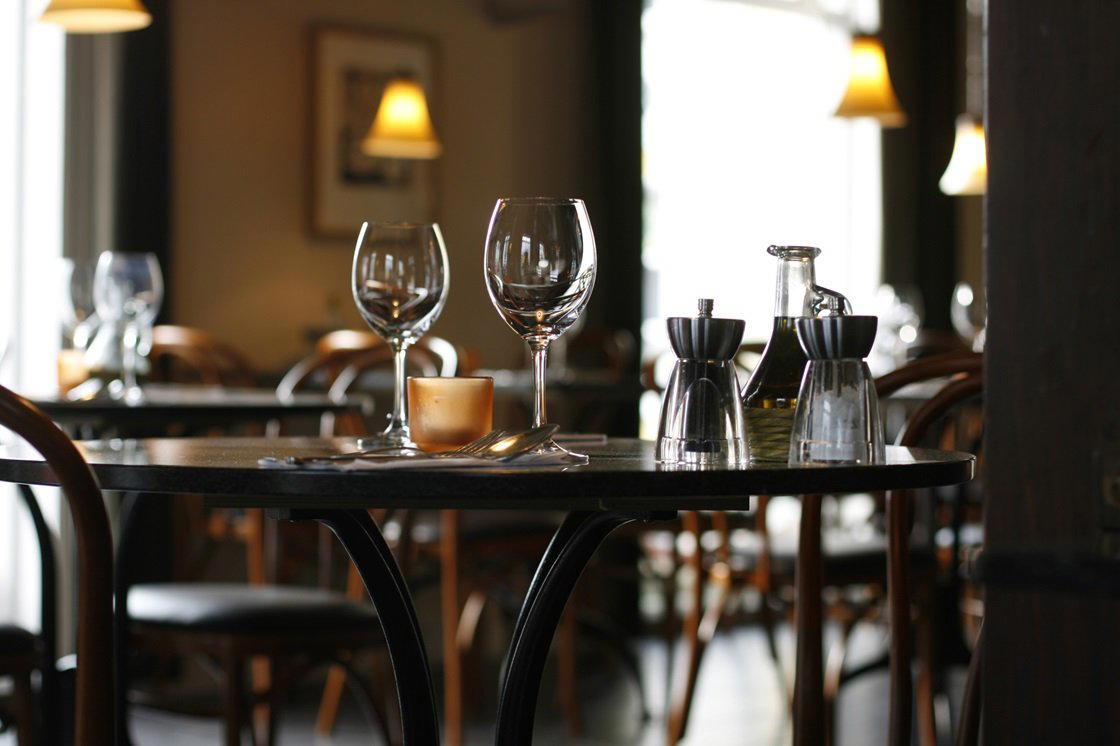
Sonezakishinchi and the Sushi Counter as Regular Haunt
Osaka's Kita Ward splits its dining identity between the broad commercial avenues around Umeda station and the denser, narrower streets of Sonezakishinchi, a neighbourhood whose izakayas, counter restaurants, and drinking establishments have long served a local rather than visitor-facing crowd. It is in this context that a sushi counter positioned on the tenth floor of Miya Plaza reads less as a destination address and more as a neighbourhood institution, the kind of place that fills on weekday evenings because regulars have standing plans rather than because a reservation algorithm pushed it to the best of a booking app.
Sushidokoro Kurosugi Shinkan makes its intent explicit in its name: the 'Shinkan' suffix translates roughly as 'pouring my heart into every morsel,' a declaration that frames the restaurant not as a showcase for technique but as a commitment to the experience of a returning guest. That positioning is reinforced by the à la carte format, which is the operative choice here. In a city where omakase counters have proliferated across every price tier, choosing à la carte signals a deliberate orientation toward the habits of a regular clientele rather than the episodic appetite of the first-time visitor. Guests order what they want, return often, and build a relationship with the counter over time.
Edo-Mae Technique in an Osaka Setting
The sushi tradition practised here draws from Edo-mae foundations, the style developed in Tokyo's Edo period that prioritises vinegared rice, careful fish preparation, and restraint over garnish. The use of red vinegar for the shari is a meaningful technical choice: red vinegar (akazu) produces a richer, more mineral rice than the white vinegar used at entry-level counters, and its presence at Kurosugi Shinkan places the kitchen in a lineage that treats rice as a structural element rather than a neutral base.
White-fleshed fish is pressed between sheets of kombu, a technique that draws moisture from the fish while imparting a subtle depth of flavour without masking the protein itself. Sweet shrimp is marinated with miso, adding salinity and complexity to what is often served in its raw simplicity elsewhere. These preparations reflect a kitchen attentive to tradition while remaining responsive to its specific clientele. The addition of young onion sprouts and cabbage as toppings, offered in response to customer requests for lighter flavours, illustrates how a counter-style restaurant accumulates and acts on institutional knowledge over time. That responsiveness is precisely what the regular-haunt model enables.
Compared with the more formal kaiseki addresses in Osaka's mid-tier, such as Taian or Kashiwaya Osaka Senriyama, or the innovation-led French tasting menus at HAJIME or Fujiya 1935, Kurosugi Shinkan occupies a more specific register: sushi-focused, à la carte, and oriented toward frequency of visit rather than singular occasion dining. Among dedicated sushi counters in Osaka, it sits alongside addresses including Sushi Harasho, Matsuzushi, Sushi Hoshiyama, Sushi Murakami Jiro, and Sushi Sanshin, each occupying a distinct position in the city's sushi geography.
Recognition and Standing
Michelin Plate recognition in both 2024 and 2025 confirms that Kurosugi Shinkan clears the guide's threshold for quality without ascending to starred territory. The Plate designation, awarded to restaurants offering good food rather than cooking of exceptional complexity, is appropriate here: the ambition is not to produce technically elaborate multi-course constructions but to execute a focused sushi format with consistency and care. The score itself suggests strong satisfaction among a loyal base.
For comparison in sushi elsewhere in Japan, Harutaka in Tokyo operates at the starred end of the counter spectrum in a very different competitive context. Closer in spirit and scale to Kurosugi Shinkan's neighbourhood orientation are counters in smaller cities, though each city carries its own ingredient sourcing rhythms and service culture. Internationally, Sushi Shikon in Hong Kong and Shoukouwa in Singapore represent how Edo-mae sushi translates outside Japan at the formal end of the market, a useful reference point for understanding how different the Kurosugi Shinkan proposition is in intent and format.
The Broader Osaka Dining Context
Osaka's reputation as a city of eating, encapsulated in the local expression kuidaore, eating until you drop, has historically been built on affordable abundance rather than formal scarcity. The proliferation of omakase counters in recent years has introduced a different dining register to the city, but the neighbourhood counter with an à la carte format and a returning clientele represents an older, arguably more characteristically Osakan model. Kurosugi Shinkan's address in Sonezakishinchi, a district whose bars and small restaurants serve a working local crowd rather than a tourist circuit, reinforces its alignment with that tradition.
Visitors exploring the broader Kita Ward dining scene should consult our full Osaka restaurants guide. For accommodation, our full Osaka hotels guide covers the city's range of options by neighbourhood. Those building a wider Kansai itinerary may also find Gion Sasaki in Kyoto and akordu in Nara useful reference points, while Goh in Fukuoka, 1000 in Yokohama, and 6 in Okinawa extend the frame of reference across Japan. For Osaka nightlife and drinking culture, our full Osaka bars guide offers neighbourhood-specific direction, and our full Osaka wineries guide and our full Osaka experiences guide round out the city coverage.
Planning Your Visit
Location: Miya Plaza 10F, 1 Chome-10-22 Sonezakishinchi, Kita Ward, Osaka 530-0002. Price tier: ¥¥¥, positioning it in the mid-range for dedicated sushi in Osaka. Recognition: Michelin Plate 2024 and 2025. Format: À la carte sushi counter. Reservations: No booking details are publicly confirmed; approaching the restaurant directly or through a local concierge is advisable. Well suited for: Visitors wanting a neighbourhood sushi counter experience over a formal omakase set, and those with an interest in red vinegar shari and kombu preparation techniques.
Frequently asked questions
What price level is Sushidokoro Kurosugi Shinkan?
Pricing at Sushidokoro Kurosugi Shinkan is listed as ¥¥¥.
What kind of recognition has Sushidokoro Kurosugi Shinkan received?
Sushidokoro Kurosugi Shinkan has received recognition including: The focus is on à la carte out of a desire to be customers’ regular haunt. Fish is carefully prepared, with red vinegar for the sushi rice, in deference to the history of nigiri. White-fleshed fish is pressed between sheets of kombu; sweet ….
What's the signature dish at Sushidokoro Kurosugi Shinkan?
The kitchen does not promote a single centerpiece piece, which reflects the à la carte model built around return visits rather than a set showpiece. The preparations the restaurant itself describes include white-fleshed fish pressed between kombu sheets, sweet shrimp marinated with miso, and sushi rice prepared with red vinegar in the Edo-mae tradition. Young onion sprouts and cabbage are offered as toppings, added in response to customer requests for lighter flavour profiles.
How do I find Sushidokoro Kurosugi Shinkan?
Sushidokoro Kurosugi Shinkan is located at Japan, 〒530-0002 Osaka, Kita Ward, Sonezakishinchi, 1 Chome−10−22 Miya Plaza, 10階, Osaka.
How far ahead should I plan for Sushidokoro Kurosugi Shinkan?
No confirmed booking window is publicly stated for this counter on the 10th floor of Miya Plaza in Sonezakishinchi. The à la carte format is deliberately structured around regulars, so availability patterns differ from omakase-only counters that fill weeks in advance.
The Quick Read
| Venue | Cuisine | Price | Awards | Notes |
|---|---|---|---|---|
| Sushidokoro Kurosugi ShinkanThis venue (the venue you are viewing) | Edomae Sushi | $100–150 | Michelin Plate | Not listed |
| HAJIME | Avant-Garde Japanese Fine Dining | $300–500 | 3 Michelin Stars · World's 50 Best #83 | French, Innovative |
| La Cime | Modern French with Japanese Ingredients | $150–200 | 2 Michelin Stars · World's 50 Best #13 | French |
| Kashiwaya Osaka Senriyama | Seasonal Kaiseki Omakase | $200–300 | 3 Michelin Stars · La Liste Top Restaurants | Japanese |
| Taian | Traditional Japanese Kaiseki Omakase | $150–200 | 3 Michelin Stars · La Liste Top Restaurants | Kaiseki, Japanese |
| Fujiya 1935 | Modern Japanese with European influences | $100–150 | 2 Michelin Stars · La Liste Top Restaurants | Innovative |
Recognition history
Dated appearances from independent guides and award organizations, with the underlying list record or original source where available.
Michelin Plate
Michelin
Full recognition history (3 entries)
Michelin Plate
Michelin
Michelin Plate
Michelin
Continue exploring
More in Osaka
Restaurants in Osaka
All restaurants in Osaka →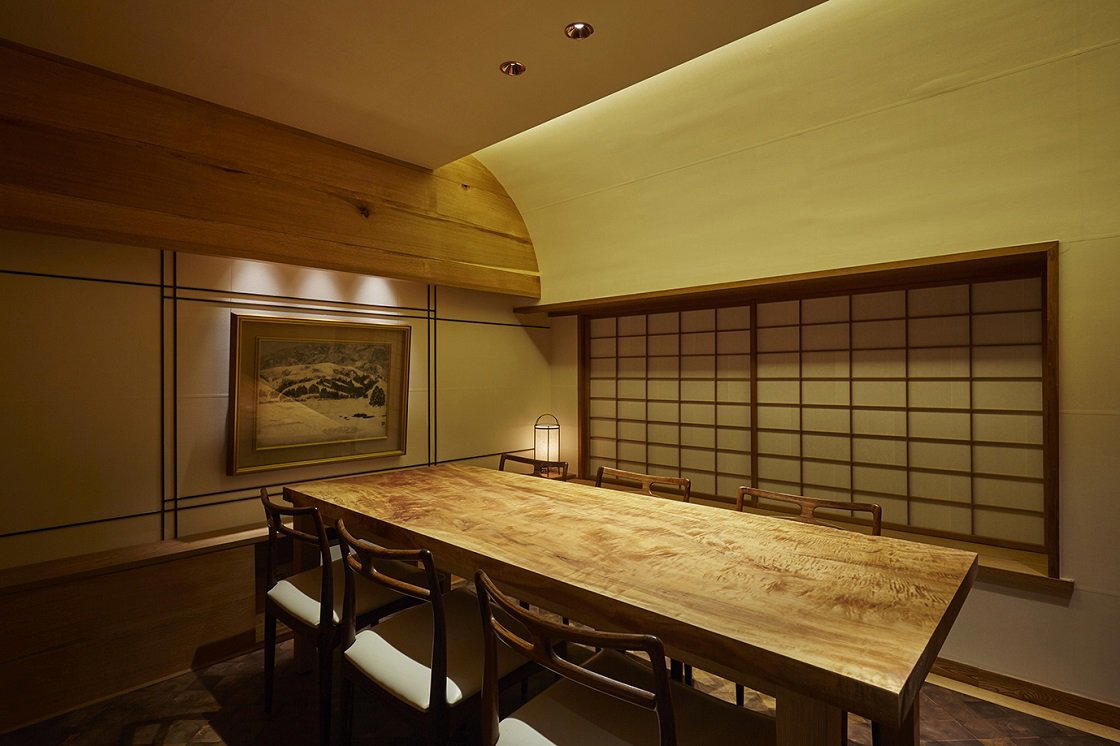


Bars in Osaka
All bars in Osaka →
Hotels in Osaka
All hotels in Osaka →

Wineries in Osaka
Browse all →
Details
- Elegant
- Minimalist
- Intimate
- Sophisticated
- Date Night
- Business Dinner
- Solo
- Special Occasion
- Chefs Counter
- Sake Program
- A La Carte
- Omakase
- Counter Dining
- Sake Program
Current opening hours
- Monday
- 6 PM–12 AM
- Tuesday
- 6 PM–12 AM
- Wednesday
- 6 PM–12 AM
- Thursday
- 6 PM–12 AM
- Friday
- 6 PM–12 AM
- Saturday
- 6 PM–12 AM
- Sunday
- Closed
Hours can change for holidays and private events. Hours as of .
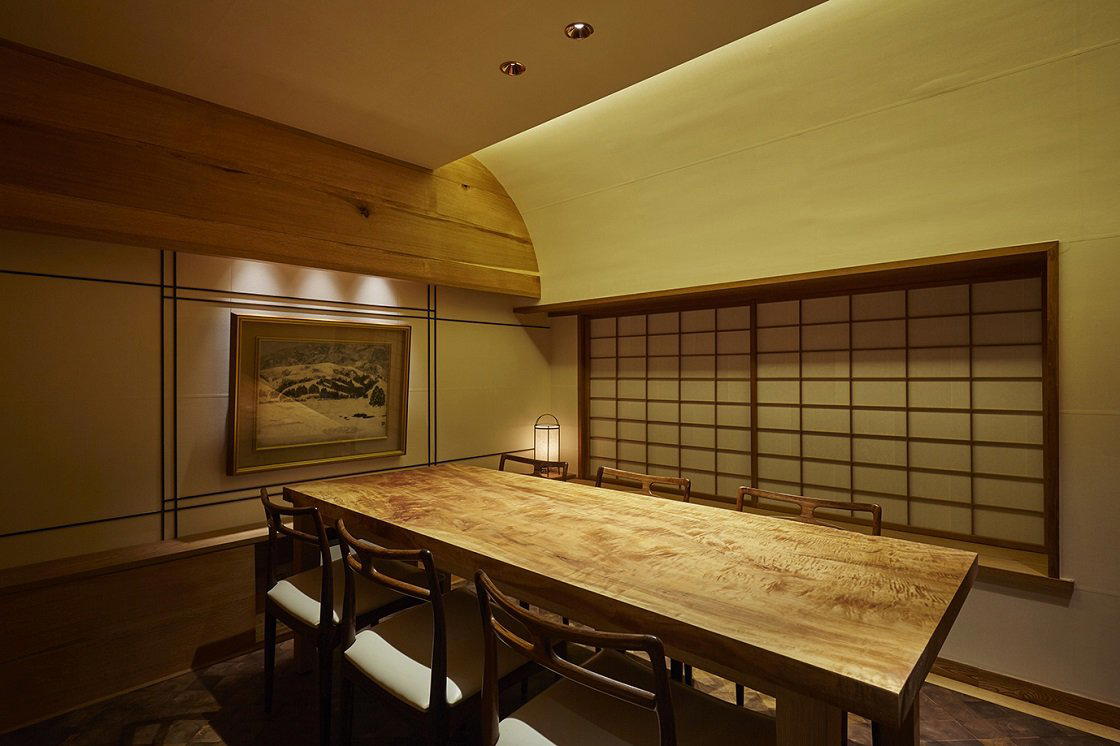
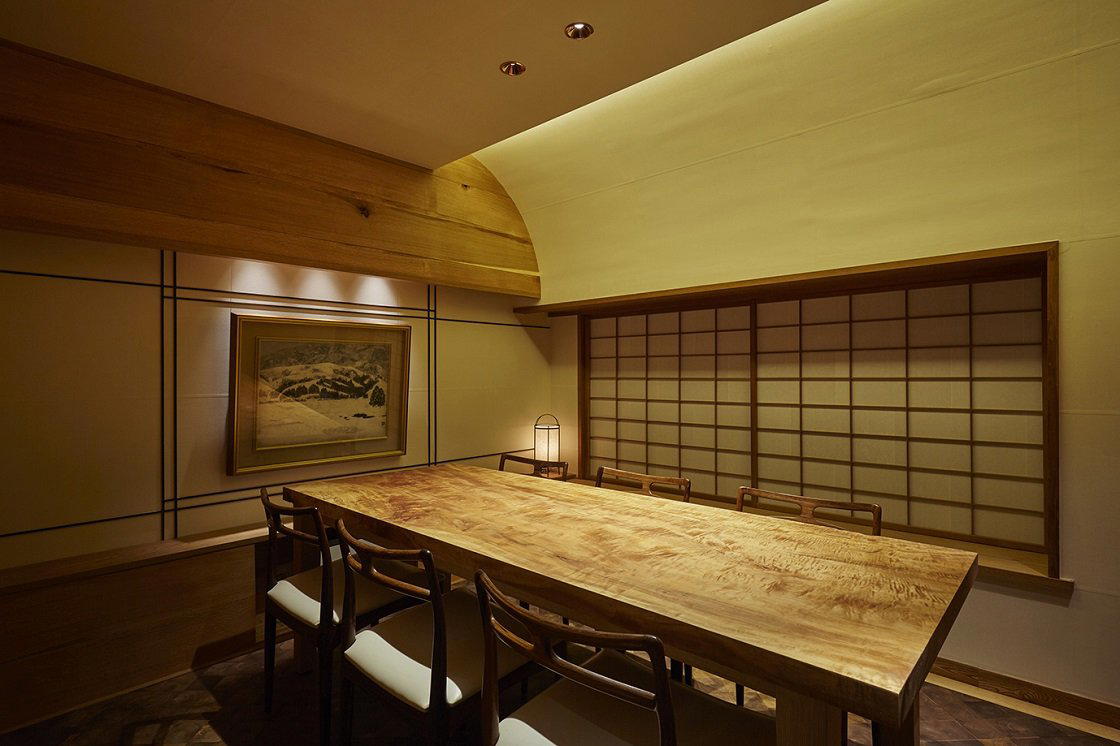
Refined, uncluttered space with a beautiful white wood counter, stylish and relaxing atmosphere ideal for adults.