
Michelin Plate
Our verdict
A Michelin Plate kappo counter in Osaka's Kita Ward, Kassen Iritani draws on deep apprenticeship across the city's kappo tradition to deliver live-seafood-forward dishes that resist easy categorisation. The name itself signals the approach: 'kassen' means sliced fresh, and the kitchen builds around that principle. At ¥¥¥, it sits in the middle tier of Osaka's serious Japanese dining scene.

Pearl is the En Primeur Club membership app, where members save venues, book tables and use the concierge.
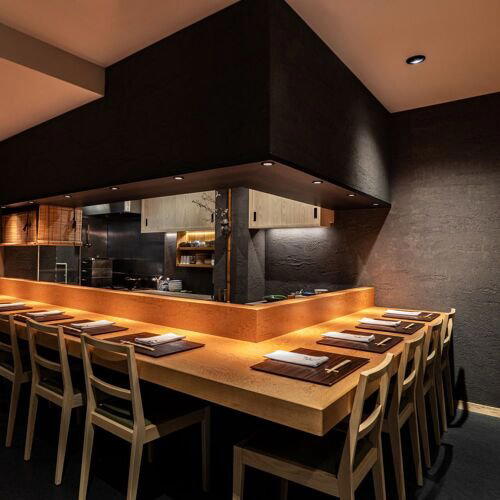
Kitashinchi After Dark, and the Kappo Counter That Earns Its Place There
Kitashinchi at night runs on a particular rhythm. The dense grid of bars, kappo counters, and private dining rooms in Kita Ward fills with salary workers, expense-account regulars, and a smaller cohort of people who have done their research. It is one of the most concentrated fine-dining neighbourhoods in any Japanese city, which means the competition for a return customer is continuous and unforgiving. In that context, a Michelin Plate recognition two years running, 2024 and 2025, is not a ceiling; it is a signal that a kitchen is operating at a level the guide considers worth knowing about.
Kassen Iritani sits on the ground floor of the Yamachū Building No. 1 on Sonezakishinchi 1-chome, close enough to the main Kitashinchi strip to benefit from foot traffic but set back enough that most of the people who find it have been pointed there. That self-selecting clientele matters in a kappo setting, where the format depends on regulars communicating preferences and the kitchen responding in kind.
Osaka's Kappo Tradition and Where This Kitchen Fits
Kappo, the term combines the characters for cutting and cooking, is a format that predates kaiseki's ceremonial architecture and operates on a different logic. Where kaiseki in Kyoto moves through prescribed courses with seasonal markers timed to the calendar, kappo in Osaka has always been more responsive, more counter-driven, and more comfortable with the idea that a guest's appetite should shape the evening. Restaurants like Kashiwaya Osaka Senriyama occupy the formal three-Michelin-star tier of Japanese dining in the city; Kassen Iritani is doing something structurally different, closer to the agile, conversation-driven tradition that defines kappo at its most direct.
Chef Genki Iritani's formation across multiple Osaka kappo houses is exactly the kind of credential this format demands. Kappo skill is cumulative and positional, you learn by being at the counter, reading the room, building a vocabulary of techniques that can be deployed quickly and in combination. That apprenticeship lineage, spread across several kitchens rather than one single master house, produces a generalist fluency that is different from the deep-channel specialisation of, say, a single-format sushi counter.
The editorial angle here is not Tokyo versus Osaka as a rivalry, but as a structural difference. Tokyo's dining culture, evident in counters like Harutaka or the tightly formatted Japanese rooms at Azabu Kadowaki, tends toward formalism: prescribed sequences, precise timings, a narrative arc built into the meal before the first course arrives. Osaka's kappo tradition is its structural counterweight. The counter is a workspace, the chef is visible and accessible, and the menu is partly negotiated in real time. Myojaku in Tokyo offers a point of comparison for what that Tokyo formalism looks like at the mid-tier; Kassen Iritani is making a case for what Osaka's more improvisational counter tradition can achieve at a comparable price level.
Live Seafood, Responsive Cooking, and the Dishes Worth Knowing About
The name 'Kassen', meaning sliced fresh, is a statement of intent about ingredient priority. Live seafood is not an affectation here; it is the structural basis of the kitchen's identity. The Michelin record specifically notes squid cut into thin strips resembling noodles, served with caviar, and oysters simmered with pepper as representative drinking snacks. Both dishes illustrate something about Osaka's broader food culture: the willingness to treat premium ingredients as accompaniments to drinking rather than the centrepiece of a composed course.
Crumbed beef fillet and simmered beef tongue noted in the Michelin citation occupy a different register, dishes that the guide describes as flavours neither Western nor Japanese, yet quintessentially Osaka. That description points at something genuine about how the city's kitchen culture works. Osaka absorbed influence from international trade routes earlier and more thoroughly than Kyoto, and its cuisine has always been more comfortable with hybrid techniques. This is not fusion in the diluted contemporary sense; it is what happens when a city with a merchant economy and deep culinary pride encounters outside flavour systems over a long period.
For comparison across the Kansai region, Gion Sasaki in Kyoto represents what the more formalist Kyoto approach to Japanese cooking looks like at high altitude. Akordu in Nara offers a different Kansai data point, where European technique operates in a Japanese context. Kassen Iritani is a different proposition from both: counter-format, seafood-forward, responsive to the room.
Kitashinchi in the Osaka Dining Ecosystem
Within Osaka's tiered dining scene, Kassen Iritani at ¥¥¥ sits below the ¥¥¥¥ houses, Hajime at three Michelin stars, La Cime at two, Fujiya 1935 at two, and alongside the city's mid-to-serious Japanese tier, which includes Miyamoto, Oimatsu Hisano, and Tenjimbashi Aoki. At that price tier, the Michelin Plate recognition in consecutive years functions as a meaningful differentiator in a neighbourhood with multiple options at the same spend level.
Across Japan more broadly, the mid-tier Japanese counter is under real pressure from both ends: the prestige counter above it commands premium pricing and allocation queues, while the neighbourhood kappo below it offers lower stakes and more accessibility. The kitchens that hold a position in the middle do so through consistent technique and a regular clientele that trusts the kitchen's judgment on any given evening.
For broader Osaka planning, see Yugen for a different point on the city's Japanese dining spectrum, and consult our full Osaka restaurants guide for the complete picture. Osaka's hospitality scene extends well beyond the table: our Osaka hotels guide, bars guide, wineries guide, and experiences guide cover the rest. For those moving across Japan's main culinary cities, Goh in Fukuoka, 1000 in Yokohama, and 6 in Okinawa offer regional reference points at comparable or higher tiers.
Frequently asked questions
Has Kassen Iritani won any awards?
Kassen Iritani has received recognition including: Genki Iritani apprenticed at a number of kappo in Osaka. He flexes the skills and ingenuity he developed there, responding nimbly to customers’ preferences. He focuses on live seafood dishes, as the restaurant name ‘Kassen’ (‘sliced fresh’)….
What's the must-try dish at Kassen Iritani?
The Michelin citation names two preparations as the clearest expressions of the kitchen: squid cut into thin strip-noodle form with caviar, and oysters simmered with pepper. Both sit within the live-seafood focus that the restaurant name 'Kassen', meaning sliced fresh, directly announces. The crumbed beef fillet and slow-simmered beef tongue round out a menu that reads as neither Western nor classically Japanese, which is exactly the point.
What's Kassen Iritani's location?
Kassen Iritani is located at Japan, 〒530-0002 Osaka, Kita Ward, Sonezakishinchi, 1 Chome−8−6 北新地 山忠ビル1号館 1階, Osaka.
What's the best way to book Kassen Iritani?
Kassen Iritani operates within Kitashinchi, Osaka's most concentrated fine-dining ward, where counter seats at Michelin-recognised restaurants typically fill through a mix of concierge referrals, hotel desk reservations, and direct contact via Japanese-language channels. No booking website or phone number is publicly listed. Guests unfamiliar with Japanese reservation systems generally have better results going through a hotel concierge in Osaka's Kita Ward.
Peers Worth Knowing
| Venue | Cuisine | Price | Awards | Notes |
|---|---|---|---|---|
| Kassen IritaniThis venue (the venue you are viewing) | Naniwa Kappo | $150–200 | Michelin Plate | Not listed |
| HAJIME | Avant-Garde Japanese Fine Dining | $300–500 | 3 Michelin Stars · World's 50 Best #83 | French, Innovative |
| La Cime | Modern French with Japanese Ingredients | $150–200 | 2 Michelin Stars · World's 50 Best #13 | French |
| Kashiwaya Osaka Senriyama | Seasonal Kaiseki Omakase | $200–300 | 3 Michelin Stars · La Liste Top Restaurants | Japanese |
| Taian | Traditional Japanese Kaiseki Omakase | $150–200 | 3 Michelin Stars · La Liste Top Restaurants | Kaiseki, Japanese |
| Fujiya 1935 | Modern Japanese with European influences | $100–150 | 2 Michelin Stars · La Liste Top Restaurants | Innovative |
Recognition history
Dated appearances from independent guides and award organizations, with the underlying list record or original source where available.
Michelin Plate
Michelin
Full recognition history (3 entries)
Michelin Plate
Michelin
Michelin Plate
Michelin
Continue exploring
More in Osaka
Restaurants in Osaka
All restaurants in Osaka →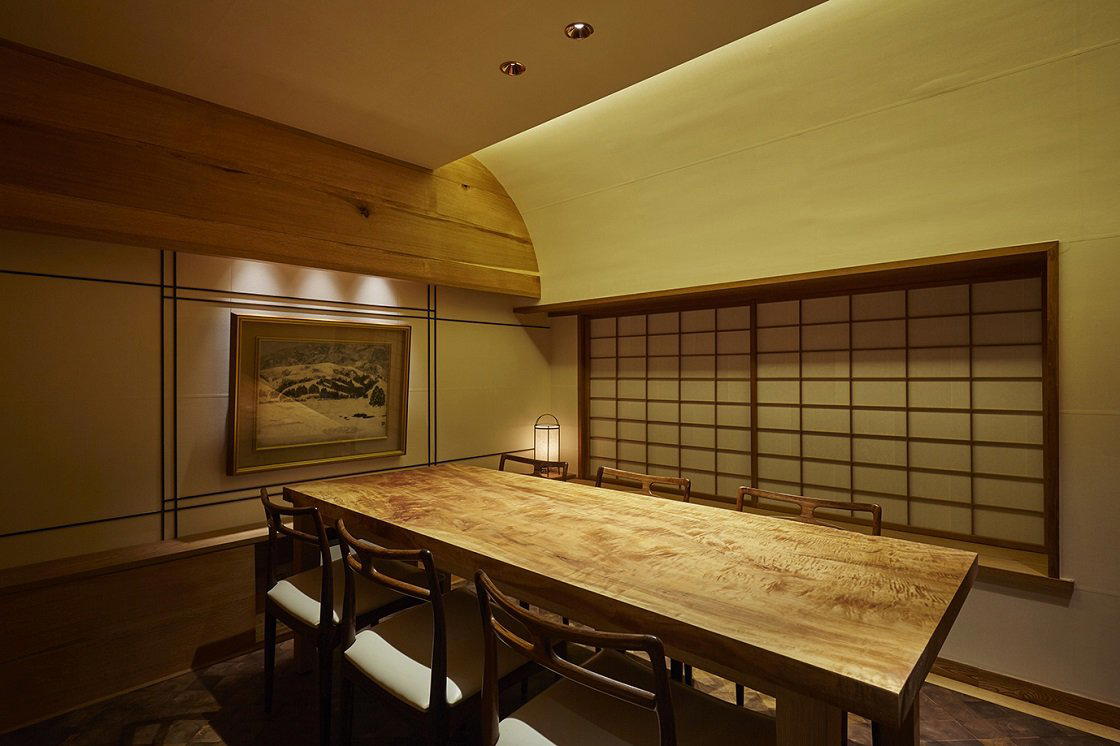
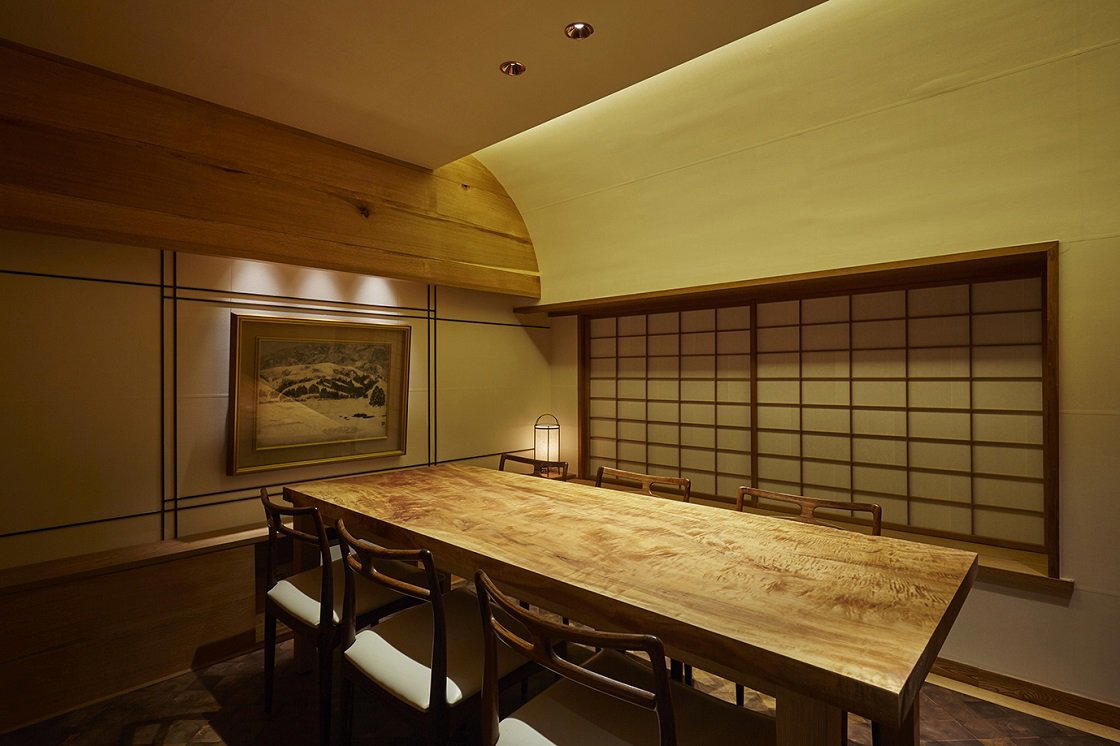



Bars in Osaka
All bars in Osaka →



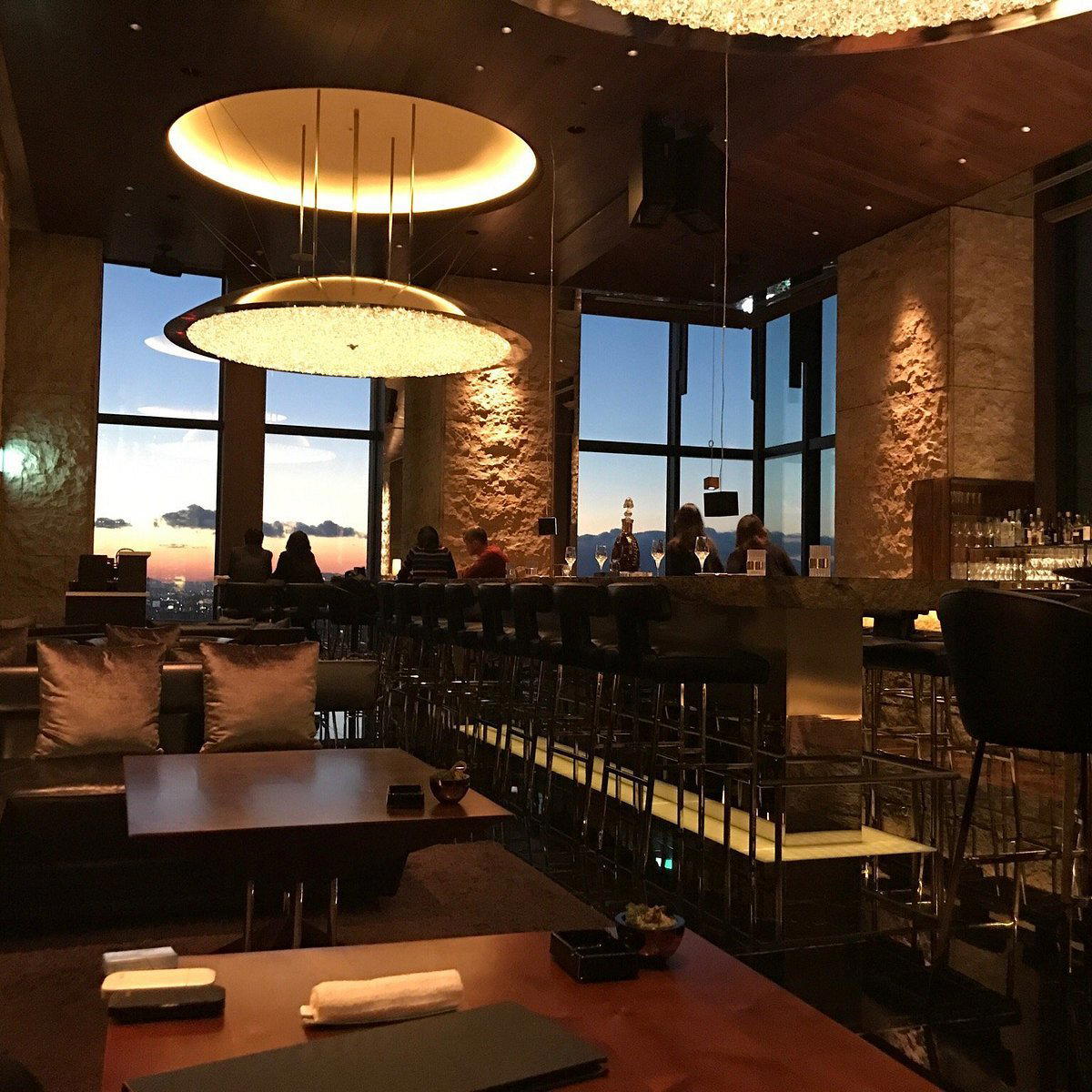
Hotels in Osaka
All hotels in Osaka →


Wineries in Osaka
Browse all →
Details
- Intimate
- Elegant
- Cozy
- Minimalist
- Sophisticated
- Date Night
- Special Occasion
- Business Dinner
- Chefs Counter
- Open Kitchen
- Sake Program
- Extensive Wine List
- Sommelier Led
- Local Sourcing
- Omakase
- Counter Dining
Current opening hours
- Monday
- 6 PM–12 AM
- Tuesday
- 12–2 PM, 6 PM–12 AM
- Wednesday
- 12–2 PM, 6 PM–12 AM
- Thursday
- 12–2 PM, 6 PM–12 AM
- Friday
- 12–2 PM, 6 PM–12 AM
- Saturday
- 12–2 PM, 6 PM–12 AM
- Sunday
- Closed
Hours can change for holidays and private events. Hours as of .
Minimalist counter with low lighting, measured hush, and serene traditional Japanese atmosphere focused on seasonal precision.