Our verdict
KU: Рамен Изакая Бар on Bolshaya Gruzinskaya brings the izakaya format — Japan's after-work drinking-and-eating tradition — to Moscow's increasingly confident casual dining scene. The ramen-and-small-plates combination positions it within a bracket of Moscow venues where Japanese influence meets informal European bar culture. For the neighbourhood, it reads as a deliberate counterpoint to the city's grander tasting-menu establishments.

Pearl is the En Primeur Club membership app — saves, bookings, and concierge access live there. Same editors, same standards.
- Address
- Bolshaya Gruzinskaya St, 69, Moscow, Russia, 123056
- Phone
- +7 499 609 00 69
- Hours
- Daily 11 AM–12 AM
- Website
- kuramen.ru
- Directions
- Get directions
- Booking
- Book on the venue's website
Where Bolshaya Gruzinskaya Meets the Izakaya Tradition
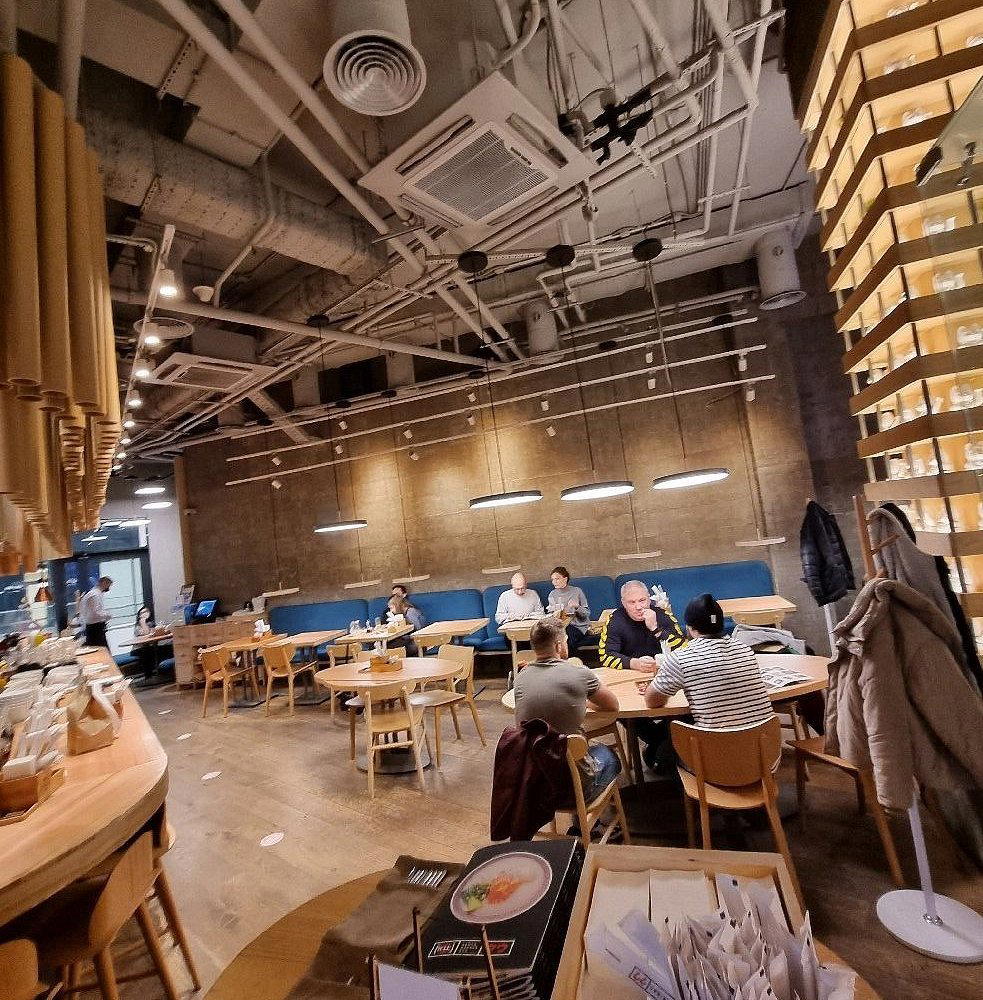
Bolshaya Gruzinskaya Street, running through the Presnensky district of central Moscow, has accumulated a particular kind of dining energy over the past decade: independent, format-conscious, and less concerned with tablecloth formality than the restaurant corridors closer to the Kremlin. KU: Рамен Изакая Бар occupies that register. The name announces its allegiances immediately — ramen and izakaya, two Japanese formats that travel well precisely because they are built around conviviality rather than ceremony. Walk in and the atmosphere communicates something specific: this is a place structured around the bowl and the small plate, around the logic of ordering another round because the food keeps pace with it.
The izakaya format deserves some context, because it shapes everything about how a venue like this operates. In Japan, izakayas function as the working city's social infrastructure — informal gastropubs where proximity to colleagues matters more than tablecloth-level service, and where the menu is designed to be grazed rather than marched through in courses. Moscow has absorbed this format selectively. A city that has, over the past fifteen years, built some of Russia's most technically demanding restaurants, venues like Twins Garden, whose modern European approach is grounded in direct ingredient sourcing from their own farm, and White Rabbit, which has mapped modern Russian cuisine onto a globally competitive frame, has also developed a strong appetite for formats that do not require three hours and a tasting menu to deliver satisfaction.
Ramen in Moscow: Ingredient Logic and the Broth Question
Ramen's credibility, wherever it is served outside Japan, rests almost entirely on the broth. Tonkotsu requires sustained reduction of pork bones, often twelve hours or more. Shoyu and shio broths demand precision in the tare, the seasoning concentrate that distinguishes one bowl from another in a way that is nearly invisible to the untrained eye but immediately legible to the palate. What this means in practice is that ramen is an ingredient-sourcing problem as much as a cooking problem: the quality of the pork, the age and mineral content of the water, the specific fermentation character of the soy, all accumulate into the final bowl in ways that cannot be corrected at the last moment.
Moscow's position in the ramen conversation is partly determined by supply chain geography. Japanese-style pork breeds, the specific noodle wheat varieties that produce the correct chew, and fermented soy products of sufficient depth are all achievable in Russia, but require deliberate sourcing decisions. Venues that take ramen seriously in Moscow, and KU positions itself as one, are in effect making ingredient commitments before a single bowl reaches the table. This is the same structural logic that applies to venues like Varvary, which has built its Russian cuisine credentials on traceable domestic produce, or Accenti, where Italian ingredient provenance is central to the editorial identity of the menu. Across different cuisines and price tiers, Moscow's more considered dining spots share a common thread: the food is worth taking seriously because the sourcing is taken seriously.
The Small-Plate Architecture of the Izakaya Bar
Beyond the ramen bowls, the izakaya bar format at KU implies a menu built around shared small plates, the kind of dishes that function as accompaniments to sake or Japanese highballs as much as standalone food. Karaage, edamame, gyoza, small skewers, pickled vegetables: these are the vocabulary of the format, and they reward a particular style of eating. The point is not the single composed dish but the accumulation, the way flavours shift across the table as the evening extends.
This format sits at an interesting angle to Moscow's broader casual dining scene, which has trended toward either very formal tasting experiences or fast-casual delivery-adjacent concepts. The izakaya occupies a middle ground: deliberate enough to require a kitchen with real technique, informal enough to function as a neighbourhood meeting point. It shares some social logic with Aist, another Moscow venue whose format encourages extended, unfussy evenings rather than structured dining events.
Moscow's Japanese Food Scene in Broader Context
Japanese food in Russia carries specific history. Moscow saw a wave of sushi restaurants in the early 2000s that bore almost no resemblance to the source cuisine, a pattern repeated in every major European capital at the time. What followed, in the 2010s and into the 2020s, was a more serious engagement: ramen specialists, izakayas with actual Japanese beverage programs, and omakase counters aimed at a smaller, more informed audience. This mirrors trajectories seen in other European cities and, at a higher level of intensity, in markets like New York, where venues like Le Bernardin have demonstrated that ingredient rigour and format discipline define a restaurant's longevity far more than trend positioning.
Within Russia more broadly, the casual dining scene has diversified considerably. Venues like COCOCO Bistro in Saint Petersburg and Bourgeois Bohemians, also in Sankt-Peterburg, have developed strong followings for format-conscious, ingredient-led cooking that does not lean on fine-dining formality. In Sochi, Restaurant Baran-Rapan represents a regional iteration of the same impulse. KU in Moscow belongs to this wider national movement toward restaurants that take the food seriously without requiring the occasion to be serious. For a broader map of where Moscow's dining scene sits in its own hierarchy, EP Club's full Moscow restaurants guide provides the relevant context across price tiers and formats.
Further afield, venues like Leo Wine & Kitchen in Rostov, Alanskaya Kukhnya in Krasnodar, SEASONS in Kaliningrad, and La Colline in Bolshoye Sareyevo each reflect regional variations of the same broad shift toward format-conscious, ingredient-aware dining that does not require a major metropolitan address to be taken seriously. Birch in St. Petersburg, Tsarskaya Okhota in Zhukovka, and Primorskiy Prospekt, 72 in Staraya Derevnya each occupy distinct niches in Russia's expanding dining geography. And in San Francisco, Lazy Bear has shown how a format built on communal eating and deliberate sourcing can sustain both critical attention and genuine neighbourhood affection, a model that translates, at different scales, across cities and cuisines.
Planning a Visit
KU: Рамен Изакая Бар is located at Bolshaya Gruzinskaya Street, 69, in Moscow's Presnensky district, a walkable area served by Belorusskaya metro station. The izakaya format suits mid-evening visits rather than early-dinner schedules, the format rewards time and accumulation rather than efficiency. The Presnensky district supports an evening that extends well beyond a single stop, with enough surrounding options to make a neighbourhood circuit worthwhile.
Frequently asked questions
Where do I go for KU: Рамен Изакая Бар?
KU: Рамен Изакая Бар is located at Bolshaya Gruzinskaya St, 69, Moscow, Russia, 123056, Moscow.
How does KU: Рамен Изакая Бар differ from Moscow's earlier wave of Japanese restaurants?
Moscow's first Japanese restaurant boom in the early 2000s was dominated by sushi venues that had little connection to Japanese culinary tradition. The izakaya-ramen format that KU occupies represents a later, more grounded approach — one focused on broth technique and shared small plates rather than conveyor-belt rolls. Located at Bolshaya Gruzinskaya St 69 in Presnensky, KU sits in a district where this more serious category of casual Japanese dining has taken hold in Moscow.
What's the must-try dish at KU: Рамен Изакая Бар?
The ramen bowl is the structural centre of the menu at KU on Bolshaya Gruzinskaya Street, and the broth is the clearest measure of what the kitchen can do. In any izakaya-ramen format, a well-reduced broth — whether pork-bone tonkotsu or a lighter shoyu base — signals how seriously the kitchen approaches the format. Pair a bowl with one or two small plates from the izakaya side of the menu to get a fuller read on the kitchen's range.
Can I walk in to KU: Рамен Изакая Бар?
The izakaya format is designed around casual, drop-in dining more than tasting-menu restaurants are, which generally means walk-ins are possible. That said, popular casual venues in central Moscow — particularly those on active streets like Bolshaya Gruzinskaya in Presnensky — can fill quickly on weekend evenings. Arriving early in the evening or during a weekday lunch window gives you the best chance of a seat without a reservation.
How It Stacks Up
Comparable venues nearby, for context on price, style, and recognition.
| Venue | Cuisine | Price | Notes |
|---|---|---|---|
| KU: Рамен Изакая БарThis venue — the venue you are viewing | Japanese Ramen Izakaya | $20–30 | Not listed |
| Kitayskaya Gramota | Authentic Cantonese Chinese | $20–30 | Boulevard Ring |
| Scrocchiarella | Roman-style Pizza | Not listed | Boulevard Ring |
| Kazbek (Казбек) | Traditional Georgian Cuisine | $20–30 | Пресненский |
| Wine Religion | Mediterranean European Gastropub | $50–100 | Western Administrative Okrug (ZAO), Michurinskiy Prospekt |
| ЛЕПИМ и ВАРИМ | Russian Pelmeni & Dumplings | $1–10 | Столешников переулок (Stoleshnikov Lane) |
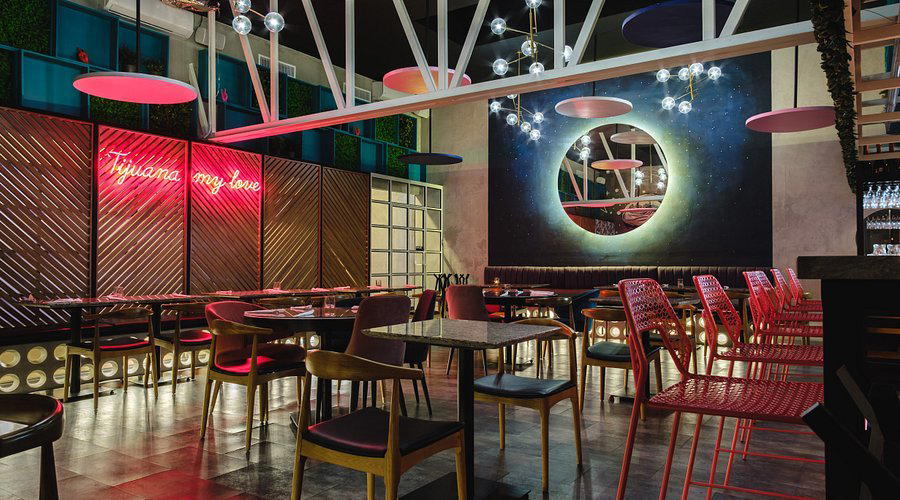
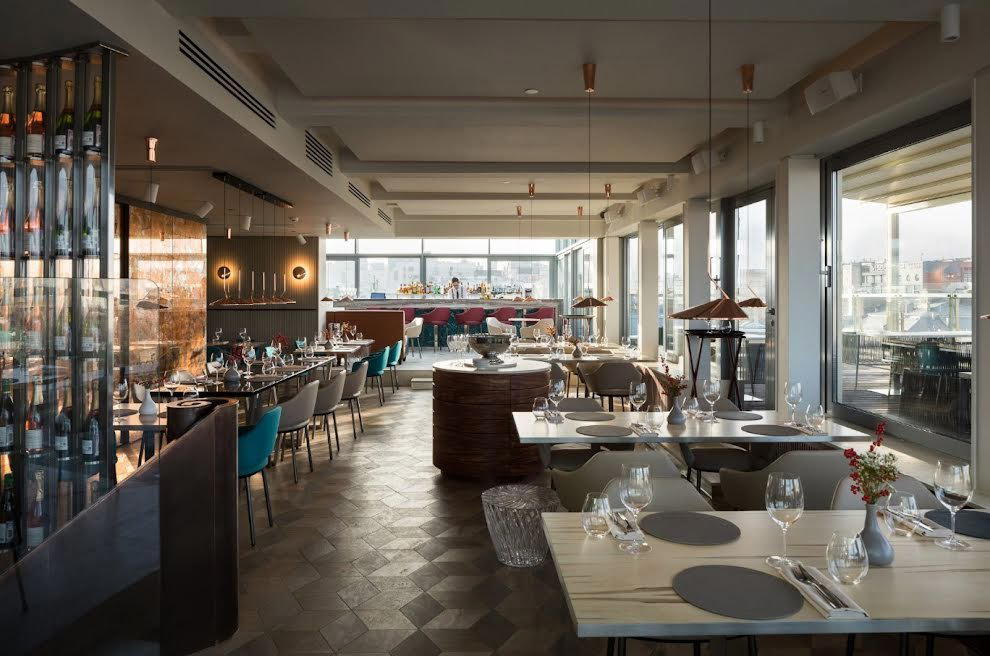
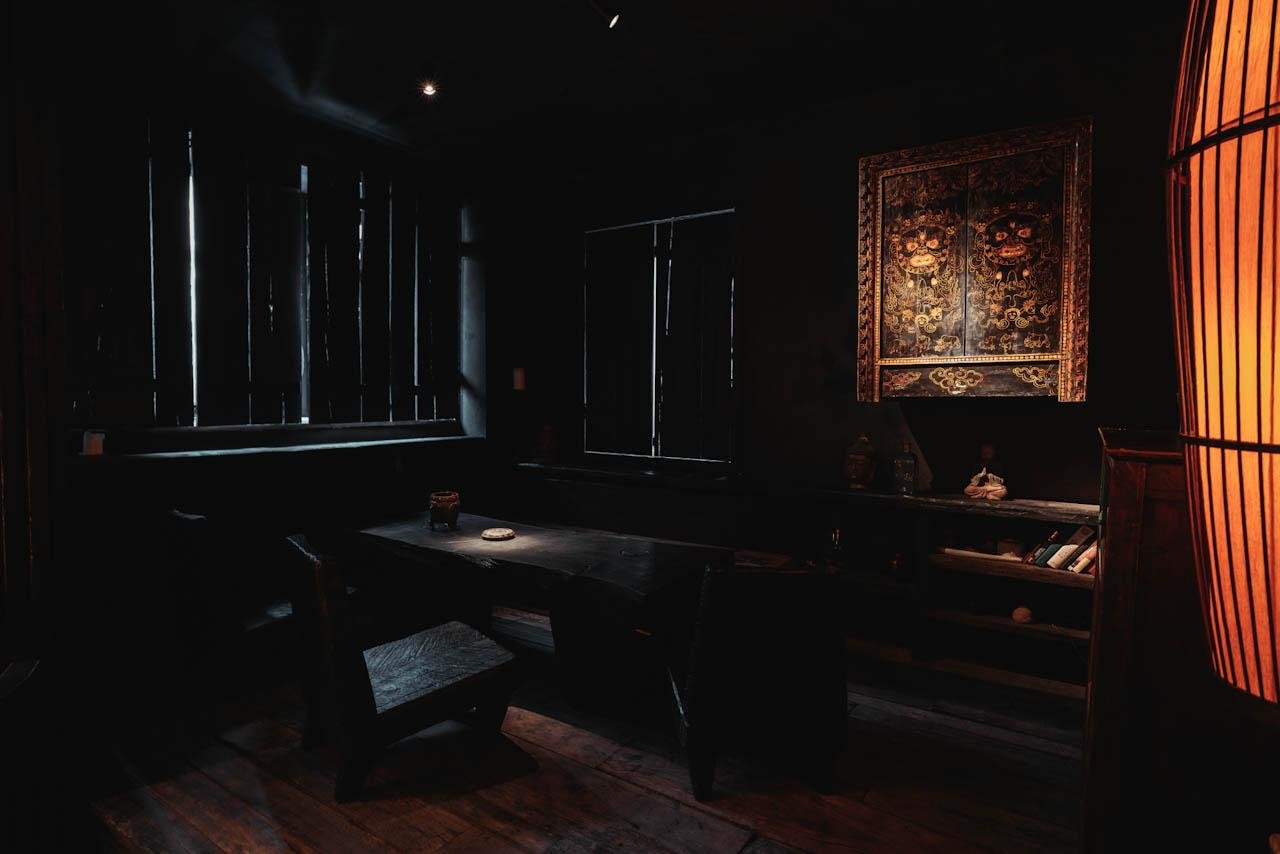
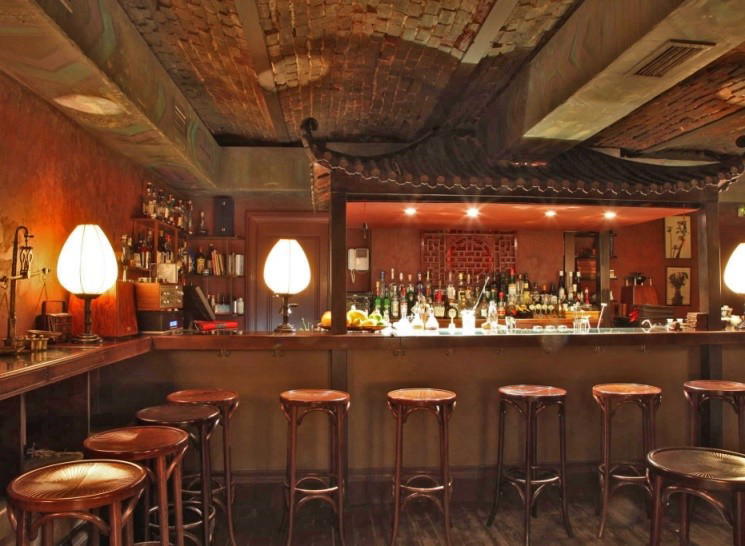
KU: Рамен Изакая Бар
The wine
- Wine program
- Curated wine list
- Sake program
- Craft cocktails
Details
- Minimalist
- Cozy
- Modern
- After Work
- Casual Hangout
- Late Night
- Open Kitchen
- Sake Program
- Craft Cocktails
- A La Carte
- Small Plates
- Sake
- Cocktails
- Vegetarian Friendly
Current opening hours
- Monday
- 11 AM–12 AM
- Tuesday
- 11 AM–12 AM
- Wednesday
- 11 AM–12 AM
- Thursday
- 11 AM–12 AM
- Friday
- 11 AM–12 AM
- Saturday
- 11 AM–12 AM
- Sunday
- 11 AM–12 AM
Hours can change for holidays and private events. Last verified .
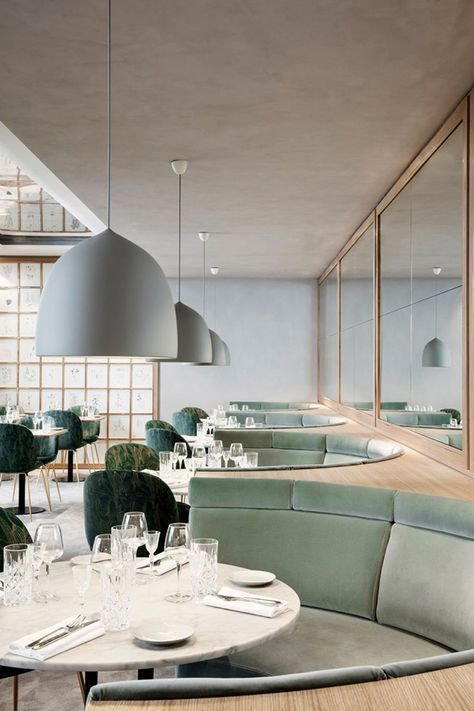
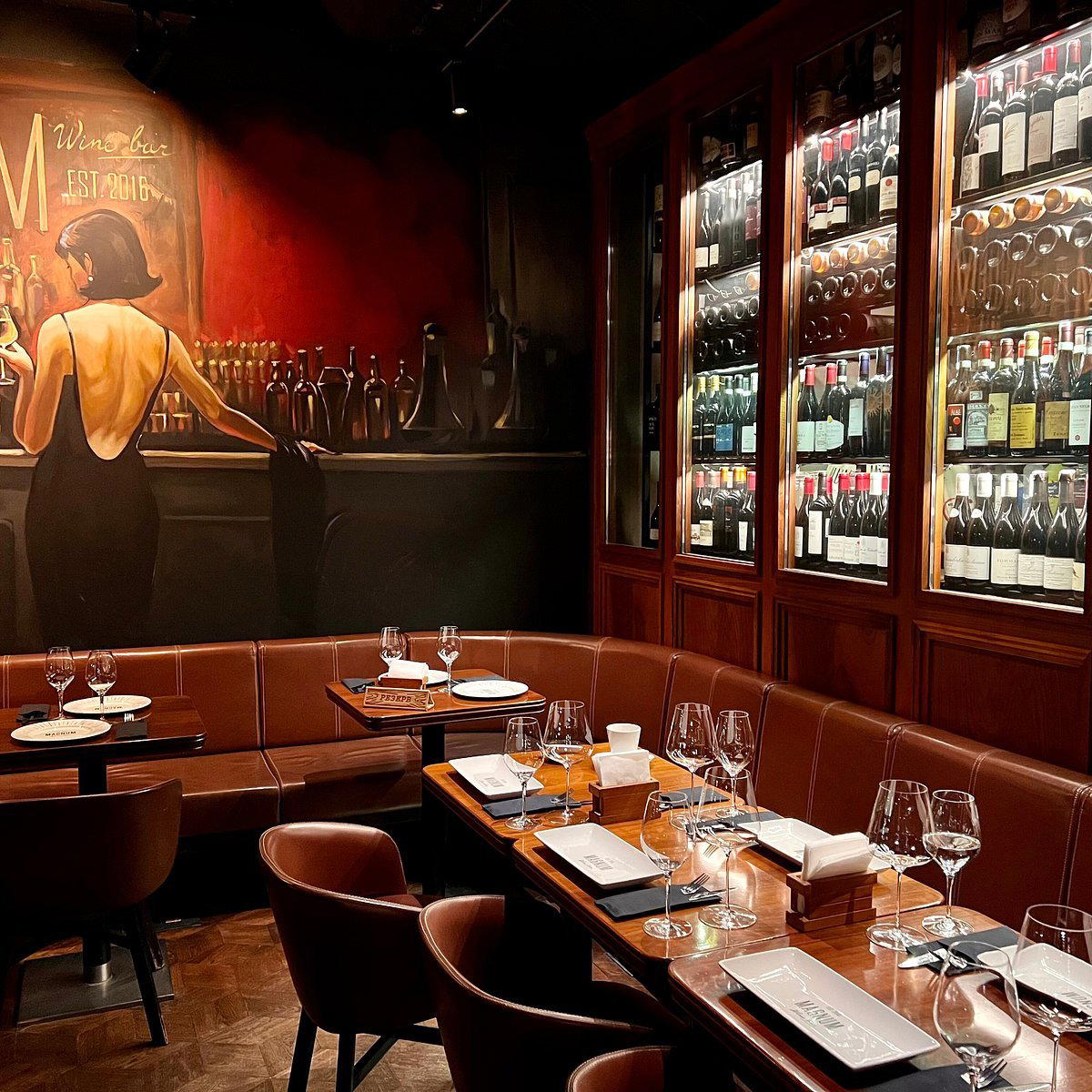
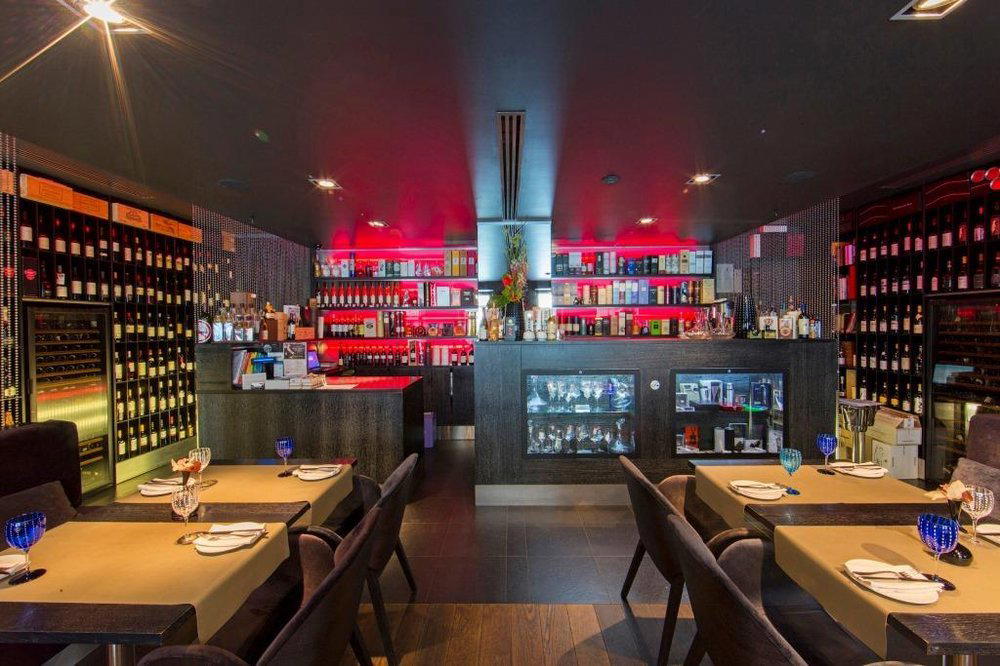
Minimalist Japanese style with natural wood, light, open kitchen, and restrained elegance.