Bourgeois Bohemians


Bourgeois Bohemians occupies a specific position in St. Petersburg's fine dining conversation: a Russian-European kitchen on Vilenskiy Pereulok earning consecutive La Liste recognition (88 points in 2025, 89 in 2026) under chefs Artem and Aleksey Grebenshchikov.
Pearl is the En Primeur Club membership app — saves, bookings, and concierge access live there. Same editors, same standards.
- Address
- Vilenskiy Pereulok, 15, St Petersburg, Russia, 191014
- Phone
- +7 911 149-17-70
- Website
- bobospb.ru
- Directions
- Get directions
 Saves & bookings on Pearl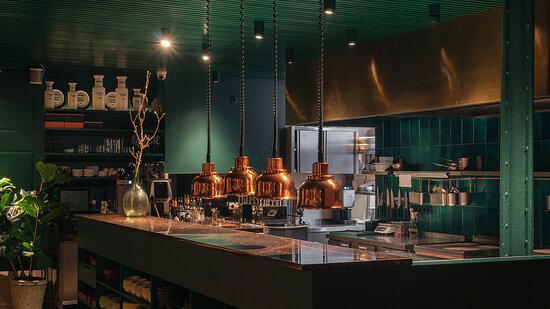
A Side Street in Peterburg That Rewards Attention
Vilenskiy Pereulok is not one of St. Petersburg's broad imperial corridors. It is the kind of address that requires a decision to find it, a narrow lane off the city's inner grid where the architecture is handsome but unshowy and the foot traffic belongs to residents rather than tourists. This is the environment that houses Bourgeois Bohemians, a contemporary European fine dining restaurant in St. Restaurants that choose quieter streets in this city are rarely gambling on passing trade; they are betting on reputation and repeat visitors, which imposes a discipline on the kitchen that trophy locations rarely demand.
St. Petersburg's serious dining scene has developed along several distinct lines over the past decade. One strand runs through the grand hotel dining rooms, the kind of European formality that the city's imperial inheritance practically requires, and Percorso at the Four Seasons represents that bracket with its Russian-French approach inside a landmark building. Another strand has moved toward raw and fermented coastal produce, with places like Tartarbar building a seafood-forward identity around the country's northern waters. Bourgeois Bohemians occupies a third position: the Russian-European kitchen that is neither hotel-polished nor genre-specific, but draws from the breadth of continental technique while keeping Russian materials and sensibility at the centre.
What Consecutive La Liste Recognition Actually Signals
A score in the high eighties on La Liste places a restaurant inside a globally competitive peer group, not merely a local one. In St. Petersburg specifically, where the number of internationally recognised addresses remains limited, an 89-point score carries weight as a signal of category standing.
The chefs behind this recognition are Artem and Aleksey Grebenshchikov. The chefs behind this recognition are Artem and Aleksey Grebenshchikov. Twins Garden in Moscow, where twin brothers Ivan and Sergey Berezutsky have built one of Russia's most-discussed tasting menus around a shared culinary vocabulary. Whether a paired kitchen produces stylistic coherence or productive tension depends entirely on the individuals involved, but the format does tend to concentrate creative authority rather than distribute it, which has implications for consistency.
The Russian-European Framework: What It Means at This Level
Russian-European cuisine as a category is broad enough to be almost meaningless at lower price points, where it often describes a menu of European classics with occasional local ingredient substitutions. At the level Bourgeois Bohemians occupies, the category implies something more specific: a genuine negotiation between continental technique (the classical French saucing tradition, central European preservation methods, northern European restraint with seasoning) and Russian raw materials, which include some of the world's more distinctive ingredients, Siberian fish, Arctic berries, fermented dairy products, game from regions with no Western European equivalent.
This is the same negotiation that Сад (Sad) engages with in its own format, and that Frantsuza Bistrot approaches from a more explicitly French starting point. The difference between these kitchens lies less in their ingredient lists than in where the creative gravity sits: which tradition is the host and which is the guest. At the restaurant, the name itself offers a clue, a phrase that carries ironic, cultured weight in Russian intellectual history, suggesting a kitchen comfortable with European frames of reference while aware of their social charge.
Elsewhere in Russia, the Russian-European conversation plays out differently depending on the city. SAGE in Moscow and Probka na Cvetnom represent Moscow's version of the same category, while regional kitchens like SEASONS in Kaliningrad and La Colline in Bolshoye Sareyevo have developed their own local inflections. Leo Wine & Kitchen in Rostov and Tsarskaya Okhota in Zhukovka show how far the Russian-European framework has spread beyond the two major cities. Within St. Petersburg, Il Lago dei Cigni offers a point of comparison at the Italian-Russian intersection, while Birch has built a profile around Scandinavian-influenced local cooking. The restaurant sits in the middle of this peer group as one of the addresses with sustained external validation.
Reading the Guest Response
7 from 700 reviews is not incidental data. At nearly 700 reviews, the sample size is large enough to smooth out outliers, and a 4.7 average at that volume suggests consistent execution rather than a handful of notable nights. Holding 4.7 at this volume is a signal that the kitchen and front-of-house are delivering at a reliable level, not just on high-profile occasions.
Planning a Visit
The restaurant is located at Vilenskiy Pereulok, 15, in the central Peterburg postcode 191014, reachable from the Ploshchad Vosstaniya or Mayakovskaya metro stations, both within comfortable walking distance. The restaurant operates in a neighbourhood that combines residential calm with proximity to the city's main Nevsky corridor, which means arrival on foot from a central hotel is practical. The restaurant is reservation essential and is open Monday to Thursday and Sunday from 1 to 11:30 PM, and Friday and Saturday from 1 PM to midnight. Expect a smart casual dress code. Demand at internationally recognised addresses in Peterburg's limited fine dining tier has historically required advance reservation, particularly at weekends.
A Quick Peer Check
Comparable venues nearby, for context on price, style, and recognition.
| Venue | Cuisine | Price | Notes |
|---|---|---|---|
| Bourgeois BohemiansThis venue — the venue you are viewing | Contemporary European Fine Dining | $$$ | Not listed |
| Frantsuza Bistrot | Modern French Bistro | $$$ | Petrogradka |
| пробка - Probka | Modern Italian Trattoria | $$$ | Petrogradskaya Side |
| Percorso at the Four Seasons | Modern Italian | $$$$ | Admiralteysky |
| Сад - Sad | Modern Rustic European | $$$ | Petrogradsky District |
| Tartarbar | Modern European Tartare Specialist | $$ | City Center |
Recognition history
Dated appearances from independent guides and award organizations, with the underlying list record or original source where available.
La Liste Top Restaurants
La Liste
La Liste Top Restaurants
La Liste
The Best Chef One Knife
The Best Chef
Continue exploring
More in Sankt-Peterburg
Restaurants in Sankt-Peterburg
Browse all →
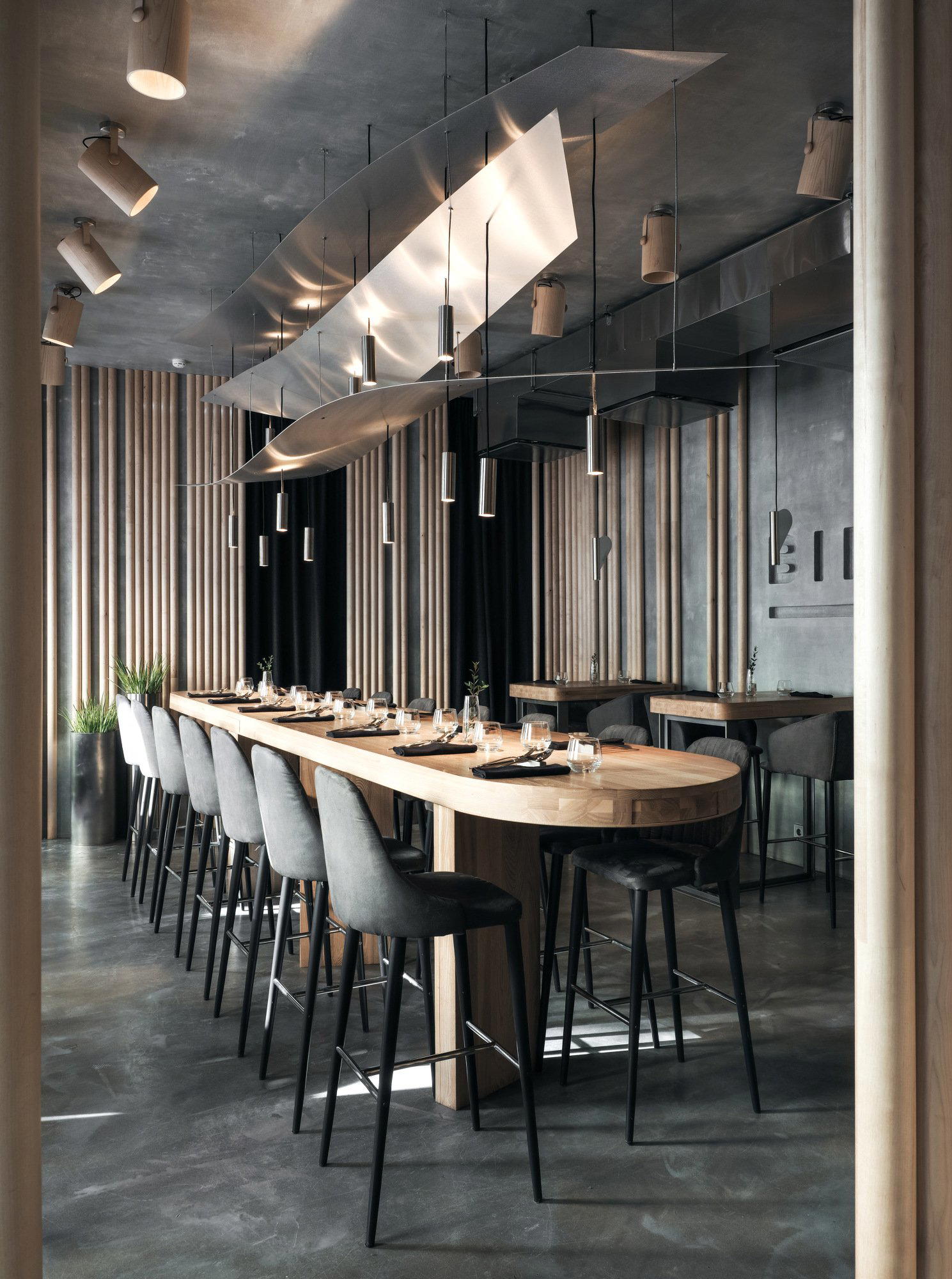
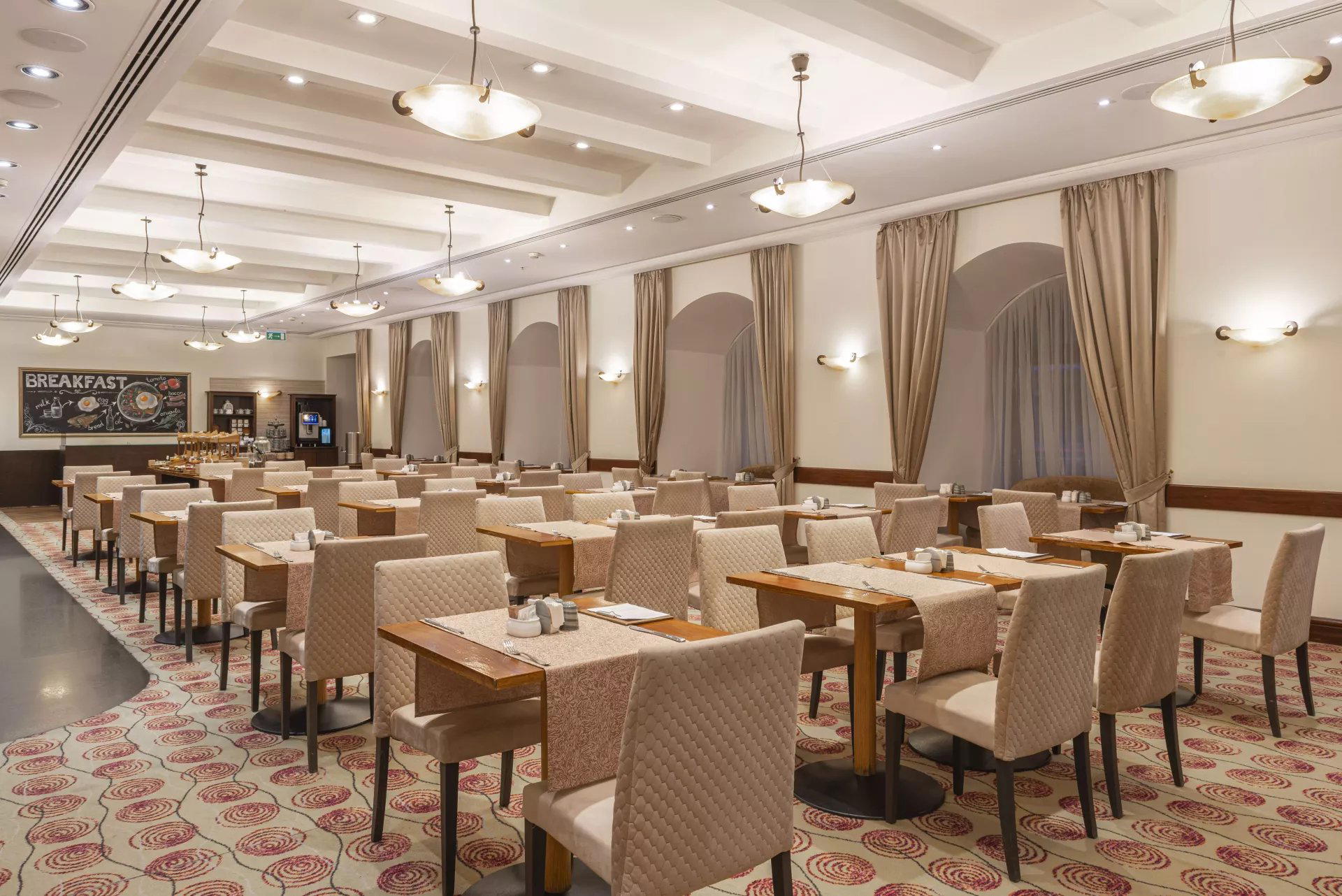
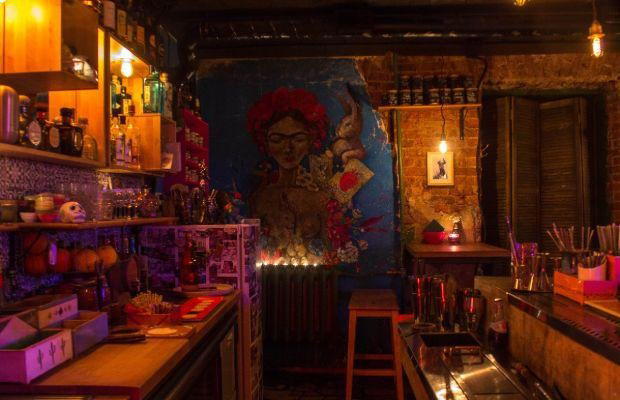
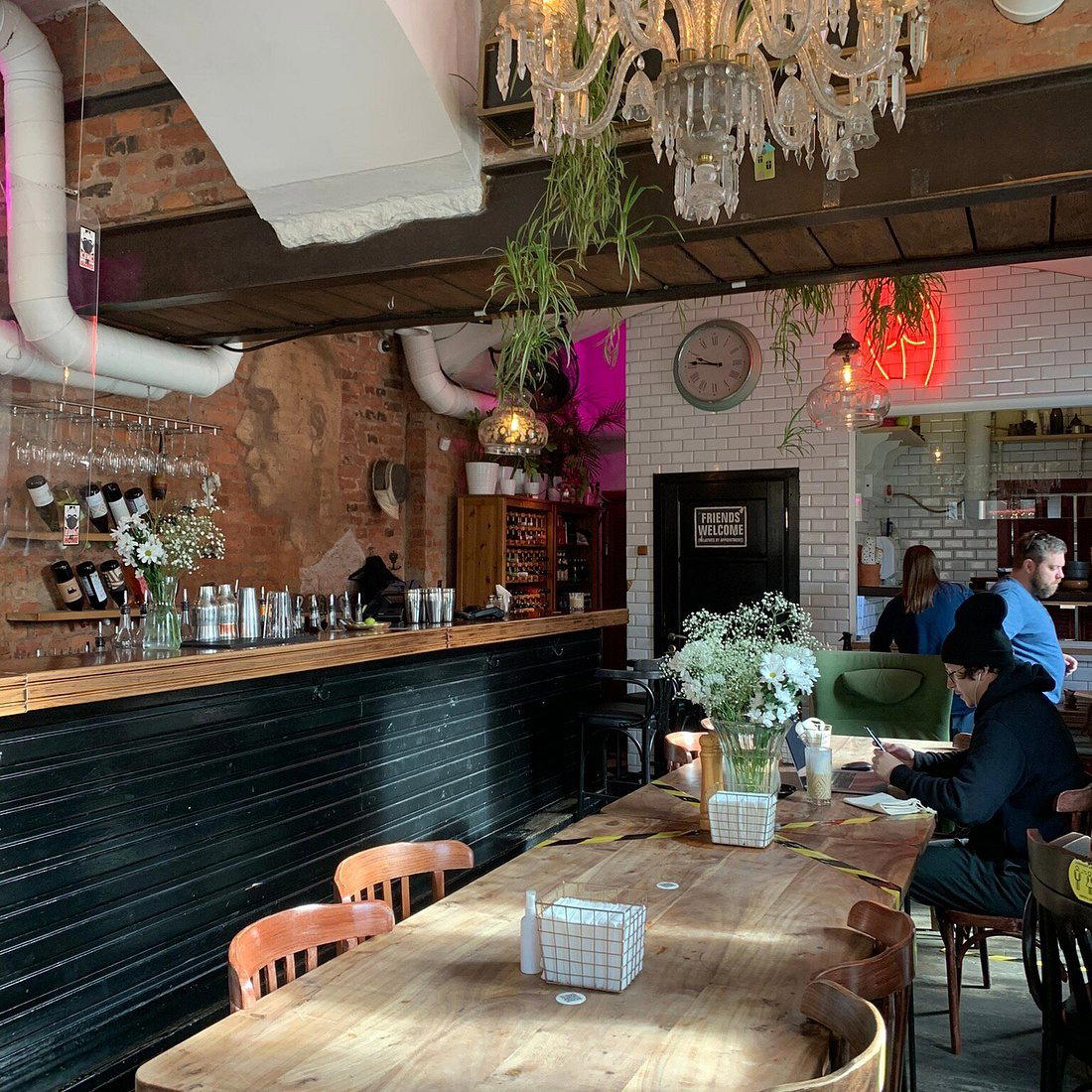
Bars in Sankt-Peterburg
Browse all →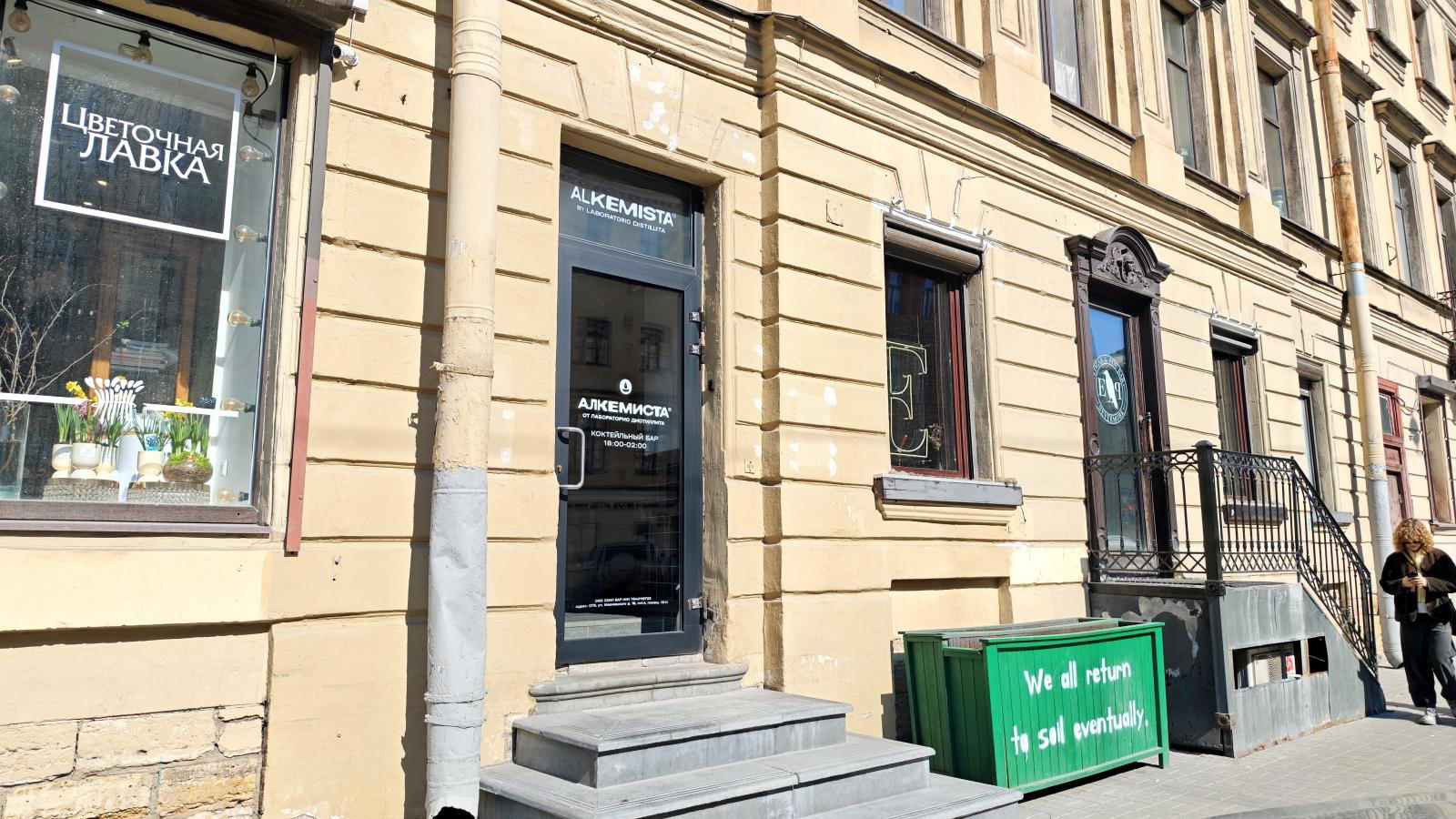
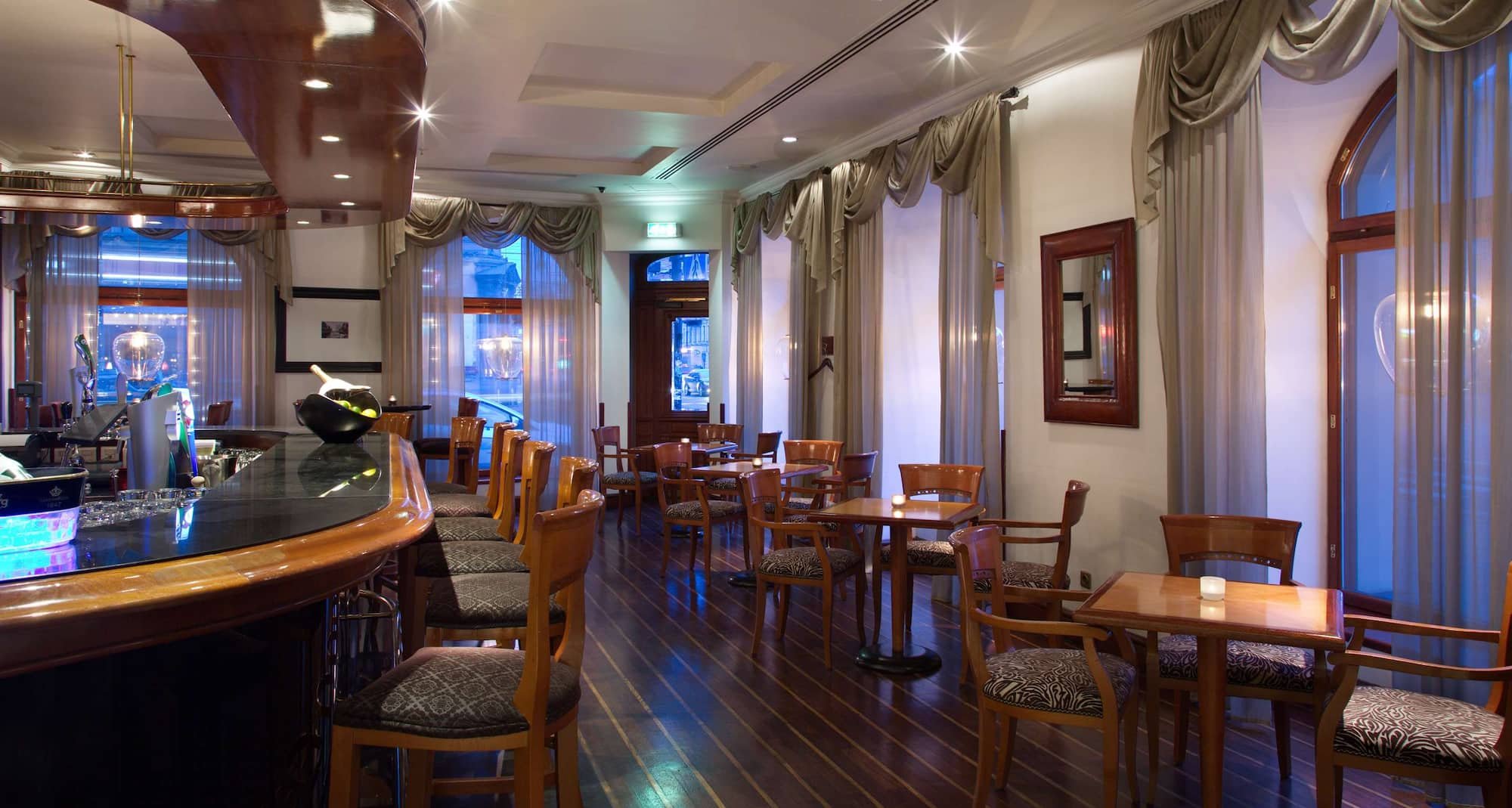

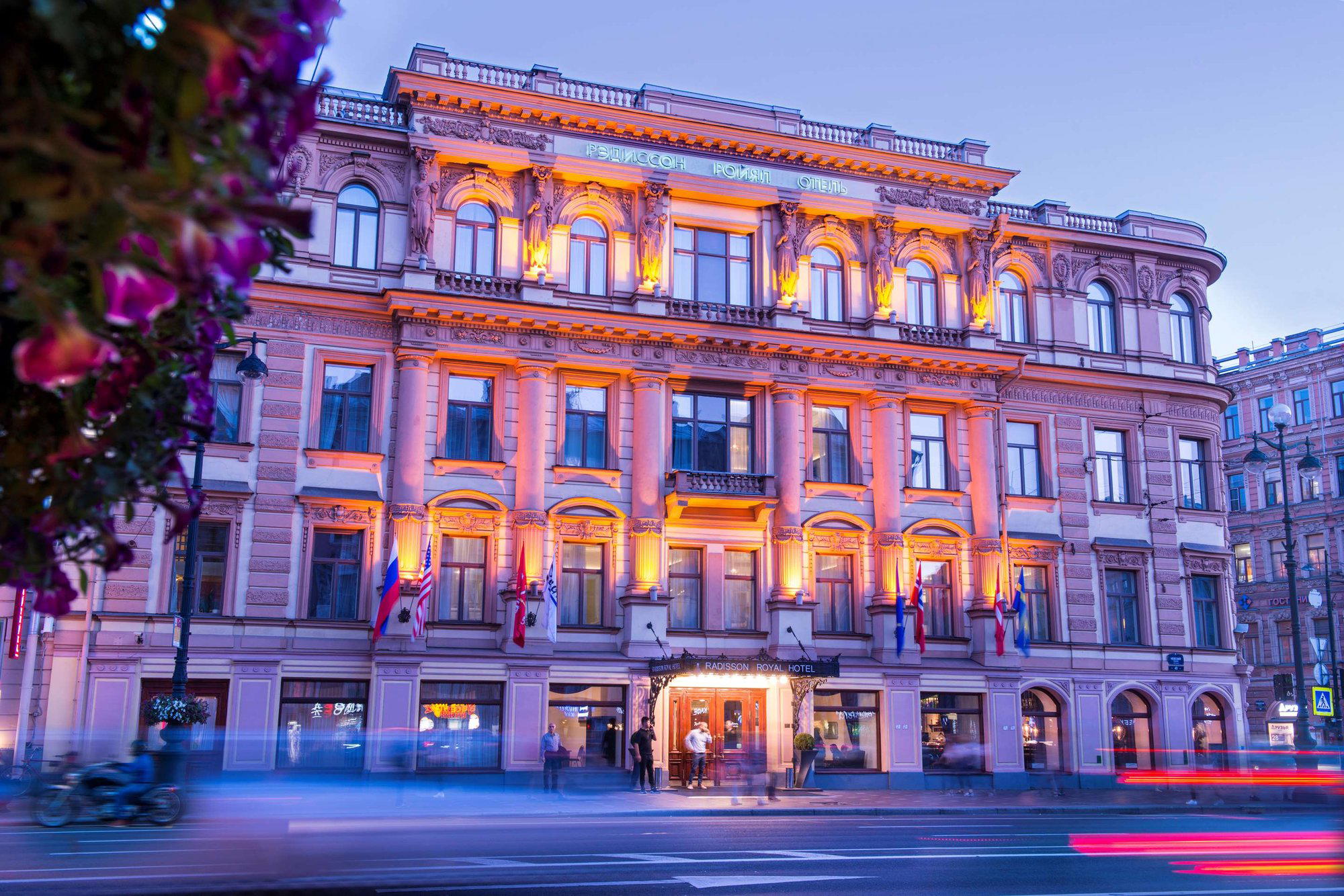
Hotels in Sankt-Peterburg
Browse all →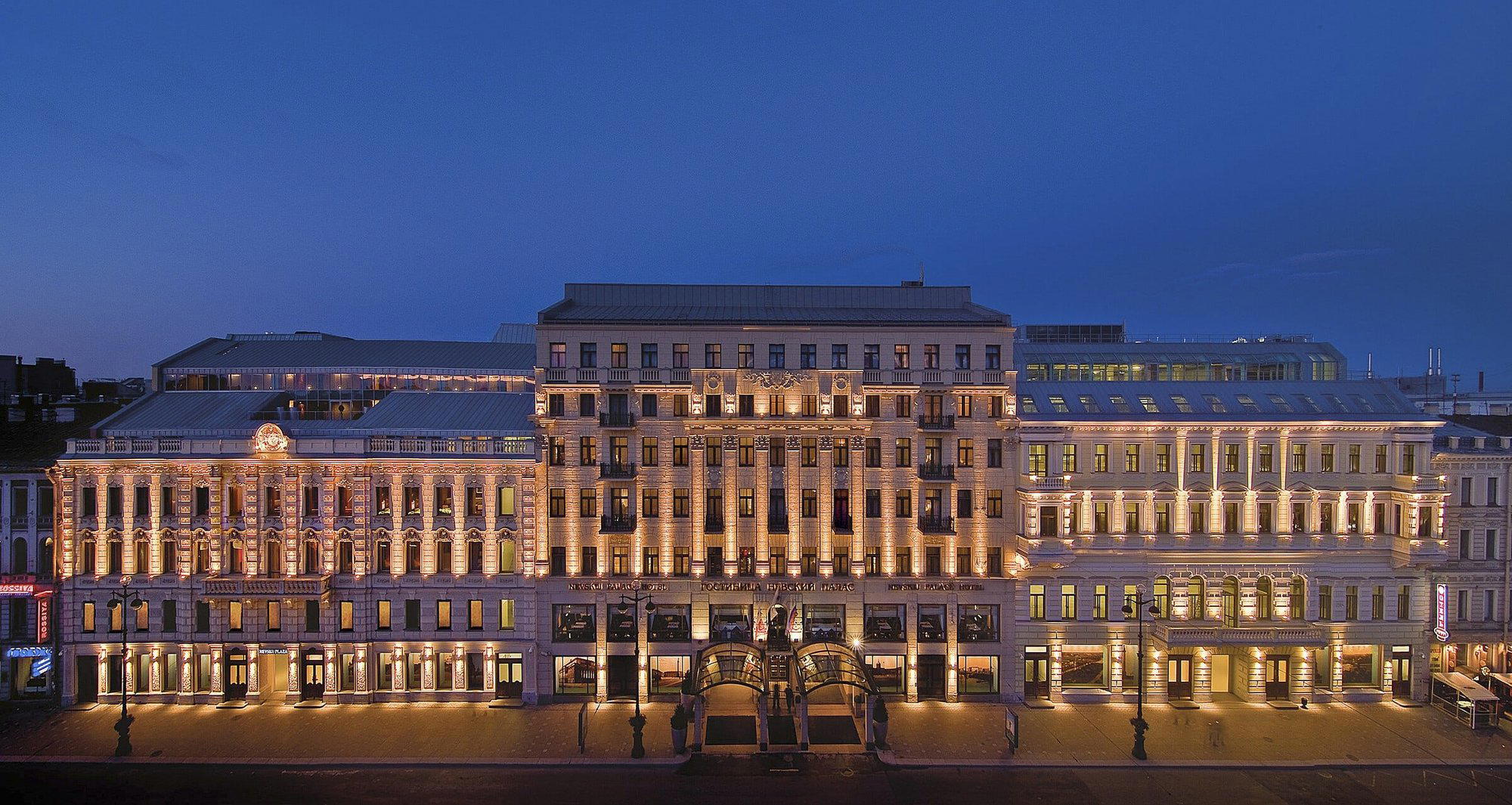
At a Glance
- Elegant
- Sophisticated
- Intimate
- Modern
- Minimalist
- Date Night
- Special Occasion
- Celebration
- Design Destination
- Standalone
- Sommelier Led
- Local Sourcing
Current opening hours
- Monday
- 1–11:30 PM
- Tuesday
- 1–11:30 PM
- Wednesday
- 1–11:30 PM
- Thursday
- 1–11:30 PM
- Friday
- 1 PM–12 AM
- Saturday
- 1 PM–12 AM
- Sunday
- 1–11:30 PM
Hours can change for holidays and private events. Last verified .
Simple yet stylish interior with minimalist design; intimate tables positioned closely together; focused lighting that emphasizes the food presentation; quiet, refined atmosphere that prioritizes the gastronomic experience over décor.