La Colline

La Colline sits in the Moscow Oblast suburb of Bolshoye Sareyevo, earning back-to-back placement on La Liste's Top Restaurants ranking with 85 points in 2025 and 83 in 2026. For dining beyond the Garden Ring, it occupies a tier few suburban addresses reach.
Pearl is the En Primeur Club membership app — saves, bookings, and concierge access live there. Same editors, same standards.
- Address
- Ulitsa Rechnaya, 1, Bol'shoe Sareevo, Moscow Oblast, Russia, 143033
- Phone
- +7 495 635-55-77
- Website
- la-colline.ru
- Directions
- Get directions
 Saves & bookings on Pearl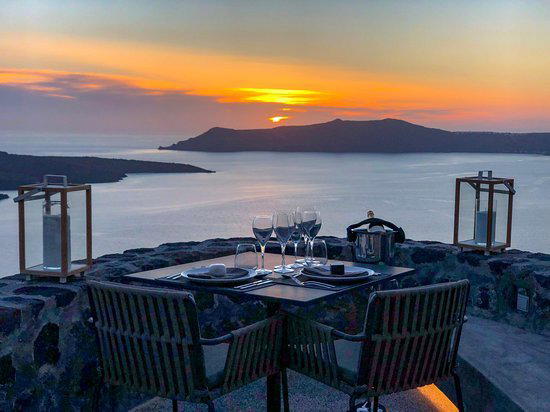
Arriving on Ulitsa Rechnaya
The address itself sets expectations. Ulitsa Rechnaya, River Street, runs through Bolshoye Sareyevo, a Moscow Oblast settlement that sits well outside the density and restaurant competition of the capital's centre. Arriving here, the surroundings are quiet in a way that central Moscow almost never is: the Moscow Oblast fringe has a particular stillness, and La Colline uses it. The physical remove from the city's dining clusters is not incidental; it shapes who comes, how long they stay, and what the kitchen can reasonably demand of its guests in terms of attention. Suburban destination dining in Russia follows a pattern established by estates and country houses on the city's periphery, the distance becomes part of the offer, signalling that a visit is deliberate rather than impulsive.
Where La Colline Sits in the Russian Cuisine Conversation
Russian cuisine at the serious end of the market has split into two broad tendencies over the past decade. One branch reaches toward European technique as a framework, using Russian ingredients as raw material but structuring them through French or Scandinavian logic. The other maintains a more rooted relationship with the original traditions: fermentation, preservation, game, river fish, grains, and dairy in forms that predate modernist influence. La Colline operates within that Russian cuisine category, placing it in a comparable set that includes Varvary, Russian Cuisine in Moscow and Artest, Russian Cuisine in Moscow, rather than the modern European registers of Twins Garden in Moscow or Selfie.
La Liste's inclusion is the clearest trust signal available. The 2025 score of 85 points, followed by 83 in 2026, puts the restaurant in the same global ranking framework as restaurants receiving critical attention. La Liste aggregates international and local critical sources, so sustained presence in its tables reflects a consistent kitchen performance rather than a single high-scoring year. A two-point movement between editions is within normal fluctuation for restaurants at this level; it does not indicate decline so much as the ordinary variance of aggregated scores.
The Sourcing Logic Behind Russian Cuisine at This Level
The editorial angle that defines serious Russian cuisine in the current period is ingredient provenance. Russia's geography means that sourcing decisions are unusually consequential: the distance between a kitchen in the Moscow Oblast and the rivers of Siberia, the forests of the Urals, or the agricultural plains of the south is enormous, and how a restaurant resolves that distance tells you a great deal about its priorities. The farms and producers within reach of a Moscow Oblast address are not the same as those supplying a city-centre kitchen; the suburban location creates both constraints and opportunities in terms of what arrives fresh and what travels well.
The Russian cuisine tradition is built on ingredients with long shelf lives, salt-cured fish, pickled vegetables, dried mushrooms, smoked meats, aged dairy, precisely because Russian winters historically made year-round fresh supply impossible. A kitchen working seriously within that tradition is not just cooking old recipes; it is engaging with a set of preservation and transformation techniques that carry real culinary depth. Pike, perch, and sterlet from Russian rivers; porcini and chanterelles from northern forests; smetana, tvorog, and kefir-based products from regional dairies; game from managed estates, these are the ingredient categories that define the tradition. Restaurants that take sourcing seriously within Russian cuisine treat these not as nostalgic references but as the actual substance of the cooking.
This is the context in which the restaurant's positioning matters. A La Liste-ranked Russian cuisine restaurant in the Moscow Oblast is making a specific claim: that the food justifies the distance, and that the ingredients, and what the kitchen does with them, are the reason. Comparable ambition in the Russian cuisine space can be tracked across the country: Birch in St. Petersburg and Frantsuza Bistrot, Russian Cuisine in Sankt-Peterburg represent how that same conversation plays out in the northern capital, while SEASONS in Kaliningrad shows the regional variation possible when Baltic proximity changes the sourcing map entirely.
The Suburban Destination Format
Destination dining outside city centres follows its own logic in Russia, where the dacha culture and the tradition of the country estate restaurant have long coexisted with urban dining. The Moscow Oblast contains a concentration of this format, with addresses like Царская Охота - Tsarskaya Okhota in Zhukovka representing the more explicitly themed end of the spectrum. The restaurant sits in this geography without the theatrical hunting-lodge register; the La Liste recognition suggests a more restrained, technique-focused approach, though the specifics of the room and menu are not a matter of public record in sufficient detail to describe precisely here.
What the format typically demands of guests making the Moscow Oblast journey is a full evening rather than a quick dinner. The distance creates a natural expectation of longer table times, which in turn allows kitchens to structure more elaborate sequences. Russian cuisine lends itself to this: a serious zakuski spread, followed by soup, a main course built around game or fish, and a dessert course drawing on berry and dairy traditions, constitutes a meal that takes time. For guests driving from Moscow, the journey itself, roughly analogous to the trips made to destination restaurants outside Paris or London, becomes part of the rhythm.
Planning a Visit
The restaurant's address is Ulitsa Rechnaya, 1, Bolshoye Sareyevo, Moscow Oblast, 143033. Reservations are recommended. The Russian dining calendar has its own rhythms: the period from September through early November, when autumn game and mushroom season coincides with cooling temperatures, is historically when Russian cuisine kitchens are working with the widest range of seasonal ingredients. Spring brings a different register, young greens, river fish coming off winter, but autumn is the season that most completely expresses the pantry depth this cuisine type commands.
How It Stacks Up
Comparable venues nearby, for context on price, style, and recognition.
| Venue | Cuisine | Price | Notes |
|---|---|---|---|
| La CollineThis venue — the venue you are viewing | Contemporary French with Mediterranean influences | $$$ | Not listed |
| Confectionary Pushkin | French Patisserie & Confectionery | $$$ | Tverskoy District |
| Горыныч - Gorynych | Modern Russian Grill | $$$ | Central (TsAO) |
| Уголек - Ugolek | Modern Mediterranean Grill | $$$ | Tverskoy District |
| Olluco | Peruvian-Russian Fusion Fine Dining | $$$$ | Central Moscow |
| Balzi Rossi | Modern Italian Mediterranean | $$$ | Presnensky |
Recognition history
Dated appearances from independent guides and award organizations, with the underlying list record or original source where available.
La Liste Top Restaurants
La Liste
La Liste Top Restaurants
La Liste
Continue exploring
More in Bolshoye Sareyevo
Restaurants in Bolshoye Sareyevo
Browse all →
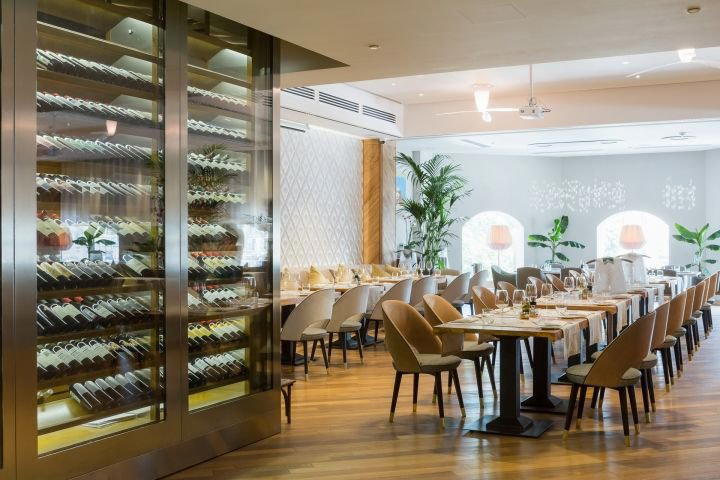
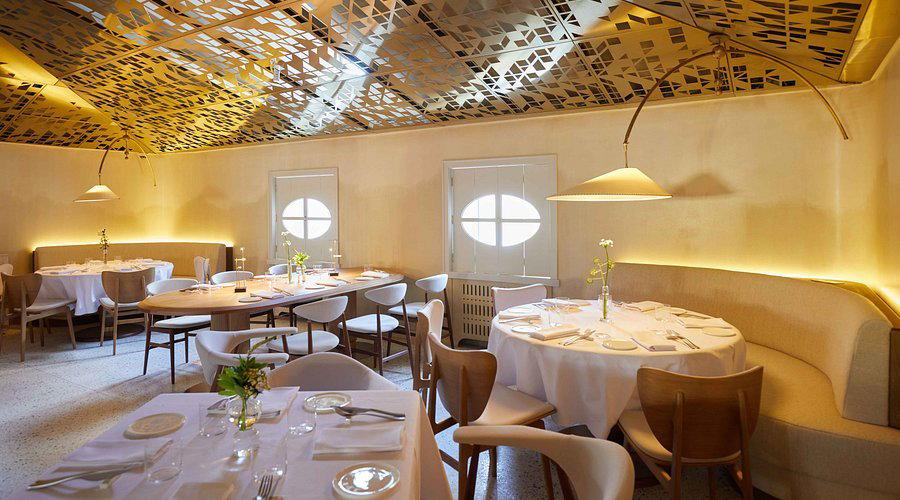
Bars in Bolshoye Sareyevo
Browse all →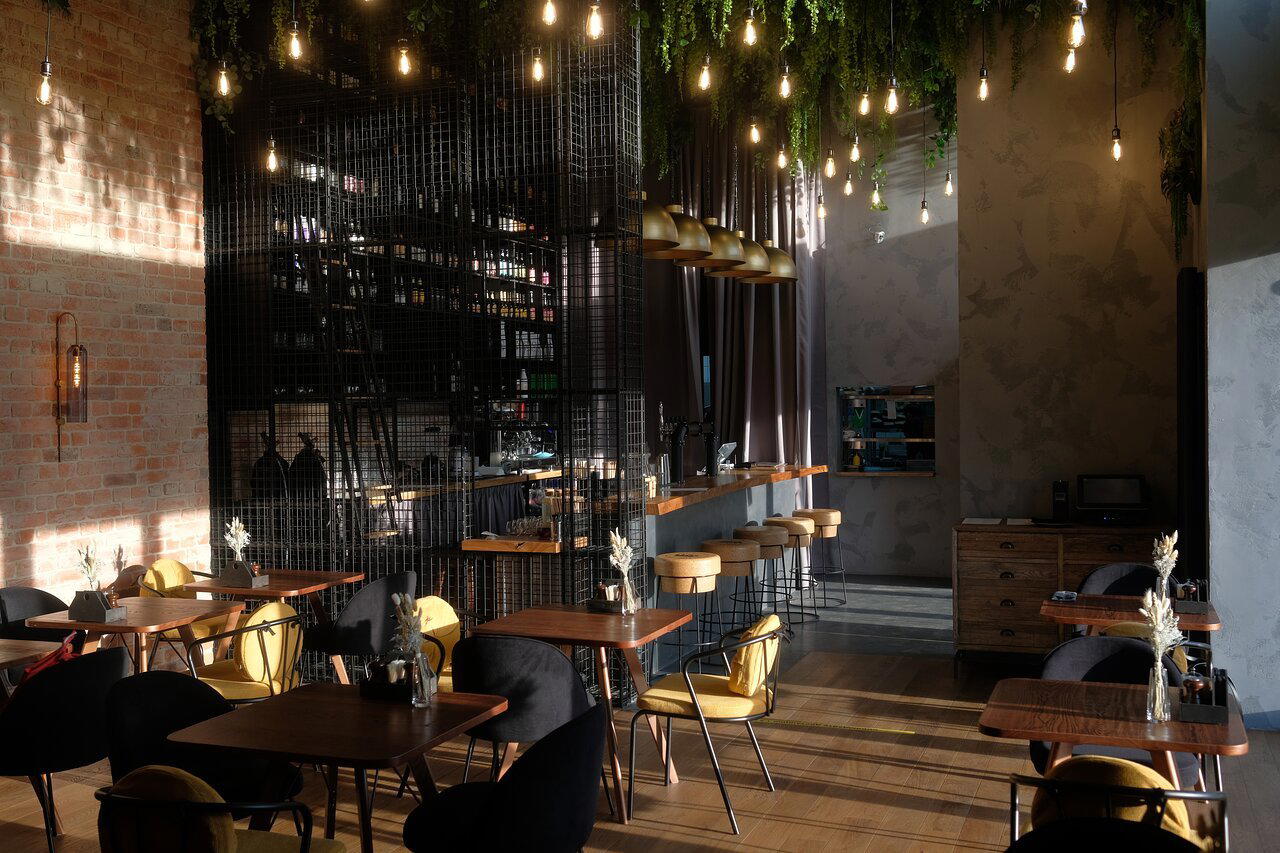
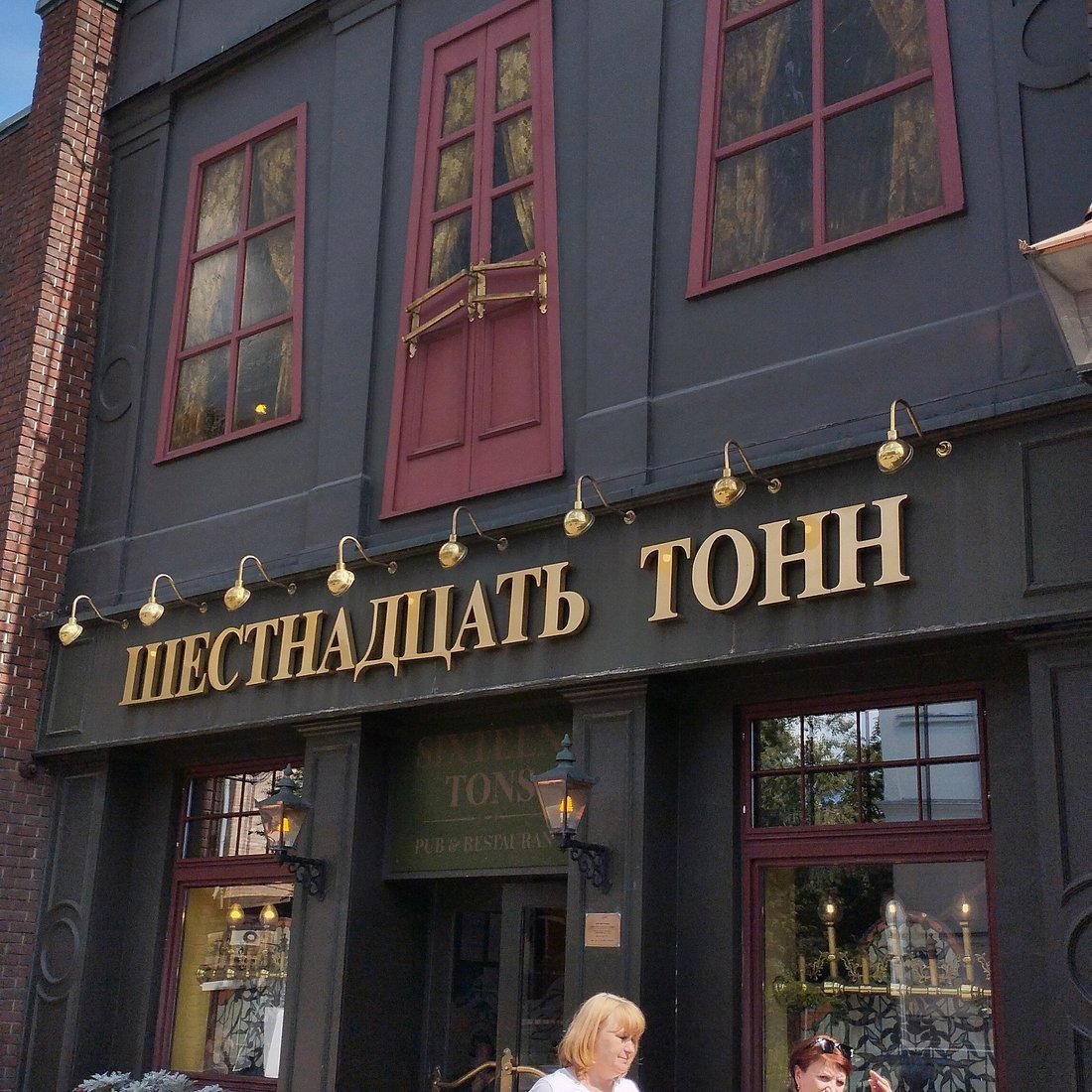
At a Glance
- Elegant
- Cozy
- Intimate
- Sophisticated
- Date Night
- Business Dinner
- Special Occasion
- Family
- Terrace
- Garden
- Private Dining
- Extensive Wine List
- Local Sourcing
- Garden
Current opening hours
- Monday
- Closed
- Tuesday
- Closed
- Wednesday
- 1–10 PM
- Thursday
- 1–10 PM
- Friday
- 1–10 PM
- Saturday
- 12–10 PM
- Sunday
- 12–10 PM
Hours can change for holidays and private events. Last verified .
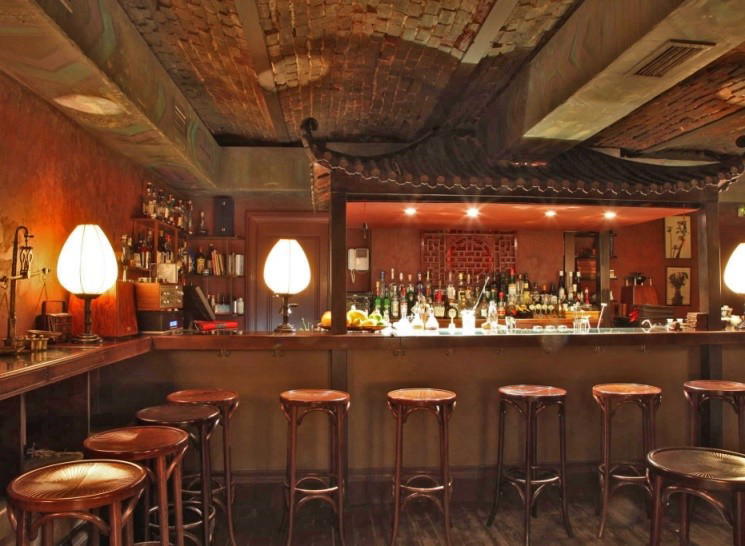
Warm, practical lighting in intimate dining rooms with original stone walls, large windows framing garden views, and a relaxed yet polished country house atmosphere.