COCOCO Bistro
On the Admiralty Canal embankment, COCOCO Bistro has become one of Saint Petersburg's most discussed addresses for Russian ingredient-led cooking, drawing a crowd that takes both the sourcing and the setting seriously. The restaurant sits within a broader shift in the city's dining scene toward producers, regions, and seasons, territory that few Saint Petersburg kitchens pursue with the same consistency.
- Address
- Naberezhnaya Admiralteyskogo Kanala, 2, St Petersburg, Russia, 199034
- Phone
- +7 905 200 70 10
- Directions
- Get directions
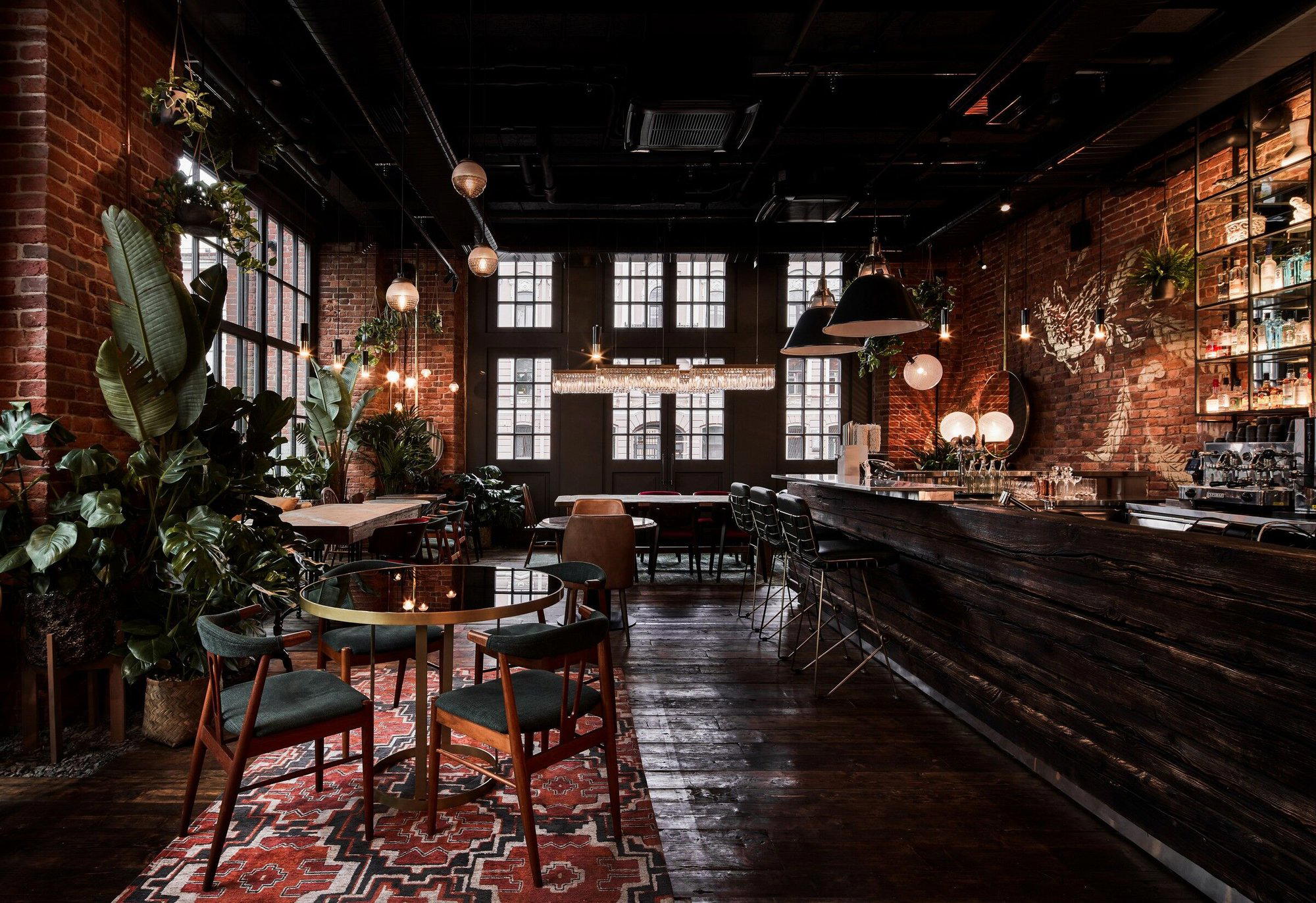
The Admiralty Embankment as Dining Address
The stretch of Naberezhnaya Admiralteyskogo Kanala running west from the Neva toward New Holland Island is not where Saint Petersburg's restaurant scene has historically concentrated. The tourist corridors of Nevsky Prospekt and the dining clusters of the Petrogradsky district draw more foot traffic and first-time visitors. The embankment address at building 2 puts COCOCO Bistro in Saint Petersburg, a quieter part of the city, the kind of location that filters the room toward guests who have made a specific decision to be there rather than those who arrived by proximity. COCOCO Bistro is a Modern Russian Bistro on Naberezhnaya Admiralteyskogo Kanala, 2, in Saint Petersburg, with a recommended reservation policy and an estimated price of about $25 per person. That self-selection shapes the atmosphere: the room tends to reward reservation-holders and regulars over walk-ins, and the pace reflects it.
The post-Soviet rush toward European and Mediterranean formats gave way to a period of calibrated Japanese and Scandinavian influence, and then, accelerated in part by sanctions-era import restrictions that changed what kitchens could actually source, a more deliberate turn toward Russian ingredients, Russian regions, and Russian culinary memory. COCOCO Bistro has been part of that last shift, occupying a position within the city's ingredient-conscious tier that connects it to a national conversation happening simultaneously at addresses like Twins Garden in Moscow, which has made Russian-sourced produce a structural commitment rather than a menu talking point.
Where the Food Comes From
Russian regional produce, Siberian river fish, northern berries, Altai grains, dairy from small farms outside the city, carries genuine supply-chain complexity in a country where cold-chain infrastructure outside major metropolitan corridors remains inconsistent. Kitchens that commit to this sourcing model are making an operational bet, not just a marketing one. The willingness to absorb that complexity, and to let seasonal availability shape what appears on the menu, is what separates an ingredient-forward program from a menu that uses origin language without the underlying purchasing relationships.
Dishes built around foraged mushrooms, cured fish from specific northern waters, or root vegetables from named producers disappear when the season ends or the harvest underperforms. That volatility is a feature of the format, not a flaw, it is the mechanism by which the sourcing commitment actually reaches the plate. Saint Petersburg's geography gives it access to the Gulf of Finland's fish stocks, the forests of the Leningrad Oblast, and supply lines north toward Karelia and east toward the Urals. A kitchen that maps its menu against those supply lines rather than against a fixed international template is working with genuinely different raw material than its more conventionally sourced neighbours.
Visitors comparing this approach to what they encounter at Birch in St. Petersburg, another address in the city's Russian-produce tier, will notice that the two kitchens draw from similar ingredient philosophies but arrive at different formats and atmospheres. The category is coherent enough now to be a recognisable strand of Saint Petersburg dining, not a single outlier position.
Saint Petersburg is not a one-register city. The range runs from casual neighbourhood places, Brichmula, King Pong, and Lev I Ptichka representing different registers of that accessible tier, through to restaurants like this one, where the room is quieter, the sourcing is a stated commitment, and the price point reflects both. Mickey & Monkeys and Oh! Mumbai represent the city's internationally-inflected casual dining, which runs parallel to and largely separately from the Russian-produce fine dining track.
The ingredient-conscious tier in Russia more broadly, which includes Bourgeois Bohemians in Sankt-Peterburg, La Colline in Bolshoye Sareyevo, and regionally, Leo Wine & Kitchen in Rostov and Alanskaya Kukhnya in Krasnodar, reflects a national trend toward regional identity in food that has no obvious precedent in Soviet-era dining and only a partial precedent in pre-revolutionary Russian cuisine. The comparison to how Nordic kitchens repositioned their own ingredient traditions in the 2000s and 2010s is imperfect but structurally useful: both movements use sourcing as an argument for cultural specificity, and both require the diner to revise assumptions about what refined cooking looks like when it is not organised around French or Italian templates.
Le Bernardin in New York City or Lazy Bear in San Francisco executes within their own sourcing commitments is instructive: the ambition is comparable even if the infrastructure, supply maturity, and critical apparatus are at different stages. Saint Petersburg is not operating on a global fine dining timeline, but it is operating on its own.
Elsewhere in Russia, addresses like Restaurant Baran-Rapan in Sochi, Primorskiy Prospekt, 72 in Staraya Derevnya, Tsarskaya Okhota in Zhukovka, and SEASONS in Kaliningrad suggest that the interest in serious, place-rooted dining extends well beyond Moscow and Saint Petersburg. The restaurant operates within that national current but with the specific advantage of a city whose northern latitude and proximity to Gulf of Finland fisheries, Baltic trade routes, and Karelian forest produce gives it a distinct ingredient palette to work with.
Planning Your Visit
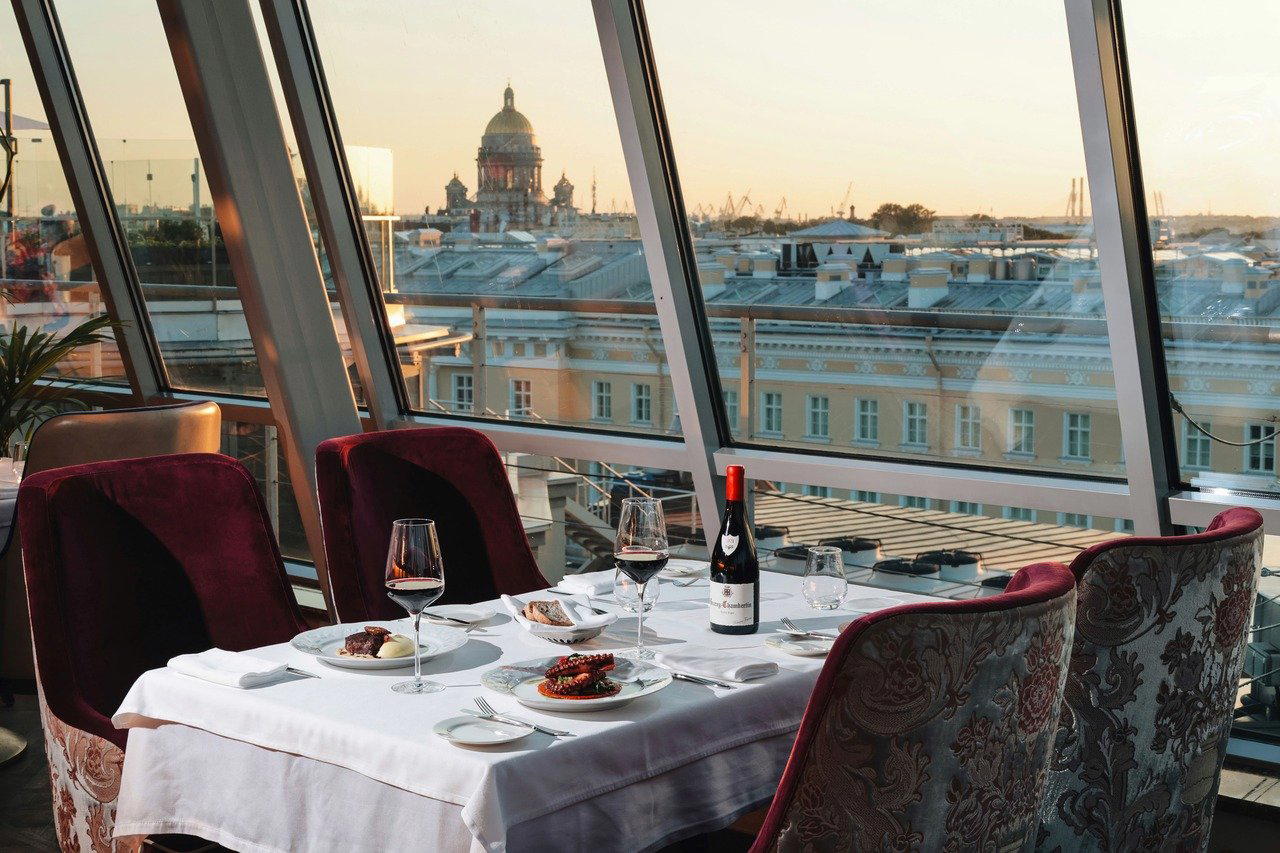
The Admiralteyskogo Kanala address puts the restaurant within walking distance of Saint Petersburg's historic centre, the Hermitage is roughly fifteen minutes on foot, but the embankment setting means evening arrivals have a view of the canal rather than the crowds of the main tourist artery. Reservations are advisable, particularly for weekend evenings; walk-in availability varies with the season and the day of the week.
Side-by-Side Snapshot
Comparable venues nearby, for context on price, style, and recognition.
| Venue | Cuisine | Price | Notes |
|---|---|---|---|
| COCOCO BistroThis venue — the venue you are viewing | Modern Russian Bistro | $$$ | Not listed |
| Lev I Ptichka | Georgian | $$ | Aptekarskiy |
| Restaurant "Aladasturi" | Georgian Cuisine | $$ | Staraya Derevnya |
| Mickey & Monkeys | American Cafe with Overshakes | $$ | Nevskiy |
| Rockets & Bishops | American Gastropub with Craft Beer | $$ | Admiralteyskaya |
| King Pong | Pan-Asian Wok | $ | Admiralteysky |
Continue exploring
More in Saint Petersburg City
Restaurants in Saint Petersburg City
Browse all →
Bars in Saint Petersburg City
Browse all →
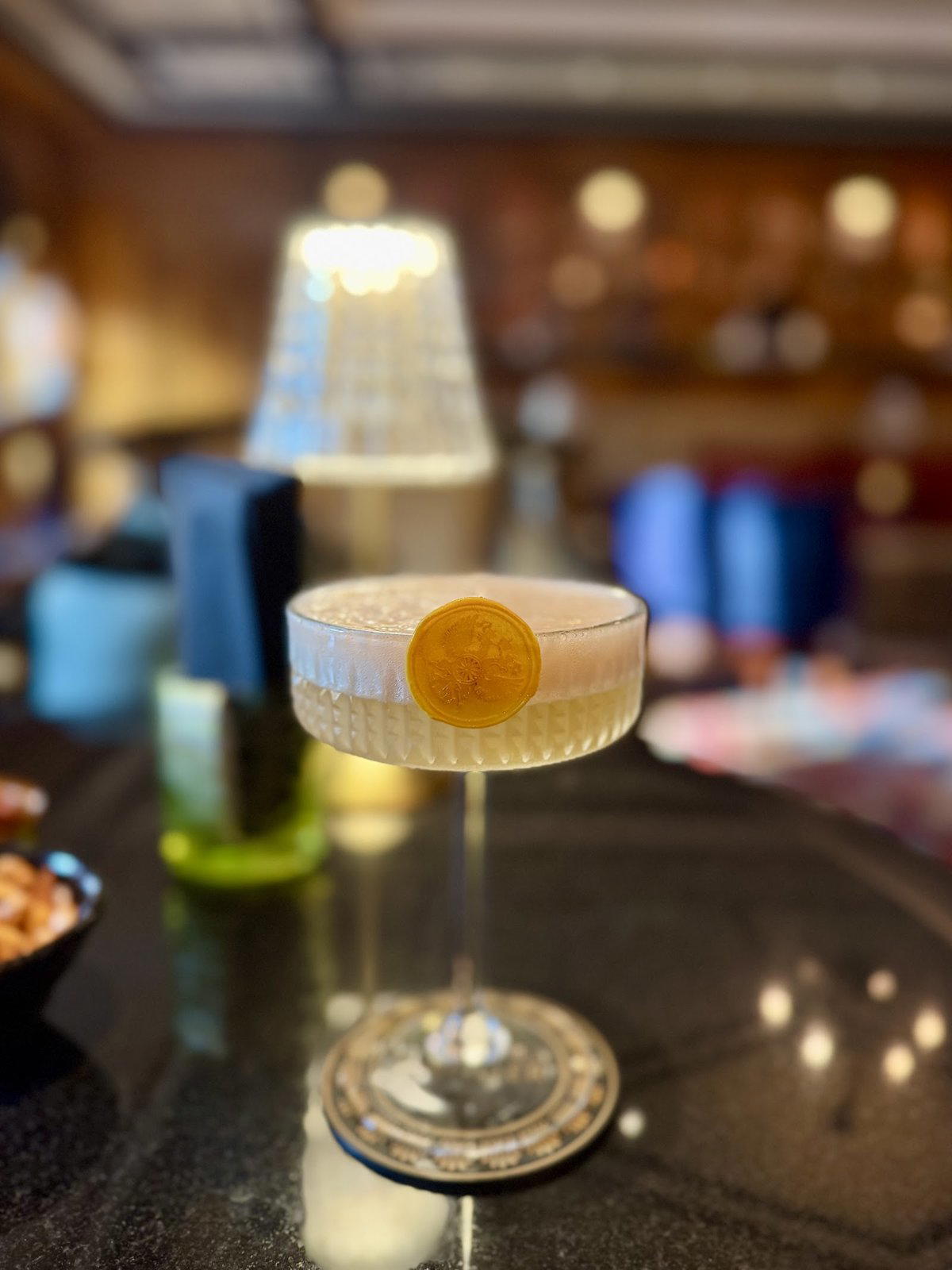
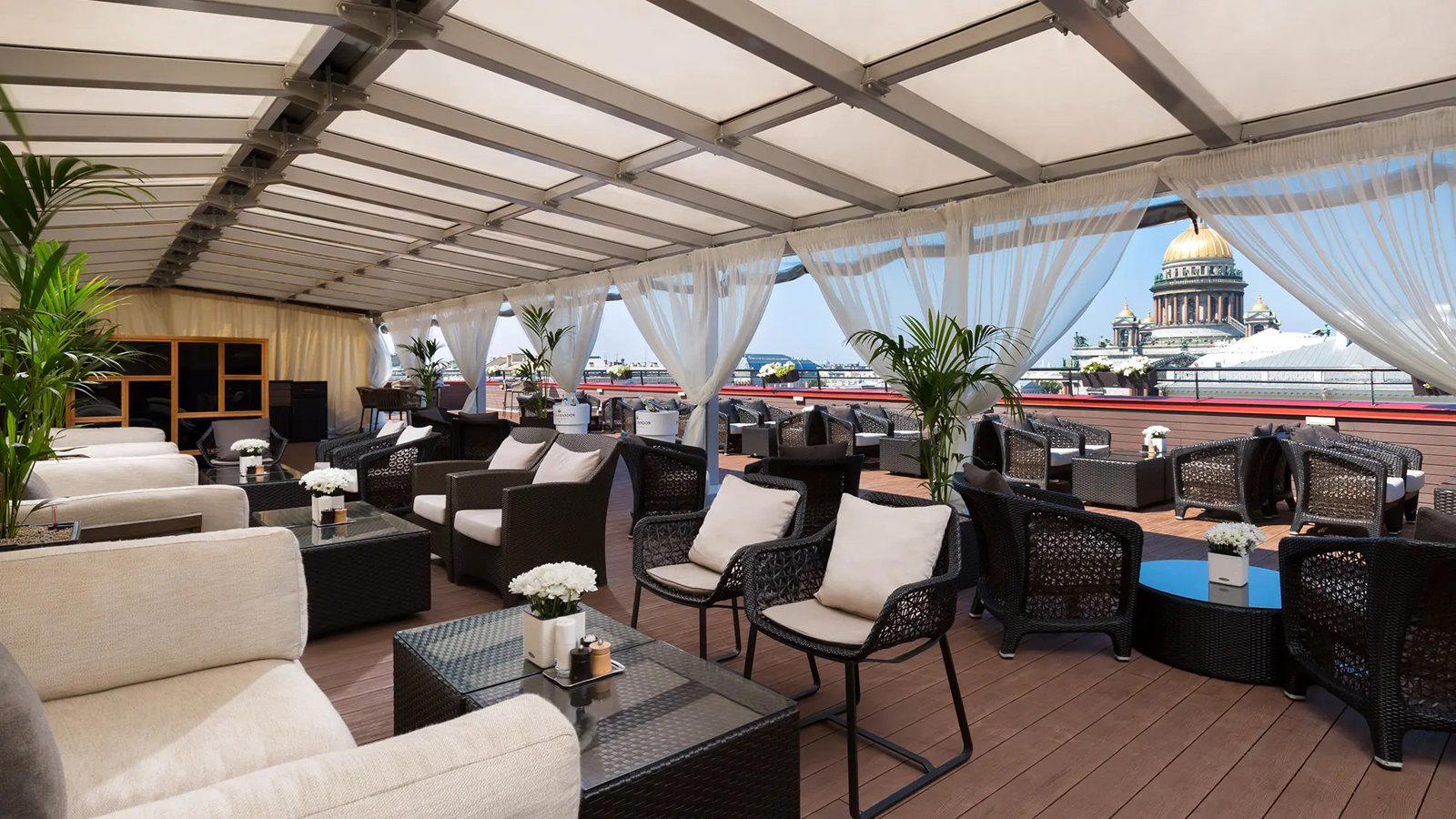
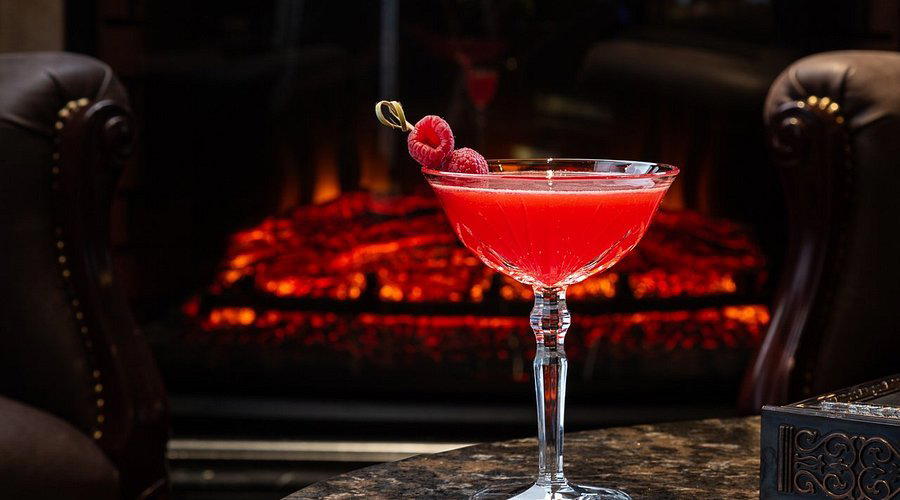

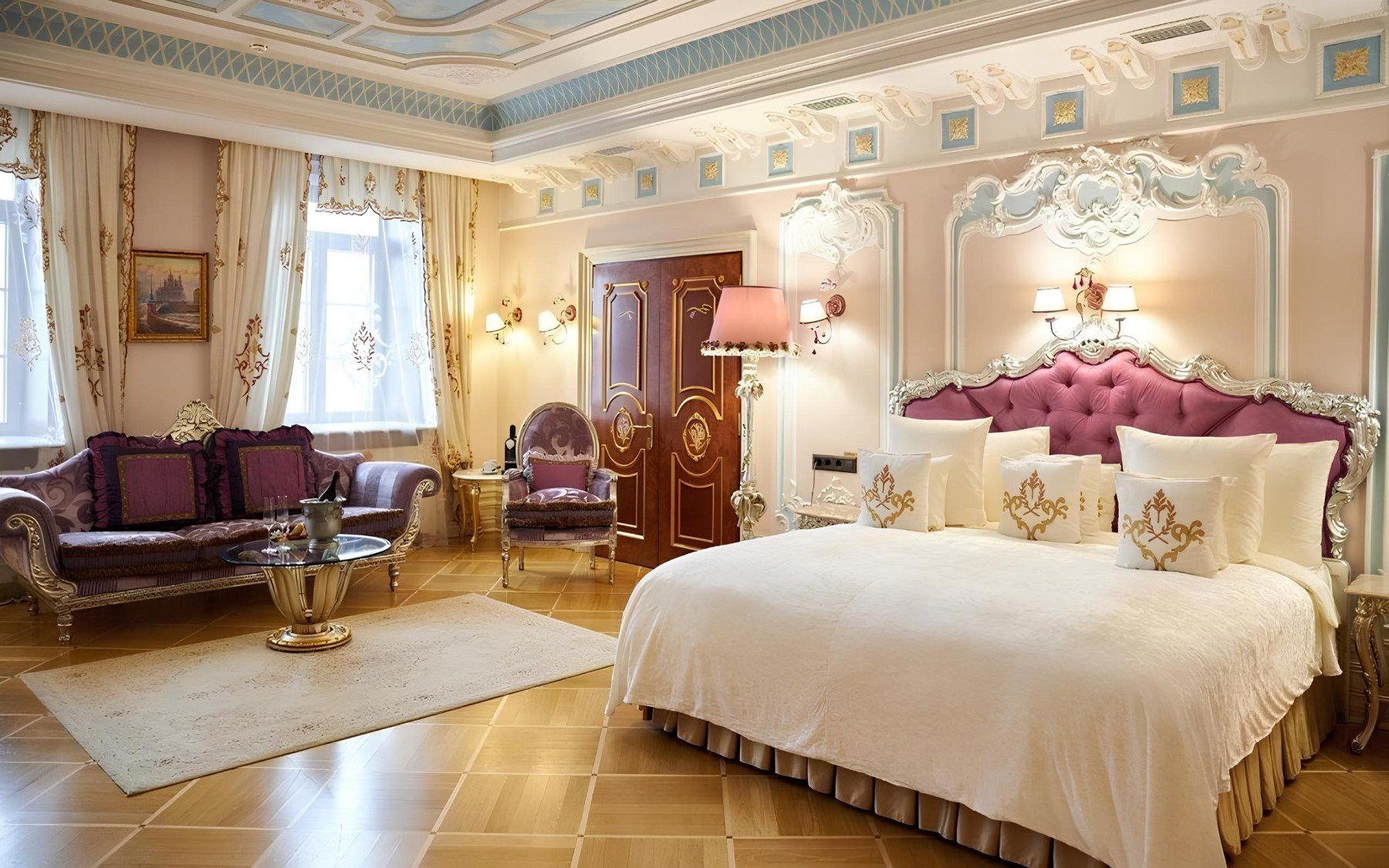
At a Glance
- Elegant
- Cozy
- Modern
- Sophisticated
- Date Night
- Special Occasion
- Open Kitchen
- Local Sourcing
- Waterfront
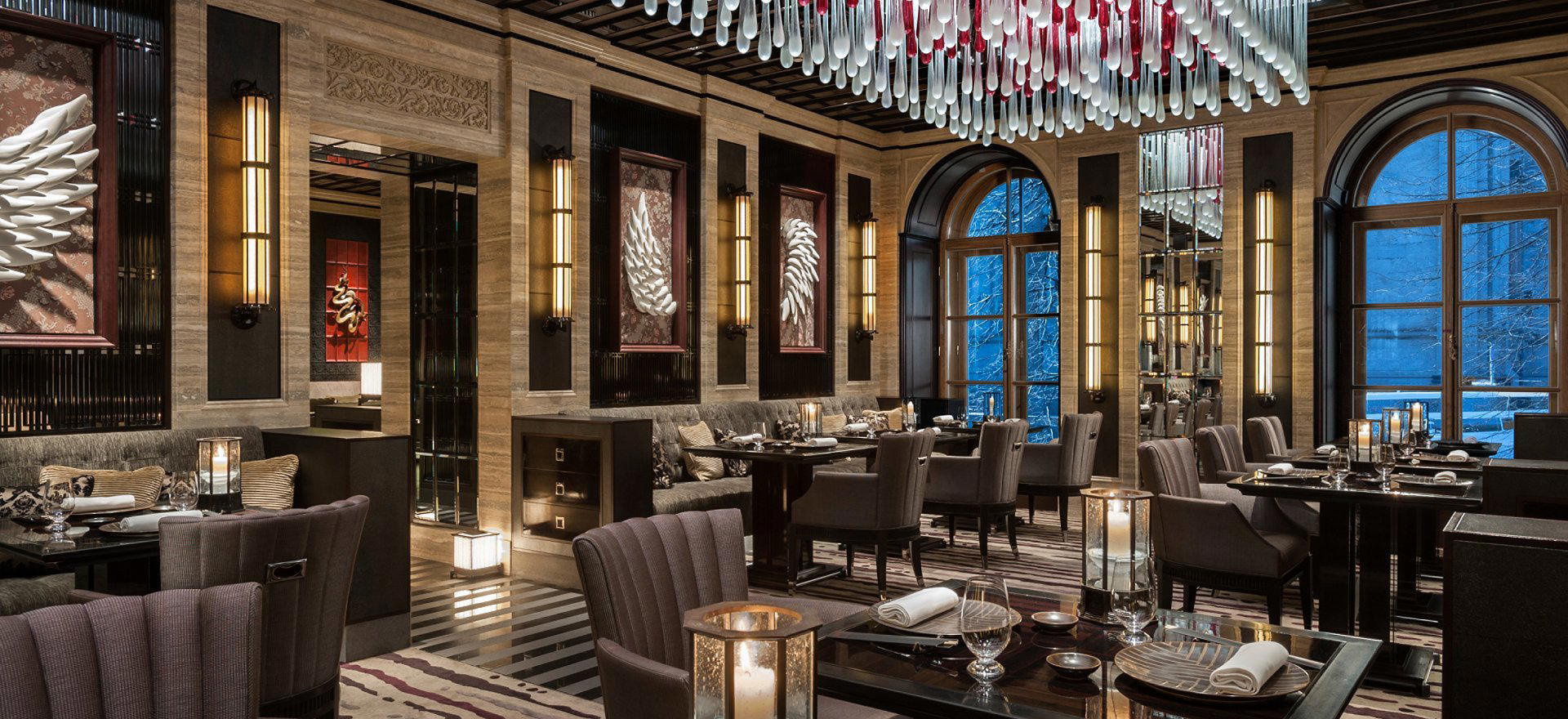
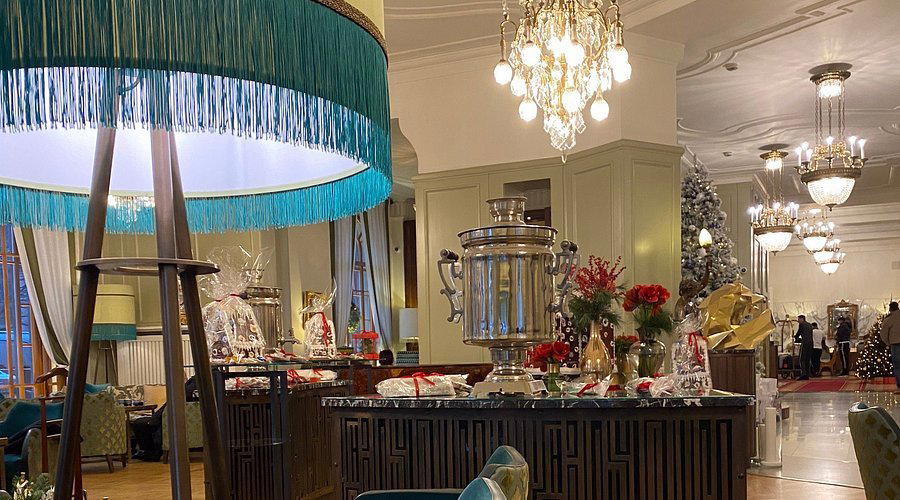
Cozy homey atmosphere in a historic redbrick warehouse with high ceilings, large windows, and bright natural light evoking an intellectual's living room.