Wine Religion occupies a western Moscow address on Michurinskiy Prospekt that places it well outside the city's central restaurant circuit, signalling a clientele that seeks it out rather than stumbles upon it. As Moscow's wine-forward dining scene continues to mature alongside peers such as Twins Garden and White Rabbit, this venue represents the quieter, destination-driven end of that movement, a place where the glass shapes the meal rather than accompanies it.
Pearl is the En Primeur Club membership app — saves, bookings, and concierge access live there. Same editors, same standards.
- Address
- Michurinskiy Prospekt, 16, Moscow, Russia, 119192
- Phone
- +74997532340
- Directions
- Get directions
 Saves & bookings on Pearl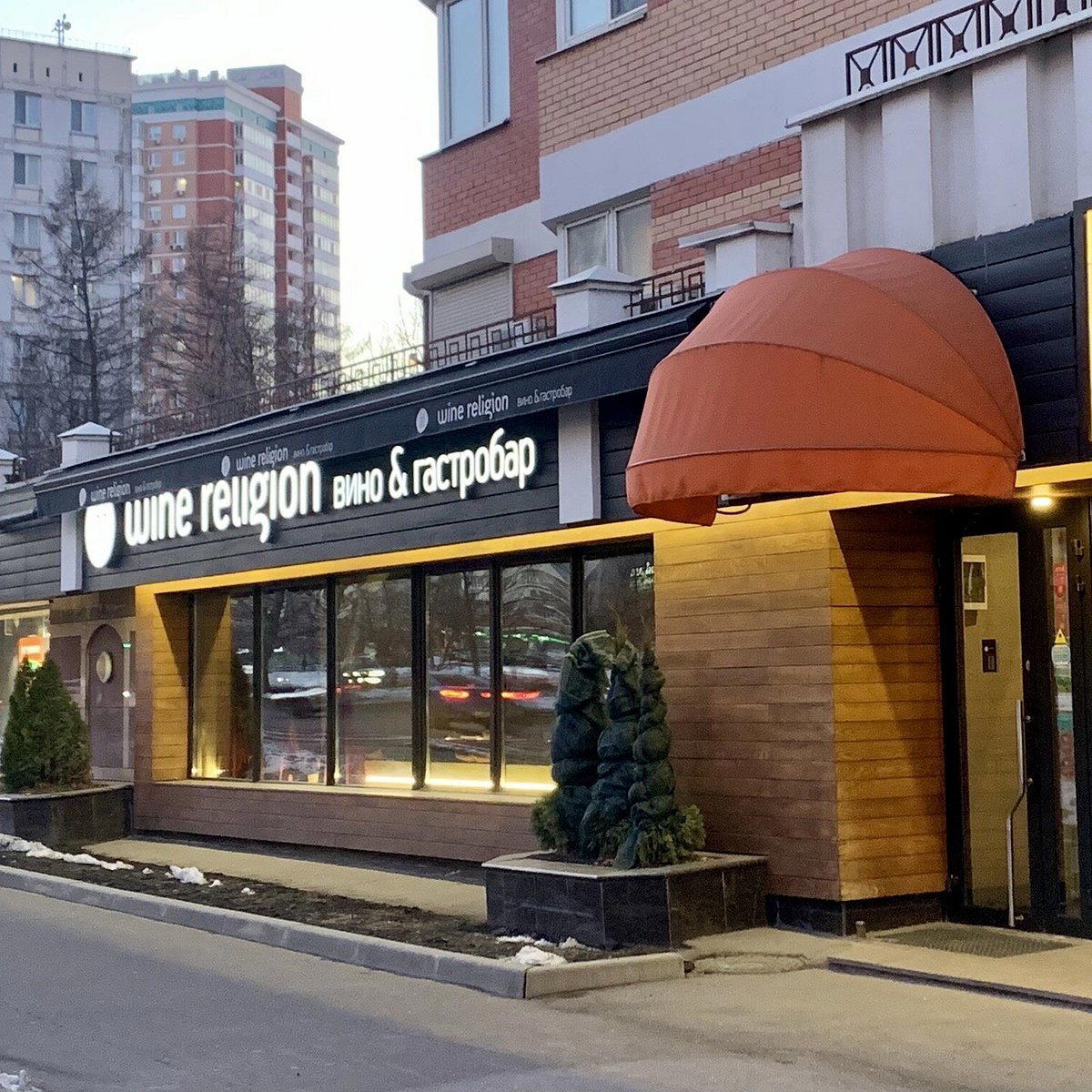
On the Western Edge of Moscow's Dining Map
Moscow's serious restaurant scene has long been understood as a central-ring phenomenon: Patriarch's Ponds, Zamoskvorechye, the White Garden district. Venues in those corridors compete on visibility as much as on food and wine. The further west you move, past Kutuzovskiy Prospekt and into the quieter residential stretches toward Michurinsky, the more the dynamic shifts. Restaurants there earn their trade through reputation alone, without the ambient foot traffic or hotel-adjacent positioning that props up weaker offerings closer to the Kremlin. Wine Religion, at Michurinskiy Prospekt 16, Moscow, is a Mediterranean European gastropub with a smart-casual dress code and recommended reservations, set in precisely that zone, a district where the walk from the metro is deliberate and the decision to visit is made well before arrival.
That geography matters more than it might seem. In a city where dining out has historically clustered around spectacle and status, consider the panoramic theatre of White Rabbit (Modern Russian) or the twin-driven precision of Twins Garden (Modern European), a wine-focused address in a calmer western neighbourhood signals a different kind of contract with its guests. The ritual here, one can reasonably infer from the name and positioning, is structured around the wine rather than around the room.
The Ritual of a Wine-Led Meal
Across Europe and in the more established wine-dining cities of Asia, a specific dining format has solidified over the past two decades: the meal paced by the glass rather than by the kitchen. Dishes arrive to frame what is being poured, not the reverse. Sommeliers lead, chefs follow. This inversion of the conventional restaurant sequence demands more from the diner, some baseline curiosity about what is in the glass, willingness to follow a pairing logic that may not be immediately legible, and rewards those who submit to it with a coherence that course-by-course tasting menus alone rarely achieve.
Moscow has been slowly developing this format. The city's wine culture, suppressed for decades under Soviet distribution systems that privileged cheap Georgian table wine and nothing more sophisticated, has undergone a genuine transformation since the early 2000s. By the mid-2010s, serious wine lists were appearing at dining rooms like Varvary (Russian Cuisine) and across the modern European tier. The current generation of Moscow wine bars and wine-forward restaurants represents the maturation of that shift: less about access to imported bottles as status objects, more about selecting producers, vintages, and regional traditions that hold a coherent point of view.
Wine Religion's name announces an orientation rather than a genre. It positions the glass as the primary object of devotion, a framing that, done well, changes how a meal unfolds in time. Pacing slows. Portions calibrate to complement rather than to satisfy in isolation. The conversation at the table tends to move toward what is being poured, which is a different and more interesting conversation than the one generated by pure food spectacle.
Where Wine Religion Sits in the Moscow comparable set
Moscow's wine-bar and wine-restaurant category has grown considerably, but it remains unevenly distributed. The heavily branded, high-footfall end of the market clusters in central locations and often pairs a serious list with a broadly accessible food offer, designed to keep seats turning and to work for guests who are primarily there to eat. The quieter, more specialist end of the category operates on different logic: smaller by design, dependent on a repeat clientele that knows the format, and willing to accept the friction of an off-centre address in exchange for fewer compromises.
The restaurant, given its Michurinsky location, reads as the latter. It occupies the same general positioning niche as venues like Accenti and Aist in the sense that its primary audience is likely drawn from the surrounding residential district and from a city-wide wine-curious cohort willing to make the journey. That is not a criticism, it is the model that allows specialist venues to exist without diluting their offer for mass-market appeal.
For reference, Moscow's wine-forward dining scene sits in broadly the same tier of regional sophistication as what you find in Saint Petersburg, where destinations like 1913 in Saint Petersburg and Lev I Ptichka in Saint Petersburg City have developed wine programs with genuine editorial intent. Across Russia's other dining cities, the wine conversation is thinner: you might find a bottle of reasonable Georgian natural wine alongside the menu at Kukhterin in Tomsk or Dzhani Restorani in Nizhny Novgorod, but wine as the organizing principle of an entire dining experience remains a Moscow and St. Petersburg phenomenon.
Outside Russia, the wine-religion model has international analogues. At one disciplined end, places like Le Bernardin in New York City demonstrate how a narrowly defined culinary identity can sustain decades of relevance, while the structured formality of Atomix in New York City shows how pacing and ritual, when applied rigorously, become the product themselves. The restaurant appears to be working in a Russian register of that same logic.
Planning a Visit
The restaurant is located at Michurinskiy Prospekt 16, Moscow 119192. The address places it in the Ramenki district of western Moscow, accessible by metro via the Prospekt Vernadskogo or Universitet stations on the Sokolnicheskaya line, both of which require a short walk or taxi transfer. The restaurant is open Mon to Thu from 12 to 11 PM, Fri and Sat from 12 PM to 1 AM, and Sun from 10:30 AM to 12 AM. Dress expectations are smart-casual.
Cuisine and Awards Snapshot
Comparable venues nearby, for context on price, style, and recognition.
| Venue | Cuisine | Price | Notes |
|---|---|---|---|
| Wine ReligionThis venue — the venue you are viewing | Mediterranean European Gastropub | $$$ | Not listed |
| Restoran TsDL | Modern Russian | $$$ | Presnensky |
| Китайская грамота | Кантонская кухня | $$$ | Бульварное кольцо |
| Ikra | Modern Russian Gastrotheatre | $$$ | Moscow City |
| Probka | Classic Italian with Pizza | $$ | Tsvetnoy Boulevard |
| Officina | Authentic Italian | $$ | Boulevard Ring |
At a Glance
- Cozy
- Elegant
- Intimate
- Sophisticated
- Date Night
- Casual Hangout
- After Work
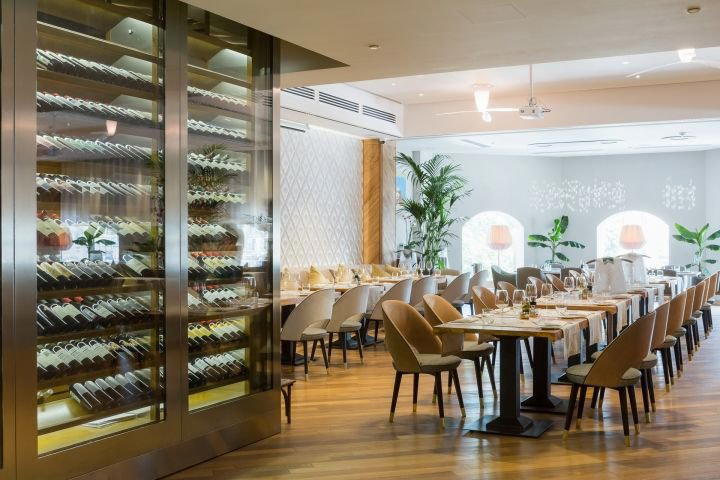
- Wine Cellar
- Terrace
- Standalone
- Extensive Wine List
- Sommelier Led
- Corkage Allowed
Current opening hours
- Monday
- 12–11 PM
- Tuesday
- 12–11 PM
- Wednesday
- 12–11 PM
- Thursday
- 12–11 PM
- Friday
- 12 PM–1 AM
- Saturday
- 12 PM–1 AM
- Sunday
- 10:30 AM–12 AM
Hours can change for holidays and private events. Last verified .
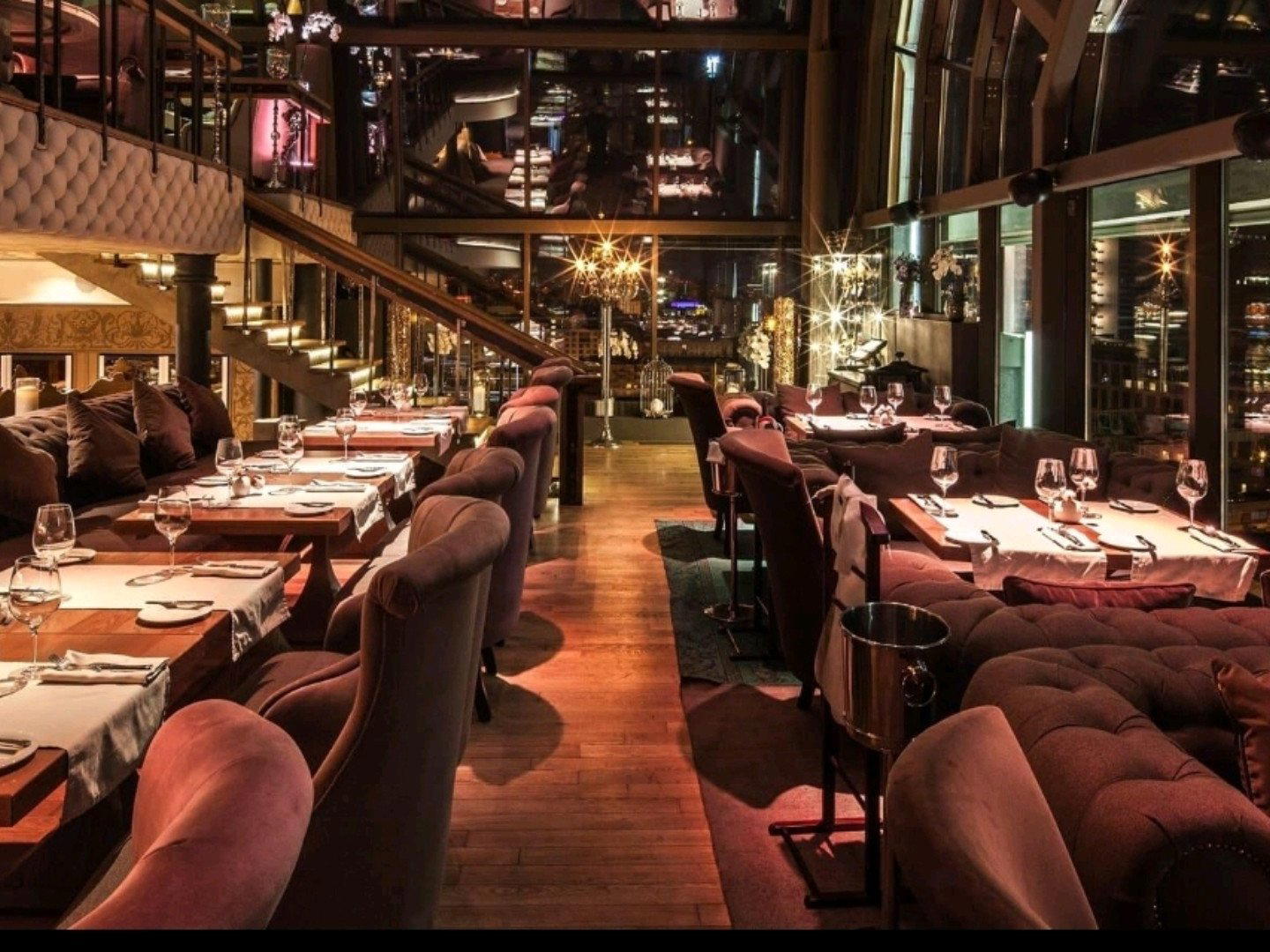
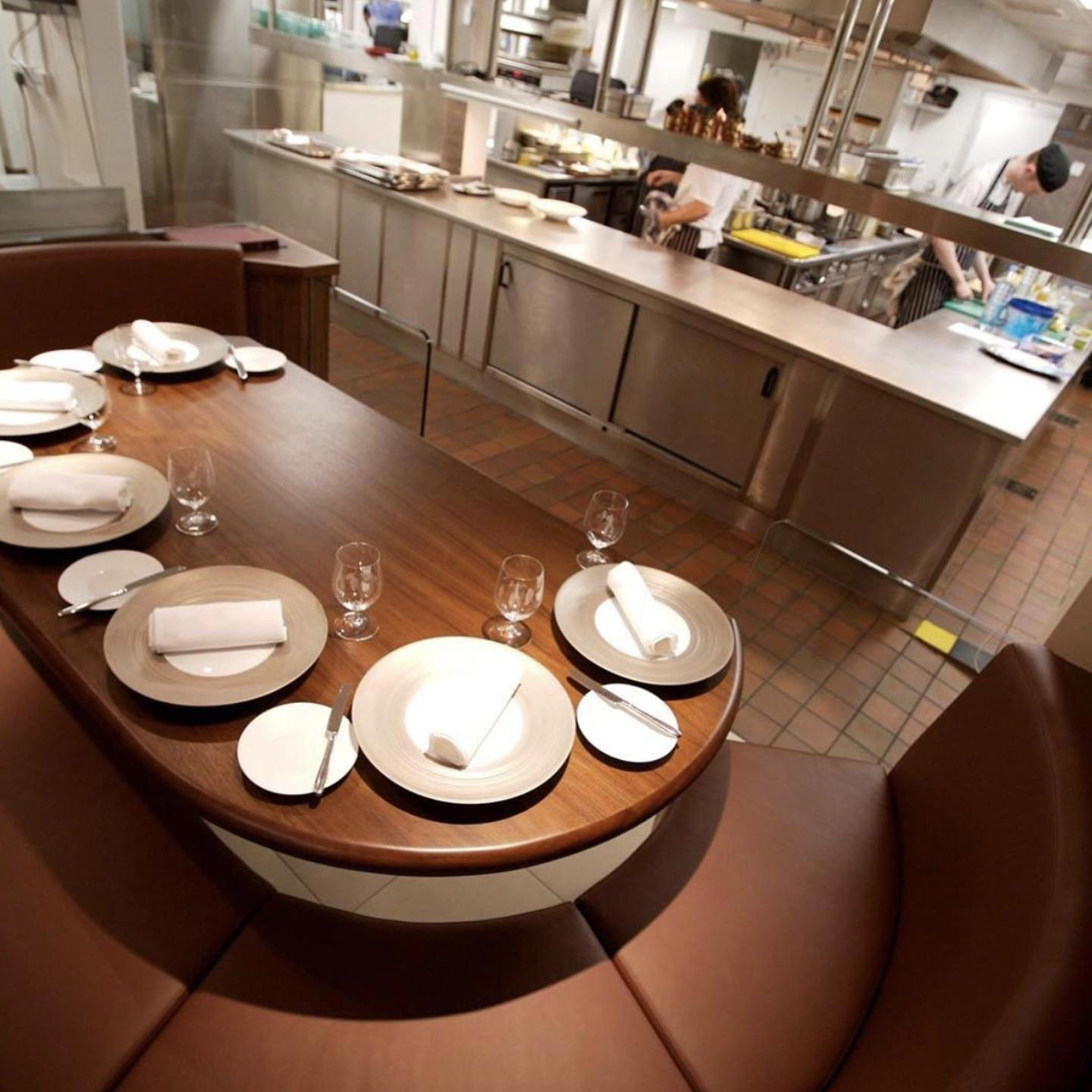
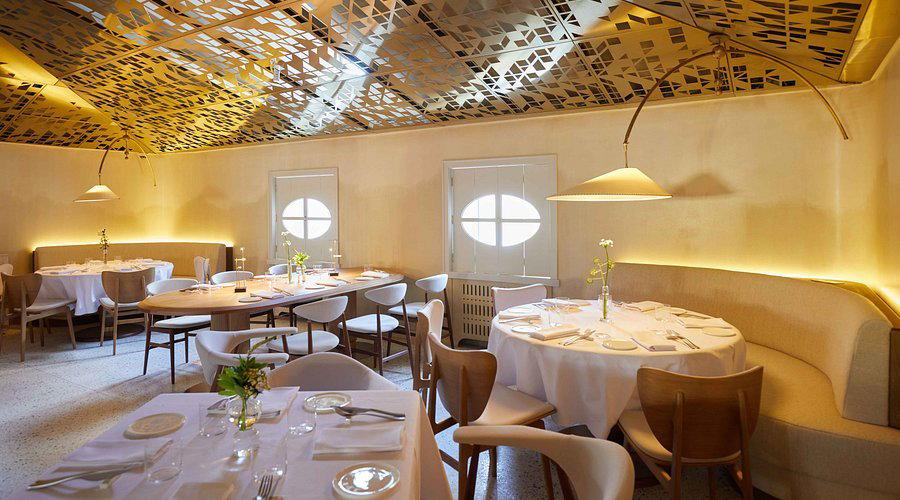
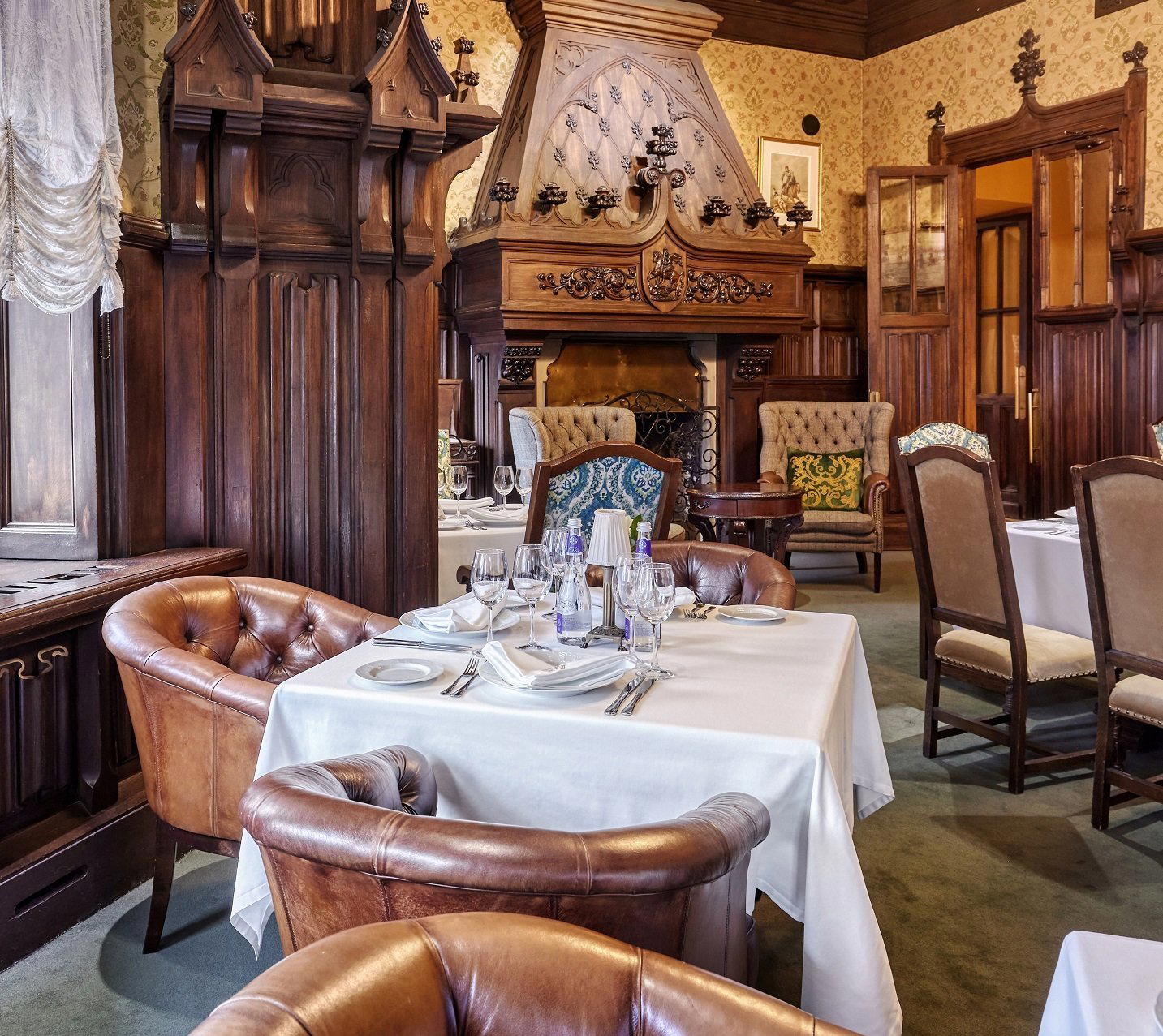
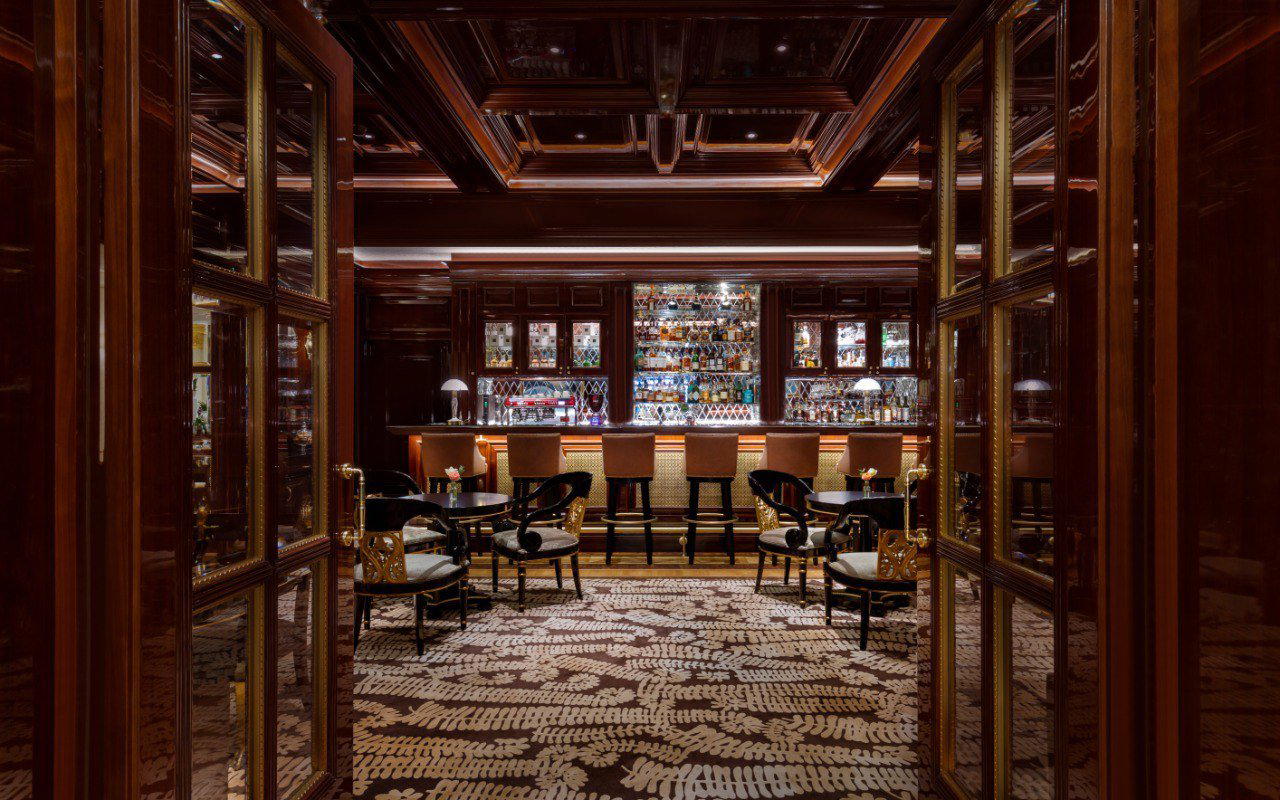
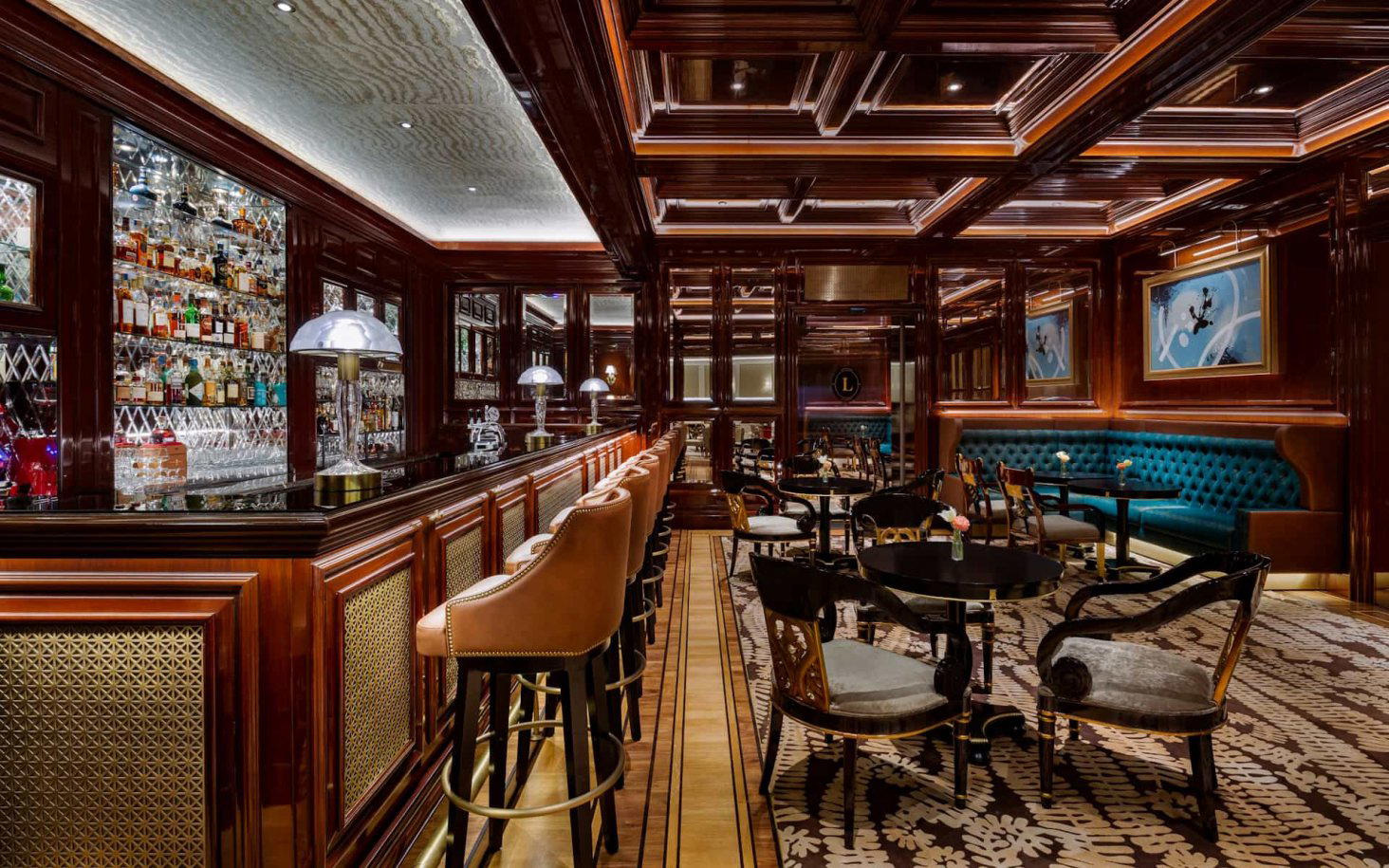
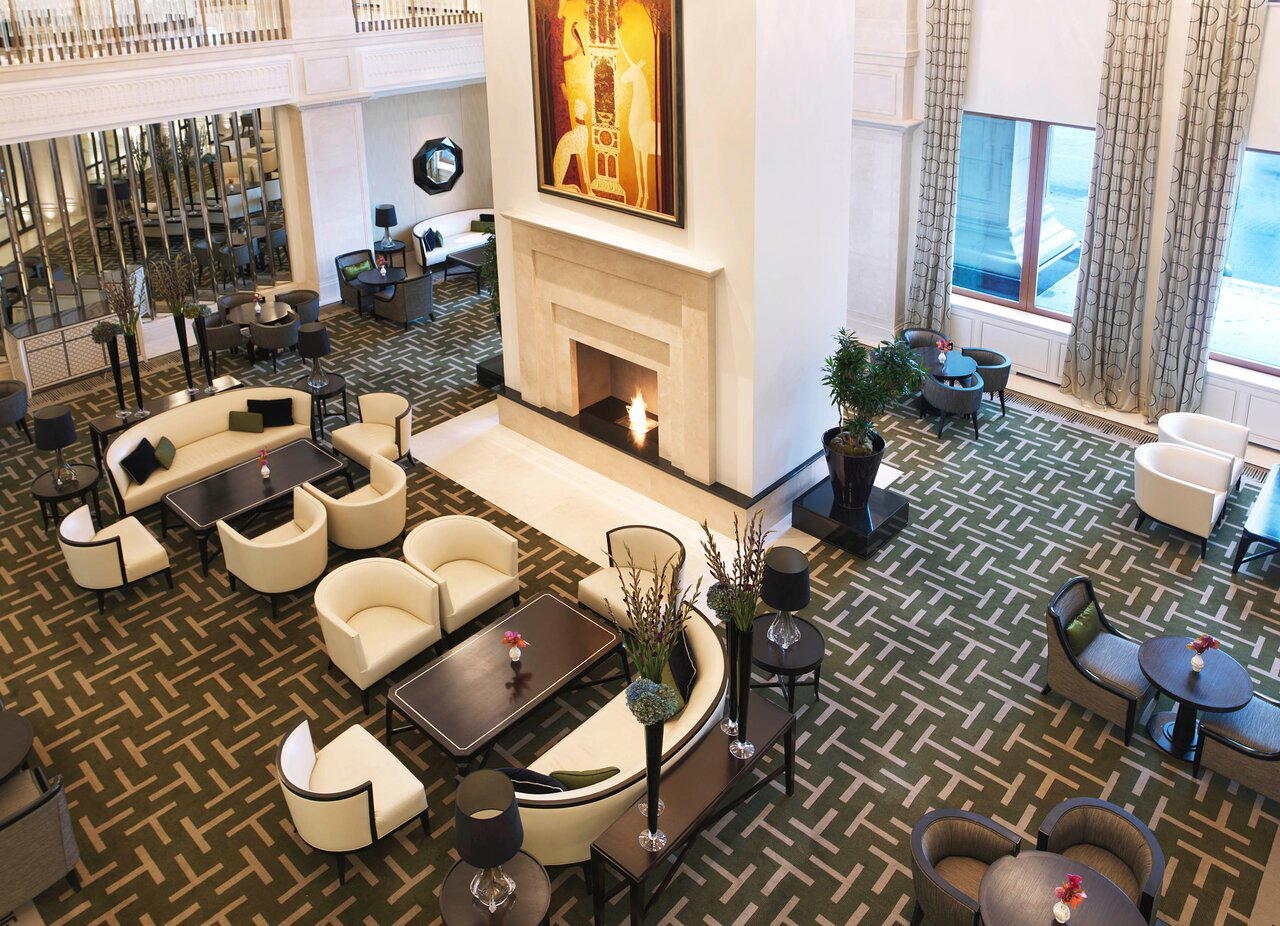
Home-like and unpretentious with contemporary touches, intimate setting with large windows, aesthetic music selection at friendly volume, decorated with paintings available for purchase.