Kazbek sits on Ulitsa 1905 Goda in Moscow, occupying the intersection of Caucasian culinary tradition and the city's growing appetite for ingredient-led cooking. The restaurant draws on the food cultures of Georgia, Azerbaijan, and the broader mountain regions, where produce sourcing and regional specificity carry more weight than menu length. For Moscow diners interested in where Caucasian cooking sits today, Kazbek is a considered address.
 Discover on Pearl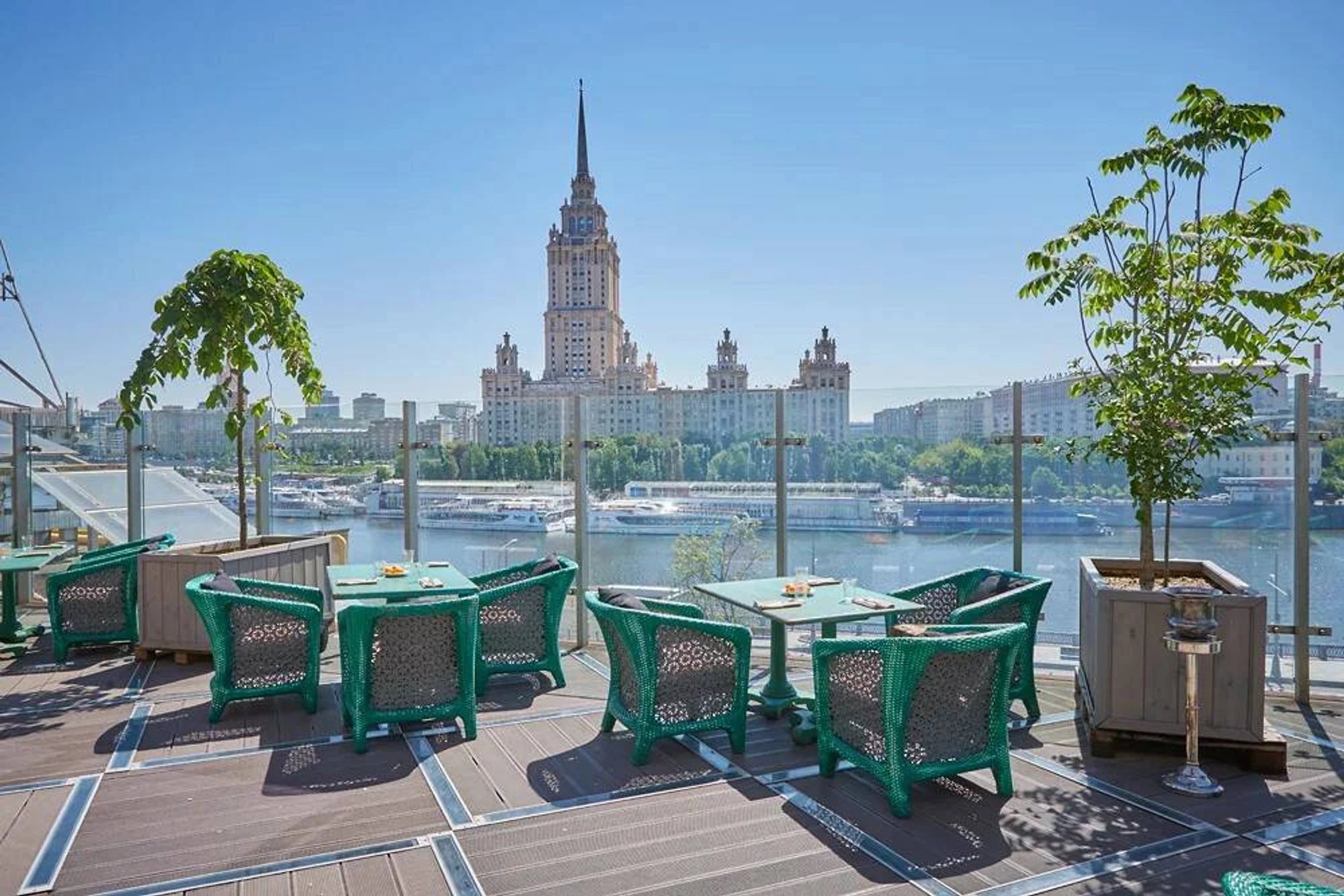
Where the Caucasus Arrives in Moscow
Ulitsa 1905 Goda is not the address most Moscow dining itineraries start from. That distance from the Kremlin-adjacent cluster of flagships and hotel dining rooms is, in a way, the point. The restaurants that settle in this part of the city tend to draw on neighbourhood loyalty and genuine repeat custom rather than tourist traffic or corporate expense accounts. Kazbek sits in that context: a Caucasian address on a street that rewards those who look past the more obvious postcodes.
Moscow has a long, complicated relationship with Caucasian food. Georgian wine and Georgian bread, Azerbaijani lamb preparations, Ossetian pies sold from kiosks near metro exits — the culinary fingerprints of the mountain regions have been part of the city's food culture for generations, imported first through Soviet population movement and later through the kind of diaspora hospitality that travels with people. What has changed in the past decade is the register. The casual khinkali-and-churchkhela format has been joined by a tier of restaurants that treat Caucasian sourcing and technique with the same seriousness that the city's modern Russian tables — places like Twins Garden in Moscow , have brought to domestic ingredients more broadly.
The shortlist, unlocked.
Hard-to-book tables, cellar releases, and concierge-planned trips.
Get Exclusive Access →The Logic of Caucasian Ingredient Sourcing
The case for Caucasian cuisine as an ingredient-forward tradition is direct, even if it doesn't always get framed that way. The mountain geography that stretches from the Black Sea coast through Georgia and Armenia into Azerbaijan produces conditions that European fine-dining producers would recognise immediately: altitude-driven intensity in herbs and aromatics, mineral-heavy soils, climates that demand agricultural resilience. The tarragon that appears in Georgian cooking, the fenugreek in khmeli-suneli spice blends, the walnuts ground into sauces , these are not generic pantry items but regionally specific products that lose considerable character when sourced at distance or substituted.
For a Moscow restaurant committed to this tradition, that sourcing equation is genuinely demanding. Direct relationships with suppliers in Tbilisi, Yerevan, or the Kakheti wine region require infrastructure that goes beyond what a standard wholesale operation provides. The restaurants in this category that do it credibly tend to differentiate themselves from the broader field of Caucasian casual dining precisely on this axis. The question worth asking at any address in this space is not whether the menu lists the right dishes, but whether the ingredients behind them have actually made the journey. Across Russia, this kind of regional sourcing commitment appears in different forms: Alanskaya Kukhnya in Krasnodar approaches the North Caucasian tradition from a southern Russian base, while Khmeli Suneli in Yekaterinburg demonstrates that Caucasian cooking has found serious practitioners well beyond the obvious metropolitan centres.
The Scene at Ulitsa 1905 Goda
The address , ул. 1905 года, 2 , places Kazbek in the Presnensky district, accessible from the 1905 Goda metro station on the Koltsevaya line. For visitors staying in central Moscow, this is a manageable journey rather than a significant detour, and the area itself has enough independent character to justify the trip as more than a single-restaurant errand. The neighbourhood dynamic here is different from the Patriarch's Ponds circuit or the Bolshaya Nikitskaya corridor: fewer people performing their dining choices for an audience, more rooms that fill because the cooking holds up on its own terms.
Moscow's Caucasian restaurant tier spans a wide range from this year, from the high-volume Georgian chain formats that have multiplied across every major Russian city to the quieter, more considered addresses that treat the tradition as a culinary system worth sustained attention. Kazbek occupies the latter space. For context on how the Moscow dining scene maps more broadly, the full Москва restaurants guide covers the category distribution in more detail.
The comparison set is worth thinking through. In Moscow, the conversation about Caucasian cooking exists alongside the modern Russian conversation. A restaurant like Cafe Pushkin (Кафе Пушкинъ) anchors the Russian imperial tradition in a different register entirely, and the Chinese cooking at Китайская грамота represents yet another strand of the city's non-Russian culinary imports. Kazbek's specific contribution is to hold the Caucasian tradition seriously within a city where that tradition has historically been treated as comfort food rather than fine ingredient work.
What the Menu Signals
Without fabricating specific dish descriptions, what the Caucasian culinary framework generally supports at this tier is a menu structured around slow preparations, fermented dairy, long-cooked meats, and the kind of bread-making , Georgian shoti, Ossetian pies , that requires dedicated equipment and time investment rather than outsourced production. Walnut-based sauces, pomegranate reductions, aged cheeses from mountain producers: these are the building blocks of a credibly sourced Caucasian table, and they are the elements that separate kitchens running the tradition seriously from those running a version of it.
The wine dimension is also worth noting in the Caucasian context specifically. Georgia holds the plausible claim to being among the world's oldest wine-producing territories, with the qvevri (clay amphora) tradition now recognised on the UNESCO Intangible Cultural Heritage list. Amber wines and natural fermentations from the Kakheti and Kartli regions have found a global audience through the natural wine circuit, but they have an older, more direct route to the Moscow market through the Caucasian restaurant community. A restaurant in this space that takes the wine list seriously is, in effect, making an argument about provenance that extends beyond the plate.
For comparison across Russia's broader dining geography, the Caucasian influence appears in various forms: Dzhani Restorani in Nizhny Novgorod works the tradition in a Volga city context, while further east, Grisha in Omsk and Kukhterin in Tomsk suggest how Siberian cities have developed their own approaches to the question of regional ingredient identity. In Saint Petersburg, 1913 and Lev I Ptichka anchor different points on the Russian culinary map, and Made in China in St. Petersburg reflects the same pan-Asian interest visible in Moscow's Китайская грамота. Further afield, the ingredient rigour applied by Le Bernardin in New York City and the tasting-format precision of Atomix in New York City represent international reference points for what it looks like when a kitchen commits fully to sourcing and technique , a standard against which any serious regional address, including Kazbek, ultimately gets measured.
Planning Your Visit
Kazbek is located at ул. 1905 года, 2 in Moscow, a short walk from the 1905 Goda metro station. Specific booking details, current hours, and pricing are leading confirmed directly with the venue, as these are subject to change. For visitors building a broader Moscow itinerary, pairing Kazbek with a neighbourhood exploration of the Presnensky area makes the journey more efficient. Other nearby options across different categories appear in the Москва restaurants guide, alongside venues at different price points and in different culinary traditions, including Knyagininskiy Dvor in Volgograd and krevetka in Voronezh for those extending their Russian travel beyond the capital. Konditerskaya "Kuzina" in Syktyvkar and Burger Records in Novosibirsk reflect the range of regional dining cultures that exist outside the Moscow-Petersburg axis.
The shortlist, unlocked.
Hard-to-book tables, cellar releases, and concierge-planned trips.
Get Exclusive Access →Frequently Asked Questions
How It Stacks Up
These are the closest comparables we have in our database for quick context.
| Venue | Cuisine | Price | Awards | Notes |
|---|---|---|---|---|
| Kazbek (Казбек) | This venue | |||
| White Rabbit | Modern Russian | World's 50 Best | Modern Russian | |
| Palkin | Russian | Russian | ||
| Selfie | Modern European | Modern European | ||
| Twins Garden | Modern European | World's 50 Best | Modern European | |
| Artest | Russian Cuisine | Russian Cuisine |
Need a table?
Our members enjoy priority alerts and concierge-led booking support for the world's most difficult tables.
Get Exclusive AccessThe shortlist, unlocked.
Hard-to-book tables, cellar releases, and concierge-planned trips.
Get Exclusive Access →