Birch

Birch holds consecutive La Liste recognition, 75.5 points in 2025, 76 in 2026, placing it among the more consistently rated restaurants in St. Petersburg. Situated on Kirochnaya Ulitsa in the city's historic core, it operates at the intersection of ingredient-driven cooking and Russian culinary identity, in a dining scene that is drawing serious international attention.
Pearl is the En Primeur Club membership app — saves, bookings, and concierge access live there. Same editors, same standards.
- Address
- Kirochnaya Ulitsa, дом 3, St Petersburg, Russia, 191028
- Phone
- +7 911 920-31-65
- Website
- birchrestaurants.com
- Directions
- Get directions
 Saves & bookings on Pearl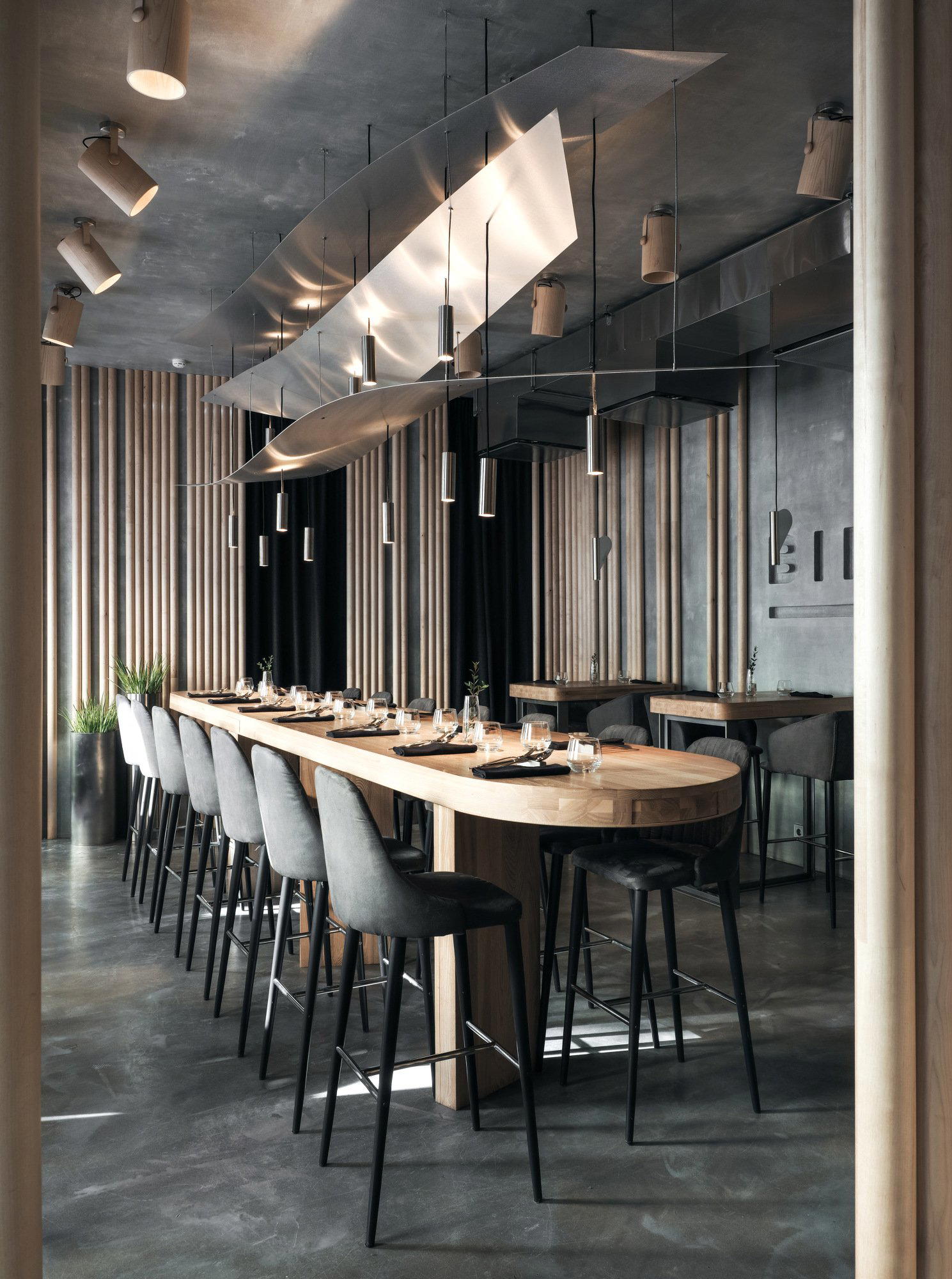
Kirochnaya Ulitsa and the Restaurant It Anchors
The stretch of Kirochnaya Ulitsa that runs through St. Petersburg's Tsentralny district is not the city's most photographed corridor, but it is one of its more purposeful ones. Birch, at house number 3, operates in that context.
That positioning matters because it says something about how St. Petersburg's serious restaurant tier has reorganised itself over the past decade. The city's most recognised tables have largely moved away from the grand-hotel dining rooms along Nevsky Prospekt toward smaller, more considered addresses in residential and semi-residential streets. Birch belongs to that shift. Its La Liste score of 76 points in 2026, up from 75.5 in 2025, places it in the upper tier of that reorganised scene.
Where the Food Comes From, and Why That Is the Story
Russian fine dining has undergone a sourcing reorientation that, from the outside, can look sudden but has been building for years. The collapse of direct access to Western European luxury ingredients forced kitchens to substitute laterally into Russian regional supply. The restaurants that chose the lateral path, working with producers in Karelia, the Pskov region, the White Sea coast, and Siberian river systems, ended up with something more distinctive than what they replaced. Birch sits in that cohort.
Ingredient sourcing at this level requires sustained relationships with producers who, in many cases, were not previously supplying restaurant-grade product. The development of those supply lines, over years rather than seasons, is what separates a kitchen that talks about locality from one that actually builds a menu around it. In St. Petersburg specifically, access to northern seafood, freshwater fish, foraged product from the Karelian isthmus, and dairy from small northwestern farms gives a committed kitchen genuine raw material to work with. That specificity is what La Liste's scoring tends to reward, and it explains why Birch's points have moved consistently upward across two consecutive evaluation cycles.
Twins Garden in Moscow has operated at the forefront of that Russian fine-dining reckoning, and Birch's trajectory in St. Petersburg reflects a parallel development in the northern capital. Across Russia more broadly, addresses like Bourgeois Bohemians in Sankt-Peterburg, La Colline in Bolshoye Sareyevo, Leo Wine & Kitchen in Rostov, and SEASONS in Kaliningrad all reflect the same geographic spread of serious cooking that has moved well beyond the two major cities.
Birch Within St. Petersburg's Restaurant Tier
St. Petersburg's current fine dining map is more varied than it appears from the outside. The city has Italian tables operating at the summit of their price bracket, such as Il Ritorno, which holds a four-dollar-sign price point. It has a sushi counter in Sushi Sho Rexley operating at the same tier. Asian-influenced cooking appears at Fortu. The historic anchor of Russian formal dining, Palkin, continues to hold its place as a reference point for pre-revolutionary Russian culinary tradition.
Birch competes in that environment not by cuisine category alone, but by the seriousness of its sourcing commitments and by the external validation that consecutive La Liste recognition provides. In a city where the dining conversation has historically defaulted to European cuisines for prestige signals, a Russian-rooted kitchen earning international index scores is a meaningful data point. It represents a change in what the city's food press and international critics are choosing to take seriously.
For visitors planning a longer stay in St. Petersburg, the broader picture of the city's eating and drinking options is worth mapping in advance. Our full St. Petersburg restaurants guide covers the range from casual to formal, and our St. Petersburg bars guide maps the city's cocktail and wine bar scene. Those planning accommodation can consult our St. Petersburg hotels guide. For those interested in wine specifically, our wineries guide and experiences guide round out the picture.
For international comparison, the ingredient-sourcing seriousness that distinguishes Birch's tier in Russia has analogues at different price points globally. Le Bernardin in New York City built its reputation on sourcing specificity for seafood; Atomix, also in New York, demonstrates how a culturally specific culinary identity can earn sustained international recognition without defaulting to European reference points. Closer to home, Tsarskaya Okhota in Zhukovka shows how Russian culinary heritage translates into a different hospitality register. Emeril's in New Orleans offers a parallel case study in how a restaurant can anchor regional culinary identity while competing on a national critical stage.
Planning a Visit
Birch is at Kirochnaya Ulitsa, дом 3, in St. Petersburg's Tsentralny district, postcode 191028.
Comparable Spots, Quickly
Comparable venues nearby, for context on price, style, and recognition.
| Venue | Cuisine | Price | Notes |
|---|---|---|---|
| BirchThis venue — the venue you are viewing | Modern European Fusion | $$$ | Not listed |
| Korean BBQ гриль | Korean Table-Top BBQ Grill | $$ | Northwestern District |
| Cococo | Modern Russian Fine Dining | $$$ | Admiralteysky |
| Made in China | Modern Asian Café & Bar | $$ | Admiralteisky |
| Wong Kar Wine | Contemporary Asian (Thai) with Natural Wines | $$ | Liteyny |
| Palkin | Classic Russian Fine Dining | $$$$ | Nevsky Prospekt |
Recognition history
Dated appearances from independent guides and award organizations, with the underlying list record or original source where available.
La Liste Top Restaurants
La Liste
La Liste Top Restaurants
La Liste
Continue exploring
More in Saint Petersburg
Restaurants in Saint Petersburg
Browse all →
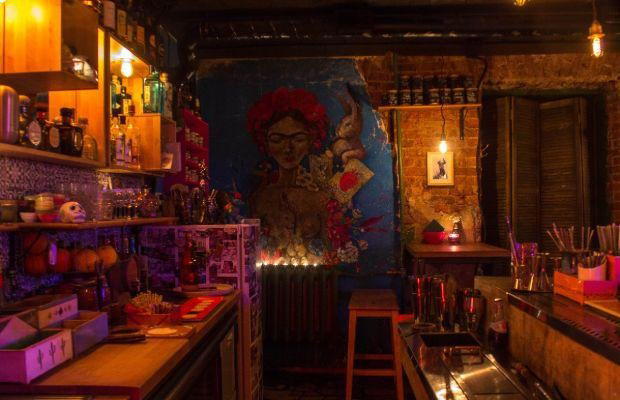
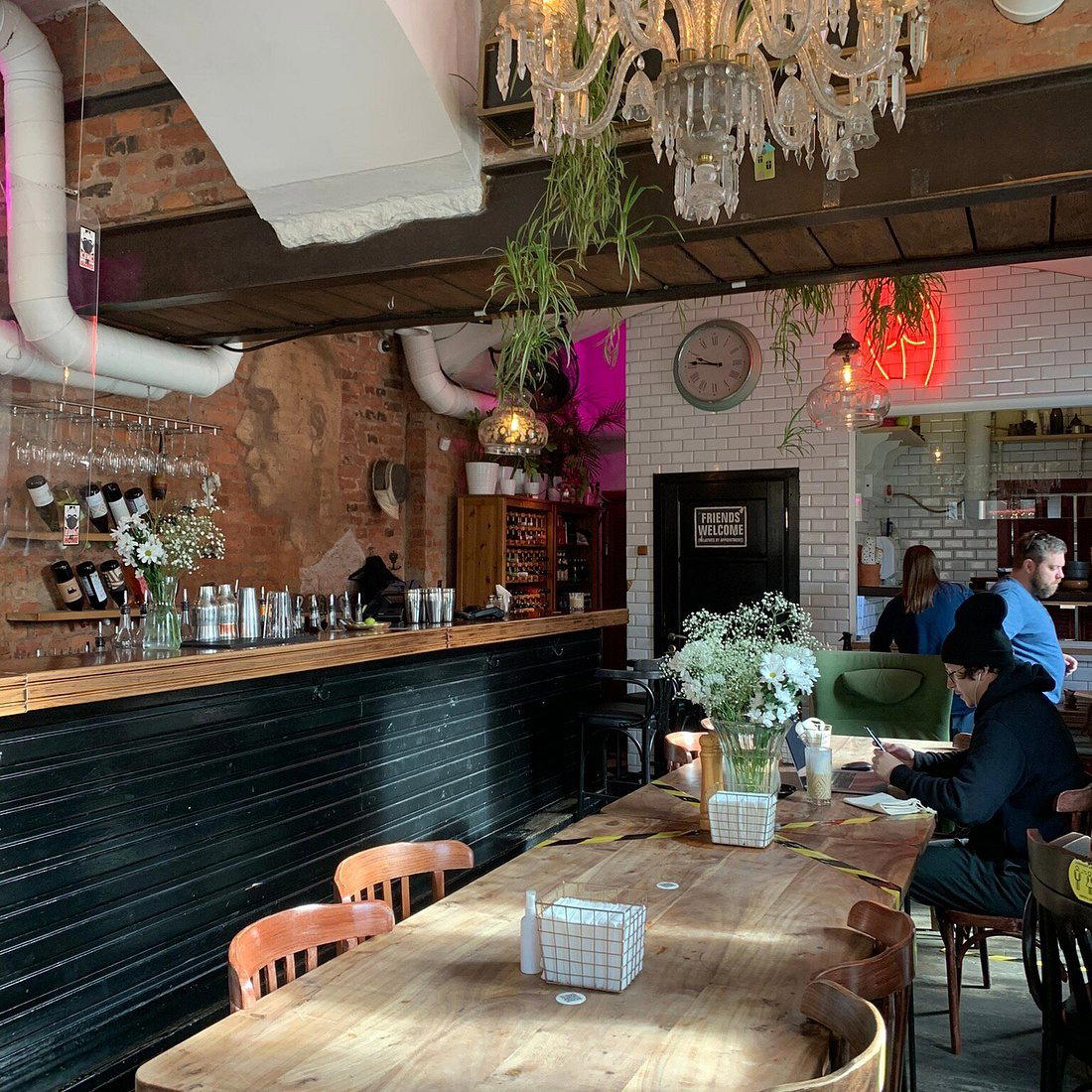
Bars in Saint Petersburg
Browse all →

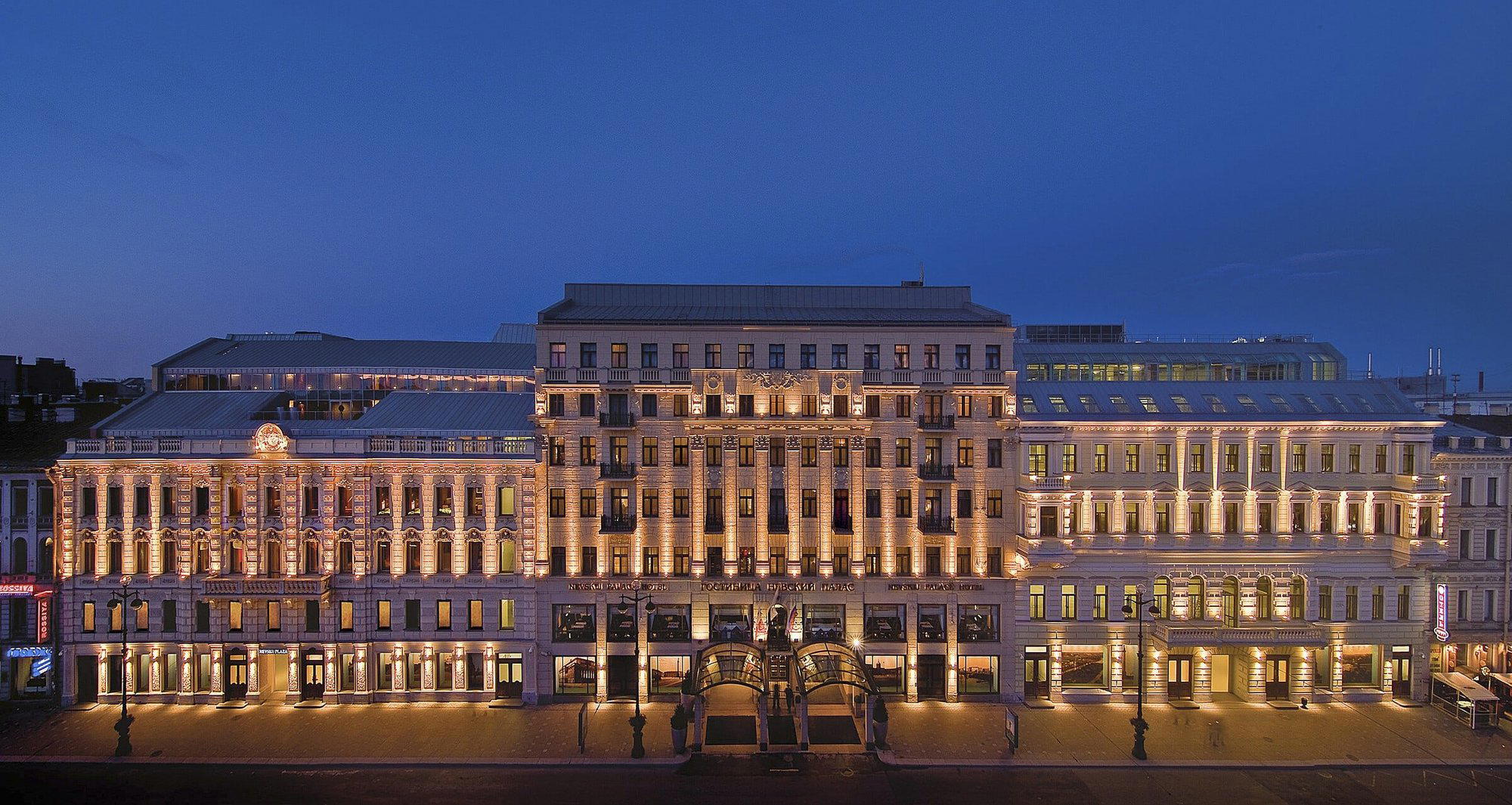
Hotels in Saint Petersburg
Browse all →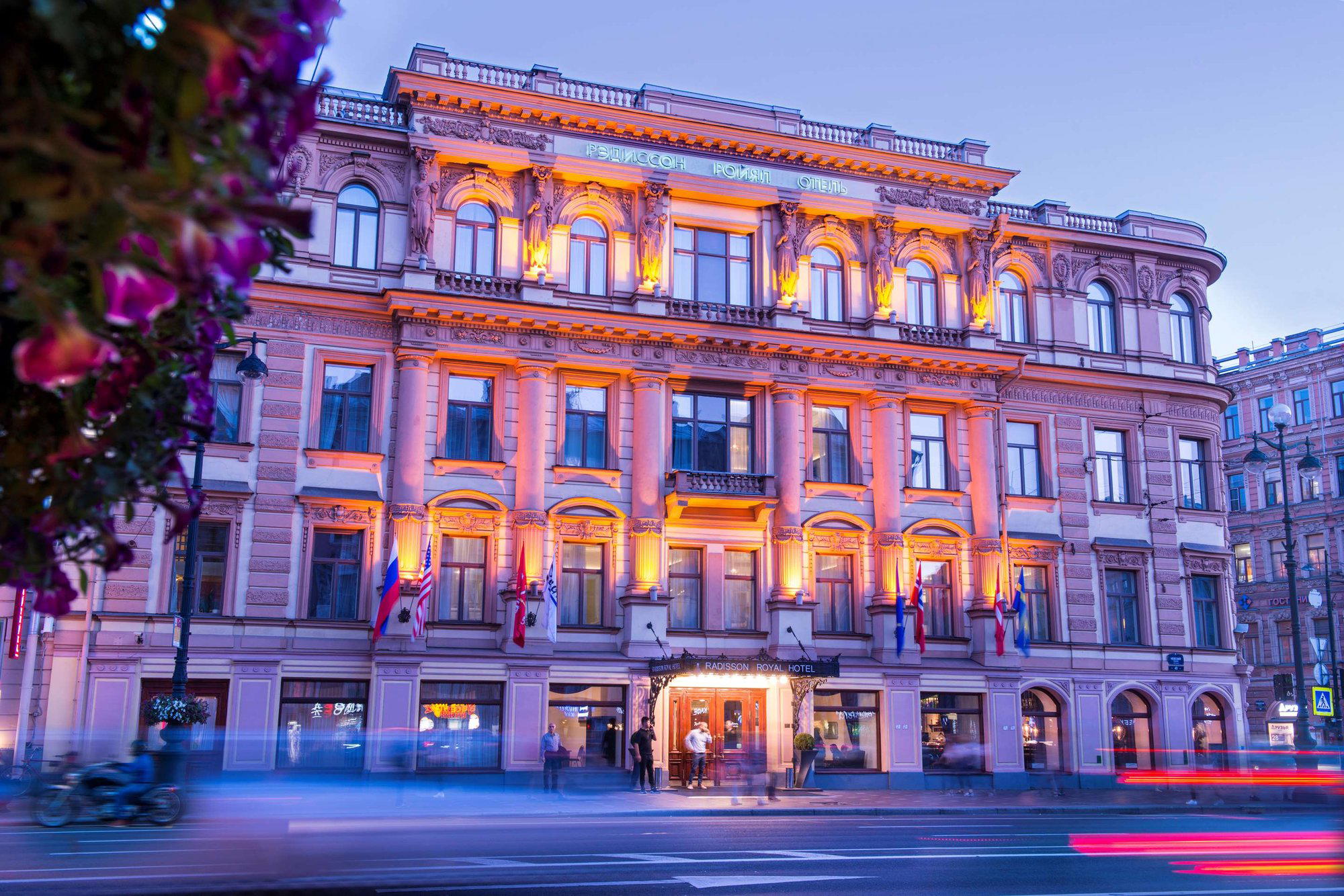
At a Glance
- Modern
- Cozy
- Elegant
- Minimalist
- Date Night
- Special Occasion
- Open Kitchen
- Chefs Counter
- Natural Wine
- Local Sourcing
Current opening hours
- Monday
- Closed
- Tuesday
- 4:30–11 PM
- Wednesday
- 4:30–11 PM
- Thursday
- 4:30–11 PM
- Friday
- 4:30–11 PM
- Saturday
- 4:30–11 PM
- Sunday
- 4:30–11 PM
Hours can change for holidays and private events. Last verified .
Spare minimalist aesthetic with high ceilings, wood tables, candles, and an open kitchen, creating a welcoming yet sophisticated Brooklyn-Scandinavian vibe.