
On Tverskoy Boulevard, LOONA is one of Moscow's recognised Russian cuisine addresses, holding a place in La Liste's Top Restaurants for both 2025 and 2026. The menu speaks through the structure of Russian culinary tradition, not as revival theatre but as a considered framework for what contemporary Moscow dining has become. A useful reference point for the city's serious restaurant tier.
Pearl is the En Primeur Club membership app — saves, bookings, and concierge access live there. Same editors, same standards.
- Address
- Tverskoy Blvd, 24 строение 1, Moscow, Russia, 125009
- Phone
- +7 495 150-91-00
- Website
- loona.rest
- Directions
- Get directions
 Saves & bookings on Pearl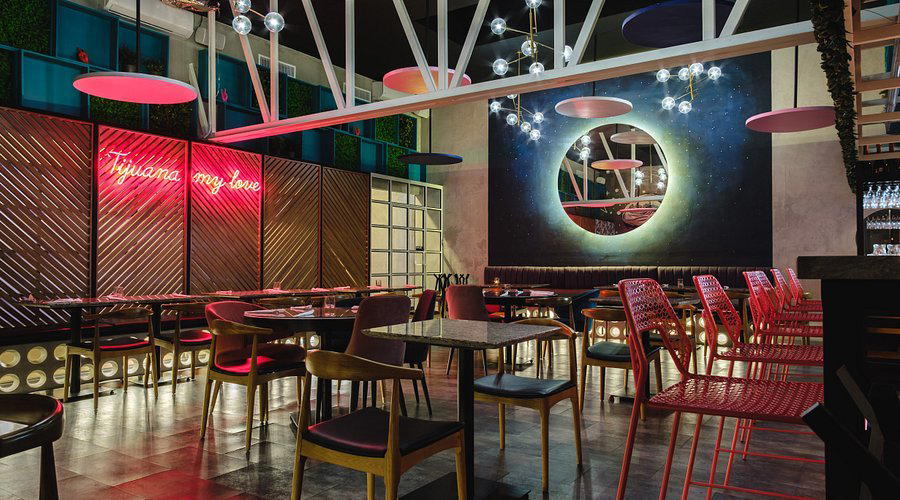
Where Tverskoy Boulevard Sets the Tone
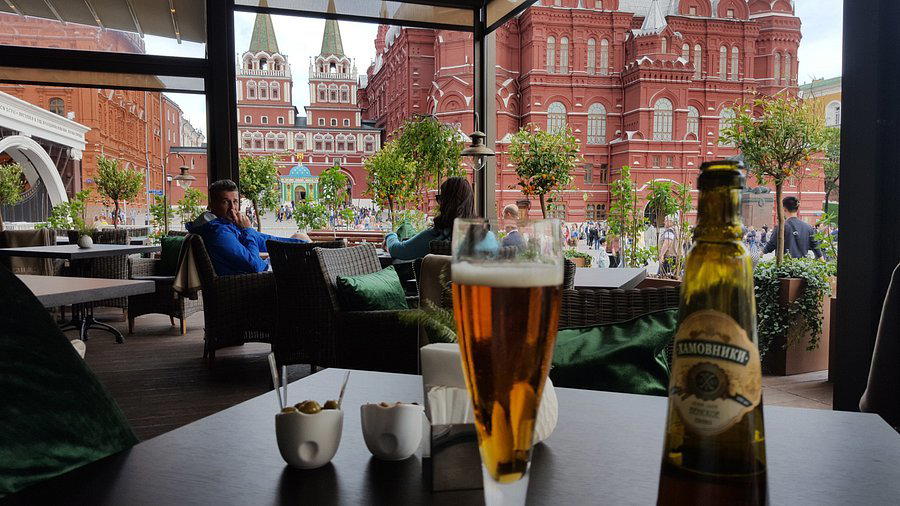
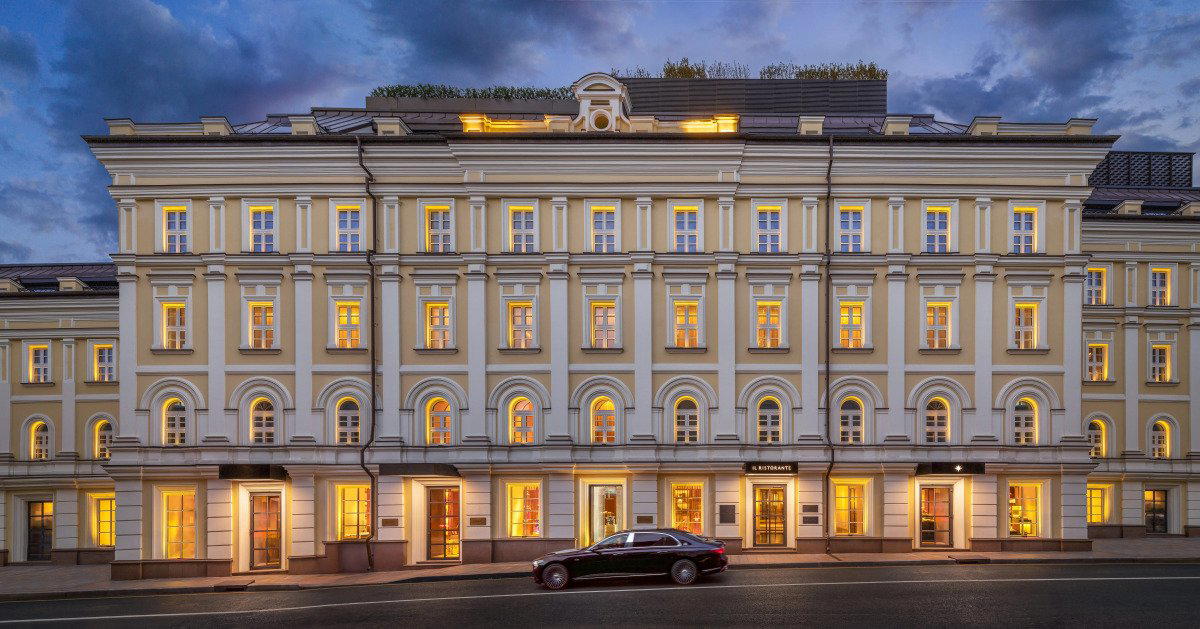
Tverskoy Boulevard is one of Moscow's oldest and most architecturally weighted streets, a tree-lined axis running through the centre of the city that has historically drawn cultural institutions, literary addresses, and restaurants that take their positioning seriously. LOONA sits at number 24 on that boulevard, and the address alone signals something about its competitive intent. This is not a neighbourhood where restaurants open casually. The proximity to the city's theatre district and to the dense professional and cultural life of central Moscow means the dining room operates in a context where expectation is already calibrated upward before a guest arrives.
Moscow's premium Russian cuisine tier has become a more legible category in the past decade. Restaurants like Varvary and Artest have established that contemporary Russian cooking can hold its own against European fine dining frameworks without subordinating itself to them. LOONA occupies a position within that broader conversation, a restaurant recognised by La Liste in both 2025 (76 points) and 2026 (75 points). That consistent placement, across two consecutive years, is a more useful signal than a single-year entry. It suggests a dining programme that holds its standard rather than peaking and receding.
How the Menu Architecture Speaks
In Russian fine dining, menu structure tends to reveal as much about a kitchen's philosophy as any individual dish. The tension in contemporary Russian cuisine sits between two poles: the archival approach, which treats traditional recipes as source texts to be interpreted with modern technique, and the produce-forward approach, which uses seasonal and regional ingredients as the primary argument. Particularly accomplished kitchens in Moscow find ways to hold both positions at once, allowing the menu's architecture to move between historical reference and present-tense cooking without the seams showing.
LOONA's cuisine classification is straightforwardly Russian, which in the context of a La Liste-recognised address carries specific implications. This is not the pan-European menu common to Moscow's broader fine dining market, where French or Italian frameworks do much of the structural work. A commitment to Russian cuisine at this level means the kitchen must resolve questions about sourcing, seasonality, and technique on its own terms. The fermentation traditions, the cold-climate produce cycles, the preserved and cured elements that recur across Russian culinary history, these are not decorative references but functional building blocks of how a meal is organised.
Restaurants operating in this mode tend to build menus that read in movements rather than isolated courses. Cold preparations precede warm ones; preserved elements anchor sections where fresh produce is scarce or strategically withheld; the carbohydrate and fat logic of Northern European cooking creates a different kind of progression than Mediterranean-influenced menus. For a diner accustomed to French-derived tasting menu structures, the rhythm of a serious Russian menu can feel unfamiliar at first, then quietly compelling. LOONA's position in the La Liste ranking suggests it handles that architecture with enough discipline and coherence to register internationally.
Moscow's Russian Cuisine comparable set
Understanding LOONA requires placing it within Moscow's current restaurant hierarchy rather than evaluating it in isolation. The city's serious Russian cuisine addresses form a distinct tier, separate from the broader fine dining market. Ikra and Rybtorg each approach Russian ingredients from different angles, Ikra through the specific lens of caviar and premium seafood, Rybtorg through the market-and-fish-hall tradition. Гусятникоff (Gusiatnikoff) occupies a different part of the spectrum, where Russian game and countryside traditions are the dominant reference.
LOONA sits within this comparable set as an address that has earned repeated external recognition rather than relying on local reputation alone.7 across 202 ratings. This divergence is not unusual for restaurants operating at genuine specialist level; it is more informative to weight the La Liste recognition as the relevant signal for a traveller approaching from outside the local market.
For broader perspective on where Russian cuisine is heading beyond Moscow, Birch in St. Petersburg and Bourgeois Bohemians in Sankt-Peterburg each offer contrasting approaches to the same national culinary tradition. Frantsuza Bistrot and Probka, also in St. Petersburg, show how the Russian cuisine category stretches across register and price point in ways that complicate any single definition. Further afield, La Colline in Bolshoye Sareyevo, Leo Wine & Kitchen in Rostov, SEASONS in Kaliningrad, and Tsarskaya Okhota in Zhukovka demonstrate how Russian culinary identity is being expressed across different regions and contexts, with Moscow remaining the densest and most competitive market.
Planning a Visit
LOONA is at Tverskoy Blvd, 24, Building 1, Moscow, 125009. The boulevard is well served by Moscow's metro network, and the central location makes it accessible from most parts of the city without significant transfer time. For visitors combining dinner at LOONA with broader Moscow itineraries, our full Moscow hotels guide covers accommodation options across the city's main neighbourhoods, while our Moscow bars guide maps the city's cocktail and wine bar scene for before or after dinner. Travellers with wider interests should also consult our Moscow wineries guide and our Moscow experiences guide for complementary programming.
Accolades, Compared
Comparable venues nearby, for context on price, style, and recognition.
| Venue | Cuisine | Price | Notes |
|---|---|---|---|
| LOONAThis venue — the venue you are viewing | Modern Italian | $$$ | Not listed |
| La Bottega Siciliana | Sicilian Italian | $$$ | Boulevard Ring |
| Ikra | Modern Russian Gastrotheatre | $$$ | Moscow City |
| Wine and Crab | Crab and Wine Specialist | $$$ | Boulevard Ring |
| Lucky Izakaya | Japanese Izakaya Fusion | $$$ | Bol'shaya Nikitskaya |
| Sartoria Lamberti | Modern Italian Trattoria | $$$$ | Tverskaya |
Recognition history
Dated appearances from independent guides and award organizations, with the underlying list record or original source where available.
La Liste Top Restaurants
La Liste
La Liste Top Restaurants
La Liste

At a Glance
- Modern
- Cozy
- Elegant
- Trendy
- Date Night
- Group Dining
- Business Dinner
- Open Kitchen
- Extensive Wine List
- Local Sourcing
Current opening hours
- Monday
- 9 AM–12 AM
- Tuesday
- 9 AM–12 AM
- Wednesday
- 9 AM–12 AM
- Thursday
- 9 AM–12 AM
- Friday
- 9 AM–2 AM
- Saturday
- 9 AM–2 AM
- Sunday
- 9 AM–12 AM
Hours can change for holidays and private events. Last verified .
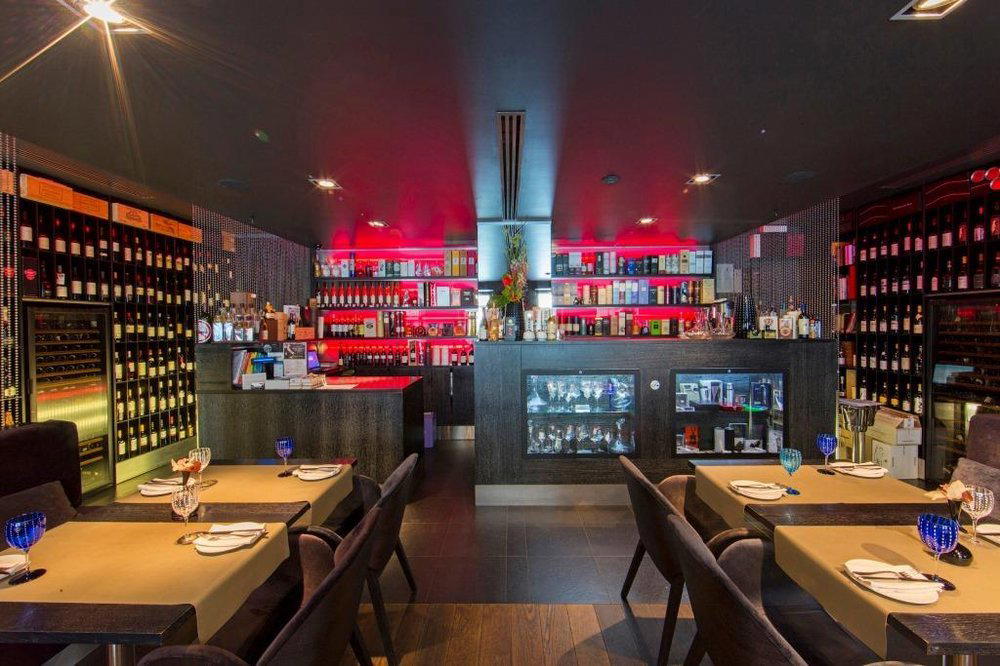
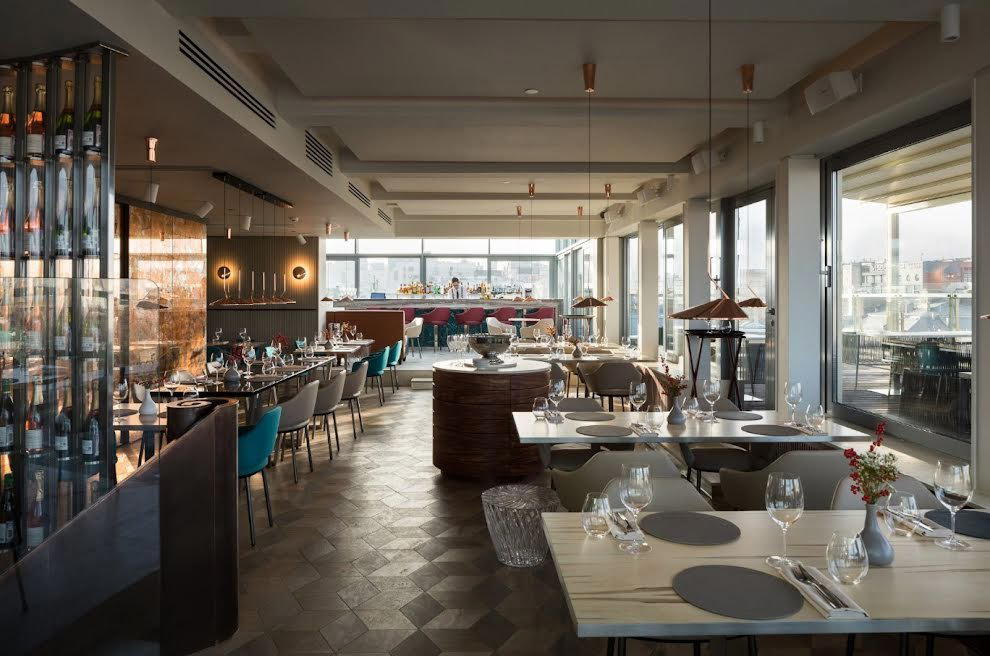
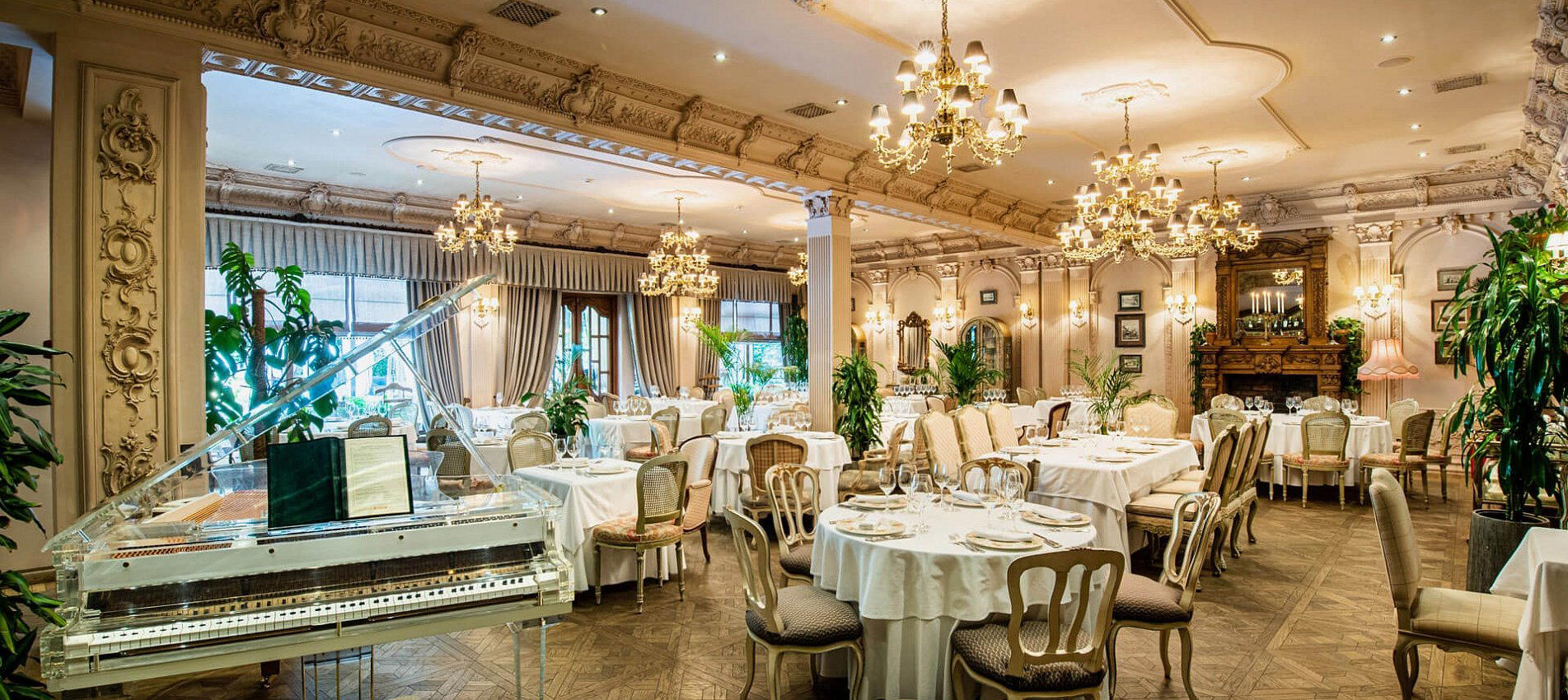
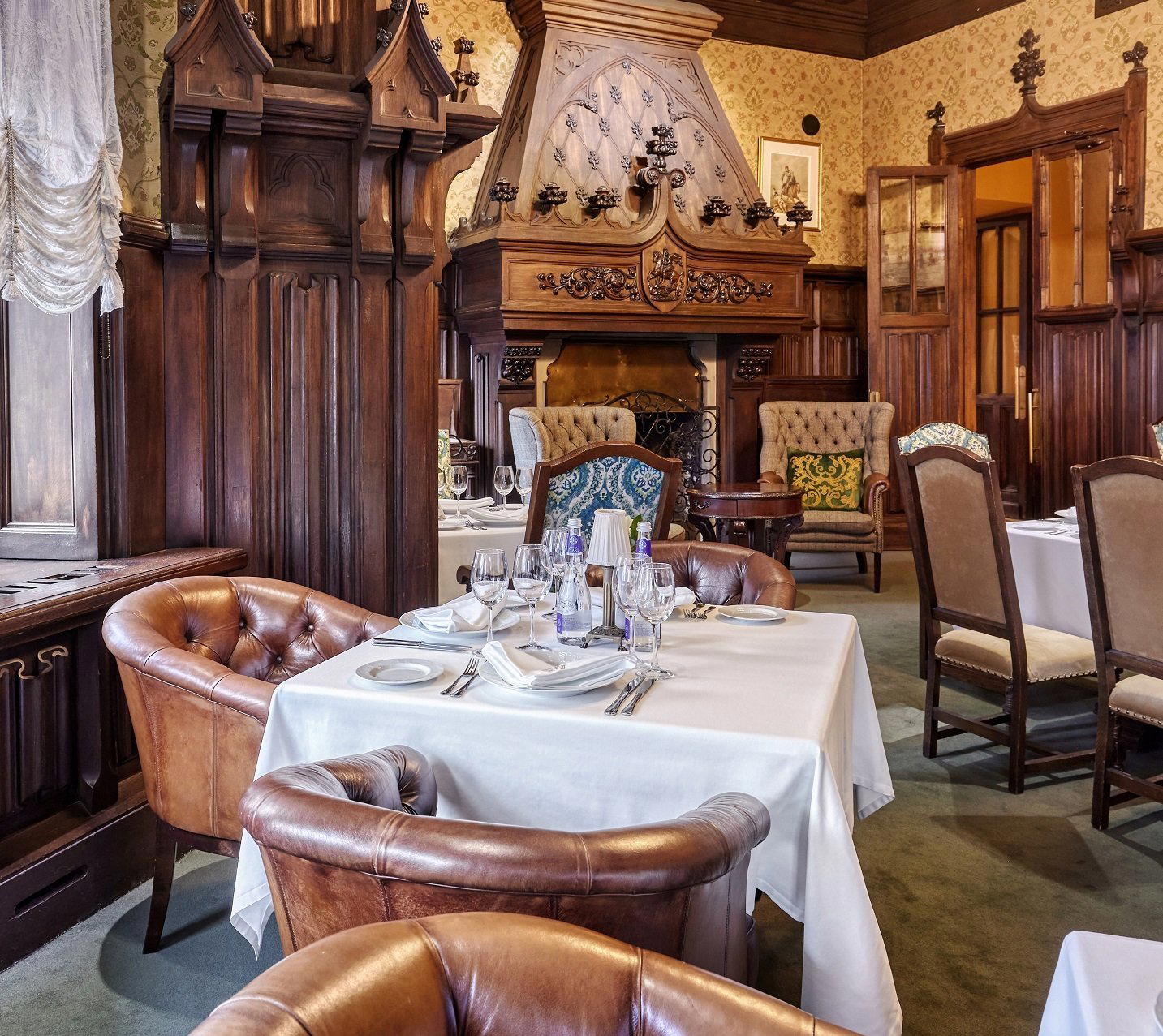
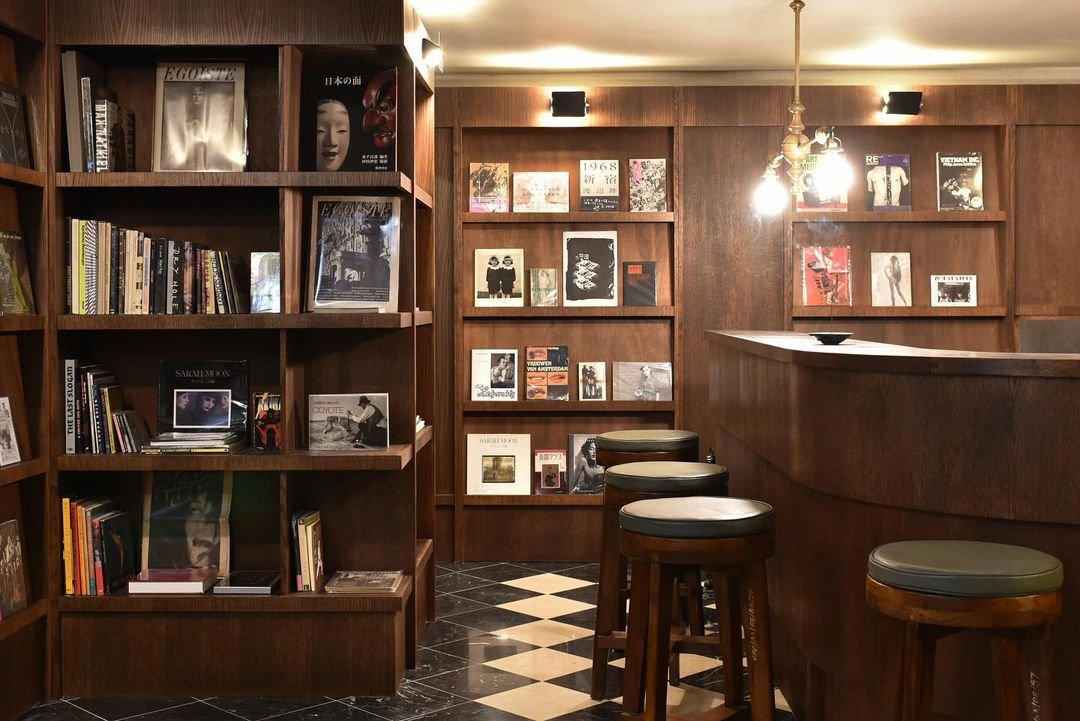
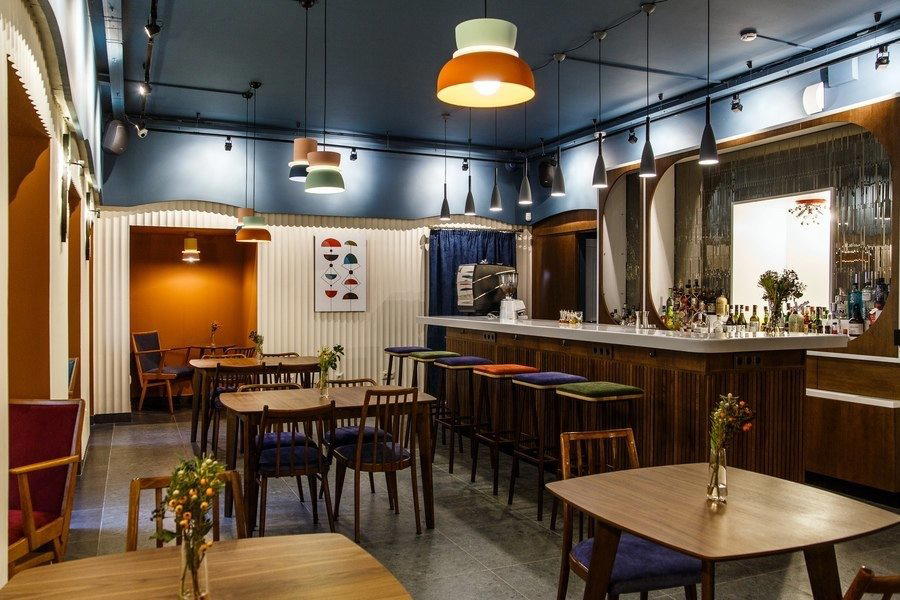
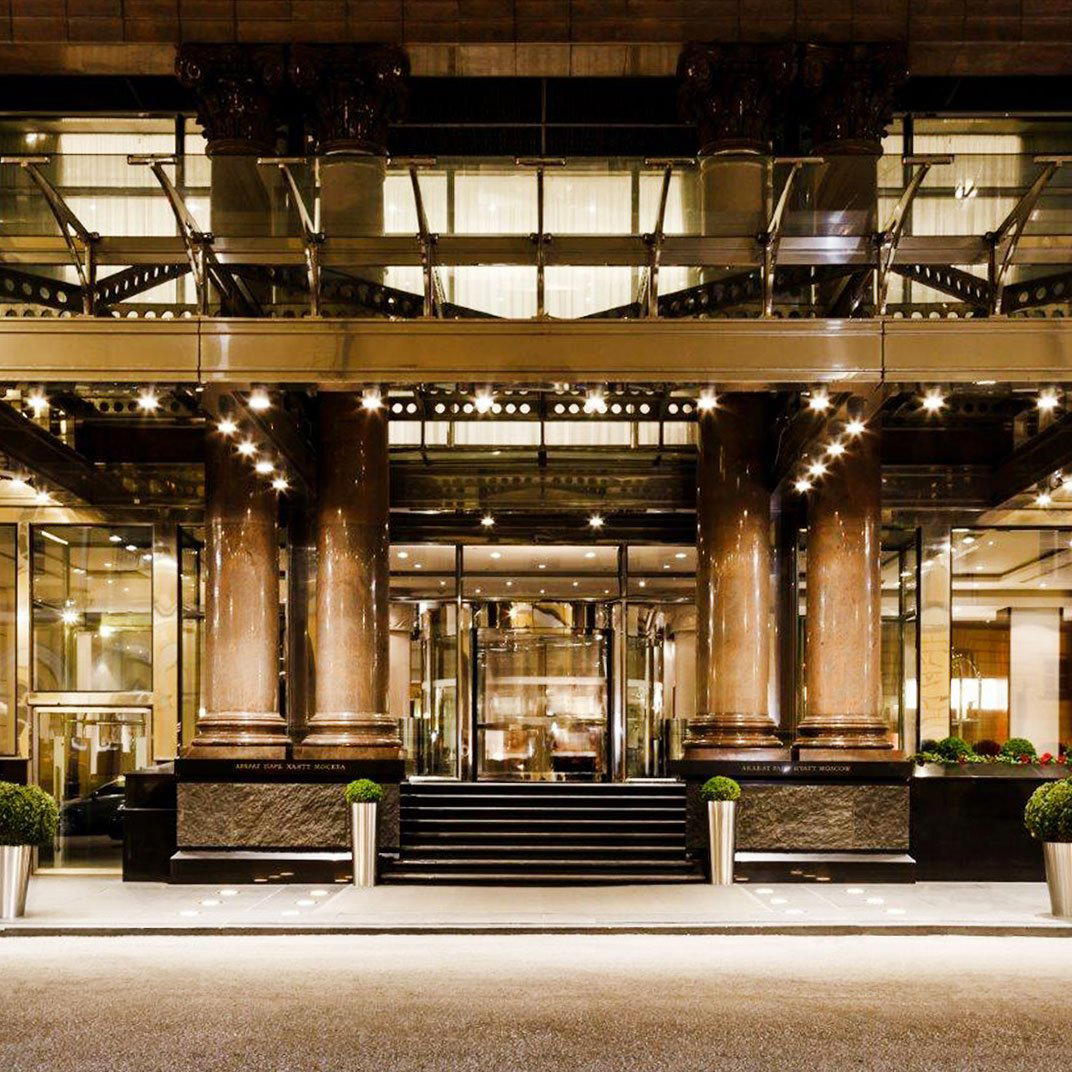
Cozy modern interior blending historic architecture with contemporary lighting, open kitchen views, and warm atmosphere ideal for conversation.