Ramen Tanron Honten

Ramen Tanron Honten belongs to Nishinomiya’s compact, counter-led ramen culture, where abura-soba and maze-soba sit beside soup ramen rather than below it. Its repeated selection for Tabelog Ramen WEST “Tabelog 100” in 2023, 2024, and 2025 gives the shop a clear regional signal without turning the experience into a formal destination meal.
Pearl is the En Primeur Club membership app — saves, bookings, and concierge access live there. Same editors, same standards.
- Address
- 2-13 Jogaboricho, Nishinomiya, Hyogo 662-0856, Japan
- Phone
- +81 798-36-7222
- Website
- plaza.rakuten.co.jp
 Saves & bookings on Pearl
Approaching a small ramen counter in Nishinomiya differs from entering a reservation-led dining room in Kobe or Osaka. The point is compression: a short row of seats, a focused kitchen, and a menu built around broth, tare, oil, noodles, and toppings rather than courses. Ramen Tanron Honten sits within that everyday Kansai grammar, but its Tabelog Ramen WEST “Tabelog 100” recognition in 2023, 2024, and 2025 places it among shops noticed beyond their immediate neighbourhood.
Nishinomiya is often read through residential calm, Koshien baseball traffic, and the commuter line between Osaka and Kobe, yet its eating culture rewards small formats. The city is not competing with Osaka’s volume or Kyoto’s ceremony. Its appeal lies in street-level specialist addresses: ramen counters, bakeries, udon rooms, curry shops, and dessert counters with regular local use. For a wider read, Our full Nishinomiya restaurants guide is the starting point; travellers building a longer itinerary can also scan Our full Nishinomiya hotels guide, Our full Nishinomiya bars guide, Our full Nishinomiya wineries guide, and Our full Nishinomiya experiences guide for the city around the meal.
Ramen, abura-soba, and maze-soba in a 12-seat counter format
The meaningful detail is not a chef biography or decorative origin story, but format. A 12-seat, counter-only ramen shop creates a narrow contract between kitchen and diner: turnover, timing, and noodles eaten while texture is strongest. That matters when the categories extend beyond soup ramen into abura-soba and maze-soba, where seasoning, oil, noodle weight, and mixing discipline carry the bowl without broth-led cushioning.
That range says much about contemporary Kansai ramen. The region’s stronger shops are no longer judged only by soup depth; dry and mixed noodle formats now sit within the serious conversation. Abura-soba asks whether tare and fat can coat without heaviness. Maze-soba depends on balance after the diner mixes the components. Soup ramen puts extraction and seasoning immediately forward. A counter working across all three must control more than one style of satisfaction.
Ingredient sourcing is the quiet axis behind that control. Ramen often flattens in English-language coverage into “broth” and “noodles,” but the better reading begins with supply chains: wheat character in the noodle, the salt and soy profile of the tare, the fat carrying aroma, and toppings adding texture rather than decoration. Specific suppliers are not the story here, but the category makes sourcing visible. In ramen, small changes in flour blend, water content, or seasoning concentration show quickly because the bowl has few places to hide.
Among Nishinomiya peers, this places the shop in a lower-priced, higher-frequency lane rather than the occasion-dining tier. ameen’s oven and torico. occupy similarly accessible spending territory, while Sumibi Kushiyaki Senmon Ten Toriten plays in a higher dinner bracket and Sanka Udon Hangeshou sits in the city’s noodle conversation from another tradition. Nearby listings such as Akash, Asai, Boulangerie Miyanaga, and Cake House Tsumagari Kouyouen honten show how varied Nishinomiya’s casual-specialist map becomes beyond one cuisine category.
Why the Tabelog 100 signal matters for a local ramen stop
Tabelog’s Hyakumeiten lists are not Michelin-style fine-dining medals; their value is different. For ramen, the “Tabelog 100” signal points to shops that have maintained enough attention in a crowded field to break out of ordinary neighbourhood utility. Ramen Tanron Honten being selected for the WEST ramen list across three consecutive cycles gives it repeat recognition, not a one-season spike.
That matters because ramen in Japan is a dense competitive category with low barriers for trial and high repeat-visit pressure. Diners compare bowls within narrow price bands and often judge shops against a personal circuit rather than a formal review canon. A counter can be locally beloved without travelling well; repeated regional recognition suggests broader relevance while preserving the format’s directness.
The house also has public history dating to 2008, separating it from short-lived trend shops built around novelty. Longevity in ramen is not romantic by itself. It means the kitchen has survived changes in noodle fashion, social media attention, and appetite for heavier, lighter, soup, and dry styles. In a category where openings can burn brightly and vanish quickly, that operating span is a useful trust marker.
The room’s practicality reinforces the editorial point. Counter seating, no private rooms, a non-smoking policy, and a children-welcome note place the experience closer to a disciplined local meal than a destination restaurant performance. Reservations are unavailable, so timing and appetite matter more than advance planning. The payment setup is cash-oriented, common in smaller Japanese food shops and best planned for rather than treated as an inconvenience.
How to place it within a Nishinomiya eating day
Ramen is rarely the only meal that defines a day in Nishinomiya. Treat it as the savoury anchor in a compact local circuit. Bread and pastry addresses, coffee stops, udon counters, and simple evening drinking rooms sit more naturally around ramen than a long tasting menu would. For travellers comparing Japanese casual formats beyond Hyogo, references such as.cafe in Osaka.know in Kumamoto, (Shoku) Vietnam in Kawasaki, and [Curry Senmon Ten] Maruyama Kyoju. in Sapporo show how small-format specialization changes by city.
The broader lesson is that a serious Japanese meal does not always announce itself through ceremony. It may be a counter, a short menu, and a bowl assembled around ingredient decisions the diner feels more than sees. Read Ramen Tanron Honten not as a ramen shrine, but as a compact example of how Nishinomiya’s food culture turns everyday categories into credible specialist stops.
For contrast, more formal or far-flung listings such as -Grilled beef Sukiyaki- KAMAKURA TANUKIAN 鎌倉 たぬき庵 in Kamakura. 鮪と炭火焼き うお炭 秋葉原店 in Tokyo, Jōdo Saké Bar in Los Angeles, and Onigiri Time in Pasadena underline the same point from different angles: Japanese dining travels through format as much as cuisine. Here, the format is spare, quick, and ingredient-sensitive. That is enough.
Comparison Snapshot
Nearby venues at a similar price tier for orientation.
| Venue | Cuisine | Price | Notes |
|---|---|---|---|
| Ramen Tanron HontenThis venue — the venue you are viewing | Ramen | $$ | Not listed |
| Okonomiyaki Kitaro | Okonomiyaki & Japanese Comfort Food | $$ | Nishinomiya |
| O'KINY | Casual Korean Restaurant | $$ | Kurakuen / Kurakuenguchi |
| Men Sho Kuukai | Dining | Not listed | Nishinomiya |
| Michel bach | Classic Western-style patisserie and dessert shop | $$ | Shukugawa |
| tonkatu butashou | Modern Tonkatsu & Izakaya-Style Japanese | $$ | Shukugawa |
Recognition history
Dated appearances from independent guides and award organizations, with the underlying list record or original source where available.
Tabelog 100 #12 · No. 12
Tabelog · Tabelog 100 - Ramen - WEST - 2025
Continue exploring
More in Nishinomiya
Restaurants in Nishinomiya
Browse all →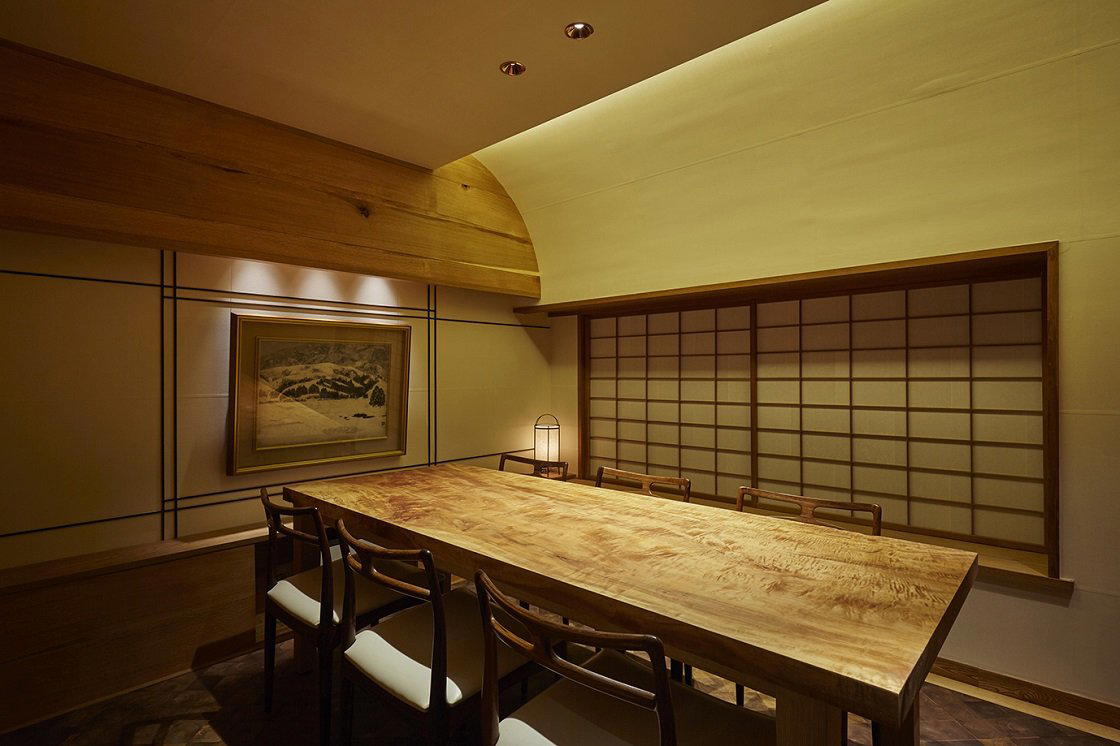




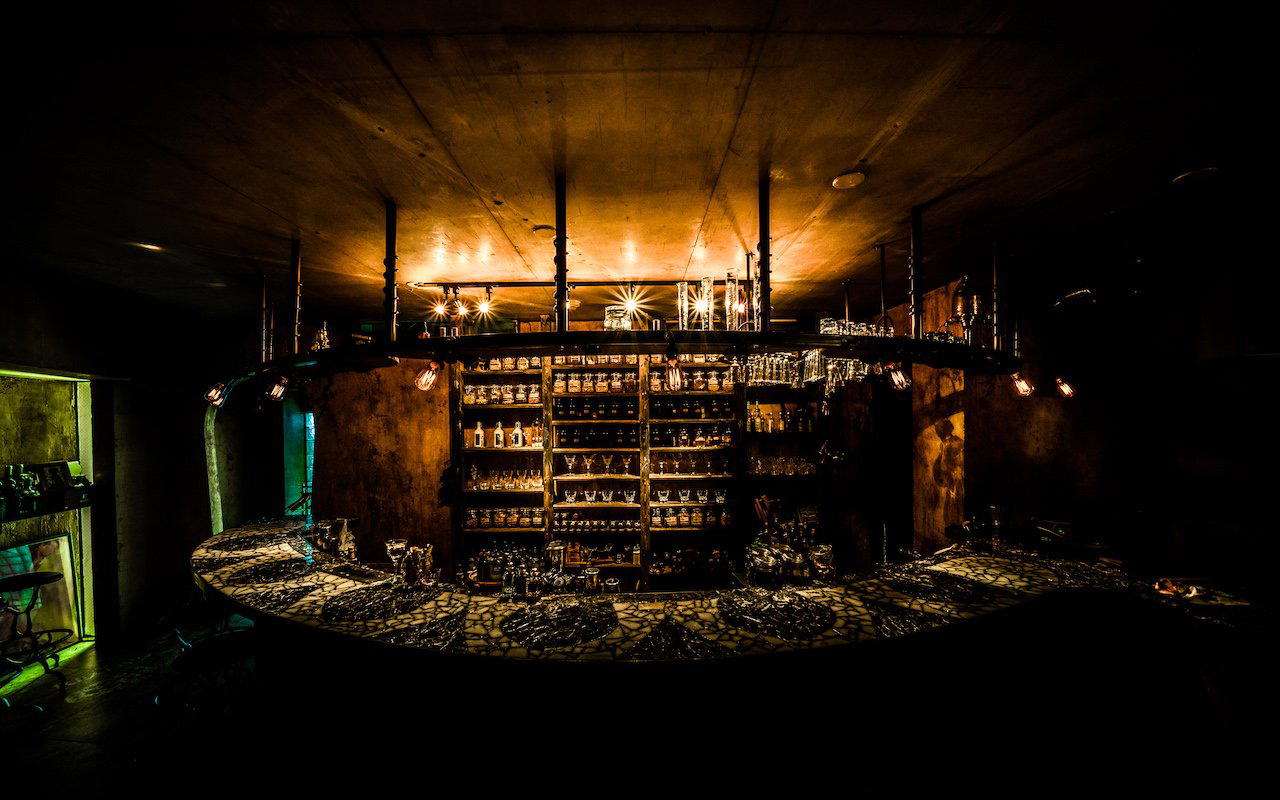
Bars in Nishinomiya
Browse all →



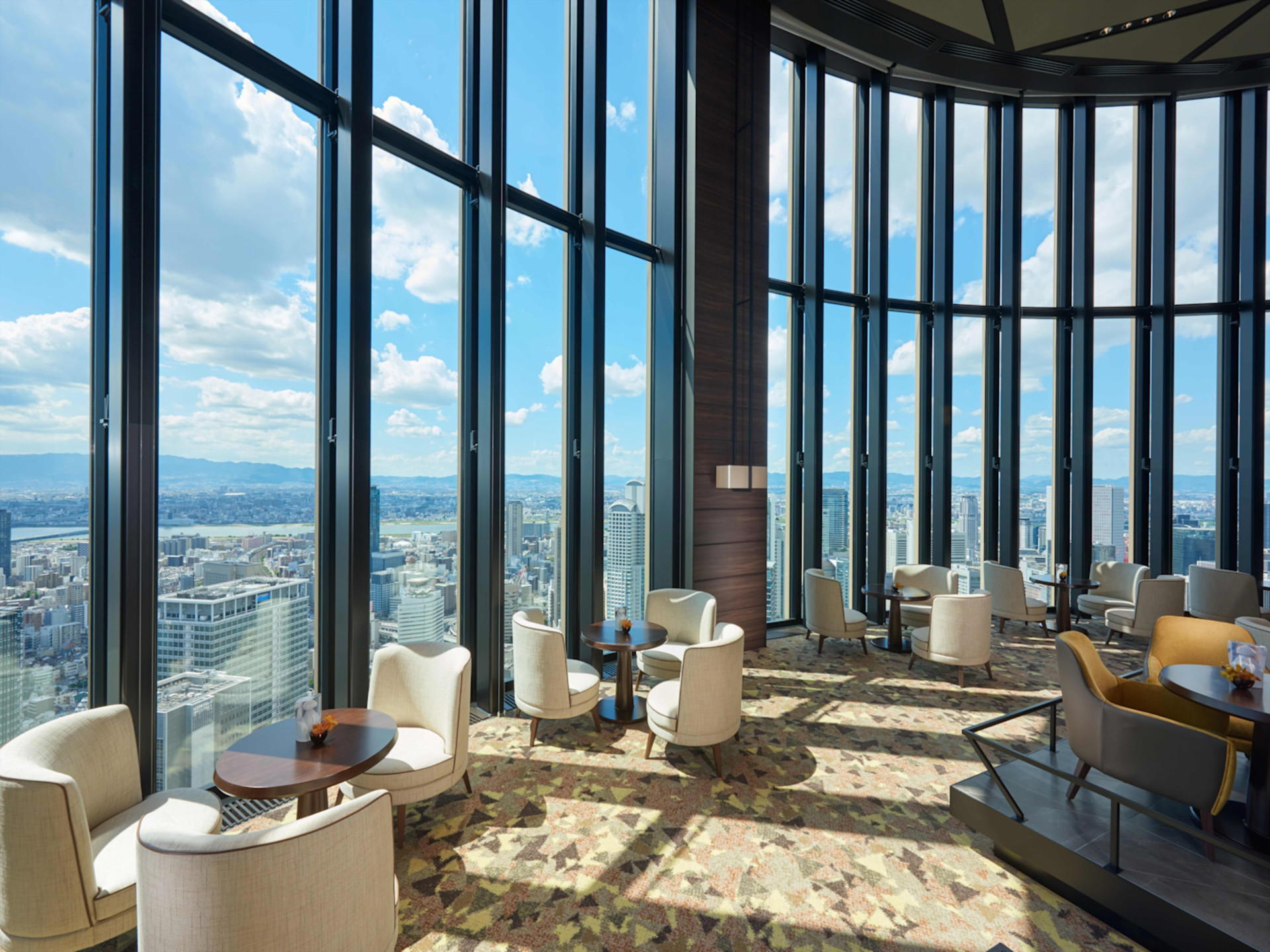
Hotels in Nishinomiya
Browse all →


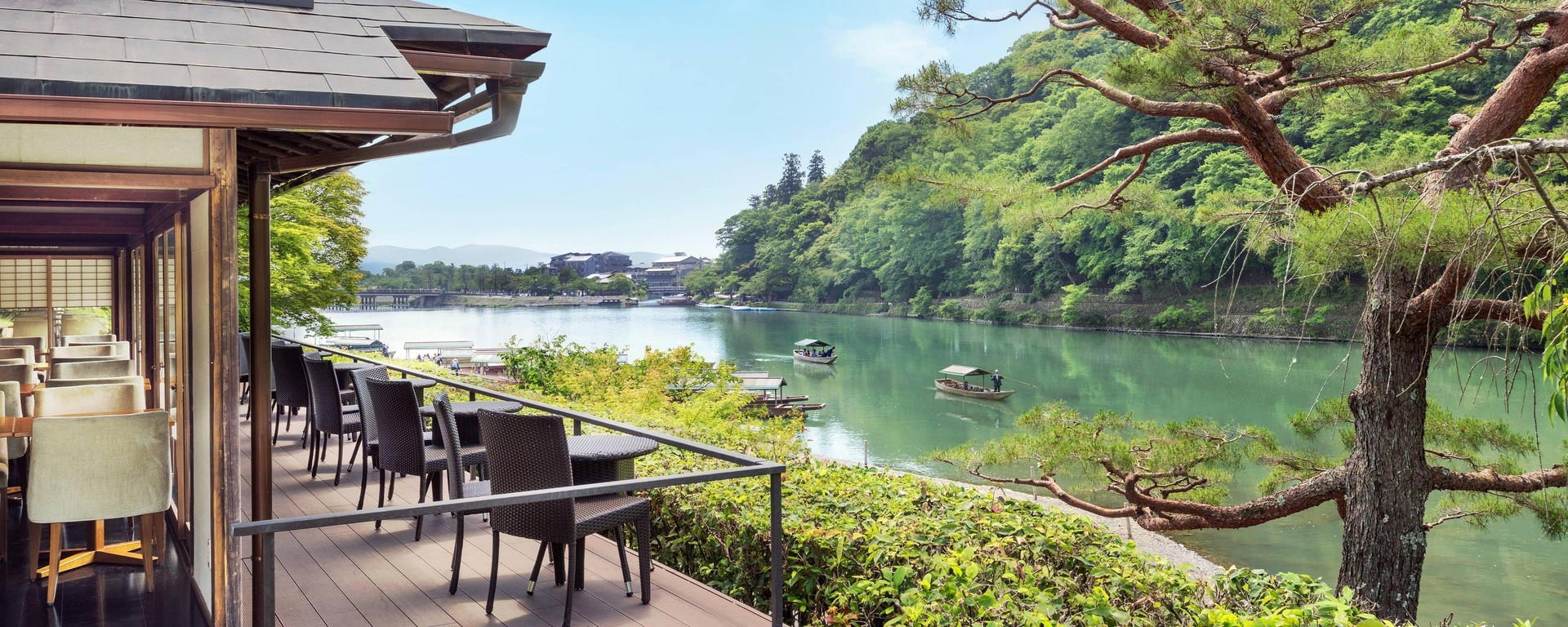
Wineries in Nishinomiya
Browse all →
At a Glance
- Lively
- Cozy
- Solo
- Casual Hangout
- Group Dining
- Late Night
- Standalone
- Open Kitchen
- Beer Program
- Street Scene
Current opening hours
- Monday
- Closed
- Tuesday
- 11 AM–2:30 PM, 6 PM–12 AM
- Wednesday
- 11 AM–2:30 PM, 6 PM–12 AM
- Thursday
- 11 AM–2:30 PM, 6 PM–12 AM
- Friday
- 11 AM–2:30 PM, 6 PM–12 AM
- Saturday
- 11 AM–2:30 PM, 6 PM–12 AM
- Sunday
- 11 AM–2:30 PM, 6 PM–12 AM
Hours can change for holidays and private events. Last verified .
Casual, busy ramen-shop atmosphere centered on quick service and rotating specialty bowls rather than a quiet dining experience.