リストランテ ダ ルーポ322

Tabelog 100 #82
Our verdict
リストランテ ダ ルーポ322 occupies a quiet address in Sanshocho, Nishinomiya, positioning itself within the Hanshin corridor's small but serious Italian dining scene. The restaurant's name and format suggest a trattoria-influenced approach filtered through the exacting local standards that define dining across Hyogo Prefecture. Advance booking is advised, particularly on weekends.

Pearl is the En Primeur Club membership app, where members save venues, book tables and use the concierge.
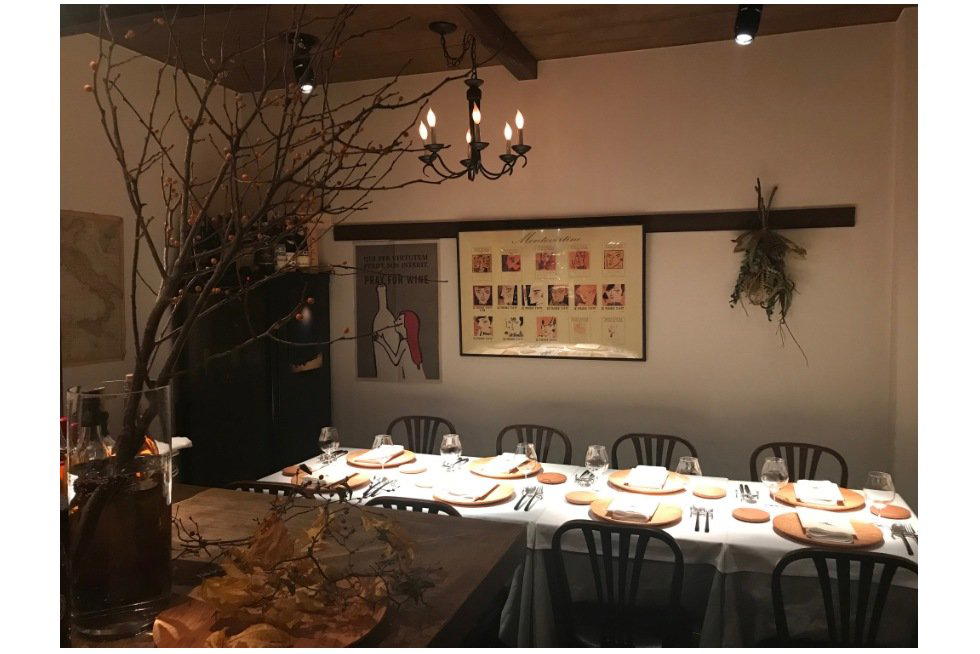
The menu
What to order
- White truffle risotto
- Roasted baby goat
- 紅葉鯛 カブ 林檎 キャビア
Italian Cooking in the Hanshin Corridor
Nishinomiya sits between Osaka and Kobe on the Hanshin line, and its dining scene reflects that positioning: serious enough to draw committed local regulars, understated enough to stay off the tourist radar that sweeps through the bigger cities on either side. The city is better known for sake brewing, the Nada district, which borders Nishinomiya, produces a significant share of Japan's premium nihonshu, than for its restaurants, but that industrial heritage has left behind a civic culture that values craft at close quarters. Italian restaurants have found particular traction in this environment, occupying a tier of neighbourhood formality that sits comfortably between the casual and the ceremonial.
Western-influenced fine dining has had a durable foothold in the Kansai region since the postwar period, and the Hyogo corridor in particular has sustained a consistent appetite for French and Italian formats. That appetite is quieter and less documented than what happens in Osaka or Kyoto, but it is no less serious. Small Italian rooms along the Hanshin line tend to run tight seatings, source carefully, and price against local expectations rather than tourist brackets. リストランテ ダ ルーポ322, addressed at 3-22 Sanshocho, operates within that tradition.
The Sanshocho Address
Sanshocho is a residential quarter, the kind of Nishinomiya street that functions at neighbourhood scale rather than destination scale. Restaurants that open in addresses like this are making a deliberate statement about their intended audience: local, returning, unhurried. The contrast with the performative dining of central Osaka, where spaces like HAJIME in Osaka operate with the full weight of Michelin stars and international attention, could hardly be sharper. Sanshocho venues answer to their immediate community first.
This is a pattern visible across Japanese regional cities. The most committed cooking does not always live at the most visible address. Comparable dynamics play out in Kyoto, where Gion Sasaki holds its position in a relatively contained neighbourhood setting, and in Nara, where akordu makes a case for serious European cooking well away from the larger urban pull of Osaka. The Hanshin corridor follows the same logic: the city might not be on the primary itinerary, but the cooking can be entirely worth the detour.
Italian Tradition in a Japanese Register
Italian cuisine in Japan has evolved along a trajectory that now places it firmly within the country's broader fine-dining grammar. The earliest Italian restaurants in postwar Japan were largely aspirational imports; by the 1990s, a generation of Japanese chefs had trained in Italy and returned with technical fluency. The result, across the following decades, has been an Italian restaurant culture that is Japanese in its attentiveness to seasonal produce, local sourcing, and service precision, while remaining Italian in its structural reference points: pasta as a course, secondi built around protein, wine as the primary pairing language.
In mid-sized Kansai cities, this synthesis tends to play out at a scale of perhaps a dozen to thirty seats, with menus that rotate with the agricultural calendar and wine lists that lean toward Italian regions without ignoring domestic producers. The format is familiar to anyone who has eaten seriously along the Hanshin line or in comparable corridors elsewhere in Japan. What distinguishes individual rooms is rarely the category itself but the sourcing decisions, the service consistency, and the degree to which the kitchen has absorbed Italian regional specificity rather than generic Italian signifiers. Venues in comparable tier brackets across the country, from Bistro Ange in Toyohashi to bodai, illustrate how European-influenced formats take on local character in Japanese regional settings.
Where リストランテ ダ ルーポ322 Sits in the Local Tier
Nishinomiya's restaurant scene is not large, but it sustains a coherent set of serious neighbourhood rooms. Komago and Matsumoto are among the local names that define the city's dining character. リストランテ ダ ルーポ322 occupies this same tier: a focused operation at a residential address, serving a format that requires investment from the kitchen and patience from the guest. The name itself, combining the Italian word for wolf with a specific street number, carries the kind of specificity that owner-operated European restaurants often use to signal a direct relationship between place and identity.
The broader Kansai context is worth holding in mind. The region produces some of Japan's most sustained Italian and French cooking outside Tokyo, from the technically demanding programs at HAJIME down through the neighbourhood tier that Nishinomiya represents. Diners coming from Tokyo's high-end Italian circuit, where rooms like those tracked alongside Harutaka in Tokyo set the reference frame for premium dining density, will find the Hanshin corridor quieter and more residential in character, but not less serious in execution at its better addresses.
Planning a Visit
Nishinomiya is directly accessible from Osaka and Kobe via the Hanshin Main Line; the journey from Osaka's Umeda takes under twenty minutes, placing the city within easy reach for an evening meal without an overnight stay. Sanshocho, where リストランテ ダ ルーポ322 is addressed, is accessible on foot or by local transport from Nishinomiya station. For visitors building a broader Kansai itinerary, the city slots naturally alongside Kobe and the western Osaka suburbs; our full Nishinomiya restaurants guide maps the wider scene. For context on how reservation-first formats operate across the Japanese fine-dining tier, comparable venues across the country from Goh in Fukuoka to 三本の指 川制 in Nanao follow the same advance-booking discipline.
Frequently asked questions
Where is リストランテ ダ ルーポ322 in Nishinomiya?
リストランテ ダ ルーポ322 is located at 3-22 Sanshocho, Nishinomiya, Hyogo 662-0978, Japan, Nishinomiya.
Is リストランテ ダ ルーポ322 a good option for dinner between Osaka and Kobe?
The restaurant's address at 3-22 Sanshocho, Nishinomiya puts it directly on the Hanshin Main Line corridor, reachable from Osaka's Umeda in under twenty minutes. That positioning makes it a practical stop for diners based in either city who want a neighbourhood Italian room rather than another central-Osaka or Kobe option. The Sanshocho quarter operates at local scale, which typically means smaller seatings and a quieter atmosphere than the main urban dining strips.
What's the best thing to order at リストランテ ダ ルーポ322?
At a Sanshocho-scale room like this one, pasta courses and secondi built around seasonal produce tend to anchor the menu. Contacting the restaurant directly will give you the most current picture of what is available.
Do they take walk-ins at リストランテ ダ ルーポ322?
No walk-in policy is documented for リストランテ ダ ルーポ322. Residential-quarter restaurants in Nishinomiya typically run at a scale that makes reservations advisable, particularly on weekends when the room is likely to fill. Reaching out in advance is the practical approach for this Sanshocho address.
What's リストランテ ダ ルーポ322 best at?
リストランテ ダ ルーポ322 occupies a position in Nishinomiya's neighbourhood dining tier alongside rooms such as Komago and Matsumoto, placing Italian technique at the centre of its offer. The Sanshocho address functions at residential rather than destination scale, which typically means a focused menu and consistent cooking over broad spectacle. That format suits diners looking for a serious local room rather than a high-volume city-centre venue.
Is リストランテ ダ ルーポ322 good for vegetarians?
Italian cuisine in Japan frequently includes vegetable-forward antipasti and pasta options, but no specific vegetarian menu data is recorded for リストランテ ダ ルーポ322. Communicating dietary requirements when making a reservation at this Sanshocho address is the most reliable way to confirm what the kitchen can accommodate.
A Pricing-First Comparison
Comparable venues nearby, for context on price, style, and recognition.
| Venue | Cuisine | Price | Awards | Notes |
|---|---|---|---|---|
| リストランテ ダ ルーポ322This venue (the venue you are viewing) | Modern Italian Fine Dining | $150–200 | Tabelog 100 #82 | Not listed |
| Sumibi Kushiyaki Senmon Ten Toriten | Traditional Yakitori & Kushiyaki | $20–30 | Tabelog 100 #100 | Sakurashukugawa, Traditional Yakitori & Kushiyaki |
| Elberan | Classic Japanese Western-style cakes & cookies | $10–20 | Tabelog 100 #55 | Shukugawa, Classic Japanese Western-style cakes & cookies |
| Ramen Tanron Honten | Ramen | $10–20 | Tabelog 100 #12 | Nishinomiya, Ramen |
| Yakitori Ryu | Yakitori & Chicken Dishes | $50–100 | Tabelog 100 #41 | Mondo Yakujin, Yakitori & Chicken Dishes |
| Chiisana Ryori Ten Morino Kujira So | Seasonal Spanish Course Restaurant | $30–50 | Tabelog 100 #61 | Namaze, Seasonal Spanish Course Restaurant |
Recognition history
Dated appearances from independent guides and award organizations, with the underlying list record or original source where available.
Tabelog 100 #82 · No. 82
Tabelog · Tabelog 100 - Italian - WEST - 2025
Continue exploring
More in Nishinomiya
Restaurants in Nishinomiya
All restaurants in Nishinomiya →

Bars in Nishinomiya
Browse all →



Hotels in Nishinomiya
Browse all →



Wineries in Nishinomiya
Browse all →
Details
- Intimate
- Elegant
- Cozy
- Date Night
- Special Occasion
- Open Kitchen
- Extensive Wine List
- Tasting Menu
- Wine
Current opening hours
- Monday
- Closed
- Tuesday
- 6–10 PM
- Wednesday
- 6–10 PM
- Thursday
- 6–10 PM
- Friday
- 6–10 PM
- Saturday
- 6–10 PM
- Sunday
- 6–10 PM
Hours can change for holidays and private events. Hours as of .
落ち着いた隠れ家的な雰囲気で、カウンター中心の居心地良い空間