Matsumoto

Tabelog Bronze #265
Our verdict
Sushi Matsumoto occupies a quiet corner of Nishinomiya's Kurakuen district with just ten counter seats and a Tabelog score of 3.86, placing it among the Kansai region's most consistently recognised sushi houses. A three-time Tabelog Bronze Award winner and multiple Tabelog Sushi WEST 100 selection, it operates on reservation only with dinner priced between JPY 20,000 and JPY 29,999. Cash only, no service charge.

Pearl is the En Primeur Club membership app, where members save venues, book tables and use the concierge.
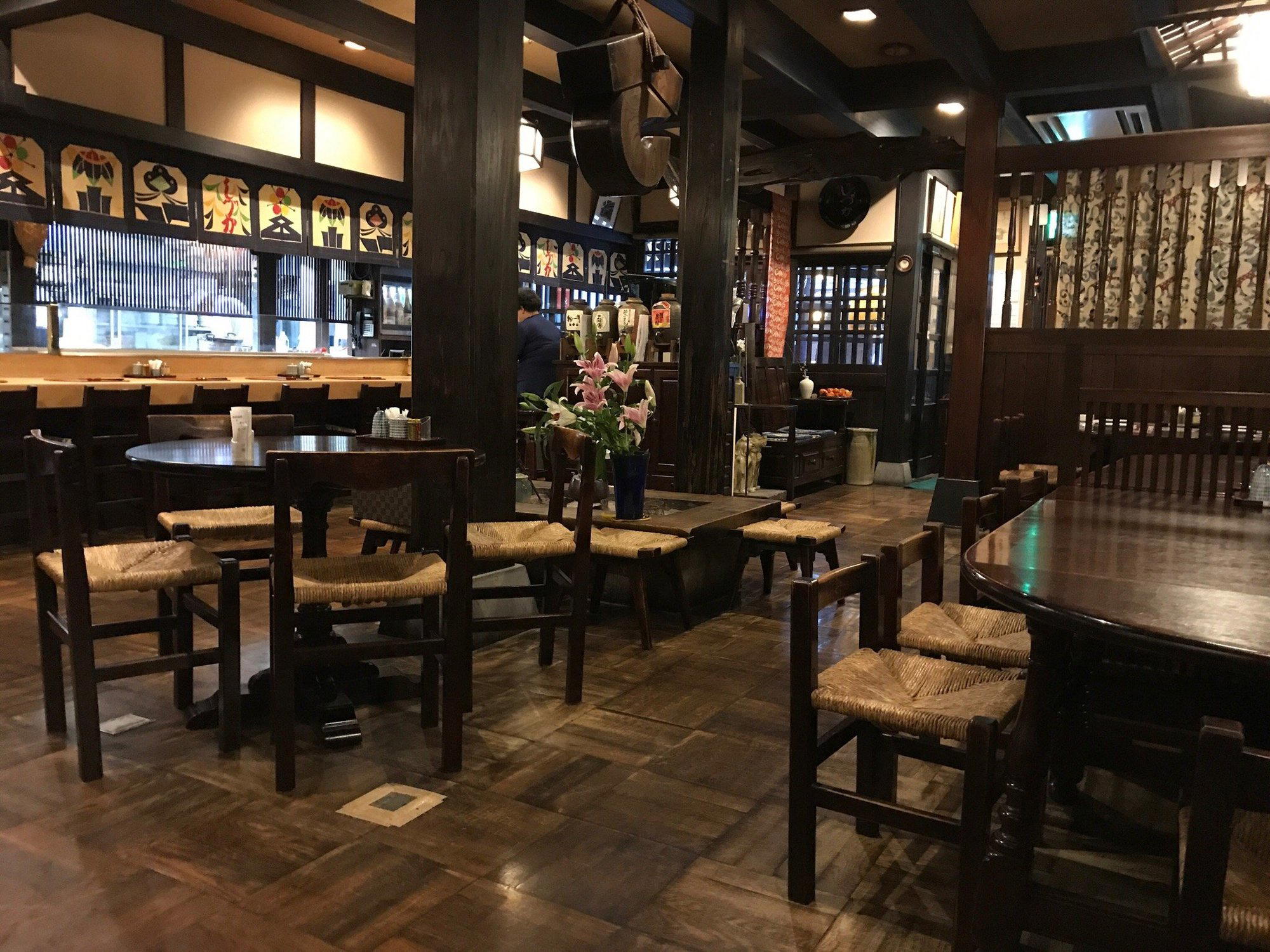
Counter Sushi Beyond Osaka: What Nishinomiya's Kurakuen District Offers
The residential corridor between Osaka and Kobe has long been overshadowed by the dining noise generated by those two cities. Nishinomiya sits in that gap, and its Kurakuen neighbourhood, reached via the Hankyu Kobe line, has quietly accumulated a tier of serious food addresses that operate without the foot-traffic pressure or tourist visibility of central Osaka. Counter sushi in this part of Hyogo prefecture follows a different rhythm: smaller venues, neighbourhood regulars, and a rice-forward technical sensibility that differs from the Ginza model where theatre and provenance storytelling dominate the conversation.
Sushi Matsumoto occupies the ground floor of a low-rise building at 2-33 Hinoikecho, roughly seven minutes on foot from Kurakuenguchi station. The counter seats ten. There is no overflow room, no private dining room, and no walk-in option. That physical constraint is not incidental, it is the format. In Japan's most competitive sushi markets, the ten-seat counter signals a commitment to a single sitting's worth of precision rather than multiple service rotations. The drink list runs to sake, shochu, and wine, and the venue permits guests to bring their own bottles, a policy that loosens the spend ceiling on any given evening without altering the kitchen's focus.
The Rice Variable: Why Temperature Matters in Serious Sushi
The Tabelog listing for Matsumoto carries an unusual descriptor: three different temperatures of sushi rice. That single detail positions the kitchen within a narrow and technically demanding sub-tradition. Shari temperature in Edomae-influenced sushi is not decorative variation, it changes how fat coats the palate, how the rice holds its compression through nigiri, and how each piece registers against different fish textures and fat levels. A warm shari against cold, lean fish is a different sensory argument than a body-temperature rice under fatty tuna. The fact that Matsumoto reportedly deploys three distinct temperature registers across a single service suggests the counter treats rice as an active, responsive variable rather than a fixed foundation.
This approach aligns Matsumoto with a strand of Kansai sushi thinking that has diverged from the Tokyo orthodoxy in interesting ways. Where much of the Edomae tradition codifies rice as a supporting element deferring to the fish, some Osaka and Hyogo practitioners have pushed shari into a more expressive role. That argument plays out most clearly at the ingredient level: the sourcing of the fish, the seasoning of the vinegar, and the temperature at which rice meets protein all become editorial choices that the chef makes for each piece. The Tabelog description frames this as "flexible and bold craftsmanship," which, absent verified sensory specifics, is consistent with a kitchen working in this technical register.
Recognition and Where It Sits in the Western Japan Sushi Field
The Tabelog Award structure uses Bronze, Silver, and Gold tiers mapped against a numerical scoring system. Matsumoto holds a 3.86 score and Tabelog Bronze Award wins in 2021, 2025, and 2026, alongside three consecutive selections for the Tabelog Sushi WEST 100, a list of the hundred most highly rated sushi restaurants in western Japan.
For comparison, the Tabelog Sushi WEST 100 spans the entire Kansai-Chugoku-Shikoku region, meaning inclusion represents selection from a substantially larger competitive pool than Tokyo-centric lists. Harutaka in Tokyo, which sits in the four-symbol Tabelog tier with strong Edomae credentials, represents the kind of peer address in the national sushi conversation that Matsumoto is measured against regionally, though the two operate in very different market contexts. Closer to home, the Kansai premium dining scene includes addresses like HAJIME in Osaka and Gion Sasaki in Kyoto, both operating at higher price points and within the dense city cores. Matsumoto's position in a residential suburb at JPY 20,000 to JPY 29,999 for dinner makes it a different kind of proposition: high-recognition sushi without the premium neighbourhood premium baked into the cover charge.
The dinner price range of JPY 20,000 to JPY 29,999 and lunch range of JPY 15,000 to JPY 19,999 position the counter at the serious end of regional sushi pricing, but below the upper tier occupied by Tokyo counters like Harutaka or international fish-focused institutions such as Le Bernardin in New York City. Within the Nishinomiya and wider Ashiya corridor, it sits alongside addresses like Abon in Ashiya in a cohort of neighbourhood-anchored precision dining that the area has developed independently of city-centre incentives.
Sourcing Logic at a Counter This Size
Ten seats imposes sourcing discipline that larger restaurants cannot replicate as cleanly. When a counter serves fewer than thirty covers across a lunch and dinner service, the volume of fish required is low enough that the kitchen can source from smaller, more selective suppliers, adjust daily based on what landed well at market, and avoid holding significant inventory. The Tabelog listing notes that the restaurant is "particular about fish," a phrase that, in the context of a counter at this price point, points toward active daily selection rather than locked supplier contracts.
Western Japan's proximity to the Seto Inland Sea and the Pacific approaches off Wakayama and Mie prefectures gives sushi chefs in this region access to fish that does not reliably appear on Tokyo counters at comparable freshness. Aji, sawara, and seasonal flatfish sourced from local day-boat fisheries represent a different argument than the blue-fin-and-uni premium structure that defines Ginza omakase marketing.
Planning a Visit: The Practical Details
Matsumoto operates Tuesday and Saturday evenings from 17:00 to 22:00, with the remaining weekday and Sunday schedule adding lunch service from 12:00 to 14:00 (last entry 13:00) and a second dinner sitting from 17:00 to 22:00 (last entry 20:00). Monday is closed, shifting to Tuesday if a public holiday falls on Monday. Lunch reservations open one month in advance. The counter is reservation-only, and with ten seats, the booking window is narrow, planning at least a month ahead for dinner is advisable.
Payment is cash only. Credit cards, electronic money, and QR code payments are not accepted, which is a meaningful logistical note at a price point where dinner can reach JPY 29,999 per head. There is no service charge or table charge. The venue does not have private rooms, though full private use of the counter space is listed as available for groups, useful to know for a party of up to ten. Parking is not on-site; paid parking is available nearby. The closest transit access is Kurakuenguchi station on the Hankyu Kobe line, approximately 496 metres away, with Kurakuen station seven minutes' walk.
Guests may bring their own wine or champagne. The house drink list covers sake, shochu, and wine. The non-smoking policy applies throughout. For visitors building a broader Kansai itinerary, the area connects naturally to the Osaka dining scene, HAJIME and other Osaka addresses are within direct commuting distance by the Hankyu network. Beyond sushi, akordu in Nara and Goh in Fukuoka represent the broader Tabelog-recognised fine dining field across Kansai and Kyushu for travellers extending their itinerary. Explore more through our full Nishinomiya restaurants guide, hotels guide, bars guide, wineries guide, and experiences guide for Nishinomiya.
Frequently asked questions
Would Matsumoto be comfortable with kids?
Unlikely to suit young children. Matsumoto is a ten-seat counter operating reservation-only, with dinner averaging JPY 20,000 to JPY 29,999 per person and a strict cash-only payment policy. The format is built around a quiet, focused counter experience rather than a family dining setting.
What's the overall feel of Matsumoto?
Ten seats, counter-only, no private rooms, and no credit cards accepted, Matsumoto is a stripped-back sushi counter in a residential Nishinomiya neighbourhood, closer to Kurakuenguchi than to the noise of central Osaka. The Tabelog Bronze Award and Sushi WEST 100 selection signal serious intent without the formality of a Ginza-tier venue.
What's Matsumoto known for in terms of accolades?
Matsumoto has received recognition including:
What do regulars order at Matsumoto?
The kitchen drives the sequence at Matsumoto; it operates as a counter sushi format rather than à la carte. The Tabelog listing specifically highlights the sushi rice preparation, noting that fish sourcing is a deliberate focus at this counter size.
Is Matsumoto open every day?
Hours at Matsumoto: Tue, Sat 17:00 - 22:00.
What part of town is Matsumoto in?
Matsumoto is located at 2-33 Hinoikecho, Nishinomiya, Hyogo 662-0084, Japan, Nishinomiya.
What's the defining dish or idea at Matsumoto?
The three-temperature shari approach is the detail that distinguishes Matsumoto within the Tabelog Sushi WEST 100 field. Serving sushi rice at different temperatures across a counter sequence requires precise timing and reflects a technical position on how temperature affects the fish-rice relationship.
Fast Comparison
Comparable venues nearby, for context on price, style, and recognition.
| Venue | Cuisine | Price | Awards | Notes |
|---|---|---|---|---|
| MatsumotoThis venue (the venue you are viewing) | Modern Avant-Garde Omakase Sushi | $150–200 | Tabelog Bronze #265 | Not listed |
| Komago | Traditional Japanese Kaiseki | $150–200 | Not listed | Kōyōen |
| Sumibi Kushiyaki Senmon Ten Toriten | Traditional Yakitori & Kushiyaki | $20–30 | Tabelog 100 #100 | Sakurashukugawa |
| tonkatu butashou | Modern Tonkatsu & Izakaya-Style Japanese | $30–50 | Tabelog 100 #38 | Shukugawa |
| Asai | Okonomiyaki (Japanese savory pancakes) counter | $20–30 | Tabelog 100 #79 | Kurakuenguchi |
| Men Sho Kuukai | Dining | Not listed | Tabelog 100 #63 | Nishinomiya |
Recognition history
Dated appearances from independent guides and award organizations, with the underlying list record or original source where available.
Tabelog Bronze #265
Tabelog
Full recognition history (3 entries)
Tabelog 100 #93 · No. 93
Tabelog · Tabelog 100 - Sushi - WEST - 2025
Tabelog Bronze
Tabelog
Continue exploring
More in Nishinomiya
Restaurants in Nishinomiya
All restaurants in Nishinomiya →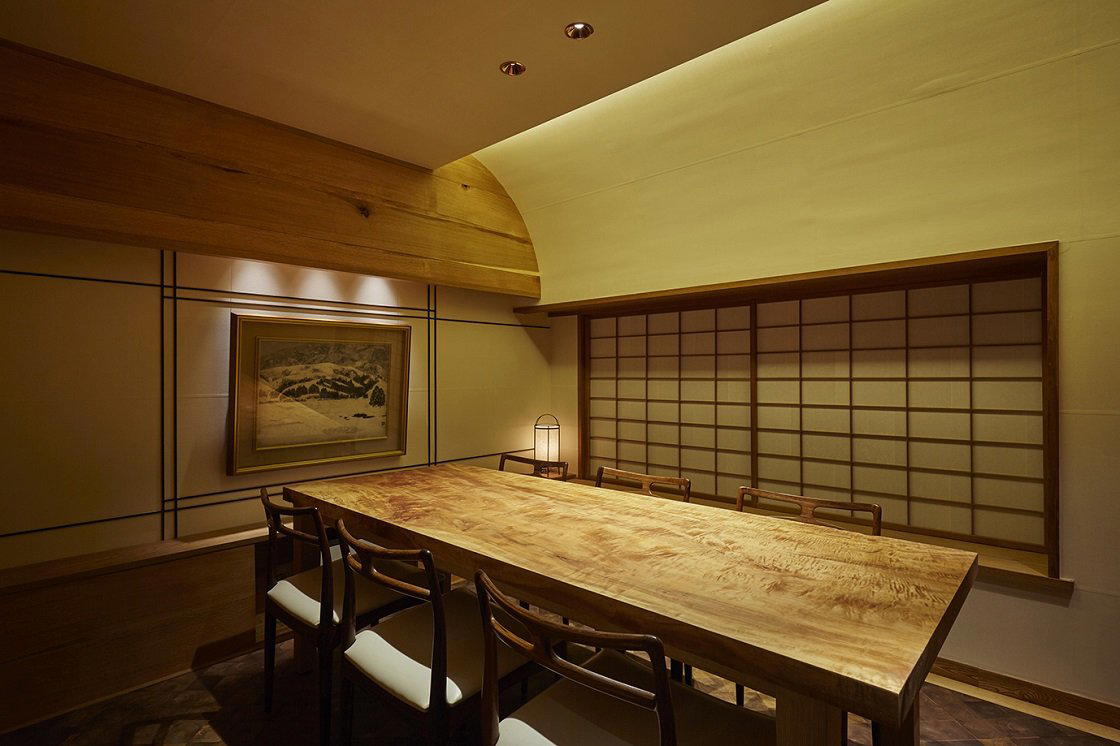


Bars in Nishinomiya
Browse all →

Hotels in Nishinomiya
Browse all →



Wineries in Nishinomiya
Browse all →
Details
- Elegant
- Sophisticated
- Intimate
- Modern
- Date Night
- Special Occasion
- Business Dinner
- Chefs Counter
- Sake Program
- Omakase
- Counter Dining
Current opening hours
- Monday
- Closed
- Tuesday
- 5–10 PM
- Wednesday
- 12–2 PM, 5–10 PM
- Thursday
- 5–10 PM
- Friday
- 12–2 PM, 5–10 PM
- Saturday
- 5–10 PM
- Sunday
- 12–2 PM, 5–10 PM
Hours can change for holidays and private events. Hours as of .
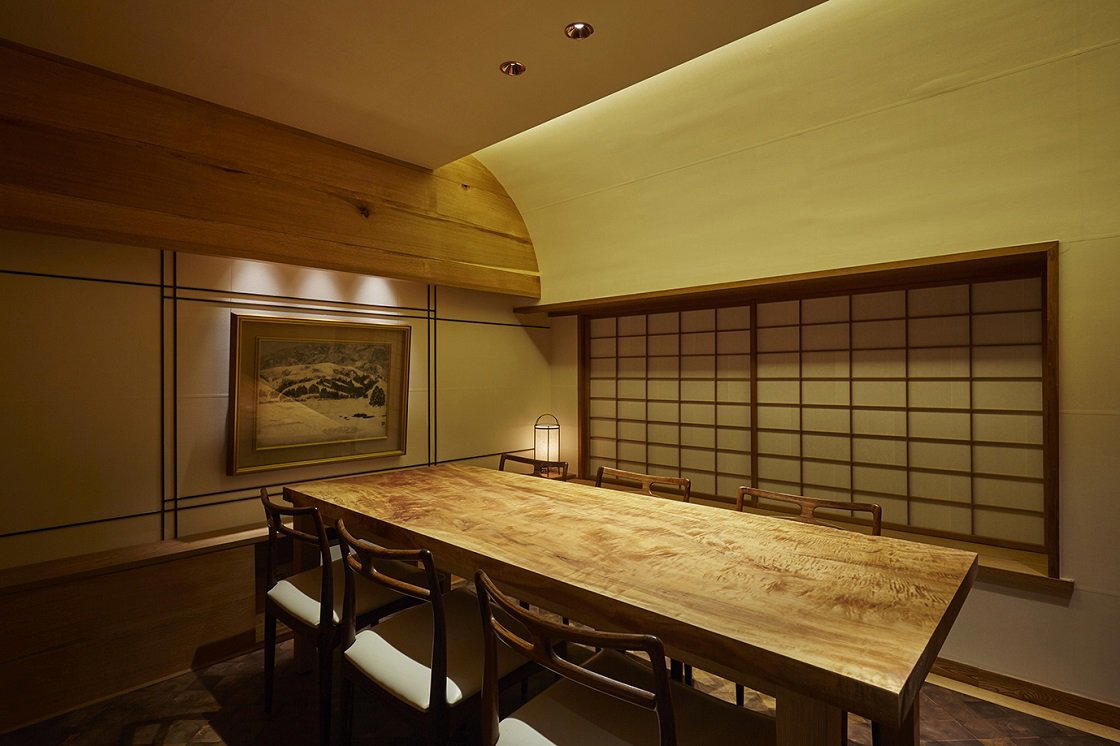
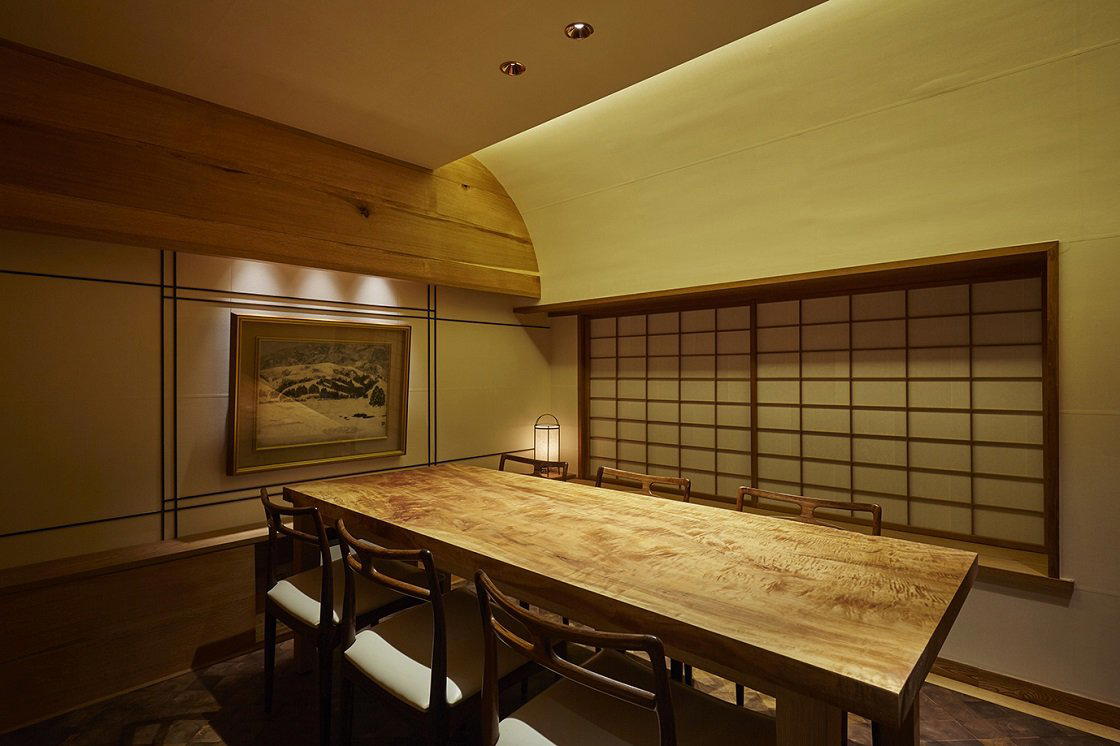
Simple, relaxing space with a prominent hinoki counter evoking subtle sukiya-style elegance and refined intimacy.