Asai

Tabelog 100 #79
Our verdict
Asai brings Nishinomiya’s okonomiyaki culture into a compact counter format near Kurakuenguchi, with 12 counter seats and recognition on Tabelog’s Okonomiyaki 100 list in 2023 and 2025. The appeal is not ceremony in the luxury sense, but the discipline of a griddle meal: close quarters, quick pacing, and a local price band that keeps the focus on the cooking rather than the room.

Pearl is the En Primeur Club membership app, where members save venues, book tables and use the concierge.
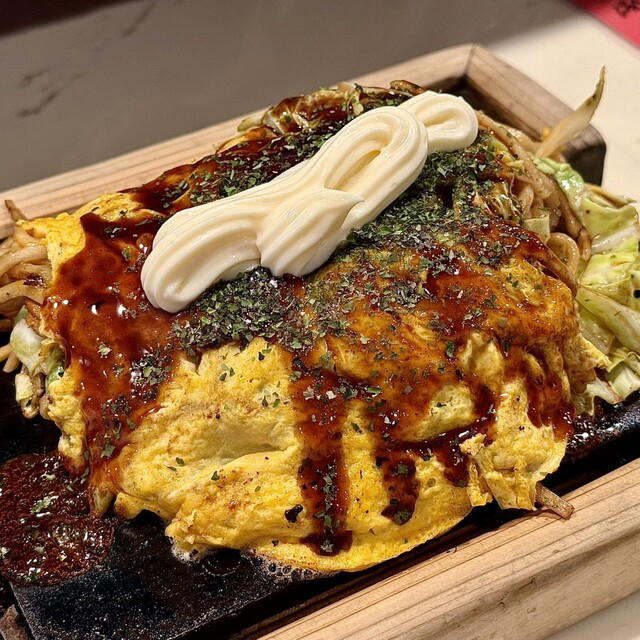
Approaching a small okonomiyaki counter in Nishinomiya is a different proposition from entering a tasting-menu dining room. The cues are immediate and practical: a narrow room, counter seating, the griddle as the center of gravity, and a meal shaped by heat, timing, and proximity rather than elaborate staging. In the Kansai orbit, this is not secondary dining. Okonomiyaki has its own etiquette, its own rhythm, and its own hierarchy of specialists, and Asai belongs to the compact end of that hierarchy: 12 counter seats, a take-out option, and selection for Tabelog’s Okonomiyaki 100 in both 2023 and 2025.
Nishinomiya’s dining map often reads as residential rather than destination-driven, which is exactly why small-format specialists matter here. The city sits between Osaka and Kobe, absorbing the habits of both without becoming a replica of either. Bread counters, confectioners, neighborhood washoku rooms, and griddle shops can sit within the same daily circuit. For a broader read on the city, Our full Nishinomiya restaurants guide gives useful context alongside nearby names such as Akash, ameen’s oven, Boulangerie Miyanaga, Cake House Tsumagari Kouyouen honten, and Chiisana Ryori Ten Morino Kujira So.
A 12-seat counter turns okonomiyaki into a timing ritual
Okonomiyaki is often flattened in English as a Japanese savory pancake, but the label misses the point. In Kansai dining, the dish is a griddle ritual built around batter, cabbage, chosen fillings, sauce, and heat management. The counter matters because the cooking is not hidden backstage. A small room makes the sequence legible: order, watch the griddle work, eat while the dish is in its proper window, then move on without stretching the meal into a long occasion.
That is the relevant frame for Asai. Its recognition on Tabelog’s Okonomiyaki 100 places it inside a category where craft is judged against other specialist griddle restaurants, not against formal kaiseki rooms or hotel dining. The Tabelog score of 3.59 and repeat selection in 2023 and 2025 are useful signals because okonomiyaki is a crowded genre in western Japan. A counter of this size has little room to hide weak pacing or indifferent execution.
The format also shapes who the meal suits. Solo dining and meals with friends fit naturally because the counter reduces the social friction of the room. This is not a private-room restaurant, and it is not built for sprawling group dining. The better comparison is with other low-capacity, high-frequency neighborhood specialists where the meal works because the format is narrow. In Nishinomiya, that puts it in a different lane from lower-priced casual peers such as Ryoichi Yamauchi or O’KINY, and far from a higher-spend restaurant such as numero Cinco. Price alone does not define the category; the cooking format does.
Nishinomiya's value tier has more discipline than glamour
The spending band is part of the argument. Dinner falls around JPY 2,000 to JPY 2,999, with lunch around JPY 1,000 to JPY 1,999. In Japan’s current dining economy, that places the experience in a practical local bracket, not a trophy bracket. The value comes from concentration: a specialist category, a limited counter, and a menu style that does not require luxury ingredients to justify attention.
That distinction matters for travelers who build Kansai itineraries around Kyoto temples, Osaka nightlife, and Kobe beef. Nishinomiya rewards a slower, more granular approach. Pairing a griddle meal with the city’s bakeries, sweets shops, and neighborhood restaurants gives a truer picture of how locals eat across the day. Those extending the itinerary beyond restaurants can cross-check Our full Nishinomiya hotels guide, Our full Nishinomiya bars guide, Our full Nishinomiya wineries guide, and Our full Nishinomiya experiences guide rather than treating the city as a single-meal stop.
The practical edges are part of the experience rather than inconveniences to romanticize. Reservations are unavailable, payment is cash-oriented with credit cards, electronic money, and QR code payments not accepted, and parking is unavailable. The room is close to Kurakuenguchi Station, which makes rail the sensible approach. Opening windows are limited, with service concentrated around Friday, Saturday, and Sunday, so the meal rewards planning without turning into a formal booking exercise.
How to read Asai against Japan's specialist dining culture
Japan’s strongest casual specialists tend to be exacting without being precious. Ramen counters, soba rooms, yakitori grills, curry shops, onigiri counters, and okonomiyaki restaurants all share a common logic: narrow the proposition, repeat it often, and let small differences become meaningful. That is why a Tabelog category selection can carry weight in a genre that does not depend on international award language.
For travelers comparing across Japan, the useful lens is specialization rather than cuisine prestige. A griddle counter in Hyogo, a curry specialist in Hokkaido such as [Curry Senmon Ten] Maruyama Kyoju. in Sapporo, a compact Vietnamese address like (Shoku) Vietnam in Kawasaki, or a small urban cafe such as.cafe in Osaka can tell the reader more about everyday Japanese dining than a single high-price reservation. The same comparison can extend outward to diaspora Japanese formats, from Onigiri Time in Pasadena to Jōdo Saké Bar in Los Angeles, where the ritual is adapted to a different market.
Asai’s appeal is therefore specific, not universal. It is for diners who understand that okonomiyaki is judged by heat, pacing, portion, and the confidence of repetition. It is less persuasive for anyone seeking a long-form dinner, broad menu architecture, or polished hospitality theater. Within Nishinomiya, its case rests on category credibility, repeat recognition, and a counter format that keeps the meal close to the griddle.
For route-building across EP Club’s wider Japan and restaurant coverage, compare the single-specialty logic here with -Grilled beef Sukiyaki- KAMAKURA TANUKIAN 鎌倉 たぬき庵 in Kamakura. 鮪と炭火焼き うお炭 秋葉原店 in Tokyo, and.know in Kumamoto. The common thread is not luxury. It is format discipline: knowing what kind of meal a room is designed to deliver, then judging it on those terms.
Frequently asked questions
What's Asai's location?
Asai is located in Nishinomiya.
What does dinner at Asai typically cost?
Pricing at Asai is listed as JPY 2,000 - JPY 2,999 JPY 1,000 - JPY 1,999 View spending breakdown.
Do I need a reservation for Asai?
The venue listing says reservations are unavailable, so planning around the posted service windows matters more than booking. Asai runs a 12-seat counter in Nishinomiya, with service on Friday and Saturday evenings and Sunday lunch and dinner.
What's Asai best at?
Asai’s strongest case is the format itself: a 12-seat counter dedicated to okonomiyaki, plus selection for Tabelog Okonomiyaki 100 in 2025. That combination places it in the small group of specialist counters where the appeal is focus, not breadth.
Can Asai accommodate dietary restrictions?
The listing does not specify dietary policies, and the restaurant is a compact okonomiyaki counter in Nishinomiya with take-out service. For any restriction that matters, the practical move is to call +81-798-71-5808 before going.
Cuisine Lens
Nearby venues at a similar price tier for orientation.
| Venue | Cuisine | Price | Awards | Notes |
|---|---|---|---|---|
| AsaiThis venue (the venue you are viewing) | Okonomiyaki (Japanese savory pancakes) counter | $20–30 | Tabelog 100 #79 | Not listed |
| Okonomiyaki Kitaro | Okonomiyaki & Japanese Comfort Food | $10–20 | Tabelog 100 #89 | Nishinomiya |
| Sumibi Kushiyaki Senmon Ten Toriten | Traditional Yakitori & Kushiyaki | $20–30 | Tabelog 100 #100 | Sakurashukugawa |
| Okamoto | Yakitori | $50–100 | Tabelog 100 #71 | Koshienguchi |
| numero Cinco | Mexican & Southwestern Comfort Food | $20–30 | Tabelog 100 #88 | Not listed |
| Elberan | Classic Japanese Western-style cakes & cookies | $10–20 | Tabelog 100 #55 | Shukugawa |
Recognition history
Dated appearances from independent guides and award organizations, with the underlying list record or original source where available.
Tabelog 100 #79 · No. 79
Tabelog · Tabelog 100 - Okonomiyaki - 2025
Continue exploring
More in Nishinomiya
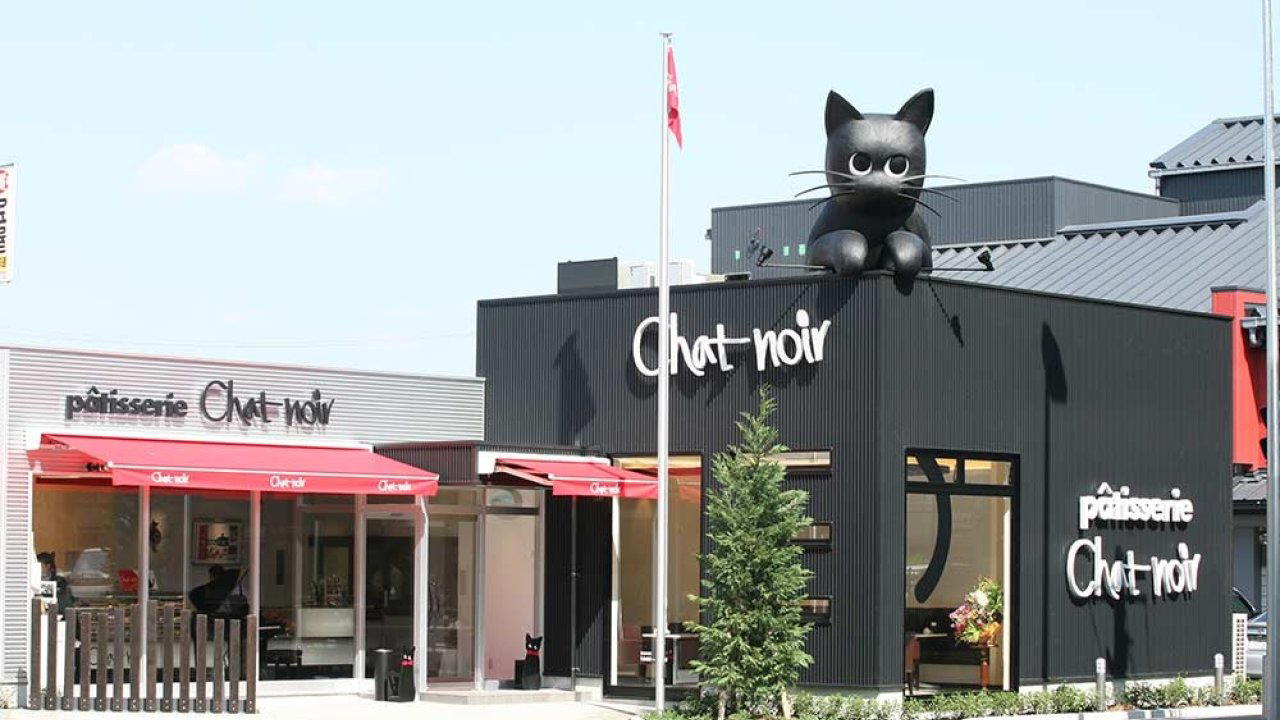
Restaurants in Nishinomiya
All restaurants in Nishinomiya →


Bars in Nishinomiya
Browse all →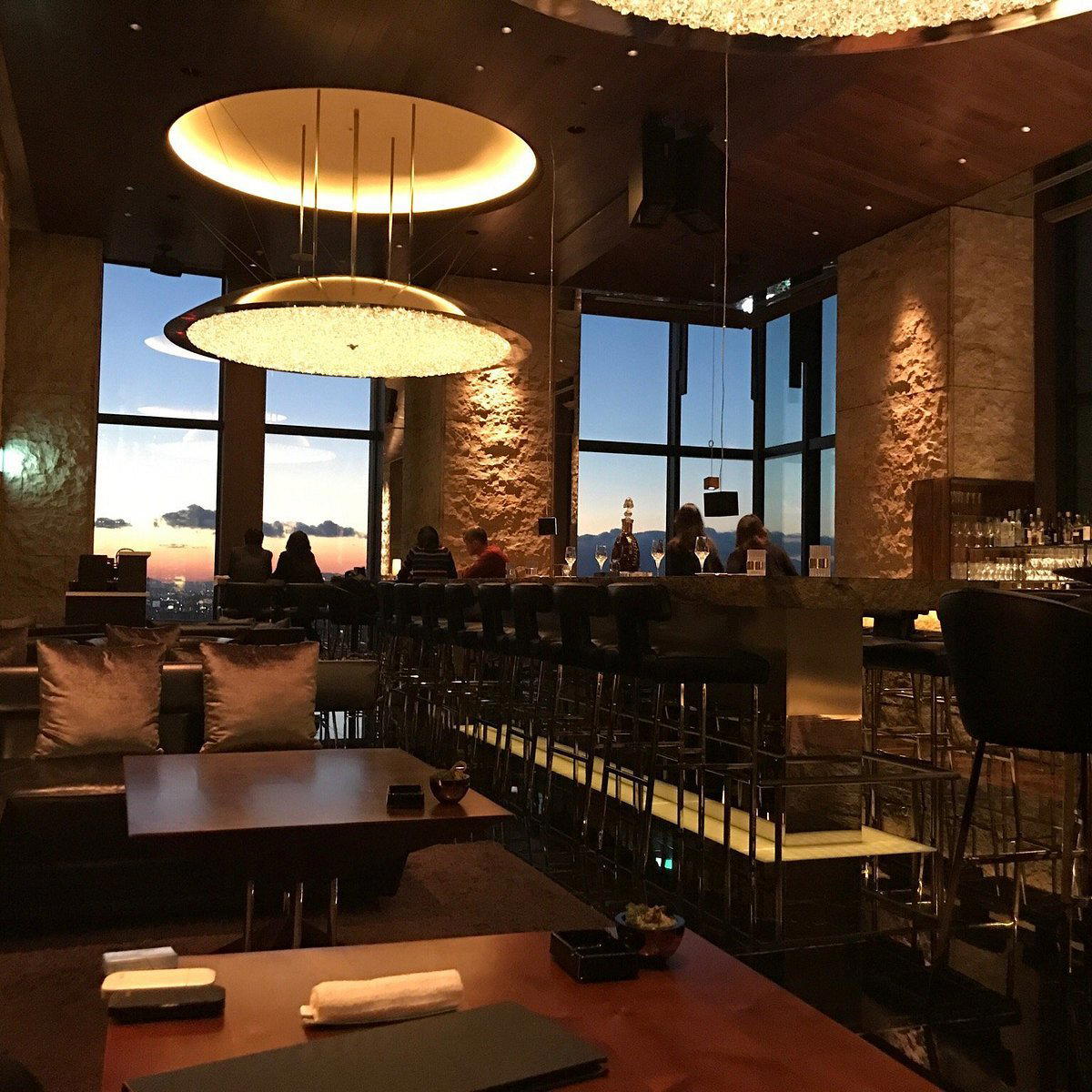



Hotels in Nishinomiya
Browse all →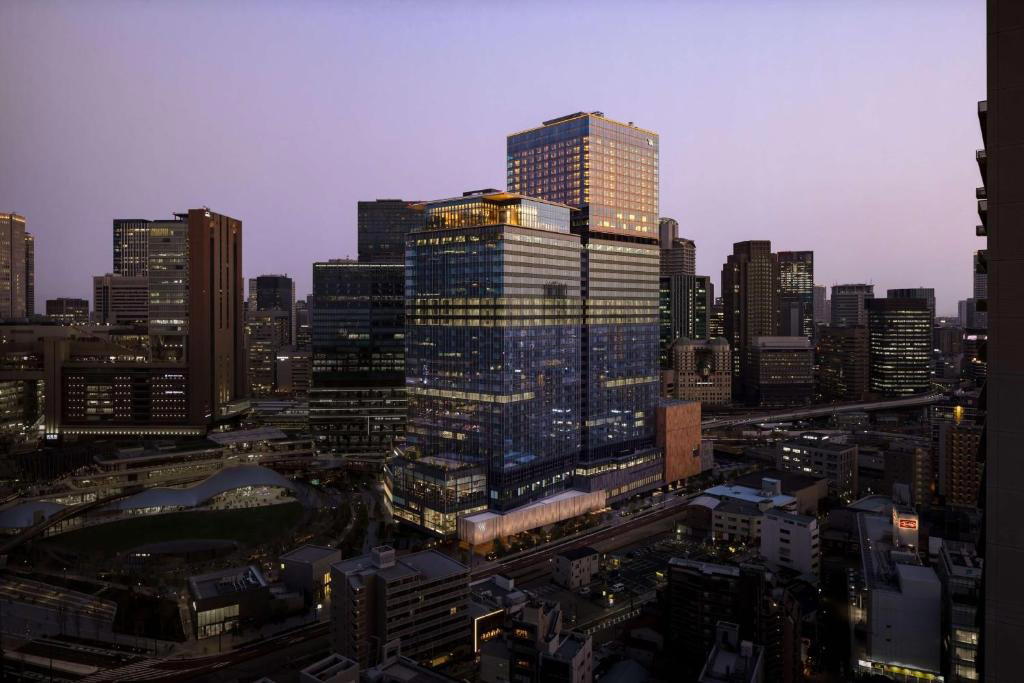


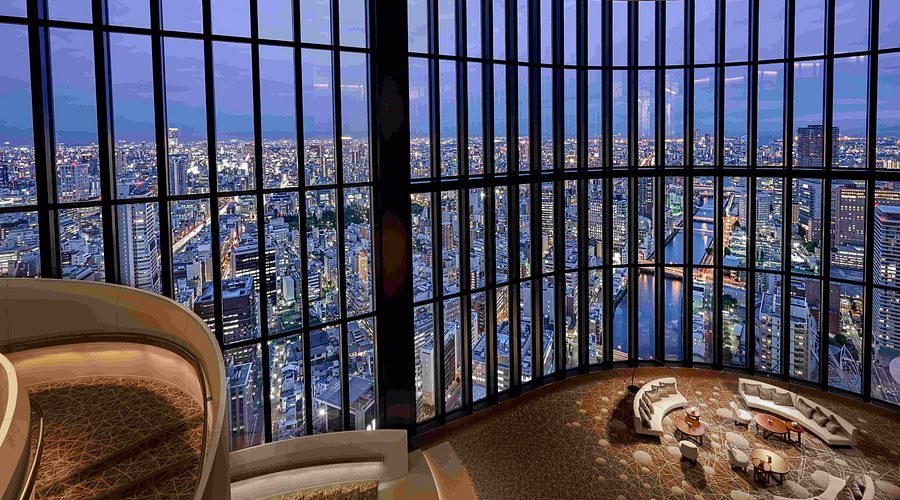

Wineries in Nishinomiya
Browse all →
Details
- Cozy
- Intimate
- Classic
- Solo
- Casual Hangout
- After Work
- Group Dining
- Chefs Counter
- Standalone
- A La Carte
- Counter Dining
A small, counter-only neighborhood spot with a classic, unfussy feel where guests sit elbow-to-elbow at the griddle, creating a cozy, local atmosphere ideal for solo diners or casual visits with friends.