
Tabelog 100 #33
Our verdict
A traditional Japanese restaurant in Bunkyo's Koishikawa district, Nakasei sits in one of Tokyo's quieter residential pockets, removed from the concentrated fine-dining circuits of Ginza and Minami-Aoyama. The address alone signals a different orientation: neighbourhood institution rather than destination showcase. For visitors willing to leave the central circuits, Bunkyo's dining culture rewards that detour.

Pearl is the En Primeur Club membership app, where members save venues, book tables and use the concierge.
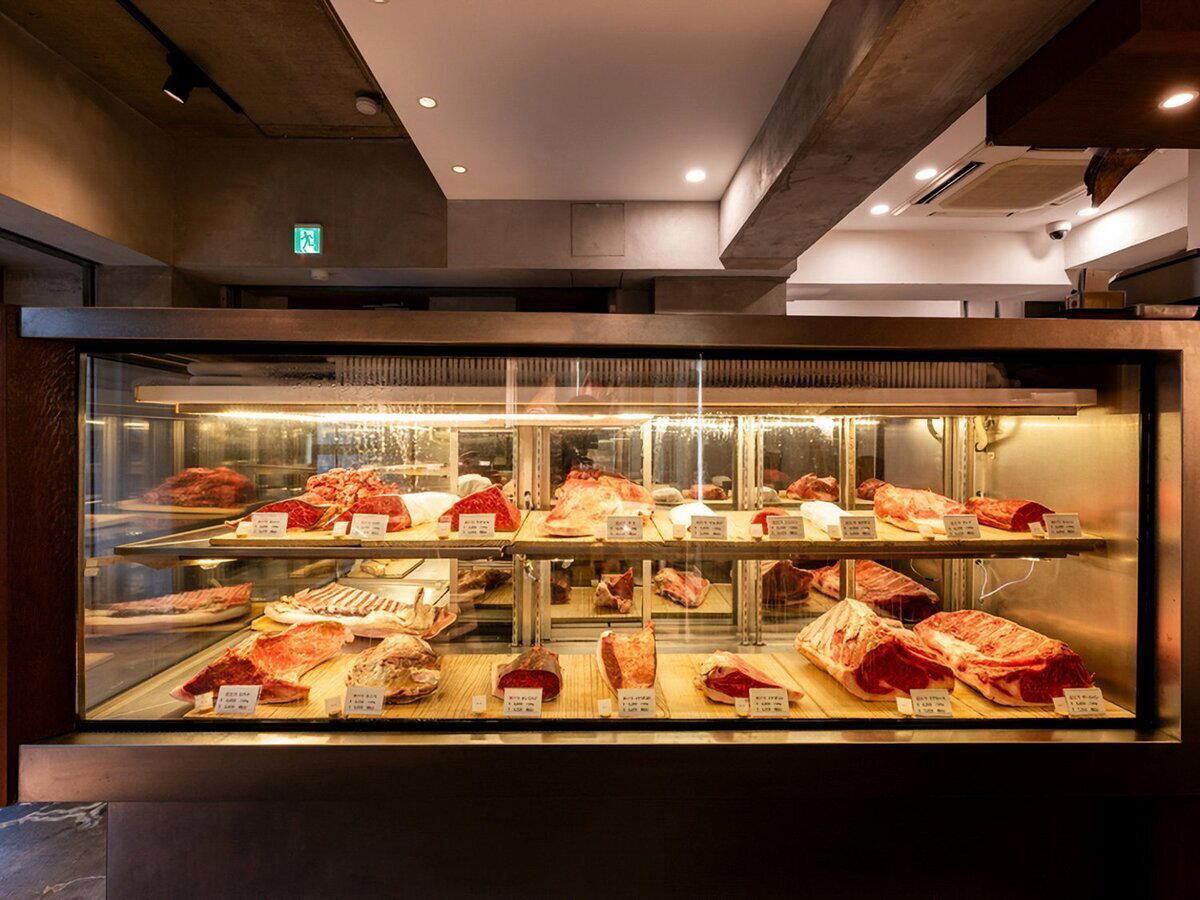
The menu
What to order
- Aged Tajima beef steak
- Aged Kobe beef
- Grilled Omi beef
The Quieter Side of Tokyo's Fine-Dining Map
Most of Tokyo's high-end restaurant conversation clusters around Ginza, Roppongi, and Minami-Aoyama, where the density of Michelin stars, omakase counters, and ¥¥¥¥ tasting menus creates its own self-reinforcing gravity. Bunkyo City sits outside that orbit. The ward is better known for Koishikawa Korakuen Garden, the University of Tokyo's Hongo campus, and a residential texture that predates the postwar restaurant boom in Tokyo's commercial districts. Nakasei, on a low-traffic stretch of Koishikawa, belongs to that neighbourhood grain rather than to the destination-dining circuit.
That positioning matters when reading the experience. Restaurants embedded in residential Bunkyo typically serve a different social contract than their Ginza counterparts: repeat local clientele, a more anchored sense of seasonal rhythm, and an atmosphere shaped by the neighbourhood rather than by international press cycles. Venues like L'Effervescence and Sézanne represent that French-rooted end of the Tokyo spectrum; Nakasei reads as something more resolutely domestic.
Reading the Address
5 Chome-10-18 Koishikawa places Nakasei in the southern reaches of the neighbourhood, within reasonable walking distance of Koishikawa Korakuen and the Suidobashi area. The surrounding streetscape is characteristic of older Bunkyo: low-rise buildings, a mix of small shops and residences, none of the retail infrastructure that frames restaurant-going in Ginza or Shibuya. Arriving here requires intention. There is no foot traffic to carry you past the door, no cluster of similar venues to triangulate against. That absence of competitive density can be read as a mark against convenience, or as a mark in favour of a certain kind of sincerity.
For a point of comparison within Tokyo's broader fine-dining geography: the city's most-discussed counters, including Harutaka in Ginza, operate in high-visibility corridors where the address itself is part of the credential. Bunkyo venues like Nakasei establish credibility differently, through longevity and local loyalty rather than postcode prestige. That dynamic is familiar across Japan's regional dining culture: some of the country's most serious kitchens are found outside the obvious circuits, from Gion Sasaki in Kyoto to HAJIME in Osaka and further out at akordu in Nara or Goh in Fukuoka.
The Arc of a Traditional Japanese Meal
In the washoku and kaiseki traditions that characterise Bunkyo's serious Japanese restaurants, the meal structure is inseparable from the kitchen's identity. A multi-course progression in this mode typically moves from light, clean openers through ingredient-driven middle courses to a grounding rice and soup conclusion, with each stage calibrated to the season and to a cumulative logic that builds without overwhelming. This is a different grammar from the Western tasting menu, which often front-loads intensity and builds toward richness. The Japanese model rewards patience and attentiveness to incremental shifts in temperature, texture, and flavour register.
Seasonal alignment is not incidental to this format; it is structurally central. Spring in Tokyo brings bamboo shoots, young herbs, and the first sweetfish of the year. Summer shifts toward cold preparations and lighter broth work. Autumn produces the matsutake mushroom season, one of the most closely watched events on the Japanese culinary calendar. Winter cold concentrates flavours in root vegetables, aged fish preparations, and warming nabe courses. A kitchen operating seriously within this framework will reconfigure its menu with each seasonal turn, which means the experience in April is materially different from the one in October. Visitors planning around this should time accordingly.
Bunkyo in the Wider Tokyo Dining Context
Tokyo's fine-dining ecosystem is large enough that even well-informed visitors rarely cover more than a fraction of it. The city holds more Michelin-starred restaurants than any other city in the world, but the star density in commercial wards like Ginza and Chiyoda can create a misleading picture of where serious cooking actually happens. Bunkyo, Yanaka, Nezu, and the older shitamachi wards carry a different culinary character: fewer international-facing venues, more neighbourhood institutions with deep local roots, and a dining pace tied to the rhythms of residents rather than to tourism infrastructure.
For readers building a Tokyo itinerary around serious Japanese cooking, the practical implication is that the city rewards geographic range. A meal in Bunkyo sits alongside rather than below one in Ginza. Across Japan more broadly, the same principle applies at venues including 一本木 名川製 in Nanao, 夕佳亭山乃 in Sapporo, 湖畔庵 in Takashima, 庄羽屋 in Nishikawa Machi, Birdland in Sakai, and Bistro Ange in Toyohashi, each of which operates outside the major city circuits but within serious culinary traditions. For comparison outside Japan, Le Bernardin in New York City and Atomix in New York City illustrate how neighbourhood placement interacts with reputation in a different urban fine-dining system. See our full Tokyo restaurants guide for a broader map of where the city's serious cooking is concentrated by district.
Innovation-forward Tokyo restaurants like Crony represent one pole of the city's current dining conversation. Venues like Nakasei, rooted in Bunkyo's quieter residential character, represent another. Both are worth understanding on their own terms.
Is Koishikawa Nakasei suitable for visitors without Japanese language skills?
Bunkyo is a residential ward with less international dining infrastructure than Ginza or Shinjuku, and neighbourhood restaurants in this area often operate primarily in Japanese. English-language menus and staff with conversational English are less reliably available here than at venues in Tokyo's commercial fine-dining corridors. Visitors without Japanese language skills should consider arranging a booking through a Japanese-speaking contact or a hotel concierge, and confirming in advance what language accommodation is available. This is a practical consideration for any serious neighbourhood restaurant in Tokyo's residential wards, not a critique specific to Nakasei.
Similar Picks
Comparable venues nearby, for context on price, style, and recognition.
| Venue | Cuisine | Price | Awards | Notes |
|---|---|---|---|---|
| Koishikawa NakaseiThis venue (the venue you are viewing) | Aged Wagyu Steakhouse | $50–100 | Tabelog 100 #33 | Not listed |
| RUTH’S CHRIS STEAK HOUSE | American Steakhouse & Fine Dining | $150–200 | Tabelog 100 #14 | Chiyoda |
| BENJAMIN STEAK HOUSE Roppongi | New York-style Steakhouse | $100–150 | Tabelog 100 #62 | Minato |
| Empire Steak House | New York-Style Steakhouse | $150–200 | Star Wine List · Tabelog 100 #43 | Minato |
| Wolfgang's Steakhouse Signature Tokyo | Classic New York Steakhouse | $200–300 | Star Wine List · Wine Spectator Best of Award of Excellence | Minato |
| Wolfgang's Teppan | Teppanyaki Steakhouse | $150–200 | Wine Spectator Best of Award of Excellence | Chūō |
Recognition history
Dated appearances from independent guides and award organizations, with the underlying list record or original source where available.
Tabelog 100 #33 · No. 33
Tabelog · Tabelog 100 - Steak / Teppanyaki - EAST - 2025
Continue exploring
More in Tokyo
Restaurants in Tokyo
All restaurants in Tokyo →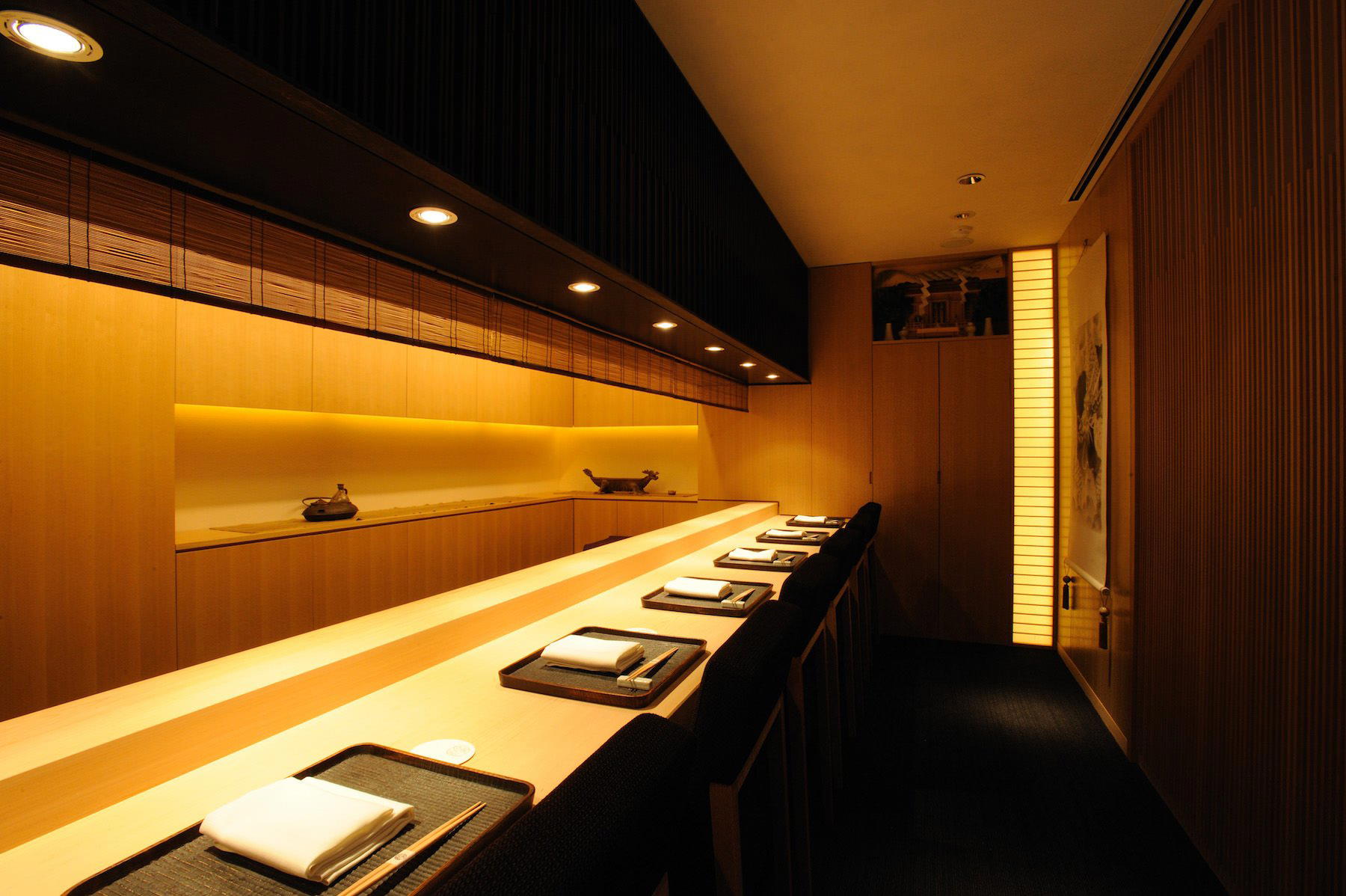
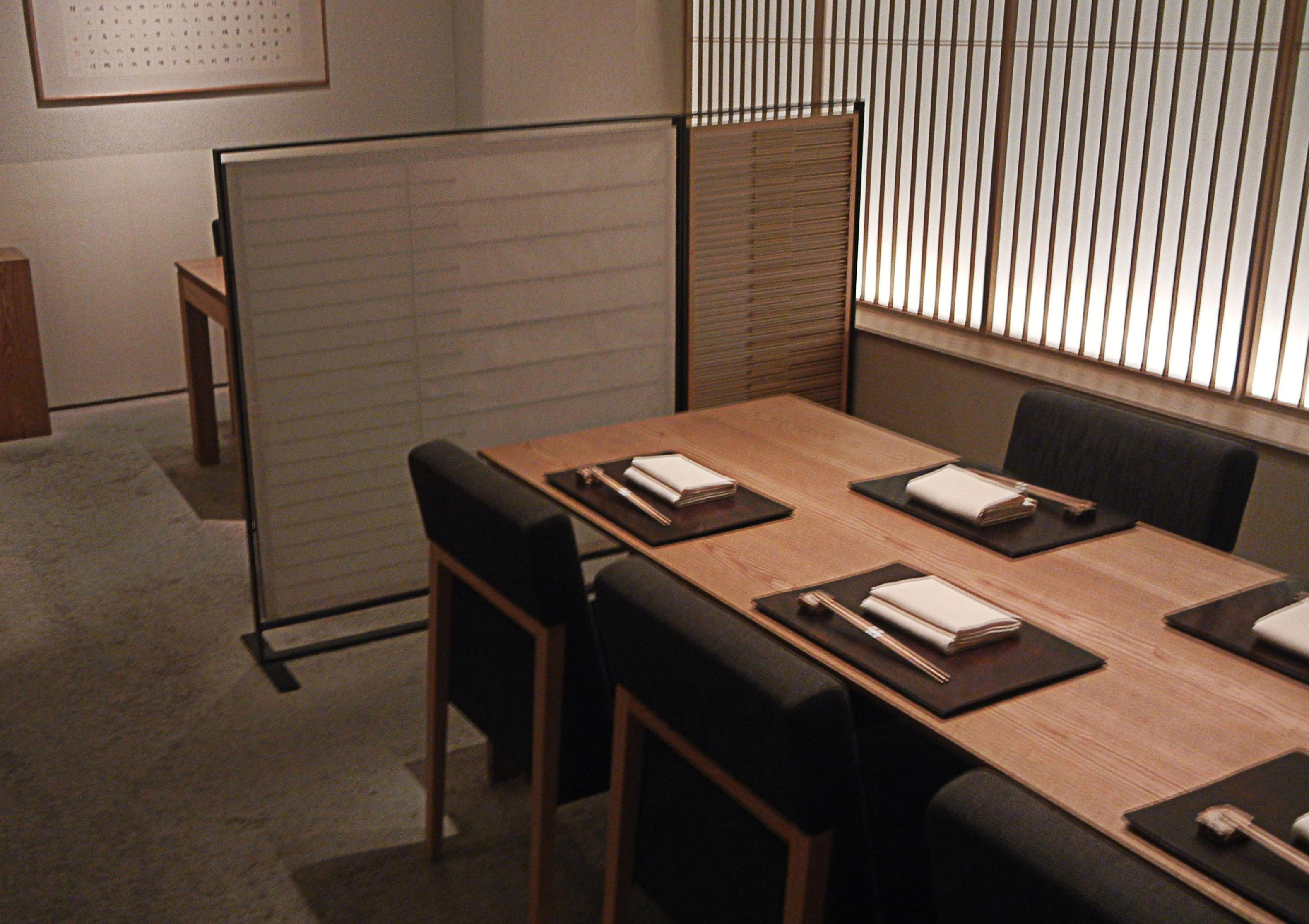
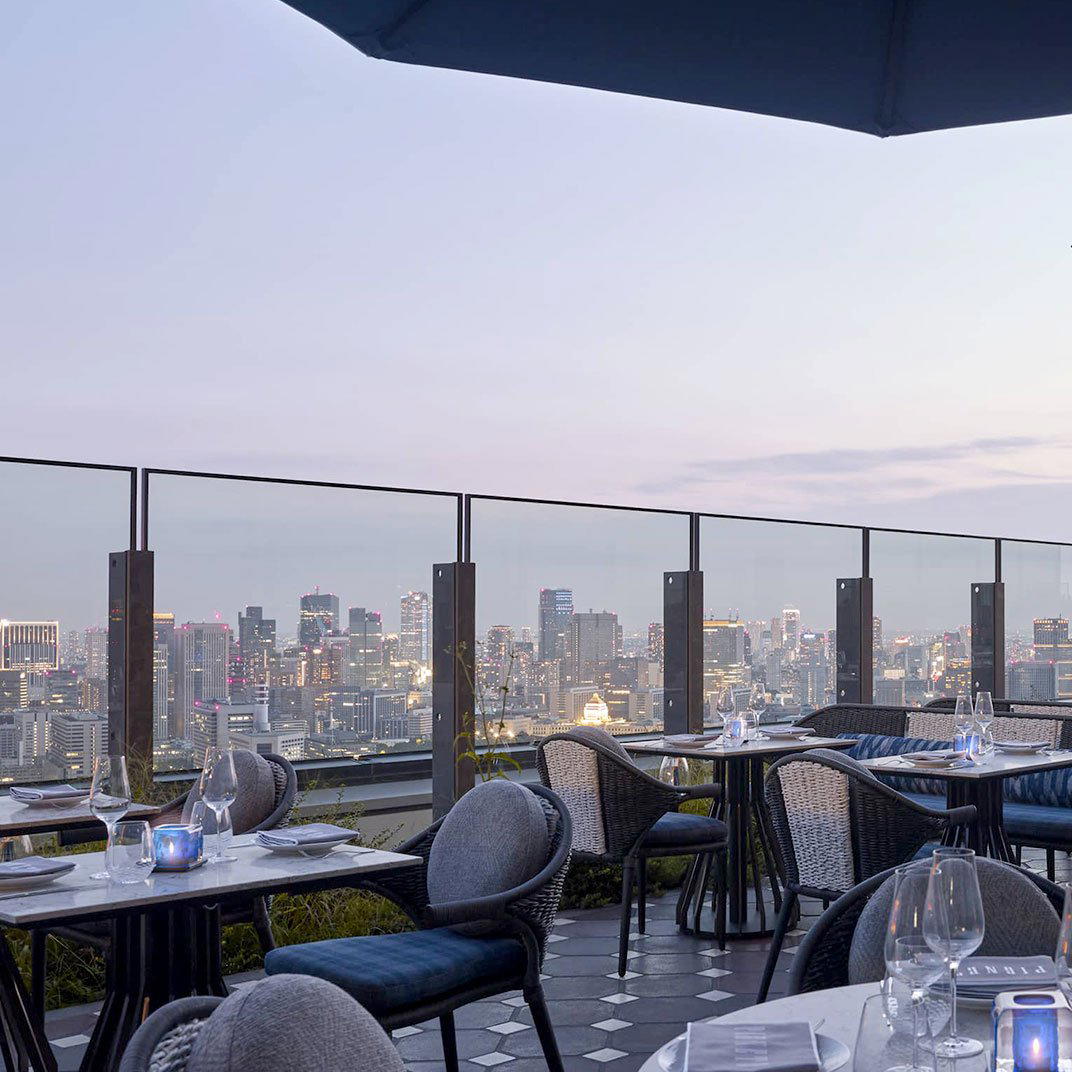

Bars in Tokyo
All bars in Tokyo →




Details
- Elegant
- Modern
- Sophisticated
- Date Night
- Business Dinner
- Special Occasion
- Open Kitchen
- Standalone
- Local Sourcing
- A La Carte
- Prix Fixe
Current opening hours
- Monday
- 11:30 AM–3 PM, 5–10 PM
- Tuesday
- 11:30 AM–3 PM, 5–10 PM
- Wednesday
- 11:30 AM–3 PM, 5–10 PM
- Thursday
- 11:30 AM–3 PM, 5–10 PM
- Friday
- 11:30 AM–3 PM, 5–10 PM
- Saturday
- 11:30 AM–3 PM, 5–10 PM
- Sunday
- 11:30 AM–3 PM, 5–10 PM
Hours can change for holidays and private events. Hours as of .
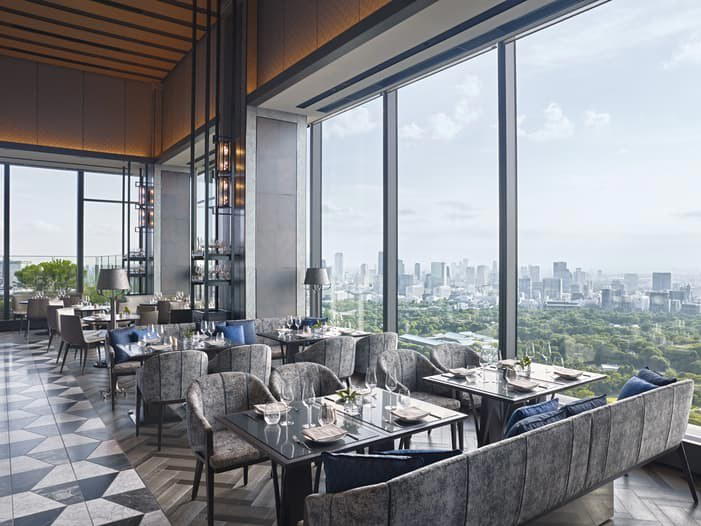
Simple but modern restaurant setup with a butcher shop component, located along the famous cherry blossom viewing spot Harimazaka, creating an intimate and refined dining environment.