

Star Wine List · Wine Spectator Best of Award of Excellence
Our verdict
Wolfgang's Steakhouse Signature Tokyo brings the New York steakhouse tradition to Kita-Aoyama, a neighbourhood that sets a demanding bar for imported dining formats. The restaurant holds a White Star recognition from Star Wine List, signalling a wine program that earns specialist attention. For Tokyo visitors seeking American-style aged beef alongside serious stemware, this Minato address warrants consideration.

Pearl is the En Primeur Club membership app, where members save venues, book tables and use the concierge.
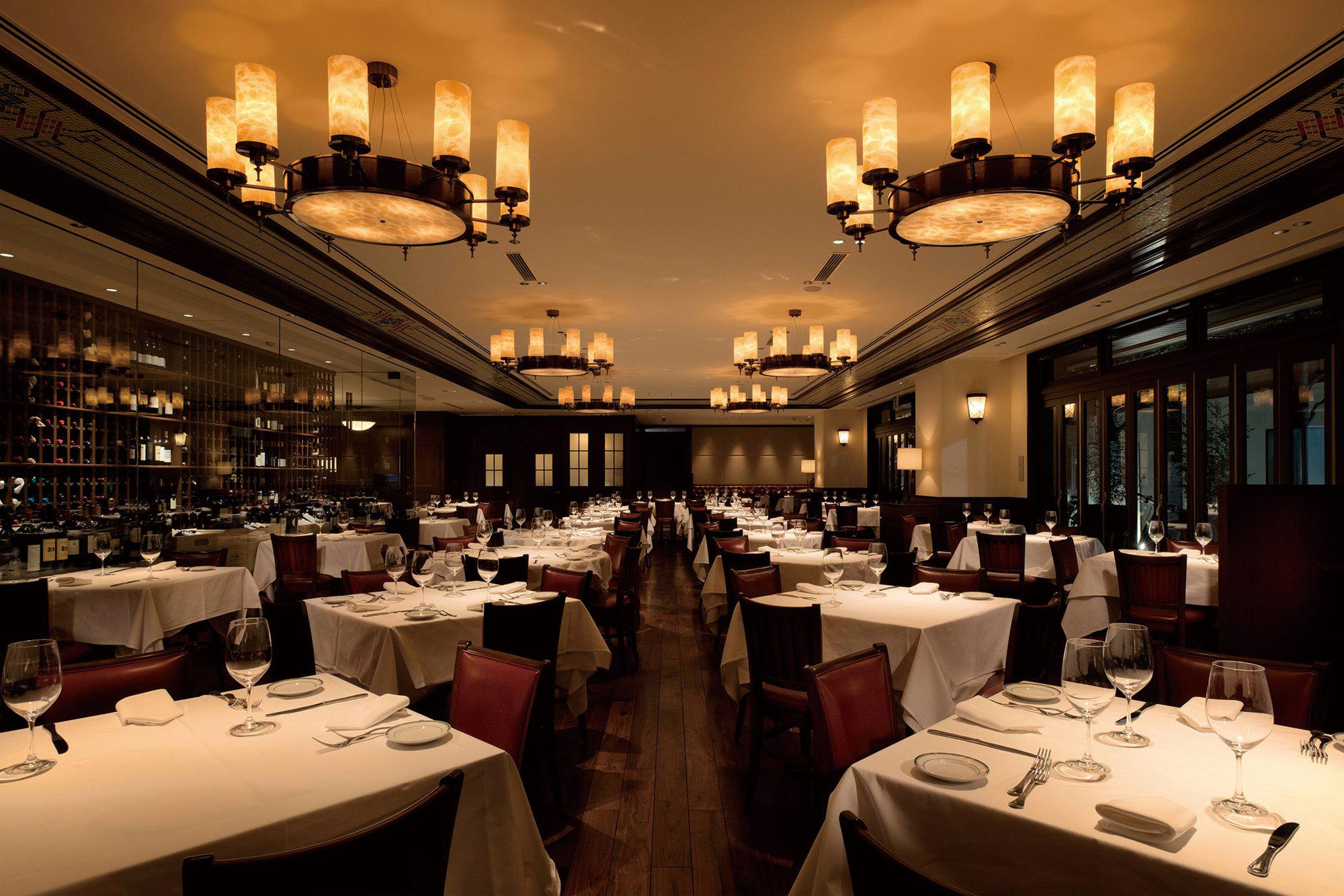
The menu
What to order
- Prime NY Sirloin
- Filet Mignon
- T-Bone Steak
- Wolfgang's Salad
Where Kita-Aoyama Meets a New York Beef Tradition
Kita-Aoyama is not a forgiving neighbourhood for transplanted dining concepts. The streets between Omotesando and Gaien-Mae are lined with format-conscious restaurants where the sourcing story and the physical environment are expected to carry equal weight. Wolfgang's Steakhouse Signature Tokyo sits at street level on Kita-Aoyama 2-chome, and the ground-floor position matters: there is no elevator ritual, no winding staircase to a concealed room. You arrive at the door, and the room presents itself immediately, a format that suits the directness of the steakhouse tradition the restaurant imports from New York.
The American steakhouse, as a category, has a complicated relationship with Tokyo's dining culture. The city's own beef tradition, built around Wagyu from Miyazaki, Kagoshima, and the ranches of Hokkaido, sets a high comparative standard for marbled red meat. When a Western steakhouse format establishes itself in a neighbourhood like Kita-Aoyama, the implicit question is whether the sourcing and execution can hold their ground against that domestic standard, or whether the draw is specifically the American dry-aging tradition, which produces a different flavour profile than Wagyu and appeals to a different set of expectations.
The Sourcing Question That Defines the Format
The ingredient sourcing argument for a New York-lineage steakhouse in Tokyo rests on dry-aged beef, and specifically on the Porterhouse cut that the Wolfgang's format built its reputation around in the United States. Dry-aging at the temperature and duration required to develop the concentrated, slightly mineral flavour associated with the format is a controlled, input-heavy process. The question any editorial-minded diner should ask when sitting down at a Western steakhouse in Tokyo is whether the beef is aged in-house, imported post-aging, or sourced from Japanese suppliers using American techniques. That distinction shapes the flavour, the cost structure, and the argument for choosing this room over a domestic alternative.
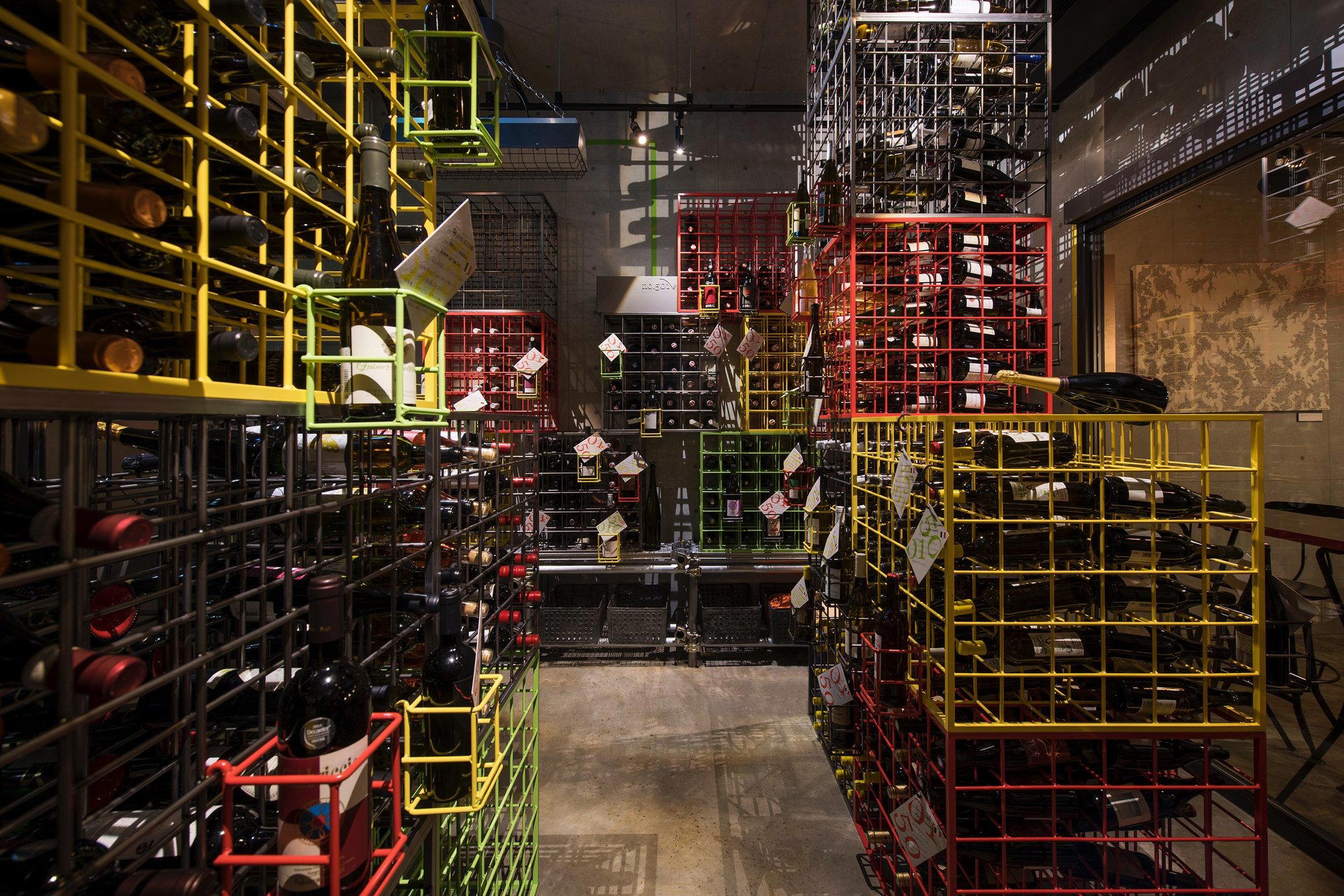
Star Wine List's White Star recognition, awarded in December 2021, confirms that the wine program is taken seriously at this address. For a steakhouse, the wine list is not a secondary consideration: high-acid reds capable of cutting through dry-aged fat, and the Californian and Argentinian Cabernets that the New York steakhouse tradition leans on, require a list with genuine depth and thoughtful pricing. A White Star designation from Star Wine List places Wolfgang's Signature Tokyo in a specific tier of Tokyo restaurants where the sommelier function and cellar investment are treated as core to the dining proposition, not as an afterthought. Tokyo has no shortage of restaurants with strong wine programs, including the French-leaning rooms at L'Effervescence and Sézanne, but within the red meat category, that kind of specialist wine recognition is less common.
How This Address Sits Within Tokyo's Wider Dining Hierarchy
Tokyo's premium dining tier is dense and varied. The city currently holds more Michelin stars than any other in the world, and the competitive set for a high-spend dinner spans everything from omakase counters like Harutaka to kaiseki rooms like RyuGin and technique-driven French formats at places like Crony. Within that context, the American steakhouse format occupies a specific niche: it appeals to diners who want a format that is legible, convivial, and anchored in the shared-cut, à la carte tradition rather than a fixed progression of courses.
That distinction carries real value in a city where multi-course tasting menus dominate the upper price tier. The ability to order a single cut, a side of creamed spinach, and a bottle of Napa Cabernet, and to do so in a room that does not require the conversational attentiveness of an eight-seat omakase counter, fills a gap that Tokyo's domestic formats do not always address. Wolfgang's Signature Tokyo is positioned in the part of the market where the format itself is the product, as much as the individual dishes.
For context on how Tokyo restaurants vary across the wider Japan dining scene, the city sits within a national pattern in which regional sourcing is increasingly central to a restaurant's identity. Gion Sasaki in Kyoto, HAJIME in Osaka, and Goh in Fukuoka each build their menus around the specific produce geography of their region. The imported American steakhouse format stands in deliberate contrast to that regional-ingredient model, and part of its appeal in Tokyo is precisely that contrast: it offers a different answer to the question of where the food comes from.
Planning a Visit
Wolfgang's Steakhouse Signature Tokyo is located at Kita-Aoyama 2-chome 5-8, 1F, Minato City, a short walk from Omotesando station on the Ginza, Chiyoda, and Hanzomon lines. The ground-floor address is accessible and findable without local knowledge, which matters for visitors staying elsewhere in the city. Booking procedures, current hours, and pricing are best confirmed directly with the restaurant, as specific operational details were not available at the time of writing. Given the neighbourhood and the format, expect pricing to sit in the upper tier of the Tokyo dining market.
For broader trip planning across the city, the full Tokyo restaurants guide covers the range of formats and price points. The Tokyo hotels guide, bars guide, and experiences guide offer additional context for building an itinerary in Minato and the wider city. If the wine program at Wolfgang's is a draw, the Tokyo wineries guide adds another dimension to how wine culture is developing in the city. Outside Tokyo, the EP Club Japan coverage includes akordu in Nara, Bleston Court Yukawatan in Nagano, and giueme in Akita for those extending beyond the main cities. For American restaurants worth comparing in terms of format and tradition, Le Bernardin in New York City and Emeril's in New Orleans represent different ends of the American fine dining spectrum.
Frequently asked questions
What dish is Wolfgang's Steakhouse Signature Tokyo famous for?
The Wolfgang's Steakhouse name is associated with the dry-aged Porterhouse steak across its locations, a format derived from the Peter Luger tradition in New York. Whether the Tokyo kitchen executes the same dry-aging protocol as the original format is a question leading answered by the restaurant directly, but the Porterhouse is the reference cut within this lineage. The restaurant's White Star wine recognition from Star Wine List suggests the beef program is complemented by a wine list with genuine range.
Should I book Wolfgang's Steakhouse Signature Tokyo in advance?
In Kita-Aoyama, a neighbourhood where restaurants at this price tier fill quickly, booking ahead is advisable. Specific booking channels and lead times should be confirmed with the restaurant, as those details were not available at time of publication. For premium Tokyo dining generally, same-week availability at well-regarded rooms is uncommon, particularly on weekends.
What is Wolfgang's Steakhouse Signature Tokyo leading at?
The clearest argument for this address is the combination of the American dry-aged beef format and a wine program that earned White Star recognition from Star Wine List in 2021. In a city where the dominant premium dining formats are Japanese, that specific pairing, aged Western-style beef with a serious wine list, occupies a distinct niche within Minato's dining options.
Is Wolfgang's Steakhouse Signature Tokyo good for vegetarians?
A steakhouse format built around aged beef and classic American sides is not structured with vegetarian dining as a primary consideration. For Tokyo vegetarian or plant-forward options, the full Tokyo restaurants guide covers a wider range of formats. Specific current menu options at Wolfgang's Signature Tokyo should be confirmed with the restaurant before visiting.
At-a-Glance Comparison
Comparable venues nearby, for context on price, style, and recognition.
| Venue | Cuisine | Price | Awards | Notes |
|---|---|---|---|---|
| Wolfgang's Steakhouse Signature TokyoThis venue (the venue you are viewing) | Classic New York Steakhouse | $200–300 | Star Wine List · Wine Spectator Best of Award of Excellence | Not listed |
| Empire Steak House | New York-Style Steakhouse | $150–200 | Star Wine List · Tabelog 100 #43 | Minato |
| Ginza Hirayama | Binchotan-grilled A5 Wagyu steakhouse | $500+ | Tabelog 100 #63 | Chūō |
| The Oak Door | Premium American Steakhouse | $100–150 | Wine Spectator Award of Excellence | Minato |
| ルビージャックス | Premium Seafood & Steak | $100–150 | Not listed | Minato |
| BENJAMIN STEAK HOUSE Roppongi | New York-style Steakhouse | $100–150 | Tabelog 100 #62 | Minato |
Recognition history
Dated appearances from independent guides and award organizations, with the underlying list record or original source where available.
Star Wine List
Star Wine List
Wine Spectator Best of Award of Excellence
Wine Spectator
Continue exploring
More in Tokyo
Restaurants in Tokyo
All restaurants in Tokyo →



Bars in Tokyo
All bars in Tokyo →
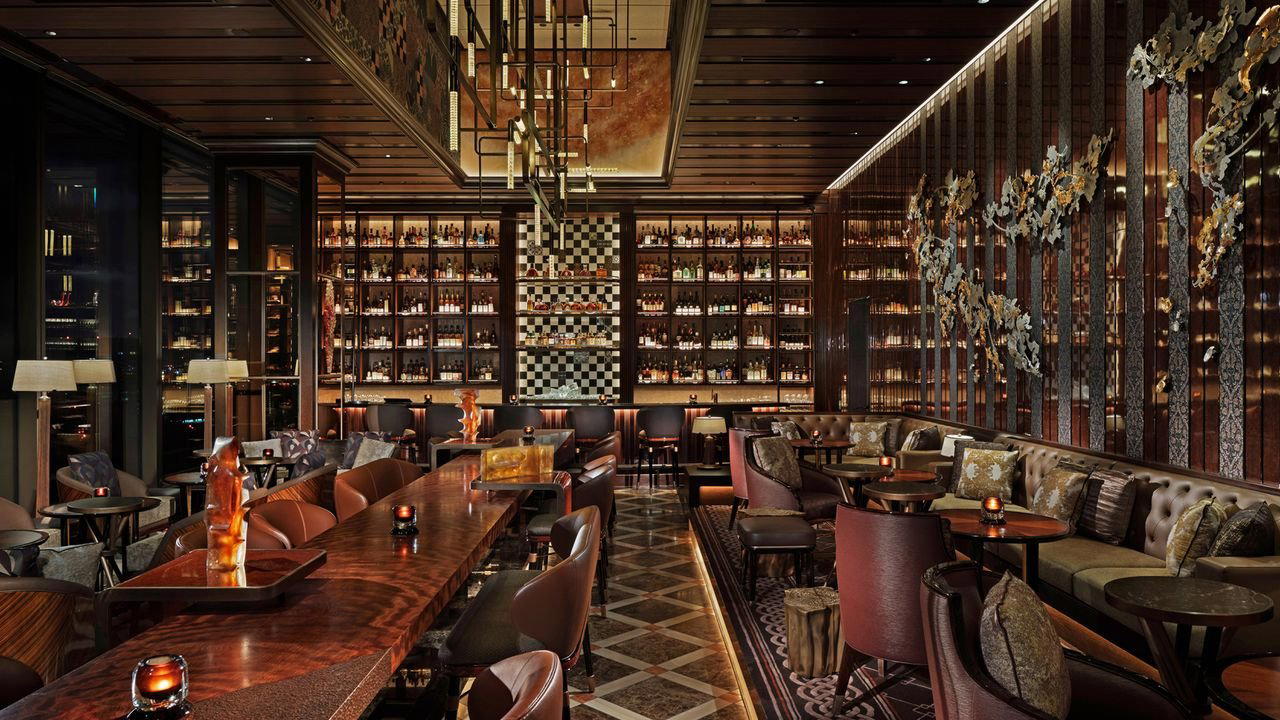
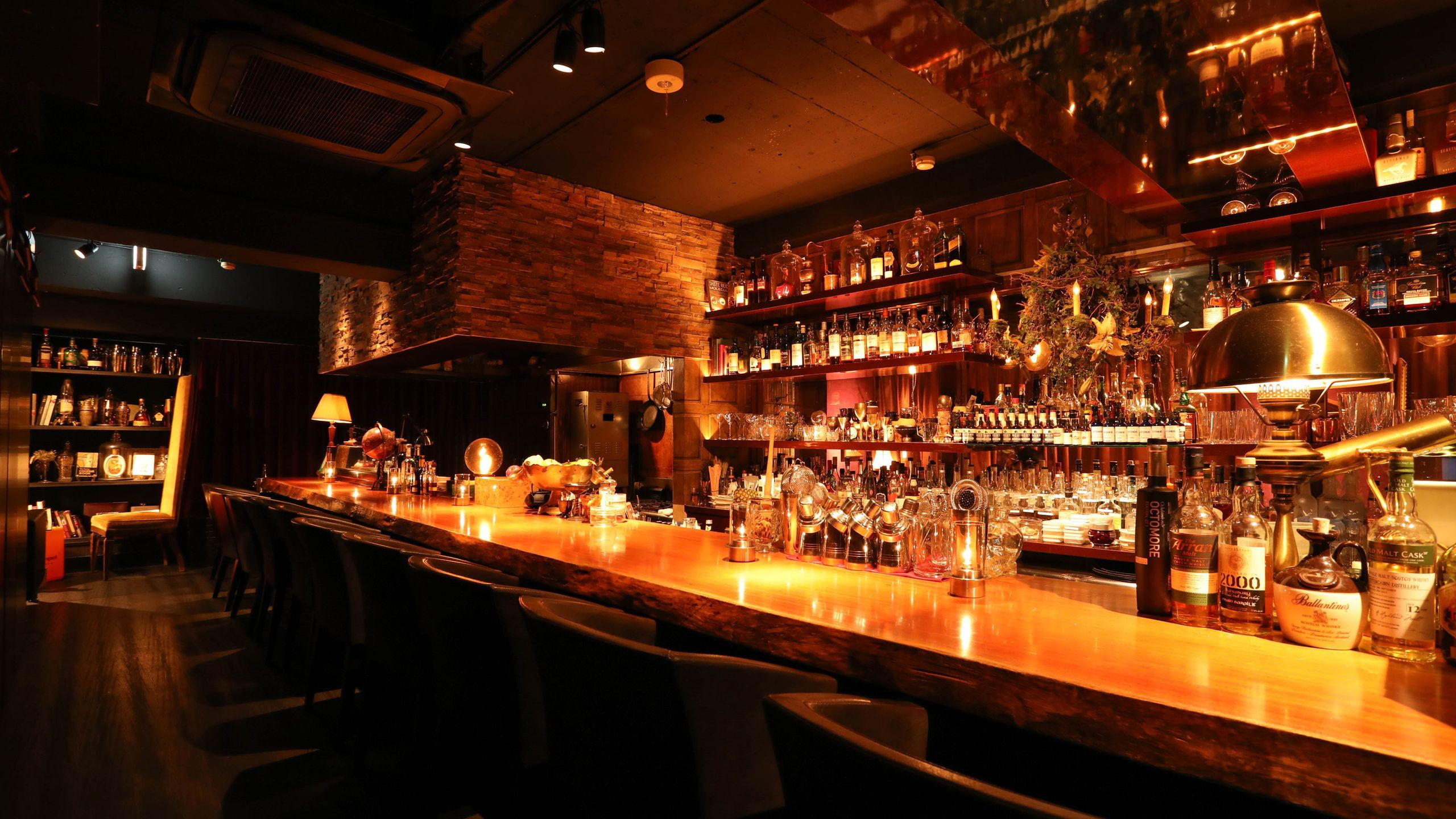





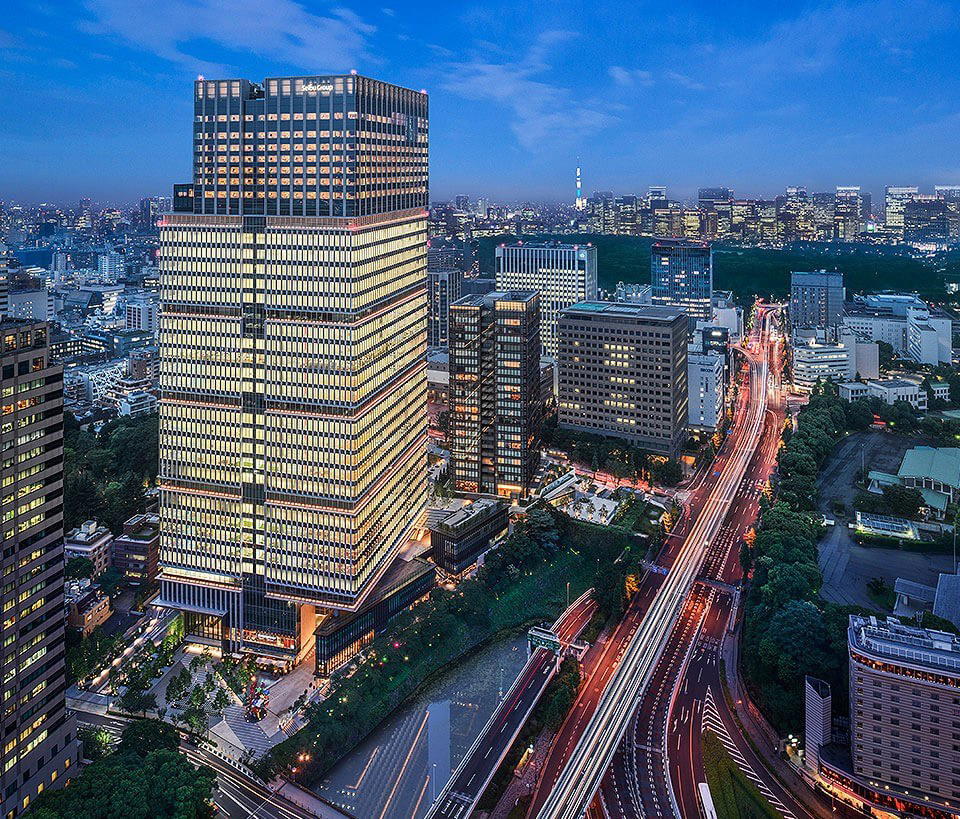
Wolfgang's Steakhouse Signature Tokyo
The wine
- Wine program
- Deep wine list
- Extensive wine list
Details
- Elegant
- Sophisticated
- Classic
- Business Dinner
- Special Occasion
- Celebration
- Open Kitchen
- Extensive Wine List
- A La Carte
- Wine List
Current opening hours
- Monday
- 11:30 AM–11:30 PM
- Tuesday
- 11:30 AM–11:30 PM
- Wednesday
- 11:30 AM–11:30 PM
- Thursday
- 11:30 AM–11:30 PM
- Friday
- 11:30 AM–11:30 PM
- Saturday
- 11:30 AM–11:30 PM
- Sunday
- 11:30 AM–11:30 PM
Hours can change for holidays and private events. Hours as of .
Classic steakhouse with great ambience, attentive and well-trained staff, feeling like a wine cellar or cave with an elegant, sophisticated atmosphere.