

Star Wine List · Tabelog 100 #43
Our verdict
A New York transplant operating in Roppongi's international dining corridor, Empire Steak House brings American steakhouse tradition to one of Tokyo's most globally oriented districts. It sits within a neighbourhood where Western dining concepts have long found a receptive audience, competing alongside other American-style operators while drawing on its Manhattan origins as a point of distinction.

Pearl is the En Primeur Club membership app, where members save venues, book tables and use the concierge.
The menu
What to order
- Emperor Steak
- Porterhouse
- Wagyu Steak
Where Manhattan Steak Culture Meets Tokyo's Most International Neighbourhood
Roppongi has spent decades functioning as Tokyo's diplomatic and expatriate quarter, and its restaurant scene reflects that history. The district sits within Minato City, home to a concentration of foreign embassies and multinational office towers, which has made it the natural landing zone for Western dining formats that might struggle to find footing in more domestically oriented neighbourhoods. American steakhouses, in particular, have established a durable presence here, and Empire Steak House, operating at 6 Chome-7-11 Roppongi, is part of that established Western dining corridor. Its New York lineage gives it a clear positioning in a neighbourhood where the question of authenticity matters to a clientele that often has direct reference points for the original.
The broader pattern across international dining districts in Tokyo is worth understanding before arriving. Roppongi draws a different crowd than the tasting-menu rooms of Ginza or the kaiseki corridors of quieter residential neighbourhoods. It attracts business diners, long-term expatriates, tourists comfortable in English-speaking environments, and Japanese diners with appetite for Western formats done with some degree of seriousness. That audience shapes what a restaurant like Empire Steak House is trying to accomplish: it is not competing against RyuGin or Harutaka for the same diner. It is competing within a specific subset of the Tokyo dining market where American culinary tradition carries weight.
The American Steakhouse Format in a Japanese Context
American steakhouses transplanted to Tokyo occupy an interesting competitive position. Tokyo's beef culture is, by any measure, deeply developed. Wagyu grading, prefecture-specific cattle provenance, and the theatre of teppanyaki have given Japanese diners a sophisticated vocabulary for quality beef. An American steakhouse entering that environment cannot simply offer the same product it would in New York or Chicago; it has to articulate why its approach, typically centred on USDA prime cuts, dry-aging programmes, and the particular rhythm of a steakhouse service, offers something distinct from both the Japanese fine-dining steak experience and the more casual Western alternatives elsewhere in the city.
Empire Steak House carries its Manhattan origins as both its credential and its argument. The original New York operation, located in Midtown, built its reputation on premium American beef and a format that adheres closely to the classic steakhouse template: shareable sides, a structured wine programme, and cuts as the primary draw rather than chef-driven innovation. That positioning translates reasonably well to Roppongi, where the audience for exactly that format exists and is less likely to be found in other Tokyo districts. For the visitor arriving from the United States, or the Tokyo resident craving a specific kind of dining ritual that Japanese cuisine does not replicate, the transplanted American steakhouse fills a genuine gap.
The Roppongi location places Empire Steak House in direct proximity to its natural competition. Several other American and Western steakhouse concepts operate within the same neighbourhood, which means the choice between them involves distinctions that regulars tend to track carefully: the quality and sourcing of the beef, the depth of the wine list, the consistency of service across visits, and the degree to which the kitchen executes the American steakhouse format with rigour rather than approximation. Empire Steak House's New York pedigree is its primary differentiator in that comparison, functioning as a signal of category seriousness in a market that has seen less committed Western operators come and go.
Roppongi as a Dining District: Understanding the Context
Visitors approaching Tokyo's dining scene for the first time often underestimate how segmented the city's neighbourhoods are by cuisine type and diner profile. Ginza's concentration of Michelin-starred rooms, including Sézanne and L'Effervescence, draws a Japanese fine-dining audience and visiting gourmands. Shibuya and its surrounding areas have become a testing ground for the kind of hybrid and innovative formats represented by Crony. Roppongi, by contrast, has maintained its identity as Tokyo's most explicitly international dining district, a character that has persisted despite the neighbourhood's various reputational shifts over the decades.
That international character makes Roppongi more forgiving for Western dining formats and, simultaneously, more demanding. The audience is more likely to have eaten at the original New York Empire Steak House, or at comparable operations in London, Hong Kong, or Singapore, than the average Tokyo dining neighbourhood would produce. That creates both an opportunity and a standard. The neighbourhood's dining density also means that practical logistics matter: booking ahead is advisable, particularly for prime weekend slots when the international business community and the tourist contingent converge. Anyone planning a broader Tokyo itinerary should consult our full Tokyo restaurants guide to understand how the steakhouse offering fits against the full range of the city's dining, and our full Tokyo hotels guide for accommodation options within reach of Roppongi.
Planning a Visit: What to Know Before You Go
Empire Steak House sits on a street in Roppongi that is walkable from the main Roppongi station intersection, putting it within easy reach of the district's hotel cluster and the broader Minato City residential and business zones. For visitors using Tokyo as a base for wider Japan travel, context from comparable dining scenes in other cities is useful: the steakhouse format in Japan's major cities tends to skew toward the formal end of the Western casual-fine-dining spectrum, with dress code expectations leaning business casual at minimum. Visitors planning to also explore Japan's broader dining canon should look at HAJIME in Osaka, Gion Sasaki in Kyoto, or Goh in Fukuoka for a sense of what Japan's own fine-dining tradition produces at its most developed.
For those whose Tokyo itinerary extends beyond dining, our full Tokyo bars guide, our full Tokyo wineries guide, and our full Tokyo experiences guide map the rest of the city's offer. The American steakhouse, wherever it operates globally, remains a format built around a specific kind of hospitality ritual: the deliberate, table-centred meal where the cut of beef is the reference point for everything else on the table. Empire Steak House exports that ritual from New York to one of the world's most demanding dining cities, and in Roppongi, at least, it has found the right neighbourhood for it.
For further reference points on American dining concepts with international profiles, Le Bernardin in New York City and Emeril's in New Orleans offer contrasting examples of how American culinary formats travel and carry reputational weight outside their home markets. For those planning deeper Japan itineraries, akordu in Nara, Bleston Court Yukawatan in Nagano, and giueme in Akita represent the country's more regionally distributed fine-dining offer, well beyond the Tokyo centre.
Frequently asked questions
Does Empire Steak House have a Michelin star or similar recognition?
Empire Steak House has received recognition including: This New York born Empire Steak House is located in the heart of the Roppongi district, one of the most international areas in Tokyo. While there are many other American steak houses in the same neigh....
Where do I go for Empire Steak House?
Empire Steak House is located at 6 Chome-7-11 Roppongi, Minato City, Tokyo 106-0032, Japan, Tokyo.
What should I order at Empire Steak House?
The kitchen operates within the American steakhouse format that Empire originated in New York, so the focus is on prime cuts prepared to specification. Roppongi's international diner base means the menu is designed to be legible to guests familiar with classic stateside steakhouse conventions.
How hard is it to get a table at Empire Steak House?
Empire Steak House sits in Roppongi, one of Tokyo's most active dining districts with consistent foot traffic from the expatriate and diplomatic communities that have defined the neighbourhood for decades. Demand at well-positioned Roppongi restaurants tends to peak on weekends and around Tokyo's major business and cultural event periods. Contacting the restaurant in advance is the practical approach, particularly for larger groups or weekend evenings.
What has Empire Steak House built its reputation on?
Empire Steak House carries a New York origin point into a Tokyo market that takes beef seriously on its own terms, positioning the restaurant as a reference for the American steakhouse format in a city where Wagyu culture sets a high baseline. Its Roppongi address places it inside the district that has historically served Tokyo's most internationally mobile dining audience. That combination of format credibility and location gives it a clear identity within a competitive neighbourhood.
How does Empire Steak House handle allergies?
Given the international clientele Roppongi restaurants regularly serve, it is reasonable to expect staff familiarity with common dietary requirements, but guests with serious allergies should check the venue's official channels at their Roppongi address before booking to confirm specific accommodations.
Is Empire Steak House in Roppongi suitable for business dining?
Roppongi's identity as Tokyo's diplomatic and corporate entertainment quarter makes it one of the city's default settings for international business meals, and Empire Steak House's New York steakhouse format maps directly onto that use case. The American steakhouse structure, with its private-friendly table service and familiar cut-based menu, translates well for mixed international groups. The restaurant is located at 6 Chome-7-11 Roppongi, Minato City, within walking distance of the main Roppongi intersection.
Comparison Snapshot
Comparable venues nearby, for context on price, style, and recognition.
| Venue | Cuisine | Price | Awards | Notes |
|---|---|---|---|---|
| Empire Steak HouseThis venue (the venue you are viewing) | New York-Style Steakhouse | $150–200 | Star Wine List · Tabelog 100 #43 | Not listed |
| Wolfgang's Teppan | Teppanyaki Steakhouse | $150–200 | Wine Spectator Best of Award of Excellence | Chūō |
| Wolfgang's Steakhouse Marunouchi Tokyo | Classic American Steakhouse | $150–200 | Star Wine List · Wine Spectator Best of Award of Excellence | Chiyoda |
| Peter Luger Steak House Tokyo | Classic New York Steakhouse | $150–200 | Tabelog 100 #22 | Shibuya |
| ルビージャックス | Premium Seafood & Steak | $100–150 | Not listed | Minato |
| The Oak Door | Premium American Steakhouse | $100–150 | Wine Spectator Award of Excellence | Minato |
Recognition history
Dated appearances from independent guides and award organizations, with the underlying list record or original source where available.
Star Wine List
Star Wine List
Tabelog 100 #43 · No. 43
Tabelog · Tabelog 100 - Steak / Teppanyaki - EAST - 2025
Continue exploring
More in Tokyo
Restaurants in Tokyo
All restaurants in Tokyo →

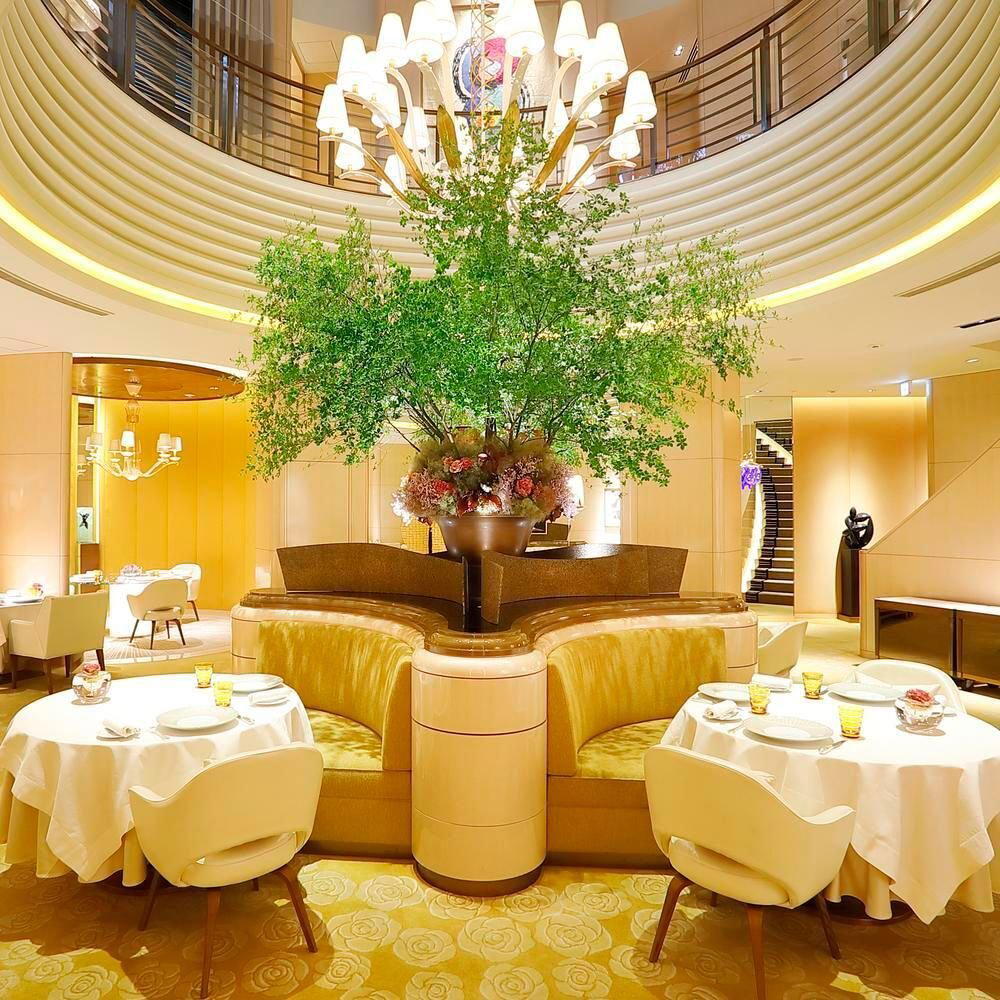
Bars in Tokyo
All bars in Tokyo →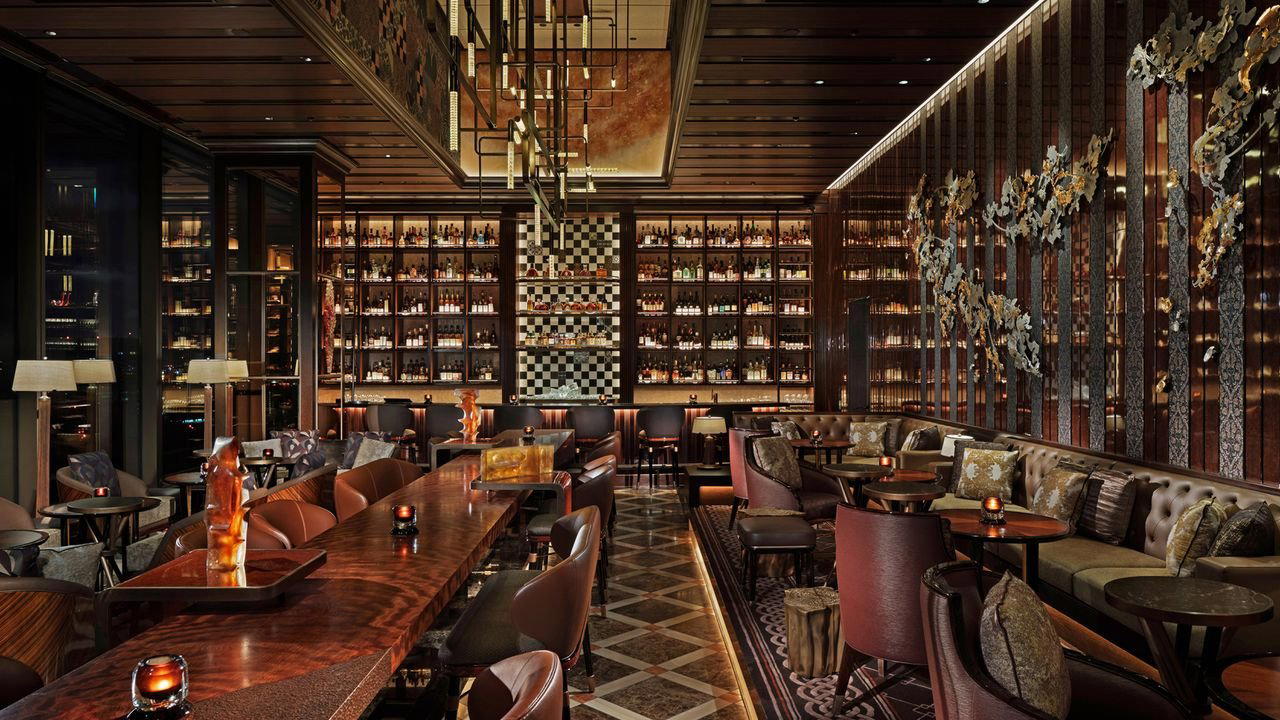
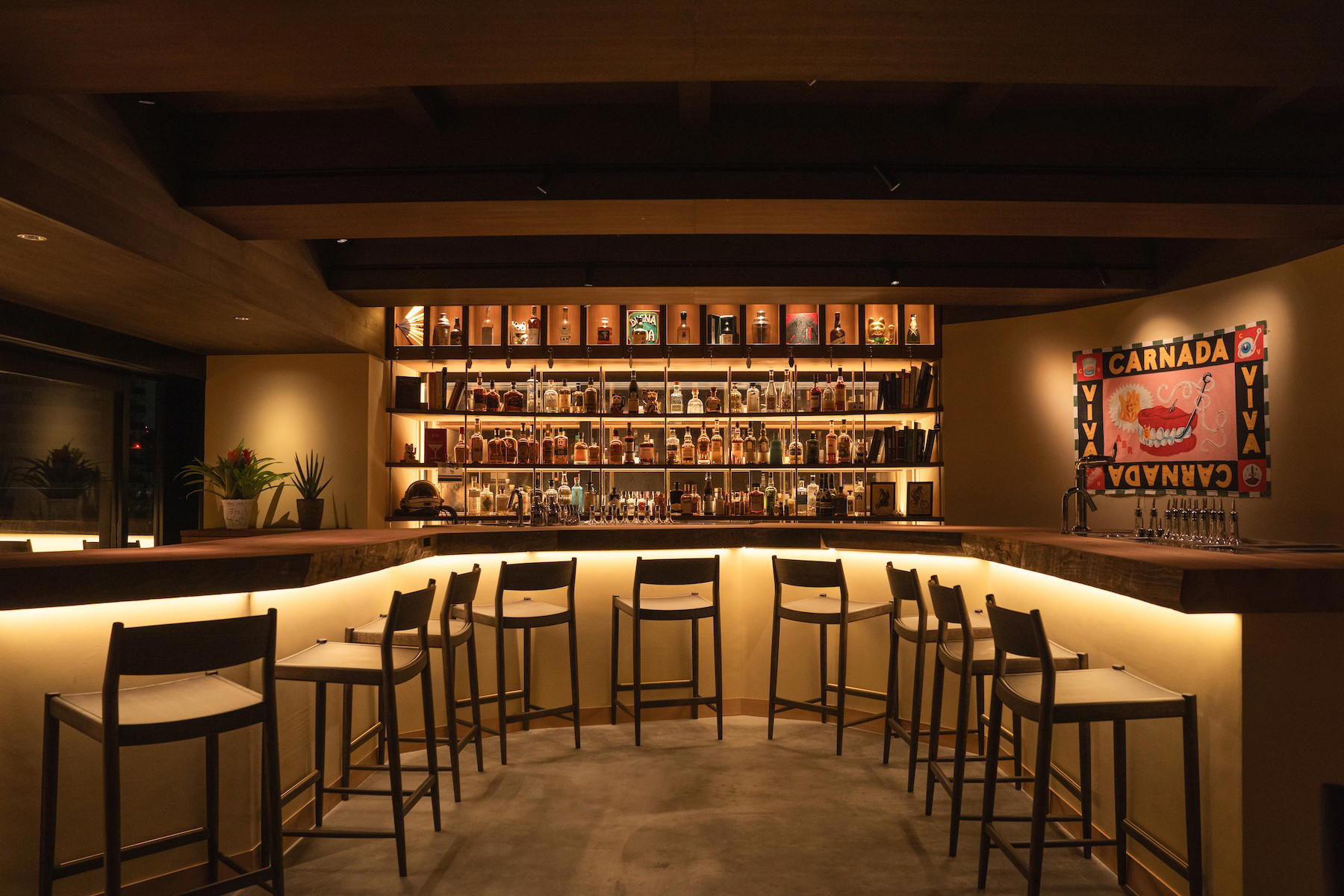

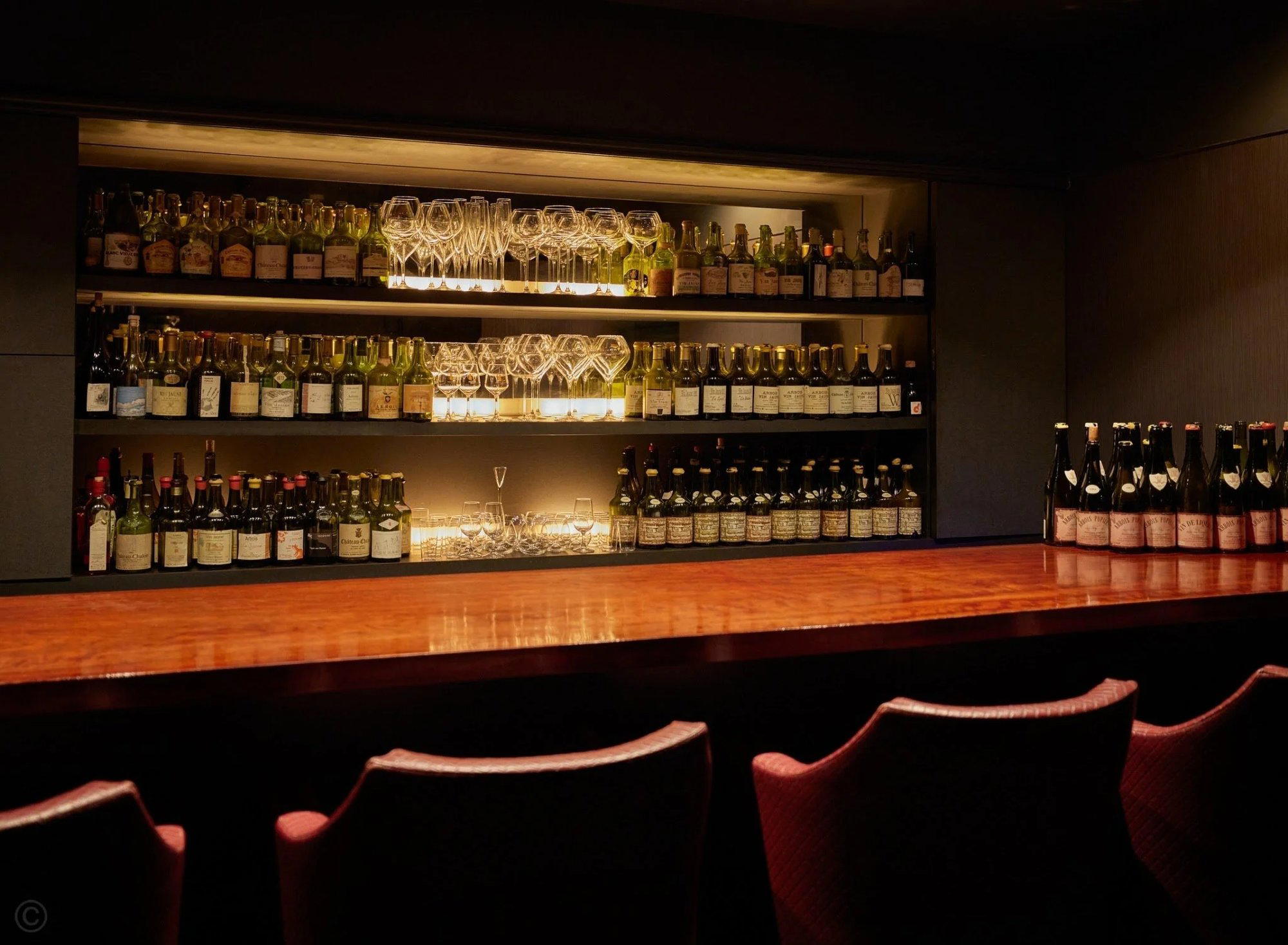



Details
- Elegant
- Sophisticated
- Classic
- Business Dinner
- Date Night
- Celebration
- Special Occasion
- Private Dining
- Extensive Wine List
- Sake Program
- A La Carte
- Wine
- Cocktails
- Vegetarian Friendly
Current opening hours
- Monday
- 11:30 AM–3 PM, 5–11 PM
- Tuesday
- 11:30 AM–3 PM, 5–11 PM
- Wednesday
- 11:30 AM–3 PM, 5–11 PM
- Thursday
- 11:30 AM–3 PM, 5–11 PM
- Friday
- 11:30 AM–3 PM, 5–11 PM
- Saturday
- 11:30 AM–3 PM, 5–11 PM
- Sunday
- 11:30 AM–3 PM, 5–11 PM
Hours can change for holidays and private events. Hours as of .
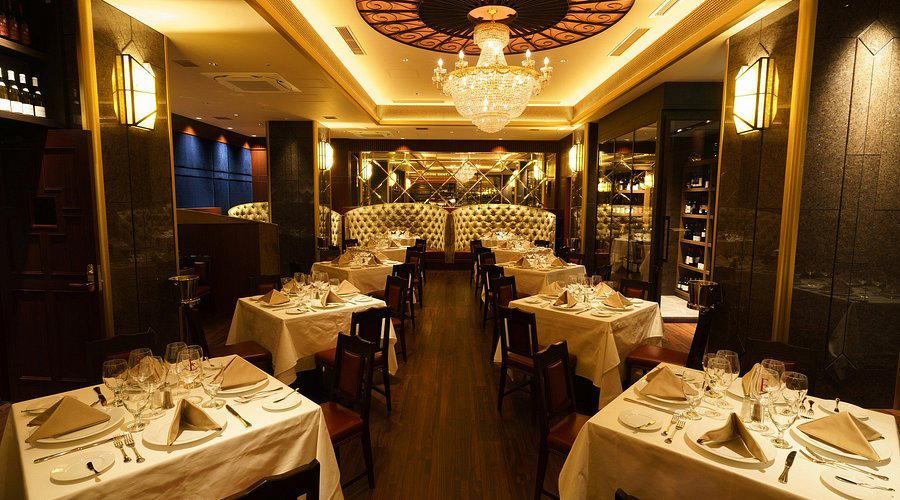
Posh yet warm Roaring 20s atmosphere with Great Gatsby-esque chandelier; lighting described as bright compared to typical dark American steakhouses.