Wolfgang's Teppan sits in Ginza's Chuo Ward, where the teppanyaki format commands a different register than the neighbourhood's omakase counters and kaiseki rooms. The iron griddle places both ingredient and technique in plain view, making the meal as much about watching precision as tasting it. For visitors mapping Tokyo's premium dining tiers, this address belongs on the shortlist alongside the ward's other serious kitchens.
Pearl is the En Primeur Club membership app — saves, bookings, and concierge access live there. Same editors, same standards.
- Address
- Japan, 〒104-0061 Tokyo, Chuo City, Ginza, 1 Chome−8−19 7階
- Phone
- +81362630161
- Website
- ginza.wolfgangssteakhouse.jp
 Saves & bookings on Pearl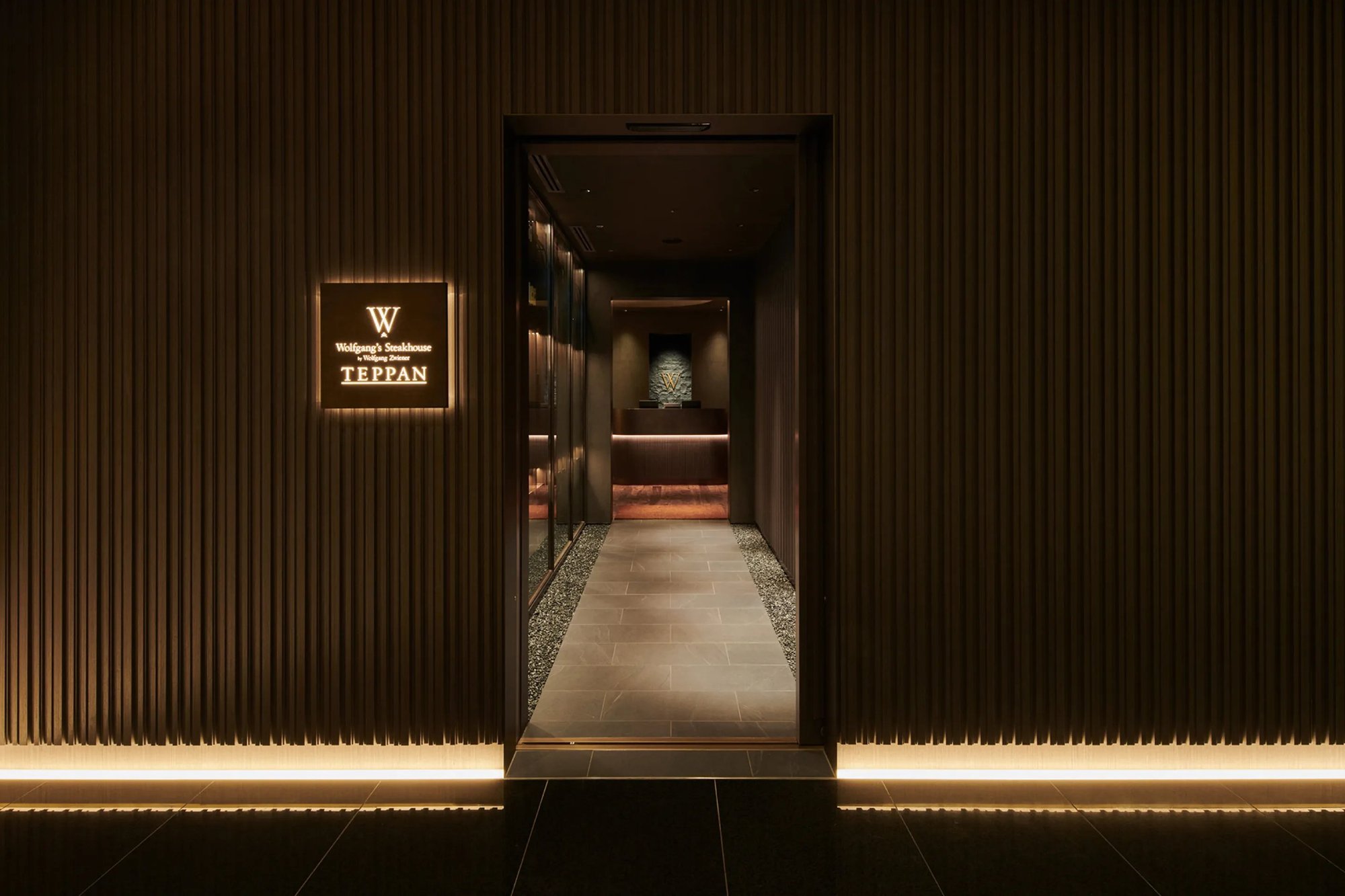
The Iron Griddle as Theatre: Teppanyaki in Ginza's Premium Dining Tier
The ward's address density, Michelin stars per block rival anywhere in the world, means that any serious kitchen here competes in plain sight against Harutaka's sushi counter, the French precision of Sézanne, and the kaiseki discipline of RyuGin. Wolfgang's Teppan, located in Ginza 1-chome within Chuo City, occupies this competitive neighbourhood, a ward where format alone carries a statement.
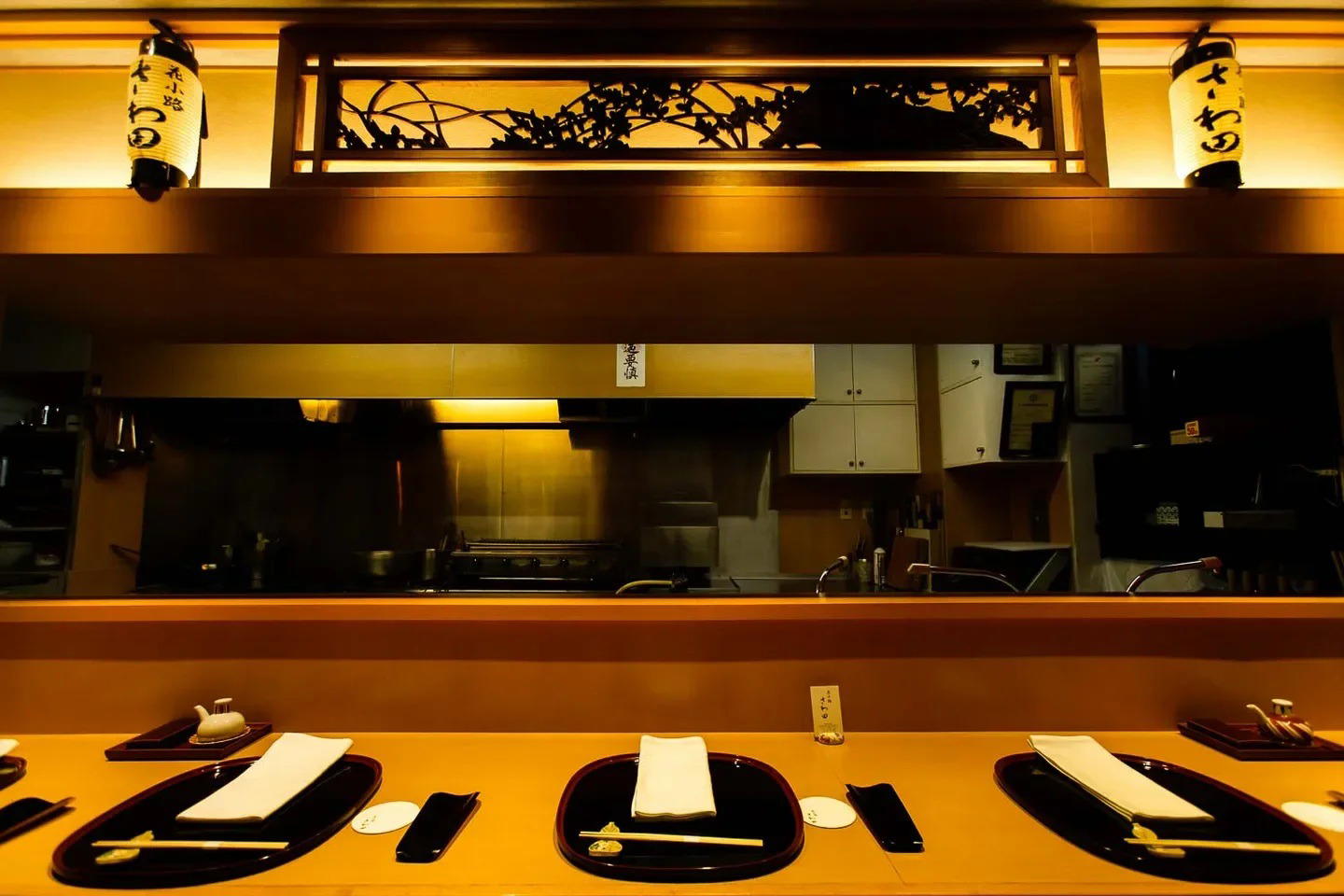
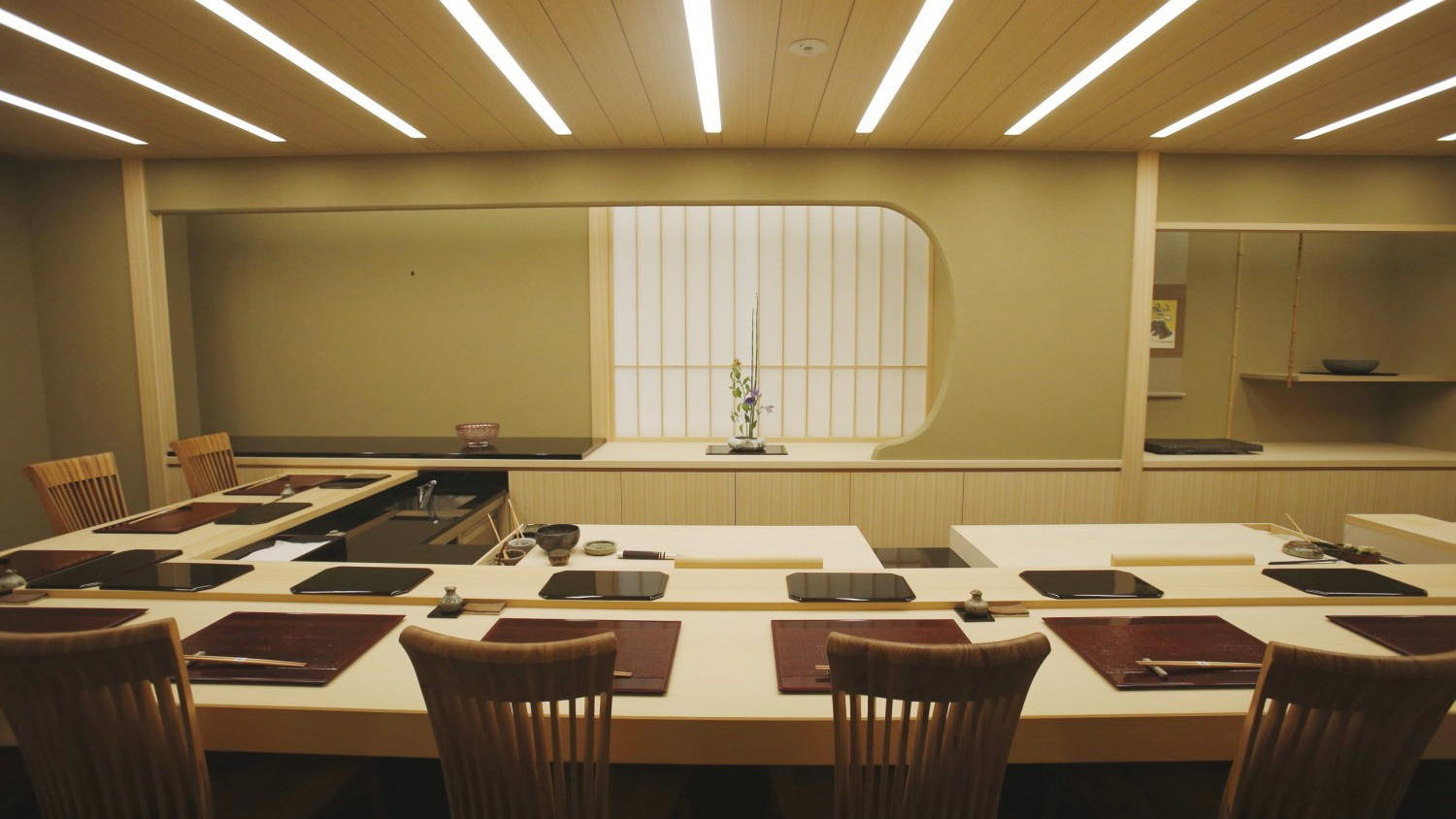
Teppanyaki is a format that resists hiding. Where an omakase counter keeps preparation largely behind the chef's hands, or a kaiseki kitchen delivers composed plates from a closed room, the iron griddle puts everything forward: the sear, the timing, the resting, the plating. For a diner, this changes the pacing of attention. You are not waiting for a dish to arrive; you are watching it become. That shift in ritual, from recipient to witness, defines the teppanyaki dining experience as something distinct from Ginza's other premium formats.
Ritual on the Griddle: Pacing, Proximity, and the Arc of the Meal
The customs of the teppanyaki meal differ structurally from both kaiseki and omakase. In kaiseki, the arc moves through courses designed to reflect season, technique, and the chef's intent as a series of independent statements. In omakase, the chef's selection is revealed sequentially, trust-based. At a teppan counter, the contract is different: the chef works within arm's reach, and the meal's rhythm is established by heat, smoke, and the sequence of ingredients coming off the griddle.
Japan's premium teppanyaki tradition draws heavily from the country's beef culture, specifically the graded wagyu system, where marbling scores dictate tier and price. Ginza's position as Tokyo's highest-status dining address means that teppan kitchens here tend to position themselves at the upper end of that spectrum, serving A4 or A5 wagyu alongside seafood courses that reflect the season. The ingredient quality at this level is not incidental; it is the central argument of the format. The griddle makes no corrections for inferior product the way a long braise or a sauce might. What arrives raw is what you taste, cooked in full view.
This transparency extends to the etiquette. Diners at teppanyaki counters are expected to engage, or at least to observe, with focus. The silence of an omakase room is not required, but the meal demands a different kind of attention than a room-service dinner or a modern bistro. The sequence of courses, typically lighter proteins and vegetables opening the meal, building toward the primary beef cut, and closing with rice, miso, and something sweet, is a structure that rewards patience over the two-plus hours a full teppan meal occupies.
Ginza's Broader Restaurant Ecology
Understanding Wolfgang's Teppan's position requires some orientation in what Ginza's dining scene actually contains. The ward is Tokyo's most concentrated cluster of high-end restaurants, but the formats within it are varied. French-inflected tasting menus at venues like L'Effervescence and Crony sit alongside traditional Japanese formats. Sushi and kaiseki have the deepest roots in the neighbourhood's premium identity, but teppanyaki has maintained a consistent presence as the format that brings international visitors and Japanese diners together at the same table with the lowest barrier to engagement, you can see exactly what you are getting.
That accessibility has not made the format less serious. Tokyo's teppan kitchens at the summit of the market source ingredients as carefully as any kaiseki room. The difference is presentation philosophy: teppanyaki offers no interpretive distance between product and diner. If you want to understand why A5 wagyu from a specific prefecture commands the prices it does, watching it cook on iron at close range is a more direct education than reading a menu note about terroir.
Kobe's historic connection to the style is well documented, but Tokyo's Ginza kitchens have pushed the format into a higher-precision tier. Elsewhere in Japan, the dining tradition takes different shapes: HAJIME in Osaka operates in an entirely different register, and Gion Sasaki in Kyoto represents kaiseki at its most deliberate. For those covering more ground, akordu in Nara and Goh in Fukuoka illustrate how Japan's regional dining scenes carry serious ambition outside the capital.
Beyond Japan, the comparative frame for high-precision counter dining extends to venues like Le Bernardin in New York City and Atomix in New York City, two counters that, in their different ways, make technique visible to the diner as part of the meal's meaning. The impulse to put craft in plain view is not uniquely Japanese, but Japan has developed it into codified dining ritual in the world.
Other regional venues worth noting in the broader Japan dining context include 一本杉川嶋制 in Nanao, 古代山乃 in Sapporo, 湖魚庵 in Takashima, 庄羽屋 in Nishikawa Machi, Birdland in Sakai, and Bistro Ange in Toyohashi, each operating in local dining traditions that reward the traveller willing to move beyond Tokyo's central wards.
Know Before You Go
Know Before You Go: Wolfgang's Teppan
- Address: Ginza 1-chome 8-19 7F, Chuo City, Tokyo 104-0061, Japan
- Neighbourhood: Ginza, one of Tokyo's highest-density premium dining wards
- Format: Teppanyaki, counter dining, open-griddle preparation
- Booking: Contact directly; Ginza teppanyaki counters at this address tier typically require advance reservation, particularly for weekend service
- Timing: Full teppanyaki meals run approximately two hours; plan accordingly for post-dinner transport
- Getting there:
- Price tier: Price tier: $250 per person
Reputation Context
Comparable venues nearby, for context on price, style, and recognition.
| Venue | Cuisine | Price | Notes |
|---|---|---|---|
| Wolfgang's TeppanThis venue — the venue you are viewing | Teppanyaki Steakhouse | $$$$ | Not listed |
| RUTH’S CHRIS STEAK HOUSE | American Steakhouse & Fine Dining | $$$$ | Chiyoda |
| Peter Luger Steak House Tokyo | Classic New York Steakhouse | $$$$ | Shibuya |
| Morton's The Steakhouse Marunouchi | American steakhouse | $$$$ | Chiyoda |
| The Oak Door | Premium American Steakhouse | $$$$ | Minato |
| Wolfgang's Steakhouse Roppongi Tokyo | New York-Style Dry-Aged Steakhouse | $$$$ | Minato |









At a Glance
- Lively
- Elegant
- Sophisticated
- Date Night
- Business Dinner
- Special Occasion
- Celebration
- Chefs Counter
- Open Kitchen
- Private Dining
- Sake Program
- Sommelier Led
Current opening hours
- Monday
- 11:30 AM–11 PM
- Tuesday
- 11:30 AM–11 PM
- Wednesday
- 11:30 AM–11 PM
- Thursday
- 11:30 AM–11 PM
- Friday
- 11:30 AM–11 PM
- Saturday
- 11:30 AM–11 PM
- Sunday
- 11:30 AM–11 PM
Hours can change for holidays and private events. Last verified .
Warm and lively teppanyaki atmosphere with moderate noise, featuring dramatic live cooking at the table.