

1 Michelin Star · We're Smart World 2 Radishes
Our verdict
KOGA in Kyoto's Kamigyo Ward sits at the intersection of French classical training and Japanese seasonal produce. Chef Koga Ryuji, a protégé of Christian Le Squer in Paris, translates that influence through Kyoto's local ingredient culture, most notably in the Warm Salad built from Takagamine-district vegetables. We're Smart Green Guide has recognised the kitchen's commitment to natural flavours and plant-forward thinking.

Pearl is the En Primeur Club membership app, where members save venues, book tables and use the concierge.
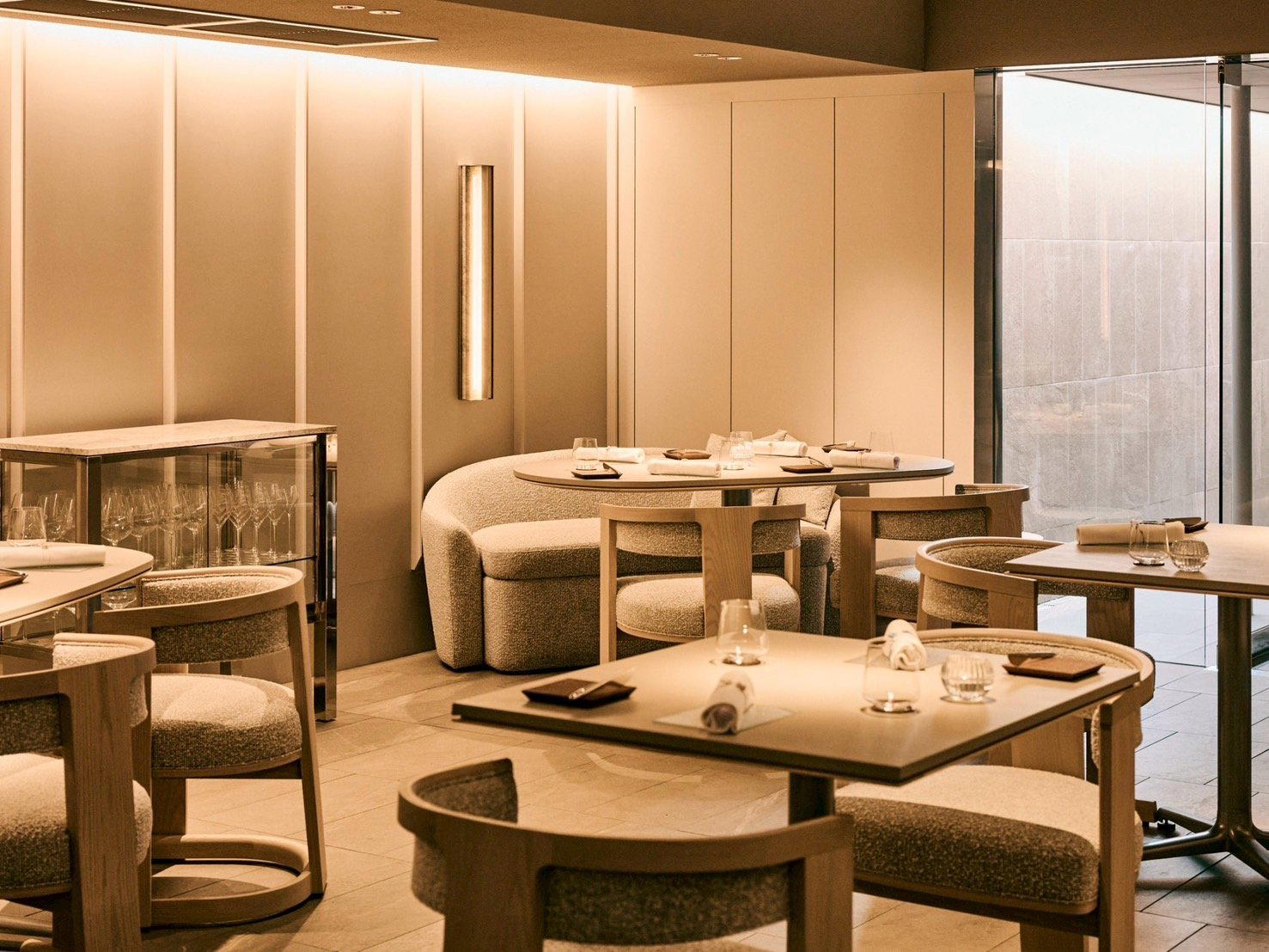
Where French Technique Meets Kyoto's Seasonal Discipline
Kyoto's dining culture has long operated on a logic of restraint: seasonal ingredients, minimal intervention, the accumulated weight of tradition. What makes the small cohort of French-influenced kitchens in this city compelling is not that they import something foreign, but that they adopt Kyoto's own seasonal rigour and reframe it through a different technical vocabulary. KOGA, located in the Nakaogawacho district of Kamigyo Ward, belongs to that cohort. The address sits north of the Imperial Palace complex, in a part of the city that is residential and quieter than the concentrated dining corridors of Gion or Kawaramachi. Arriving here already signals something about the kitchen's priorities: it is not chasing foot traffic or proximity to Kyoto's most-visited sites.
The Cultural Logic Behind the Cooking
The cross-pollination between Japanese seasonal cooking and French classical technique has produced some of Japan's most analytically interesting restaurants over the past two decades. HAJIME in Osaka is perhaps the most formally ambitious example, pushing into territory that owes as much to contemporary European idiom as to any Japanese tradition. akordu in Nara approaches the same question from a different angle, foregrounding local producers within a European framework. KOGA's version of this synthesis is shaped by a specific inheritance: Chef Koga Ryuji trained under Christian Le Squer, whose career in Paris has been defined by precision, aromatic complexity, and the discipline of classical French craft. Le Squer's approach to flavour-building through the sensibility of a perfumer, seeking combinations of aroma as a primary compositional tool, is legible in what the Kyoto kitchen does with local produce.
That training is not the story in itself. The more interesting point is what happens when that aromatic philosophy encounters the highly localised ingredient culture of Kyoto's Kita Ward. The Takagamine district, which sits in the foothills north of the city, supplies the kitchen with vegetables that carry the specificity of their soil and microclimate. Cooking those ingredients through multiple techniques to surface each vegetable's individual flavour profile is an approach that aligns with how kaiseki kitchens in the city think about produce, even if the technical methods diverge significantly. For context on how kaiseki handles the same seasonal material, Kikunoi Honten, Gion Sasaki, and Hyotei each demonstrate the depth of that tradition.
The Warm Salad and What It Argues
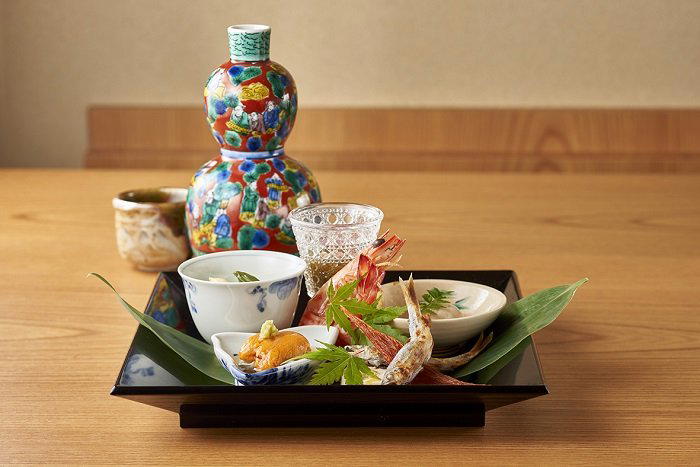
Among the dishes associated with the kitchen, the Warm Salad functions as the clearest statement of intent. It is not a salad in any conventional sense. Vegetables sourced from Takagamine are cooked through distinct methods, with each technique chosen to draw forward a different register of flavour from the same ingredient. The dish is compositionally aromatic as much as it is about taste: the layering of cooked vegetable aromas creates a kind of chord structure that reflects what Le Squer taught about building through scent rather than simply through seasoning. This approach places KOGA in a conversation with French vegetable cookery at its most serious, while remaining anchored in material that is specifically Kyoto in origin.
The interplay of char-grilled meat and its accompanying sauces elsewhere on the menu extends the same logic. Smoke and sauce are read as aromatic partners, not simply as flavour and carrier. This is a kitchen that thinks about what a dish smells like before it reaches the table, which is a more unusual compositional priority in Japan's French restaurant scene than it might initially appear.
Where KOGA Sits in Kyoto's Broader Restaurant Scene
Kyoto's premium dining tier is dominated by kaiseki at the ¥¥¥¥ price point, where Mizai, Isshisoden Nakamura, and the houses named above represent a competitive set built on centuries of codified technique. French-influenced restaurants in the city occupy a smaller, more varied tier. Some, like cenci, work from an Italian-influenced European base at ¥¥¥. We're Smart Green Guide, which focuses on plant-forward kitchens and chefs working with vegetables and natural flavours at a serious level, has recognised the restaurant, a credential that places it in a growing international conversation about French technique applied to non-animal-centred cuisine. For comparative reference, Harutaka in Tokyo and Goh in Fukuoka illustrate how Japanese chefs working in European-influenced idioms navigate a similar dual audience. The question of whether KOGA moves further toward a plant-centred menu is one that We're Smart Green Guide has explicitly raised, suggesting the trajectory is one the kitchen is already thinking about.
Outside Japan, the template of French classicism filtered through local seasonal intelligence appears in different forms. Le Bernardin in New York City demonstrates the sustained commercial and critical authority that French classical training can build over decades, while Atomix in New York City and 1000 in Yokohama show how Korean and Japanese chefs have recontextualised European formats entirely. 6 in Okinawa offers a further regional variation. KOGA's position in that broader map is that of a kitchen working with real rigour in a city where the dominant tradition runs in a different direction entirely.
Planning Your Visit
KOGA sits in Kamigyo Ward, north of Kyoto's Imperial Palace complex, at 230 Nakaogawacho. The neighbourhood is quiet and residential rather than tourist-concentrated, which means the experience of arriving and leaving is distinct from restaurant visits in Gion or the Higashiyama corridor. Advance booking is advisable; the kitchen's recognition from We're Smart Green Guide has broadened awareness beyond Kyoto's local dining community.
| Detail | KOGA | Gion Sasaki | Kyokaiseki Kichisen |
|---|---|---|---|
| Cuisine Type | French-influenced, seasonal | Kaiseki, Japanese | Japanese ¥¥¥¥ |
| Price Tier | Not confirmed | ¥¥¥¥ | ¥¥¥¥ |
| Key Recognition | We're Smart Green Guide | Michelin-recognised | Established heritage |
| Location Ward | Kamigyo | Higashiyama | Kita |
| Booking Difficulty | Advance recommended | High demand | High demand |
For a fuller picture of eating and drinking in Kyoto, see our full Kyoto restaurants guide, our full Kyoto hotels guide, our full Kyoto bars guide, our full Kyoto wineries guide, and our full Kyoto experiences guide.
Frequently Asked Questions
Pricing, Compared
| Venue | Cuisine | Price | Awards | Notes |
|---|---|---|---|---|
| KOGAThis venue (the venue you are viewing) | Modern French Fine Dining | $100–150 | 1 Michelin Star · We're Smart World 2 Radishes | Not listed |
| Gion Sasaki | Modern Kaiseki | $300–500 | 3 Michelin Stars · La Liste Top Restaurants | Kaiseki, Japanese |
| cenci | Innovative Italian-Japanese Fusion | $100–150 | 1 Michelin Star · World's 50 Best #76 | Italian |
| Ifuki | Sumibi Kappo Kaiseki | $200–300 | 2 Michelin Stars · La Liste Top Restaurants | Kaiseki |
| Kyokaiseki Kichisen | Kyoto Kaiseki | $200–300 | 2 Michelin Stars · La Liste Top Restaurants | Japanese |
| Kyo Seika | Modern Chinese Fine Dining | $150–200 | 1 Michelin Star · Tabelog Bronze #216 | Chinese |
Recognition history
Dated appearances from independent guides and award organizations, with the underlying list record or original source where available.
Michelin 1 Star
Michelin
We're Smart World 2 Radishes
We're Smart World
Continue exploring
More in Kyoto
Restaurants in Kyoto
All restaurants in Kyoto →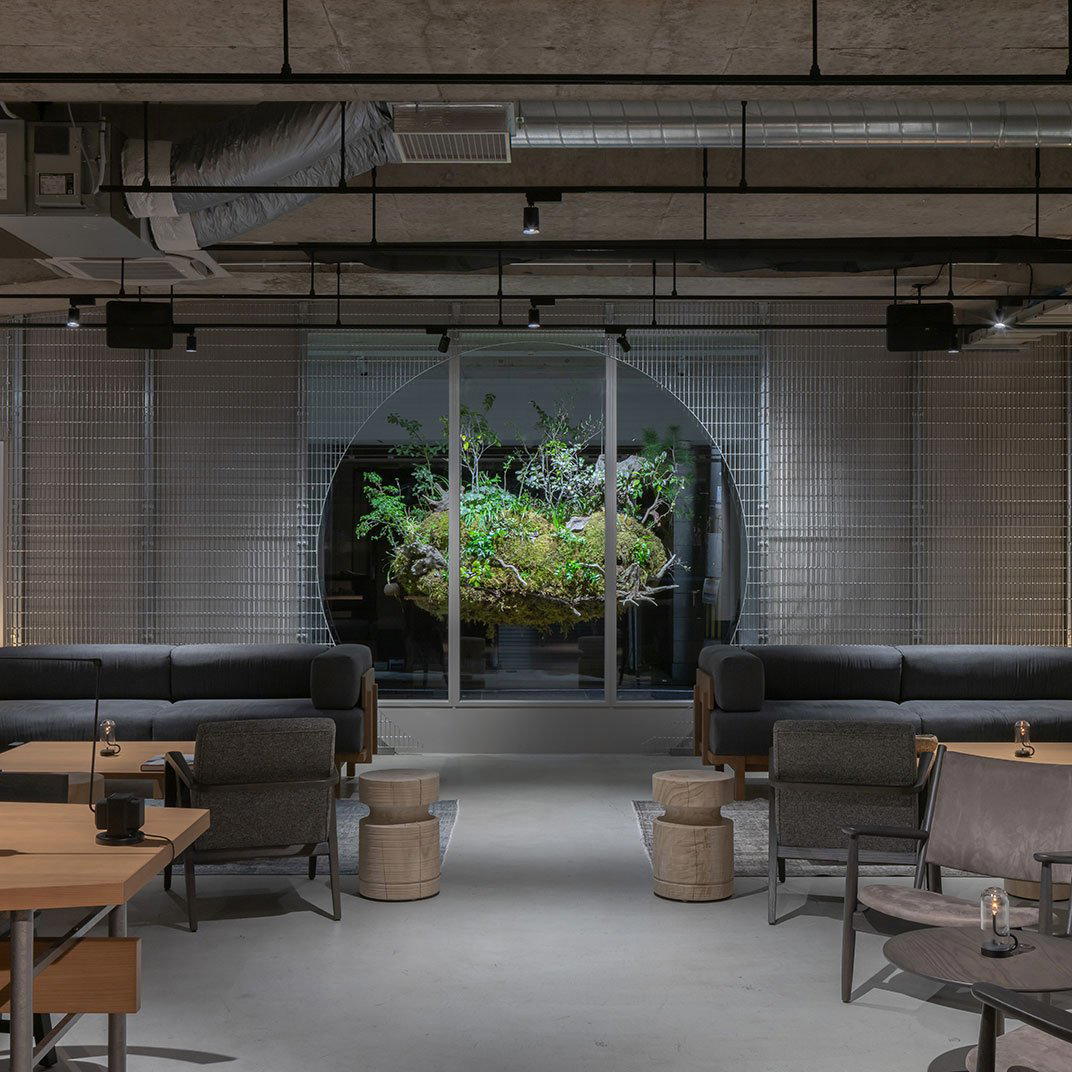
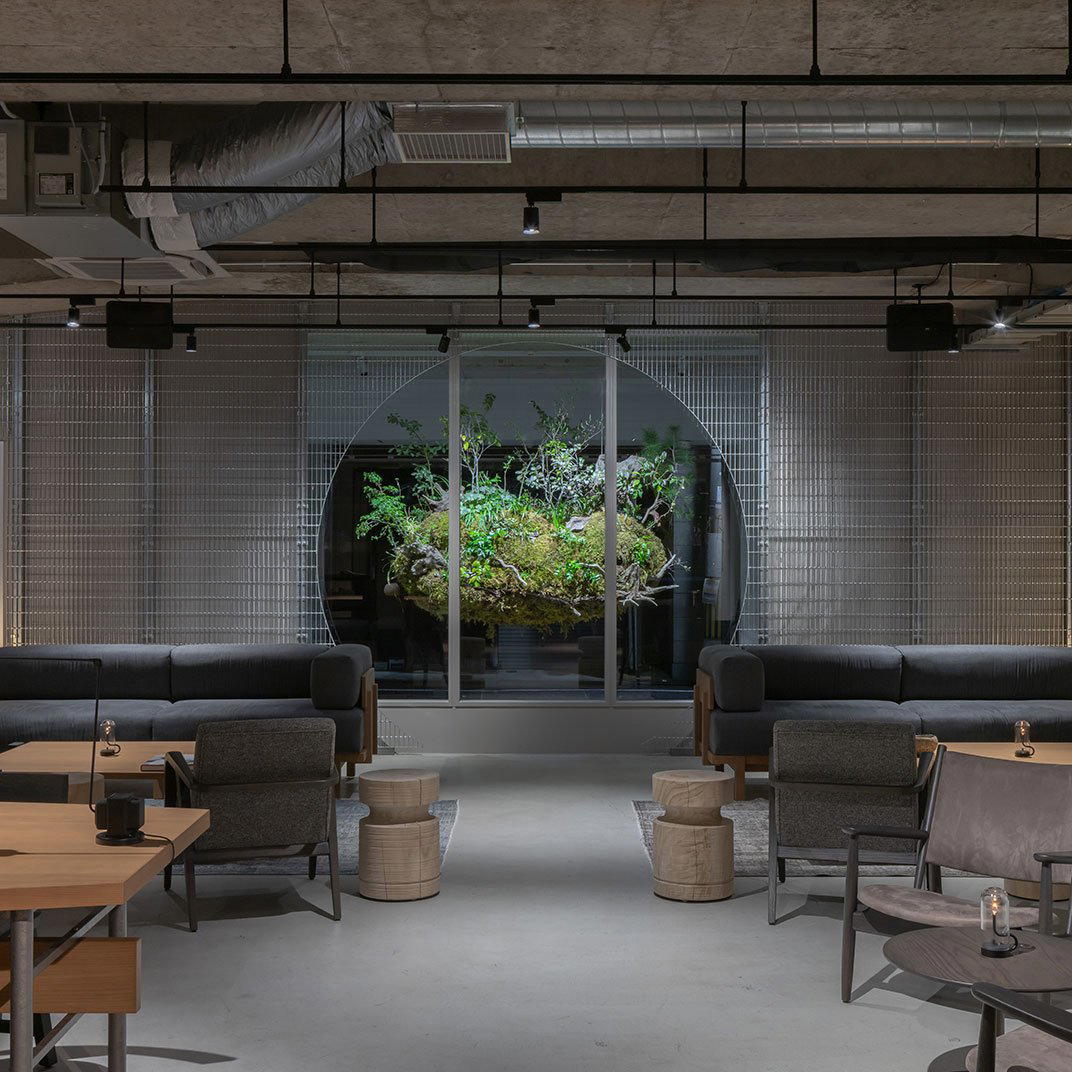
Bars in Kyoto
All bars in Kyoto →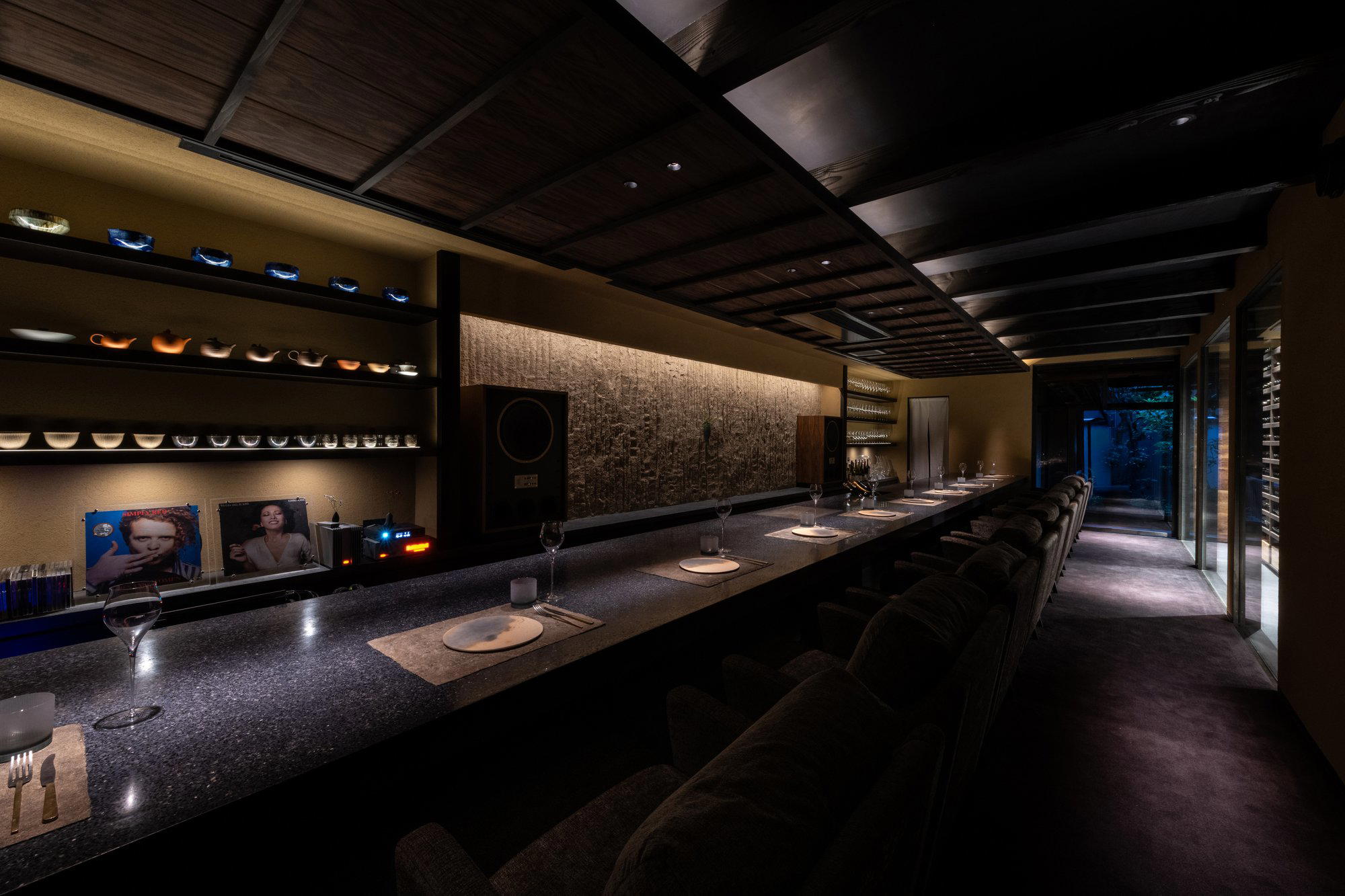
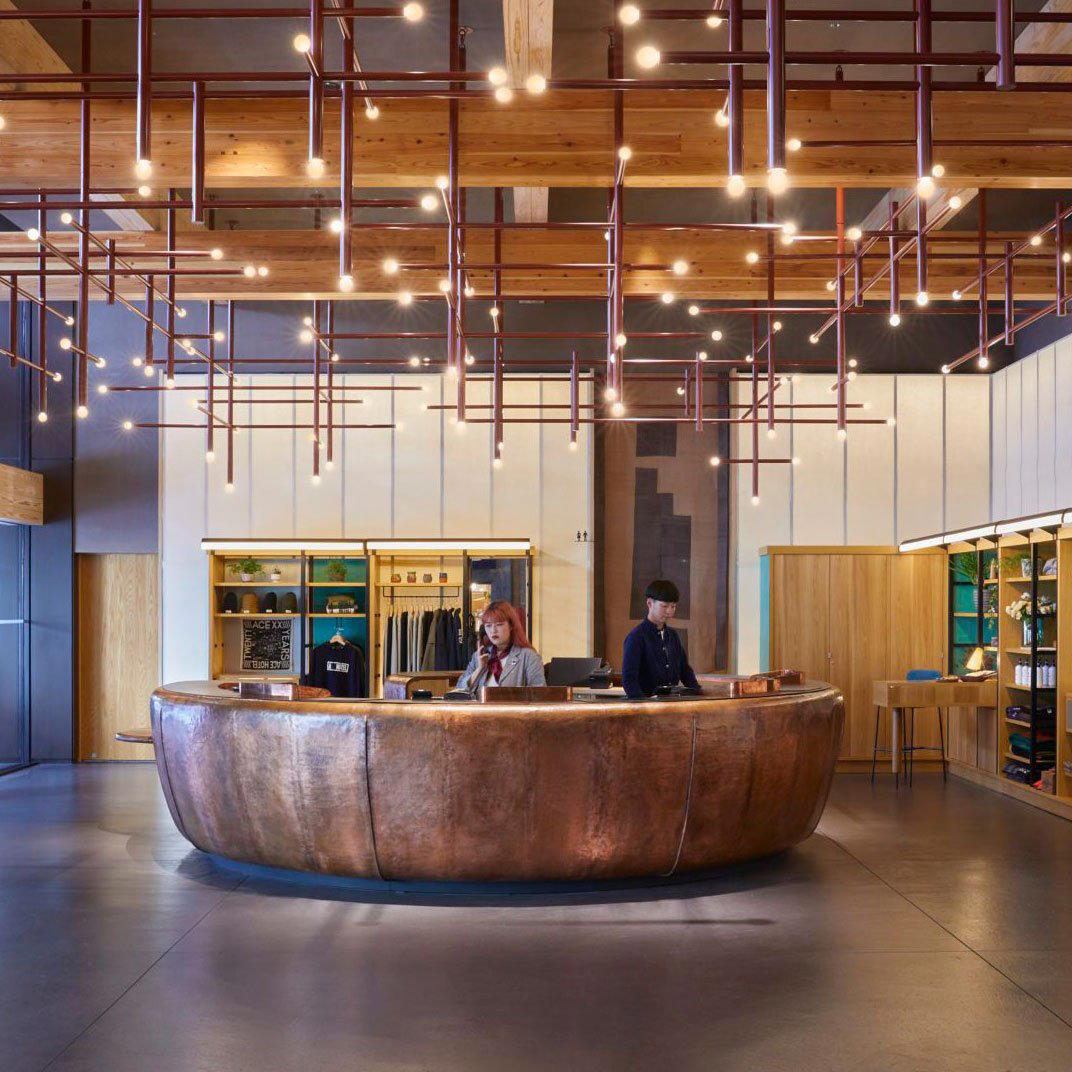
Hotels in Kyoto
All hotels in Kyoto →

Wineries in Kyoto
Browse all →
Details
- Elegant
- Sophisticated
- Intimate
- Modern
- Business Dinner
- Special Occasion
- Celebration
- Private Dining
- Design Destination
- Historic Building
- Extensive Wine List
- Sommelier Led
- Local Sourcing
- Tasting Menu
- Omakase
- Prix Fixe
- Allergy Accommodating
Current opening hours
- Monday
- 12–3 PM, 6–10 PM
- Tuesday
- Closed
- Wednesday
- Closed
- Thursday
- 12–3 PM, 6–10 PM
- Friday
- 12–3 PM, 6–10 PM
- Saturday
- 12–3 PM, 6–10 PM
- Sunday
- 12–3 PM, 6–10 PM
Hours can change for holidays and private events. Hours as of .
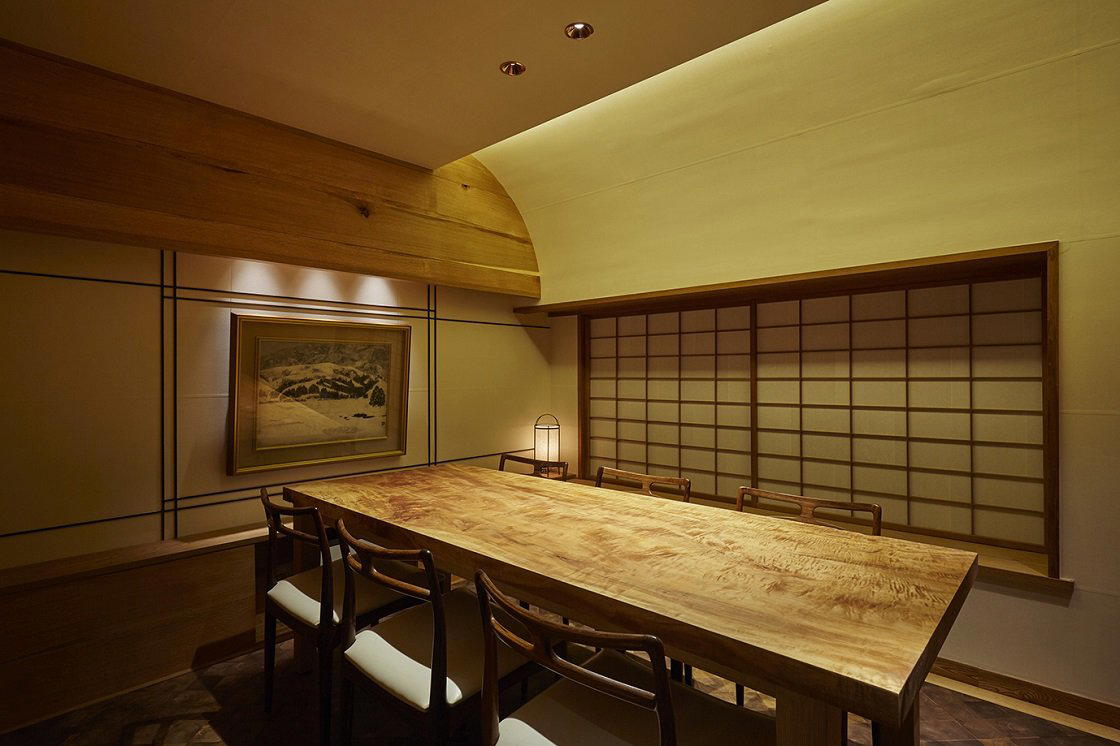
Relaxing designer space with table and sofa seating in a renovated historic townhouse.